Research Articles
Phylogenomic Comparative Methods: Revolutionizing Biodiversity Assessment in Biomedical Research
This article explores the transformative potential of phylogenomic comparative methods for modern biodiversity assessment, addressing critical needs in biomedical and drug discovery research.
The Ornstein-Uhlenbeck Model: A Mean-Reverting Framework for Evolutionary Biology and Precision Medicine
This article provides a comprehensive exploration of the Ornstein-Uhlenbeck (OU) process, a cornerstone stochastic model renowned for its mean-reverting property.

Beyond Random Walks: How Brownian Motion Models Are Revolutionizing Evolutionary Biology and Biomedical Research
This article synthesizes cutting-edge applications of Brownian motion models in evolutionary biology and biomedical science.
Phylogenetic Signal in Trait Evolution: From Theory to Drug Discovery Applications
This article provides a comprehensive overview of phylogenetic signal, the evolutionary pattern where closely related species share similar traits.
How Phylogenies Power Biodiversity Research: From Species Discovery to Drug Development
This article explores the transformative role of phylogenetic analysis in modern biodiversity research, detailing its applications from foundational species classification to cutting-edge drug discovery.
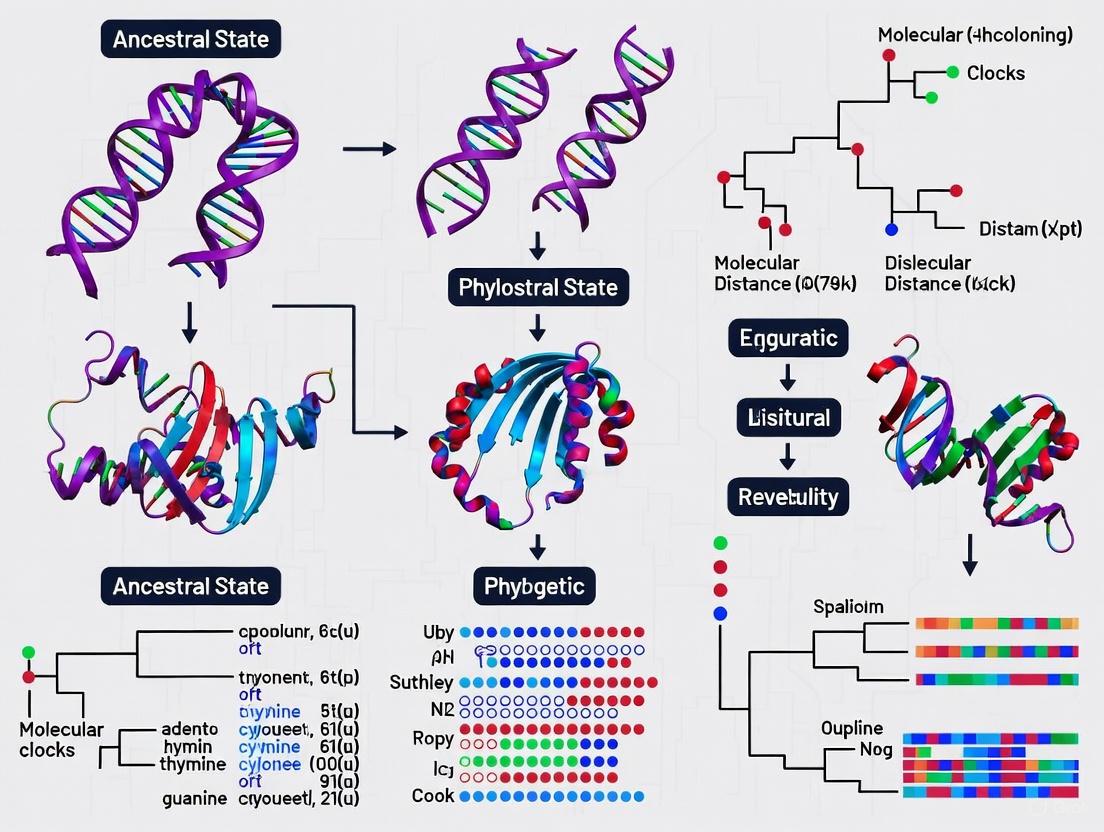
Ancestral State Reconstruction: From Evolutionary Principles to Biomedical Innovation
This article provides a comprehensive overview of ancestral state reconstruction (ASR), a pivotal phylogenetic tool for inferring the evolutionary history of biological characteristics.
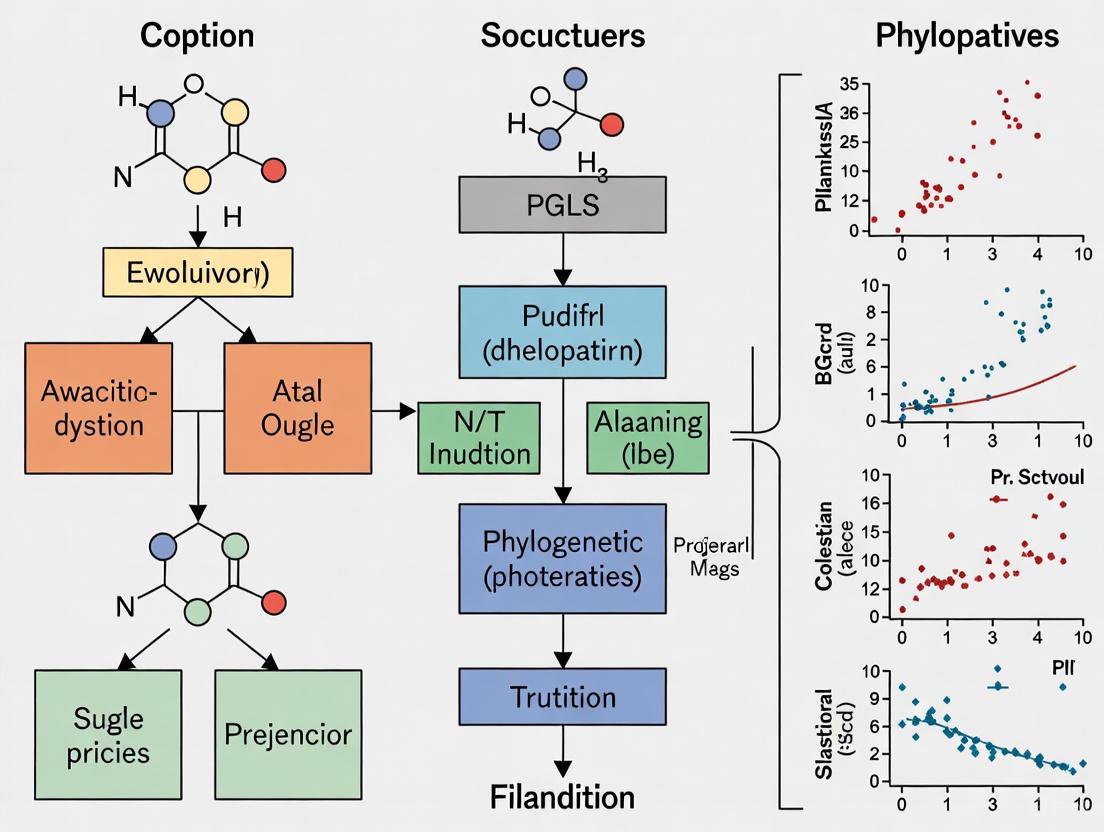
Phylogenetic Generalized Least Squares (PGLS): A Comprehensive Guide for Biomedical and Evolutionary Research
This article provides a comprehensive introduction to Phylogenetic Generalized Least Squares (PGLS), a fundamental phylogenetic comparative method for analyzing trait correlations across species.
Phylogenetic Comparative Methods: A Statistical Framework for Evolutionary Biology and Drug Discovery
Phylogenetic comparative methods (PCMs) are a suite of statistical tools that combine evolutionary trees (phylogenies) with species' trait data to test evolutionary hypotheses and understand diversification patterns.
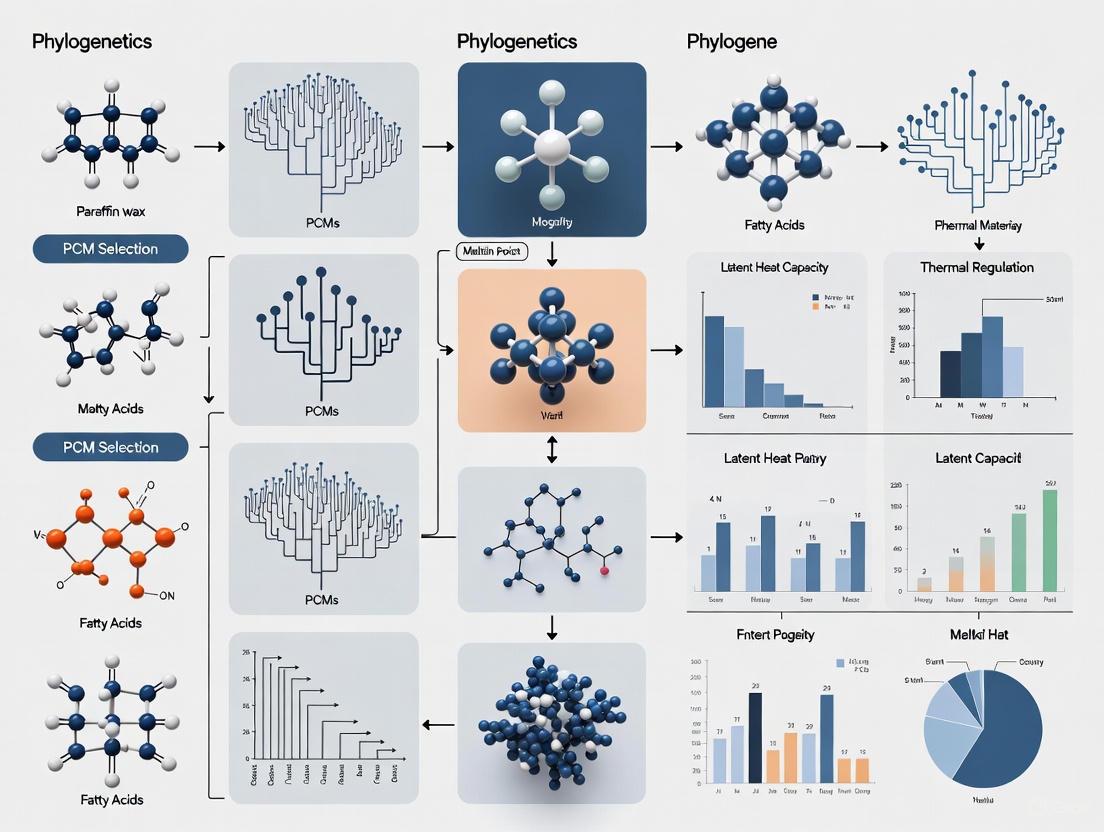
Phylogenetics vs. Phylogenetic Comparative Methods (PCMs): A Guide for Biomedical Research and Drug Discovery
This article provides a clear and actionable guide for researchers, scientists, and drug development professionals on the distinct roles of phylogenetics and Phylogenetic Comparative Methods (PCMs).
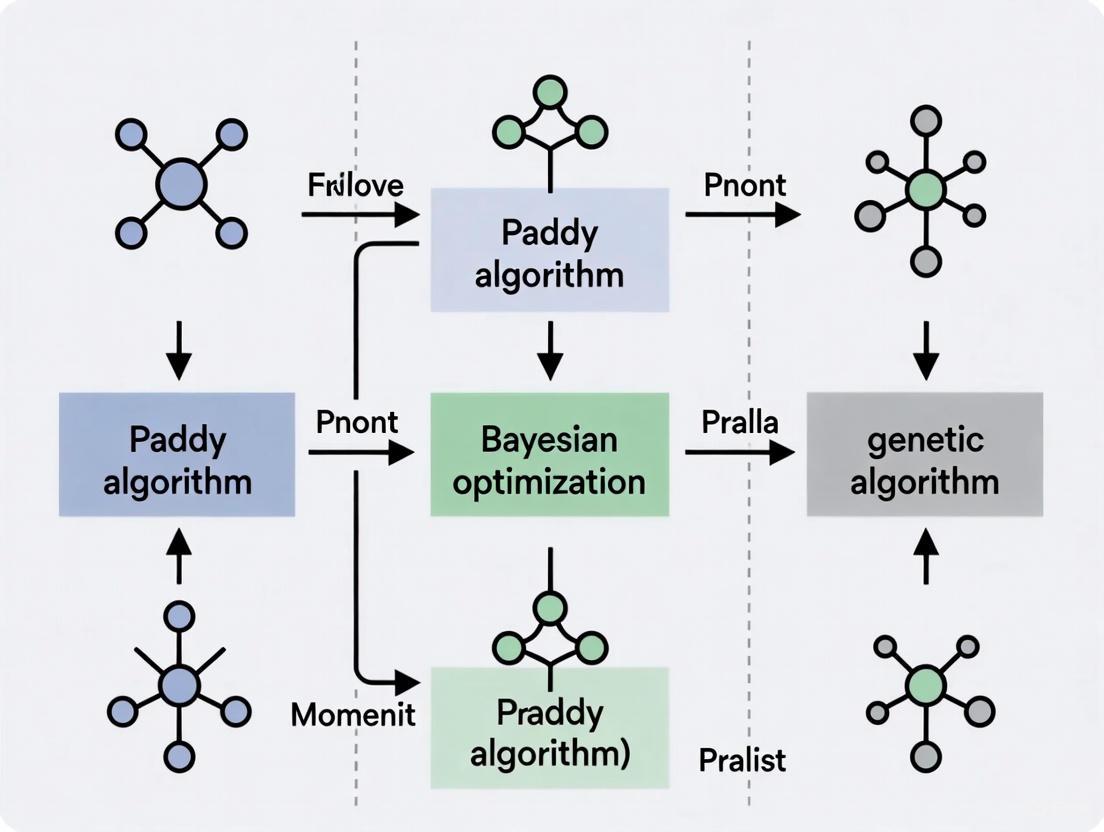
Evolutionary vs. Bayesian: Benchmarking Paddy, GA, and BO for Drug Discovery and Chemical Optimization
This article provides a comprehensive performance analysis of three prominent optimization algorithms—the evolutionary Paddy algorithm, Bayesian optimization, and Genetic Algorithms—in the context of chemical sciences and drug development.