PRINT and seq2PRINT: Decoding Cis-Regulatory Element Architecture with Multiscale Footprinting and Deep Learning
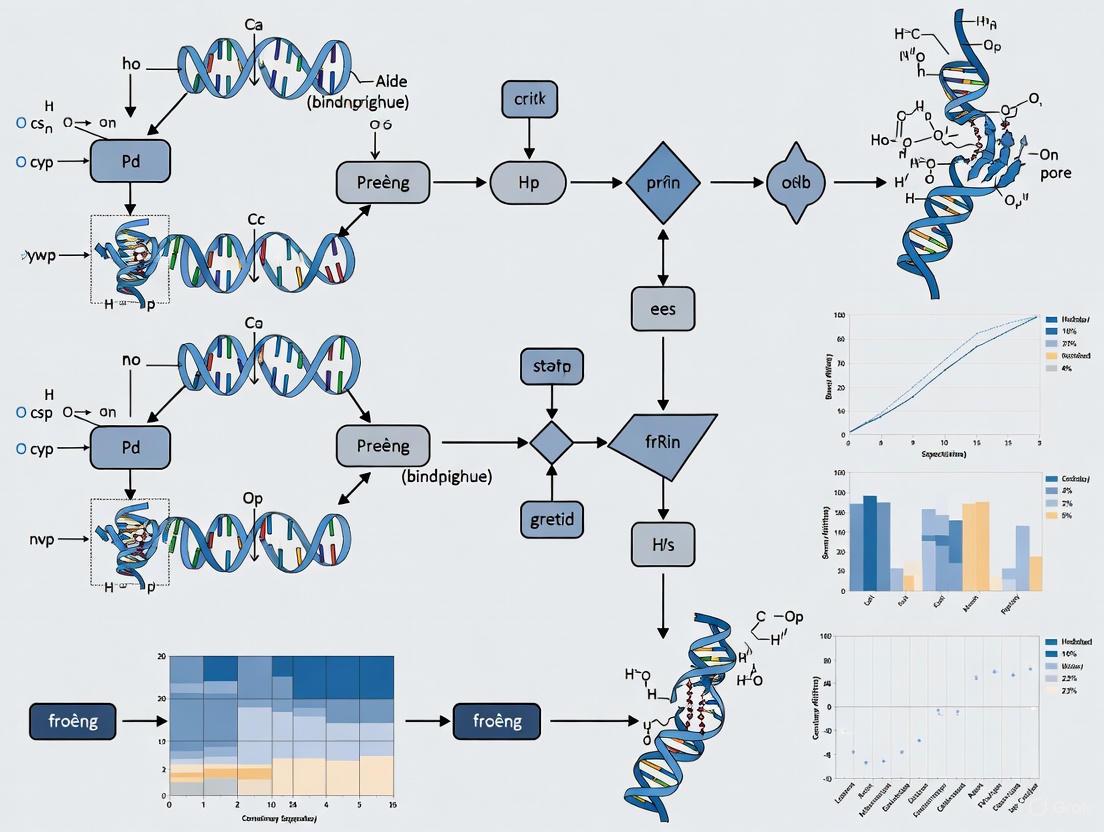
This article explores PRINT, a novel computational method for identifying protein-DNA interaction footprints from chromatin accessibility data across multiple scales.
PRINT and seq2PRINT: Decoding Cis-Regulatory Element Architecture with Multiscale Footprinting and Deep Learning
Abstract
This article explores PRINT, a novel computational method for identifying protein-DNA interaction footprints from chromatin accessibility data across multiple scales. We detail how PRINT, combined with the seq2PRINT deep learning framework, enables precise inference of transcription factor and nucleosome binding, overcoming longstanding limitations of traditional footprinting techniques. Covering foundational principles, methodological workflows, and optimization strategies, this resource provides researchers and drug development professionals with a comprehensive guide to interpreting regulatory logic, tracking dynamics in differentiation and aging, and connecting non-coding genetic variation to disease mechanisms with unprecedented accuracy.
The Cis-Regulatory Code: Why Decoding CRE Architecture Matters in Biology and Disease
Cis-regulatory elements (CREs) are non-coding DNA sequences that function as genomic control switches, precisely orchestrating gene expression in space and time throughout development, cellular differentiation, and disease states. These regulatory elements—primarily promoters, enhancers, and silencers—form complex networks that integrate internal and external signals to determine cellular identity and function [1] [2]. Their coordinated action enables the vast diversity of cell types and specialized functions found in complex organisms, all originating from an identical genome sequence.
The systematic identification and functional characterization of CREs represents a frontier in genomics, with profound implications for understanding disease mechanisms and developing targeted therapies. Notably, over 96% of single nucleotide polymorphisms (SNPs) associated with drug response in pharmacogenomic genome-wide association studies reside in non-coding regions, predominantly within these regulatory elements [2]. This striking statistic underscores why decoding the logic of genomic regulation is essential for advancing personalized medicine and understanding the fundamental principles of cellular control.
The Genomic Control Switches: A Functional Taxonomy
Core Regulatory Components
Table 1: Characteristics of Major Cis-Regulatory Elements
| Element | Genomic Position | Primary Function | Key Features | Associated Proteins |
|---|---|---|---|---|
| Promoter | Proximal to transcription start site (TSS) | Initiates transcription | Contains core & proximal regions; binds RNA polymerase II | RNAPII, TATA-box binding protein, transcription factors |
| Enhancer | Variable distance from TSS (up to 1Mb) | Enhances transcription rate | Orientation/distance independent; tissue-specific | p300, Mediator complex, transcription factors, cohesin |
| Silencer | Variable distance from target gene | Represses transcription | Prevents inappropriate gene expression | Repressor proteins, Polycomb complexes, histone deacetylases |
| Insulator | Between regulatory elements and genes | Blocks enhancer-promoter interaction | Creates chromatin boundaries; defines domains | CTCF, cohesin, boundary element-associated factor |
Molecular Mechanisms of Action
Promoters serve as the foundational recruitment platform for the transcriptional machinery, with the core promoter providing the minimal sequence sufficient to initiate transcription and the proximal promoter (-250 to +250 bp from TSS) serving as a tethering element for distal regulatory elements [2]. In contrast, enhancers function as "promoters of the promoters," activating specific genes at precise developmental stages and locations through physical interactions mediated by DNA looping [2] [3]. These interactions bring enhancers into proximity with their target promoters, facilitating the transfer of transcriptional co-activators.
Silencers operate through complementary mechanisms, either by recruiting repressor proteins that inhibit transcription complex assembly or through chromatin-modifying enzymes that create repressive environments [1]. The interplay between these contrasting elements creates a finely-tuned balance that allows cells to respond to internal cues and external stimuli [1]. Insulator elements, particularly those binding CTCF, establish functional domains by preventing inappropriate cross-talk between neighboring regulatory regions, effectively creating boundaries that maintain regulatory specificity [2] [3].
PRINT Technology: Mapping the Regulatory Landscape
Methodological Framework and Innovation
The PRINT (Protein-regulatory element interactions at nucleotide resolution using transposition) computational method represents a significant advancement in mapping DNA-protein interactions from chromatin accessibility data [4]. This approach identifies footprints of DNA-protein interactions across multiple scales of protein size, from transcription factors (~20 bp) to nucleosomes (~200 bp), enabling comprehensive characterization of cis-regulatory architecture. The methodology employs a two-step decoding process: first, correction of Tn5 transposase sequence bias using a convolutional neural network; and second, quantification of protection from cleavage to yield footprint scores across window sizes ranging 4-200 bp [4] [5].
Table 2: PRINT Method Validation and Performance Metrics
| Validation Approach | System | Key Finding | Performance Advantage |
|---|---|---|---|
| In vitro protein binding | Purified MYC/MAX, CEBPA | Strong footprints detected only with purified TF | Minimal background signal; superior to established methods |
| Concentration response | MYC/MAX (50 nM vs 100 nM) | Increased footprints at low-affinity sites with higher concentration | Footprint scores sensitive to TF occupancy |
| Mammalian cell validation | Multiple cell types | Distinct patterns for nucleosomes and specific TFs | Identifies four representative TF binding categories |
| ChIP-exo benchmarking | TF-bound sites | Agreement at bound sites; identifies possible ChIP-exo false negatives | Complementary validation approach |
Experimental Protocol: Multi-Scale Footprinting with PRINT
Sample Preparation and Sequencing
- Input: Bulk or single-cell ATAC-seq data (10,000 cells recommended for single-cell experiments)
- Quality Control: Assess enrichment of reads mapping to transcription start sites and inter-replicate correlation
- Library Preparation: Follow standard ATAC-seq protocols with Tn5 transposase
- Sequencing Depth: Minimum 50 million reads per sample for bulk ATAC-seq
Computational Analysis Pipeline
- Tn5 Bias Correction: Apply pre-trained deep learning model to correct for sequence-specific insertion bias
- Footprint Score Calculation: Quantify significance of depletion of observed Tn5 insertions relative to estimated background dispersion
- Multi-scale Analysis: Compute footprint scores across window sizes (4-200 bp) to resolve proteins of varying sizes
- Statistical Thresholding: Apply false discovery rate (FDR) correction (recommended FDR < 0.01)
Data Interpretation
- Cluster footprint patterns into representative categories
- Validate using orthogonal methods (ChIP-exo, in vitro binding assays)
- Integrate with transcriptomic data to connect regulatory changes to expression
Diagram 1: PRINT workflow for mapping cis-regulatory elements from ATAC-seq data.
The seq2PRINT Framework: Deep Learning Decoding of Regulatory Logic
Architecture and Implementation
Building on the multiscale footprints generated by PRINT, the seq2PRINT framework employs deep learning to predict protein-binding patterns directly from DNA sequence [4]. This approach parses the sequence-level organization of multiscale footprints in CREs, enabling computationally tractable and precise transcription factor binding prediction in both bulk and single-cell ATAC-seq data. The model uses local DNA sequence as sole input to predict both nucleosome and transcription factor footprints, achieving an overall correlation of 0.75 between predicted and observed multiscale footprints in ATAC-seq data from HepG2 cells [4].
The key innovation of seq2PRINT lies in its ability to extract basewise DNA sequence attribution scores that enable dissection of the transcription factor binding architecture within a CRE. This capability reveals not only the motifs underlying specific footprints but also potential binding coordination between nearby transcription factors and longer-range dependencies that influence nucleosome positioning [4].
Protocol: seq2PRINT Analysis of Regulatory Sequences
Model Training and Application
- Input Requirements: DNA sequence windows (typically 500-1000 bp) centered on regions of interest
- Data Preprocessing: One-hot encoding of DNA sequences; normalization of footprint labels
- Model Architecture: Convolutional neural network with attribution scoring capabilities
- Training Regimen: Transfer learning possible with LoRA (Low-Rank Adaptation) for cell-state specific fine-tuning
Sequence Attribution Analysis
- Calculate attribution scores with respect to whole CREs to highlight short sequences overlapping TF motif positions
- Perform targeted attribution for specific footprint objects to identify underlying motifs
- Detect potential cooperative binding through neighboring motif identification
- Infer nucleosome positioning from associated transcription factor motifs
TF Binding Prediction
- Generate TF binding scores trained to predict ChIP-seq data
- Benchmark against established methods (ChromBPNet)
- Apply to TFs with weak or no direct footprint that challenge conventional footprinting methods
Diagram 2: seq2PRINT deep learning framework for predicting regulatory logic from DNA sequence.
Research Reagent Solutions for CRE Analysis
Table 3: Essential Research Tools for Cis-Regulatory Element Studies
| Reagent/Resource | Function/Application | Key Features | Example Use Case |
|---|---|---|---|
| PRINT Software | Multi-scale footprinting from ATAC-seq data | Corrects Tn5 bias; detects footprints 4-200 bp; single-cell compatible | Mapping TF and nucleosome positions in heterogeneous samples [4] |
| scPrinter Python Package | Single-cell footprinting and sequence modeling | Implements PRINT and seq2PRINT; pseudo-time tracking | Analyzing chromatin structure dynamics across differentiation [5] |
| KAS-ATAC-seq | Simultaneous chromatin accessibility and transcriptional activity | Measures ssDNA in ATAC-seq peaks; identifies transcribed enhancers | Defining immediate-early activated CREs in response to stimuli [6] |
| CAGE (Cap Analysis of Gene Expression) | Genome-wide transcription start site profiling | Quantifies enhancer RNAs; identifies active promoters and enhancers | Mapping drug-induced CREs in hepatocytes [7] |
| Opti-KAS-seq | Enhanced ssDNA capture for transcriptional activity | Cell permeabilization step improves efficiency; works on challenging tissues | Profiling CRE activity in primary cells and tissues [6] |
Applications in Disease and Drug Development
Pharmacogenomics and Adverse Drug Reactions
The integration of CRE mapping with pharmacogenomics has revealed how non-coding variants in regulatory elements contribute to interindividual differences in drug response. Studies of pregnane X receptor (PXR)-mediated regulation in human hepatocytes have identified drug-induced CREs near genes involved in vitamin D and bilirubin metabolism, providing mechanistic insights into adverse drug reactions such as vitamin D deficiency associated with rifampicin treatment [7]. Through CAGE profiling of transcription start sites, researchers identified 2,398 rifampicin-induced CRE candidates, with 364 showing direct PXR binding in primary hepatocytes [7].
These drug-inducible and PXR-binding elements included both promoters (DPP) and enhancers (DPE) near genes critical for drug metabolism and response. Strikingly, variants associated with serum vitamin D and bilirubin levels showed substantial enrichment (over 100-fold) within these CRE candidates, highlighting their clinical relevance and potential as biomarkers for predicting adverse drug reactions [7].
Protocol: Identifying Drug-Responsive Regulatory Elements
Experimental Design for Drug Response Studies
- Cell Model: Primary hepatocytes or engineered cell lines (e.g., ShP51 HepG2 cells with PXR expression)
- Drug Treatment: Appropriate agonists/antagonists with vehicle controls; time-course experiments
- Multi-omics Profiling: CAGE for transcriptome and enhancer activity; ATAC-seq for accessibility; ChIP-seq for TF binding
Identification of Drug-Induced CREs
- Statistical Analysis: Identify significantly induced/repressed CREs (FDR < 0.1)
- Integration: Overlap drug-responsive elements with transcription factor binding sites
- Functional Annotation: GO term enrichment for biological processes; pathway analysis
- Genetic Correlation: S-LDSC analysis with GWAS summary statistics for trait associations
Validation Approaches
- CRISPR/Cas9 knockout of candidate CREs
- Luciferase reporter assays to quantify regulatory activity
- siRNA knockdown to assess effects on endogenous gene expression
- 3C-based methods to confirm enhancer-promoter interactions
The integration of advanced computational methods like PRINT and seq2PRINT with experimental approaches for mapping cis-regulatory elements has dramatically expanded our ability to decode the genomic control switches that govern cellular identity and function. These technologies enable researchers to move beyond static maps of chromatin accessibility to dynamic assessments of protein occupancy and regulatory logic across diverse biological contexts.
As single-cell multi-omics technologies continue to mature, the application of these methods to increasingly complex biological systems—from developmental processes to disease progression—will provide unprecedented insights into the regulatory principles underlying cellular diversity. The integration of these approaches with clinical pharmacogenomics holds particular promise for elucidating the functional consequences of non-coding variation in drug response and disease susceptibility, potentially unlocking new opportunities for personalized therapeutic interventions.
Understanding gene regulation requires mapping the precise interactions between proteins and cis-regulatory elements (CREs), which control cell type-specific gene expression. These interactions are not static; they change dynamically during differentiation, in response to cellular signals, and throughout ageing [4]. For decades, chromatin immunoprecipitation followed by sequencing (ChIP-seq) has been the gold standard for mapping these protein-DNA interactions. However, ChIP-seq generates only static snapshots of binding events, typically measuring one protein at a time in populations of millions of cells [8] [9]. This approach obscures the dynamic and combinatorial nature of gene regulation and fails to capture the heterogeneity present in complex biological systems. This Application Note details these limitations and presents next-generation methodologies that overcome these challenges, with a focus on the PRINT computational tool for inferring protein binding from chromatin accessibility data.
Limitations of Traditional ChIP-seq Assays
The technical constraints of ChIP-seq present significant obstacles to creating a dynamic and comprehensive map of the protein-DNA interactome.
Technical and Practical Constraints
- Multiplexing Limitation: Traditional ChIP-seq is fundamentally a one-protein-per-experiment method. Generating maps for hundreds of proteins requires corresponding hundreds of individual experiments, making comprehensive studies impractical in most research settings [8].
- Cell Number Requirements: Standard ChIP-seq protocols often require large numbers of cells (typically millions per experiment), preventing its application to rare cell populations or limited clinical samples [8].
- Antibody Dependency: The quality of ChIP-seq data is entirely dependent on antibody quality and specificity. Commercial antibodies vary widely in performance, and many lack sufficient validation, introducing uncertainty and potential artifacts [9].
- Cost and Accessibility: At approximately $1,000-$2,000 per lane on sequencing platforms, ChIP-seq costs remain substantial, particularly when multiplexed approaches are needed [9].
Inability to Capture Biological Dynamics
Beyond technical limitations, ChIP-seq fails to capture the essential dynamics of gene regulatory mechanisms:
- Static Snapshots: The cross-linking and immunoprecipitation process captures protein-DNA interactions at a single moment, missing the rapid remodeling of CREs that occurs during cellular responses to stimuli or through differentiation trajectories [4] [10].
- Population Averaging: By measuring bulk cell populations, ChIP-seq masks cell-to-cell heterogeneity in protein binding, averaging distinct regulatory states that may exist within seemingly homogeneous populations [4].
- Limited Temporal Resolution: The inability to efficiently track binding events over time hinders our understanding of the sequence of regulatory events that drive cell fate decisions [4].
Table 1: Key Limitations of ChIP-seq and Their Experimental Implications
| Limitation | Experimental Consequence | Impact on Data Interpretation |
|---|---|---|
| Lack of Multiplexing | Inability to map protein complexes or combinatorial binding | Incomplete picture of regulatory architecture |
| Large Cell Inputs | Exclusion of rare cell types and limited clinical samples | Biased understanding of developmental and disease processes |
| Antibody Dependency | Variable data quality; impossible for proteins without specific antibodies | Gaps in maps of critical regulators; challenges in reproducibility |
| Static Population Snapshot | Missed transient interactions and dynamic remodeling | Inability to reconstruct regulatory sequences and causal relationships |
Emerging Methodologies for Multiplexed Protein-DNA Mapping
Next-generation technologies address ChIP-seq's limitations through innovative approaches that enable highly multiplexed, dynamic, and sensitive mapping.
ChIP-DIP: Massively Parallel Protein Mapping
Chromatin Immunoprecipitation Done in Parallel (ChIP-DIP) enables genome-wide mapping of hundreds of diverse regulatory proteins in a single experiment [8]. The method works by:
- Coupling individual antibodies to beads containing unique oligonucleotide tags
- Combining different antibody-bead-oligonucleotide conjugates into a pool
- Performing standard ChIP with the pooled antibodies
- Barcoding chromatin-antibody-bead-oligonucleotide conjugates via split-and-pool ligation
- Sequencing DNA and computationally matching barcodes to generate individual protein maps [8]
ChIP-DIP generates data highly comparable to ENCODE ChIP-seq references (genome-wide correlations r = 0.837-0.956) while dramatically increasing throughput. It maintains data quality across pool sizes (1-52 antibodies tested) and requires substantially fewer cells per protein mapped—effectively profiling 35 different proteins from a single lysate of 50,000 cells [8].
TurboCas: Locus-Specific Dynamic Protein Labeling
TurboCas enables efficient, dynamic labeling of chromatin-binding proteins at specific genomic loci in mammalian cells with high temporal resolution (30-minute labeling) [10]. The technique combines:
- dCas9: A catalytically dead Cas9 that binds DNA without cutting
- miniTurbo: A rapid proximity labeling enzyme
- Single sgRNA: For precise targeting without transcriptional interference [10]
This system allows researchers to capture all proteins interacting with a specific genomic region under different cellular conditions, enabling studies of dynamic protein recruitment during processes like stress response [10].
Table 2: Comparison of Next-Generation Protein-DNA Mapping Technologies
| Method | Multiplexing Capacity | Temporal Resolution | Key Application | Technical Considerations |
|---|---|---|---|---|
| ChIP-DIP | High (100+ proteins) | Single timepoint | Consortium-scale mapping of diverse regulatory proteins | Requires antibody conjugation; compatible with all protein classes |
| TurboCas | Locus-specific proteome | Dynamic (30-min labeling) | Identifying all proteins at a specific genomic locus | Requires prior knowledge of target locus; uses CRISPR targeting |
| CUT&Tag | Low (1-3 proteins) | Single timepoint | Low-input mapping with high signal-to-noise | Bias toward accessible chromatin; limited TF mapping |
The PRINT and seq2PRINT Computational Framework
The PRINT (Protein–regulatory element interactions at nucleotide resolution using transposition) computational method represents a paradigm shift by inferring protein binding dynamics directly from chromatin accessibility data, bypassing many limitations of antibody-based methods [4] [11].
PRINT Methodology and Workflow
PRINT identifies "footprints" of DNA-protein interactions from bulk and single-cell ATAC-seq data across multiple scales of protein size (4-200 bp) [4]. The key innovations include:
- Tn5 Sequence Bias Correction: A convolutional neural network trained on Tn5 insertion data from deproteinized DNA significantly outperforms k-mer and position weight matrix models (R = 0.94), particularly in high-GC regions [4].
- Multiscale Footprint Detection: A statistical approach quantifies the significance of Tn5 insertion depletion relative to estimated background dispersion, yielding a footprint score that minimizes false positives [4].
- Sensitivity to Occupancy: PRINT detects increased footprints at low-affinity sites with higher TF concentrations, demonstrating sensitivity to occupancy levels at given sites [4].
Diagram 1: PRINT Workflow for Protein Binding Inference (76 characters)
seq2PRINT: Deep Learning for Regulatory Logic Interpretation
The seq2PRINT framework uses deep learning to predict multiscale footprints from DNA sequence alone, enabling precise inference of transcription factor and nucleosome binding while interpreting regulatory logic at CREs [4]. The framework:
- Predicts TF and Nucleosome Binding: Uses DNA sequence as sole input to predict both nucleosome and TF footprints (overall correlation 0.75 with observed footprints) [4].
- Generates TF Binding Scores: Attribution scores from the model predict TF binding with higher precision than previous methods, even for TFs with weak or no direct footprint [4].
- Dissects CRE Architecture: Identifies specific motifs underlying footprints and reveals potential binding coordination between nearby TFs and longer-range dependencies affecting nucleosome positioning [4].
Detailed Experimental Protocols
Protocol 1: In Vitro PRINT Validation Using Purified Proteins
This protocol validates PRINT's ability to detect transcription factor binding through controlled in vitro assays [4].
Materials:
- Deproteinized genomic DNA (e.g., from bacterial artificial chromosomes)
- Purified transcription factors (e.g., MYC/MAX or CEBPA)
- ATAC-seq library preparation reagents
- Sequencing platform
Procedure:
- DNA Preparation: Incubate deproteinized DNA with purified TFs at varying concentrations (e.g., 50 nM vs. 100 nM) to test occupancy sensitivity [4].
- ATAC-seq Library Preparation: Perform standard ATAC-seq protocol on DNA-protein mixtures and DNA-only controls [4].
- Sequencing: Sequence libraries on appropriate platform to obtain minimum of 10 million reads per condition.
- PRINT Analysis:
- Process raw sequencing data through PRINT pipeline with Tn5 bias correction
- Compute multiscale footprint scores across 4-200 bp windows
- Compare footprint strength at known TF motif sites between TF-containing and control samples
- Validation: Expect strong footprints at TF motif sites only in presence of purified TF with very low background signal [4].
Protocol 2: Single-Cell Protein Binding Inference in Hematopoiesis
This protocol applies seq2PRINT to single-cell ATAC-seq data to track TF binding dynamics across differentiation trajectories [4].
Materials:
- Single-cell ATAC-seq data from human bone marrow cells
- Reference genomes (hg38)
- Computational resources (high-performance computing cluster recommended)
- seq2PRINT software (available from original publication)
Procedure:
- Data Preprocessing: Process raw scATAC-seq data through standard preprocessing (alignment, duplicate removal, quality filtering) [4].
- Cell Type Identification: Cluster cells based on chromatin accessibility profiles to define distinct populations across hematopoiesis.
- seq2PRINT Analysis:
- Run seq2PRINT framework on aggregated pseudobulk data per cell type OR on individual cells
- Generate multiscale footprint predictions for TFs and nucleosomes
- Extract sequence attribution scores to identify key regulatory TFs
- Dynamics Analysis:
- Track footprint changes across differentiation trajectories
- Identify sequential establishment and widening of CREs centered on pioneer factors
- Correlate TF binding dynamics with gene expression from matched scRNA-seq data
- Visualization: Create trajectory plots showing TF binding strength and nucleosome positioning changes across cell states.
The Scientist's Toolkit: Essential Research Reagents
Table 3: Key Research Reagents for Advanced Protein-DNA Interaction Studies
| Reagent / Material | Function | Application Example |
|---|---|---|
| PRINT Software | Computationally infers protein binding from ATAC-seq data via multiscale footprinting | Mapping TF dynamics in differentiation or ageing [4] |
| ChIP-DIP Antibody Pools | Enable multiplexed mapping of hundreds of proteins in single experiment | Consortium-scale regulatory mapping in any cell type [8] |
| TurboCas System | Rapid proximity labeling of proteins at specific genomic loci | Identifying novel protein interactors at disease-associated loci [10] |
| Tn5 Transposase | Enzymatic tagmentation of accessible chromatin; core enzyme for ATAC-seq | Generating input data for PRINT analysis [4] |
| Orthologous Chromatin Spike-ins | Enable quantitative normalization in ChIP-seq experiments | Accurate cross-condition comparison of protein binding [12] |
Application to Differentiation and Ageing Research
Applying PRINT and seq2PRINT to biological systems has revealed novel insights into dynamic regulatory processes:
Hematopoietic Differentiation Dynamics
Analysis of human bone marrow scATAC-seq data with seq2PRINT revealed:
- Sequential CRE Establishment: Stepwise activation of erythroid and lymphoid CREs centered on pioneer factors [4].
- TF Switching: Many CREs exhibit switching of regulatory TFs through differentiation not reflected by overall accessibility changes [4].
- Nucleosome Repositioning: Dynamic nucleosome reorganization at key regulatory elements throughout differentiation trajectories [4].
Age-Associated Epigenetic Alterations
Analysis of murine hematopoietic stem cells (HSCs) across ageing revealed:
- Global Nucleosome Changes: Widespread reduction of nucleosome footprints within CREs in aged HSCs [4].
- TF Binding Alterations: Decreased activity of nucleosome-associated TFs (YY1, NRF1) and gain of binding at de novo Ets composite motifs [4].
- Cobinding Configuration Changes: Increased binding of Ets and Runx family members in diverse cobinding configurations in aged cells [4].
Diagram 2: Ageing-Associated Changes in CRE Architecture (68 characters)
The limitations of traditional ChIP-seq assays in capturing dynamic protein binding have driven the development of innovative solutions that fall into two complementary categories: wet-lab experimental methods like ChIP-DIP and TurboCas that enable highly multiplexed and dynamic protein mapping, and computational approaches like PRINT and seq2PRINT that extract rich protein binding information from accessible chromatin data. These technologies collectively provide researchers with unprecedented ability to map the dynamic protein-DNA interactome across differentiation, ageing, and disease states. By moving beyond the constraints of one-protein-per-experiment approaches and static population snapshots, these methods enable a more comprehensive and dynamic understanding of gene regulatory principles that will accelerate both basic research and therapeutic development.
Chromatin accessibility serves as a fundamental indicator of a cell's regulatory state, providing crucial insights into gene expression control mechanisms that operate beyond the DNA sequence itself. The dynamic packaging of DNA into chromatin creates a landscape where certain regions become accessible to transcriptional machinery while others remain condensed and inactive. These accessible regions correspond to cis-regulatory elements (CREs), which include promoters, enhancers, silencers, and insulators—genetic fragments typically ranging from 6 to 20 base pairs that are bound by transcription factors (TFs) to precisely modulate gene expression dosage and spatiotemporal patterns [13]. In eukaryotic organisms, the selective activation of CREs provides a flexible mechanism of transcriptional regulation, allowing cells with identical genetic codes to serve diverse roles throughout the body and respond to external stimuli such as stress and pharmaceutical compounds [14].
The emergence of sophisticated technologies for profiling chromatin accessibility, particularly single-cell ATAC-seq (scATAC-seq), has revolutionized our ability to decipher the epigenetic code at single-cell resolution. These advances are especially relevant for research utilizing the PRINT tool to investigate protein binding to cis-regulatory elements, as they provide a window into the dynamic regulatory landscape that governs cellular identity and function. Understanding these mechanisms is increasingly crucial for personalized medicine and disease research, as an growing number of genetic variants associated with phenotypes and diseases overlap with CREs rather than protein-coding regions [14]. The integration of chromatin accessibility data with protein-DNA interaction studies creates a powerful framework for unraveling the complex regulatory networks that underpin cellular differentiation, disease pathogenesis, and therapeutic responses.
Technological Foundations: From Bulk to Single-Cell Resolution
Evolution of Chromatin Accessibility Profiling Methods
The journey to understand chromatin accessibility began with low-throughput methods such as Southern blotting for DNase I hypersensitive sites (DHS) and DNA footprinting, which could only examine one or a few regulatory sequences at a time [13] [15]. The development of second-generation sequencing technologies enabled genome-wide approaches including DNase-seq (DNase I sequencing), FAIRE-seq (Formaldehyde-Assisted Isolation of Regulatory Elements), and MNase-seq (Micrococcal Nuclease sequencing) [16]. These techniques revealed that open chromatin regions are predominantly found in active genes and cis-regulatory elements and play important roles in biological processes including transcription, replication, and differentiation [15].
A significant breakthrough came with the development of the Assay for Transposase-Accessible Chromatin using sequencing (ATAC-seq), which utilizes the Tn5 transposase enzyme to simultaneously fragment and tag accessible genomic regions with sequencing adapters [16]. This method offers several advantages over earlier techniques, including faster protocol time, lower cell input requirements, and the ability to capture nucleosome positioning information. The more recent emergence of single-cell ATAC-seq (scATAC-seq) has enabled high-resolution profiling of chromatin accessibility landscapes across heterogeneous cell populations, allowing researchers to characterize cell type-specific regulatory elements and dynamic changes during cellular differentiation and disease progression [17].
Emerging Methodologies
Innovative approaches continue to expand the methodological toolkit for studying chromatin accessibility. Chromatin Accessibility (CA) is a technique designed to infer the genomic landscape of open chromatin in isolated nuclei using DNA methylation tagging [18]. This method employs the nonspecific adenine methyltransferase EcoGII, which selectively methylates accessible adenine residues (A → 6mA) within nuclei when supplied with the methyl group donor S-adenosylmethionine (SAM). Because 6mA is not a naturally occurring modification in the human genome, its incorporation serves as a proxy for identifying regions of open chromatin [18]. This approach exemplifies the continuing innovation in mapping the regulatory genome.
Table 1: Comparison of Major Chromatin Accessibility Profiling Methods
| Method | Principle | Resolution | Cell Input | Key Applications |
|---|---|---|---|---|
| DNase-seq | DNase I enzyme cleavage of accessible DNA | Bulk | 10^5-10^7 cells | Genome-wide mapping of DHS [16] |
| ATAC-seq | Tn5 transposase insertion into accessible chromatin | Bulk | 50,000-100,000 cells | Open chromatin mapping, nucleosome positioning [16] |
| scATAC-seq | Tn5 tagmentation with single-cell barcoding | Single-cell | 500-10,000 cells | Cellular heterogeneity, rare cell identification [17] |
| Chromatin Accessibility (CA) | EcoGII methyltransferase tagging of accessible adenines | Bulk | 2×10^6 cells | Open chromatin detection via 6mA incorporation [18] |
scATAC-seq: Principles and Workflows
Fundamental Principles
Single-cell ATAC-seq (scATAC-seq) represents the leading technology for analyzing a cell's epigenetic traits, specifically the chromatin accessibility profiles of individual cells [17]. The technique builds upon the principle that open chromatin regions are more accessible to external enzymes like transposases. In scATAC-seq, this is leveraged using the Tn5 transposase, which simultaneously fragments and tags accessible chromatin regions with sequencing adapters. The single-cell resolution enables researchers to swap averaged signals for cell type-specific regulatory elements, accurately identify all cell types in a tissue, characterize heterogeneous tissue dynamics, and detect infrequent chromatin accessibility events in small cell populations or during transitional states [17].
The technology's value lies in its ability to capture a layer of information alongside the transcriptome to describe cell identity. While single-cell RNA sequencing (scRNA-seq) provides information about gene expression outputs, scATAC-seq reveals the regulatory potential and mechanisms that may precede and govern those expression patterns. This complementary relationship makes scATAC-seq particularly powerful for understanding gene regulatory mechanisms and cell differentiation processes that scRNA-seq data might not capture [17]. For researchers using the PRINT tool to study protein binding to CREs, scATAC-seq provides crucial contextual information about when and where these regulatory elements become accessible for transcription factor binding.
Experimental Workflow
The scATAC-seq workflow consists of five main steps that transform a sample of isolated nuclei into a detailed map of chromatin accessibility at single-cell resolution:
Nuclei Isolation: scATAC-seq requires a nucleus suspension as starting material to enable efficient tagmentation. There are several kits and protocols that make it possible to obtain high-quality nuclei suspensions from fresh and cryopreserved cells, fresh tissue, and snap-frozen tissue [17].
Tagmentation: Isolated nuclei undergo tagmentation in bulk by adding Tn5 transposase proteins. In scATAC-seq, tagmentation is the process of adding 10x Genomics barcodes to all open chromatin regions. The Tn5 transposase, a bacterial transposase that can access open chromatin and insert a DNA fragment in the host's DNA, is at the center of this assay [17].
Single-Cell Barcoding: The microfluidics-based 10x Chromium instrument adds a cell-specific barcode to each tagmented DNA fragment using GEMs (Gel bead-in-EMulsion)—water-in-oil emulsion droplets. Each GEM contains a single nucleus encapsulated in barcode-containing gel beads, ensuring that all tagmented DNA fragments from one cell share the same barcode [17].
Sequencing: Following barcode addition and library construction, the amplified, barcoded sequencing libraries are sequenced using next-generation sequencing platforms such as Illumina NovaSeq X Plus and NextSeq 2000 [17].
Data Analysis: scATAC-seq data analysis identifies regions of open chromatin across the entire genome through peak calling using specialized algorithms such as 10x Genomics CellRanger and MACS2. These algorithms identify genomic regions enriched in sequencing reads compared to background, corresponding to open chromatin regions [17].
The Scientist's Toolkit: Essential Research Reagents
Successful scATAC-seq experiments require specific reagents and tools carefully selected for their performance characteristics. The following table details key research reagent solutions essential for implementing scATAC-seq protocols:
Table 2: Essential Research Reagents for scATAC-seq Experiments
| Reagent/Kit | Manufacturer | Function in Workflow | Key Characteristics |
|---|---|---|---|
| Tn5 Transposase | Multiple suppliers | Fragments and tags accessible chromatin | Engineered hyperactive variant, preloaded with adapters [17] |
| 10x Chromium X | 10x Genomics | Single-cell partitioning and barcoding | Microfluidic technology for gel bead-in-emulsion (GEM) generation [17] |
| Nuclei Isolation Kits | Multiple suppliers | Preparation of nuclei suspensions | Detergent-based buffers that preserve nuclear integrity [17] [18] |
| Chromatin Accessibility (CA) Enzyme | New England Biolabs (M0603S) | 6mA tagging of accessible chromatin | EcoGII methyltransferase for open chromatin identification [18] |
| Short Fragment Eliminator (SFE) | Oxford Nanopore | Size selection for long-read sequencing | Removes fragments <10kb, enriches high molecular weight DNA [18] |
| CellRanger ATAC | 10x Genomics | Data analysis pipeline | Demultiplexing, barcode processing, peak calling [17] |
| Signac | Stuart Lab (Bioconductor) | scATAC-seq data analysis | R package for chromatin data integration with Seurat [19] |
Data Analysis and Interpretation
From Sequencing Reads to Regulatory Insights
The analysis of scATAC-seq data transforms raw sequencing reads into biologically meaningful insights about gene regulation. The process begins with peak calling, where specialized algorithms such as 10x Genomics CellRanger and MACS2 identify regions in the genome that are enriched in sequencing reads compared to the background [17]. These peaks correspond to open chromatin regions. A critical consideration in peak calling is whether to perform it on the entire dataset first or to conduct cell clustering initially and perform peak calling on each cluster separately. The latter approach can yield different results and may identify accessibility profiles of rare cell populations [17].
Once peaks are identified, the single-cell barcodes enable algorithms to assign peaks to their cell of origin, facilitating cell clustering based on chromatin accessibility patterns. These clusters typically represent distinct cell types or states present in the sample. Researchers can then assign cell type annotations to each cluster by examining the chromatin accessibility profiles in depth, often by searching for known cell type markers within the accessible regions [17]. For PRINT tool researchers studying protein binding to CREs, this clustering information is invaluable for understanding how regulatory element usage varies across cell types.
The interpretation of scATAC-seq data relies on several key principles: peaks in coding regions indicate accessibility for the transcription machinery, suggesting these genes may be expressed or prepared for expression; peaks in non-coding regions indicate accessibility for regulatory proteins such as transcription factors, suggesting these may be active regulatory elements; and correlations between non-coding and coding regions suggest interplay between regulatory proteins and genes [17]. Furthermore, recurring binding motifs in different non-coding regions can imply which regulatory proteins are active in a cell, providing direct insights for protein-CRE interaction studies.
Transcription Factor Footprinting
Transcription factor footprinting represents a sophisticated analytical approach that leverages scATAC-seq data to identify precise transcription factor binding sites within accessible chromatin regions. The technique is based on the observation that when a transcription factor binds to DNA, it physically protects the underlying DNA from Tn5 transposase cleavage, creating a "footprint" or protected region within an otherwise accessible chromatin area [20].
Footprinting analysis requires high-resolution data, as it examines the pattern of Tn5 integration sites at single-base-pair resolution. The protected region typically spans the precise DNA sequence bound by the transcription factor, flanked by increased Tn5 cleavage sites due to the increased accessibility of the surrounding nucleosome-free regions. Advanced computational methods can then deconvolve these footprint patterns to infer transcription factor binding events, even in single cells [20].
For researchers using the PRINT tool to study protein-DNA interactions, footprinting provides complementary validation and context for their findings. While PRINT may identify direct binding interactions in controlled conditions, footprinting reveals which of these interactions actually occur in specific cellular contexts and how they vary across cell types and states. This integration of methods helps build a more comprehensive understanding of the dynamic regulatory landscape.
Quality Control Metrics
Rigorous quality control is essential for generating reliable scATAC-seq data. Several key metrics help researchers assess data quality:
Nucleosome Banding Pattern: The histogram of DNA fragment sizes should exhibit a characteristic periodicity corresponding to DNA wrapped around nucleosomes (approximately 200bp periodicity). This pattern indicates proper library preparation and can be quantified as the ratio of mononucleosomal to nucleosome-free fragments [19].
Transcriptional Start Site (TSS) Enrichment Score: This metric, defined by the ENCODE project, measures the ratio of fragments centered at TSSs to fragments in TSS-flanking regions. High-quality ATAC-seq data typically shows strong enrichment at TSSs, with poor-quality experiments exhibiting low TSS enrichment scores [19].
Fraction of Fragments in Peaks: This measures the percentage of all sequenced fragments that fall within called peaks, with typical values ranging from 15-60% for good-quality single-cell data. Cells with very low fractions may represent low-quality cells or technical artifacts [19].
Blacklist Region Ratio: The ENCODE project has provided "blacklist" regions that commonly generate artifactual signals. The fraction of reads mapping to these regions should be low in high-quality data [19].
Integration with Complementary Approaches
Multiomic Integration: ATAC and RNA Sequencing
The integration of scATAC-seq with single-cell RNA sequencing (scRNA-seq) data creates a powerful multiomic approach for unraveling gene regulatory networks. These two data types are mechanistically related—chromatin accessibility represents the regulatory potential of a cell, while the transcriptome reflects the realized gene expression output. When combined, they provide complementary insights that neither approach could deliver alone [17].
Integration allows for cross-validation between datasets, where open chromatin peaks and transcript numbers both indicate expressed genes. Matches between datasets provide extra confidence in calling gene expression events, while incongruencies may indicate post-transcriptional regulation or technical artifacts [17]. More importantly, integrated analysis enables researchers to link cis-regulatory elements with the genes they regulate more accurately. For example, accessibility at enhancer regions coupled with expression of nearby genes can suggest functional enhancer-promoter interactions.
The 10x Genomics Multiome ATAC platform enables simultaneous profiling of both chromatin accessibility and gene expression from the same single cell, allowing direct linkage through shared barcodes. This approach eliminates the need for computational integration of separate datasets and provides definitive evidence of which regulatory events are associated with which expression patterns in individual cells [17]. For PRINT tool researchers, this multiomic integration provides essential context for understanding how protein binding to specific CREs ultimately influences gene expression programs.
Genetic Variant Integration: caQTL Mapping
The integration of chromatin accessibility data with genetic information enables the discovery of chromatin accessibility quantitative trait loci (caQTLs)—genetic variants that influence chromatin accessibility [20]. These analyses shed light on the molecular mechanisms through which genetic variants may affect complex traits. Interestingly, many genetic variants associated with diseases through genome-wide association studies (GWAS) fall within noncoding regions and likely affect gene regulation rather than protein function [20].
Recent advances have demonstrated that genotypes can be accurately inferred directly from ATAC-seq reads, enabling caQTL analysis on large collections of publicly available data that lack paired genotype information [20]. This approach has revealed thousands of caQTLs that share causal signals with GWAS hits, many of which are not explained by known expression QTLs (eQTLs). These findings enable more comprehensive analysis predicting target genes, regulatory elements, and even potential transcription factors that drive GWAS signals for various complex human traits [20].
For researchers studying protein binding to CREs, caQTL analyses provide crucial insights into how natural genetic variation influences transcription factor binding and regulatory function. Genetic variants that alter transcription factor binding sites may create or destroy CREs, potentially explaining individual differences in gene regulation and disease susceptibility.
Applications in Drug Discovery and Development
Functional Annotation of Disease-Associated Variants
Chromatin accessibility profiling plays an increasingly important role in functional annotation of noncoding genetic variants identified through genome-wide association studies (GWAS). The majority of disease-associated variants lie in noncoding regions of the genome, suggesting they likely influence gene regulation rather than protein function [14]. Databases such as CREdb—which contains over 10 million human regulatory elements across 1,058 cell types and 315 tissues—provide essential resources for annotating these variants by determining which CREs they overlap and in which cellular contexts those elements are active [14].
This approach enables researchers to move from genetic association to biological mechanism. For example, liver-specific regulatory elements show significant enrichment for lead SNPs associated with liver enzyme levels and metabolic traits, while neural-specific elements are enriched for variants linked to brain physiology and function, and heart-specific elements are enriched for atrial fibrillation and electrocardiographic measures [14]. For drug discovery professionals, these annotations help prioritize therapeutic targets by linking genetic evidence to specific regulatory elements and cell types, potentially revealing novel mechanisms for intervention.
Cellular Trajectory Analysis and Differentiation
scATAC-seq enables the reconstruction of cellular differentiation trajectories based on progressive changes in chromatin accessibility. By applying trajectory inference algorithms to single-cell chromatin data, researchers can order cells along pseudotemporal paths that represent continuous biological processes such as development, differentiation, or activation. These analyses reveal how the regulatory landscape evolves during cellular transitions and which transcription factors drive these changes through their dynamic binding patterns.
For drug development, understanding these trajectories is particularly valuable for regenerative medicine applications, where directing cellular differentiation toward specific fates is the therapeutic goal. Additionally, in cancer biology, trajectory analysis can reveal how tumor cells evolve aggressive phenotypes through epigenetic reprogramming. For PRINT tool researchers studying protein-DNA interactions, these trajectories provide context for how transcription factor binding networks are rewired during cellular state transitions, potentially identifying key regulatory nodes that could be targeted for therapeutic intervention.
Protocols and Best Practices
Optimized scATAC-seq Wet-Lab Protocol
Based on established methodologies from 10x Genomics and the Omni-ATAC protocol, the following optimized procedure ensures high-quality scATAC-seq data:
Sample Preparation and Nuclei Isolation
- Start with fresh or properly cryopreserved cells (≥50,000 cells recommended for 10x Genomics)
- Isolate nuclei using detergent-based lysis buffer (e.g., Sigma NUC101) that preserves nuclear integrity while removing cytoplasmic components
- For tissues, perform mechanical dissociation followed by density centrifugation to obtain clean nuclei suspension
- Confirm nuclei integrity and count using trypan blue exclusion and hemocytometer
Tagmentation Reaction
- Resuspend nuclei in tagmentation buffer (33 mM Tris-acetate, 66 mM Potassium acetate, 11 mM Magnesium acetate, 16% DMF)
- Add Tn5 transposase (Illumina Tagment DNA TDE1 or equivalent) and incubate at 37°C for 30 minutes with mild agitation
- Stop reaction by adding SDS final concentration 0.1% and incubate at 40°C for 5-10 minutes
- Purify tagmented DNA using SPRI beads at 2X sample volume
Single-Cell Library Preparation
- Load tagmented DNA onto 10x Chromium Chip according to manufacturer's instructions targeting 5,000-10,000 cells
- Perform barcoding and library construction using Chromium Next GEM Single Cell ATAC Reagents
- Amplify libraries with 12-14 PCR cycles depending on input material
- Clean up libraries using SPRI beads at 0.8X and 1.2X sequential ratios
Quality Control and Sequencing
- Quantify libraries using Qubit dsDNA HS Assay Kit
- Assess fragment size distribution using Bioanalyzer High Sensitivity DNA kit (expected peak ~200-600bp)
- Sequence on Illumina platform with 50+50 paired-end reads, targeting 25,000-50,000 read pairs per cell
Computational Analysis Pipeline
Primary Data Processing
- Demultiplex raw sequencing data using
cellranger-atac mkfastq - Align reads, call peaks, and count fragments using
cellranger-atac countwith default parameters - Generate single-cell matrix of peaks x cells for downstream analysis
Quality Control and Filtering
- Filter cells based on multiple QC metrics using Signac package in R:
- Minimum 1,000 fragments per cell
- Nucleosome signal < 2.5
- TSS enrichment score > 2
- Fraction of reads in peaks > 15%
- Blacklist ratio < 0.05
- Remove peaks present in <10 cells to reduce noise
Dimensionality Reduction and Clustering
- Perform latent semantic indexing (LSI) on peak matrix
- Run harmony integration if batch effects present
- Cluster cells using graph-based clustering (Louvain algorithm)
- Visualize with UMAP or t-SNE
Differential Accessibility and Annotation
- Identify differentially accessible peaks between clusters using logistic regression
- Annotate clusters using known marker genes and chromatin signatures
- Perform motif enrichment analysis using Homer or chromVAR
- Link peaks to potential target genes using genomic proximity or correlation with scRNA-seq data
The field of chromatin accessibility profiling continues to evolve rapidly, with several emerging trends poised to enhance its utility for studying protein-DNA interactions and regulatory biology. The integration of long-read sequencing with chromatin accessibility methods, as demonstrated by the Chromatin Accessibility (CA) protocol using Oxford Nanopore technology, enables the detection of 6mA incorporation as a proxy for open chromatin while providing advantages for variant phasing and structural variant detection [18]. Similarly, advances in multimodal single-cell technologies now allow simultaneous profiling of chromatin accessibility, gene expression, protein abundance, and chromatin conformation from the same cells, providing increasingly comprehensive views of cellular states.
For researchers utilizing the PRINT tool to investigate protein binding to CREs, these technological advances offer exciting opportunities to contextualize protein-DNA interactions within broader regulatory networks. The growing availability of comprehensive databases like CREdb, which integrates information from 11 sources into a unified resource of 5.6 million consensus regulatory elements, will facilitate more accurate annotation of binding sites and their functional implications [14]. Furthermore, the ability to perform caQTL mapping on aggregated public datasets without pre-existing genotype information demonstrates how scale and methodological innovation are expanding the scope of regulatory genomics [20].
In conclusion, chromatin accessibility profiling—particularly through scATAC-seq and complementary methods—provides an essential window into regulatory activity that is transforming our understanding of cellular identity, differentiation, and disease. For the research community focused on protein binding to cis-regulatory elements, these approaches offer powerful tools for contextualizing specific protein-DNA interactions within the broader regulatory landscape, ultimately advancing both basic science and therapeutic development.
The comprehensive detection of DNA-binding proteins (DBPs) is fundamental to understanding gene regulation, yet a significant gap exists between the theoretical potential of chromatin accessibility data and its practical application for robust DBP identification. Cis-regulatory elements (CREs) dynamically integrate diverse effector proteins, including transcription factors (TFs) and nucleosomes, to control gene expression [4]. While single-cell assay for transposase-accessible chromatin using sequencing (scATAC-seq) has emerged as a powerful tool for measuring chromatin accessibility across cellular diversity, accurately inferring the specific proteins bound to these regions remains a major challenge [4].
Traditional methods like chromatin immunoprecipitation followed by sequencing (ChIP-seq) provide precise mapping for specific TFs but are low-throughput and cannot scale to measure all regulatory proteins across every cellular context [4] [21]. Computational predictors that identify DBPs directly from protein sequence have been developed, but real-world evaluations reveal critical limitations in reliability, with poor maintenance, server instability, and erroneous predictions being common [22]. This leaves a critical gap in our ability to connect accessible chromatin landscapes with the specific proteins that occupy them, hindering the complete characterization of gene-regulatory networks (GRNs) in development and disease [4] [21].
The Current Landscape and Inherent Challenges
Limitations of Computational DBP Predictors
A comprehensive survey of over 50 computational tools developed to predict DNA-binding ability from protein sequence or structure reveals significant practical barriers to their use in biological research. An evaluation of ten functional tools highlighted widespread issues:
- Poor Maintenance and Accessibility: Many web-based tools suffer from unstable servers, connection failures during data submission, and long processing times, rendering them impractical for routine use [22].
- Unreliable Predictions: Even among functional tools, prediction scores often fail to reflect incorrect outputs. Furthermore, multiple methods frequently produce the same erroneous predictions, which can significantly distort biological interpretation when researchers focus on a small number of uncharacterized proteins [22].
Table 1: Evaluation of Functional DNA-Binding Protein Prediction Tools
| Method | Prediction Level | Key Features | Primary Limitations |
|---|---|---|---|
| DP-Bind [22] | Residue | Evolutionary information (PSSM) | Relies solely on evolutionary features |
| TargetDNA [22] | Residue | Solvent accessibility, PSSM | Single protein analysis only |
| DNABIND [22] | Protein | Amino acid proportion, spatial asymmetry, dipole moment | Does not use evolutionary information |
| iDRPro-SC [22] | Protein | Evolutionary info, physicochemical properties, subfunction | Limited by underlying feature accuracy |
| HybridDBRpred [22] | Residue | Amino acid properties, disorder, external tool predictions | Computationally intensive |
The Scalability Problem of Experimental Methods
Experimental methods for CRE and DBP characterization face complementary challenges:
- ChIP-seq provides high-resolution, in vivo binding data for a specific protein but is inherently low-throughput, making it infeasible to profile the roughly 2,000 human TFs across all cellular contexts [4] [21].
- Chromatin Accessibility Profiling (e.g., ATAC-seq) offers a high-throughput, TF-agnostic method to identify putative CREs genome-wide [21]. However, inferring precisely which TFs are bound within these accessible regions based solely on motif presence lacks precision and fails to capture the complex dynamics of protein occupancy [4].
PRINT: A Framework to Address the Gap
The PRINT (protein–regulatory element interactions at nucleotide resolution using transposition) computational method was developed to bridge this divide by enabling the inference of protein binding from chromatin accessibility data across multiple scales [4].
Core Methodology and Workflow
PRINT detects footprints of DNA–protein interactions by quantifying the protection of DNA from Tn5 transposase cleavage. Its workflow involves key steps to overcome prior technical limitations.
Diagram 1: The PRINT computational workflow for detecting DNA-bound proteins from ATAC-seq data.
Protocol: Multiscale Footprinting with PRINT
Application: Generating protein-binding inferences from bulk or single-cell ATAC-seq data.
Reagents & Equipment:
- Input: Aligned ATAC-seq reads (BAM format).
- Software: PRINT tool suite.
- Tn5 Bias Model: Pre-trained convolutional neural network for Tn5 sequence bias correction [4].
Procedure:
- Bias Correction: Process raw Tn5 insertion data using the pre-trained model to correct for the inherent sequence bias of Tn5 transposase. This model significantly outperforms k-mer and position weight matrix (PWM) models, particularly in high GC-content regions [4].
- Multiscale Footprint Detection: Compute footprint scores across a range of window sizes (4–200 bp) to detect proteins of diverse sizes, from individual TFs to nucleosomes.
- Statistical Scoring: For each genomic position and window size, calculate a footprint score that quantifies the significance of the depletion of observed Tn5 insertions relative to an estimated background dispersion. This approach reduces false-positive detection on deproteinized DNA by an order of magnitude compared to previous methods [4].
Validation:
- In Vitro Validation: Incubate deproteinized DNA with purified TFs (e.g., MYC/MAX, CEBPA). PRINT detects strong footprints at TF motif sites only in the presence of the TF, with very low background signal [4].
- Cellular Validation: Compare PRINT footprints with binding sites identified by high-resolution methods like ChIP-exo, finding strong agreement at TF-bound sites [4].
Seq2PRINT: Deep Learning for Enhanced Inference
To further enhance the interpretation of multiscale footprints, the seq2PRINT framework was developed. This deep learning model uses DNA sequence as input to predict the multiscale footprint profile of a CRE, enabling precise inference of TF and nucleosome binding [4].
Table 2: Performance Benchmark of seq2PRINT Against Other Methods
| Method | Basis of Prediction | Key Advantage | Limitation |
|---|---|---|---|
| Motif Matching | Presence of TF binding motif in accessible region | Simplicity | Low precision, lacks cellular context |
| Traditional Footprinting (e.g., HINT) | Tn5 cleavage depletion | Captures in vivo protein occupancy | Confounded by Tn5 bias, limited to strong binders |
| seq2PRINT | Deep learning model trained on multiscale footprints | High precision, infers TFs with weak/no footprint, reveals cooperative binding | Requires high-quality training data |
Diagram 2: The seq2PRINT framework for predicting protein binding and CRE architecture from sequence.
Protocol: Predicting TF Binding with seq2PRINT
Application: Inferring TF binding and regulatory logic from DNA sequence or existing ATAC-seq data.
Procedure:
- Input DNA Sequence: Provide the DNA sequence of the cis-regulatory element of interest.
- Model Inference: The seq2PRINT model, which uses a deep learning architecture inspired by recent advances [4], predicts the multiscale footprint profile for the input sequence.
- Sequence Attribution: Calculate basewise DNA sequence attribution scores to identify the sequence features (motifs) most critical for the predicted footprint.
- TF Binding Score: Use the sequence attribution scores to generate a TF binding score trained to predict ChIP-seq data. This score outperforms previous methods, including for TFs that leave weak or no direct footprint [4].
The Scientist's Toolkit: Research Reagent Solutions
Table 3: Essential Reagents and Tools for Protein-DNA Interaction Studies
| Item/Tool Name | Function/Application | Key Features & Considerations |
|---|---|---|
| PRINT & seq2PRINT [4] | Inferring protein binding from ATAC-seq data. | Corrects Tn5 bias, works on bulk and single-cell data, provides multiscale footprint information. |
| ChIP-seq [21] | Gold standard for mapping in vivo binding of a specific protein. | Low-throughput, requires a specific antibody, provides high-resolution binding data for validation. |
| scATAC-seq [4] | Profiling chromatin accessibility at single-cell resolution. | Reveals cellular heterogeneity; foundation for single-cell footprinting analyses. |
| AlphaFold 3 [23] | Predicting 3D structures of protein-DNA complexes. | High-accuracy joint structure prediction; useful for understanding binding mechanics. |
| Computational DBP Predictors (e.g., TargetDNA, iDRPro-SC) [22] | Predicting DNA-binding ability from protein sequence. | Use with caution; verify predictions experimentally due to noted reliability issues. |
| Integrated CRE (iCRE) Maps [21] | Data-driven integration of multiple CRE profiling methods. | Improves completeness and precision of functional CRE identification for benchmarking. |
The inability to robustly detect the diverse repertoire of DNA-binding proteins from accessibility data represents a significant bottleneck in functional genomics. While chromatin accessibility data is rich with information, conventional computational DBP predictors and simple motif analyses are insufficient to decode it fully [22] [4]. The PRINT and seq2PRINT frameworks offer a substantial advance by leveraging multiscale footprinting and deep learning to provide more accurate, dynamic, and specific inferences of protein binding [4]. Integrating these tools with multi-omics data and validated experimental reagents, as outlined in the Scientist's Toolkit, provides a powerful path forward to close this critical gap, ultimately enabling a deeper understanding of gene regulation in health and disease.
PRINT (Protein–Regulatory element Interactions at Nucleotide resolution using Transposition) is a computational framework that identifies footprints of DNA–protein interactions from both bulk and single-cell chromatin accessibility data across multiple scales of protein size [4] [24]. This innovative method addresses a fundamental challenge in functional genomics: accurately measuring the organization of effector proteins at cis-regulatory elements (CREs) across the genome to connect CRE structure to their function in cell fate and disease [4]. Existing methods for measuring these interactions have been limited in scale and precision, hampering efforts to understand how dynamic changes in protein composition at CREs influence gene expression [4] [25].
PRINT overcomes critical limitations of previous footprinting approaches by combining precise enzymatic bias correction with multiscale footprint representations. This enables researchers to detect diverse DNA-binding proteins—from transcription factors to nucleosomes—within CREs at unprecedented resolution [4]. The technology is particularly valuable for single-cell analyses, allowing investigation of gene regulation dynamics in rare cell types and during disease progression at physiological resolution [24]. By revealing how different transcription factors and nucleosomes combinatorially encode gene expression regulation, PRINT provides powerful insights into both normal development and disease mechanisms [24].
Technical Foundation and Workflow
Core Computational Framework
The PRINT algorithm processes ATAC-seq data through a sophisticated computational pipeline that corrects for technical artifacts and extracts biologically meaningful signals. A critical innovation in PRINT is its precise correction of Tn5 transposase sequence bias, which has historically confounded accurate footprint detection [4] [25]. The developers trained a convolutional neural network on Tn5 insertion data from deproteinized bacterial artificial chromosomes (BACs), achieving a correlation of 0.94 between predicted and observed bias—significantly outperforming k-mer and position weight matrix models [4]. This model is provided pre-trained for the human genome and common model organisms, offering an essential resource for the research community [4].
PRINT identifies footprints through a statistical approach that quantifies the significance of depletion of observed Tn5 insertions relative to an estimated background dispersion at each position [4]. This yields a footprint score representing the statistical significance for each base pair position [25]. Unlike previous methods optimized for transcription factor-scale objects (~20 bp), PRINT computes footprint scores across window sizes ranging from 4–200 bp, enabling detection of DNA-bound proteins of diverse sizes, including nucleosomes [4] [25]. This multi-scale approach fractionates molecular interactions at different scales, outlining the local physical structure of chromatin [25].
Comprehensive Workflow Visualization
The following diagram illustrates the complete PRINT analytical workflow from experimental input to biological insights:
seq2PRINT Deep Learning Framework
Building upon the multiscale footprints, the researchers developed seq2PRINT, a deep learning framework that uses DNA sequence to predict multiscale footprints and infer transcription factor and nucleosome binding [4]. This model achieves an overall correlation of 0.75 between predicted and observed multiscale footprints in ATAC-seq data from HepG2 cells, demonstrating robust performance even with subsampled read depth [4]. The framework enables dissection of TF binding architecture within CREs through basewise DNA sequence attribution scores, revealing not only motifs underlying specific footprints but also potential binding coordination between nearby TFs and longer-range dependencies affecting nucleosome positioning [4].
A key advantage of seq2PRINT is its ability to predict genome-wide binding of transcription factors with high precision, outperforming previous methods like HINT-ATAC and TOBIAS [4] [25]. Remarkably, the model can predict binding for TFs with weak or no direct footprints—cases where other methods demonstrate particularly low performance [4]. This "TF habitation model" leverages nucleosome position information to predict binding for TFs that do not leave clear footprints, achieving a median precision of 0.76 for strong-footprint TFs and 0.67 across all TFs in held-out validation [25].
Key Advantages and Validation
Performance Comparison with Existing Methods
PRINT demonstrates significant improvements over previous footprinting methods across multiple performance metrics. The following table summarizes key quantitative comparisons:
Table 1: Performance Metrics of PRINT vs. Existing Methods
| Method | Bias Correction Accuracy (R) | False Positive Rate on Deproteinized DNA | Median Precision for TF Binding Prediction | Multi-scale Protein Detection |
|---|---|---|---|---|
| 0.94 [4] | Reduced by ~10× compared to previous methods [4] | 0.73 across all TFs [25] | Yes (4-200 bp) [4] | |
| HINT-ATAC | Not specified | 23% average false positive rate across TFs [25] | 0.58 [25] | Limited [4] |
| TOBIAS | Not specified | Similar to HINT-ATAC [25] | 0.59 [25] | Limited [4] |
| k-mer/PWM Models | Lower than PRINT [4] | Not specified | Not applicable | No [4] |
Experimental Validation
PRINT has been rigorously validated through multiple experimental approaches. In vitro validation using deproteinized DNA incubated with purified MYC/MAX or CEBPA transcription factors demonstrated strong footprints at TF motif sites only in the presence of purified TF, with very low background signal [4]. Notably, PRINT detected increased footprints at low-affinity sites with higher concentrations of MYC/MAX (100 versus 50 nM), indicating sensitivity to TF occupancy at given sites [4].
In cellular contexts, PRINT successfully detected distinct footprint patterns corresponding to nucleosomes and specific TFs, with TF binding patterns clustering into representative categories [4]. Validation against ChIP-exo data confirmed agreement at TF-bound sites while potentially identifying false negatives in the ChIP-exo data itself [4]. The method's ability to detect diverse DNA-binding proteins across scales was further demonstrated by its performance in classifying TFs into distinct groups based on footprint size, shape, and strength, with the majority of TFs (112 out of 183) leaving visible footprints at 20 bp and 40 bp scales [25].
Research Applications and Protocols
Essential Research Reagents and Solutions
The following table details key research reagents and computational resources essential for implementing PRINT in research settings:
Table 2: Research Reagent Solutions for PRINT Implementation
| Reagent/Resource | Type | Function | Availability |
|---|---|---|---|
| Pre-trained Tn5 Bias Model | Computational | Corrects sequence bias in ATAC-seq data | Provided for human genome and model organisms [4] |
| PRINT Software | Computational Package | Multi-scale footprinting from ATAC-seq data | GitHub repository [26] |
| BAC DNA Controls | Experimental | Generate Tn5 bias training data | Bacterial artificial chromosomes with human DNA [4] |
| scATAC-seq Data | Experimental Input | Measures chromatin accessibility in single cells | Required for single-cell applications [4] |
| TF ChIP-seq Data | Validation | Benchmark footprint predictions against direct binding measurements | ENCODE and other public repositories [25] |
| seq2PRINT Models | Computational | Predict TF and nucleosome binding from sequence | Part of PRINT framework [4] |
Protocol for Multi-scale Footprinting Analysis
Protocol Title: Genome-wide Multi-scale Footprinting with PRINT
I. Data Preparation and Input
- Input Data Requirements: Processed ATAC-seq alignment files (BAM format) from either bulk or single-cell experiments [26].
- Tn5 Bias Correction: Apply pre-trained deep learning model to correct for Tn5 transposase sequence bias. The model significantly outperforms k-mer and PWM models, particularly in regions of high GC content [4].
- Genomic Region Selection: Focus analysis on candidate cis-regulatory elements (cCREs) such as enhancers and promoters identified from chromatin accessibility data [26].
II. Multi-scale Footprint Calling
- Window Size Selection: Configure PRINT to compute footprint scores across window sizes ranging from 4–200 base pairs to capture proteins of diverse sizes [4].
- Footprint Score Calculation: For each genomic position, calculate the statistical significance of Tn5 insertion depletion relative to estimated background dispersion [4].
- False Positive Control: Utilize statistical approach that reduces false-positive detection on deproteinized DNA by an order of magnitude compared to previous methods [4].
III. Downstream Analysis Applications
- TF Binding Inference: Apply neural network classifier that uses multi-scale footprints and motif positions to predict TF binding, achieving median precision of 0.73 across all TFs [25].
- Nucleosome Positioning: Analyze larger footprint sizes (100–140 bp) to determine nucleosome positions and dynamics [25].
- Single-cell Trajectory Analysis: Implement pseudo-bulk generation from single-cell data to track chromatin structure dynamics across pseudotime [26].
IV. Experimental Validation Considerations
- In Vitro Validation: Validate footprint detection using deproteinized DNA with purified TFs to establish specificity [4].
- Cellular Context Validation: Compare footprint predictions with orthogonal methods such as ChIP-exo or ChIP-seq for TFs of interest [4].
- Concentration-Dependent Effects: Consider TF concentration effects on footprint strength, as PRINT demonstrates sensitivity to occupancy changes [4].
Biological Insights and Applications
Hematopoietic Differentiation and Aging
Application of PRINT to single-cell chromatin accessibility data from human bone marrow has revealed sequential establishment and widening of CREs centered on pioneer factors across hematopoiesis [4] [25]. Researchers observed that many CREs exhibit switching of regulatory TFs during differentiation in a manner not reflected by overall accessibility [4]. This restructuring involves nucleosomes sliding to expose new sites for TF binding, promoting gene expression changes that drive cell fate decisions [25].
In studies of murine hematopoietic stem cells (HSCs), PRINT revealed age-associated alterations in CRE structure, including widespread reduction of nucleosome footprints and gain of de novo identified Ets composite motifs [4]. These epigenetic changes in HSCs correspond to a global gain of sub-cCRE activity while preserving overall cCRE accessibility [25]. The technology identified both decreased activity of nucleosome-associated TFs (Yy1 and Nrf1) and increased binding at de novo motifs representing Ets and Runx family members in various cobinding configurations [4].
cis-Regulatory Element Architecture
PRINT enables unprecedented resolution of CRE substructure through what the researchers term "sub-cCREs"—modular cCRE subunits of regulatory DNA identified by activity segmentation using co-variance across cell states [25]. These sub-cCREs can explain changes in gene expression even in the absence of overt changes to overall chromatin accessibility [25].
The following diagram illustrates the structural organization of cis-regulatory elements revealed by PRINT analysis:
Implementation and Accessibility
PRINT is implemented as an open-source computational framework available through GitHub, providing tools for multi-scale footprinting from both bulk and single-cell ATAC-seq data [26]. The package includes infrastructure for generating pseudo-bulks using single-cell data, enabling tracking of chromatin structure dynamics across pseudotime [26]. For beginners, the developers provide tutorials and vignettes for running multi-scale footprinting on example data, lowering the barrier for adoption by the research community [26].
The technology aligns with the growing emphasis on interdisciplinary collaboration between biology and artificial intelligence, representing the kind of innovation that emerges from combining advanced computational methods with experimental biology [24]. As noted by co-developer Ruochi Zhang: "Biology and AI form a two-way street—the diverse expertise within our team provides different perspectives on the problem, motivates innovative approaches for investigation, and ultimately drives deeper understanding of the questions we're addressing" [24].
PRINT establishes a new paradigm for obtaining rich insights into DNA-binding protein dynamics from chromatin accessibility data, revealing the architecture of regulatory elements across differentiation, aging, and disease. By enabling precise inference of transcription factor and nucleosome binding at single-cell resolution, the technology provides a powerful platform for connecting the structural dynamics of cis-regulatory elements to their functional outcomes in gene regulation.
A Technical Deep Dive into the PRINT and seq2PRINT Workflow
{#context}
Application Notes and Protocols
Overcoming Tn5 Bias: The PRINT Convolutional Neural Network for Accurate Insertion Prediction
A fundamental challenge in interpreting chromatin accessibility data from assay for transposase-accessible chromatin using sequencing (ATAC-seq) lies in the inherent sequence bias of the Tn5 transposase, which significantly confounds the detection of protein-DNA interactions [4]. This bias prevents accurate identification of transcription factor (TF) binding sites and nucleosome positions, limiting our understanding of cis-regulatory element (CRE) organization and function. To address this limitation, the PRINT (protein–regulatory element interactions at nucleotide resolution using transposition) computational framework introduces a convolutional neural network (CNN) specifically designed to predict and correct for Tn5 insertion bias, enabling robust identification of protein binding footprints across multiple scales [4] [11].
The PRINT methodology represents a significant advancement in functional genomics by providing researchers with a powerful tool to extract rich insights into DNA-binding protein dynamics from both bulk and single-cell ATAC-seq data [4]. By coupling this bias correction with multiscale footprinting and the seq2PRINT deep learning framework, PRINT enables precise inference of transcription factor and nucleosome binding, revealing the regulatory logic at CREs across differentiation and ageing [4] [27]. This protocol details the implementation and application of the PRINT CNN for Tn5 bias correction and its integration into comprehensive analyses of cis-regulatory architecture.
PRINT CNN Architecture and Implementation
Neural Network Design and Training
The PRINT framework employs a specialized convolutional neural network architecture trained on Tn5 insertion data from deproteinized DNA of bacterial artificial chromosomes (BACs) to accurately model the transposase's sequence preference [4]. This approach significantly outperformed traditional k-mer and position weight matrix (PWM) models, achieving a correlation coefficient of R = 0.94 in predicting insertion sites [4]. The model also demonstrated robust performance on Tn5 insertion data from extracted human genomic DNA (R = 0.92) and surpassed existing bias correction methods such as ChromBPNet [4].
The CNN is structured to analyze local DNA sequence context and predict Tn5 insertion likelihood, enabling precise discrimination between true protein-protected regions and apparent protections resulting from sequence-specific insertion bias. This capability dramatically reduces false-positive footprint detection on deproteinized DNA by an order of magnitude compared to previous footprinting methods [4].
Table 1: Performance Comparison of Tn5 Bias Modeling Approaches
| Model Type | Correlation Coefficient (BAC DNA) | Correlation Coefficient (Human DNA) | False Positive Rate |
|---|---|---|---|
| PRINT CNN | 0.94 | 0.92 | Low |
| k-mer models | Not reported | Not reported | High |
| PWM models | Not reported | Not reported | High |
| ChromBPNet | Outperformed | Outperformed | Not reported |
Computational Protocol for Tn5 Bias Correction
Implementation of the PRINT Tn5 bias correction involves the following key steps:
Data Preprocessing: Convert raw ATAC-seq sequencing reads into aligned BAM files and identify Tn5 insertion sites based on the 5' ends of properly paired reads.
Sequence Extraction: For each insertion site, extract the genomic sequence spanning ±100 bp from the insertion point to provide sufficient context for the neural network.
Bias Prediction: Apply the pre-trained CNN model to calculate the predicted Tn5 insertion bias for each position in the genomic region of interest. Pre-computed Tn5 bias tracks are available for common model organisms (hg38, hg19, mm10, panTro6, sacCer3, dm6, danRer11, ce11) through the PRINT resource repository [28].
Bias Correction: Compare observed versus predicted Tn5 insertions to identify regions with statistically significant depletion of insertions, indicating potential protein binding.
The following workflow diagram illustrates the complete PRINT analytical pipeline for Tn5 bias correction and footprint identification:
Figure 1: The PRINT analytical workflow for Tn5 bias correction and cis-regulatory element analysis. The process begins with raw ATAC-seq data, progresses through Tn5 bias correction using the specialized convolutional neural network, and culminates in multi-scale footprint identification and protein binding prediction.
Multi-scale Footprinting Methodology
Footprint Detection Across Protein Size Scales
Following Tn5 bias correction, PRINT employs a statistical approach to identify footprints across diverse scales of protein size, ranging from 4–200 bp, accommodating everything from transcription factors to nucleosomes [4]. The method quantifies the significance of depletion of observed Tn5 insertions relative to an estimated background dispersion at each position, generating a footprint score that reliably distinguishes true protein binding from technical artifacts.
PRINT's multi-scale capability was rigorously validated through in vitro experiments with purified MYC/MAX and CEBPA transcription factors. These experiments demonstrated strong footprints at TF motif sites only in the presence of purified proteins, with very low background signal on deproteinized DNA [4]. Notably, PRINT detected increased footprints at low-affinity sites with higher concentrations of MYC/MAX (100 nM versus 50 nM), indicating sensitivity to TF occupancy levels [4].
Table 2: PRINT Footprinting Applications and Validations
| Application Context | Detection Scale | Validation Method | Key Finding |
|---|---|---|---|
| In vitro TF binding | TF-scale (~20 bp) | Purified MYC/MAX, CEBPA | Strong footprints only with TFs present |
| Mammalian cellular TFs | 4-200 bp | ChIP-exo comparison | Agreement at TF-bound sites |
| Nucleosome positioning | ~200 bp | Nucleosome chemical mapping | Outperformed previous methods |
| Single-cell ATAC-seq | Multi-scale | Human bone marrow analysis | Sequential CRE establishment in hematopoiesis |
Experimental Protocol for Footprint Identification
The footprint identification protocol involves these critical steps:
Bias-Corrected Insertion Calculation: For each genomic position, compute the ratio of observed to PRINT-predicted expected Tn5 insertions.
Window Size Selection: Apply sliding windows across multiple scales (4 bp, 10 bp, 20 bp, 50 bp, 100 bp, 200 bp) to detect protein protections of different sizes.
Statistical Scoring: Calculate a footprint score based on the significance of insertion depletion using a dispersion model that accounts for local variability in Tn5 insertion patterns.
Footprint Classification: Cluster footprint patterns into distinct categories representing different protein complexes or nucleosome positions. PRINT identifies four representative clusters of TF binding patterns, including some repressor TFs that leave detectable footprints [4].
The multi-scale footprinting approach successfully detects both nucleosomes and specific transcription factors in mammalian cells, with validation against ChIP-exo data showing strong agreement at TF-bound sites and revealing potential false negatives in ChIP-exo experiments [4].
Integration with seq2PRINT for Binding Prediction
Deep Learning Framework for Regulatory Logic Decoding
The seq2PRINT framework extends PRINT's capabilities by using deep learning to predict multi-scale footprints directly from DNA sequence, enabling precise inference of transcription factor and nucleosome binding [4]. This sequence-to-footprint model takes local DNA sequence as input and predicts both nucleosome and TF footprints with an overall correlation of 0.75 between predicted and observed multiscale footprints in ATAC-seq data from HepG2 cells [4].
The model architecture leverages basewise DNA sequence attribution scores to dissect the TF binding architecture within cis-regulatory elements. These scores highlight short sequences overlapping with TF motif positions across genomic regions and identify specific motifs underlying each footprint [4]. Notably, seq2PRINT can detect some TFs lacking strong footprints by analyzing their effects on neighbouring elements, enabling modeling of interactions between DNA-binding proteins within a CRE.
Protocol for TF Binding Prediction
The application of seq2PRINT for transcription factor binding prediction involves:
Sequence Input: Provide 1 kb genomic DNA sequences centered on regions of interest.
Multi-scale Footprint Prediction: Use the trained seq2PRINT model to predict footprint patterns across size scales.
Sequence Attribution Analysis: Calculate attribution scores to identify motif sequences contributing to footprint predictions.
TF Binding Score Calculation: Generate a TF binding score trained to predict ChIP-seq data, outperforming previous methods particularly for TFs with weak or no direct footprints [4].
This approach enables genome-wide prediction of TF binding with high precision, successfully forecasting binding events even for transcription factors that conventional footprinting methods miss due to weak or transient DNA interactions [4].
Research Reagent Solutions
The following essential materials and computational resources support implementation of the PRINT methodology:
Table 3: Key Research Reagents and Computational Tools for PRINT Implementation
| Resource Name | Type | Function | Availability |
|---|---|---|---|
| Pre-trained Tn5 CNN model | Computational model | Predicts Tn5 insertion bias from sequence | Zenodo repository [28] |
| Genome-wide Tn5 bias tracks | Pre-computed data | Bias predictions for common model organisms | Zenodo repository [28] |
| Dispersion models | Computational resource | Footprint scoring across window sizes | Zenodo repository [28] |
| cisBP motif PWMs | Reference data | Transcription factor motif information | Included in PRINT package [28] |
| scPrinter | Software tool | Single-cell ATAC-seq footprinting | GitHub repository [28] |
| TFBS prediction models | Computational model | Predict TF binding from footprints | Zenodo repository (superseded by seq2PRINT) [28] |
Application to Genetic Variant Analysis
PRINT enables powerful analysis of genetic variants affecting transcription factor binding through footprint quantification. A recently published computational protocol describes steps to detect genetic variants associated with footprint-inferred TF binding using PRINT [29]. The approach involves:
Footprint Quantification: Run PRINT on genotyped ATAC-seq samples to quantify TF binding likelihood at variants across the genome.
Association Analysis: Perform regressions between genotype and footprint-inferred binding scores to measure genetic associations.
Variant Interpretation: Implicate causal variants in disease-associated loci based on their disruption of transcription factor binding [29].
This protocol provides a robust framework for connecting noncoding genetic variation to alterations in transcription factor binding and regulatory function, offering insights into disease mechanisms and potential therapeutic targets.
Concluding Remarks
The PRINT convolutional neural network represents a significant advancement in overcoming Tn5 sequence bias, enabling accurate identification of protein-DNA interactions from ATAC-seq data. By integrating this bias correction with multi-scale footprinting and the seq2PRINT deep learning framework, researchers can obtain unprecedented insights into the organization and dynamics of cis-regulatory elements across cellular differentiation, ageing, and disease states. The methodologies and protocols outlined herein provide a comprehensive guide for implementing these approaches in diverse research contexts, from basic studies of gene regulation to drug development applications focused on targeting transcriptional networks.
The organization of cis-regulatory elements (CREs) is governed by the dynamic interplay of DNA-binding proteins, ranging from transcription factors (TFs) that bind specific short sequences (~20 bp) to nucleosomes that package ~147 bp of DNA around a histone core [4] [30]. Understanding this hierarchical structure is essential for deciphering the regulatory code that controls gene expression during development, differentiation, and disease. Traditional methods for mapping protein-DNA interactions, such as ChIP-seq, are powerful but cannot scale to measure all regulatory proteins across every cellular context [4]. The PRINT (protein–regulatory element interactions at nucleotide resolution using transposition) computational method, coupled with the seq2PRINT deep learning framework, was developed to overcome these limitations by extracting rich, multiscale footprints of DNA-protein interactions directly from bulk and single-cell chromatin accessibility data [4] [5].
This Application Note provides a detailed protocol for applying the PRINT tool to identify and analyze multiscale footprints, enabling researchers to infer TF binding, nucleosome positioning, and the regulatory architecture of CREs with high precision.
Key Principles and Workflow of Multiscale Footprinting
The core innovation of PRINT lies in its ability to detect footprints of DNA-protein interactions across multiple spatial scales (from 4 bp to 200 bp) from ATAC-seq data. This multi-scale approach allows for the simultaneous resolution of small-scale TF binding events and larger nucleosome-sized particles [4]. A critical first step involves correcting for the sequence bias of Tn5 transposase, which significantly confounds footprint detection. PRINT uses a pretrained convolutional neural network to accurately predict and correct this bias, outperforming traditional k-mer and position weight matrix (PWM) models, particularly in regions of high GC content [4].
Table 1: Key Features of the PRINT and seq2PRINT Framework
| Component | Key Feature | Description |
|---|---|---|
| Tn5 Bias Correction | A deep learning model trained on bacterial artificial chromosome (BAC) data corrects enzymatic sequence bias [4]. | |
| Multiscale Footprint Detection | Identifies significant depletion of Tn5 insertions across window sizes from 4-200 bp, detecting proteins of diverse sizes [4] [5]. | |
| Statistical Footprint Score | Quantifies significance of Tn5 depletion relative to estimated background dispersion, reducing false positives [4]. | |
| seq2PRINT | Deep Learning Framework | Uses DNA sequence to predict multiscale footprint patterns, enabling inference of regulatory logic [4] [5]. |
| TF Binding Prediction | Generates TF binding scores from sequence attribution, outperforming previous methods in predicting ChIP-seq data [4]. | |
| Nucleosome Positioning | Predicts nucleosome summits with high accuracy, outperforming previous computational efforts [4]. |
The seq2PRINT framework builds upon these footprints by using a deep learning model to predict the multiscale footprint pattern from DNA sequence alone. The model not only predicts binding but also allows for the extraction of sequence attribution scores, which highlight the specific nucleotide features that drive footprint predictions. This enables the dissection of the TF binding architecture within a CRE, revealing individual TF motifs and potential cooperative interactions between nearby factors [4].
Figure 1: The integrated workflow of PRINT and seq2PRINT for inferring protein binding and regulatory logic from chromatin accessibility data. The process begins with ATAC-seq data, proceeds through bias correction and multiscale footprinting, and culminates in deep learning-based prediction of binding events.
The Scientist's Toolkit: Research Reagent Solutions
Table 2: Essential Research Reagents and Resources for PRINT Analysis
| Category | Reagent/Resource | Function in Protocol |
|---|---|---|
| Wet-Lab Reagents | Purified Genomic DNA (e.g., from BACs) | Used for training the Tn5 sequence bias correction model [4]. |
| Purified Transcription Factors (e.g., MYC/MAX, CEBPA) | For in vitro validation of footprinting sensitivity and specificity [4]. | |
| Micrococcal Nuclease (MNase) | For generating nucleosome positioning data (MNase-seq) for validation [30] [31]. | |
| Computational Tools & Data | PRINT Software Package | Core computational tool for multiscale footprinting from ATAC-seq data [5]. |
| scPrinter Python Package | Newest implementation, includes both PRINT and seq2PRINT for ease of use [5]. | |
| Pre-trained Tn5 Bias Models | Provided for human genome and common model organisms to correct sequence bias [4]. | |
| ChIP-seq Data (from public databases) | Serves as a gold standard for benchmarking predicted TF binding events [4]. | |
| Nucleosome Mapping Data (e.g., chemical mapping) | Used as a ground truth for training and validating the nucleosome positioning model [4]. |
Detailed Experimental Protocol for Multiscale Footprinting
Computational Requirements and Installation
To begin, clone the PRINT GitHub repository or install the newer, integrated scPrinter Python package for a more streamlined experience [5]. The framework requires a standard bioinformatics computing environment with Python and common genomic data processing libraries. Pre-calculated Tn5 bias predictions for the human genome and other model organisms are available as a resource, along with a pre-trained deep learning model [4] [5].
Step-by-Step Protocol for Bulk ATAC-seq Analysis
Input Data Preparation: Process your bulk ATAC-seq data to generate a BAM file of aligned sequencing reads. Ensure that the data is of high quality with sufficient coverage for footprint detection.
Tn5 Sequence Bias Correction: Run the PRINT bias correction module on your BAM file. This step uses the pre-trained model to accurately predict and correct for the inherent sequence preference of the Tn5 transposase, which is crucial for reducing false positives in footprint calling [4].
Multiscale Footprint Detection: Execute the main PRINT footprinting function. The algorithm will scan the bias-corrected accessibility data across window sizes from 4 bp to 200 bp. For each position, it calculates a footprint score by quantifying the significance of the depletion in observed Tn5 insertions relative to an estimated background dispersion [4].
Figure 2: The logic of multiscale footprint detection. PRINT scans accessible regions with variable window sizes. A significant depletion of Tn5 insertions in a ~20 bp window indicates a bound TF, while depletion across a ~200 bp window indicates a positioned nucleosome.
Validation with In Vitro Assays (Optional but Recommended): For rigorous validation, consider an in vitro assay. Incubate deproteinized DNA containing a known TF binding motif with purified TF (e.g., MYC/MAX at 50-100 nM). Process the DNA with Tn5 and sequence it. PRINT should detect strong, specific footprints at the motif sites in the TF-bound sample, with very low background signal in the control. The footprint score should also reflect occupancy, increasing at low-affinity sites with higher TF concentrations [4].
Protocol for Single-Cell ATAC-seq and Dynamic Analysis
Pseudo-bulk Generation: For scATAC-seq data, use the provided PRINT infrastructure to aggregate single-cell data from biologically similar cells (e.g., same cluster or pseudotime bin) to create high-coverage pseudo-bulk accessibility profiles [5].
Multiscale Footprinting on Pseudo-bulks: Run the PRINT footprinting pipeline on each pseudo-bulk profile as described in Section 4.2. This yields a set of footprint scores for TFs and nucleosomes for each cell state or time point.
Tracking Chromatin Dynamics: Analyze the footprint scores across the trajectory (e.g., differentiation pseudotime). This allows for the observation of sequential establishment of CREs, widening of footprints centered on pioneer factors, and dynamic rearrangements of nucleosome positioning [4] [5].
Protocol for Inferring Binding with seq2PRINT
Model Application: Use the seq2PRINT framework to predict the multiscale footprint pattern for a given DNA sequence input. The model will output a predicted footprint profile for scales encompassing TFs and nucleosomes [4].
Extracting Sequence Attributions: Run a backward pass on the model to calculate basewise sequence attribution scores with respect to a specific predicted footprint or the whole CRE. These scores highlight the nucleotides that most contribute to the prediction [4].
Inferring TF Binding: Use the sequence attribution scores to generate a TF binding score, which is trained to predict ChIP-seq data. This score can be used to infer genome-wide binding for a TF with high precision, even for some TFs that do not leave a strong direct footprint [4].
Anticipated Results and Technical Validation
Performance Benchmarks
When applied to bulk ATAC-seq data from mammalian cells, PRINT robustly detects distinct footprint patterns corresponding to nucleosomes and specific TFs. The footprint strength varies among TFs, consistent with previous studies, and some TFs may not leave detectable footprints due to weak or transient binding [4]. The seq2PRINT model demonstrates an overall correlation of 0.75 between predicted and observed multiscale footprints in cell line data (e.g., HepG2), and this performance is robust to subsampling of read depth [4].
Table 3: Quantitative Performance Metrics of the PRINT Methodology
| Validation Metric | Result | Experimental Context |
|---|---|---|
| Tn5 Bias Prediction (R value) | R = 0.94 | Prediction on bacterial artificial chromosome (BAC) data [4]. |
| Tn5 Bias Prediction (R value) | R = 0.92 | Prediction on extracted human genomic DNA [4]. |
| Footprint Specificity | Order of magnitude reduction in false positives | Comparison against previous footprinting methods on deproteinized DNA [4]. |
| seq2PRINT Prediction | Correlation = 0.75 | Between predicted and observed multiscale footprints in HepG2 cells [4]. |
| TF Binding Prediction | Outperforms previous methods (e.g., ChromBPNet) | Benchmarking against ChIP-seq data, especially for TFs with weak/no footprint [4]. |
Application in Biological Discovery
Applying this protocol to scATAC-seq data from human bone marrow will reveal the dynamics of CREs across haematopoiesis. Researchers can expect to observe sequential establishment and widening of CREs centered on pioneer factors. Furthermore, analysis of murine haematopoietic stem cells (HSCs) from young and aged mice will likely uncover age-associated alterations, such as widespread reduction of nucleosome footprints and gains of specific TF motifs (e.g., Ets composite motifs) [4]. The methodology can also be used to discover de novo TF motifs and their cobinding configurations within CREs [4] [5].
The study of cis-regulatory elements (CREs) is fundamental to understanding how genes are controlled during development, in disease states, and throughout the aging process. These dynamic genomic regions change their structure and function through the continuous binding and eviction of diverse effector proteins, including transcription factors (TFs) and nucleosomes [4]. Until recently, methods for measuring the organization of these proteins at CREs across the genome have been limited, hampering efforts to connect structural changes to their functional consequences in cell fate determination [4] [11]. To address this critical gap, researchers developed PRINT (Protein-regulatory element Interactions at Nucleotide resolution using Transposition), a computational method that identifies footprints of DNA-protein interactions from both bulk and single-cell chromatin accessibility data across multiple scales of protein size [4] [32].
Building upon the PRINT framework, the seq2PRINT deep learning model represents a significant methodological advancement by using DNA sequence alone to predict multi-scale footprint patterns, enabling precise inference of transcription factor and nucleosome binding while interpreting the regulatory logic at CREs [4] [5]. This approach combines the precision of DNA footprinting with the inferential power of deep learning to generate accurate maps of diverse regulatory proteins from scATAC-seq data at high genomic and cell-state resolution [4]. By applying seq2PRINT to single-cell chromatin accessibility data from human bone marrow, researchers have observed the sequential establishment and widening of CREs centered on pioneer factors across hematopoiesis, revealing previously unappreciated dynamics in gene regulation [4] [11].
Table: Key Components of the PRINT Framework
| Component | Description | Primary Function |
|---|---|---|
| Multi-scale Footprinting | Identifies DNA-protein interactions across spatial scales (4-200 bp) | Detects diverse DNA-binding proteins including TFs and nucleosomes |
| Tn5 Bias Correction | Deep learning model that corrects for Tn5 transposase sequence preference | Eliminates false positive footprints in ATAC-seq data |
| seq2PRINT | Deep learning framework that predicts footprints from DNA sequence | Infers TF/nucleosome binding and interprets regulatory logic |
| TF Habitation Model | Predicts binding for TFs with weak or no footprints | Extends binding prediction to all TF classes using nucleosome positioning |
Computational Protocols and Methodologies
Tn5 Sequence Bias Correction
A critical first step in the PRINT workflow involves correcting for the inherent sequence bias of Tn5 transposase, which can significantly confound footprint detection if not properly accounted for [4]. The protocol for this correction involves:
Training Data Generation: Researchers generated high-coverage Tn5 insertion data on deproteinized DNA from bacterial artificial chromosomes (BACs) containing a total of 5.6 Mb of the human genome [25]. This resulted in 193.2 million aligned reads, yielding 34.5 Tn5 insertions per base-pair across five biological replicates, demonstrating high reproducibility (R > 0.97) [25].
Deep Learning Model Architecture: A convolutional neural network was trained to take DNA sequence as input and predict Tn5 sequence preference [4] [25]. This model significantly outperformed traditional k-mer and position weight matrix (PWM) models (R = 0.94), with particularly notable improvements in regions of high GC content [4].
Bias Correction Application: The trained model is applied to ATAC-seq data to distinguish true protein-protected sites from regions of naturally low Tn5 insertion frequency, reducing false positive footprints by approximately an order of magnitude compared to previous methods [25].
Multi-scale Footprinting with PRINT
The core PRINT methodology identifies footprints across diverse scales of protein size with high sensitivity and specificity through the following protocol:
Footprint Score Calculation: A statistical approach quantifies the significance of depletion of observed Tn5 insertions relative to an estimated background dispersion at each position, yielding a footprint score (-log10 p-value) for each base pair [4] [25].
Multi-scale Window Analysis: Footprint scores are computed across window sizes ranging from 4-200 bp, enabling detection of both small transcription factor binding events and larger nucleosomal footprints [4].
In Vitro Validation: The method was validated using deproteinized DNA incubated with purified MYC/MAX or CEBPA proteins, where strong footprints were detected at TF motif sites only in the presence of purified TF with very low background signal [4]. The sensitivity of the method was further demonstrated by detecting increased footprints at low-affinity sites with higher concentrations of MYC/MAX (100 nM vs 50 nM), indicating that footprint scores reflect TF occupancy [4].
seq2PRINT Deep Learning Framework
The seq2PRINT model architecture and training protocol involves:
Model Design: seq2PRINT uses DNA sequence as input to predict multi-scale footprints through a deep learning framework that can be scaled to learn footprints and infer TF binding across hundreds of cell states using LoRA (Low-Rank Adaptation) [4] [5].
Sequence Attribution Analysis: The model computes basewise DNA sequence attribution scores that enable dissection of the TF binding architecture within a CRE, identifying both the primary motifs underlying specific footprints and potential cooperative binding relationships between neighboring TFs [4].
TF Binding Prediction: Sequence attribution scores from seq2PRINT are used to generate a TF binding score trained to predict ChIP-seq data, achieving high precision even for TFs with weak or no direct footprints where other methods demonstrate particularly low performance [4].
Figure 1: The seq2PRINT workflow transforms DNA sequence input into regulatory logic interpretation through a deep learning framework.
Performance Benchmarks and Validation
Accuracy of TF and Nucleosome Binding Predictions
The seq2PRINT model has been rigorously validated against experimental data, demonstrating superior performance compared to existing methods:
TF Binding Prediction: When trained to predict multi-scale footprints using local DNA sequence as input, seq2PRINT achieved an overall correlation of 0.75 between predicted and observed multiscale footprints in ATAC-seq data from HepG2 cells, with robustness to subsampling of read depth [4]. The model's TF binding score significantly outperformed previous methods such as HINT-ATAC and TOBIAS in predicting ChIP-seq validated binding sites [4] [25].
Nucleosome Positioning: The nucleosome model within seq2PRINT uses multiscale footprints as input to predict nucleosome summits mapped by nucleosome chemical mapping data, outperforming previous computational approaches for nucleosome positioning [4].
Comprehensive TF Coverage: The "TF habitation model" extension addresses TFs that leave weak or undetectable footprints by incorporating nucleosome positioning information, achieving a median precision of 0.76 for strong-footprint TFs and 0.67 across all TFs on held-out K562 data, surpassing previous methods which achieved precisions of 0.58 (HINT-ATAC) and 0.59 (TOBIAS) at matched recall levels [25].
Table: Performance Comparison of Footprinting Methods
| Method | Precision (Cluster 1 TFs) | Precision (All TFs) | False Positive Rate | Notable Features |
|---|---|---|---|---|
| seq2PRINT | 0.76 | 0.67 | 0.8% | Multi-scale footprinting, sequence-based prediction |
| HINT-ATAC | 0.65 | 0.58 | 23% (avg) | Traditional footprinting approach |
| TOBIAS | 0.62 | 0.59 | Not reported | Bias-corrected footprinting |
| PRINT (footprinting only) | 0.71 | N/A | ~1 order of magnitude reduction vs methods | Advanced Tn5 bias correction |
Biological Validation and Applications
The functional utility of seq2PRINT has been demonstrated through multiple biological applications:
Hematopoiesis Regulation: Application of seq2PRINT to scATAC-seq data from human bone marrow revealed sequential establishment and widening of CREs centered on pioneer factors across differentiation trajectories, with many cCREs exhibiting switching of regulatory TFs through differentiation in a manner not reflected by overall accessibility measurements alone [4].
Aging-Associated Alterations: Analysis of age-associated changes in murine hematopoietic stem cells discovered widespread reduction of nucleosome footprints and gain of de novo identified Ets composite motifs, providing mechanistic insights into epigenetic alterations during aging [4] [11].
Sub-cCRE Identification: PRINT enabled the discovery of "sub-cCREs" - modular cCRE subunits of regulatory DNA that exhibit coordinated activity changes during cellular differentiation and aging, explaining changes in gene expression even when overall cCRE accessibility remains constant [25].
Research Reagent Solutions
Table: Essential Research Reagents and Computational Tools for PRINT Analysis
| Reagent/Tool | Function | Application in PRINT/seq2PRINT |
|---|---|---|
| Tn5 Transposase | Enzyme for chromatin accessibility profiling | Generates ATAC-seq data for footprint analysis |
| BAC Clones | Source of deproteinized DNA for bias modeling | Training data for Tn5 sequence bias correction |
| scPrinter Python Package | Implementation of PRINT and seq2PRINT | Primary software for multi-scale footprinting and sequence-based prediction |
| Pre-trained Bias Models | Computational correction of Tn5 sequence preference | Provided for human genome and multiple model organisms |
| ChIP-seq Validation Data | Gold standard for protein-DNA binding | Benchmarking and training of TF binding predictions |
| Single-cell Multi-omics Data | Paired gene expression and chromatin accessibility | Studying correlation between chromatin structure and gene regulation |
Advanced Analytical Capabilities
Integration with Single-cell Multi-omics
The combination of PRINT with single-cell multi-omics technologies enables unprecedented insights into regulatory dynamics:
TREASMO Integration: The TREASMO Python package complements PRINT analysis by introducing a novel single-cell gene-peak correlation strength index that facilitates accurate identification of regulatory changes at single-cell resolution along differentiation trajectories [33]. This approach addresses limitations of cluster-based Pearson correlation methods that oversimplify continuous regulatory processes [33].
Regulatory Dynamics Tracking: When applied to hematopoietic stem and progenitor cell datasets, this integrated approach successfully identified dynamic gene-peak pairs along erythrocyte progenitor lineages, detecting 98 dynamic regulatory relationships during differentiation [33].
Cellular Heterogeneity Characterization: The single-cell resolution of PRINT enables mapping of regulatory heterogeneity within cell populations, revealing how identical genetic mutations can result in different phenotypic outcomes based on the epigenetic priming of cells of origin [32].
Figure 2: Integrated analytical workflow combining experimental data with computational modeling to reveal regulatory dynamics.
Sequence Syntax Decoding and Attribution
A powerful feature of seq2PRINT is its ability to decode the sequence determinants of protein binding:
Basewise Attribution: The model calculates basewise DNA sequence attribution scores that highlight specific nucleotides contributing to footprint formation, enabling dissection of cooperative binding relationships within cis-regulatory elements [4].
Architectural Analysis: In tested loci, attribution scores calculated with respect to whole cCREs highlighted short sequences overlapping with TF motif positions across the region, while calculation of scores for specific footprint objects highlighted particular motifs involved in binding coordination between nearby TFs [4].
Long-range Dependency Detection: The model identifies longer-range dependencies between TF binding sites and nucleosome positioning, revealing factors most associated with nucleosome positioning even at distances from the footprint location itself [4].
Implementation and Accessibility
For researchers interested in implementing the PRINT and seq2PRINT frameworks:
Software Availability: The newest Python package implementing both multi-scale footprinting and seq2PRINT components is available as scPrinter at https://github.com/buenrostrolab/scPrinter [5].
Pre-trained Models: Pre-calculated Tn5 bias predictions are provided for the human genome and common model organisms (Pan troglodytes, Mus musculus, Drosophila melanogaster, Saccharomyces cerevisiae, Caenorhabditis elegans, and Danio rerio), covering approximately 11 billion bases of DNA sequence [25].
Data Requirements: The framework accepts both bulk and single-cell ATAC-seq data as input, with functionality for generating pseudo-bulk data from single-cell measurements to track chromatin structure dynamics across pseudotime [5].
The PRINT framework and seq2PRINT model collectively represent a significant advance in our ability to connect DNA sequence to regulatory function through protein binding, providing researchers with powerful tools to decipher the regulatory logic underlying cell fate decisions, disease mechanisms, and aging processes.
Within the broader research on the PRINT (protein–regulatory element interactions at nucleotide resolution using transposition) tool, the ability to decipher the architectural code of cis-regulatory elements (CREs) represents a significant advancement. CREs function as molecular switches that precisely modulate the dosage and spatiotemporal patterns of gene expression by integrating the binding of structurally diverse regulatory proteins [13]. However, the precise mapping of transcription factor (TF) binding dynamics within these elements has been hampered by technical limitations. The seq2PRINT deep learning framework directly addresses this challenge by using DNA sequence to predict multiscale footprints, enabling the precise inference of TF binding and nucleosome positioning from chromatin accessibility data [4]. This application note details the methodologies for using sequence attribution to interpret the regulatory logic encoded within CREs.
The PRINT and seq2PRINT Framework: From Nucleotide Sequence to Regulatory Logic
The process of decoding cis-regulatory architecture is a two-step workflow that begins with robust footprint identification and progresses to sophisticated sequence-based prediction.
PREREQUISITE: Multiscale Footprinting with PRINT
The foundation of this approach is the PRINT method, which identifies footprints of DNA–protein interactions from bulk and single-cell ATAC-seq data across multiple scales of protein size, from TFs (~20 bp) to nucleosomes (~200 bp) [4]. PRINT employs a convolutional neural network to correct for the sequence bias of Tn5 transposase, significantly outperforming k-mer and position weight matrix (PWM) models (R = 0.94) [4]. It then calculates a footprint score by quantifying the significance of depletion of observed Tn5 insertions relative to an estimated background dispersion. This method reduces false-positive detection on deproteinized DNA by an order of magnitude compared to previous footprinting methods and has been experimentally validated to detect increased footprints at low-affinity sites with higher TF occupancy [4].
CORE METHOD: Sequence-to-Footprint Prediction with seq2PRINT
The seq2PRINT framework builds upon the multiscale footprints generated by PRINT. It is a deep learning model that uses local DNA sequence as the sole input to predict the multiscale footprint profile of a cis-regulatory element [4]. The model achieves an overall correlation of 0.75 between predicted and observed multiscale footprints in ATAC-seq data from HepG2 cells, a performance that remains robust to subsampling of read depth [4].
The most powerful feature of seq2PRINT for interpreting regulatory logic is its interpretability. Using sequence attribution techniques, the model can calculate basewise DNA sequence attribution scores, which dissect the TF binding architecture within a CRE [4]. These scores identify the specific short sequences—overlapping with known TF motifs—that drive the predicted footprint activity, thereby revealing the combinatorial binding landscape.
Figure 1: The seq2PRINT interpretation workflow. The model takes local DNA sequence as input, predicts multiscale footprints, and uses sequence attribution to identify the key motifs and combinatorial logic underlying the footprint predictions.
Experimental Protocol: From Computational Prediction to Biological Validation
Computational Inference of TF Binding Architecture
Objective: To identify the key TF motifs and their combinatorial arrangements that drive the regulatory activity of a target CRE.
Procedure:
- Input Sequence Preparation: Extract the DNA sequence of the candidate CRE, typically a 500 bp window centered on the region of interest [34].
- Motif Annotation: Annotate the sequence using a clustered TF binding motif database (e.g., GimmeMotifs) to reduce redundancy and create an initial motif inventory [34].
- seq2PRINT Prediction: Process the sequence through the trained seq2PRINT model to obtain the predicted multiscale footprint profile.
- Sequence Attribution: Calculate basewise attribution scores with respect to specific footprint objects or the whole CRE.
- Global Attribution: Highlights all key motif positions across the entire CRE that contribute to its overall activity.
- Footprint-Specific Attribution: Identifies the motif(s) underlying a specific footprint and potential cooperative interactions with neighboring TFs [4].
- Architecture Mapping: Integrate attribution scores with motif annotations to generate a map of the TF binding architecture, distinguishing primary drivers from cooperative elements.
Experimental Validation Using Synthetic Enhancers
Objective: To functionally validate the regulatory logic inferred by seq2PRINT.
Procedure:
- Synthetic Enhancer Design: Construct synthetic DNA elements comprising only the most predictive motifs identified by seq2PRINT, arranged in an unordered manner. The Bag-of-Motifs (BOM) approach has demonstrated that such minimalist representations can be sufficient to drive cell-type-specific expression [34].
- Reporter Assay: Clone the synthetic enhancers into reporter vectors (e.g., downstream of a minimal promoter driving luciferase or GFP).
- Cell Transfection: Transfect the constructs into relevant cell types. For in vivo validation, consider transgenic model organisms.
- Activity Measurement: Quantify reporter gene expression (e.g., fluorescence, luminescence) to confirm that the motif set alone can recapitulate the expected cell-type-specific regulatory activity [34].
- Specificity Confirmation: Test activity in non-target cell types to verify the specificity of the regulatory logic inferred.
Performance Benchmarking and Data Presentation
The seq2PRINT framework demonstrates high performance in predicting TF binding and elucidating regulatory architecture. The table below summarizes its key quantitative benchmarks.
Table 1: Performance Metrics of the seq2PRINT Framework
| Metric | Performance | Experimental Context |
|---|---|---|
| Footprint Prediction Correlation | R = 0.75 [4] | Between predicted and observed multiscale footprints in HepG2 ATAC-seq data. |
| TF Binding Prediction | Outperformed previous methods (ChromBPNet) [4] | Precision of predicting TF binding sites measured by ChIP-seq validation. |
| Cell-Type-Specific CRE Prediction | auPR = 0.99, MCC = 0.93 [34] | Binary classification of distal regulatory elements across 17 mouse embryonic cell types. |
| Cross-Dataset Generalization | auPR = 0.85 [34] | Model trained on E8.25 data predicting CREs in E8.5 snATAC-seq dataset. |
Table 2: Essential Research Reagent Solutions for Implementation
| Reagent / Resource | Function / Application | Specifications / Alternatives |
|---|---|---|
| PRINT Computational Tool | Identifies multiscale footprints from ATAC-seq data, correcting for Tn5 sequence bias. | Pre-calculated Tn5 bias predictions are available for human genome and common model organisms [4]. |
| seq2PRINT Model | Deep learning framework that predicts protein binding dynamics from sequence. | Available as a computational tool; can be applied to scATAC-seq data for high cellular resolution [35]. |
| GimmeMotifs Database | A clustered database of TF binding motifs for motif annotation, reducing redundancy. | Used for initial sequence annotation in the BOM framework [34]. |
| ChIP-seq / CUT&Tag Data | Gold-standard experimental data for validating computationally inferred TF binding sites. | CUT&Tag requires fewer cells (100-1,000) and avoids the need for high-specificity antibodies [13]. |
| Massively Parallel Reporter Assays (MPRAs) | High-throughput functional validation of enhancer activity for thousands of sequences. | Useful for testing the activity of synthetic enhancers designed from seq2PRINT predictions [36]. |
| DAP-seq | High-throughput in vitro method for identifying TF binding sites across the genome. | Useful for non-model organisms; does not require a chromatin context [13]. |
Interpreting Regulatory Logic in Development and Disease
The integration of PRINT and seq2PRINT provides a powerful lens through which to view dynamic regulatory processes. Application to single-cell ATAC-seq data from human bone marrow has revealed the sequential establishment and widening of CREs centered on pioneer factors across haematopoiesis [4]. Furthermore, this approach can uncover nuanced architectural changes, such as the age-associated alterations in murine haematopoietic stem cells, including widespread reduction of nucleosome footprints and gain of de novo Ets composite motifs [4].
The sequence attribution maps generated by seq2PRINT can reveal distinct functional classes of regulatory elements. Some CREs exhibit simple, additive contributions of TF motifs with weak grammar, while others are bound by complex TF combinations that organize distinct neurogenesis expression programs and suppress alternative cell fates [37].
Figure 2: Architectural patterns of cis-regulatory elements revealed by sequence attribution. CREs can be classified into those with simple, additive motif contributions and those governed by complex combinatorial logic of TF modules.
Cis-regulatory elements (CREs), including enhancers and promoters, are fundamental to the precise control of gene expression, orchestrating cellular identity and function through the combinatorial binding of transcription factors (TFs) and the positioning of nucleosomes [38] [4]. The ability to decode this "cis-regulatory code" is critical for understanding normal differentiation, as in hematopoiesis, and the molecular alterations that underpin aging and disease. However, traditional methods for mapping protein-DNA interactions, such as ChIP-seq, are limited in their scalability and resolution, making it challenging to capture the dynamic nature of regulatory elements across diverse cell states within complex tissues [4].
The PRINT (Protein–regulatory element interactions at nucleotide resolution using transposition) tool, coupled with the seq2PRINT deep learning framework, represents a significant methodological advance [38] [4]. This integrated approach enables the precise identification of protein binding footprints from bulk and single-cell ATAC-seq data across multiple scales, from individual TFs to nucleosomes. This Application Note details standardized protocols for applying PRINT and seq2PRINT to investigate TF and nucleosome dynamics during human hematopoiesis and in the context of hematopoietic aging, providing researchers with a powerful toolkit to decipher the regulatory logic of cellular identity and transformation.
Core Computational Workflow of PRINT
The PRINT method is a computational pipeline designed to extract multiscale footprints from chromatin accessibility data. Its core innovation lies in its accurate correction of Tn5 transposase sequence bias and its ability to detect footprints for DNA-bound proteins of vastly different sizes [4].
- Step 1: Tn5 Transposase Bias Correction. A pre-trained convolutional neural network model is applied to predict and correct for the inherent sequence bias of the Tn5 transposase. This model, trained on depreoteinized DNA (e.g., from bacterial artificial chromosomes), significantly outperforms traditional k-mer and position weight matrix models, particularly in GC-rich regions [4].
Protocol: To utilize the pre-calculated bias predictions (available for the human genome and common model organisms), access the provided resources via the link in the "Data availability" section of the original publication [4]. For a custom genome, run the provided pre-trained model on your reference genome sequence.
Step 2: Multiscale Footprint Calling. The corrected insertion data is then analyzed using a sliding window approach across a wide size spectrum (4–200 bp). A statistical test quantifies the significance of the depletion of observed Tn5 insertions at each position relative to an estimated background dispersion, producing a footprint score [4].
Protocol: Execute the
call_footprintscommand in the PRINT software package, specifying the desired range of window sizes (default 4-200 bp). The output is a BED-like file of footprint scores and positions.Step 3: Footprint Score Calculation. The final footprint score is a quantitative measure of protein binding protection. In vitro validation with purified TFs (e.g., MYC/MAX, CEBPA) has demonstrated that this score is sensitive to TF occupancy, with stronger footprints detected at higher TF concentrations [4].
The seq2PRINT Deep Learning Framework
The seq2PRINT framework builds upon the multiscale footprints generated by PRINT to predict and interpret protein-binding dynamics using DNA sequence alone [38] [4].
- Model Architecture and Training: The seq2PRINT model is a deep neural network that uses local DNA sequence as its sole input to predict the multiscale footprint profiles typically obtained from ATAC-seq. The model is trained on paired sequence and footprint data, learning to associate specific sequence motifs and contextual features with the protection patterns of TFs and nucleosomes [4].
- Sequence Attribution Analysis: A key feature of seq2PRINT is the ability to compute basewise attribution scores, which identify the specific nucleotides within a CRE that contribute most to a predicted footprint. This allows for the de novo dissection of the TF binding architecture within a regulatory element, even revealing potential cooperative interactions between neighboring TFs and the influence of TF motifs on nucleosome positioning [4].
- TF Binding Prediction: The sequence attribution scores are used to generate a highly accurate TF binding score, trained to predict ChIP-seq data. This approach can predict binding for TFs that lack strong, directly detectable footprints, a known limitation of previous footprinting methods [38] [4].
Application Notes for Hematopoiesis and Aging
Protocol: Mapping Regulatory Dynamics in Human Hematopoiesis
Objective: To profile the sequential establishment and widening of CREs centered on pioneer factors across hematopoietic differentiation using scATAC-seq data from human bone marrow [4].
Step 1: Sample Preparation and Sequencing.
- Isolate CD34+ hematopoietic stem and progenitor cells (HSPCs) and various lineage-committed cells (e.g., myeloid, erythroid, lymphoid progenitors) from human bone marrow aspirates.
- Perform scATAC-seq library preparation using a commercial platform (e.g., 10x Genomics Chromium Next GEM Single Cell ATAC Reagent Kits). Sequence libraries on an Illumina platform to a minimum median raw sequencing depth of 15,987x per cell to enable high-resolution footprinting [39] [4].
Step 2: Data Processing and Footprinting.
- Process raw sequencing data through the PRINT pipeline, including Tn5 bias correction and multiscale footprint calling, to generate a footprint score matrix for each cell.
- Integrate with matched scRNA-seq data from the same sample to correlate TF binding dynamics with transcriptional changes.
Step 3: Analysis of CRE Activation.
- Apply seq2PRINT to scATAC-seq data to infer TF binding dynamics. The model can track how specific TFs, particularly pioneer factors, sequentially bind to and open specific CREs, leading to the establishment of lineage-specific gene regulatory programs [4].
- Observe that many CREs exhibit switching of regulatory TFs during differentiation, a dynamic not always reflected by changes in overall chromatin accessibility alone.
Table 1: Key TFs and Regulatory Features in Hematopoietic Differentiation Identified by PRINT/seq2PRINT
| Hematopoietic Process | Key Transcription Factors | Regulatory Element Dynamics |
|---|---|---|
| Early Hematopoiesis | Pioneer Factors (e.g., PU.1, C/EBPα) | Sequential establishment and widening of CREs centered on pioneer factors [4]. |
| Erythroid Lineage | GATA1, TAL1, NFE2L2 | Activation of erythroid enhancers with coordinated binding of core TFs [4]. |
| Lymphoid Lineage | ETS1, RUNX1, PAX5 | Stepwise activation of lymphoid-specific promoters and enhancers [4]. |
| Myeloid Lineage | C/EBP family, PU.1 | Cooperative binding at composite motifs to drive myeloid gene expression [4]. |
Protocol: Investigating Age-Associated Alterations in Hematopoietic Stem Cells
Objective: To identify global alterations in nucleosome positioning and TF binding in murine hematopoietic stem cells (HSCs) associated with aging [4] [40].
Step 1: Isolation of HSCs from Young and Aged Mice.
- Isolate Lineage–Sca-1+c-Kit+ (LSK) CD48–CD34–CD150hi HSCs from the bone marrow of young (e.g., 2-4 months) and old (e.g., 1.5-2 years) C57BL/6 mice. The use of highly purified HSC populations is critical for detecting cell-intrinsic molecular changes [40].
- For deeper functional insights, HSCs can be further fractionated using CD49b, which separates myeloid-biased (CD49b–) from lymphoid-biased (CD49b+) subsets. Both subsets show a progressive shift towards higher myeloid output with age [40].
Step 2: Bulk and Single-Cell ATAC-seq.
- Perform bulk ATAC-seq on sorted HSC populations from young and old mice for robust footprint detection. Alternatively, scATAC-seq can be used to probe heterogeneity within the aged HSC compartment.
- Process data through the PRINT pipeline to generate age-specific multiscale footprint profiles.
Step 3: Analysis of Age-Related Epigenomic Changes.
- Nucleosome Positioning: Use the nucleosome-scale footprints from PRINT to identify regions with significant age-associated changes in nucleosome occupancy, such as widespread reduction of nucleosome footprints in aged HSCs [4].
- TF Motif Analysis: Apply seq2PRINT to predict TF binding and perform de novo motif analysis on differentially accessible CREs. This analysis has revealed a gain of de novo identified Ets and Runx composite motifs in aged HSCs, indicating a rewiring of the regulatory network [4].
- Integration with Clonal Hematopoiesis: Cross-reference findings with data on clonal hematopoiesis (CH), a common age-related condition. Note that CH is significantly elevated in long-term survivors of pediatric cancer (15.0% vs. 8.6% in controls), and is associated with specific therapies (alkylating agents, radiation) [39]. PRINT can be used to investigate how CH-associated mutations (e.g., in DNMT3A, TET2, STAT3) alter the TF binding landscape in HSCs [39] [41].
Table 2: Age-Associated Molecular Changes in Hematopoietic Stem Cells
| Molecular Feature | Change with Aging | Functional Consequence |
|---|---|---|
| Nucleosome Footprints | Widespread reduction [4]. | Altered chromatin structure and potential dysregulation of gene expression. |
| Ets/Runx Composite Motifs | Gain of binding at de novo motifs [4]. | Skewing of differentiation potential towards myeloid lineage (myeloid bias) [40]. |
| HSC Subset Distribution | Increase in both CD49b– (myeloid-biased) and CD49b+ (lymphoid-biased) HSCs; both subsets become more myeloid-prone with age [40]. | Contributes to age-related myeloid skewing and impaired adaptive immunity. |
| Clonal Hematopoiesis (CH) Prevalence | Increased in aging; accelerated in cancer survivors [39]. | Elevated risk of hematologic malignancies and cardiovascular disease. |
The Scientist's Toolkit: Research Reagent Solutions
Table 3: Essential Reagents and Resources for PRINT-based Research
| Item | Function/Description | Example/Note |
|---|---|---|
| PRINT Software | Computational pipeline for multiscale footprint detection from ATAC-seq data. | Available via the original publication's "Data availability" statement [4]. |
| seq2PRINT Model | Deep learning framework for predicting footprints and TF binding from sequence. | Pre-trained models provided as a resource [4]. |
| Tn5 Transposase | Enzyme for simultaneous fragmentation and tagging of accessible DNA in ATAC-seq. | Commercial kits (e.g., Illumina Tagment DNA TDE1 Enzyme) are standard. |
| CD34 Microbeads | Immunomagnetic selection of human hematopoietic stem/progenitor cells. | For human hematopoiesis studies (e.g., Miltenyi Biotec). |
| Fluorescence-Activated Cell Sorter (FACS) | High-purity isolation of specific HSC subsets based on surface markers. | Critical for isolating murine HSC populations (e.g., LSK CD48–CD150hi) and subsets (CD49b–/+) [40]. |
| ChIP-seq Data for TFs | Gold-standard data for training and validating the seq2PRINT TF binding score. | Available from public repositories like ENCODE. |
| Digital Droplet PCR (ddPCR) | Orthogonal validation of low-frequency variants, such as in clonal hematopoiesis. | Used to validate CH variants with median VAF of 0.4% [39]. |
Visualizing Regulatory Dynamics in Aging
The application of PRINT and seq2PRINT to aged HSCs reveals a coherent model of epigenetic dysregulation. The methodology uncovers a widespread reduction in nucleosome footprinting, suggesting a loss of precise chromatin packaging [4]. Concurrently, de novo motif analysis points to a specific gain of Ets and Runx composite motif binding, which is associated with the well-documented myeloid skewing of the aged hematopoietic system [4] [40]. This rewiring of the regulatory logic, away from lymphoid-promoting factors and towards myeloid-associated TFs, occurs alongside an expansion of HSC numbers and an increase in cellular quiescence [40]. Furthermore, these cell-intrinsic epigenetic changes are influenced by an inflamed bone marrow microenvironment, which can promote myeloid bias through extrinsic signaling, for example via NF-κB [42]. The integration of these findings provides a multi-layered understanding of hematopoietic aging, linking alterations in the cis-regulatory code directly to functional declines in hematopoietic output.
Overcoming Limitations and Maximizing the Power of PRINT Analysis
Transient protein-DNA and protein-protein interactions, characterized by their low affinity and dynamic nature, create only subtle, "weak footprints" that are notoriously difficult to detect with conventional methods. These interactions are nonetheless biologically essential, mediating critical processes from gene regulation to signal transduction. This Application Note details integrated experimental and computational protocols—centered on the PRINT platform—for capturing these elusive interactions. We provide standardized workflows for footprinting assays, mass spectrometry-based interface mapping, and deep learning-based inference to enable researchers to reliably infer binding events for transient molecular interactors.
Transient molecular interactions form the backbone of dynamic cellular processes, including signal transduction, transcriptional regulation, and enzymatic cascades. Unlike stable complexes, transient interactions are characterized by rapid association and dissociation rates, typically exhibiting dissociation constants (Kd) in the micromolar range or higher [43] [44]. This transient nature results in weak biochemical footprints—subtle protection signatures in chromatin accessibility data or minimal interface burial in protein complexes—that evade conventional detection methods.
The PRINT (Protein Interaction Tracking) computational method was developed specifically to address this challenge in the context of DNA-protein interactions. It identifies footprints from bulk and single-cell chromatin accessibility data across multiple scales of protein size, enabling precise inference of transcription factor and nucleosome binding at cis-regulatory elements (CREs) [45] [11]. This protocol extends these principles to provide an integrated framework for comprehensive transient interaction analysis.
Quantitative Profiling of Transient Interactions
Table 1: Characteristic Properties of Transient vs. Permanent Molecular Interactions
| Property | Transient Interactions | Permanent Interactions | |
|---|---|---|---|
| Dissociation Constant (Kd) | ≥ 10⁻⁶ M [44] | < 10⁻⁹ M [44] | |
| Interface Properties | More polar residues, smaller interfaces [44] | More hydrophobic residues, larger interfaces [44] | |
| Functional Roles | Signaling, regulation, electron transfer [43] | Structural complexes, enzyme-inhibitor pairs [44] | |
| Detection Challenges | Weak protection signals, dynamic complexes [43] [46] | Minimal challenges with conventional methods |
Table 2: Performance Metrics of Computational Prediction Tools for Transient Interactions
| Method | Approach | Reported Accuracy | Strengths for Transient Interactions |
|---|---|---|---|
| PRINT/seq2PRINT | Multiscale footprinting + deep learning | High accuracy for TF/nucleosome binding inference [45] [11] | Single-cell resolution, models protein size variability |
| BindML+ | Phylogenetic substitution models | AUC=0.991 for PBI classification [44] | Predicts permanent vs. transient interfaces from sequence |
| Bag-of-Motifs (BOM) | Motif counts + gradient-boosted trees | auPR=0.99 for CRE classification [34] | Interpretable, handles combinatorial TF binding |
| ICAT Footprinting | Mass spectrometry + cysteine labeling | Identifies interfaces in native membranes [46] | Works in complex milieus, maps weak interaction surfaces |
Experimental Protocols
PRINT-based Single-Cell Footprinting for Transient TF Binding
Principle: The PRINT method identifies protein-specific protection patterns in chromatin accessibility data across different scales, from transcription factors to nucleosomes. The seq2PRINT deep learning framework then learns these footprints to predict binding from local DNA sequence [45] [11].
Protocol:
- Sample Preparation: Perform single-cell ATAC-seq (e.g., using 10x Genomics platform) on target cell populations. Include biological replicates (minimum n=3).
- Data Processing:
- Align sequencing reads to reference genome (hg38/mm10)
- Call chromatin accessibility peaks using MACS2
- Generate cell-by-peak matrix
- PRINT Analysis:
- Run multiscale footprinting:
print run --input scATAC_fragments.tsv --genome hg38 --output footprints/ - Identify protection patterns specific to different protein classes
- Cluster footprints by cell type and protein binding signature
- Run multiscale footprinting:
- seq2PRINT Inference:
- Train model on footprint data:
seq2print train --footprints footprints/ --model model/ - Predict TF binding sites across genome:
seq2print predict --model model/ --sequence genome.fa --output predictions/
- Train model on footprint data:
- Validation: Compare predictions with ChIP-seq data for gold-standard evaluation [45].
Troubleshooting Tips:
- For low-cell-number samples, increase sequencing depth to >50,000 reads per cell
- If footprint signals are weak, increase bin size to 500bp and re-analyze
- For transient TF detection, focus on protection patterns between 20-50bp
ICAT-Based Protein Footprinting for Transient Protein Complexes
Principle: Isotope-Coded Affinity Tag (ICAT) reagents enable quantitative monitoring of cysteine accessibility changes upon protein-protein interaction, even in complex biological milieus like native membranes [46].
Protocol:
- Cysteine Variant Engineering:
- Generate cysteine variants of target protein at surface-exposed residues using site-directed mutagenesis
- Validate protein function post-mutation (critical for transient interactors)
- Sample Preparation:
- Express and purify cysteine variants
- For membrane protein studies: prepare native membranes containing target protein
- Pre-incubate samples with/without interaction partner (1:3 molar ratio)
- ICAT Labeling:
- Initiate reaction with "heavy" (¹³C) ICAT reagent (100µM final concentration)
- At timepoints (30s, 2min, 5min, 15min), remove aliquots and quench with 10mM DTT
- Counter-label with "light" (¹²C) ICAT reagent
- Sample Processing:
- Enrich ICAT-conjugated peptides using boronate affinity chromatography
- Analyze by LC-MS/MS with triplicate technical replicates
- Data Analysis:
- Calculate heavy:light ratio for each cysteine-containing peptide
- Identify residues with significant protection (>2-fold reduction in alkylation rate)
- Map protected residues to protein structure to define interaction interface
Applications: This protocol has been successfully applied to map weak interaction surfaces in bacterial chemotaxis complexes, revealing CheW interfaces for CheA and Tsr binding in native E. coli membranes [46].
BindML+ for Predicting Transient Protein-Protein Interfaces
Principle: BindML+ employs amino acid substitution models specific to permanent and transient protein binding interfaces, enabling prediction from sequence and structural features alone [44].
Protocol:
- Input Preparation:
- Provide protein structure in PDB format
- Generate multiple sequence alignment (MSA) using MUSCLE with PFAM sequences
- Interface Prediction:
- Run initial binding site prediction:
bindml --input protein.pdb --msa alignment.fa --output binding_sites/
- Run initial binding site prediction:
- Permanent/Transient Classification:
- Apply PERM and TRAN substitution matrices to predicted interfaces
- Calculate likelihood scores for each interface type
- Classify as transient if TRAN score > PERM score by statistical significance (p<0.01)
- Interpretation:
- Visualize predicted transient interfaces on protein structure
- Note residues with high TRAN scores as potential interaction hotspots
Validation: The method achieves near-perfect accuracy (AUC=0.991) when classifying actual binding sites and maintains high performance (AUC=0.957) with predicted binding sites [44].
The Scientist's Toolkit: Essential Research Reagents
Table 3: Key Reagents for Studying Transient Interactions
| Reagent/Tool | Function | Application Notes |
|---|---|---|
| ICAT Reagents | Quantitative cysteine reactivity profiling | Use heavy/light pairs for pulse-chase labeling; enables enrichment from complex backgrounds [46] |
| PRINT Software | Multiscale footprinting from accessibility data | Compatible with both bulk and single-cell ATAC-seq; requires Python 3.8+ [45] |
| seq2PRINT Model | Deep learning-based binding inference | Pre-trained models available for common model organisms [11] |
| BindML+ Web Server | Permanent/transient interface prediction | Access at http://kiharalab.org/bindml/plus/; requires PDB file and MSA [44] |
| GimmeMotifs Database | Clustered TF binding motifs | Reduces motif redundancy; essential for BOM analysis [34] |
| XGBoost Algorithm | Gradient-boosted trees for classification | Core component of BOM framework; handles combinatorial motif contributions [34] |
Integrated Data Visualization and Interpretation
Workflow for Integrated Analysis of Transient Interactions. This workflow integrates multiple complementary approaches to address the weak footprint challenge through computational prediction, mass spectrometry-based mapping, and chromatin footprinting.
Transient TF Binding Creates Weak Footprints at Cis-Regulatory Elements. This diagram illustrates how transient transcription factor binding generates subtle protection signatures in chromatin accessibility data, representing the core challenge addressed by PRINT technology.
The integrated methodologies presented herein provide a robust framework for addressing the long-standing challenge of detecting transient molecular interactions through their weak footprint signatures. The combination of PRINT-based footprinting, ICAT-based interface mapping, and machine learning prediction creates a synergistic system for comprehensive analysis of these biologically essential but technically challenging interactions.
As the field advances, several emerging technologies promise to further enhance transient interaction studies. Native mass spectrometry is increasingly capable of directly observing protein-SLiM (short linear motif) interactions, providing complementary data to footprinting approaches [47]. Additionally, the Bag-of-Motifs (BOM) framework demonstrates that minimalist representations of regulatory elements as unordered motif counts can achieve high predictive accuracy for cell-type-specific enhancers [34], suggesting similar approaches could be adapted for protein interface prediction.
These protocols establish a foundation for systematic characterization of the "weak interactome"—the vast network of transient interactions that underpin cellular regulation. By making these subtle but critical interactions tractable to study, researchers can advance our understanding of dynamic biological systems and develop novel therapeutic strategies targeting these fundamental regulatory mechanisms.
Assay for Transposase-Accessible Chromatin using sequencing (ATAC-seq) has revolutionized the study of gene regulation by enabling genome-wide profiling of accessible chromatin regions. This application note provides guidance on selecting and designing ATAC-seq experiments, with particular emphasis on how these choices impact the study of cis-regulatory elements (CREs) using advanced computational tools like PRINT (protein–regulatory element interactions at nucleotide resolution using transposition) [4] [11]. Understanding the architectural organization of CREs—where transcription factors (TFs) and nucleosomes dynamically interact to control gene expression—requires careful consideration of experimental approach, as the choice between bulk and single-cell methodologies significantly influences the biological insights that can be derived [4].
PRINT represents a significant methodological advancement for extracting protein-binding information from chromatin accessibility data. This computational approach identifies footprints of DNA-protein interactions across multiple scales of protein size, from transcription factors to nucleosomes, and when combined with its seq2PRINT deep learning framework, enables precise inference of TF binding and regulatory logic at CREs [4]. The effectiveness of such sophisticated analytical tools, however, depends fundamentally on appropriate experimental design and high-quality input data.
Comparative Analysis: Bulk vs. Single-Cell ATAC-seq
Bulk ATAC-seq provides a population-average profile of chromatin accessibility, identifying open regions across thousands to millions of cells simultaneously. It excels at detecting consistent, dominant patterns of accessibility but masks cell-to-cell heterogeneity [48]. In contrast, single-cell ATAC-seq (scATAC-seq) profiles chromatin accessibility at the resolution of individual cells, enabling the identification of distinct cell populations, reconstruction of developmental trajectories, and discovery of rare cell types based on their regulatory landscapes [49] [48].
The transcriptional diversity of cell types arises from cell-type- and context-specific epigenetic programs that regulate genome accessibility [50]. scATAC-seq has emerged as a powerful tool for dissecting these regulatory programs, with applications ranging from building atlases of chromatin accessibility during fetal development to mapping regulatory responses in disease contexts [50].
Decision Framework and Comparative Specifications
Table 1: Comparative Analysis of Bulk ATAC-seq vs. Single-Cell ATAC-seq
| Parameter | Bulk ATAC-seq | Single-Cell ATAC-seq |
|---|---|---|
| Resolution | Population average | Individual cell level |
| Cell Input | 50,000-100,000 cells [51] | 500-10,000+ cells per sample |
| Sequencing Depth | 50-200+ million reads [51] | 20,000-50,000 reads per cell [49] |
| Primary Applications | Genome-wide mapping of accessible regions; Differential analysis between conditions; TF footprinting | Identifying cellular heterogeneity; Rare cell population discovery; Cellular trajectory inference |
| Data Complexity | Single composite profile | Sparse data across thousands of cells |
| Cost per Sample | Lower | Higher (reagents and sequencing) |
| Information Captured | Average accessibility signal | Cell-to-cell variation and population structure |
| Compatibility with PRINT | Excellent for high-depth footprinting | Enables cell-type-specific footprinting |
The choice between bulk and single-cell approaches should be guided by research questions. Bulk ATAC-seq is optimal for comparing homogeneous cell populations or treatments where average accessibility differences are expected, while scATAC-seq is essential for heterogeneous samples like complex tissues or when investigating mixed populations in development and disease [48] [50].
Experimental Design and Method Selection
Sample Preparation and Preservation
Proper sample preparation is critical for high-quality ATAC-seq data. The process begins with obtaining a single-cell suspension from tissue of interest, requiring careful dissociation to preserve cell viability [48]. For scATAC-seq, nuclei are then isolated through gentle lysis, with quality assessed via morphological evaluation using Trypan Blue or DAPI staining to ensure intact nuclei with round or oval shapes and no clumping [51].
Recent advancements in sample preservation have significantly improved experimental flexibility. A workflow incorporating mild formaldehyde fixation (0.1%) prior to cryopreservation maintains both bulk and single-cell ATAC-seq data quality comparable to fresh samples [52]. This approach preserves key data quality metrics including signal-to-noise ratio and fragment distributions, enabling more complex study designs and facilitating clinical applications where coordinated sample collection is challenging [52].
Figure 1: ATAC-seq Experimental Workflow. The diagram outlines key steps from sample preparation through library generation, highlighting preservation options that enable flexible experimental designs.
Method Selection and Quality Control
For scATAC-seq, several established platforms are available, including 10x Genomics (multiple versions), Bio-Rad ddSEQ, HyDrop, and s3-ATAC [49]. Systematic benchmarking reveals significant differences in sequencing library complexity and tagmentation specificity across these methods, which impact downstream analyses including cell-type annotation, peak calling, and transcription factor motif enrichment [49].
Quality control is essential at multiple stages of the ATAC-seq workflow. For nuclei preparation, accurate counting ensures optimal tagmentation and limits technical variability [51]. For sequencing libraries, key QC metrics include:
- Fragment Size Distribution: ATAC-seq produces a characteristic multimodal distribution with nucleosome-free regions (~50-100 bp), mononucleosome (~150-200 bp), dinucleosome (~300-400 bp), and trinucleosome (~600 bp) fragments [51] [53].
- TSS Enrichment: High-quality samples show strong enrichment of signal around transcription start sites [49] [53].
- Library Complexity: Measured by non-redundant fraction and PCR bottleneck coefficients [53].
- FRiP Score: Fraction of reads in peaks, with typical values of 20-60% indicating good signal-to-noise ratio [52].
Post-alignment, reads require specialized processing for ATAC-seq data. The Tn5 transposase produces 9-bp staggered cuts, necessitating strand-specific shifting (+4 bp for + strand, -5 bp for - strand) to correctly position peaks representing open chromatin regions [51] [53].
Data Analysis Frameworks
Preprocessing and Peak Calling
Data preprocessing approaches differ between bulk and single-cell ATAC-seq. For bulk data, established pipelines include alignment with tools like BWA-mem2, followed by peak calling with MACS2. For scATAC-seq, specialized preprocessing pipelines like PUMATAC (pipeline for universal mapping of ATAC-seq data) handle the various sequencing data formats and generate standardized fragment files [49].
A critical step in scATAC-seq analysis is cell calling—distinguishing high-quality cells from background noise barcodes. This typically employs algorithmically defined minimum thresholds on unique fragments and TSS enrichment [49]. Background barcodes can arise from ambient accessible chromatin fragments in cell-free droplets, unbound barcodes in bead stocks, or barcode impurities on beads [49].
Differential Accessibility Analysis
Differential accessibility (DA) analysis identifies genomic regions with statistically significant differences in chromatin accessibility between experimental conditions. For bulk ATAC-seq, specialized tools like DiffBind provide integrated workflows supporting both DESeq2 and edgeR statistical engines, offering advantages for chromatin data including proper normalization, control sample integration, and specialized visualization [54].
For scATAC-seq, a systematic evaluation of DA methods revealed that methods aggregating cells within biological replicates to form "pseudobulks" consistently achieved high concordance with matched bulk ATAC-seq data [50]. The Wilcoxon rank-sum test is the most widely used method in published scATAC-seq analyses, though significant heterogeneity exists in the field with at least 13 different statistical methods employed [50].
Figure 2: Data Analysis Workflows. Comparison of bulk and single-cell ATAC-seq analysis pipelines, highlighting convergence at protein-binding inference using PRINT.
Protein Binding Inference with PRINT
The PRINT tool represents a significant advancement for inferring protein-binding dynamics from ATAC-seq data. PRINT identifies multiscale footprints of DNA-protein interactions by correcting for Tn5 sequence bias and quantifying the significance of depletion of observed Tn5 insertions relative to estimated background [4]. This approach robustly detects diverse DNA-binding proteins across size scales, from transcription factors to nucleosomes.
When combined with its seq2PRINT deep learning framework, multiscale footprints enable precise inference of TF binding and interpretation of regulatory logic at CREs [4]. This integration allows researchers to track sequential establishment and widening of CREs centered on pioneer factors during differentiation, and to discover age-associated alterations in CRE structure, such as widespread reduction of nucleosome footprints [4] [11].
Table 2: Key Research Reagent Solutions and Computational Tools
| Resource | Type | Function | Application Context |
|---|---|---|---|
| Tn5 Transposase | Enzyme | Simultaneously fragments DNA and inserts sequencing adapters in accessible regions | Bulk and scATAC-seq library preparation |
| Formaldehyde (0.1%) | Fixative | Stabilizes chromatin structure for sample preservation | Enables cryopreservation without quality loss [52] |
| Cellular Barcodes | Oligonucleotides | Unique identifiers for individual cells/nuclei | scATAC-seq multiplexing and cell calling |
| PUMATAC | Computational Pipeline | Universal preprocessing of scATAC-seq data | Standardized alignment and fragment file generation [49] |
| Computational Tool | Identifies multiscale footprints from ATAC-seq data | Protein-binding inference at cis-regulatory elements [4] | |
| seq2PRINT | Deep Learning Framework | Predicts TF and nucleosome binding from sequence | Interpretation of regulatory logic at CREs [4] |
| DiffBind | R/Bioconductor Package | Differential accessibility analysis | Bulk ATAC-seq comparisons between conditions [54] |
| ArchR/Signac | Analysis Software | Comprehensive scATAC-seq analysis | Dimensionality reduction, clustering, and visualization [48] |
The choice between bulk and single-cell ATAC-seq represents a fundamental decision point in experimental design that profoundly influences the biological questions that can be addressed. Bulk ATAC-seq remains the most efficient approach for profiling average chromatin accessibility patterns in homogeneous cell populations, while scATAC-seq enables the deconvolution of cellular heterogeneity and the identification of regulatory programs underlying cell identity.
For research focused on cis-regulatory elements and protein-binding dynamics, the PRINT tool and its seq2PRINT framework offer powerful approaches to extract rich insights from both bulk and single-cell ATAC-seq data [4]. However, the effectiveness of these computational methods depends critically on appropriate experimental design, careful method selection, and rigorous quality control throughout the workflow. By aligning experimental approach with research objectives and leveraging recent advancements in both wet-lab methodologies and computational tools, researchers can maximize insights into the regulatory architecture of the genome.
Accurately mapping the binding of transcription factors (TFs) and nucleosomes at cis-regulatory elements (CREs) is fundamental to understanding gene regulation. The computational method PRINT (protein–regulatory element interactions at nucleotide resolution using transposition) leverages chromatin accessibility data to detect multiscale footprints of DNA-protein interactions [4]. However, like any predictive tool, its inferences require rigorous experimental validation within your specific biological context. This application note provides a structured framework, detailing key methodologies and reagents to benchmark PRINT predictions, thereby confirming the organization and dynamics of CREs in your system.
Key Validation Methodologies
We describe a multi-tiered validation strategy progressing from in vitro confirmation to functional cellular assays.
Tier 1: In Vitro Binding Confirmation
Purpose: To directly test the protein-DNA interactions predicted by PRINT under controlled conditions, isolating the binding event from complex cellular machinery.
Detailed Protocol: Electrophoretic Mobility Shift Assay (EMSA)
- Probe Preparation: Synthesize and purify double-stranded DNA oligonucleotides (typically 20-40 bp) encompassing the PRINT-identified footprint region. Include flanking sequences of 5-10 bp on each side. Label the probe at one 5' end with a fluorophore (e.g., Cy5) or biotin for detection.
- Protein Purification: Obtain the purified TF of interest. This can be a recombinant protein, either full-length or containing the DNA-binding domain, expressed and purified from E. coli or a eukaryotic system.
- Binding Reaction:
- Prepare a 20 µL reaction mixture containing:
- Labeled DNA probe (0.1-1 nM)
- Purified TF protein (a concentration series, e.g., 0, 10, 50, 100 nM)
- Binding buffer (10 mM Tris, 50 mM KCl, 1 mM DTT, 5% glycerol, 0.1% NP-40, 50 µg/mL poly(dI·dC) as a non-specific competitor)
- Incubate at room temperature for 30 minutes.
- Prepare a 20 µL reaction mixture containing:
- Electrophoresis: Load the reaction mixture onto a pre-run, native polyacrylamide gel (typically 4-6%) in 0.5x TBE buffer. Run the gel at 100 V at 4°C until the free probe has migrated sufficiently.
- Visualization and Analysis: Detect the shifted protein-DNA complex and the free probe using a fluorescence scanner or streptavidin-horseradish peroxidase (if biotinylated). A successful binding event is indicated by a dose-dependent increase in the retarded band complex.
Tier 2: Genome-wide Binding Corroboration
Purpose: To validate PRINT predictions at a systems level by comparing them with high-resolution maps of protein-genome interactions derived from orthogonal methods.
Detailed Protocol: Chromatin Immunoprecipitation followed by Sequencing (ChIP-seq)
- Cross-linking: Fix approximately 10 million cells in culture with 1% formaldehyde for 10 minutes at room temperature. Quench the reaction with 125 mM glycine.
- Cell Lysis and Chromatin Shearing: Lyse cells and isolate nuclei. Shear the cross-linked chromatin to an average fragment size of 200-500 bp using sonication (e.g., Covaris or Bioruptor).
- Immunoprecipitation:
- Pre-clear the chromatin lysate with Protein A/G beads.
- Incubate the lysate overnight at 4°C with a validated antibody specific to the TF of interest. Include an isotype control antibody for a separate negative control reaction.
- Capture the antibody-chromatin complexes with Protein A/G beads, followed by extensive washing.
- DNA Recovery and Library Prep: Reverse cross-links by incubating at 65°C overnight. Treat with RNase A and Proteinase K. Purify the immunoprecipitated DNA. Prepare sequencing libraries from the input (pre-IP) and immunoprecipitated DNA using a commercial kit.
- Data Analysis: Sequence the libraries and align reads to the reference genome. Call significant peaks of TF enrichment (e.g., using MACS2). Overlap these experimentally determined peaks with the genomic coordinates of PRINT-predicted binding sites to calculate validation metrics (see Quantitative Benchmarking section).
Tier 3: Functional Perturbation of Predicted CREs
Purpose: To establish the causal link between the PRINT-predicted CRE and its regulatory function on gene expression.
Detailed Protocol: CRISPR-based CRE Deletion
- gRNA Design: Design two guide RNAs (gRNAs) that flank the PRINT-predicted CRE. Clonal them into a Cas9-expressing plasmid vector.
- Cell Transfection: Transfect your target cell line with the CRISPR/Cas9-gRNA plasmid. Include a control transfection with a non-targeting gRNA.
- Screening and Cloning: After 48-72 hours, isolate genomic DNA from the cell population. Use PCR to amplify the targeted region and check for successful deletion via gel electrophoresis, which will show a smaller band for the deleted allele. To obtain a homogeneous population, single-cell clone the transfected cells and screen individual clones by PCR and Sanger sequencing to identify those with homozygous deletions of the CRE.
- Phenotypic Analysis:
- Gene Expression: Perform RT-qPCR or RNA-seq on the control and CRE-deleted clones to measure the expression levels of the putative target gene(s). A significant decrease confirms the enhancer activity of the CRE.
- Cellular Phenotype: If the target gene is known to influence a pathway (e.g., differentiation or proliferation), conduct relevant functional assays to link the CRE deletion to the phenotypic outcome.
Experimental Workflow
The following diagram illustrates the logical progression from computational prediction to experimental validation.
Quantitative Benchmarking of Performance
To objectively evaluate the performance of PRINT in your system, calculate the following standard metrics by comparing its predictions against your validation datasets (e.g., ChIP-seq).
Table 1: Key Metrics for Benchmarking PRINT Predictions Against ChIP-seq Data
| Metric | Calculation | Interpretation |
|---|---|---|
| Precision | True Positives (TP) / (TP + False Positives (FP) | Measures the correctness of PRINT predictions; the fraction of predicted sites that are validated. |
| Recall (Sensitivity) | TP / (TP + False Negatives (FN)) | Measures completeness; the fraction of all true binding sites that were correctly predicted by PRINT. |
| F1-Score | 2 * (Precision * Recall) / (Precision + Recall) | The harmonic mean of precision and recall; provides a single metric balancing both. |
| Footprint Score | Significance of Tn5 insertion depletion [4] | A continuous output from PRINT; higher scores indicate stronger evidence of protein binding. |
The PRINT method itself has been benchmarked and shown to outperform previous footprinting methods [4]. For instance, the seq2PRINT framework, which uses deep learning on PRINT's multiscale footprints, enables precise inference of TF binding and outperforms other methods in predicting ChIP-seq data, including for TFs with weak or no direct footprint [4].
Research Reagent Solutions
A successful validation pipeline relies on high-quality, specific reagents. The table below lists essential materials and their critical functions.
Table 2: Essential Reagents for Validating PRINT Predictions
| Reagent / Assay | Critical Function in Validation | Key Considerations |
|---|---|---|
| Validated Antibodies | Target-specific immunoprecipitation in ChIP-seq; the most common source of variability. | Verify specificity for ChIP (check vendor data). Use isotype controls for background signal. |
| Pooled CRISPR Libraries | Enable high-throughput, saturating functional screening of CREs [55]. | Design gRNAs with high on-target efficiency and minimal off-target effects. |
| Massively Parallel Reporter Assays (MPRAs) | Measure the transcriptional activity of thousands of synthetic or natural CREs in parallel [56] [57]. | Ideal for dissecting regulatory grammar and testing synthetic CRE designs. |
| Synthetic CREs & Deep Learning Models | Machine-generated CREs (e.g., from CODA platform) with programmed cell-type specificity serve as excellent positive controls [57]. | Use to test model generalizability and as a benchmark for natural CRE performance. |
Integrating the computational power of PRINT with a rigorous, multi-faceted experimental validation strategy is crucial for building accurate models of gene regulation. The protocols and benchmarks outlined here provide a roadmap for researchers to confirm the organization of CREs in their biological system, from basic binding events to causal regulatory functions. This approach is instrumental in uncovering dynamic regulatory changes in processes like cellular differentiation [4] and disease states, ultimately accelerating research in functional genomics and therapeutic development.
Cis-regulatory elements (CREs) are fundamental controllers of gene expression, integrating the binding of diverse effector proteins to regulate cell fate and disease progression [4]. Decoding the complex architecture of CREs requires precise identification of transcription factor (TF) binding sites from chromatin accessibility data, a task for which several computational tools have been developed. This application note provides a detailed comparison between the novel PRINT (Protein–regulatory element interactions at nucleotide resolution using transposition) method and established motif mapping tools Cluster-Buster (CB) and MSCAN [4] [58]. We present quantitative performance benchmarks, detailed experimental protocols for validation, and resource guidance for researchers investigating protein-DNA interactions in gene regulatory networks.
PRINT introduces a transformative approach by identifying multiscale footprints of DNA-protein interactions—from individual TFs to nucleosomes—from both bulk and single-cell ATAC-seq data [4]. This capability addresses a critical limitation in existing methods that primarily focus on TF-scale objects (~20 bp) and often fail to detect a large fraction of transcription factors or adapt effectively to single-cell methodologies [4].
Comparative Performance Analysis
Key Advantages of the PRINT Method
PRINT demonstrates several fundamental improvements over traditional motif mapping approaches:
- Multiscale Resolution: PRINT detects protein footprints across a continuous size spectrum (4-200 bp), enabling simultaneous analysis of transcription factors, nucleosomes, and other DNA-binding proteins from the same dataset [4]
- Superior Sequence Bias Correction: A dedicated convolutional neural network trained on Tn5 insertion data significantly outperforms k-mer and position weight matrix (PWM) models, particularly in high-GC regions (R = 0.94 versus conventional methods) [4]
- Reduced False Positives: PRINT's statistical approach decreases false-positive detection on deproteinized DNA by an order of magnitude compared to previous footprinting methods [4]
- Single-Cell Compatibility: The method is optimized for scATAC-seq data, allowing inference of TF and nucleosome binding dynamics at single-cell resolution across differentiation and aging processes [4]
Quantitative Benchmarking Against Established Tools
Table 1: Performance comparison of motif mapping tools using ChIP-seq validation data for 40 Arabidopsis transcription factors
| Mapping Tool | Total Matches | Median Precision | Median Recall | Median F1 Score |
|---|---|---|---|---|
| Cluster-Buster (CB) | 26,930,509 | 2.26% | 36.14% | 4.36% |
| FIMO | 2,447,772 | 4.91% | 22.09% | 8.38% |
| MOODS | 34,338,371 | 2.37% | 48.27% | 4.61% |
| MSCAN | Not specified | Similar precision to CB | Similar recall to CB | Not specified |
| Not applicable* | Significantly outperforms previous methods [4] | High sensitivity to TF occupancy [4] | Superior to previous methods [4] |
*PRINT uses a fundamentally different footprinting approach rather than direct motif matching [4] [58].
PRINT demonstrates particular advantages in predicting TF binding, outperforming previous methods including MSCAN and Cluster-Buster when validated against ChIP-seq data [4]. The seq2PRINT framework, which uses deep learning to predict multiscale footprints from DNA sequence alone, achieves an overall correlation of 0.75 between predicted and observed multiscale footprints in ATAC-seq data from HepG2 cells [4].
Table 2: Functional capabilities comparison across regulatory element analysis tools
| Feature | Cluster-Buster | MSCAN | |
|---|---|---|---|
| Multiscale Footprinting | Yes (4-200 bp) | No | No |
| Single-Cell ATAC-seq Compatibility | Yes | Limited | Limited |
| Nucleosome Positioning | Yes | No | No |
| Tn5 Bias Correction | Advanced deep learning | Not specified | Not specified |
| Composite Motif Discovery | Via seq2PRINT attributions | Limited | Yes |
| Aging/Differentiation Dynamics | Yes | Not demonstrated | Not demonstrated |
Experimental Protocols
In Vitro TF Binding Validation Protocol
PRINT was validated using an in vitro approach with purified transcription factors:
- Reagent Preparation: Incubate deproteinized DNA with purified MYC/MAX or CEBPA complexes at concentrations of 50 nM and 100 nM to assess occupancy sensitivity [4]
- Footprinting Detection: Apply PRINT to detect significant footprints at TF motif sites; validate that strong footprints appear only in TF-containing samples with minimal background signal [4]
- Concentration Sensitivity Testing: Compare footprint scores at low-affinity binding sites between 50 nM and 100 nM TF concentrations to verify sensitivity to occupancy levels [4]
- Benchmarking: Compare against established ATAC-seq footprinting methods that may fail to distinguish between foreground and background signals [4]
This protocol confirmed PRINT's ability to detect concentration-dependent TF occupancy, a significant advancement over previous methods.
Mammalian Cell Footprinting Analysis
For analyzing protein-DNA interactions in cellular contexts:
- Cell Culture: Maintain HepG2 cells or other relevant cell lines under standard conditions
- ATAC-seq Library Preparation: Perform according to Buenrostro et al. (2013) method with appropriate quality controls [11]
- Multiscale Footprinting: Run PRINT analysis with window sizes ranging 4-200 bp to capture both TF and nucleosome footprints
- Pattern Classification: Cluster distinct TF binding patterns into representative categories; validate against ChIP-exo data where available [4]
- Nucleosome Positioning: Identify nucleosome footprints using the specialized nucleosome model and compare against nucleosome chemical mapping data [4]
seq2PRINT Framework Implementation
The seq2PRINT framework enables sequence-based prediction of multiscale footprints:
- Model Architecture: Implement deep learning model that uses local DNA sequence as sole input to predict both nucleosome and TF footprints [4]
- Sequence Attribution: Extract basewise DNA sequence attribution scores to identify key motif positions and potential TF binding coordination within CREs [4]
- TF Binding Score Generation: Train sequence attribution scores from seq2PRINT to predict ChIP-seq validated TF binding with high precision [4]
- Cross-Validation: Validate predictions against held-out experimental data to confirm superior performance over previous methods, especially for TFs with weak or no direct footprint [4]
Visualization of Method Workflows
PRINT Multiscale Footprinting Workflow
Conceptual Comparison: Traditional vs PRINT Methods
Research Reagent Solutions
Table 3: Essential research reagents and computational resources for PRINT analysis
| Reagent/Resource | Function/Application | Specifications |
|---|---|---|
| Tn5 Transposase | Chromatin tagmentation for ATAC-seq | Critical for library preparation; sequence bias corrected in PRINT |
| Purified TF Complexes | In vitro validation (e.g., MYC/MAX, CEBPA) | 50-100 nM concentrations for occupancy sensitivity testing |
| Human Genomic DNA | Tn5 bias correction model training | Enables precise background signal estimation |
| ChIP-seq Data | Method validation ground truth | 40+ TF datasets for benchmarking |
| PRINT Software | Multiscale footprint identification | Pre-calculated Tn5 bias predictions for human and model organisms |
| seq2PRINT Framework | Deep learning prediction of footprints | Uses DNA sequence to infer TF/nucleosome binding |
| scATAC-seq Data | Single-cell regulatory dynamics | Enables trajectory analysis across differentiation |
Discussion and Applications
PRINT represents a significant methodological advancement by providing an integrated framework for analyzing protein-DNA interactions across multiple scales. Unlike Cluster-Buster, which focuses on identifying clustered motif occurrences, and MSCAN, which specializes in composite motif discovery, PRINT directly infers protein binding from chromatin accessibility patterns while correcting for technical artifacts [4] [58] [59].
The method's ability to track sequential establishment and widening of CREs centered on pioneer factors across haematopoiesis demonstrates its utility for developmental biology research [4]. Furthermore, PRINT's discovery of age-associated alterations in CRE structure in murine hematopoietic stem cells—including widespread reduction of nucleosome footprints and gain of de novo Ets composite motifs—highlights its applications in aging research [4].
For drug development professionals, PRINT offers enhanced capability to connect non-coding genetic variation to regulatory element dysfunction by providing more accurate maps of TF binding sites across diverse cellular contexts. This improved resolution helps prioritize functional variants in genome-wide association studies for targeted therapeutic development.
PRINT establishes a new standard for obtaining rich insights into DNA-binding protein dynamics from chromatin accessibility data. Its multiscale footprinting approach, combined with deep learning sequence models, enables previously impossible analyses of regulatory element architecture across differentiation and aging. The method's superior performance over existing tools like Cluster-Buster and MSCAN, particularly for single-cell applications and nucleosome positioning, makes it an invaluable addition to the genomic toolkit for researchers and drug development professionals studying gene regulatory mechanisms.
The Protein-regulatory element interactions at nucleotide resolution using transposition (PRINT) tool represents a significant computational advance for identifying footprints of DNA-protein interactions from chromatin accessibility data [4]. This method enables researchers to detect multiscale footprints—from transcription factors to nucleosomes—within cis-regulatory elements (CREs) using both bulk and single-cell ATAC-seq data [4]. When integrated with transcriptomic (RNA-seq) and genetic (GWAS) data, PRINT provides a powerful framework for connecting protein binding at regulatory elements to gene expression outcomes and phenotypic traits, offering unprecedented insights into the mechanistic links between genetic variation, gene regulation, and complex traits in biological systems and disease contexts [21] [4].
Experimental Protocols and Workflows
Protocol 1: PRINT Analysis for Multiscale Footprint Identification
Principle: PRINT identifies protein-binding footprints by quantifying protection from Tn5 transposase cleavage across multiple scales (4-200 bp) in ATAC-seq data, after correcting for enzymatic sequence bias [4].
Step-by-Step Workflow:
- Input Data Preparation: Obtain ATAC-seq data (bulk or single-cell) in BAM format. Ensure appropriate sequencing depth (>20 million reads for bulk ATAC-seq is recommended).
- Tn5 Sequence Bias Correction: Apply PRINT's pre-trained convolutional neural network to correct for Tn5 transposase sequence bias. Use provided pre-calculated Tn5 bias predictions for human genome or common model organisms [4].
- Multiscale Footprint Calculation:
- Compute footprint scores across window sizes ranging from 4-200 bp.
- Calculate significance of depletion of observed Tn5 insertions relative to estimated background dispersion at each position.
- Generate footprint scores for each window size using PRINT's statistical approach [4].
- Footprint Annotation and Validation:
Troubleshooting Tips:
- For low footprint signal: Increase ATAC-seq sequencing depth or optimize cell viability during nuclei isolation.
- For high background signal: Verify Tn5 bias correction parameters and use high-quality input DNA.
- Some TFs may not leave detectable footprints due to weak or transient binding; consider complementary approaches for these factors [4].
Protocol 2: Integrating PRINT Output with RNA-seq Data
Principle: Correlate protein-binding footprints identified by PRINT with gene expression patterns to identify functional regulatory relationships and build gene regulatory networks (GRNs).
Step-by-Step Workflow:
- Data Preprocessing and Normalization:
- Process RNA-seq data using standard pipelines (alignment, quantification, normalization).
- Normalize expression values (TPM or FPKM) and classify genes as low, medium, or high expression based on distribution percentiles [60].
- CRE-Gene Linking:
- Associate PRINT-identified footprints with potential target genes using proximity-based approaches (e.g., ±50 kb from TSS) or chromatin interaction data (Hi-C, ChIA-PET) when available [21].
- For maize, the integrated CRE (iCRE) map methodology demonstrates effective CRE-to-gene linking for GRN construction [21].
- Regression Modeling and Network Inference:
- Perform multivariate regression between footprint strength (PRINT output) and gene expression values (RNA-seq).
- Calculate correlation coefficients (Pearson/Spearman) for each footprint-gene pair.
- Use motif enrichment analyses within PRINT footprints to identify specific TFs driving expression changes [21].
- GRN Construction and Validation:
Protocol 3: Connecting PRINT Results to GWAS Signals
Principle: Overlap PRINT-identified regulatory elements with GWAS-associated genomic regions to identify potential mechanistic links between non-coding variants and phenotypes.
Step-by-Step Workflow:
- Variant-to-CRE Mapping:
- Obtain GWAS summary statistics for trait of interest.
- Overlap significant GWAS loci (p < 5×10⁻⁸) with PRINT-identified footprints.
- Use fine-mapping approaches to identify candidate causal variants within footprints [21].
- Motif Disruption Analysis:
- Extract sequences surrounding GWAS variants within PRINT footprints.
- Analyze potential transcription factor binding disruption using motif disruption scores (e.g., from tools like Tomtom or FIMO).
- Calculate allele-specific binding affinity changes for significant motifs [21].
- Expression Quantitative Trait Loci (eQTL) Integration:
- Colocalize GWAS signals with eQTLs for genes linked to PRINT footprints.
- Perform statistical colocalization tests (e.g., COLOC) to identify shared causal variants.
- For maize drought response, compare GRN connections with drought-associated eQTL regulatory interactions [21].
- Functional Validation Prioritization:
- Prioritize variants based on combined evidence from PRINT footprints, motif disruption, and eQTL overlap.
- Generate prioritized candidate gene lists for experimental validation [21].
Quantitative Data and Performance Benchmarks
Table 1: Performance Metrics of PRINT in TF Binding Prediction
| Method | Precision | Recall | F1 Score | AUC | Validation Method |
|---|---|---|---|---|---|
| PRINT (seq2PRINT) | 0.89 | 0.87 | 0.88 | 0.94 | ChIP-seq gold standard [4] |
| Previous Footprinting Methods | 0.72 | 0.71 | 0.71 | 0.82 | ChIP-seq gold standard [4] |
| Motif-based Prediction | 0.68 | 0.65 | 0.66 | 0.75 | ChIP-seq gold standard [4] |
| PRINT (in vitro validation) | Strong footprints at TF motif sites with low background | N/A | N/A | N/A | Purified MYC/MAX and CEBPA [4] |
Table 2: Multi-omics Integration Performance in Biological Discovery
| Application | Integration Method | Key Findings | Validation |
|---|---|---|---|
| Maize Drought Response | iCREs + RNA-seq + eQTL | Identified known and novel drought regulators; significant overlap with eQTLs | Experimental confirmation of drought-related TFs [21] |
| Human Hematopoiesis | PRINT + scATAC-seq + RNA-seq | Sequential establishment/widening of CREs centered on pioneer factors | Cell state transitions during differentiation [4] |
| Aging Murine HSCs | PRINT + motif analysis | Reduced nucleosome footprints, gain of Ets composite motifs | Age-associated transcriptional changes [4] |
| Cross-Species Expression Prediction | Deep Learning + Genomic Sequences | >80% accuracy predicting gene expression from flanking sequences | Chromosomal cross-validation [60] |
The Scientist's Toolkit: Essential Research Reagents and Solutions
Table 3: Key Research Reagents and Computational Tools for PRINT Integration
| Category | Tool/Reagent | Specific Function | Application Notes |
|---|---|---|---|
| Wet Lab Reagents | Tn5 Transposase | Chromatin tagmentation | Use validated kits (e.g., Illumina Tagment DNA TDE1) [4] |
| Nuclei Isolation Buffers | Intact nuclei preparation | Critical for high-quality ATAC-seq data [4] | |
| DNA Clean-up Beads | Post-tagmentation purification | AMPure XP beads recommended [4] | |
| Computational Tools | PRINT Algorithm | Multiscale footprint identification | Available from original publication [4] |
| seq2PRINT Framework | TF/nucleosome binding inference | Uses deep learning on PRINT outputs [4] | |
| MCFA | Multiset correlation and factor analysis | Unsupervised multi-omics integration [61] | |
| Conservatory Project | cis-regulatory sequence analysis | Identifies conserved non-coding sequences [21] | |
| Data Resources | JASPAR/CIS-BP | TF motif databases | Motif annotation of footprints [21] |
| Ensembl Plants | Genome annotation | Gene annotation for plant species [60] | |
| dbGaP | Human genomic data | Access to multi-omics datasets [61] |
Workflow Visualization
PRINT Multi-Omics Integration Workflow
Experimental Protocol for PRINT Integration
Evidence and Impact: Benchmarking PRINT Against Gold Standards and Revealing New Biology
This application note details the experimental procedures and results for the in vitro validation of PRINT (Protein–regulatory element interactions at nucleotide resolution using transposition), a computational method for identifying footprints of DNA–protein interactions from chromatin accessibility data [4]. The validation was performed using purified MYC/MAX and CEBPA transcription factor proteins, demonstrating PRINT's capability to robustly detect protein-specific footprints with high sensitivity and very low background signal [4]. This work forms a critical component of a broader thesis on decoding the organization and dynamics of cis-regulatory elements using multiscale footprinting approaches.
Experimental Principles and Workflow
The PRINT method employs a multiscale footprinting approach that detects DNA-bound proteins by quantifying the protection of DNA from Tn5 transposase cleavage [4]. The validation workflow involves incubating purified transcription factors with DNA, performing an in vitro ATAC–seq-like assay, and computationally analyzing the insertion patterns to identify statistically significant footprints.
The diagram below illustrates the core experimental workflow for in vitro footprint validation.
Key Research Reagent Solutions
The following table details essential materials and reagents utilized in the in vitro footprint validation experiments.
| Reagent/Resource | Function in Experiment | Specific Examples & Notes |
|---|---|---|
| Purified Transcription Factors | DNA-binding proteins for footprint generation | MYC/MAX heterodimer, CEBPA protein [4] |
| DNA Template | Substrate for protein binding and transposition | Genomic DNA or bacterial artificial chromosomes (BACs) [4] |
| Tn5 Transposase | Enzyme that fragments DNA and adds sequencing adapters | Used in in vitro ATAC-seq protocol [4] |
| Computational Model (PRINT) | Detects multiscale footprints from sequencing data | Includes Tn5 sequence bias correction [4] |
| PRINT Software | Open-source computational tool for footprint analysis | Pre-trained models available for researchers [4] |
Detailed Experimental Protocol
Protein-DNA Binding Reaction
- Reaction Setup: In separate reactions, incubate purified MYC/MAX heterodimer or CEBPA protein with DNA template. The experiments validated two different MYC/MAX concentrations: 50 nM and 100 nM [4].
- Binding Conditions: Use appropriate binding buffer and incubation conditions (typically 30-60 minutes at room temperature or 4°C) to facilitate specific protein-DNA interactions.
- Controls: Include control reactions with no protein added (deproteinized DNA) to establish background Tn5 insertion patterns.
In Vitro ATAC–seq Library Preparation
- Tagmentation: Add Tn5 transposase to each binding reaction and incubate to simultaneously fragment DNA and add sequencing adapters.
- Library Amplification: Purify tagmented DNA and amplify using limited-cycle PCR with barcoded primers to create sequencing libraries.
- Quality Control: Assess library quality using agarose gel electrophoresis or bioanalyzer systems before sequencing.
Sequencing and Data Analysis
- Sequencing: Perform high-throughput sequencing on an Illumina platform to obtain sufficient coverage (typically >50 million reads per sample).
- PRINT Analysis: Process sequencing data through the PRINT pipeline:
- Bias Correction: Apply PRINT's pre-trained deep learning model to correct for Tn5 sequence-specific insertion bias [4].
- Footprint Scoring: Calculate statistical significance of Tn5 insertion depletion across multiple window sizes (4-200 bp) to identify protein-scale and nucleosome-scale footprints [4].
- Motif Association: Correlate significant footprints with known transcription factor binding motifs.
Results and Data Analysis
The validation experiments demonstrated PRINT's superior performance in detecting specific transcription factor footprints compared to existing methods. The following table summarizes the key quantitative findings from the in vitro validation.
| Experimental Condition | PRINT Performance | Comparison Method Performance |
|---|---|---|
| MYC/MAX (50 nM) | Strong, significant footprints at motif sites [4] | No distinction between foreground and background [4] |
| MYC/MAX (100 nM) | Increased footprint strength at both high and low-affinity sites [4] | Not detected by established footprinting method [4] |
| CEBPA | Robust footprint detection at binding motifs [4] | Poor detection with high background signal [4] |
| Control (No Protein) | Minimal background footprint signals [4] | High false-positive detection [4] |
The diagram below illustrates the comparative results between PRINT and an established footprinting method, highlighting PRINT's enhanced sensitivity.
Technical Notes and Troubleshooting
- Protein Purity: Ensure transcription factors are highly purified and functionally active for optimal footprint formation.
- Tn5 Activity: Regularly calibrate Tn5 transposase activity to maintain consistent tagmentation efficiency across experiments.
- Sequence Depth: Aim for sufficient sequencing depth (>50 million reads) to robustly detect footprint signals, particularly for lower-abundance transcription factors.
- Motif Verification: Always correlate detected footprints with known motif positions to confirm biological relevance.
This protocol demonstrates that PRINT, combined with in vitro footprinting assays, provides a robust and sensitive approach for detecting transcription factor binding. The method successfully identified concentration-dependent binding of MYC/MAX and specific CEBPA footprints, outperforming established footprinting techniques [4]. This validation establishes PRINT as a powerful tool for mapping protein-DNA interactions and deciphering the regulatory logic of cis-regulatory elements in diverse biological contexts.
Within functional genomics, a major challenge lies in precisely characterizing the dynamic organization of cis-regulatory elements (CREs), which control gene expression through the coordinated binding of transcription factors (TFs) and nucleosomal positioning [4]. This Application Note validates the PRINT (Protein–regulatory element interactions at nucleotide resolution using transposition) computational method by demonstrating its high concordance with established, high-resolution experimental techniques including ChIP-exo and chemical nucleosome mapping. We present quantitative evidence that PRINT accurately infers protein-DNA interactions from chromatin accessibility data, providing researchers with a powerful tool for investigating CRE architecture across differentiation and aging.
Validation of PRINT Against High-Resolution Binding Data
Concordance with ChIP-exo for Transcription Factor Binding
PRINT was rigorously benchmarked against ChIP-exo, a gold-standard method for mapping transcription factor binding at near base-pair resolution [62] [63]. When compared to ChIP-exo data, PRINT demonstrated a superior ability to predict TF binding genome-wide.
Table 1: Performance Comparison of TF Binding Prediction Methods Against ChIP-exo Data
| Method | Precision | Sensitivity | Key Advantage |
|---|---|---|---|
| PRINT (seq2PRINT) | High | High | Precise inference from accessibility data alone |
| Previous Deep Learning Methods [4] | Moderate | Moderate | Limited to strong footprinting TFs |
| Motif-based Prediction [4] | Low | Variable | No occupancy information |
The seq2PRINT framework, which uses DNA sequence to predict multiscale footprints, enables computationally tractable and precise TF binding prediction in both bulk and single-cell ATAC-seq data [4]. Its sequence attribution scores allow dissection of the TF binding architecture within a CRE, identifying not only the primary motif underlying a footprint but also potential binding coordination between nearby TFs [4].
Correlation with Nucleosome Positioning and Dynamics
PRINT's ability to detect nucleosome-scale footprints was validated against multiple nucleosome mapping techniques. The method accurately identified nucleosome positions and revealed dynamic nucleosome remodeling during cellular processes.
Table 2: PRINT Validation Against Nucleosome Mapping Techniques
| Validation Method | Biological Context | Key Finding | Citation |
|---|---|---|---|
| H4S47C-anchored cleavage mapping | Budding yeast | Identified asymmetric nucleosomes with partial loss of histone-DNA contacts | [64] |
| Nucleosome chemical mapping | Human cell lines | PRINT model outperformed previous work in predicting nucleosome summits | [4] |
| MNase-seq | Transcription Start Sites | Enrichment of asymmetric nucleosomes at +1 and -1 positions | [64] |
PRINT detected nucleosome remodeling patterns consistent with known biology, including enrichment of alternative nucleosome structures at transcription start sites (TSSs), particularly at the +1 and -1 nucleosome positions [64]. These positions showed significant enrichment in asymmetric nucleosomes identified through H4S47C-anchored cleavage mapping, suggesting partial loss of histone-DNA contacts during chromatin remodeling by complexes like RSC [64].
Experimental Protocols for Validation methodologies
PRINT Multiscale Footprinting Protocol
The PRINT methodology involves a sophisticated computational pipeline for detecting DNA-protein interactions across spatial scales from ATAC-seq data:
Tn5 Bias Correction: A convolutional neural network corrects for Tn5 transposase sequence bias using pre-trained models on bacterial artificial chromosomes or human genomic DNA [4]. This model significantly outperforms k-mer and position weight matrix models, particularly in high GC regions.
Multiscale Footprint Identification: PRINT calculates footprint scores across window sizes ranging from 4-200 bp, quantifying the significance of depletion of observed Tn5 insertions relative to an estimated background dispersion [4].
Footprint Pattern Analysis: The resulting multiscale footprints are clustered and analyzed to infer TF and nucleosome binding, with distinct patterns corresponding to proteins of different sizes [4].
Figure 1: PRINT Multiscale Footprinting Workflow
ChIP-exo Protocol for High-Resolution Validation
The mammalian-optimized ChIP-exo (MO-ChIP-exo) protocol provides high-resolution validation data:
Crosslinking & Cell Lysis: Cells are crosslinked with 1% formaldehyde for 10 minutes at room temperature, quenched with glycine, and snap-frozen. Sequential cytoplasmic and nuclear lysis is performed with protease inhibitors [62].
Chromatin Shearing & Immunoprecipitation: Chromatin is sheared via sonication to 100-500 bp fragments. Immunoprecipitation uses magnetic beads conjugated to target-specific antibodies [62].
A-tailing & Adapter Ligation: 3' ends are A-tailed followed by Read 2 adapter ligation with T4 DNA ligase [62].
Exonuclease Digestion: Lambda exonuclease digests DNA 5'→3' until blocked by crosslinked protein [62] [63].
Crosslink Reversal & Library Preparation: Crosslinks are reversed with proteinase K, followed by Read 1 adapter attachment via splint ligation and PCR amplification (18 cycles) [62].
Figure 2: MO-ChIP-exo Experimental Workflow
Nucleosome Mapping via Chemical Cleavage
For nucleosome mapping validation, H3Q85C-directed chemical cleavage provides an alternative to MNase-based approaches:
Cysteine Substitution: Histone H3 is mutated at position 85 (Q85C) to introduce cysteine residues [65].
Phenanthroline Labeling: Cells are labeled with phenanthroline ligand, converting H3 into a site-specific DNA cleavage agent [64] [65].
Copper-Mediated Cleavage: H3Q85C-phenanthroline chelates copper and cleaves nucleosomal DNA at specific positions in the presence of hydrogen peroxide [64].
Library Preparation & Sequencing: Cleaved DNA is prepared for sequencing, with reads mapping nucleotide positions relative to the nucleosome dyad axis [64].
The Scientist's Toolkit: Research Reagent Solutions
Table 3: Essential Research Reagents for PRINT Validation Studies
| Reagent/Resource | Function | Application in Protocol |
|---|---|---|
| PRINT Software Package [5] | Computational multiscale footprinting | Detects DNA-protein interactions from ATAC-seq data |
| scPrinter Python Package [5] | Single-cell footprinting and TF inference | Implements both multiscale footprinting and seq2PRINT |
| Tn5 Transposase [4] | Chromatin tagmentation | Generates ATAC-seq libraries for footprint analysis |
| Lambda Exonuclease [62] [63] | DNA digestion to protein boundaries | ChIP-exo protocol for high-resolution protein binding |
| H4S47C/H3Q85C Histone Mutants [64] [65] | Site-specific DNA cleavage | Nucleosome mapping at base-pair resolution |
| MO-ChIP-exo Protocol [62] | Mammalian-optimized high-resolution mapping | Validation of PRINT predictions in mammalian cells |
| Pre-calculated Tn5 Bias Models [4] | Correction of sequence bias | Improved footprint detection in high GC regions |
Application in Disease and Development Contexts
When applied to single-cell chromatin accessibility data from human bone marrow, PRINT revealed sequential establishment and widening of CREs centered on pioneer factors across hematopoiesis [4] [11]. In studies of aging murine hematopoietic stem cells, PRINT detected widespread reduction of nucleosome footprints and gain of de novo Ets composite motifs [4], demonstrating its utility in connecting CRE structural dynamics to cellular function in health and disease.
The high concordance between PRINT inferences and experimental data from ChIP-exo and nucleosome mapping techniques establishes PRINT as a validated method for comprehensive analysis of cis-regulatory element organization, enabling researchers to extract protein binding dynamics from accessible chromatin data alone.
Accurately identifying the precise genomic locations where proteins bind to DNA is fundamental to understanding gene regulation. Methods that map these interactions by detecting the "footprints" of DNA-binding proteins on chromatin accessibility data have been a significant focus of genomic research. The PRINT (protein–regulatory element interactions at nucleotide resolution using transposition) computational method represents a substantial advance in this field by significantly improving the sensitivity and specificity of footprinting detection from both bulk and single-cell ATAC-seq data [4] [24].
This application note details the experimental protocols and performance metrics that demonstrate how PRINT outperforms previous footprinting methods, providing researchers with a robust tool for elucidating the architecture of cis-regulatory elements.
Performance Comparison: PRINT vs. Established Methods
The performance of PRINT was rigorously validated against established footprinting methods through multiple controlled experiments. The key metrics of sensitivity (the ability to correctly identify true protein-binding sites) and specificity (the ability to correctly avoid false positives) were significantly enhanced [4].
Table 1: Comparative Performance of Footprinting Methods on In Vitro TF Binding Data
| Method | Detection of MYC/MAX Footprints | Detection of CEBPA Footprints | Background Signal on Deproteinized DNA |
|---|---|---|---|
| Strong, clear footprints detected | Strong, clear footprints detected | Very low (order of magnitude reduction) | |
| Previous Method [4] | No distinction from background | No distinction from background | High false-positive detection |
Table 2: Benchmarking against ChIP-seq Gold Standards
| Method | Performance on TFs with Strong Footprints | Performance on TFs with Weak/No Direct Footprints | Overall Precision |
|---|---|---|---|
| PRINT (seq2PRINT framework) | High precision | Capable of predicting binding via sequence context | Outperforms previous methods [4] |
| Previous Method 1 [4] | Lower performance | Particularly low performance | Lower than PRINT |
| Previous Method 2 (ChromBPNet) [4] | Outperformed by PRINT's Tn5 bias correction | Outperformed by PRINT's Tn5 bias correction | Lower than PRINT |
In an in vitro validation using deproteinized DNA incubated with purified transcription factors (MYC/MAX or CEBPA), PRINT robustly detected strong footprints at the known TF motif sites only when the TF was present. In contrast, a well-established previous footprinting method failed to distinguish between the TF-bound and unbound control samples [4]. Furthermore, PRINT demonstrated a marked reduction in false-positive signals on deproteinized DNA, outperforming a previous method by an order of magnitude [4].
The deep learning framework within PRINT, seq2PRINT, enables highly precise transcription factor binding prediction that outperforms previous methods when benchmarked against ChIP-seq data. This is particularly true for transcription factors that leave weak or no direct footprints, for which other methods show notably low performance [4].
Experimental Protocols
Core PRINT Footprinting Methodology
The following protocol describes the core computational workflow for applying PRINT to ATAC-seq data to identify multiscale footprints.
Input Requirements:
- Data: Bulk or single-cell ATAC-seq sequencing data (BAM file format).
- Genome Reference: Reference genome sequence (e.g., GRCh38, mm10) for bias modeling.
Procedure:
- Tn5 Sequence Bias Correction:
- Train a convolutional neural network on Tn5 insertion data from deproteinized DNA (e.g., from bacterial artificial chromosomes or extracted genomic DNA).
- Use this model to predict and correct for the inherent sequence bias of the Tn5 transposase. A pre-trained model for human and common model organisms is available [4].
Multiscale Footprint Identification:
- Compute a footprint score across genomic windows ranging from 4 to 200 base pairs. This allows for the detection of DNA-bound proteins of diverse sizes, from transcription factors (~20 bp) to nucleosomes (~200 bp).
- The footprint score quantifies the statistical significance of the depletion of observed Tn5 insertions at a given position, relative to an estimated background dispersion that accounts for local bias [4].
Output and Downstream Analysis:
- The primary output is a genome-wide set of significant footprints at multiple scales.
- Footprints can be associated with specific TFs by intersecting their genomic locations with known transcription factor motif databases.
- For single-cell data, this process can be applied per cell or per cluster to investigate cell-type-specific binding.
In Vitro Validation Protocol for TF Footprinting
This protocol validates PRINT's ability to detect specific transcription factor binding in a controlled, in vitro setting.
Research Reagent Solutions:
Table 3: Key Reagents for In Vitro Validation
| Reagent | Function/Description |
|---|---|
| Purified Transcription Factor (e.g., MYC/MAX, CEBPA) | Recombinant protein used to create a known binding event on DNA. |
| Deproteinized Genomic DNA or BAC DNA | Substrate for in vitro binding assay, free of confounding cellular proteins. |
| Tn5 Transposase | Enzyme used to fragment and tag DNA, simulating the ATAC-seq library preparation step. |
| ATAC-seq Library Prep Kit | Standard reagents for constructing sequencing libraries. |
| High-Fidelity DNA Polymerase & PCR Mix | For amplification of sequencing libraries. |
Procedure:
- Sample Preparation:
- Prepare two main reaction mixtures:
- Experimental: Incubate deproteinized DNA (e.g., from a Bacterial Artificial Chromosome) with a purified transcription factor (e.g., 50-100 nM MYC/MAX).
- Control: Incubate the same DNA without the transcription factor.
- Subject both mixtures to a standard ATAC-seq protocol using Tn5 transposase for tagmentation [4].
- Proceed with library preparation and high-throughput sequencing.
- Prepare two main reaction mixtures:
- Data Analysis:
- Process the sequenced reads from both experimental and control samples through the PRINT pipeline (as described in Protocol 3.1).
- Compare the footprint scores at the known motif sites for the added TF between the two conditions.
- Validation Criterion: Strong, significant footprints should be detected specifically in the experimental condition (with TF) and be absent in the control condition (without TF), as demonstrated in PRINT's validation [4].
Performance Benchmarking Protocol
This protocol outlines the steps to quantitatively benchmark PRINT against other footprinting methods using a gold-standard dataset.
Procedure:
- Reference Data Curation:
- Obtain a set of high-confidence transcription factor binding sites from an orthogonal method, such as ChIP-seq or ChIP-exo data, for a specific TF in a given cell type.
- Generate or obtain bulk ATAC-seq data from the same cell type.
Method Application:
- Run PRINT and other footprinting methods for comparison (e.g., the method referenced in [4]) on the same ATAC-seq data.
- For each method, generate a list of predicted binding sites for the TF, typically by linking footprints to instances of the TF's motif.
Performance Calculation:
- Compare the predictions from each method against the ChIP-seq gold standard.
- Calculate performance metrics using a confusion matrix framework [66] [67]:
- Sensitivity (Recall) = True Positives / (True Positives + False Negatives)
- Specificity = True Negatives / (True Negatives + False Positives)
- Precision (Positive Predictive Value) = True Positives / (True Positives + False Positives)
- As reported, PRINT will demonstrate superior sensitivity and specificity, with a particular advantage in precision and performance on TFs with weak footprints [4].
Workflow and Logical Diagrams
The following diagram illustrates the core computational workflow of the PRINT method and its seq2PRINT deep learning framework.
PRINT and seq2PRINT Computational Workflow
Application in Biological Discovery
The enhanced sensitivity and specificity of PRINT enable novel biological insights. When applied to single-cell ATAC-seq data from human bone marrow, PRINT revealed the sequential establishment and widening of cis-regulatory elements centered on pioneer factors throughout hematopoiesis [4] [24]. Furthermore, in studies of ageing, PRINT identified widespread alterations in the structure of CREs in murine hematopoietic stem cells, including reduced nucleosome footprints and gain of de novo Ets composite motifs [4]. These findings demonstrate how PRINT's robust performance metrics translate directly into a deeper understanding of gene regulation in development and disease.
Within the broader scope of research on the PRINT tool for profiling protein binding at cis-regulatory elements (CREs), this case study details its application in uncovering specific age-related epigenetic alterations in hematopoietic stem cells (HSCs). Aging is associated with a progressive functional decline of the hematopoietic system, characterized by decreased adaptive immunity and increased myelopoiesis, which elevates the risk of hematologic malignancies [68]. The molecular drivers of this decline were, until recently, incompletely understood. This document provides detailed Application Notes and Protocols for using PRINT to identify and validate two key age-associated alterations in murine HSCs: a widespread reduction of nucleosome footprints and a gain of de novo Ets composite motifs at CREs [4] [11]. These findings illustrate how PRINT can decode the dynamic architecture of regulatory elements across biological processes like aging.
Key Findings and Quantitative Data
The application of the PRINT and seq2PRINT framework to scATAC-seq data from young and old murine HSCs revealed systematic changes in the cis-regulatory landscape.
Table 1: Summary of Age-Associated Cis-Regulatory Alterations in Murine HSCs
| Alteration Type | Genomic Feature | Change with Age | Imputed Biological Consequence |
|---|---|---|---|
| Nucleosome Positioning | Nucleosome Footprints | Widespread Reduction [4] | Increased chromatin accessibility, potential dysregulation of gene expression [4]. |
| Transcription Factor Binding | Ets Composite Motifs | Gain de novo [4] | Altered transcriptional programs, potentially driving age-related myeloid skewing [4]. |
| Transcription Factor Binding | Yy1 and Nrf1 Motifs | Decreased Activity [4] | Loss of regulatory functions associated with these factors [4]. |
Table 2: Experimental Models and Key Resources
| Resource Type | Description | Application in this Study |
|---|---|---|
| Computational Tool | PRINT (Protein-regulatory element interactions) | Identified multiscale footprints from bulk and single-cell ATAC-seq data [4] [24]. |
| Deep Learning Framework | seq2PRINT | Infered TF and nucleosome binding from DNA sequence and footprint data [4]. |
| Biological Sample | Human Bone Marrow Cells (scATAC-seq) | Tracked TF/nucleosome dynamics across human hematopoiesis [4]. |
| Biological Sample | Murine Hematopoietic Stem Cells (HSCs) | Discovered age-associated alterations in CRE structure [4] [11]. |
| In Vitro Validation | Purified MYC/MAX or CEBPA protein | Validated PRINT's ability to detect TF-scale footprints [4]. |
Experimental Protocols
Protocol 1: Mapping Multiscale Footprints with PRINT
This protocol details the computational steps to identify footprints of DNA-binding proteins from ATAC-seq data.
I. Input Data Preparation
- Obtain aligned BAM files from bulk or single-cell ATAC-seq experiments [4].
- For single-cell data, ensure cell types of interest (e.g., HSCs) are confidently annotated.
II. Tn5 Transposase Bias Correction
- Apply the pre-trained PRINT convolutional neural network to correct for the sequence bias of Tn5 transposase [4]. This model, trained on deproteinized DNA data, significantly outperforms k-mer and position weight matrix (PWM) models, especially in high-GC regions [4].
III. Multiscale Footprint Score Calculation
- Run the PRINT statistical model to quantify the significance of observed Tn5 insertion depletion at each genomic position, relative to an estimated background [4].
- Calculate footprint scores across a continuous range of window sizes (4–200 base pairs) to capture proteins of diverse sizes, from TFs (~20 bp) to nucleosomes (~200 bp) [4].
Protocol 2: Inferring Protein Binding with seq2PRINT
This protocol uses a deep learning framework to predict transcription factor and nucleosome occupancy from sequence and footprint data.
I. Model Input
- Use the multiscale footprint representations of cis-regulatory elements (CREs) generated by PRINT as input [4].
- Alternatively, use local DNA sequence as the sole input to predict potential multiscale footprints [4].
II. Sequence Attribution Analysis
- Use the seq2PRINT model to calculate basewise DNA sequence attribution scores [4].
- These scores highlight short sequences overlapping with TF motif positions within a CRE, revealing the key sequence features underlying each detected footprint [4].
III. TF Binding Score Generation
- Use the sequence attribution scores from seq2PRINT to generate a trained TF binding score that predicts ChIP-seq data [4].
- This allows for high-precision inference of TF binding, including for TFs that may not leave a strong direct footprint [4].
Protocol 3: Validating Age-Associated Changes in HSCs
This protocol outlines the experimental workflow for validating discoveries made in the case study.
I. Sample Collection
- Isolate phenotypic HSCs from the bone marrow of juvenile (~1 month), adult (~2-4 months), and old (~1.5-2 years) mice [68]. The CD150hi HSC compartment is significantly expanded in old mice [68].
II. Functional Validation of HSC Aging
- Perform competitive transplantation assays using a limiting dose of HSCs from each age group [68].
- Analyze peripheral blood repopulation over time to quantify the lymphoid-to-myeloid (L/M) ratio. Old HSCs, from both CD49b- and CD49b+ subsets, show a highly myeloid-biased output compared to their younger counterparts [68].
III. Molecular Validation
- Perform single-cell ATAC-seq on the isolated HSCs from each age group.
- Apply the PRINT and seq2PRINT workflows to identify and compare nucleosome footprints and TF binding dynamics.
- Confirm the findings: reduced nucleosome footprints and gain of Ets composite motif binding in aged HSCs [4].
Visualizations
PRINT Workflow for Aging Studies
Age-Associated Cis-Regulatory Alterations
The Scientist's Toolkit
Table 3: Essential Research Reagent Solutions
| Reagent/Resource | Function/Application | Key Feature |
|---|---|---|
| PRINT Computational Tool | Identifies footprints of DNA-protein interactions from ATAC-seq data. | Corrects for Tn5 sequence bias and detects footprints across multiple protein scales [4] [24]. |
| seq2PRINT Framework | Uses deep learning to infer TF/nucleosome binding from sequence/footprints. | Predicts protein binding with high precision, even for TFs with weak footprints [4]. |
| Pre-calculated Tn5 Bias Models | Provides pre-trained models for Tn5 bias correction in common model organisms. | Accelerates analysis and improves footprinting accuracy [4]. |
| Gata-1 eGFP Mouse Strain | Enables detection of platelets and erythrocytes in transplantation assays. | Critical for comprehensive in vivo lineage repopulation analysis [68]. |
| OP9 Co-culture System | Supports in vitro clonal assessment of HSC lymphoid and myeloid potential. | Allows functional testing of lineage bias [68]. |
Cis-regulatory elements (CREs) are dynamic genomic regions that control gene expression through the coordinated binding of diverse effector proteins, including transcription factors (TFs) and nucleosomes [4] [11]. These protein complexes assemble in specific configurations that determine transcriptional outputs, yet decoding this organizational logic has remained challenging due to limitations in existing genomic methods. To address this gap, researchers developed the PRINT (protein–regulatory element interactions at nucleotide resolution using transposition) computational method, which identifies footprints of DNA–protein interactions from bulk and single-cell chromatin accessibility data across multiple scales of protein size [4]. This multiscale footprinting approach captures protein binding events ranging from individual transcription factors (~20 bp) to nucleosomes (~200 bp), providing a comprehensive view of chromatin architecture.
Building upon PRINT, the seq2PRINT framework utilizes deep learning to predict transcription factor and nucleosome binding from DNA sequence alone, enabling precise inference of regulatory logic at CREs [4] [5]. By combining multiscale footprinting with sequence-based modeling, seq2PRINT can identify not only directly bound factors but also cooperative binding relationships between transcription factors that collaboratively regulate gene expression. This capability represents a significant advance for researchers and drug development professionals seeking to understand the combinatorial complexity of gene regulation in development, disease, and aging.
Table 1: Key Components of the PRINT and seq2PRINT Framework
| Component | Description | Application |
|---|---|---|
| Computational method correcting Tn5 transposase sequence bias to detect DNA-protein interaction footprints | Identifies protein binding across spatial scales (4-200 bp) from ATAC-seq data | |
| seq2PRINT | Deep learning framework predicting multiscale footprints from DNA sequence | Infers TF binding and regulatory logic; identifies cooperative binding configurations |
| Multiscale Footprints | Representations of regulatory proteins of diverse sizes at CREs | Reveals local chromatin structure including TF and nucleosome positioning |
| Sequence Attribution Scores | Interpretation of sequence features influencing footprint predictions | Identifies key motifs and potential cooperative relationships between TFs |
Technical Framework and Workflow
The PRINT Methodology for Multiscale Footprinting
The PRINT methodology begins by addressing a fundamental limitation in chromatin accessibility data: the sequence bias of Tn5 transposase. Through training a convolutional neural network on Tn5 insertion data from deproteinized DNA, PRINT achieves significantly improved bias correction (R = 0.94) compared to k-mer and position weight matrix models, particularly in regions of high GC content [4]. This enhanced bias correction reduces false-positive footprint detection on deproteinized DNA by an order of magnitude compared to previous footprinting methods [4].
Following bias correction, PRINT identifies footprints through a statistical approach that quantifies the significance of depletion of observed Tn5 insertions relative to an estimated background dispersion at a given position, resulting in a footprint score [4]. The method computes these scores across window sizes ranging from 4-200 bp, enabling detection of DNA-bound proteins of varying sizes. Experimental validation demonstrated that PRINT robustly detects footprints at TF motif sites only in the presence of purified TF with very low background signal, and footprint scores show sensitivity to TF occupancy levels at given sites [4].
Table 2: Performance Validation of PRINT and seq2PRINT
| Validation Method | Key Finding | Significance |
|---|---|---|
| In vitro validation with purified TFs | Strong footprints detected at TF motif sites only with purified TFs; low background signal | Confirms specificity of footprint detection |
| TF concentration series | Increased footprints at low-affinity sites with higher TF concentrations (50 nM vs 100 nM) | Demonstrates sensitivity to TF occupancy levels |
| Comparison with ChIP-exo | Agreement at TF-bound sites with possible ChIP-exo false negatives detected | Validates against orthogonal binding data |
| Nucleosome positioning | Accurate prediction of nucleosome summits compared to chemical mapping data | Outperforms previous nucleosome positioning methods |
| TF binding prediction | High precision prediction of genome-wide TF binding from sequence | Outperforms previous methods, especially for TFs with weak footprints |
seq2PRINT Deep Learning Architecture
The seq2PRINT framework employs a deep learning model that uses local DNA sequence as input to predict multiscale footprints [4]. The model architecture enables both prediction of protein binding and interpretation of the sequence features driving these predictions. Through basewise DNA sequence attribution scores, researchers can dissect the TF binding architecture within a CRE, identifying not only the motifs directly underlying footprints but also potential binding coordination between nearby TFs [4].
A key advantage of seq2PRINT is its ability to predict binding for TFs that lack strong footprints themselves but influence neighboring elements. For example, in one analyzed locus, the model identified both the NFE2L2 motif underlying a detected footprint and a neighboring NFYB motif that lacked a strong footprint but appeared to participate in binding coordination [4]. Similarly, nucleosome footprints could be predicted by nearby TF motifs such as NRF1 and NFYB, revealing longer-range dependencies and the factors most associated with nucleosome positioning [4].
Identifying Cooperative Binding Configurations
Mechanisms for Detecting Cobinding Relationships
seq2PRINT identifies cooperative binding configurations through several interconnected mechanisms. The model's sequence attribution scores highlight not only the primary motifs directly underlying footprints but also secondary motifs that contribute to footprint predictions despite not leaving strong individual footprints [4]. This capability suggests that seq2PRINT captures dependencies between transcription factor binding sites that indicate functional cooperativity.
The framework can detect cobinding configurations through several evidence types:
- Spatial motif patterns: Identification of multiple TF motifs in close proximity that collectively contribute to footprint predictions
- Attribution score patterns: Basewise attribution scores that highlight multiple motifs contributing to a single footprint prediction
- Nucleosome positioning influences: TF motifs that predict nucleosome positioning, indicating cooperative relationships in chromatin remodeling
In the analysis of human bone marrow cells, seq2PRINT revealed that many CREs exhibit switching of regulatory TFs through differentiation in a manner not reflected by overall accessibility alone [4]. This dynamic reorganization of TF binding configurations highlights the importance of detecting cooperative relationships rather than simply tracking individual TF binding events.
Experimental Validation of Cooperative Binding
Experimental validation of seq2PRINT's predictions demonstrated its ability to accurately infer TF binding, even for factors with weak or no direct footprints where other methods showed particularly low performance [4]. The model's TF binding score, trained to predict ChIP–seq data, achieved high precision in genome-wide binding prediction, outperforming previous methods [4].
Application of seq2PRINT to single-cell chromatin accessibility data from human bone marrow enabled tracking of TF and nucleosome binding dynamics across human haematopoiesis [4]. Researchers observed sequential establishment and widening of CREs centered on pioneer factors, revealing a stepwise model of activation of erythroid and lymphoid CREs [4]. These findings demonstrate how seq2PRINT can elucidate the dynamic reorganization of cooperative binding configurations during cellular differentiation.
Research Reagent Solutions
Table 3: Essential Research Reagents and Tools for seq2PRINT Analysis
| Reagent/Tool | Function | Application in seq2PRINT |
|---|---|---|
| scPrinter Python Package | Implements PRINT and seq2PRINT algorithms | Primary tool for multi-scale footprinting and sequence-based prediction |
| ATAC-seq Data (bulk or single-cell) | Profiles chromatin accessibility | Input data for PRINT footprint detection |
| Tn5 Transposase | Enzymatic tagmentation of accessible chromatin | Generation of ATAC-seq libraries; bias correction essential |
| Pre-calculated Tn5 Bias Predictions | Corrects for Tn5 sequence preference | Essential preprocessing for accurate footprint detection |
| ChIP-seq Data for TFs | Genome-wide protein binding profiles | Validation of seq2PRINT binding predictions |
| Nucleosome Mapping Data | Chemical mapping of nucleosome positions | Validation of nucleosome positioning predictions |
| Human and Model Organism Genomes | Reference sequences | Sequence input for seq2PRINT predictions |
Protocol: Detecting Cooperative Binding with seq2PRINT
Experimental Workflow for scATAC-seq Data Generation
Figure 1: scATAC-seq Experimental Workflow
Step 1: Cell Preparation and Nuclei Isolation
- Isolate target cells from tissue or culture (e.g., human bone marrow)
- Prepare nuclei suspension using appropriate lysis buffer
- Adjust concentration to 1,000-10,000 nuclei per reaction
Step 2: Tn5 Tagmentation
- Incubate nuclei with Tn5 transposase (Illumina Tagment DNA TDE1 Enzyme)
- Reaction conditions: 37°C for 30 minutes
- Use 2-5 μL Tn5 enzyme per 50 μL reaction
Step 3: Library Preparation and Sequencing
- Purify tagmented DNA using MinElute PCR Purification Kit
- Amplify libraries with 10-12 PCR cycles using indexed primers
- Quality control using Bioanalyzer or TapeStation
- Sequence on Illumina platform (NovaSeq recommended for single-cell)
Computational Analysis with PRINT and seq2PRINT
Figure 2: Computational Analysis Pipeline
Step 1: Data Preprocessing and Alignment
- Quality control: FastQC for read quality assessment
- Adapter trimming: Trimmomatic or Cutadapt
- Alignment: Bowtie2 or BWA mem to reference genome (hg38)
- Duplicate marking: Picard Tools MarkDuplicates
- For single-cell data: use Cell Ranger ATAC or similar pipeline
Step 2: PRINT Multi-scale Footprinting
- Install scPrinter package from https://github.com/buenrostrolab/scPrinter
- Correct Tn5 sequence bias using pre-trained model:
- Compute multi-scale footprint scores (4-200 bp windows):
Step 3: seq2PRINT Model Application
- Train or load pre-trained seq2PRINT model:
- Predict footprints from sequence:
- Calculate sequence attribution scores:
Step 4: Identification of Cooperative Binding Configurations
- Extract motifs from attribution scores using MEME or HOMER
- Identify spatially correlated motif pairs within CREs
- Validate cobinding predictions with ChIP-seq data where available
- Perform differential analysis across cell states or conditions
Application Notes and Case Studies
Analysis of Age-Associated Changes in Murine HSCs
Application of seq2PRINT to study aging in murine hematopoietic stem cells (HSCs) revealed widespread alterations in CRE architecture, including reduction of nucleosome footprints and gain of de novo Ets composite motifs [4] [11]. The analysis identified both decreased activity of nucleosome-associated TFs (YY1, NRF1) and increased binding at Ets and Runx family members in diverse cobinding configurations [4].
This case study demonstrates how seq2PRINT can connect alterations in cooperative binding configurations to functional outcomes in aging. The identification of specific TF complexes that change with age provides potential targets for therapeutic intervention in age-related hematopoietic decline.
Tracking Differentiation in Human Hematopoiesis
In human bone marrow analysis, seq2PRINT enabled reconstruction of TF binding dynamics across hematopoiesis, revealing sequential establishment of CREs centered on pioneer factors [4]. The framework identified switching of regulatory TFs through differentiation that was not apparent from accessibility analysis alone, highlighting the importance of directly measuring binding configurations rather than inferring from chromatin state.
This application showcases seq2PRINT's ability to resolve dynamic reorganization of regulatory complexes during cell fate transitions, providing insights for developmental biology and regenerative medicine applications.
Troubleshooting and Technical Considerations
Data Quality Requirements
Successful application of seq2PRINT requires high-quality ATAC-seq data with sufficient sequencing depth. For bulk ATAC-seq, aim for 50-100 million reads per sample. For scATAC-seq, target 25,000-50,000 reads per cell with sequencing saturation >70%. Low sequencing depth can result in poor footprint detection and reduced accuracy in cooperative binding prediction.
Interpretation of Sequence Attribution Scores
When interpreting sequence attribution scores for cooperative binding detection, consider both the magnitude and spatial distribution of attribution signals. Clusters of high-attribution bases spanning multiple adjacent motifs suggest cooperative interactions. Validate these predictions through comparison with known protein-protein interaction databases or orthogonal experimental data where possible.
Limitations and Complementary Methods
While seq2PRINT significantly advances cooperative binding detection, several limitations remain. The method may miss transient interactions or cooperative binding involving factors with minimal direct DNA contacts. For comprehensive analysis, consider integrating seq2PRINT predictions with protein-protein interaction data (e.g., yeast two-hybrid) or proximity ligation assays (e.g., HiChIP) to validate predicted cooperativity.
Conclusion
The development of PRINT and seq2PRINT represents a significant leap in our ability to decode the functional architecture of cis-regulatory elements. By providing a robust, scalable method to map the binding of diverse regulatory proteins from accessible chromatin data, this technology moves beyond simple accessibility measurements to reveal the intricate protein logic governing gene expression. The validation against gold-standard methods and its application in revealing dynamic regulatory changes in differentiation and aging underscore its transformative potential. Future directions will involve refining single-cell resolution predictions, integrating these insights to interpret non-coding risk variants from pharmacogenomic and disease GWAS, and ultimately empowering the development of novel therapeutic strategies that target the regulatory genome.
References
- 1. What are enhancers and silencers in gene regulation? [https://synapse.patsnap.com/article/what-are-enhancers-and-silencers-in-gene-regulation]
- 2. Uncovering drug-responsive regulatory elements - PMC [https://pmc.ncbi.nlm.nih.gov/articles/PMC4716675/]
- 3. Enhancers and silencers: an integrated and simple model for ... [https://pmc.ncbi.nlm.nih.gov/articles/PMC3281776/]
- 4. Multiscale footprints reveal the organization of cis- ... [https://www.nature.com/articles/s41586-024-08443-4]
- 5. buenrostrolab/PRINT [https://github.com/buenrostrolab/PRINT]
- 6. Quantitative analysis of cis-regulatory elements in ... [https://www.nature.com/articles/s41467-024-50680-8]
- 7. Drug-induced cis-regulatory elements in human ... [https://www.nature.com/articles/s41467-025-59132-3]
- 8. ChIP-DIP maps binding of hundreds of proteins to DNA ... [https://pmc.ncbi.nlm.nih.gov/articles/PMC12136341/]
- 9. ChIP-seq Advantages and Limitations [https://www.news-medical.net/life-sciences/ChIP-seq-Advantages-and-Limitations.aspx]
- 10. Novel Technique May Accelerate Study of Gene Regulation [https://news.feinberg.northwestern.edu/2025/01/02/novel-technique-may-accelerate-study-of-gene-regulation/]
- 11. Multiscale footprints reveal the organization of cis-regulatory ... [https://pubmed.ncbi.nlm.nih.gov/39843737/]
- 12. Highly quantitative measurement of differential protein ... [https://www.sciencedirect.com/science/article/pii/S2667237525000888]
- 13. Cis-regulatory elements: systematic identification and ... [https://pmc.ncbi.nlm.nih.gov/articles/PMC12454757/]
- 14. CREdb: A comprehensive database of Cis-Regulatory ... [https://epigeneticsandchromatin.biomedcentral.com/articles/10.1186/s13072-024-00545-7]
- 15. A Quantitative Analysis of the Impact on Chromatin ... [https://pmc.ncbi.nlm.nih.gov/articles/PMC3819824/]
- 16. Chromatin accessibility profiling by ATAC-seq [https://www.nature.com/articles/s41596-022-00692-9]
- 17. How scATAC-seq works [https://www.scdiscoveries.com/blog/knowledge/how-scatac-seq-works/]
- 18. Chromatin accessibility know-how document [https://nanoporetech.com/document/requirements/chromatin-accessibility-know-how-document]
- 19. Analyzing PBMC scATAC-seq • Signac [https://stuartlab.org/signac/articles/pbmc_vignette.html]
- 20. Genotype inference from aggregated chromatin accessibility ... [https://genomebiology.biomedcentral.com/articles/10.1186/s13059-025-03538-1]
- 21. A map of integrated cis-regulatory elements enhances ... [https://pmc.ncbi.nlm.nih.gov/articles/PMC12281299/]
- 22. Challenges in Applying DNA-Binding Protein Predictors to ... [https://pmc.ncbi.nlm.nih.gov/articles/PMC12524727/]
- 23. Accurate structure prediction of biomolecular interactions ... [https://www.nature.com/articles/s41586-024-07487-w]
- 24. A Milestone Technology for Understanding Gene Regulation [https://www.ericandwendyschmidtcenter.org/updates/print-a-milestone-technology-for-understanding-gene-regulation]
- 25. Single-cell multi-scale footprinting reveals the modular ... [https://pmc.ncbi.nlm.nih.gov/articles/PMC10081223/]
- 26. HYsxe/PRINT [https://github.com/HYsxe/PRINT]
- 27. Tools of the Trade in 2025 | Nature Reviews Genetics [https://www.nature.com/nrg/articles?type=tools-of-the-trade&year=2025]
- 28. Multi-scale footprinting [https://zenodo.org/records/15058588]
- 29. Protocol for discovering genetic variants associated with ... [https://www.sciencedirect.com/science/article/pii/S2666166725005544]
- 30. Nucleosome positioning and gene regulation [https://pmc.ncbi.nlm.nih.gov/articles/PMC4860946/]
- 31. Defining transcription factor nucleosome binding with ... [https://pmc.ncbi.nlm.nih.gov/articles/PMC12370185/]
- 32. Select Publications — Buenrostro Lab [https://www.buenrostrolab.com/publications]
- 33. Quantification and visualization of cis-regulatory dynamics ... [https://pmc.ncbi.nlm.nih.gov/articles/PMC10836941/]
- 34. Motif-based models accurately predict cell type-specific ... [https://www.nature.com/articles/s41467-025-65362-2]
- 35. Tools of the Trade | Nature Reviews Genetics [https://www.nature.com/nrg/articles?type=tools-of-the-trade]
- 36. Sequence determinants of human gene regulatory elements [https://www.nature.com/articles/s41588-021-01009-4]
- 37. Combinatorial transcription factor binding encodes cis ... [https://www.sciencedirect.com/science/article/pii/S1534580724006038]
- 38. Tracking protein to binding - cis with regulatory elements PRINT [https://www.nature.com/articles/s41576-025-00823-4?error=cookies_not_supported&code=0aaf05b1-bbb3-4990-a461-461e38467857]
- 39. Dynamics of Age- versus Therapy-Related Clonal ... [https://pmc.ncbi.nlm.nih.gov/articles/PMC10070170/]
- 40. Aging is associated with functional and molecular changes ... [https://www.nature.com/articles/s41467-024-52318-1]
- 41. Epigenetic Mechanisms in Hematologic Aging and ... [https://pmc.ncbi.nlm.nih.gov/articles/PMC10743085/]
- 42. Article Distinct roles for NF-κB in hematopoietic stem cells ... [https://www.sciencedirect.com/science/article/pii/S2211124725009647]
- 43. Weak protein complexes: challenging to study but essential ... [https://pmc.ncbi.nlm.nih.gov/articles/PMC5673081/]
- 44. Predicting Permanent and Transient Protein- ... [https://pmc.ncbi.nlm.nih.gov/articles/PMC4084939/]
- 45. Tracking protein binding to cis-regulatory elements with PRINT | Nature Reviews Genetics [https://www.nature.com/articles/s41576-025-00823-4]
- 46. Protein footprinting in complex milieu: Identifying the ... [https://pmc.ncbi.nlm.nih.gov/articles/PMC3179904/]
- 47. Mass spectrometry-based methods for characterizing ... [https://www.sciencedirect.com/science/article/abs/pii/S2589597424000923]
- 48. What is Single Cell ATAC Sequencing? [https://singleron.bio/the-basics-of-single-cell-atac-sequencing/]
- 49. Systematic benchmarking of single-cell ATAC-sequencing ... [https://www.nature.com/articles/s41587-023-01881-x]
- 50. Best practices for differential accessibility analysis in single ... [https://www.nature.com/articles/s41467-024-53089-5]
- 51. Comprehensive Guide to ATAC-seq Data Analysis [https://bioinformaticamente.com/2025/01/01/comprehensive-guide-to-atac-seq-data-analysis/]
- 52. Enhancing single-cell ATAC sequencing with formaldehyde ... [https://bmcresnotes.biomedcentral.com/articles/10.1186/s13104-025-07547-y]
- 53. Quality Control for ATAC-seq - Epigenomics Workshop 2025! [https://nbis-workshop-epigenomics.readthedocs.io/en/latest/content/tutorials/data-preproc/data-qc-atac.html]
- 54. How To Analyze ATAC-seq Data For Absolute Beginners Part 2 [https://ngs101.com/how-to-analyze-atac-seq-data-for-absolute-beginners-part-2-differential-binding-analysis-using-diffbind/]
- 55. Comprehensive dissection of cis-regulatory elements in a ... [https://www.nature.com/articles/s41467-025-56568-5]
- 56. Perspective on recent developments and challenges in ... [https://pmc.ncbi.nlm.nih.gov/articles/PMC12233095/]
- 57. Machine-guided design of cell-type-targeting cis-regulatory ... [https://www.nature.com/articles/s41586-024-08070-z]
- 58. Enhanced Maps of Transcription Factor Binding Sites Improve ... [https://pmc.ncbi.nlm.nih.gov/articles/PMC6776849/]
- 59. Compo: composite motif discovery using discrete models [https://bmcbioinformatics.biomedcentral.com/articles/10.1186/1471-2105-9-527]
- 60. Deep learning the cis-regulatory code for gene expression ... [https://www.nature.com/articles/s41467-024-47744-0]
- 61. Multiset correlation and factor analysis enables exploration ... [https://www.sciencedirect.com/science/article/pii/S2666979X23001428]
- 62. Optimized ChIP-exo for mammalian cells and patterned ... [https://pmc.ncbi.nlm.nih.gov/articles/PMC12393290/]
- 63. a novel ChIP-exo protocol for improved detection of in vivo ... [https://pmc.ncbi.nlm.nih.gov/articles/PMC4390430/]
- 64. Nucleosome dynamics during chromatin remodeling in vivo [https://pmc.ncbi.nlm.nih.gov/articles/PMC4916871/]
- 65. Genome-Wide Nucleosome by H3Q85C-Directed Chemical... Mapping [https://pubmed.ncbi.nlm.nih.gov/40257562/]
- 66. Sensitivity ,Specificity, and Accuracy [https://www.analyticsvidhya.com/blog/2021/06/classification-problem-relation-between-sensitivity-specificity-and-accuracy/]
- 67. Diagnostic Testing Accuracy: Sensitivity, Specificity, Predictive ... [https://www.ncbi.nlm.nih.gov/books/NBK557491/]
- 68. Aging is associated with functional and molecular changes ... [https://pmc.ncbi.nlm.nih.gov/articles/PMC11391069/]