From Short Reads to Full-Length Insights: How Long-Read RNA Sequencing is Revolutionizing Transcriptome Profiling
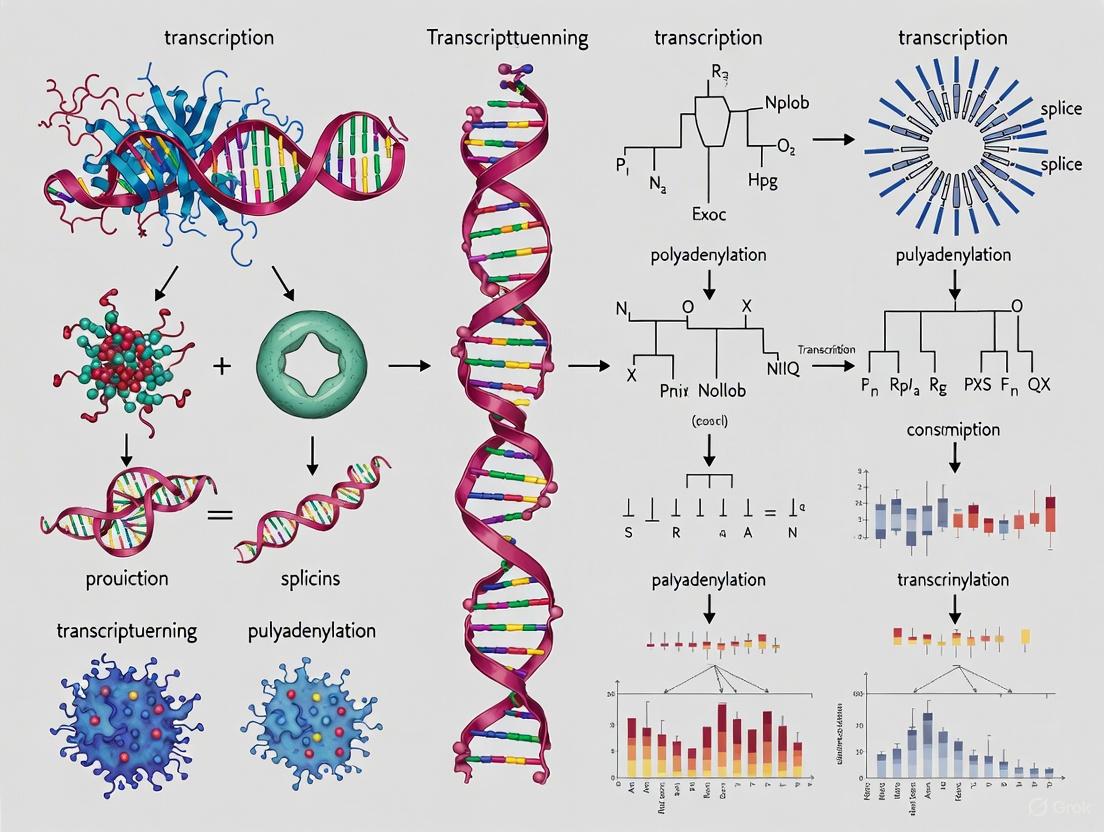
Long-read RNA sequencing technologies are fundamentally reshaping transcriptome science by providing an unprecedented, full-length view of RNA molecules.
From Short Reads to Full-Length Insights: How Long-Read RNA Sequencing is Revolutionizing Transcriptome Profiling
Abstract
Long-read RNA sequencing technologies are fundamentally reshaping transcriptome science by providing an unprecedented, full-length view of RNA molecules. This evolution from short-read methods is enabling researchers and drug development professionals to tackle previously intractable challenges, including the complete characterization of complex gene isoforms, the discovery of novel non-coding RNAs, and the direct detection of allele-specific expression. This article explores the foundational principles of long-read sequencing, its cutting-edge methodological applications in disease research and drug discovery, strategies for optimizing data analysis, and its integrative role alongside other genomic technologies. By synthesizing key advancements and real-world applications, we provide a comprehensive resource for leveraging long-read transcriptomics to unlock new biological mechanisms and therapeutic targets.
The Foundational Shift: From Short-Read Limitations to Long-Read Resolution in Transcriptome Biology
The transcriptome represents a critical layer between the genetic code and cellular phenotype, yet its full complexity has remained obscured by technological limitations. Traditional short-read RNA sequencing methods, while revolutionary, fragment transcripts into pieces, making it impossible to reconstruct the full-length mosaic of isoforms generated from a single gene through alternative splicing, alternative promoters, and polyadenylation [1]. This hidden dimension of transcriptome diversity constitutes a form of biological "dark matter" – with vast implications for understanding cellular identity, complex diseases, and evolutionary processes [2] [1].
The emergence of mature long-read sequencing (LRS) technologies from Oxford Nanopore Technologies (ONT) and Pacific Biosciences (PacBio) has fundamentally transformed transcriptome analysis [2] [3]. These platforms enable the direct sequencing of full-length RNA molecules or their cDNA counterparts, capturing complete transcript sequences in single reads that can span tens of kilobases [1] [3]. This technological shift is revealing an unprecedented level of isoform diversity, even in well-characterized genomes, and is proving particularly powerful for resolving complex genomic regions, identifying novel biomarkers, and improving diagnostic yields in rare diseases [2].
This application note details how long-read RNA sequencing is illuminating the transcriptome's dark matter. We provide a systematic evaluation of platform performance, detailed protocols for full-length transcript enrichment, and a toolkit for researchers embarking on long-read transcriptomics.
Results & Analysis
Performance Benchmarking of Long-Read RNA Sequencing
Comprehensive benchmarking studies, including the Singapore Nanopore Expression (SG-NEx) project and the Long-read RNA-Seq Genome Annotation Assessment Project (LRGASP), have quantitatively evaluated the capabilities of long-read technologies for transcriptome analysis. These consortia have generated extensive data across multiple platforms, protocols, and species to establish robust performance metrics [4] [5].
Table 1: Key Metrics from Major Long-RNA Sequencing Benchmarking Studies
| Study & Reference | Sequencing Platforms & Protocols | Key Findings | Performance Highlights |
|---|---|---|---|
| SG-NEx Project [4] | ONT Direct RNA, ONT Direct cDNA, ONT PCR-cDNA, PacBio Iso-Seq, Illumina short-read | Long-read RNA-seq more robustly identifies major isoforms compared to short-read. | Direct RNA sequencing enables detection of RNA modifications (e.g., m6A). |
| LRGASP Consortium [5] | Multiple ONT and PacBio protocols (cDNA and direct RNA) | Longer, more accurate reads produce more accurate transcripts; greater depth improves quantification. | Reference-based tools performed best in well-annotated genomes. |
| Wild Mouse Brain Isoforms [6] | PacBio Iso-Seq with TeloPrime full-length enrichment | Identified 117,728 distinct isoforms; 49% were previously unannotated. | Optimized protocol achieved >57% full-length, complete match to annotations. |
The LRGASP consortium, having generated over 427 million long-read sequences, concluded that for transcript identification, read length and accuracy are more critical than sequencing depth. In contrast, higher depth was more beneficial for accurate transcript quantification [5]. The SG-NEx project further highlighted that long-read protocols excel at characterizing complex transcriptional events, including alternative isoforms, fusion transcripts, and allele-specific expression [4].
Table 2: Comparative Analysis of Long-Read RNA Sequencing Applications
| Application | Short-Read RNA-Seq Performance | Long-Read RNA-Seq Performance | Key References |
|---|---|---|---|
| Full-Length Isoform Detection | Limited; requires computational inference of fragments, often inaccurate for complex isoforms. | High; captures complete exon chains in a single read, revealing novel diversity. | [1] [6] |
| Fusion Transcript Discovery | Can detect fusions but often misses partner genes and exact breakpoints. | Excellent; identifies exact fusion sequences and chimeric isoforms in a single read. | [2] [4] |
| Alternative Splicing Analysis | Infers from junction reads; struggles with phasing multiple distant events. | Directly observes co-occurring splicing events across the entire transcript. | [2] [3] |
| Rare Disease Diagnostics | Moderate diagnostic yield; often misses complex structural variants and repeat expansions. | Significantly improved yield; detects previously hidden SVs, STRs, and phasing. | [2] |
| RNA Modification Detection | Indirect, requires specialized protocols (e.g., antibody enrichment). | Direct detection possible from native RNA (ONT); allows for epitranscriptomics. | [4] [3] |
Resolving Unexplored Transcriptomic Territories
The application of long-read sequencing is systematically uncovering vast unexplored territories of the transcriptome. In a landmark study of mouse brain transcriptomes across natural populations, researchers identified 117,728 distinct isoforms, nearly half (49%) of which were missing from existing annotations [6]. This discovery underscores the profound gap in our transcriptomic maps that long-read technologies are now filling.
In biomedical research, LRS is improving diagnostic rates for rare diseases by over 12% within consortia like Solve-RD, primarily by detecting variants elusive to short-read sequencing, such as large structural variants (SVs), short tandem repeat (STR) expansions, and mobile element insertions [2]. Furthermore, the ability to phase sequence variants on individual transcripts is streamlining the path to definitive diagnoses by determining whether mutations occur on the same or different alleles [2].
In cancer biology, long-read transcriptomics provides a clearer view of the molecular mechanisms driving pathogenesis. Studies have successfully combined DNA and RNA long-read analysis in hepatitis B virus-driven hepatocellular carcinoma to examine the transcriptional consequences of somatically integrated viral DNA, including the discovery of novel fusion genes [2]. Similarly, in chronic lymphocytic leukemia (CLL), long-read single-cell RNA-seq has illuminated subclonal evolution, potentially guiding the development of patient-specific therapies [2].
Experimental Protocols
Workflow for Comprehensive Long-Read Transcriptome Profiling
A robust long-read RNA sequencing experiment requires careful planning at each step to ensure the data effectively addresses the biological question. The following workflow outlines the critical phases from sample preparation to data analysis, highlighting key decision points.
Protocol: Full-Length Transcript Enrichment with 5' CAP Selection
The following detailed protocol, adapted from a study on mouse brain transcriptomes, is optimized for enriching full-length, capped transcripts, providing superior completeness compared to standard kits [6].
Principle: This protocol combines the 5' CAP capture technology of the TeloPrime Full-Length cDNA Amplification Kit (v2) with poly(A) tail enrichment to selectively synthesize cDNA from intact, capped, and polyadenylated mRNA molecules. This dual selection significantly reduces the representation of truncated transcripts and degradation products.
Materials:
- TeloPrime Full-Length cDNA Amplification Kit v2 (Includes CAP-binding protein for 5' selection)
- High-quality total RNA (RIN > 8.0, > 1 µg recommended)
- PacBio SMRTbell library preparation reagents
- SPRIselect beads or equivalent magnetic beads for clean-up
- Qubit dsDNA HS Assay Kit for quantification
- Agilent 2100 Bioanalyzer with High Sensitivity DNA chip
Procedure:
RNA Integrity Verification: Confirm RNA quality using an Agilent Bioanalyzer. A sharp ribosomal peak and minimal baseline degradation are critical.
First-Strand cDNA Synthesis:
- Combine total RNA with TeloPrime Buffer A and TeloPrime Primer A. Heat at 65°C for 5 min and immediately place on ice.
- Add TeloPrime Buffer B, RNase inhibitor, and TeloPrime Reverse Transcriptase. The CAP-binding protein in the mix specifically binds to the 5' cap of intact mRNAs.
- Incubate at 42°C for 90 minutes for first-strand synthesis, then inactivate at 70°C for 10 min.
Second-Strand cDNA Synthesis:
- Add TeloPrime Buffer C, TeloPrime Polymerase Mix, and nuclease-free water to the first-strand reaction.
- Incubate at 16°C for 120 minutes. This generates double-stranded cDNA.
cDNA Purification and Size Selection:
- Purify the double-stranded cDNA using SPRIselect beads. Perform a double-sided size selection (e.g., 0.45X and 0.8X bead ratios) to remove short fragments and primers while retaining long cDNAs.
SMRTbell Library Construction:
- Repair the ends of the size-selected cDNA, then ligate to PacBio hairpin adapters to create the circular SMRTbell template.
- Purify the SMRTbell library again with SPRIselect beads.
Library QC and Sequencing:
- Quantify the final library using the Qubit assay and profile the fragment size distribution on the Bioanalyzer.
- Sequence on a PacBio Sequel IIe or Revio system using the appropriate sequencing kit and movie time to achieve sufficient coverage for isoform detection.
Validation: This protocol demonstrated a significant improvement over the standard Clontech protocol, with over 57% of isoforms showing a complete and exact match to reference exon chains, compared to 32.6%. The average read length was also longer (~1,460 bp vs. ~1,085 bp), and 5'-end truncations were reduced by more than 50% [6].
The Scientist's Toolkit
Successful long-read transcriptomics relies on a combination of specialized reagents, sequencing platforms, and bioinformatic tools. The table below catalogs essential solutions for designing a robust study.
Table 3: Research Reagent Solutions for Long-Read Transcriptomics
| Category | Product / Tool | Function & Application | Key Considerations |
|---|---|---|---|
| Library Prep Kits | TeloPrime Full-Length cDNA Amp Kit | Enriches for 5'-capped, full-length transcripts; ideal for accurate TSS and complete isoform mapping. | Superior for generating full-length reads; requires high-quality input RNA [6]. |
| ONT Direct RNA Sequencing Kit | Sequences native RNA without cDNA conversion; enables direct detection of RNA modifications. | Preserves base modifications; lower throughput than cDNA methods [4] [3]. | |
| PacBio Iso-Seq Kit | Generates highly accurate HiFi reads for unambiguous isoform identification. | Excellent for de novo annotation and detecting novel isoforms [1] [5]. | |
| Spike-In Controls | SIRV & ERCC Spike-Ins | External RNA controls with known sequence and abundance; used for QC and quantifying technical performance. | Essential for benchmarking sensitivity, accuracy, and dynamic range across protocols [4]. |
| Bioinformatic Tools | Iso-Seq Analysis (SMRT Link) | PacBio pipeline for generating circular consensus sequencing (CCS) reads and classifying isoforms. | Core software for processing PacBio SMRTbell data [1]. |
| SQANTI3 | Tool for functional annotation and QC of Iso-Seq transcript models. | Classifies isoforms, identifies artifacts, and evaluates data quality [5]. | |
| FLAIR | A tool for isoform discovery and quantification from ONT cDNA reads. | Effective for identifying alternative splicing events in complex genomes [5]. | |
| Biosurfer | Tracks regulatory mechanisms leading to protein isoform diversity. | Reveals novel frameshifts and codon splits from long-read data [2]. |
Technology Comparison & Selection
Choosing between the two primary long-read technologies depends on the specific research goals, as each platform has distinct strengths. The following diagram illustrates the core sequencing principles and the decision pathway for selecting the most appropriate technology.
PacBio HiFi Sequencing: Utilizes Single Molecule, Real-Time (SMRT) sequencing. cDNA is circularized, and the polymerase is observed as it replicates the template multiple times. This produces highly accurate circular consensus sequencing (CCS) reads, known as HiFi reads [1] [3]. Choose PacBio HiFi when the primary goal is definitive isoform discovery and high-per-base accuracy is paramount, such as for creating benchmark genome annotations or clinical applications requiring minimal ambiguity [5].
Oxford Nanopore Technologies (ONT): Involves passing DNA or RNA through a protein nanopore. As nucleotides pass through the pore, they cause characteristic disruptions in an ionic current, which are decoded into sequence data [3]. Direct RNA sequencing is a unique feature, where native RNA strands are sequenced directly, preserving base modifications. Choose ONT for direct epitranscriptomic detection (e.g., m6A profiling), for portability, or when seeking the longest possible read lengths [4] [3].
Long-read RNA sequencing has unequivocally emerged from its nascent phase to become an indispensable tool for modern transcriptomics. By providing a clear, unobstructed view of full-length RNA molecules, it is successfully unmasking the "dark matter" of the transcriptome—revealing a landscape of isoform diversity far more complex than previously appreciated. As protocols for full-length enrichment become more robust and benchmarking studies provide clear guidance, the research community is equipped to leverage these technologies to dissect the functional complexity of the genome in development, disease, and evolution. The integration of long-read transcriptome data promises to refine genome annotations, improve diagnostic rates in genetic diseases, and ultimately forge a more complete understanding of the link between genotype and phenotype.
Long-read sequencing technologies, exemplified by Pacific Biosciences (PacBio) and Oxford Nanopore Technologies (ONT), have revolutionized transcriptome research by enabling the sequencing of entire RNA transcripts in a single, continuous read [7]. Unlike short-read technologies that fragment transcripts, these third-generation platforms preserve the full-length context of RNA molecules, providing an unparalleled view of transcriptional complexity, including alternative splicing, novel isoforms, and base modifications [8]. This capability is particularly transformative for profiling the human transcriptome, where a single gene can produce multiple functionally distinct protein products. The evolution of these technologies has progressively overcome initial limitations in accuracy and throughput, making them increasingly indispensable for foundational research in gene regulation and for applied drug development workflows aimed at identifying novel therapeutic targets and biomarkers [9].
The core distinction between PacBio and Oxford Nanopore lies in their underlying biochemical and physical principles for detecting nucleotide sequences.
Pacific Biosciences (PacBio) Single Molecule Real-Time (SMRT) Sequencing
PacBio's SMRT sequencing is an enzyme-based, real-time detection system [10] [7].
- Template Preparation: The double-stranded DNA to be sequenced is made circular by ligating hairpin adapters to both ends, creating a single-stranded circular template [7] [8].
- Immobilization and Synthesis: This circular template is loaded into a nanophotonic structure called a Zero-Mode Waveguide (ZMW) on a SMRT Cell. Inside each ZMW, a single DNA polymerase enzyme is immobilized and synthesizes a new DNA strand complementary to the circular template [11] [7].
- Fluorescent Detection: As the polymerase incorporates nucleotides, each of the four nucleotide types (A, C, G, T) is labeled with a different fluorescent dye. When the correct nucleotide is held in the polymerase's active site for incorporation, it is illuminated by a laser. The specific fluorescent pulse is detected, identifying the base [12] [10].
- HiFi Read Generation: Because the template is circular, the polymerase traverses the same sequence multiple times. This generates multiple sub-reads for a single molecule, which are computationally consensus-called to produce one highly accurate long read known as a HiFi (High-Fidelity) read [12] [10].
Oxford Nanopore Technologies (ONT) Nanopore Sequencing
ONT sequencing is based on the physical translocation of nucleic acids through a protein nanopore, with detection via electrical signal modulation [10] [13].
- Library Preparation: A sequencing adapter is ligated to a single-stranded DNA or RNA fragment. This adapter is associated with a processive enzyme that controls the rate of translocation [7] [14].
- Translocation and Sensing: The prepared library is loaded onto a flow cell containing an array of nanopores embedded in an electro-resistant membrane. An electrical potential is applied across the membrane, driving the negatively charged nucleic acid strand through each pore [12] [8].
- Electrical Signal Detection: As each nucleotide (or k-mer) passes through the constriction of the nanopore, it causes a characteristic, temporary disruption in the ionic current flowing through the pore. This current signature is unique for different DNA or RNA sequences and modifications [12] [10].
- Basecalling: The stream of raw electrical signal data (squiggles) is converted into nucleotide sequences in real-time or post-run using sophisticated basecalling algorithms, which are often improved via machine learning [12] [13].
The following diagram illustrates the fundamental workflows for both technologies:
Performance Comparison for Transcriptome Profiling
When selecting a platform for long-read RNA sequencing, researchers must weigh critical performance metrics that directly impact data quality, experimental design, and cost.
Table 1: Performance and Operational Characteristics of PacBio and Oxford Nanopore Platforms for Transcriptome Profiling
| Feature | PacBio HiFi Sequencing | Oxford Nanopore Technologies |
|---|---|---|
| Sequencing Principle | Fluorescent detection of polymerase-driven synthesis in ZMWs [12] [10] | Nanopore electrical current sensing [12] [10] |
| Typical RNA Read Length | Full-length transcripts, with reads often between 1–6 kb for cDNA [9] | Full-length transcripts; ultra-long reads possible (over 1 Mb for DNA) [14] |
| Raw Read Accuracy | High fidelity; HiFi reads achieve >99.9% accuracy (Q30+) [11] [14] | Constantly improving; recent studies report Q20–Q28 for cDNA [15] |
| Throughput per Run | Revio: ~120 Gb; Vega: ~60 Gb [11] | Highly scalable; PromethION offers very high throughput (up to Tb) [10] [13] |
| Epigenetic Detection | Direct detection of RNA base modifications (e.g., m6A) as a byproduct of kinetics [12] | Direct detection of native RNA base modifications without conversion [13] [8] |
| Run Time | ~24 hours [12] | Flexible; from minutes to 72 hours or more; real-time data streaming [12] [14] |
| Key Data Output | HiFi reads (BAM files), ~30-60 GB per SMRT Cell [12] | FAST5/POD5 (signal), FASTQ (bases); file sizes can be large (~1.3 TB) [12] |
| Portability | Benchtop (Vega) or production-scale (Revio) systems; not portable [11] | High portability with MinION; scalable to GridION/PromethION [13] [14] |
Key Implications for Transcriptome Profiling:
- PacBio's HiFi reads are exceptionally well-suited for applications demanding the highest single-molecule accuracy, such as definitively identifying rare isoforms in a heterogeneous sample, characterizing complex splicing patterns, and for projects where downstream analysis benefits from lower data storage and computational requirements for basecalling [12] [9].
- Oxford Nanopore's strengths lie in its ability to sequence native RNA directly without cDNA conversion, providing a direct window into the epitranscriptome [13] [8]. Its real-time data stream enables rapid results or adaptive sampling, where decisions can be made during the run to enrich for or exclude certain transcripts [10] [14]. The platform's flexibility and portability also make it ideal for rapid, in-field pathogen transcriptome characterization [12] [14].
Experimental Protocols for Transcriptome Profiling
Detailed and optimized protocols are critical for generating high-quality, reproducible full-length transcriptome data. Below are generalized workflows for both platforms, adaptable to specific project needs.
PacBio Full-Length cDNA Iso-Seq Protocol
The Iso-Seq (Isoform Sequencing) method is designed to capture and sequence complete cDNA molecules from the 5' cap to the 3' poly-A tail [9].
Key Reagent Solutions:
- Template Switching Reverse Transcriptase: Enables uniform, full-length cDNA synthesis by adding a defined sequence to the 5' end of the first-strand cDNA during reverse transcription.
- SMRTbell Prep Kit 3.0: Reagents for converting the double-stranded cDNA into a circularized SMRTbell template library, ready for sequencing [15].
- Sequel II Binding & Internal Control Kits: For immobilizing the polymerase and calibrating the SMRT Cell.
- Size-Selection Kits (e.g., BluePippin): Critical for removing short fragments and optimizing library quality for long-read sequencing.
Detailed Workflow:
- RNA Quality Control: Assess RNA integrity using an instrument such as a Fragment Analyzer or Bioanalyzer. High Molecular Weight (HMW), intact RNA (RIN > 8.5) is essential for successful full-length cDNA generation.
- Reverse Transcription with Template Switching: First-strand cDNA is synthesized from poly-A+ RNA using a poly-T primer and a reverse transcriptase that exhibits template-switching activity. This adds a universal sequence at the 5' end of full-length transcripts.
- PCR Amplification: Amplify the full-length cDNA using primers targeting the universal sequences added during reverse transcription and template switching. Optimize cycle number to minimize PCR bias.
- Size Selection: Use a system like the BluePippin to select cDNA fragments in a desired size range (e.g., 1–6 kb). This step removes primer dimers and short fragments, enriching for a library of meaningful length and reducing sequencing costs on non-informative molecules.
- SMRTbell Library Construction: The size-selected, double-stranded cDNA is repaired, ligated to SMRTbell hairpin adapters to create a circular template, and purified. The final library quality and concentration are rigorously quantified.
- Sequencing on SMRT Cell: The SMRTbell library is bound to polymerase, loaded into a SMRT Cell (on a Vega or Revio system), and sequenced using a pre-defined movie time, generating the sub-reads required for HiFi consensus calling [11].
Oxford Nanopore Direct cDNA and PCR-cDNA Sequencing Protocol
ONT offers two primary methods for transcriptome sequencing: Direct cDNA, which sequences native RNA, and PCR-cDNA, which involves an amplification step and often yields higher output [9].
Key Reagent Solutions:
- Ligation Sequencing Kit (SQK-LSK114): The core kit for preparing sequencing libraries, containing reagents for end-prep, adapter ligation, and cleanup.
- Direct RNA or Direct cDNA Sequencing Kit (e.g., SQK-DCS114): Specialized kits for sequencing native RNA or the cDNA copy without amplification.
- PCR-cDNA Sequencing Kit (e.g., SQK-PCS114): For creating PCR-amplified cDNA libraries, which can provide higher yield.
- R9.4.1 or R10.4.1 Flow Cells: The consumables containing the nanopores. The R10.4.1 pore offers improved accuracy in homopolymer regions.
Detailed Workflow:
- RNA Quality Control: As with PacBio, start with high-integrity total RNA.
- Reverse Transcription (for cDNA methods): For the direct cDNA and PCR-cDNA protocols, first-strand cDNA is synthesized from RNA using a primer (often oligo-dT) that has a defined sequencing adapter sequence already attached.
- Library Preparation:
- For Direct cDNA: The cDNA is purified and a sequencing adapter is ligated directly to the single-stranded cDNA, preserving strand-of-origin information and avoiding amplification bias.
- For PCR-cDNA: The cDNA is PCR-amplified using primers that add full-length sequencing adapters, generating a double-stranded DNA library. This amplification increases yield but can introduce bias.
- Adapter Ligation & Purification: The prepared library (from step 3) undergoes a final adapter ligation step to attach the motor protein, followed by purification to remove excess adapters.
- Priming and Loading the Flow Cell: The flow cell is primed with buffer, and the final library is loaded onto a MinION, GridION, or PromethION flow cell.
- Sequencing and Basecalling: Sequencing is initiated. The raw electrical signal data is collected in real-time by the MinKNOW software. Basecalling, the process of translating signal to sequence, can be performed in real-time or after the run using high-performance GPU servers and tools like Guppy or Dorado [12] [13].
The following diagram summarizes the key methodological choices for long-read transcriptomics:
Application in Transcriptome Profiling Evolution Research
The unique capabilities of PacBio and ONT platforms are driving evolution in transcriptome research by resolving biological questions that were previously intractable with short-read technologies.
Comprehensive Isoform Discovery and Quantification: Both platforms excel at identifying the full complement of transcript isoforms without assembly, revealing novel splicing events, alternative transcription start and end sites, and gene fusions with base-pair resolution [14] [9]. PacBio's high per-read accuracy is advantageous for confident detection of rare isoforms in complex backgrounds, such as in cancer or neuronal tissues [10]. A 2020 plant transcriptome study highlighted that PacBio was superior in identifying alternative splicing events, while ONT PCR-cDNA data could be used to simultaneously estimate transcript expression levels [9].
Direct RNA Sequencing and Epitranscriptomics: ONT's ability to sequence native RNA directly is a paradigm shift. It bypasses cDNA synthesis and PCR biases, providing a direct view of the primary transcript [13] [8]. Crucially, it allows for the direct detection of RNA base modifications (e.g., m6A, m5C) from the raw current signal, enabling researchers to study the "epitranscriptome" and its role in regulating gene expression in health, disease, and in response to therapeutics [13].
Phasing of Genetic Variants: Long reads allow for haplotype phasing, determining which genetic variants (e.g., SNPs, mutations) occur on the same physical copy of a chromosome [12] [7]. In transcriptome studies, this means determining which allele a particular transcript isoform is expressed from, which is critical for understanding monoallelic expression, imprinting, and the functional impact of compound heterozygotes in genetic diseases [12].
Rapid Diagnostic and Pathogen Surveillance: ONT's portability and real-time nature make it uniquely suited for rapid transcriptome analysis of emerging pathogens during outbreaks. The MinION device has been deployed in the field to sequence viral genomes and, potentially, their transcriptomes, accelerating the understanding of pathogenicity and transmission within days [12] [14].
The Scientist's Toolkit: Essential Research Reagent Solutions
Successful long-read transcriptome experiments depend on a suite of specialized reagents and materials.
Table 2: Essential Reagents and Materials for Long-Read RNA Sequencing
| Item | Function | Key Considerations |
|---|---|---|
| High-Quality Input RNA | The starting material for library prep. | Integrity is paramount (RIN/QIN > 8.5). Use instruments like Agilent Bioanalyzer/Fragment Analyzer for quality control. |
| Polymerase/Template Switching RTase | Synthesizes full-length first-strand cDNA. | Critical for 5' completeness in PacBio Iso-Seq and ONT cDNA protocols. Enzymes with high processivity and template-switching activity are preferred. |
| SMRTbell Prep Kit (PacBio) | Converts dsDNA into a circularized template ready for sequencing on PacBio systems. | Includes reagents for DNA repair, end-prep, adapter ligation, and purification. |
| Ligation Sequencing Kit (ONT) | The core kit for preparing sequencing libraries for Nanopore systems. | Contains reagents for end-repair, dA-tailing, and adapter ligation. Specific versions exist for DNA and cDNA. |
| Size Selection System | Physically separates nucleic acids by size (e.g., 1-6 kb). | Systems like Sage Science's BluePippin or Circulomics's Short Read Eliminator kits are used to remove short fragments, enriching for full-length transcripts and improving sequencing efficiency. |
| Flow Cells / SMRT Cells | The consumables where sequencing occurs. | ONT: MinION (portable), PromethION (high-throughput) Flow Cells [13]. PacBio: SMRT Cells for Vega/Revio systems [11]. |
| Basecalling Software (ONT) | Translates raw electrical signal data into nucleotide sequences (FASTQ). | Requires significant computational resources (GPU). Options include Guppy and Dorado, which are continuously updated to improve accuracy [12]. |
PacBio and Oxford Nanopore Technologies have emerged as the two pillars of modern long-read sequencing, each with a distinct technological identity that shapes its application in transcriptome research. PacBio's HiFi sequencing delivers an unmatched combination of read length and single-molecule accuracy, making it the tool of choice for reference-grade isoform characterization where definitive base-resolution is non-negotiable. In contrast, Oxford Nanopore Technology offers unparalleled flexibility through real-time data streaming, direct RNA and modification detection, and portability, opening new frontiers in dynamic transcriptome profiling and in-field sequencing. The choice between them is not a question of which is universally better, but which is optimally suited to the specific biological question, experimental constraints, and analytical goals. As both platforms continue their rapid evolution, driving down costs and increasing throughput and accuracy, their integration into mainstream research and drug development pipelines is set to deepen, finally rendering the full complexity of the human transcriptome accessible to scientific inquiry.
The advent of long-read RNA sequencing (lrRNA-seq) technologies from platforms such as Pacific Biosciences (PacBio) and Oxford Nanopore Technologies (ONT) has fundamentally transformed our ability to map the complex landscape of the transcriptome [2]. Unlike short-read methodologies that reconstruct transcripts inferentially, long-read sequencing enables the direct observation of full-length RNA molecules, providing an unprecedented view of transcript isoform diversity, structural variations, and novel RNA classes [5]. This technological shift is particularly crucial for characterizing previously elusive RNA species—long non-coding RNAs (lncRNAs), circular RNAs (circRNAs), and fusion transcripts—that play critical regulatory roles in development, homeostasis, and disease pathogenesis [2] [16] [17].
The maturation of lrRNA-seq technologies, marked by enhanced accuracy, increased throughput, and reduced costs, has propelled a substantial expansion in human genetics and genomics research [2]. These advances are uncovering an unprecedented level of isoform diversity that creates new analytical challenges and opportunities [2]. For researchers and drug development professionals, leveraging these technologies now provides a powerful means to discover novel biomarkers and therapeutic targets, particularly in areas such as cancer research and rare disease diagnostics where traditional approaches have fallen short [2] [16].
Application Note: Characterizing Non-Coding RNAs and Fusion Transcripts with Long-Read Sequencing
Long Non-Coding RNAs (lncRNAs)
LncRNAs are transcripts longer than 200 nucleotides that lack protein-coding potential but exert potent regulatory functions through diverse mechanisms [17]. Their expression exhibits strong time- and tissue-specificity, making them particularly relevant for understanding cell-type-specific biology and disease states [17]. Comprehensive transcriptome analyses using lrRNA-seq provide a solid foundation for understanding lncRNA functions in processes such as sex determination and the differentiation of germline stem cells [17].
Key Applications:
- Novel lncRNA Discovery: LrRNA-seq facilitates the identification of previously unannotated lncRNAs, with studies routinely identifying thousands of novel transcripts. For instance, research on mouse germline stem cells identified and precisely annotated 9,357 novel lncRNAs [17].
- Functional Characterization: Advanced analyses include interaction studies of complementary lncRNA-mRNA pairs, identification of upstream/downstream lncRNA-genes relationships, pre-miRNA prediction, and lncRNA family prediction [17].
- Disease Association: lncRNAs regulate histone modification and structural remodeling of chromatin, contributing to gene expression regulation and, consequently, cell cycle control and other major cancer-related processes [16].
Circular RNAs (circRNAs)
CircRNAs form a covalently closed continuous loop structure that confers stability and resistance to RNase degradation [17]. These molecules are highly abundant, conserved across species, and often exhibit cell-type-specific expression patterns [17]. In eukaryotic organisms, circRNAs are mostly present in the cytoplasm, though some intron-cyclized circRNAs localize to the nucleus [17].
Key Applications:
- Competitive Endogenous RNA (ceRNA) Networks: The most important regulatory mode of circRNAs involves functioning as endogenous competitive RNAs that sequester microRNAs, thereby affecting post-transcriptional regulation [17].
- Biomarker Potential: circRNAs are increasingly recognized as stable biomarkers for disease detection and monitoring due to their exceptional molecular stability [16].
- High-Throughput Identification: LrRNA-seq enables genome-wide circRNA identification and characterization, with studies in mouse germline stem cells providing comprehensive catalogs of these molecules [17].
Fusion Transcripts
Fusion transcripts, or chimeric RNAs, arise from chromosomal rearrangements or atypical splicing events that combine portions of unrelated genes [16]. While some fusion transcripts produce oncogenic driver proteins, a growing number involve non-coding RNA genes with significant oncogenic potential [16].
Key Applications:
- Cancer Diagnostics: Fusion events involving non-coding RNAs can result in altered concentration of the non-coding RNA itself or promote protein expression from protein-coding fusion moieties [16].
- Therapeutic Targeting: Non-coding RNA fusions are increasingly recognized as cancer biomarkers and potential therapeutic targets [16].
- Mechanistic Insights: Differential splicing can enrich the repertoire of cancer chimeric transcripts, as observed for fusions of circular RNAs and long non-coding RNAs [16].
Table 1: Performance Characteristics of Long-Read RNA Sequencing Applications
| Application | Key Advantage | Recommended Platform | Data Output Requirements |
|---|---|---|---|
| lncRNA Discovery | Full-length transcript identification without assembly | PacBio HiFi, ONT cDNA sequencing | Moderate coverage (10-20M reads) for novel isoform detection |
| circRNA Characterization | Accurate back-splice junction identification | ONT Direct RNA, PacBio Iso-Seq | High coverage (>20M reads) for low-abundance circRNAs |
| Fusion Transcript Detection | Phased breakpoint resolution | ONT Direct RNA, PacBio HiFi | Variable depending on fusion abundance |
| Isoform Quantification | Direct transcript-level counting | All lrRNA-seq platforms | Higher read depth improves quantification accuracy [5] |
Experimental Protocols
Comprehensive Workflow for lncRNA and circRNA Identification
Sample Preparation and RNA Extraction
- Cell Collection: Isolate target cells using appropriate methods (e.g., fluorescence-activated cell sorting for specific cell populations). For mouse germline stem cells, sort GFP-positive cells after enzymatic tissue digestion [17].
- RNA Stabilization: Immediately pellet sorted cells and resuspend in PicoPure Extraction Buffer or TRIzol reagent for storage at -80°C [17].
- RNA Isolation: Perform RNA extraction using commercial kits (e.g., PicoPure RNA isolation kit) following manufacturer protocols [17].
- Quality Assessment: Verify RNA integrity using systems such as the Agilent 4200 TapeStation, accepting only samples with RNA integrity number (RIN) >7.0 [17].
Library Preparation for Long-Read Sequencing Option A: PacBio Iso-Seq Protocol
- Reverse Transcription: Convert RNA to cDNA using template-switching oligonucleotides to maintain strand specificity.
- PCR Amplification: Amplify full-length cDNA with 12-16 cycles to obtain sufficient material for sequencing.
- Size Selection: Use BluePippin or SageELF systems to fractionate cDNA libraries (1-2kb, 2-3kb, 3-6kb fractions).
- SMRTbell Library Preparation: Repair ends, ligate adapters, and purify for sequencing on PacBio Sequel II/IIe systems.
Option B: Oxford Nanopore Direct RNA Sequencing
- Poly(A) RNA Enrichment: Isinate mRNA using NEBNext Poly(A) mRNA magnetic isolation kits [18].
- Adapter Ligation: Ligate ONT reverse transcription adapter to enriched RNA.
- Reverse Transcription: Perform reverse transcription with sequence-specific primers.
- Adapter Ligation: Ligate ONT sequencing adapter to prepare the library for sequencing on GridION or PromethION platforms.
Bioinformatic Analysis
- Basecalling and Quality Control: Convert raw signals to sequence data (Guppy for ONT, SMRT Link for PacBio). Perform quality checks with FastQC or similar tools [19].
- Read Filtering and Trimming: Remove low-quality sequences and adapters using tools such as fastp, which significantly enhances processed data quality [19].
- Alignment and Assembly: Map reads to reference genome using minimap2 or STAR-long. Perform reference annotation-based transcript assembly with StringTie2 or FLAIR.
- lncRNA Identification: Filter transcripts by coding potential using CPC2, CNCI, or FEELNC. Validate novel lncRNAs through expression and conservation analyses.
- circRNA Detection: Identify back-splice junctions using CIRI2, CIRCexplorer, or find_circ. Perform microRNA binding site prediction for functional annotation.
Table 2: Key Research Reagent Solutions for Long-Read RNA Sequencing
| Reagent/Category | Specific Product Examples | Function in Experimental Workflow |
|---|---|---|
| RNA Isolation Kits | PicoPure RNA Isolation Kit, TRIzol Reagent | Maintain RNA integrity and yield from limited cell populations [17] |
| Poly(A) Enrichment | NEBNext Poly(A) mRNA Magnetic Isolation Kit | Select for polyadenylated transcripts including most lncRNAs and mRNA [18] |
| cDNA Synthesis | SMARTER cDNA Synthesis Kit, Template Switching RT | Generate full-length cDNA for PacBio sequencing without 5' bias |
| Library Preparation | NEBNext Ultra DNA Library Prep Kit, SMRTbell Prep Kit | Prepare sequencing-ready libraries with appropriate adapters [18] |
| Size Selection | BluePippin System, AMPure XP Beads | Fractionate cDNA by size to optimize sequencing of different transcript classes |
| Quality Assessment | Agilent TapeStation, Bioanalyzer | Evaluate RNA and library quality before sequencing [17] |
Fusion Transcript Detection Protocol
Sample Preparation Considerations
- Input Material: Use high-quality RNA from tumor tissues or cell lines of interest. Include matched normal samples when possible to distinguish somatic from germline events.
- RNA Quality: Ensure RIN >8.0 for optimal results, as degraded RNA may generate artificial fusion transcripts.
Library Preparation Strategies
- Direct RNA Sequencing (ONT): Preferred for detecting RNA modifications and minimizing reverse transcription artifacts.
- cDNA Sequencing (Both Platforms): Provides higher yield for low-abundance fusion transcripts.
- Targeted Enrichment: Use adaptive sampling (ONT) or amplicon-based approaches to focus on genes of interest for cost-effective screening.
Bioinformatic Analysis for Fusion Detection
- Preprocessing: Perform basecalling and adapter trimming similar to standard RNA-seq workflows.
- Fusion Identification: Use tools specifically designed for long-read data such as LRfuser, JAFFAL, or FusionSeeker.
- Filtering and Annotation: Remove artifacts by applying filters for minimum supporting reads, breakpoint consistency, and open reading frame preservation.
- Functional Validation: Predict potential functional consequences by analyzing retained protein domains, microRNA binding sites, or regulatory elements in fusion products.
Visualizing Experimental Workflows
Diagram 1: Comprehensive workflow for characterizing diverse RNA species using long-read sequencing technologies, encompassing sample preparation through class-specific detection.
Technical Considerations and Best Practices
Platform Selection Guidelines
The choice between long-read sequencing platforms depends on the specific research objectives and resources. The LRGASP consortium evaluation revealed that libraries with longer, more accurate sequences produce more accurate transcripts than those with increased read depth, whereas greater read depth improved quantification accuracy [5].
Pacific Biosciences HiFi Sequencing:
- Strengths: High accuracy (>99.9%), excellent for isoform discovery and characterization
- Considerations: Higher RNA input requirements, longer library preparation time
- Ideal for: Definitive cataloging of lncRNA and circRNA isoforms in well-characterized systems
Oxford Nanopore Technologies:
- Strengths: Real-time sequencing, direct RNA detection, no PCR amplification bias
- Considerations: Higher error rate (~5-15%), requires sophisticated basecalling
- Ideal for: Detection of RNA modifications, rapid analysis of fusion transcripts
Analytical Validation
Orthogonal validation remains crucial for confident characterization of novel RNA species:
- RT-PCR and Sanger Sequencing: Validate splice junctions and fusion breakpoints.
- Northern Blotting: Confirm transcript size and circularity for circRNAs.
- RNA Fluorescence In Situ Hybridization (FISH): Determine subcellular localization.
- CRISPR-based Functional Studies: Assess biological relevance through perturbation.
Quality Control Metrics
Implement rigorous QC checkpoints throughout the experimental workflow:
- Sample QC: RIN >7.0, minimal genomic DNA contamination
- Library QC: Appropriate size distribution, sufficient yield
- Sequencing QC: Read length distribution, base quality scores
- Analytical QC: Alignment rates, isoform reconstruction accuracy
Table 3: Troubleshooting Common Challenges in Long-Read RNA Sequencing
| Challenge | Potential Causes | Solutions |
|---|---|---|
| Low sequencing yield | Degraded RNA, insufficient input, suboptimal library preparation | Re-assess RNA quality, optimize amplification cycles, use carrier RNA for low inputs |
| Short read lengths | RNA degradation, excessive fragmentation, damaged polymerase | Use fresh RNA samples, minimize mechanical shearing, check enzyme activity |
| High adapter content | Incomplete adapter removal, size selection issues | Optimize cleanup procedures, implement rigorous size selection |
| Poor basecalling quality | Old sequencing chemistry, suboptimal run conditions | Use fresh flow cells/reagents, follow manufacturer's run recommendations |
| Low alignment rates | High error rates, contamination, incorrect reference | Apply quality filtering, check for sample contamination, verify reference genome |
Long-read RNA sequencing technologies have ushered in a new era of transcriptome biology, providing unprecedented capability to characterize the expanding universe of non-coding RNAs and fusion transcripts. The protocols and applications detailed in this document provide researchers and drug development professionals with a framework for leveraging these powerful technologies to uncover novel biological mechanisms and therapeutic targets. As the field continues to evolve, integration of multi-omic approaches and development of increasingly sophisticated analytical tools will further enhance our ability to decipher the functional complexity of the transcriptome in health and disease.
Historical RNA sequencing approaches relying on short-read technologies have provided valuable transcriptomic insights but face inherent limitations when confronting sequence composition challenges. Two significant hurdles have persistently complicated accurate transcriptome profiling: GC content bias and the accurate resolution of repetitive genomic elements. Short-read sequencing protocols, particularly those involving PCR amplification during library preparation, introduce substantial sequence-dependent biases, where the guanine-cytosine (GC) content significantly affects sequencing efficiency [20]. This bias disproportionately affects species with extreme genomic GC content, leading to inaccurate abundance estimates for clinically relevant pathogens. Furthermore, the fragmented nature of short reads proves inadequate for spanning complex repetitive regions and distinguishing highly similar transcript isoforms, leaving critical aspects of transcriptome biology obscured [4] [21]. The convergence of long-read sequencing platforms with novel computational methods now provides a powerful framework to overcome these historical challenges, enabling a more precise and comprehensive view of transcriptome complexity.
Understanding the Historical Challenges
GC Content Bias in Sequencing Data
GC bias refers to the non-uniform sequencing efficiency correlated with the GC composition of DNA fragments, which profoundly impacts quantitative accuracy in metagenomic and transcriptomic studies. The library preparation process—including DNA extraction, purification, fragmentation, amplification, and adapter ligation—introduces sequence-dependent biases whose magnitude and direction vary significantly between protocols [20]. In metagenomic sequencing, this is particularly problematic because genomic GC content differs considerably between microbial species. Consequently, the abundance of taxa on the extreme ends of the genomic GC content spectrum is often misestimated [20]. Pathogenic taxa such as Fusobacterium nucleatum (28% GC content, associated with colorectal cancer) and Mycoplasma pneumoniae (25% GC content, associated with pneumonia) are frequently underrepresented in datasets generated with common sequencing protocols [20]. This bias not only affects single-sample analyses but also compromises the comparability of results across different experimental setups and studies.
The Problem of Repetitive Elements and Complex Isoforms
Repetitive DNA sequences and complex transcriptional events present another fundamental challenge for short-read technologies. The human genome contains instructions to transcribe over 200,000 RNAs, with many alternative isoforms generated from individual genes through mechanisms including alternative promoters, exon skipping, intron retention, and alternative polyadenylation [4]. The fragmented nature of short-read data (typically 50-300 bp) makes it impossible to span multiple distant exons or resolve repetitive regions within a single read. This inherent limitation creates substantial ambiguity in uniquely assigning reads to specific transcript isoforms, leading to increased uncertainty in transcript identification and quantification [4]. Complex transcriptional events involving multiple exons often remain incompletely captured, restricting our understanding of isoform-specific regulation in development, cellular identity, and disease pathogenesis [4].
The Long-Read Sequencing Revolution
Technological Advancements and Protocol Options
Long-read sequencing technologies, primarily from Pacific Biosciences (PacBio) and Oxford Nanopore Technologies (ONT), have revolutionized transcriptome profiling by generating reads that frequently encompass complete RNA transcripts. The latest iterations of these platforms achieve remarkable accuracy exceeding 99%, making them suitable for a wide range of applications [22] [21]. The Singapore Nanopore Expression (SG-NEx) project provides a comprehensive benchmark comparing five RNA-seq protocols: short-read cDNA, Nanopore long-read direct RNA, amplification-free direct cDNA, PCR-amplified cDNA sequencing, and PacBio IsoSeq [4]. This systematic evaluation reveals that long-read RNA sequencing more robustly identifies major isoforms and provides a more complete view of transcriptome complexity. Unlike short-read protocols, long-read technologies enable the direct sequencing of native RNA (ONT direct RNA), avoiding reverse transcription and amplification steps while simultaneously providing information about RNA modifications [4].
How Long Reads Naturally Overcome Historical Limitations
The fundamental advantage of long-read technologies lies in their ability to span entire repetitive elements and capture complete transcript sequences within single reads. This capability directly addresses the two historical challenges: By encompassing entire transcripts from start to finish, long reads eliminate the ambiguity associated with assembling short fragments across repetitive regions, allowing for precise mapping of splice variants and structural alterations [21]. Additionally, because many long-read protocols minimize or eliminate PCR amplification steps (particularly direct RNA and direct cDNA approaches), they substantially reduce GC content bias, leading to more accurate quantification of transcripts across the GC spectrum [4]. The simultaneous assessment of genomic and epigenomic information within complex regions further enhances the utility of long reads for understanding transcriptional regulation [21].
Computational Methods for Enhanced Accuracy
GC Bias Correction with GuaCAMOLE
While long-read technologies naturally reduce GC bias, computational methods further enhance quantification accuracy. The GuaCAMOLE (Guanosine Cytosine Aware Metagenomic Opulence Least Squares Estimation) algorithm represents a significant advancement for detecting and removing GC bias from metagenomic sequencing data [20]. This alignment-free method operates by comparing individual species within a single sample to estimate sequencing efficiency across different GC content levels, subsequently outputting unbiased species abundances. The algorithm processes raw sequencing reads through several key steps: (1) read assignment to individual taxa using Kraken2; (2) within-taxon assignment to discrete GC content bins; (3) probabilistic redistribution of ambiguously assigned reads using Bracken; (4) normalization of read counts based on expected counts from genome lengths and GC distributions; and (5) computation of bias-corrected abundance estimates and GC-dependent sequencing efficiencies [20]. Application of GuaCAMOLE to 3,435 gut microbiomes from colorectal cancer patients revealed that GC bias varies considerably between studies, with successful correction of clinically relevant GC-poor species abundance by up to a factor of two [20].
Table 1: Performance Comparison of GuaCAMOLE with Other Tools on Simulated Data
| Tool | Mean Relative Error (5 taxa) | Mean Relative Error (50 taxa) | Mean Relative Error (400 taxa) | Handles Extreme GC Content |
|---|---|---|---|---|
| GuaCAMOLE | <1% (with warnings) | <1% | <1% | Excellent (with sufficient taxonomic diversity) |
| Bracken | 10-30% | 10-30% | 10-30% | Poor |
| MetaPhlAn4 | 10-30% | 10-30% | 10-30% | Poor |
Accurate Read Assignment and Quantification with TranSigner
For transcript-level analysis, TranSigner provides a novel method for accurately assigning long RNA-seq reads to any given transcriptome while achieving state-of-the-art accuracy in transcript abundance estimation [23]. This tool addresses the limitations of existing methods that often produce inconsistent transcript identification and quantification results. The TranSigner workflow comprises three integrated modules: (1) read alignment to transcripts using minimap2; (2) computation of read-to-transcript compatibility scores based on alignment-derived features; and (3) a guided expectation-maximization (EM) algorithm to assign reads to transcripts and estimate their abundances [23]. When benchmarked against other tools using simulated ONT reads, TranSigner with position-specific weights enabled achieved the highest average correlation between abundance estimates and ground truth in both direct RNA and cDNA data, outperforming competitors like NanoCount, Oarfish, Bambu, IsoQuant, and FLAIR [23]. Its exceptional performance in read assignment accuracy, as measured by F1 scores, positions TranSigner as a valuable tool for resolving complex transcriptomes.
Table 2: Benchmarking of Transcript Quantification Tools on Long-Read RNA-seq Data
| Tool | Spearman Correlation (SCC) | Root Mean Square Error (RMSE) | Read Assignment F1 Score | Assignment Rate |
|---|---|---|---|---|
| TranSigner (psw) | 0.95 | 1504 | 0.92 | >90% |
| Oarfish (cov) | 0.94 | 1559 | 0.89 | >90% |
| Bambu | 0.82 | 507 (SD) | 0.76 | <80% |
| FLAIR | 0.79 | N/A | 0.74 | <80% |
| NanoCount | 0.81 | N/A | N/A | >90% |
Experimental Protocols and Workflows
Protocol for Stranded Transcript Count Table Generation
Generating accurate count tables from long-read RNA sequencing data requires careful processing to maintain strand information and correctly assign reads to transcripts. The following protocol is adapted from established methodologies for working with long-read data mapped to transcripts [24]:
Input Preparation: Begin with demultiplexed and oriented long reads in FASTQ format. Ensure reads have been processed through quality control using tools like LongQC or NanoPack to remove low-quality sequences [21].
Read Alignment to Transcriptome: Perform non-spliced alignment of long RNA-seq reads to the reference transcriptome using minimap2 with parameters optimized for RNA-seq alignment (-ax map-ont for Nanopore or -ax map-pb for PacBio) [23] [21].
Read-to-Transcript Assignment: Process alignment files (BAM format) using TranSigner to compute read-to-transcript compatibility scores and assign reads to transcripts. The recommended command includes:
The
--pswflag activates position-specific weights for improved accuracy [23].Abundance Estimation: Execute the guided expectation-maximization algorithm within TranSigner to estimate transcript abundances. The algorithm iteratively assigns read fractions to transcripts and derives maximum likelihood estimates for both read-to-transcript assignments and transcript abundances [23].
Count Table Generation: Compile the results into a count table matrix suitable for differential expression analysis, preserving strand information where appropriate for stranded protocols.
Workflow for GC Bias Assessment and Correction
The following workflow details the steps for assessing and correcting GC bias in metagenomic or transcriptomic data using GuaCAMOLE:
Data Input: Provide raw sequencing reads in FASTQ format and a reference database for taxonomic classification.
Read Assignment and GC Bin Allocation: Execute GuaCAMOLE, which internally uses Kraken2 for taxonomic assignment and allocates reads to specific GC content bins within their assigned taxa [20].
Probabilistic Redistribution: Ambiguously assigned reads are redistributed using the Bracken algorithm to their most probable taxon of origin [20].
Normalization and Efficiency Estimation: The normalized read counts in each taxon-GC-bin are used to compute quotients that depend on unknown abundances and GC-dependent sequencing efficiency, enabling joint estimation of both parameters [20].
Bias-Corrected Output: Receive bias-corrected abundance estimates for all detected taxa, reported as either sequence abundances (proportional to total DNA) or taxonomic abundances (proportional to genome counts), along with the estimated GC-dependent sequencing efficiencies for the dataset [20].
The following workflow diagram illustrates the integrated approach for handling both GC bias and repetitive elements in long-read data analysis:
The Scientist's Toolkit: Essential Research Reagents and Computational Tools
Successful implementation of long-read RNA sequencing for overcoming GC bias and repetitive elements requires both wet-lab reagents and computational tools. The following table catalogs essential components for designing robust experiments:
Table 3: Research Reagent Solutions for Long-RNA Sequencing Studies
| Category | Item | Specification/Function | Example Applications |
|---|---|---|---|
| Library Prep Kits | ONT Direct RNA Kit | Sequences native RNA without reverse transcription or amplification, minimizing GC bias | Detection of RNA modifications; minimal bias quantification [4] |
| ONT PCR-cDNA Kit | Highest throughput option for limited input RNA; requires careful bias monitoring | Transcriptome profiling with limited starting material [4] | |
| PacBio Iso-Seq Kit | Generates highly accurate circular consensus reads (HiFi) | Full-length transcript identification; isoform discovery [4] | |
| Spike-In Controls | SIRV Spike-Ins (E0, E2) | RNA variants with known concentrations for quantification calibration | Protocol performance monitoring; normalization control [4] |
| Sequins (V1, V2) | Synthetic artificial sequences spiked into samples | Quality control and standardization across experiments [4] | |
| ERCC RNA Spike-Ins | Developed for microarray studies, sometimes used in RNA-seq | Assessment of technical variation [4] | |
| Computational Tools | GuaCAMOLE | GC bias detection and correction in metagenomic data | Microbial community analysis; pathogen abundance correction [20] |
| TranSigner | Accurate read-to-transcript assignment and abundance estimation | Isoform-level quantification; alternative splicing analysis [23] | |
| LongQC/NanoPack | Quality control for long-read sequencing data | Data quality assessment; read length distribution analysis [21] |
The integration of long-read sequencing technologies with advanced computational methods represents a paradigm shift in transcriptome analysis, effectively addressing the historical challenges of GC bias and repetitive elements that have long plagued short-read approaches. Through minimized amplification bias in direct RNA and direct cDNA protocols, combined with computational correction methods like GuaCAMOLE, researchers can now achieve unprecedented accuracy in quantifying transcripts across the GC spectrum [20] [4]. Simultaneously, the expansive read lengths generated by platforms from Oxford Nanopore and Pacific Biosciences enable confident mapping of repetitive regions and resolution of complex isoform usage that was previously intractable [4] [21]. Tools like TranSigner further enhance this capability through precise read-to-transcript assignment, enabling researchers to move beyond gene-level analysis to truly isoform-resolved transcriptome profiling [23]. As these technologies continue to evolve, with ongoing improvements in accuracy, throughput, and accessibility, they promise to unlock new dimensions of transcriptional biology, providing deeper insights into development, disease mechanisms, and the functional complexity of the transcriptome.
Methodological Breakthroughs and Applications in Disease Research and Drug Discovery
Alternative splicing is a fundamental process in eukaryotic cells that enables substantial transcriptomic and proteomic diversity, playing critical roles in cellular function, development, and disease [25] [26]. The regulation of alternative splicing occurs through a complex interplay between cis-acting elements (DNA sequences located near the gene being spliced) and trans-acting factors (proteins or RNAs that can regulate multiple genes from a distance) [27]. Disentangling these two regulatory mechanisms has represented a significant challenge in molecular genetics, particularly because conventional short-read RNA sequencing methods break RNA into small fragments, obscuring the full picture of how exons are arranged across individual transcripts [27].
The inability to clearly segregate cis- and trans-directed splicing events has impeded our complete understanding of the genetic basis of disease. Many disease-associated genetic variants operate through disrupting splicing regulation, making it crucial to identify which events are primarily under genetic control (cis-directed) versus those controlled by cellular conditions and trans-acting factors (trans-directed) [25] [26]. This demarcation provides essential insights for interpreting non-coding genetic variants identified in genome-wide association studies and for understanding molecular pathways in neurodegenerative disorders, autoimmune diseases, and cancer [27] [28].
Within this context, the emergence of long-read RNA sequencing technologies represents a transformative advancement for transcriptome analysis [28]. By capturing entire RNA molecules in single reads, long-read technologies enable researchers to directly observe how exons are connected across full-length transcripts, while simultaneously detecting genetic variants on the same reads [25]. This technological capability, combined with innovative computational approaches, now makes it possible to address fundamental questions about splicing regulation that were previously intractable with short-read technologies.
Technological Foundation: The Power of Long-Read RNA Sequencing
Long-read RNA sequencing possesses unique strengths in uncovering full-length isoforms of each gene and, when combined with genotype information, can unveil haplotype-specific splicing and other allele-specific RNA processing events [25] [26]. The limitations of short-read RNA sequencing become particularly evident when studying complex genomic regions such as the highly polymorphic HLA (human leukocyte antigen) genes, which are key to immune system function but have historically been difficult to analyze due to their variability and complexity [27].
The Long-read RNA-Seq Genome Annotation Assessment Project (LRGASP) Consortium recently conducted a comprehensive evaluation of long-read RNA sequencing methods, revealing that libraries with longer, more accurate sequences produce more accurate transcripts than those with increased read depth, while greater read depth improved quantification accuracy [5]. This systematic assessment demonstrated that in well-annotated genomes, tools based on reference sequences demonstrated the best performance, providing crucial benchmarking data for the field [5].
Table 1: Key Advantages of Long-Read RNA Sequencing for Splicing Analysis
| Feature | Short-Read RNA-Seq | Long-Read RNA-Seq | Impact on Splicing Analysis |
|---|---|---|---|
| Transcript Coverage | Partial (100-150 bp) | Full-length (several kb) | Enables complete isoform reconstruction without assembly |
| Phasing Capability | Limited or indirect | Direct haplotype phasing | Allows linkage of variants to specific splicing events |
| Complex Loci Resolution | Challenging for repetitive regions | Effective for HLA, repetitive elements | Reveals splicing in previously inaccessible genomic regions |
| Variant Detection | Separate experiment required | Simultaneous with isoform detection | Identifies cis-regulatory variants on the same read as splicing outcomes |
| Novel Isoform Discovery | Inference-based | Direct observation | More accurate characterization of unannotated splicing events |
The maturation of long-read sequencing technologies, marked by enhanced accuracy, increased throughput, and reduced costs, has propelled a substantial expansion in human genetics and genomics research [2]. This trend is clearly reflected in the growing number of applications ranging from basic transcriptome characterization to clinical diagnostics, where long-read RNA sequencing is uncovering previously hidden aspects of transcriptome variation in human diseases [28] [2].
isoLASER: A Novel Computational Solution
isoLASER (isoform-Level analysis of Allele-Specific processing of Exonic Regions) is a computational method specifically designed to demarcate cis- and trans-directed alternative splicing events using long-read RNA-seq data [25] [26]. The method leverages the key advantage of long-read sequencing—the ability to sequence full-length transcripts while simultaneously detecting genetic variants on the same reads—to determine whether alternative splicing events are linked to nearby genetic variants (cis-directed) or occur independently of the haplotype (trans-directed) [25].
The core principle of isoLASER is illustrated by its application to the RIPK2 gene in K562 cells [25] [26]. When long reads are separated into two haplotypes based on heterozygous SNPs, two distinct classes of alternatively spliced events emerge. For one class, exon inclusion is observed almost exclusively in one haplotype, indicating cis-directed regulation where genetic variants predominantly control splicing decisions. For the second class, exon inclusion occurs at approximately equal levels in both haplotypes, indicating trans-directed regulation where factors beyond the immediate genetic context dominate splicing outcomes [25]. This classification reflects the prevailing regulatory mechanisms of an exon in a specific cellular context, acknowledging that both cis-elements and trans-acting factors contribute to controlling each splicing event [26].
Three-Stage Analytical Framework
isoLASER provides a one-stop solution by performing three major analytical tasks [25]:
De novo variant calling using long-read RNA-seq data through a local reassembly approach based on de Bruijn graphs, followed by a multi-layer perceptron classifier to discard false positives. This classifier achieves a training performance with AUC between 0.92 and 0.99 for ROC curves and between 0.86 and 0.99 for precision-recall curves [25].
Gene-level phasing of identified variants using a k-means read clustering approach, which simultaneously phases the variants and groups individual reads into their corresponding haplotypes. This step demonstrated high accuracy, with over 99% of heterozygous variants consistently phased compared to HapCUT2 and diploid assembly references, with remarkably low switch-error rates of 0.15% and 0.1% respectively [25].
Linkage testing between phased haplotypes and alternatively spliced exonic segments, quantified using Adjusted Mutual Information (AMI). The method analyzes "exonic parts"—non-overlapping, unique exonic regions with distinct splicing patterns that represent basic units of exons reflecting local alternative splicing events [25].
Figure 1: The isoLASER analytical workflow encompassing three major stages: variant calling, haplotype phasing, and allelic linkage testing, culminating in the classification of splicing events.
Performance Benchmarking
isoLASER has demonstrated superior performance in comparative benchmarks. In variant calling evaluation using genotyped long-read RNA-seq data from HG002 cells, isoLASER achieved similar or higher F1 scores compared to GATK's HaplotypeCaller, DeepVariant, and Clair3, but with superior precision—a desirable feature in typical applications [25]. The method's phasing accuracy was validated against the telomere-to-telomere diploid assembly of the HG002 cell line, showing consistent phasing of over 99% of heterozygous variants with minimal switch-error rates [25].
When compared to LORALS, another method for allele-specific analysis of long-read RNA-seq data, isoLASER identified substantially more genes with allele-specific splicing events in ENCODE data generated from human tissues [26]. This enhanced sensitivity enables more comprehensive mapping of the genetic architecture of splicing regulation across diverse biological contexts.
Table 2: isoLASER Performance Metrics Across Benchmarking Studies
| Performance Metric | Variant Calling | Phasing Accuracy | Cis-Directed Event Detection |
|---|---|---|---|
| Precision | Superior to GATK HC, DeepVariant, Clair3 [25] | N/A | N/A |
| Recall | Similar or higher F1 scores [25] | N/A | Substantially more genes than LORALS [26] |
| Switch-error Rate | N/A | 0.15% vs HapCUT2, 0.1% vs diploid assembly [25] | N/A |
| Consistency Rate | N/A | >99% of variants consistently phased [25] | N/A |
| Training AUC | 0.92-0.99 (ROC), 0.86-0.99 (precision-recall) [25] | N/A | N/A |
Experimental Protocol: From Raw Data to Splicing Classification
Data Preprocessing and Quality Control
Long-read RNA sequencing is notorious for its base-calling error rate, making careful data cleaning and preprocessing essential to discard false transcripts resulting from misalignment, bad consensus, truncation, and other technical artifacts [29]. The isoLASER pipeline begins with several critical preprocessing steps:
Read Alignment and Correction: Process raw sequencing reads using specialized tools for long-read data. Correct alignments around splice junctions using TranscriptClean to ensure accurate mapping across exon boundaries [29].
Internal Priming Identification: Label reads for potential internal priming artifacts using talonlabelreads, which helps distinguish true transcripts from technical artifacts that can arise during library preparation [29].
Database Initialization and Annotation: Create a customized database with taloninitializedatabase using reference genome information. Then annotate individual reads with talon, assigning transcript identifiers based on known and novel isoform structures [29].
Transcript Filtering and GTF Generation: Filter processed transcripts with talonfiltertranscripts to remove low-quality annotations, then construct a comprehensive GTF file with the retained transcripts using taloncreateGTF [29].
The output of this preprocessing stage is an annotated BAM file containing transcript and gene identifiers for each read (stored as ZT and ZG tags), which serves as the primary input for subsequent isoLASER analysis [29].
isoLASER Analysis Protocol
The core isoLASER analysis follows a structured protocol with defined parameters for each analytical stage:
Stage 1: Variant Calling
- Execute isoLASER's de novo variant calling module on the annotated BAM file
- The method employs local reassembly using de Bruijn graphs to identify nucleotide variations at the read level
- Apply the integrated multi-layer perceptron classifier with predefined thresholds to filter false positive variant calls while maintaining high sensitivity
- Output: Quality-filtered variant calls in VCF format with associated quality metrics [25]
Stage 2: Haplotype Phasing
- Perform gene-level phasing using the k-means read clustering algorithm
- The algorithm uses variant alleles as values, weighted by variant quality scores to ensure higher confidence variants have greater influence on phasing decisions
- This step simultaneously phases variants and groups individual reads into their corresponding haplotypes (haplotagging)
- Validate phasing consistency by comparing haplotype blocks across the gene [25]
Stage 3: Allelic Linkage Analysis
- Extract "exonic parts"—non-overlapping, unique exonic regions with distinct splicing patterns—from the GTF annotation file
- For each gene, quantify allelic linkage between phased haplotypes and exonic parts using Adjusted Mutual Information (AMI)
- Perform simulation-based background modeling by generating unlinked events to establish AMI cutoffs at different read coverage levels, controlling for false positives
- Define cis-directed events as those with AMI greater than 99% of the simulated background and absolute delta PSI (percent-spliced-in difference between haplotypes) greater than 5%
- Define trans-directed events as those with AMI smaller than 95% at the corresponding read coverage level
- Classify remaining events as ambiguous [25] [26]
Interpretation and Validation
The final stage involves biological interpretation and validation of results:
Result Filtering: Extract significant allele-specific events (cis-directed splicing events) using the integrated filter function to focus on high-confidence findings [29].
Visualization: Generate diagnostic plots showing haplotype-specific splicing patterns for key genes of interest, similar to the RIPK2 example that illustrates clear cis- and trans-directed events [25].
Biological Contextualization: Integrate findings with existing biological knowledge, particularly for disease-relevant genes such as those involved in Alzheimer's disease (MAPT, BIN1) or immune function (HLA genes) [25] [27].
Experimental Validation: Design orthogonal validation experiments using techniques such as RT-PCR, Sanger sequencing, or CRISPR-based approaches to confirm high-priority cis-directed splicing events, especially those with potential clinical relevance [25].
Key Research Applications and Findings
Individual-Specific Nature of Splicing Regulation
One of the most striking findings from isoLASER analysis is that splicing patterns influenced by genetic variation are highly individual-specific rather than tissue-specific [27]. When researchers analyzed long-read RNA-seq data from human and mouse tissues/cell lines generated by the ENCODE consortium and clustered samples based on splicing profiles (PSI values), the samples grouped primarily according to their tissue of origin, consistent with previous literature [25] [26].
However, when the same samples were clustered using Adjusted Mutual Information (AMI) to quantify allelic linkage between genetic variants and splicing levels, the clustering segregated samples primarily based on donor identity rather than tissue of origin [25] [26]. This pattern was observed despite the analysis including all alternatively spliced exons residing in reads harboring heterozygous SNPs, not just those with evident haplotype-specific splicing [25]. This finding strongly suggests that an individual's genetic background plays a fundamental role in shaping their overall splicing profile, highlighting the deeply personal nature of genetic regulation [27].
Figure 2: Distinct regulatory mechanisms governing cis-directed versus trans-directed alternative splicing events, as classified by isoLASER.
Disease-Relevant Discoveries
The application of isoLASER to long-read RNA-seq data has revealed thousands of cis-directed splicing events susceptible to genetic regulation across the genome [25]. Some of the most significant discoveries include:
Alzheimer's Disease Genes: The method identified novel cis-directed splicing events in Alzheimer's disease-relevant genes such as MAPT (microtubule-associated protein tau) and BIN1 (bridging integrator 1) [25] [27]. MAPT plays crucial roles in the formation of tau proteins that accumulate in Alzheimer's brains, while BIN1 is involved in neuronal health and represents the second-most significant genetic risk factor for late-onset Alzheimer's disease [27]. These cis-directed events may help explain how genetic variants in these genes contribute to disease pathogenesis through altered splicing regulation.
HLA System Complexity: isoLASER successfully uncovered cis-directed splicing in the highly polymorphic HLA (human leukocyte antigen) genes, which has been historically challenging to analyze with short-read sequencing data [25] [27]. The ability to phase haplotypes across these complex regions and link specific genetic variants to alternative splicing events provides new insights into immune system regulation and autoimmune disease mechanisms [25].
Additional Disease Associations: The method has illuminated splicing mechanisms in various other disease contexts, with the potential to improve interpretation of genetic variants identified through genome-wide association studies and to inform more personalized approaches to diagnosis and treatment [27].
Evolutionary and Functional Insights
Beyond disease associations, isoLASER analysis has provided fundamental insights into the evolutionary dynamics of splicing regulation. The discovery that certain exons are more prone to cis-disruption than others aligns with previous observations that species-specific splicing events are more often cis-directed than trans-directed [25] [26]. This pattern suggests that genetic changes affecting splicing regulation may represent an important mechanism in evolutionary adaptation and phenotypic divergence.
The systematic assessment of long-read RNA-seq methods has further confirmed that incorporating additional orthogonal data and replicate samples is advised when aiming to detect rare and novel transcripts or using reference-free approaches [5]. This guidance enhances the utility of isoLASER for exploring the full complexity of transcriptome variation across evolutionary timescales.
Essential Research Reagents and Tools
Table 3: Research Reagent Solutions for isoLASER-Based Splicing Analysis
| Category | Specific Tool/Reagent | Function in Workflow | Implementation Notes |
|---|---|---|---|
| Sequencing Platforms | PacBio Sequel II [25] | Long-read RNA sequencing | Provides full-length transcript data with high accuracy |
| Oxford Nanopore Technologies [2] | Direct RNA sequencing | Enables real-time sequencing without cDNA conversion | |
| Computational Tools | TranscriptClean [29] | Read alignment correction | Corrects misalignments around splice junctions |
| TALON [29] | Transcript annotation | Labels reads for internal priming and annotates isoforms | |
| HapCUT2 [25] | Phasing comparison | Benchmarking tool for evaluating phasing performance | |
| Reference Datasets | ENCODE consortium data [25] | Method validation | Human and mouse tissue/cell line RNA-seq datasets |
| Genome In A Bottle consortium [25] | Variant calling benchmark | Gold standard variant calls for performance evaluation | |
| Analysis Resources | LRGASP benchmarks [5] | Protocol optimization | Guidance on library preparation and analysis strategies |
| HG002 diploid assembly [25] | Phasing accuracy assessment | Telomere-to-telomere assembly for method validation |
The integration of long-read RNA sequencing technologies with sophisticated computational methods like isoLASER represents a transformative advancement in our ability to decipher the complex regulatory landscape of alternative splicing. By clearly demarcating cis- and trans-directed splicing events within individual samples, this approach provides unprecedented insights into how genetic variation shapes transcriptome diversity and contributes to disease pathogenesis. The individual-specific nature of genetic splicing regulation underscores the importance of personalized approaches in both basic research and clinical applications.
As long-read technologies continue to evolve with enhanced accuracy, increased throughput, and reduced costs [2], and as computational methods become more refined, we can anticipate even deeper understanding of splicing regulation across diverse biological contexts. The integration of isoLASER with emerging single-cell and spatial transcriptomics technologies [30] promises to reveal how splicing regulation operates at cellular resolution within tissue architectures. Furthermore, the application of these methods to large-scale population studies will help establish comprehensive maps of genetic splicing regulation, advancing both fundamental knowledge and precision medicine initiatives.
The clear demarcation of cis- and trans-directed splicing events opens new avenues for exploring disease mechanisms, identifying therapeutic targets, and developing diagnostic biomarkers. As these technologies and methods become more widely adopted, they will undoubtedly play an increasingly central role in unraveling the molecular complexity of human health and disease.
The evolution of transcriptome profiling, particularly through long-read RNA sequencing (lrRNA-seq), is revolutionizing our understanding of complex disease mechanisms. Unlike short-read technologies that piece together fragmented transcripts, lrRNA-seq provides full-length RNA molecule sequences, enabling the precise characterization of transcript isoforms, alternative splicing events, fusion transcripts, and epigenetic modifications in RNA [31]. This capability is critically important for dissecting the intricate molecular pathways underlying neuroinflammation, cancer, and aging, where transcriptome complexity plays a fundamental pathogenic role. The maturation of lrRNA-seq technologies, marked by enhanced accuracy, increased throughput, and reduced costs, has propelled a substantial expansion in biological and medical research, making it an indispensable tool for comprehensive whole-genome analysis [2]. This application note explores how these technological advances provide novel insights into disease mechanisms and create new opportunities for therapeutic intervention.
Key Advances in Long-Read Sequencing for Disease Research
Long-read sequencing technologies from Oxford Nanopore Technologies (ONT) and Pacific Biosciences (PacBio) have undergone significant improvements, enabling their widespread application in transcriptome analysis [2] [31]. The ability to sequence full-length cDNA and direct RNA molecules provides an unprecedented view of the transcriptome, revealing an astonishing level of isoform diversity that fundamentally challenges existing paradigms in annotation and analysis [2]. The recent Long-read RNA-Seq Genome Annotation Assessment Project (LRGASP) consortium systematically evaluated lrRNA-seq effectiveness, demonstrating that libraries with longer, more accurate sequences produce more accurate transcripts, while greater read depth improves quantification accuracy [5].
Table 1: Long-Read Sequencing Applications in Disease Research
| Disease Area | Key Applications | Representative Findings |
|---|---|---|
| Neuroinflammation | Single-cell isoform analysis, Alternative splicing detection | Discovery of 44,325 isoforms in mouse retina cells, with 38% novel and 17% exclusively expressed isoforms [2] |
| Cancer | Fusion transcript detection, Isoform switching analysis | Identification of transcriptional consequences of somatically integrated viral DNA in hepatitis B virus-driven hepatocellular carcinoma [2] |
| Aging | Telomere attrition analysis, Mitochondrial dysfunction assessment | Link between telomere dysfunction and age-related functional decline [32] [33] |
| Rare Diseases | Repeat expansion characterization, Structural variant detection | Explanation of >12% of previously undiagnosed rare disease cases in the Solve-RD consortium [2] |
The technological progress is complemented by developing sophisticated bioinformatic tools tailored to lrRNA-seq data analysis. Tools such as IsoQuant, Bambu, and SQANTI3 enable accurate transcript identification, quantification, and quality assessment, addressing the unique challenges and opportunities presented by long-read data [2] [31]. These tools facilitate the detection of thousands of novel isoforms even in well-annotated genomes, highlighting the previously underappreciated complexity of mammalian transcriptomes [31].
Neuroinflammation Mechanisms and Transcriptomic Insights
Neuroinflammation represents a complex biological response within the central nervous system (CNS) that plays a dual role in both maintaining homeostasis and driving neurodegeneration when dysregulated [34]. At the cellular level, glial cells—particularly microglia and astrocytes—orchestrate neuroinflammatory responses. Microglia, the resident innate immune cells of the CNS, typically maintain a surveillant state but undergo phenotypic shifts upon exposure to pathological stimuli, releasing pro-inflammatory mediators including TNF-α, IL-1β, and IL-6 [34] [35]. These responses are regulated by intracellular signaling pathways including NF-κB, MAPKs (ERK, JNK, and p38), and the NLRP3 inflammasome [34].
Astrocytes, once considered passive support cells, are now recognized as active contributors to neuroinflammatory modulation. Driven by microglial-derived factors such as IL-1α, TNF-α, and C1q, reactive astrocytes lose neuroprotective properties and secrete neurotoxic factors that compromise neuronal viability [34]. Chronic neuroinflammation is now recognized as a central pathological mechanism in numerous neurodegenerative diseases, including Alzheimer's disease (AD), Parkinson's disease (PD), and traumatic brain injury (TBI) [34] [35].
LrRNA-seq technologies are transforming our understanding of neuroinflammatory processes by enabling comprehensive characterization of transcript isoform diversity and cell-type-specific expression patterns. For example, single-cell lrRNA-seq has identified 44,325 isoforms in mouse retina cells, revealing that 38% are novel and 17% are exclusively expressed in specific cell types [2]. This cell type-specific variation in isoform expression provides critical insights into how neuroinflammatory responses differ across CNS cell populations and contribute to disease pathogenesis. The technology also enables the detection of allele-specific effects on splicing in human lymphoblastoid cell lines, revealing how genetic variation influences individual susceptibility to neuroinflammatory conditions [2].
Diagram Title: Neuroinflammation Signaling Pathways
Cancer Molecular Mechanisms and Transcriptome Complexity
Cancer is fundamentally a genetic disease caused by specific DNA damage that disrupts normal cellular regulation [36]. Key mechanisms include the activation of proto-oncogenes through translocations (e.g., c-myc in Burkitt's lymphomas and BCR-ABL in chronic myelogenous leukemia) or point mutations (e.g., RAS oncogenes), and the inactivation of tumor suppressor genes (e.g., p53 in colon and lung cancers) [36]. Modern cancer research has revealed that tumor heterogeneity extends beyond differences between cancer types or patients to include significant variation among cells within individual tumors, with profound clinical consequences [37].
The tumor microenvironment and immune interactions are equally critical determinants of cancer progression. A major challenge lies in understanding the interactions between tumors and their microenvironments, particularly decoding the signals tumors send to nearby immune cells and defining which aspects of a tumor's surroundings determine whether it remains contained or grows unchecked [37].
LrRNA-seq provides powerful capabilities for dissecting cancer transcriptome complexity, particularly in identifying fusion transcripts, isoform switching, and allele-specific expression. In hepatitis B virus-driven hepatocellular carcinoma, combined DNA and RNA lrRNA-seq analysis has revealed the transcriptional consequences of somatically integrated viral DNA, including fusion gene detection [2]. Similarly, in chronic lymphocytic leukemia (CLL), long-read single-cell RNA-seq with MAS-seq has informed subclonal evolution, potentially guiding patient-specific therapies [2]. The technology also enables highly sensitive fusion transcript identification through tools like CTAT-LR-Fusion, improving detection of clinically relevant gene fusions in cancer [2].
Table 2: Long-Read Sequencing Protocols in Cancer Research
| Protocol/Method | Application | Key Features |
|---|---|---|
| MAS-seq | Single-cell RNA analysis in CLL | Enables analysis of subclonal evolution for patient-specific therapies [2] |
| CTAT-LR-Fusion | Fusion transcript identification | Combines lrRNA-seq and short-read sequencing for improved detection [2] |
| Direct RNA Sequencing | Epitranscriptomic analysis | Direct detection of RNA modifications without cDNA conversion [31] |
| Iso-Seq | Long isoform detection | Enables identification of transcripts up to 20 kb in human retina [2] |
Aging Biology and Transcriptomic Alterations
Aging is a gradual and irreversible pathophysiological process characterized by functional declines in tissues and cells and significantly increased risks of various aging-related diseases [32]. The molecular mechanisms of aging encompass multiple interconnected processes, including genomic instability, telomere attrition, epigenetic alterations, loss of proteostasis, mitochondrial dysfunction, cellular senescence, stem cell exhaustion, altered intercellular communication, and deregulated nutrient sensing [32] [33]. These age-related changes create a permissive environment for neurodegenerative diseases, cardiovascular diseases, metabolic disorders, and cancer.
Telomere attrition represents a particularly important aging mechanism. Telomeres, the protective DNA-protein complexes at chromosome ends, shorten with each cell division, eventually triggering cellular senescence when critically short [33]. This process is closely associated with age-related functional decline and increased disease incidence. Additionally, DNA damage accumulation, particularly double-strand breaks, activates DNA damage response pathways (p53-p21 and p16INK4a-pRb), leading to cell cycle arrest and cellular senescence [32] [33].
LrRNA-seq technologies offer powerful approaches for investigating transcriptomic changes associated with aging, including alternative splicing shifts, altered isoform expression, and changes in RNA modification patterns. The technology enables comprehensive analysis of how aging affects transcriptional diversity across tissues and cell types, potentially revealing key drivers of age-related functional decline. Furthermore, lrRNA-seq can identify allele-specific N6-methyladenosine (m6A) modifications in human and mouse cells, uncovering sequence determinants of m6A deposition that may influence age-related transcriptome changes [2].
Diagram Title: Molecular Mechanisms of Aging
Experimental Protocols for Long-Read Transcriptome Analysis
Sample Preparation and Quality Control
Proper sample preparation is critical for successful lrRNA-seq experiments. For RNA extraction, use high-quality reagents to preserve RNA integrity, and assess RNA quality using metrics such as RNA Integrity Number (RIN) [31]. The LRGASP consortium recommends incorporating additional orthogonal data and replicate samples when aiming to detect rare and novel transcripts or using reference-free approaches [5]. For single-cell analyses, implement fluorescence-activated cell sorting (FACS) or microfluidic platforms to isolate specific cell populations of interest, particularly in heterogeneous tissues like brain regions affected by neuroinflammation or tumor microenvironments [2] [31].
Library Preparation and Sequencing
Select appropriate library preparation methods based on research goals. For comprehensive isoform discovery, full-length cDNA protocols such as PacBio Iso-Seq are recommended [2] [31]. For direct detection of RNA modifications, including epigenetic marks, utilize direct RNA sequencing protocols available for Oxford Nanopore platforms [31]. The LRGASP consortium found that libraries with longer, more accurate sequences produce more accurate transcripts than those with increased read depth, whereas greater read depth improved quantification accuracy [5]. For transcript quantification, consider using targeted enrichment approaches like MAS-seq or Rapid Capture Hybridization sequencing (scRaCH-seq) to improve detection of low-abundance transcripts [2].
Data Analysis and Interpretation
Process raw sequencing data using specialized tools developed for lrRNA-seq analysis. For transcript identification and quantification, tools such as IsoQuant, Bambu, and LIQA demonstrate strong performance [31] [5]. For quality assessment and isoform classification, implement SQANTI3 to evaluate transcript quality and categorize known and novel isoforms [31]. When analyzing differential expression, consider tools like DELongSeq specifically designed for long-read RNA-seq data [31]. In well-annotated genomes, reference-based tools generally outperform de novo approaches, though combining multiple tools can provide complementary insights [5].
Research Reagent Solutions
Table 3: Essential Research Reagents for Long-Read Transcriptome Studies
| Reagent/Category | Specific Examples | Function & Application |
|---|---|---|
| Library Prep Kits | PacBio Iso-Seq, ONT Direct RNA Sequencing, CapTrap-seq | Convert RNA to sequence-ready libraries; platform-specific protocols optimize for full-length transcript capture [2] [31] |
| Single-Cell Isolation | MAS-seq, scRaCH-seq | Enable high-throughput single-cell analysis; reveal cell-to-cell heterogeneity in cancer, aging, and neuroinflammation [2] |
| Enrichment Methods | Adaptive Sampling (Nanopore), Amplification-based | Target specific genes or regions; improve detection of low-abundance transcripts without additional sequencing costs [2] |
| Bioinformatic Tools | IsoQuant, Bambu, SQANTI3, FusionSeeker | Identify and quantify transcripts, classify isoforms, detect fusions; essential for interpreting complex lrRNA-seq data [2] [31] [5] |
Long-read RNA sequencing technologies have fundamentally transformed our ability to investigate complex disease mechanisms by providing unprecedented access to full-length transcript sequences and revealing remarkable isoform diversity in neuroinflammatory, cancerous, and aging systems. The insights gained from lrRNA-seq studies are reshaping our understanding of disease pathogenesis, revealing previously hidden variants in rare diseases, uncovering novel isoforms with cell-type-specific expression patterns, and elucidating the transcriptional consequences of genomic alterations. As these technologies continue to mature and analytical methods improve, lrRNA-seq promises to further accelerate the discovery of novel therapeutic targets and biomarkers, ultimately advancing precision medicine approaches for complex diseases. The integration of lrRNA-seq with other multi-omics technologies and its application to larger cohort studies will undoubtedly yield additional breakthroughs in understanding and treating human diseases.
The evolution of RNA sequencing has entered a transformative phase with the maturation of long-read technologies. Unlike short-read RNA sequencing, which requires fragmentation of transcripts and computational reassembly, long-read RNA sequencing (lrRNA-seq) enables direct, end-to-end sequencing of full-length RNA molecules [38]. This capability is revolutionizing therapeutic development by providing an unprecedented view of transcriptome complexity, including full-length isoform resolution, detection of novel transcripts, and direct epitranscriptomic modification profiling [38] [3]. For researchers and drug development professionals, this technological shift provides powerful new tools to overcome persistent challenges in target identification, biomarker discovery, and mechanism of action (MoA) elucidation.
The fundamental advantage of lrRNA-seq lies in its ability to capture the complete structure of individual RNA molecules, preserving the connectivity between distant exons and revealing the true complexity of alternative splicing events, alternative transcriptional start sites, and polyadenylation sites [38]. This comprehensive view is particularly valuable in human transcriptomics, where over 95% of multi-exon genes undergo alternative splicing, and the approximately 20,000 protein-coding genes can encode an estimated 300,000+ unique protein isoforms [38]. For drug discovery pipelines, this resolution enables researchers to identify previously inaccessible therapeutic targets, discover more specific biomarkers, and unravel complex mechanisms of action that were undetectable with previous technologies.
Application Note 1: Comprehensive Target Identification Through Full-Length Transcriptome Characterization
Experimental Approach and Workflow
Comprehensive target identification requires a strategic approach to transcriptome profiling that maximizes the discovery of novel and disease-relevant isoforms. The Long-read RNA-Seq Genome Annotation Assessment Project (LRGASP) Consortium, one of the most extensive benchmarking efforts to date, established best practices for such applications [5]. Their methodology involves sequencing complementary DNA (cDNA) and direct RNA using multiple long-read platforms (PacBio and Oxford Nanopore Technologies) to generate comprehensive transcriptome datasets. The consortium processed over 427 million long-read sequences from human, mouse, and manatee species, establishing a robust framework for target discovery applications [5].
For target identification, the recommended workflow begins with sample preparation from relevant disease models or patient tissues, emphasizing RNA quality preservation. Library preparation should prioritize protocols that generate longer, more accurate sequences, as these parameters have proven more critical than excessive sequencing depth for accurate transcript identification [5]. The LRGASP consortium found that while greater read depth improves quantification accuracy, libraries with longer, more accurate sequences produce more biologically meaningful transcript assemblies—a crucial consideration for identifying novel therapeutic targets [5].
Key Findings and Therapeutic Implications
The application of lrRNA-seq to target identification has yielded significant insights across multiple disease areas. In cancer research, a landmark study utilizing long-read single-cell RNA sequencing with MAS-seq in chronic lymphocytic leukemia (CLL) samples revealed substantial subclonal evolution and previously undetected transcript isoforms that may guide patient-specific therapies [2]. Similarly, in clear cell renal cell carcinoma, long-read RNA sequencing of patient-derived organoids identified numerous novel transcript isoforms, expanding the potential landscape of therapeutic targets [2].
Beyond oncology, rare disease research has particularly benefited from these approaches. The European Solve-RD consortium applied long-read genome sequencing to approximately 300 individuals from previously undiagnosed rare disease families, identifying disease-causing genetic variants in about 12% of previously unsolved families and additional candidate structural variants in another 5.4% [2] [39]. These findings not only provide diagnostic clarity but also reveal novel targets for therapeutic intervention in conditions that have historically eluded molecular diagnosis.
Table 1: Long-Read RNA Sequencing Applications in Target Identification Across Therapeutic Areas
| Therapeutic Area | Key Finding | Implication for Target ID |
|---|---|---|
| Oncology (CLL) | Subclonal evolution revealed via long-read single-cell RNA-seq [2] | Enables targeting of cancer subpopulations |
| Renal Cell Carcinoma | Novel transcript isoforms in patient-derived organoids [2] | Identifies previously inaccessible tissue-specific targets |
| Rare Genetic Diseases | Pathogenic variants identified in ~12% of previously unsolved cases [39] | Reveals targets for personalized therapeutic approaches |
| Neurological Disorders | Accurate detection of pathogenic repeat expansions [2] | Enables targeting of structural variants in ataxia and other repeat disorders |
| Infectious Disease | Serotype detection in Streptococcus pneumoniae via pangenome-graph algorithms [39] | Facilitates targeted vaccine development |
Recommended Protocol: Target Identification Using Long-Read RNA Sequencing
Sample Preparation:
- Starting Material: 500ng-1μg total RNA (RIN > 7.0 recommended)
- RNA Integrity: Verify using Bioanalyzer or TapeStation
- Depletion: Remove ribosomal RNA using targeted depletion kits
- Enrichment: Optionally enrich for polyadenylated transcripts depending on research goals
Library Preparation:
- Platform Selection: Choose based on accuracy (PacBio HiFi) vs. modification detection (ONT) needs
- cDNA Synthesis: Use template-switching oligos for full-length coverage
- Amplification: Limit PCR cycles to minimize bias (0-12 cycles typically recommended)
- Adapter Ligation: Follow manufacturer protocols for PacBio or ONT platforms
Sequencing:
- Platform: PacBio Sequel II/Revio or ONT PromethION/P2 Solo
- Coverage: 3-5 million reads per sample for human transcriptome
- Multiplexing: Use barcoding for sample pooling where appropriate
- Quality Control: Assess read length distribution and base quality
Data Analysis:
- Alignment: Minimap2 or STARlong for splice-aware alignment to reference genome
- Isoform Identification: StringTie2, FLAMES, or IsoQuant for transcript assembly
- Novel Isoform Detection: ESPRESSO or Bambu for unannotated transcript discovery
- Functional Annotation: Compare against databases like GENCODE, RefSeq
Application Note 2: Precision Biomarker Discovery via Enhanced Transcriptome Resolution
Experimental Design for Biomarker Development
The enhanced resolution of lrRNA-seq makes it particularly valuable for biomarker discovery, where comprehensive transcriptome coverage can reveal previously overlooked molecular signatures. A critical consideration in experimental design is the choice between cDNA sequencing and direct RNA sequencing. While cDNA sequencing generally provides higher accuracy, direct RNA sequencing (available on ONT platforms) preserves RNA modification information that may serve as valuable epigenetic biomarkers [38]. For comprehensive biomarker development, a multi-platform approach often yields the most complete picture of transcriptome alterations in disease states.
The LRGASP consortium established that effective biomarker discovery requires careful consideration of sequencing depth and replicate number. Their findings indicate that while longer, more accurate reads improve transcript identification, greater sequencing depth enhances quantification accuracy—a crucial factor for developing robust expression-based biomarkers [5]. They further recommend incorporating orthogonal validation methods and multiple biological replicates when aiming to detect rare transcripts or using reference-free approaches, as these strategies increase confidence in potential biomarker candidates [5].
Key Findings and Clinical Translation
Long-read RNA sequencing has demonstrated particular strength in identifying complex biomarker signatures across multiple disease areas. In cancer research, a combined DNA and RNA analysis approach in hepatitis B virus-driven hepatocellular carcinoma successfully examined the transcriptional consequences of somatically integrated viral DNA, including fusion gene detection with potential biomarker utility [2]. Similarly, in neurodegenerative disease, optical genome mapping (a complementary long-read technology) has proven effective for identifying clinically relevant repeat expansions, providing accurate length estimates for very long repeats that were previously challenging to characterize [2].
The clinical translation of lrRNA-seq findings is already underway in several areas. Broad Clinical Labs has developed innovative approaches that combine globin and ribosomal RNA depletion with unique molecular identifiers (UMIs) to dramatically enhance transcript detection capabilities in blood samples [40]. Their comparative analyses demonstrate that modern Total RNA workflows consistently achieve superior transcript detection compared to standard mRNA sequencing methods, enabling identification of low-abundance transcripts with potential biomarker applications [40]. This enhanced sensitivity reveals previously undetectable elements of gene expression, allowing researchers to draw more accurate conclusions about cellular activity and function in both healthy and diseased states.
Table 2: Long-Read Sequencing Platforms for Biomarker Discovery Applications
| Platform/Feature | PacBio HiFi | Oxford Nanopore | Element AVITI24 |
|---|---|---|---|
| Read Length | Up to 25 kb [38] | Up to 4 Mb [38] | Short-read (100 bp) with multiomic capability [41] |
| Base Accuracy | 99.9% [38] | 95%-99% (R10.4 chemistry) [38] | High accuracy for expression quantification |
| Key Biomarker Strength | Small variant detection, isoform quantification [38] | RNA modification detection, rapid sequencing [38] | Multiomic profiling (RNA, protein, morphology) [41] |
| Throughput | Up to 90 Gb per SMRT cell [38] | Up to 277 Gb per PromethION flow cell [38] | Designed for high-throughput multiomics |
| Ideal Biomarker Application | Expression quantitative trait loci (eQTL) studies, allele-specific expression | Epitranscriptomic biomarkers, rapid diagnostic development | Complex biomarker signatures integrating multiple molecular layers |
Recommended Protocol: Biomarker Discovery Using Direct RNA Sequencing
Sample Preparation:
- Input: 500ng-1μg total RNA (RIN > 6.5 acceptable for direct RNA)
- Poly-A Selection: Not required for direct RNA sequencing
- Quality Control: Assess degradation and integrity
- Storage: Maintain RNA at -80°C until library preparation
Direct RNA Library Preparation:
- Platform: Oxford Nanopore Technologies (recommended for modification detection)
- RNA End Preparation: Repair and clean RNA ends if fragmented
- Adapter Ligation: Use ONT Direct RNA Sequencing Kit
- Priming: Utilize provided reverse transcription primer
- Motor Protein Binding: Incubate with RMX motor protein
Sequencing:
- Flow Cell: ONT PromethION R10.4 or newer
- Loading: 50-100fmol per library
- Run Time: 48-72 hours for comprehensive coverage
- Basecalling: Use super-accuracy mode for high-quality data
Data Analysis:
- Basecalling: Guppy or Dorado with modified base detection
- Alignment: Minimap2 with splice awareness
- Modification Detection: Tombo, Epinano, or similar tools
- Differential Expression: DESeq2 or edgeR with count matrices from StringTie2
- Biomarker Validation: Orthogonal methods (qPCR, digital PCR) for candidate biomarkers
Application Note 3: Deconvoluting Complex Mechanisms of Action Through Integrated Long-Read Approaches
Experimental Strategies for MoA Elucidation
Elucidating complex mechanisms of action represents one of the most valuable applications of lrRNA-seq in therapeutic development. The technology's ability to provide a comprehensive view of transcriptome alterations in response to therapeutic intervention makes it particularly powerful for understanding both intended and off-target effects. Recent advances now enable researchers to combine lrRNA-seq with other data modalities for enhanced MoA deconvolution. For instance, the AVITI24 system from Element Biosciences is engineered for seamless co-detection of multiple data types—with paired RNA, protein, and cellular morphology measurements at single-cell resolution [41]. This multiomic approach allows researchers to capture a full molecular picture across disease states, time courses, compound dosages, and patient cohorts in a single experiment [41].
The application of lrRNA-seq to MoA studies has been further enhanced by novel computational methods that leverage the technology's unique capabilities. Tools like LongSom enable detection of de novo somatic single-nucleotide variants, copy-number alterations, and gene fusions in long-read single-cell RNA-seq data [39]. When applied to an ovarian cancer sample, LongSom detected clinically relevant somatic SNVs that could not be detected with short-read single-cell RNA-seq and identified subclones with different predicted treatment outcomes [39]. Similarly, Biosurfer has been developed as a computational tool for tracking regulatory mechanisms leading to protein isoform diversity, revealing novel patterns of frameshifts and codon splits that may inform MoA [2].
Key Findings and Therapeutic Insights
The application of lrRNA-seq to MoA elucidation has yielded significant insights across multiple therapeutic modalities. In small molecule drug development, dose-dependent RNA-Seq has emerged as a powerful approach for understanding compound effects. A study by Eckert et al. utilized 3' mRNA-Seq (QuantSeq) for dose-dependent RNA profiling to decipher the mechanism of action for selected compounds previously identified by proteomics [42]. This approach allowed researchers to investigate drug effects in a dose-dependent manner directly on affected pathways, providing information on both efficacy and potential toxicity thresholds [42].
In the emerging field of targeted protein degradation, whole transcriptome RNA-Seq played a crucial role in validating the destabilization of cyclin K—a critical player in cancer cell growth and therapeutic resistance [42]. When used in conjunction with proteomics, drug-affinity chromatography, and biochemical reconstitution experiments, lrRNA-seq helped elucidate the complete mode of action leading to ubiquitination and proteasomal degradation of cyclin K by molecular glue degraders [42]. This approach represents a promising new strategy for targeting otherwise "undruggable" proteins, with lrRNA-seq providing critical functional validation of the therapeutic mechanism.
Another compelling application comes from research on recessive dystrophic epidermolysis bullosa (RDEB), where researchers utilized high-throughput compound screening followed by immunoassays and HTPathwaySeq based on the Lexogen's QuantSeq 3'-end RNA-Seq workflow [42]. This approach identified three new chemical series showing potential for systemic treatment of RDEB by mediating read-through of premature termination codons—a frequent mutation class in RDEB patients [42]. The study demonstrates how lrRNA-seq can accelerate MoA deconvolution even for rare genetic conditions with limited therapeutic options.
Recommended Protocol: Multiomic MoA Elucidation Using Combined Long-Read and Proteomic Approaches
Experimental Design:
- Conditions: Include multiple time points and dose concentrations
- Controls: Vehicle-treated and untreated controls in replicates (n≥3)
- Integration Points: Plan for concurrent RNA and protein sampling
- Validation: Include orthogonal assays for key findings
Sample Processing:
- Cell Treatment: Apply compounds at various IC concentrations (e.g., IC10, IC50, IC90)
- RNA Isolation: Use column-based methods with DNase treatment
- Protein Extraction: Parallel collection for proteomic analysis
- Quality Control: Assess both RNA and protein quality
Multiomic Data Generation:
- Long-Read RNA-Seq: Follow cDNA sequencing protocol (Section 2.3)
- Proteomics: Perform quantitative mass spectrometry
- Data Integration: Use cross-platform normalization methods
Data Analysis:
- Transcript Quantification: Generate count matrices with Bambu or StringTie2
- Protein Quantification: Process mass spectrometry data with MaxQuant
- Correlation Analysis: Identify concordant and discordant RNA-protein pairs
- Pathway Analysis: Use GSEA, Ingenuity Pathway Analysis, or similar tools
- MoA Hypothesis Generation: Integrate findings into coherent mechanistic models
Successful implementation of long-read RNA sequencing for therapeutic applications requires careful selection of reagents, platforms, and computational tools. The following table summarizes key solutions that have been validated in recent studies and are recommended for different aspects of therapeutic development pipelines.
Table 3: Essential Research Reagent Solutions for Long-Read Transcriptome Applications
| Category | Specific Solution | Function/Application | Key Features/Benefits |
|---|---|---|---|
| Library Preparation | PacBio Iso-Seq | Full-length cDNA sequencing | Enables complete transcript isoform sequencing without assembly [2] |
| Library Preparation | ONT Direct RNA Sequencing Kit | Native RNA sequencing | Preserves RNA modifications; no cDNA conversion bias [38] |
| Depletion Methods | Globin and rRNA depletion (Broad Clinical Labs) | Total RNA sequencing enhancement | Improves signal-to-noise ratio in blood samples [40] |
| UMI Integration | Unique Molecular Identifiers | Accurate transcript quantification | Reduces PCR amplification bias; enables precise counting [40] |
| Single-Cell Solutions | MAS-seq (PacBio) | High-throughput single-cell lrRNA-seq | Enables subclonal analysis in cancer [2] |
| Computational Tools | StringTie2, FLAMES, IsoQuant | Transcript identification and quantification | Reference-based isoform reconstruction [38] |
| Computational Tools | ESPRESSO, Bambu | Novel isoform discovery | Error-aware novel transcript detection [38] |
| Variant Detection | LongSom | Somatic variant calling in scRNA-seq | Detects SNVs, CNAs, fusions in single cells [39] |
| Multiomic Integration | Biosurfer | Regulatory mechanism tracking | Links RNA processing to protein isoform diversity [2] |
| Quality Assessment | SQANTI-reads | Quality control for lrRNA-seq | Identifies under-annotated genes and novel transcripts [2] |
Workflow Visualization: Experimental Design and Analytical Pathways
To facilitate implementation of the protocols described in this application note, the following workflow diagrams provide visual representations of key experimental and analytical processes.
Comprehensive Target Identification Workflow
Target Identification via Long-Read Transcriptome Profiling
Multiomic Mechanism of Action Elucidation
Multiomic Approach for Mechanism of Action Studies
The maturation of long-read RNA sequencing technologies represents a fundamental shift in transcriptome analysis with profound implications for therapeutic development. As demonstrated by the applications detailed in this document, lrRNA-seq provides unprecedented capabilities for target identification, biomarker discovery, and MoA elucidation that were previously unattainable with short-read technologies. The continued evolution of these platforms—marked by enhanced accuracy, increased throughput, and reduced costs—has positioned lrRNA-seq as an indispensable tool for pharmaceutical R&D [2].
Looking forward, the integration of lrRNA-seq with other data modalities—including genomics, epigenomics, proteomics, and spatial biology—will further enhance its utility in therapeutic pipelines. As noted in the recent Genome Research special issue on long-read sequencing, these technologies are "significantly improving diagnostic rates in rare disease cases, with structural variants, mobile element insertions, and short tandem repeats emerging as critical variant types" [2]. Furthermore, "the simultaneous readout of DNA methylation is proving highly valuable in rare disease research," enabling analysis of methylation in cis with structural variants and direct detection of imprinting disorders [2]. For drug discovery professionals, these advancements translate to more targeted therapeutic strategies, improved clinical success rates, and ultimately, more effective treatments for patients across a broad spectrum of diseases.
Single-cell long-read RNA sequencing represents a transformative advancement in transcriptomics, enabling the simultaneous exploration of cellular heterogeneity and full-length RNA isoform diversity. This technology moves beyond the limitations of short-read methods, which struggle to resolve complex alternative splicing patterns and precise transcript boundaries within individual cells [4]. The maturation of long-read sequencing technologies, marked by enhanced accuracy and reduced costs, now allows researchers to address fundamental biological questions about cell identity, disease mechanisms, and developmental processes with unprecedented resolution [2]. By providing isoform-level resolution across thousands of individual cells, this approach reveals a previously hidden layer of transcriptome complexity that is inaccessible through bulk sequencing or gene-level single-cell analysis [43]. This Application Note details the experimental and computational frameworks required to successfully implement single-cell long-read RNA sequencing, highlighting key applications across biomedical research domains.
Technical Foundations and Experimental Design
Technology Platforms and Protocol Selection
Successful single-cell long-read RNA sequencing requires careful selection of appropriate technology platforms based on specific research objectives. The primary options include Oxford Nanopore Technologies (ONT) and Pacific Biosciences (PacBio) systems, each with distinct advantages for different experimental scenarios.
Oxford Nanopore Technologies offers three main RNA sequencing protocols with different characteristics and requirements. The PCR-amplified cDNA protocol requires the least input RNA and generates the highest throughput, making it suitable for applications where sample quantity is limited. The amplification-free direct cDNA protocol omits the PCR step when sufficient RNA is available, reducing amplification biases. The direct RNA protocol sequences native RNA without reverse transcription or amplification, simultaneously providing information about RNA modifications such as N6-methyladenosine (m6A) while preserving the original RNA molecules [4].
The PacBio IsoSeq method provides highly accurate circular consensus sequencing (HiFi) reads, which are particularly valuable for detecting single-nucleotide variants within transcripts and for applications requiring the highest base-level accuracy [2] [4].
A comprehensive benchmarking study through the Singapore Nanopore Expression (SG-NEx) project systematically compared these protocols across seven human cell lines, providing robust guidance for protocol selection based on experimental requirements [4].
Experimental Workflow Integration
The integration of single-cell isolation with long-read sequencing requires specialized approaches to preserve RNA integrity while maintaining cellular resolution. Modified versions of established single-cell workflows, such as the microfluidic-free PIPseq method adapted for Oxford Nanopore long-read sequencing, have successfully generated large-scale datasets of human peripheral blood mononuclear cells (PBMCs) [43]. These integrated workflows enable the creation of comprehensive "isonomes" - complete isoform landscapes across cell populations - revealing novel biology that remains invisible to conventional approaches.
Table 1: Comparison of Long-Read RNA Sequencing Platforms
| Platform | Protocol Options | Key Advantages | Optimal Use Cases |
|---|---|---|---|
| Oxford Nanopore Technologies | Direct RNA, Direct cDNA, PCR cDNA | Real-time sequencing, detects RNA modifications, minimal sample preparation | Isoform discovery, RNA modification analysis, rapid turnaround |
| Pacific Biosciences | IsoSeq | High single-molecule accuracy (HiFi reads), low systematic error | Variant detection within transcripts, validation studies |
| MAS-seq | Enhanced Iso-Seq | Increased throughput by multiplexing, improved cost efficiency | Large-scale studies, population-level isoform analysis |
Essential Reagents and Computational Tools
Successful implementation of single-cell long-read RNA sequencing requires both specialized laboratory reagents and sophisticated computational tools designed to address the unique challenges of long-read data analysis.
Table 2: Essential Research Reagents and Computational Tools
| Category | Item | Function/Purpose |
|---|---|---|
| Wet-Lab Reagents | Globin and ribosomal RNA depletion reagents | Reduces abundant structural RNAs to improve detection of informative transcripts |
| Unique Molecular Identifiers (UMIs) | Enables accurate transcript quantification and correction of amplification biases | |
| Spike-in RNA controls (Sequins, SIRVs) | Provides internal standards for quality control and quantitative calibration | |
| Template switching oligonucleotides | Enhances full-length cDNA coverage in reverse transcription | |
| Computational Tools | Isosceles | Reference-guided detection and quantification of full-length isoforms at single-cell resolution [44] |
| SCALPEL | Quantifies transcript isoforms from standard 3' scRNA-seq data with high sensitivity [45] | |
| IsoLamp | Specialized pipeline for isoform discovery from long-read amplicon sequencing data [46] | |
| Bambu | Leverages machine learning for transcript discovery and quantification [46] | |
| sysVI | Integrates single-cell datasets across systems using variational inference [47] |
The selection of appropriate depletion strategies is particularly critical for specific sample types. For blood-derived samples such as PBMCs, combined globin and ribosomal RNA depletion dramatically improves the signal-to-noise ratio and increases sensitivity for low-abundance transcripts [40]. The incorporation of UMIs enables more accurate quantification of transcript abundance by correcting for amplification biases, which is especially valuable in the context of single-cell sequencing where starting material is limited [40].
Detailed Experimental Protocol
Sample Preparation and Quality Control
Cell Preparation and Lysis
- Begin with a high-quality single-cell suspension with viability exceeding 85%. For PBMC studies, density gradient centrifugation effectively isolates mononuclear cells while maintaining RNA integrity [43].
- Lyse cells using appropriate detergent-based buffers compatible with downstream reverse transcription. Include RNase inhibitors immediately to preserve RNA quality.
- Quantify RNA quality using capillary electrophoresis systems (e.g., Bioanalyzer or TapeStation). While conventional short-read sequencing typically requires RIN > 8, long-read protocols can successfully process lower quality RNA inputs (RIN > 3.5) due to their ability to sequence fragmented transcripts [40].
Spike-in Addition
- Add spike-in RNA controls (SIRVs, Sequins, or ERCC) at known concentrations during cell lysis to enable downstream quality assessment and normalization [4].
- Use spike-in variants with defined isoform ratios to validate isoform quantification accuracy across the expression range.
Library Preparation for Single-Cell Long-Read Sequencing
Reverse Transcription and cDNA Synthesis
- Perform reverse transcription using template-switching oligonucleotides to ensure full-length transcript coverage. This approach specifically enriches for 5'-complete transcripts.
- Incorporate UMIs during cDNA synthesis to uniquely tag individual RNA molecules before amplification.
- Amplify cDNA with limited PCR cycles (typically 12-18 cycles) to minimize amplification biases while generating sufficient material for library preparation.
Library Preparation and Sequencing
- For ONT direct cDNA sequencing: Prepare libraries without fragmentation using the Ligation Sequencing Kit, preserving full-length transcript information.
- For PacBio IsoSeq: Size-select cDNA (>1kb) to remove primer dimers and short fragments before SMRTbell library preparation.
- For targeted isoform analysis: Design primer panels covering coding regions of interest for amplicon sequencing, as successfully implemented for neuropsychiatric risk genes in human brain samples [46].
- Sequence libraries on appropriate platforms (PromethION for large-scale studies, Sequel IIe for high-accuracy applications) with sufficient depth to capture rare cell types and low-abundance isoforms.
Computational Analysis Workflow
The analysis of single-cell long-read RNA sequencing data requires specialized computational workflows to address challenges including high error rates, transcript truncation, and the sparse nature of single-cell data.
Isoform Discovery and Quantification
Read Processing and Alignment
- Process raw signal data (ONT) or subreads (PacBio) using platform-specific basecallers (Guppy for ONT, ccs for PacBio).
- Align reads to the reference genome using splice-aware aligners such as minimap2, which efficiently handles long-read specific error profiles.
- For targeted amplicon sequencing, IsoLamp provides optimized performance for isoform discovery from amplicon data, outperforming general-purpose tools in precision and recall [46].
Transcriptome Reconstruction
- Apply reference-guided transcriptome assembly tools such as Isosceles or Bambu to identify known and novel isoforms. Isosceles utilizes acyclic splice-graphs to represent gene structure, enabling flexible balance between identifying novel transcripts and filtering misalignment-induced artifacts [44].
- Leverage UMI information to accurately quantify transcript abundance while correcting for amplification biases.
- For standard 3' scRNA-seq data, SCALPEL enables isoform quantification by pseudo-assembling reads with the same cell barcode and UMI, considering global transcript structure to improve assignment accuracy [45].
Downstream Analysis and Integration
Cell-type Identification and Clustering
- Generate isoform-level count matrices (iDGE) compatible with standard single-cell analysis tools such as Seurat.
- Perform dimensionality reduction (PCA, UMAP) and clustering based on isoform expression patterns rather than gene-level counts.
- Identify novel cell populations revealed by isoform heterogeneity that remain undetectable using gene expression alone [45].
Differential Isoform Usage Analysis
- Identify cell-type-specific isoform switches using statistical frameworks designed for isoform-level data.
- Detect differential isoform usage (DIU) across conditions, cell types, or pseudotime trajectories.
- Validate findings against orthogonal methods such as mass spectrometry to confirm translation of novel isoforms, as demonstrated for the schizophrenia risk gene ITIH4 [46].
Multi-omics and Cross-platform Integration
- Integrate single-cell long-read data with other omics layers using tools such as sysVI, which employs VampPrior and cycle-consistency constraints to harmonize datasets across platforms while preserving biological signals [47].
- Compare isoform landscapes across species, tissues, or experimental models to identify conserved and divergent splicing programs.
Key Applications and Biological Insights
Single-cell long-read RNA sequencing has enabled groundbreaking discoveries across diverse biological systems, revealing novel aspects of transcriptome complexity with cellular resolution.
Immune Cell Characterization
In human peripheral blood mononuclear cells (PBMCs), single-cell long-read sequencing has uncovered previously unknown isoform diversity in key immune markers. Researchers identified 128 novel isoforms from known and new genes, with several showing distinct cell-type-specific expression patterns [43]. Notably, non-canonical protein-coding variants of GZMB and CD3G were enriched in unexpected cell types including megakaryocytes and monocyte-derived populations, suggesting previously unrecognized functions for these proteins in diverse immune contexts [43]. These findings demonstrate how isoform-level resolution can redefine cellular identities and reveal novel regulatory mechanisms.
Neuroscience and Neuropsychiatric Disorders
The application of long-read sequencing to neuropsychiatric risk genes in human brain tissue has revealed extraordinary complexity in neuronal transcriptomes. A comprehensive analysis of 31 high-confidence risk genes identified 363 novel isoforms and 28 novel exons, with genes such as ATG13 and GATAD2A showing predominant expression from previously undiscovered isoforms [46]. Mass spectrometry confirmation of a novel exon skipping event in the schizophrenia risk gene ITIH4 demonstrated the translation of these novel isoforms, suggesting new regulatory mechanisms for this gene in the brain [46]. These findings emphasize the critical importance of comprehensive isoform characterization for understanding brain function and neuropsychiatric disorder pathophysiology.
Cancer Research and Biomarker Discovery
In cancer research, single-cell long-read sequencing has revealed subtype-specific isoform expression patterns with potential diagnostic and therapeutic implications. Studies of chronic lymphocytic leukemia (CLL) samples using long-read single-cell RNA-seq with MAS-seq have informed subclonal evolution patterns that may guide patient-specific therapies [2]. Similarly, investigations of clear cell renal cell carcinoma organoids have identified numerous novel transcript isoforms with potential functional significance in tumor progression [2]. The ability to detect full-length fusion transcripts at single-cell resolution provides additional insights into cancer heterogeneity and evolution.
Table 3: Quantitative Performance Benchmarks of Long-Read RNA-seq Methods
| Method | Sensitivity (TPR) | Quantification Accuracy | Novel Isoform Detection | Best Application Context |
|---|---|---|---|---|
| Isosceles | 78.2% (single-program) [44] | Spearman ρ=0.96 (simulated) [44] | High sensitivity at low expression | Single-cell and bulk resolution analysis |
| SCALPEL | Highest sensitivity in benchmark [45] | Pearson r≥0.8 (synthetic) [45] | Accurate 3' isoform quantification | 3' tag-based scRNA-seq data |
| IsoLamp | Highest precision/recall (SIRV benchmark) [46] | Maintains performance with incomplete annotation | Optimized for amplicon sequencing | Targeted gene panel studies |
| Bambu | 74.2% (simulated) [44] | Spearman ρ=0.92 (simulated) [44] | Balanced discovery/quantification | Whole-transcriptome discovery |
Troubleshooting and Technical Considerations
Common Challenges and Solutions
Low Throughput and Coverage
- Implement read pre-processing strategies to remove low-quality reads while preserving biological signal.
- For ONT sequencing, optimize RNA quantity and quality to minimize truncated reads.
- Use UMIs to accurately quantify transcript abundance despite coverage limitations.
False Positive Isoform Discovery
- Apply rigorous filtering based on minimum expression thresholds and detection in multiple cells or replicates.
- Utilize spike-in controls to calibrate sensitivity and specificity of novel isoform detection.
- Cross-validate novel isoforms with orthogonal methods such as RT-PCR or proteomic analysis.
Batch Effects and Technical Variability
- Incorporate systematic integration tools such as sysVI to harmonize datasets across sequencing runs or platforms [47].
- Include technical replicates to distinguish biological variation from technical artifacts.
- Use standardized spike-in controls across experiments to enable normalization and comparison.
Quality Assessment Metrics
Experimental Quality Metrics
- Sequence read length distribution: Optimal profiles show predominance of full-length transcripts (>1kb) with minimal short-fragment contamination.
- Alignment rates: >70% reads aligning to transcriptome with proper splicing patterns.
- Spike-in recovery: Correlation >0.9 with expected spike-in ratios across abundance range.
Computational Quality Metrics
- Precision and recall for known isoforms: >80% for well-expressed transcripts in synthetic benchmarks.
- False discovery rate for novel isoforms: <5% in validated datasets.
- Quantification accuracy: Spearman correlation >0.9 with ground truth in benchmarking studies [44].
Future Perspectives and Emerging Applications
The rapid evolution of single-cell long-read RNA sequencing technologies promises to further transform transcriptome research. Emerging applications include the direct detection of RNA modifications in single cells, multi-omic integration with epigenomic and proteomic data, and spatial mapping of isoform expression patterns [2] [4]. The development of more automated, cost-effective workflows will continue to democratize access to these powerful methods, enabling broader adoption across research communities [40]. As these technologies mature, they will increasingly enable the mapping of complete cellular "isonomes" across development, disease progression, and therapeutic interventions, providing unprecedented insights into the functional complexity of biological systems.
The integration of single-cell long-read data with emerging single-cell proteomic methods will be particularly valuable for validating the translation and functional significance of novel isoforms. Similarly, the application of these methods to clinical samples and clinical trial contexts holds promise for identifying isoform-based biomarkers and therapeutic targets. As the field progresses, single-cell long-read RNA sequencing is poised to become a cornerstone technology for understanding transcriptome complexity with cellular resolution, fundamentally advancing our knowledge of gene regulation in health and disease.
Navigating Challenges and Optimizing Your Long-Red RNA-Seq Workflow
{#context} Within the broader evolution of long-read RNA sequencing for transcriptome profiling, a central challenge persists: the optimization of the core triumvirate of read length, accuracy, and throughput. The maturation of Pacific Biosciences (PacBio) and Oxford Nanopore Technologies (ONT) platforms has transformed our capacity to sequence full-length transcripts, yet each technology and its associated protocols present a distinct balance of these three parameters [2] [3]. This application note synthesizes recent benchmarking studies and consortium findings to provide a structured framework for selecting and optimizing long-read RNA sequencing strategies for discovery and clinical applications.
{#table1} 1. Quantitative Landscape of Long-Read RNA Sequencing Technologies
The following table summarizes the performance characteristics of the primary long-read RNA sequencing methods, based on data from large-scale consortium efforts and systematic benchmarks [4] [5].
| Sequencing Method | Typical Read Length | Key Accuracy Characteristics | Throughput & Input RNA | Ideal Application Scenarios |
|---|---|---|---|---|
| PacBio Iso-Seq | 15-25 kb [48] | High consensus accuracy (Q30+) via HiFi circular consensus sequencing [48]. | Lower throughput; requires more RNA input. | Reference-grade transcriptome annotation; high-confidence variant detection [5] [48]. |
| ONT Direct RNA | Full-length native RNA [4] [3] | Lower raw read accuracy; enables direct detection of RNA modifications (e.g., m⁶A) [4] [3]. | Moderate throughput; no PCR amplification needed. | Epitranscriptomics; studying native RNA modifications and their associated isoforms [4] [28]. |
| ONT Direct cDNA | Full-length cDNA [4] | Moderate accuracy; amplification-free. | Moderate throughput and input requirements. | Reduced amplification bias for accurate isoform quantification [4]. |
| ONT PCR-cDNA | Full-length cDNA [4] | Moderate accuracy; potential for PCR amplification bias. | Highest throughput; lowest input RNA requirements [4]. | High-coverage transcript quantification; projects requiring high sample multiplexing [4]. |
{#table2} 2. Strategic Experimental Selection Framework
The choice of protocol should be dictated by the primary biological question. The following table maps common research objectives to recommended experimental designs, integrating findings from the LRGASP and SG-NEx consortia [4] [5].
| Primary Research Goal | Recommended Technology & Protocol | Key Rationale and Supporting Evidence |
|---|---|---|
| De Novo Transcript Discovery | PacBio Iso-Seq or ONT Direct cDNA | Longer, more accurate sequences produce more accurate transcript models than increased read depth alone [5]. The LRGASP consortium confirmed that reference-based tools perform best in well-annotated genomes [5]. |
| High-Sensitivity Transcript Quantification | ONT PCR-cDNA | Greater read depth significantly improves quantification accuracy [5]. The PCR-cDNA protocol provides the highest throughput, enabling deep coverage of transcriptomes [4]. |
| Detection of RNA Modifications | ONT Direct RNA | This unique protocol allows for direct, simultaneous sequencing of RNA sequences and their modifications (e.g., m⁶A) without chemical treatments or conversions [4] [3]. |
| Fusion Transcript & Cancer Isoform Detection | Multi-protocol approach (e.g., cDNA for discovery, Direct RNA for validation) | Long reads enable end-to-end sequencing of fusion transcripts. Combined DNA and RNA analysis can examine transcriptional consequences of integrated viral DNA in cancers like hepatocellular carcinoma [2]. |
| Rare Disease Diagnostics | PacBio HiFi or ONT with adaptive sampling | HiFi sequencing detects previously hidden variants, explaining >12% of undiagnosed rare disease cases. Adaptive sampling can target specific genomic regions of interest [2]. |
{#protocol1} 3. Detailed Experimental Protocol: Comprehensive Transcriptome Profiling Using ONT PCR-cDNA
This protocol is adapted from the SG-NEx project, which provides a robust benchmark for transcript-level analysis [4].
The following diagram illustrates the key stages of the optimized long-read RNA sequencing workflow, from sample preparation to data analysis.
Step-by-Step Methodology
RNA Input and Quality Control
- Starting Material: Use 50-500 ng of high-quality total RNA. The integrity of the input RNA is paramount; ensure an RNA Integrity Number (RIN) greater than 8.5 is confirmed using an Agilent Bioanalyzer or TapeStation.
- Spike-in Controls: Incorporate spike-in RNA controls (e.g., Sequin, ERCC, SIRVs) at known concentrations during the initial steps. These are critical for downstream quality assessment and normalization [4].
Library Preparation (ONT PCR-cDNA Protocol)
- Reverse Transcription: Perform first-strand cDNA synthesis using a reverse transcriptase with high processivity and template-switching activity. This ensures the capture of complete 5' ends of transcripts.
- PCR Amplification: Amplify the cDNA with a limited number of PCR cycles (typically 12-14) to minimize the introduction of amplification biases while generating sufficient material for sequencing.
- Adapter Ligation: Prepare the sequencing library using the ONT LSK kit, following the manufacturer's instructions for end-prep and adapter ligation. Use unique barcodes if multiplexing samples.
Sequencing
- Platform: Load the library onto a PromethION flow cell for high-throughput sequencing.
- Run Parameters: Aim for a minimum of 5-10 million reads per sample for robust transcript quantification, as achieved in the SG-NEx project [4]. The nf-core pipeline referenced by SG-NEx can be used for standardized data processing.
Data Analysis
- Basecalling and Demultiplexing: Use Guppy or Dorado for basecalling and demultiplexing of raw signal data (FAST5/POD5) into FASTQ files.
- Alignment and Quality Control: Align reads to the reference genome using
minimap2orGraphmap. Perform quality control checks on alignment metrics and spike-in recovery. - Isoform Discovery and Quantification: For amplicon-based or targeted data, the
IsoLamppipeline has demonstrated high precision and recall for isoform discovery [46]. For whole-transcriptome data, tools likeBambuare recommended. The LRGASP consortium advises that reference-based tools generally outperform de novo approaches for isoform detection in well-annotated genomes [5].
{#protocol2} 4. Targeted Isoform Profiling in Complex Genes
For deep investigation of specific genes, such as neuropsychiatric risk genes which often exhibit exceptional isoform complexity, a targeted amplicon sequencing approach is highly effective [46].
The targeted amplicon sequencing workflow focuses on deep sequencing of specific genes for comprehensive isoform discovery.
Step-by-Step Methodology
- Primer Design: Design PCR primers to amplify the entire coding sequence of the target gene, ideally from the first to the last exon. For genes with alternative start/end sites, multiple primer sets may be required [46].
- Amplification and Sequencing: Perform long-range PCR using a high-fidelity polymerase. Prepare the amplicons for ONT sequencing following standard library preparation protocols.
- Data Analysis with IsoLamp: Process the sequencing data through the
IsoLamppipeline, which is specifically optimized for isoform discovery from amplicon sequencing data. Benchmarking has shown it to achieve high precision and recall, outperforming tools designed for whole-transcriptome analysis [46]. - Experimental Validation: Where possible, validate novel, potentially protein-altering isoforms using orthogonal methods such as mass spectrometry to confirm translation, as demonstrated for a novel isoform of the schizophrenia risk gene ITIH4 [46].
{#toolkit} 5. The Scientist's Toolkit: Essential Research Reagents and Materials
| Item | Function/Application | Examples & Notes |
|---|---|---|
| Spike-in RNA Controls | Enable quality control, normalization, and technical performance assessment across experiments and platforms. | Sequin, ERCC, SIRVs (including long SIRVs) [4]. |
| High-Fidelity Polymerase | Critical for accurate amplification during cDNA PCR and target amplicon generation without introducing errors. | Enzymes with proofreading capability (e.g., Q5, KAPA HiFi). |
| ONT LSK Kit | Standardized library preparation kit for preparing cDNA libraries for sequencing on Nanopore platforms. | The specific kit version depends on the sequencer and protocol (Direct cDNA or PCR-cDNA). |
| Barcoding/Multiplexing Kits | Allow pooling of multiple samples on a single sequencing run, reducing cost per sample and batch effects. | ONT Native Barcoding kits. |
| Bioinformatic Pipelines | Standardized workflows for processing raw data into biological insights, ensuring reproducibility. | nf-core RNAseq (SG-NEx) [4], IsoLamp (for amplicons) [46], Bambu, StringTie2. |
The evolution of long-read RNA sequencing has moved beyond simply demonstrating its capabilities to providing a mature toolkit for resolving transcriptome complexity. The strategic balance between read length, accuracy, and throughput is no longer a constraint but a deliberate choice that guides experimental design. As evidenced by large-scale consortium efforts, the optimal path forward often involves selecting a technology and protocol that aligns precisely with the primary research objective—whether it is the discovery of novel isoforms enabled by long, accurate reads, the sensitive quantification powered by high throughput, or the direct detection of the epitranscriptome [2] [4] [5]. By leveraging the frameworks, protocols, and tools outlined herein, researchers can systematically dissect the full complexity of transcriptomes in health and disease.
Long-read RNA sequencing (lrRNA-seq) has emerged as a transformative technology for studying transcriptomes, enabling the end-to-end sequencing of full-length transcripts. This capability opens avenues for investigating RNA isoforms, fusion transcripts, and RNA modifications that cannot be reliably interrogated by standard short-read RNA-seq methods [28]. The technological maturation of platforms from Oxford Nanopore Technologies (ONT) and Pacific Biosciences (PacBio), marked by enhanced accuracy, increased throughput, and reduced costs, has propelled a substantial expansion in genomics research [2]. This application note outlines established best practices and detailed protocols for processing long-read RNA sequencing data, from the initial raw signals to biologically meaningful insights, providing a standardized framework for researchers in academia and drug development.
Basecalling: From Raw Signals to Nucleotide Sequences
Basecalling is the foundational first step in any long-read sequencing analysis, converting raw electrical or optical signals into nucleotide sequences. The accuracy of this process critically influences all downstream biological interpretations.
Basecalling Technologies and Platforms
Oxford Nanopore Technologies (ONT) Basecalling: The production version of ONT basecallers converts raw signal data to basecalls using algorithms that incorporate bi-directional Recurrent Neural Networks (RNNs) [49]. These neural networks, trained on a range of example DNA and RNA sequences, learn to translate the series of ionic current measurements into the corresponding base sequence. ONT provides several platforms for basecalling, available both in real-time during sequencing runs and as post-processing executables for local infrastructure [49].
Table 1: Oxford Nanopore Basecalling Solutions
| Basecaller | Algorithm | Availability | Key Features |
|---|---|---|---|
| MinKNOW basecaller | Production basecaller on device software | Free download; integrated into MinKNOW | Live basecalling during sequencing runs; may be one version behind Dorado |
| Dorado basecaller | Production basecaller | Free command-line executable | Heavily optimized for NVIDIA GPUs (A100, H100); highest performance |
| Research algorithms | Varied | Available via GitHub | Include experimental features for future production versions |
Pacific Biosciences (PacBio) Basecalling: PacBio's approach to highly accurate sequencing is fundamentally different. Its HiFi (High Fidelity) reads are generated through the Circular Consensus Sequencing (CCS) method, where the DNA polymerase reads both forward and reverse strands of the same DNA molecule multiple times in a continuous loop. The software then creates a highly accurate consensus sequence (>99%) from these multiple subreads [21]. PacBio's basecaller is integrated directly into the sequencing instrument and is not publicly available as a standalone tool [21].
Basecalling Models and Modified Base Detection
ONT basecallers offer multiple models balancing speed and accuracy. The Fast model is designed to keep up with data generation on most devices. The High Accuracy (HAC) model provides higher raw read accuracy at greater computational cost, while the Super Accurate (SUP) model offers the highest accuracy and is the most computationally intensive [49]. For RNA, a key application is the detection of epitranscriptomic modifications, such as N6-methyladenosine (m6A). This requires using a designated basecalling model trained to identify these modifications. The simplest way to access these models is via MinKNOW on the device or the standalone Dorado basecaller, which includes an m6A model in a DRACH context [49]. Advanced options for modified base analysis include Remora for training custom models and modkit for post-processing base modifications after basecalling [49].
Figure 1: Workflow for basecalling raw nanopore signals to nucleotide sequences, showing the different model options.
Bioinformatics Pipelines for Transcript-Level Analysis
Following basecalling, specialized bioinformatics pipelines are required to translate sequences into annotated transcripts and quantify their abundance. The Long-read RNA-Seq Genome Annotation Assessment Project (LRGASP) Consortium has provided critical benchmarking, revealing that libraries with longer, more accurate sequences produce more accurate transcripts, while greater read depth improves quantification accuracy [5].
Core Data Processing Workflow
A standardized workflow for processing lrRNA-seq data involves multiple steps, each with specific tool recommendations. Key considerations include RNA quality, technology selection, library preparation methods, and sequencing depth [3]. The following workflow is adapted from best practices identified in major consortium studies and recent high-impact publications [4] [5] [21].
Figure 2: Core bioinformatics workflow for long-read RNA-seq data analysis from quality control to downstream applications.
Best Practices for Tool Selection
Tool selection should be guided by the specific biological question and data type. For isoform discovery and quantification, benchmarking studies indicate that Bambu and IsoLamp show strong performance, particularly for amplicon sequencing [46]. In well-annotated genomes, tools based on reference sequences generally demonstrate the best performance [5]. For fusion transcript identification, tools like CTAT-LR-Fusion that combine long-read and short-read sequencing can improve detection of clinically relevant gene fusions in cancer [2]. For single-cell analyses, specialized tools are emerging to accurately resolve isoform usage at single-cell resolution [2].
Table 2: Bioinformatics Tools for Long-Read RNA Sequencing Analysis
| Analysis Step | Tool Options | Technology | Key Features / Performance |
|---|---|---|---|
| Alignment | minimap2, pbmm2 (PacBio) | ONT/PacBio | Fast splicing-aware alignment; platform-optimized |
| Isoform Discovery & Quantification | Bambu, IsoLamp, StringTie2, FLAIR | ONT/PacBio | Bambu & IsoLamp show high precision/recall; FLAIR has higher false positives [46] |
| Quality Assessment | SQANTI-reads, IsoLamp | ONT/PacBio | Quality assessment for multisample experiments; identifies novel transcripts |
| Fusion Detection | CTAT-LR-Fusion | ONT/PacBio | Combines LRS and short-read sequencing for improved detection |
| Variant Calling | Clair3, Longshot | ONT/PacBio | PacBio Kinnex shows significantly higher SNP calling performance than ONT [50] |
Experimental Protocols and Validation
Implementing robust experimental protocols is crucial for generating high-quality data that supports valid biological conclusions. The following protocols are synthesized from recent large-scale benchmarking efforts and method studies.
Protocol: Comprehensive Transcriptome Profiling Using the SG-NEx Resource
The Singapore Nanopore Expression (SG-NEx) project established a robust protocol for comparing RNA-seq protocols across multiple human cell lines [4]. This protocol provides a framework for comprehensive isoform-level analysis.
Methodology:
- Sample Preparation: Seven human cell lines (e.g., HCT116, HepG2, A549, MCF7, K562, HEYA8, H9) are sequenced with at least three high-quality replicates.
- Multi-Protocol Sequencing: Each cell line is profiled using multiple protocols:
- Nanopore direct RNA sequencing (direct RNA)
- Nanopore amplification-free direct cDNA sequencing (direct cDNA)
- Nanopore PCR-amplified cDNA sequencing (cDNA)
- Paired-end short-read Illumina cDNA sequencing
- PacBio IsoSeq (subset)
- Spike-in Controls: Include Sequin (V1, V2), ERCC, and spike-in RNA variants (SIRVs E0, E2) with known concentrations for quantification assessment.
- Modified Base Profiling: Generate transcriptome-wide m6A profiling (m6ACE-seq) to evaluate RNA modification detection from direct RNA-seq data.
- Data Processing: Utilize a community-curated nf-core pipeline for standardized data processing, method evaluation, and biological discovery.
Key Findings: Long-read RNA sequencing more robustly identifies major isoforms compared to short-read approaches. The inclusion of multiple protocols allows researchers to evaluate trade-offs between input requirements, throughput, and ability to detect modifications [4].
Protocol: Targeted Isoform Discovery in Neuropsychiatric Risk Genes
A recent study profiling the RNA isoform repertoire of neuropsychiatric risk genes in human brain developed IsoLamp, a specialized pipeline for long-read amplicon sequencing [46]. This protocol is ideal for deep characterization of specific gene sets.
Methodology:
- Sample Selection: Seven regions of post-mortem human brain from five control individuals, encompassing transcriptionally divergent regions and those implicated in neuropsychiatric disorders.
- Amplicon Design: Design primers to cover the full coding region of 31 target genes. Where possible, primers run from the first to the last exon. Use multiple primer sets for genes with alternative transcriptional start/end sites.
- Sequencing: Perform nanopore long-read amplicon sequencing to high depth for comprehensive isoform discovery.
- Bioinformatic Analysis: Process data with IsoLamp pipeline, which utilizes Bambu parameters optimized for amplicon sequencing (including a novel discovery rate (NDR) of 1).
- Validation: Confirm protein expression of novel isoforms using mass spectrometry of brain protein isolates.
Key Findings: This approach identified 363 novel isoforms and 28 novel exons in neuropsychiatric risk genes, demonstrating that most risk genes are more complex than current annotations indicate [46].
The Scientist's Toolkit: Essential Research Reagents and Materials
Table 3: Essential Research Reagent Solutions for Long-Read RNA Sequencing
| Item | Function / Application | Examples / Specifications |
|---|---|---|
| Spike-in RNA Controls | Evaluate quantification accuracy and detection limits | Sequin (V1, V2), ERCC, SIRVs (E0, E2) [4] |
| Globin & rRNA Depletion Kits | Improve signal-to-noise ratio in blood samples; increase sensitivity for low-abundance transcripts | Broad Clinical Labs workflow [40] |
| Unique Molecular Identifiers (UMIs) | Enable accurate quantification of transcript abundance; correct for PCR amplification biases | Incorporated in modern Total RNA-Seq protocols [40] |
| PacBio Kinnex Kits | High-throughput, full-length RNA sequencing on Revio/Vega systems | Enables isoform quantification and discovery in one assay; suitable for low-input samples [50] |
| Modified Base Calling Models | Detect epitranscriptomic modifications (e.g., m6A) from native RNA | ONT Dorado basecaller with m6A model (DRACH context) [49] |
The evolution of long-read RNA sequencing technologies and their associated bioinformatics pipelines has fundamentally transformed transcriptome analysis. By enabling full-length transcript sequencing, these methods provide an unprecedented view of isoform diversity, novel transcripts, and RNA modifications. As benchmarking studies by the LRGASP consortium and SG-NEx project have demonstrated, best practices now clearly indicate that long-read sequencing more robustly identifies major isoforms and complex transcriptional events compared to short-read approaches [4] [5]. The ongoing development of more accurate basecalling algorithms, specialized bioinformatics tools, and standardized experimental protocols continues to enhance the reliability and accessibility of long-read RNA sequencing. These advancements position lrRNA-seq as an indispensable technology for exploring transcriptome variations in human diseases and accelerating drug discovery.
The comprehensive analysis of complex transcriptomes represents a significant challenge in modern genomics. Traditional short-read RNA sequencing (RNA-Seq), while powerful for gene expression quantification, struggles to capture the full complexity of transcriptomes, particularly with regard to alternative splicing, novel isoforms, and allele-specific expression [3]. Long-read RNA sequencing (lrRNA-seq) technologies from PacBio and Oxford Nanopore Technologies (ONT) have emerged as transformative solutions by enabling the sequencing of full-length transcripts in a single read [3] [51]. This capability provides unprecedented opportunities to unravel transcriptomic complexity, from identifying novel disease-associated isoforms to characterizing allele-specific expression patterns in diverse biological systems [52] [39]. The Long-read RNA-Seq Genome Annotation Assessment Project (LRGASP) Consortium recently demonstrated the power of these approaches through a systematic evaluation that generated over 427 million long-read sequences from human, mouse, and manatee species [5]. This review provides a comprehensive guide to experimental design, sample preparation, and quality control strategies to maximize the potential of long-read technologies for complex transcriptome analysis.
Experimental Design Considerations
Defining Experimental Objectives and Hypotheses
A successful lrRNA-seq study begins with a clearly defined biological question and hypothesis, which directly influences all subsequent experimental decisions [53] [54]. Researchers must determine whether their primary goal is transcript isoform discovery, quantification of known isoforms, identification of novel genes, detection of fusion transcripts, or analysis of allele-specific expression [51]. For well-annotated genomes, reference-based tools typically demonstrate the best performance for transcript identification and quantification [5]. In contrast, de novo transcript detection in non-model organisms or for novel transcripts requires different computational approaches and greater sequencing depth [5]. The specific biological question directly determines the optimal technology platform, library preparation method, sequencing depth, and replication strategy [53] [54].
Technology Selection: PacBio vs. Oxford Nanopore
The two primary long-read sequencing platforms offer distinct advantages and limitations for transcriptome studies, as summarized in Table 1.
Table 1: Comparison of Long-Read Sequencing Platforms for Transcriptomics
| Parameter | Pacific Biosciences (PacBio) | Oxford Nanopore Technologies (ONT) |
|---|---|---|
| Sequencing Principle | Single Molecule, Real-Time (SMRT) sequencing | Nanopore-based current measurement |
| Read Length | ~15 kb [51] | >30 kb [51] |
| Accuracy | High with circular consensus sequencing (CCS) | Moderate; improving with new chemistries |
| Direct RNA | No (cDNA only) | Yes [51] |
| Epitranscriptomics | Indirect detection | Direct detection of RNA modifications [3] |
| Throughput | High (Sequel II systems) | Scalable (MinION, GridION, PromethION) |
| Real-time Analysis | Limited | Yes; enables adaptive sequencing [55] |
| Primary Applications | Isoform discovery, quantification [5] | Full-length transcript analysis, modification detection [3] |
Determining Sequencing Depth and Replication
The LRGASP consortium revealed that libraries with longer, more accurate sequences produce more accurate transcripts, whereas greater read depth improves quantification accuracy [5]. For complex transcriptomes, balancing these factors is essential. Biological replication is critical for robust statistical analysis, with a minimum of three biological replicates per condition generally recommended, ideally increasing to 4-8 replicates when sample availability permits [53] [54]. Technical replicates can help assess workflow variability but are secondary to biological replication [53]. For large-scale studies such as drug screens, 3' mRNA-seq methods enable cost-effective processing of hundreds to thousands of samples with lower sequencing depth requirements (200K-1M reads/sample) [54].
Sample Preparation Methodologies
RNA Quality Assessment and Integrity
RNA quality is foundational to successful lrRNA-seq experiments and cannot be remedied after sample collection [56]. The RNA Integrity Number (RIN) is a standard metric, with values >7 generally recommended for high-quality sequencing [56]. However, the specific requirements vary by sample type, and specialized protocols can successfully sequence samples with RIN values as low as 2-3.5 [54] [40]. Blood samples present particular challenges and often require collection in RNA-stabilizing reagents like PAXgene or immediate processing [56]. Assessment of 260/280 and 260/230 ratios ensures minimal protein or DNA contamination, while electropherograms from systems like Bioanalyzer or TapeStation provide visual confirmation of RNA integrity through distinct 28S and 18S rRNA peaks [56].
Library Preparation Strategies
Library preparation methods must align with experimental objectives and sample characteristics, with several key considerations:
Full-length cDNA Synthesis: The SMARTer (Switching Mechanism At RNA Termini) technology enables synthesis of full-length cDNA, capturing complete transcript information essential for isoform-level analysis [51]. PacBio's Iso-Seq workflow and ONT's PCR-cDNA protocols build upon this principle to generate sequencing-ready libraries from full-length cDNA [51].
Ribosomal RNA Depletion: Since ribosomal RNA constitutes approximately 80% of cellular RNA, depletion strategies are crucial for efficient sequencing of non-ribosomal transcripts [56]. Both magnetic bead-based precipitation and RNase H-mediated degradation approaches effectively remove rRNA, with the former offering greater enrichment but potentially more variability [56]. Note that depletion permanently removes these RNAs from analysis, which may be undesirable for some research questions.
Strandedness: Stranded library protocols preserve transcript orientation information, which is critical for identifying antisense transcripts, determining correct strand assignment for novel transcripts, and accurately characterizing overlapping genes [56]. While unstranded protocols are simpler and require less input RNA, stranded approaches are generally preferred for comprehensive transcriptome characterization [56].
Unique Molecular Identifiers (UMIs): Incorporating UMIs during library preparation enables accurate molecule counting and helps mitigate PCR amplification biases, particularly important for quantitative applications [40].
The following workflow diagram illustrates a recommended experimental pathway for complex transcriptome studies using long-read technologies:
Quality Control Strategies
Pre-sequencing Quality Control
Rigorous pre-sequencing QC is essential for generating high-quality lrRNA-seq data. Beyond RIN assessment, researchers should evaluate:
- Sample Purity: 260/280 ratios should approach 2.0 for pure RNA, while 260/230 ratios should be greater than 2.0, indicating minimal organic compound contamination [56].
- Input Requirements: Verify that RNA quantity meets platform-specific requirements, which typically range from nanogram to microgram quantities depending on the protocol [56] [54].
- Spike-in Controls: Artificial spike-in RNA controls (e.g., SIRVs, ERCC) enable technical performance assessment across the entire workflow, providing internal standards for normalization and quality assessment [53] [54].
Real-time Quality Control and Adaptive Sequencing
A distinctive advantage of Oxford Nanopore platforms is the capacity for real-time sequencing and analysis, enabling researchers to monitor data quality as it is generated and make strategic decisions about continuing or stopping sequencing runs [55]. Tools like NanopoReaTA provide interactive interfaces for real-time transcriptional analysis, allowing quality assessment of both experimental and sequencing traits as early as one hour after sequencing initiation [55]. This approach enables:
- Dynamic Quality Assessment: Monitoring of read length distribution, gene detection rates, and sample variability during sequencing [55].
- Early Differential Expression Detection: Identification of significantly differentially expressed genes/transcripts in real-time, enabling potential early termination once statistical significance is achieved [55].
- Adaptive Sampling: Selective enrichment or depletion of specific transcripts during sequencing through real-time decision making [55].
Advanced Applications and Methodologies
Allele-specific Expression Analysis
Long-read technologies uniquely enable haplotype-phased transcriptome analysis through their ability to sequence complete transcripts while retaining variant information. The isoLASER method leverages this capability to distinguish between cis- and trans-directed splicing events by analyzing the genetic linkage of alternative splicing patterns [52]. This approach has revealed that genetic background plays a substantial role in shaping individual splicing profiles, with clustering based on allelic linkage primarily segregating by donor identity rather than tissue type [52]. This methodology is particularly valuable for identifying cis-directed splicing events in disease-relevant genes such as MAPT and BIN1 in Alzheimer's disease [52].
Complex Transcriptome Analysis in Disease Research
lrRNA-seq enables several advanced applications with particular relevance to disease mechanisms and drug discovery:
- Fusion Transcript Detection: Full-length sequencing facilitates identification of fusion transcripts and their corresponding chromosomal translocations without assembly [51].
- Repeat Expansion Characterization: Long reads can span repetitive regions that are problematic for short-read technologies, enabling analysis of pathogenic repeat expansions in neurological disorders [39].
- Tumor Heterogeneity: Single-cell long-read RNA sequencing enables the study of cancer subclone-specific genotypes and phenotypes, as demonstrated in chronic lymphocytic leukemia [39].
- Viral Integration Analysis: lrRNA-seq can identify rearrangements of viral and human genomes at integration events and their allele-specific impacts on cancer genome regulation [39].
Research Reagent Solutions
Table 2: Essential Research Reagents for Long-Read RNA Sequencing
| Reagent Category | Specific Examples | Function | Application Context |
|---|---|---|---|
| Full-length cDNA Synthesis | SMARTer Technology (Clontech) | Generates complete cDNA copies of transcripts | Isoform discovery, complete transcript sequencing [51] |
| Spike-in Controls | SIRVs, ERCC RNA mixes | Internal standards for normalization and QC | Quantification accuracy assessment, technical variability monitoring [53] [54] |
| rRNA Depletion Kits | Ribominus, Ribo-Zero | Remove abundant ribosomal RNA | Enhance sequencing efficiency for non-ribosomal transcripts [56] [40] |
| Stranded Library Prep Kits | ONT PCR-cDNA, PacBio Iso-Seq | Preserve transcript strand information | Accurate annotation of overlapping transcripts, antisense RNA detection [56] [51] |
| UMI Adapters | ONT UMI kits, PacBio UMI adapters | Unique Molecular Identifiers | PCR duplicate removal, accurate transcript counting [40] |
| Globin Depletion Reagents | GLOBINclear, specialized blood RNA kits | Remove globin transcripts from blood samples | Improve transcript detection in blood-derived RNA [56] [40] |
The strategic implementation of long-read RNA sequencing technologies has fundamentally transformed our approach to complex transcriptomes. By carefully considering experimental objectives, selecting appropriate platform technologies, implementing rigorous quality control measures, and leveraging advanced analytical methods, researchers can uncover unprecedented insights into transcriptomic complexity. The continuing evolution of lrRNA-seq methodologies, including real-time analysis and single-cell applications, promises to further enhance our understanding of transcriptome diversity in health and disease. As these technologies become increasingly accessible, their integration into standard research workflows will accelerate discovery across biological and medical research domains.
The advent of long-read RNA sequencing (lrRNA-seq) technologies is revolutionizing transcriptome profiling by enabling the discovery of full-length transcript isoforms and complex gene rearrangements with unprecedented clarity [5] [2]. When integrated with genomics and proteomics, these detailed transcriptomic maps provide a powerful systems biology framework for understanding the flow of genetic information from DNA through RNA to functional proteins [57] [58]. This integrated approach, often called multi-omics integration, reveals how genomic variations manifest in the transcriptome and how these transcriptional changes ultimately influence the proteome to drive phenotypic outcomes in health and disease [58] [59].
The correlation between transcriptomic and proteomic data is particularly complex due to multi-layered biological regulation. While the central dogma of biology suggests a straightforward relationship between mRNA and protein expression, studies consistently demonstrate that this correlation can be surprisingly low [57]. This discrepancy arises from numerous post-transcriptional regulatory mechanisms including different half-lives of mRNAs and proteins, translational efficiency influenced by codon usage and mRNA structure, ribosome density, and extensive post-translational modifications [57]. Similarly, connecting genomic variations to transcriptomic consequences requires understanding how structural variants, epigenetic modifications, and regulatory elements influence splicing patterns, isoform expression, and gene regulation [2].
This Application Note provides established protocols and analytical frameworks for robustly integrating long-read transcriptomic data with genomic and proteomic datasets, leveraging recent technological advances and computational methods to overcome key challenges in multi-omics integration.
Key Experimental Considerations for Multi-Omics Integration
Sample Preparation and Experimental Design
Successful multi-omics integration begins with meticulous experimental design that accounts for the technical and biological specificities of each data type:
Matched Samples: For optimal correlation analyses, process aliquots of the same biological sample for all omics layers (genomics, transcriptomics, proteomics) whenever possible [57]. When destructive methods are required (e.g., for both transcriptomic and proteomic profiling from the same tissue), ensure samples are randomized and processed simultaneously to minimize batch effects.
Temporal Considerations: Account for the different temporal dynamics of molecular layers. mRNA changes often precede protein expression changes, so consider appropriate timepoints for each measurement based on the biological process under investigation [57] [58].
Replication: Include sufficient biological replicates (recommended n≥3) to account for technical variability and enable robust statistical testing across omics layers [5].
Quality Control: Implement rigorous quality control metrics specific to each technology platform, including RNA integrity numbers (RIN) for transcriptomics, DNA quality metrics for genomics, and protein yield/quality assessments for proteomics [60].
Long-Read RNA Sequencing for Transcriptome Profiling
Long-read RNA sequencing technologies from Pacific Biosciences (PacBio) and Oxford Nanopore Technologies (ONT) provide distinct advantages for multi-omics integration:
Platform Selection: Choose between PacBio HiFi isoform sequencing (Iso-Seq) for high accuracy or ONT direct RNA sequencing for detecting RNA modifications, considering the trade-offs between read length, accuracy, and throughput requirements [5] [2].
Library Preparation: Employ protocols that preserve strand information and maintain RNA integrity. For PacBio, consider the MAS-seq protocol which significantly increases throughput by concatenating multiple cDNA molecules prior to sequencing [2]. For ONT, both cDNA-PCR and direct RNA sequencing approaches are suitable, with the latter enabling direct detection of RNA modifications [2].
Targeted Approaches: For focusing on specific gene sets or overcoming challenges with low-abundance transcripts, implement targeted enrichment strategies such as indirect capture hybridization methods that can enrich full-length isoforms up to 20 kb [2].
Table 1: Long-Read RNA Sequencing Platform Comparison for Multi-Omics Studies
| Platform | Recommended Protocol | Key Advantages | Throughput Considerations | Ideal Multi-Omics Applications |
|---|---|---|---|---|
| PacBio HiFi | MAS-seq, Iso-Seq | High accuracy (>99.9%), full-length isoforms | ~4 million reads per SMRT Cell | Reference-quality transcriptome annotation, isoform discovery |
| Oxford Nanopore | Direct RNA Sequencing, cDNA-PCR | Longest reads, direct RNA modification detection | Scalable from Flongle to PromethION | Detecting epitranscriptomic effects, rapid analysis |
| Combined Approach | PacBio for annotation + ONT for quantification | Comprehensive isoform discovery and expression | Requires significant resources | Complex disease studies with novel isoform discovery |
Computational Methods and Data Analysis Protocols
Multi-Omics Data Processing Workflow
The following computational protocol outlines the key steps for processing and integrating long-read transcriptomic data with genomics and proteomics:
Transcriptomic Data Processing Protocol
Step 1: Quality Control and Preprocessing
- For PacBio data: Process subreads to generate circular consensus sequences (CCS) with a minimum of 3 full passes.
- For ONT data: Perform adapter trimming and quality filtering using tools such as Porechop or Cutadapt.
- Remove low-quality reads and artifacts based on established quality thresholds (typically Q-score > 7 for ONT, >20 for PacBio) [5].
Step 2: Isoform Identification and Quantification
- Map reads to the reference genome using minimap2 or STAR-long.
- Identify transcript isoforms and perform isoform-level quantification using specialized tools such as FLAIR, StringTie2, or TALON [5].
- Apply filters to remove artifacts and low-confidence isoforms (e.g., isoforms supported by <2 full-length reads) [5].
Step 3: Differential Expression Analysis
- Perform differential expression analysis at both gene and isoform levels using tools such as DESeq2, edgeR, or specialized long-read compatible methods like Salmon or kallisto [5].
- For single-cell long-read RNA-seq data, utilize tools like LR-SCORE or other specialized single-cell long-read analysis pipelines [2].
Proteomic Data Processing Protocol
Step 1: Mass Spectrometry Data Processing
- Process raw mass spectrometry files using tools such as MaxQuant, Proteome Discoverer, or OpenMS.
- Identify peptides and proteins using sequence databases derived from transcriptomic assemblies or reference proteomes.
- Perform label-free or labeled (e.g., TMT, SILAC) quantification using appropriate algorithms [57] [61].
Step 2: Quality Control and Normalization
- Remove proteins identified by a single peptide or with low confidence scores.
- Apply normalization methods such as quantile normalization or variance stabilizing transformation to address technical variability.
- Impute missing values using appropriate methods (e.g., minimum imputation, k-nearest neighbors) while considering the missing-not-at-random nature of proteomic data [58].
Multi-Omics Integration Methods
Method 1: Correlation-based Integration
- Calculate pairwise correlations between transcriptomic and proteomic features using appropriate correlation measures (Pearson for normally distributed data, Spearman for non-parametric data).
- Identify discordant pairs (transcripts with significant expression changes without corresponding protein changes, and vice versa) for further biological interpretation [57].
- Perform gene set enrichment analysis on discordant pairs to identify biological processes with post-transcriptional regulation.
Method 2: Network-based Integration
- Construct multi-omics networks where nodes represent molecular entities and edges represent significant relationships across omics layers.
- Use graph-based algorithms to identify multi-omics modules with coordinated patterns across genomic, transcriptomic, and proteomic layers [62] [59].
- Apply community detection algorithms to identify groups of molecules with similar multi-omics profiles.
Method 3: Machine Learning-based Integration
- Implement multi-view learning approaches such as Multi-Omics Factor Analysis (MOFA+) to identify latent factors that explain variability across multiple omics layers [58] [60].
- Use regularized regression methods (e.g., elastic net) to build predictive models of protein abundance from genomic and transcriptomic features.
- Apply deep learning approaches such as autoencoders or graph neural networks for non-linear integration of high-dimensional multi-omics data [58].
Table 2: Key Software Tools for Multi-Omics Data Integration
| Tool Category | Software/Platform | Key Features | Multi-Omics Support | Citation |
|---|---|---|---|---|
| Transcriptomics Analysis | FLAIR, StringTie2, TALON | Isoform detection, quantification | Genomics integration | [5] |
| Proteomics Analysis | MaxQuant, OpenMS | Protein identification, quantification | Transcriptome-informed search | [57] |
| Multi-Omics Integration | MOFA+, mixOmics | Dimensionality reduction, integration | All major omics types | [60] |
| Network Analysis | Cytoscape, COSMOS | Biological network visualization | Pathway integration | [60] |
| AI-Powered Analysis | GraphRAG, GNNs | Knowledge graph construction | Heterogeneous data fusion | [62] [58] |
Case Study: Integrated Transcriptomic and Proteomic Analysis of Scale Development in Fish
A recent study on scale development in Gymnocypris przewalskii demonstrates the power of integrated transcriptomic and proteomic analysis [61]. This research identified key molecular players in scale biomineralization through coordinated multi-omics profiling.
Experimental Protocol
Sample Collection and Preparation:
- Collected dorsal skin tissues (no scales) and rump side skin tissues (with scales) from Gymnocypris przewalskii (n=5 biological replicates per tissue type).
- Divided each tissue sample for parallel transcriptomic and proteomic analysis.
Transcriptomic Profiling:
- Extracted total RNA using TRIzol reagent with DNase I treatment.
- Constructed sequencing libraries using Illumina TruSeq protocol (although long-read approaches would now be recommended for isoform-level analysis).
- Sequenced on Illumina platform generating 150bp paired-end reads.
- Identified differentially expressed genes (DEGs) using DESeq2 with threshold of |log2Fold-Change| > 1 and adjusted p-value < 0.05.
Proteomic Profiling:
- Extracted proteins using RIPA buffer with protease inhibitors.
- Digested proteins with trypsin and desalted peptides using C18 columns.
- Analyzed peptides by liquid chromatography-tandem mass spectrometry (LC-MS/MS) on Q Exactive HF mass spectrometer.
- Identified differentially expressed proteins (DEPs) with threshold of |Fold-Change| > 1.5 and p-value < 0.05.
Integration and Validation Workflow
Key Findings and Biological Validation
The integrated analysis revealed:
- 4,904 differentially expressed genes (3,294 upregulated, 1,610 downregulated) in transcriptomic data
- 535 differentially expressed proteins (331 upregulated, 204 downregulated) in proteomic data
- 6 key genes/proteins consistently regulated at both levels: emefp1, col1a1, col6a2, col16a1, krt8, and krt18
- PI3K-AKT signaling identified as the most significantly enriched pathway
Experimental validation using a G. przewalskii fibroblast cell line confirmed that all six key genes were positively regulated by the PI3K-AKT signaling pathway, establishing a mechanistic link between pathway activation and scale development [61].
The Scientist's Toolkit: Essential Research Reagents and Materials
Table 3: Essential Research Reagents and Materials for Multi-Omics Studies
| Category | Reagent/Material | Specification | Function in Multi-Omics Workflow |
|---|---|---|---|
| Sample Preparation | TRIzol Reagent | High-purity grade | Simultaneous RNA, DNA, and protein extraction from single sample |
| Library Preparation | PacBio SMRTbell Express Template Prep Kit | v3.0 | Construction of SMRTbell libraries for long-read transcriptome |
| Proteomics Sample Prep | Trypsin, Sequencing Grade | Modified, proteomic grade | Specific protein digestion for mass spectrometry analysis |
| Mass Spectrometry | TMTpro 16plex Label Reagent | High specificity | Multiplexed quantitative proteomics across 16 samples |
| Cell Culture Validation | PI3K-AKT Pathway Modulators (LY294002, SC79) | Cell culture grade | Experimental validation of pathway involvement in phenotype |
| Bioinformatics Analysis | R Bioconductor Packages (DESeq2, limma) | Latest stable release | Statistical analysis of differential expression across omics layers |
Integrating long-read RNA sequencing data with proteomic and genomic information represents a powerful approach for unraveling complex biological systems. The protocols outlined in this Application Note provide a robust framework for designing, executing, and interpreting multi-omics studies that leverage the unique advantages of long-read technologies for comprehensive transcriptome characterization.
Future developments in multi-omics integration will likely focus on several key areas: (1) improved computational methods for handling the increasing scale and complexity of multi-omics data, particularly through AI and graph-based approaches [62] [58]; (2) enhanced single-cell multi-omics technologies that enable correlated measurements of genomic, transcriptomic, and proteomic features from the same cell [30]; and (3) dynamic multi-omics profiling that captures temporal relationships between molecular layers [58]. As long-read technologies continue to mature with increasing accuracy and throughput, their integration with other omics layers will become increasingly central to advancing our understanding of biological systems in both health and disease.
Validation, Integration, and the Complementary Power of Multi-Platform Sequencing
The evolution of transcriptome profiling has been significantly accelerated by the advent of long-read RNA sequencing (lrRNA-seq) technologies, which promise to overcome the fundamental limitations of short-read approaches in transcript-level analysis. Accurate transcript quantification is paramount for understanding cellular identity, developmental biology, and disease mechanisms, as alternative transcripts from the same gene can exhibit differential regulation and functionality [4]. Within drug discovery and development, precise transcriptome profiling enables biomarker discovery, drug target identification, toxicity assessment, and understanding of drug resistance mechanisms [63]. This application note synthesizes recent benchmarking findings to guide researchers in selecting appropriate methodologies for accurate and reproducible transcript quantification, framed within the broader context of long-read RNA sequencing transcriptome profiling evolution.
Comparative Performance of RNA-Seq Technologies
Technology Landscape and Performance Metrics
Multiple large-scale consortium-led studies have systematically evaluated the performance of various RNA-seq technologies, including short-read Illumina sequencing, Nanopore long-read sequencing (direct RNA, direct cDNA, PCR-cDNA), and PacBio Iso-seq/HiFi sequencing [4] [5]. The Long-read RNA-Seq Genome Annotation Assessment Project (LRGASP) consortium generated over 427 million long-read sequences from complementary DNA and direct RNA datasets across human, mouse, and manatee species to address challenges in transcript isoform detection, quantification, and de novo transcript detection [5]. Concurrently, the Singapore Nanopore Expression (SG-NEx) project established a comprehensive benchmark dataset profiling seven human cell lines with five different RNA-sequencing protocols, including spike-in controls with known concentrations for objective assessment [4].
Table 1: Key Performance Metrics from Major Benchmarking Studies
| Metric | Short-read Illumina | Nanopore Direct RNA | Nanopore cDNA | PacBio Iso-Seq | PacBio Kinnex |
|---|---|---|---|---|---|
| Typical Read Length | 50-300 bp | Full-length transcript | Varies with protocol | Full-length HiFi reads | Full-length transcripts |
| Throughput | High (Millions of reads) | Moderate | High | Lower throughput | High (50M reads/sample) |
| Quantification Reproducibility | High gene-level, lower transcript-level | Protocol-dependent | High with sufficient depth | High for isoforms | High across replicates |
| Primary Strengths | Gene-level quantification, cost-effective | Native RNA, modifications | Balance of throughput and length | High single-read accuracy | Combines accuracy and depth |
| Major Limitations | Transcript inference, complex isoforms | Lower throughput, basecalling | Amplification biases | Historically lower throughput | Emerging technology |
| Alignment Rate | High (>90%) | Platform-specific | Platform-specific | High with HiFi | High alignment rates |
| Differential Expression Power | High for genes, diminished for transcripts | Developing statistical methods | Improved for major isoforms | Accurate for isoform-level | Enhanced DTE detection |
Quantitative Accuracy Assessment
Recent evaluations demonstrate that long-read RNA sequencing more robustly identifies major isoforms compared to short-read approaches, with libraries containing longer, more accurate sequences producing more accurate transcripts than those with increased read depth alone [4] [5]. However, greater read depth was found to improve quantification accuracy, highlighting a balance between read quality and sequencing depth [5].
The SG-NEx project reported that long-read protocols excel in identifying complex transcriptional events that involve multiple exons, which often remain incompletely captured by short-read technologies [4]. In well-annotated genomes, tools based on reference sequences demonstrated the best performance, whereas de novo approaches require additional orthogonal data and replicate samples for reliable detection of rare and novel transcripts [5].
A direct comparison study of PacBio Kinnex against Illumina short reads using matched samples revealed that Kinnex not only maintained comparable reproducibility but set a new standard for transcript-level quantification [64]. While both platforms exhibited high reproducibility of gene and transcript expressions across replicates, Kinnex long-read data demonstrated superior performance in accurate transcript detection and quantification in complex genes, where short reads often produced "transcript flips" or artificial division of transcript quantification due to inability to span multiple junctions [64].
Experimental Protocols for Benchmarking Transcript Quantification
Sample Preparation and Library Construction
The SG-NEx consortium established standardized protocols for long-read RNA sequencing across multiple human cell lines (HCT116, HepG2, A549, MCF7, K562, HEYA8, H9) [4]. For comprehensive benchmarking, the following methodologies were employed:
RNA Extraction and Quality Control
- Total RNA extraction using TRIzol or column-based methods
- RNA integrity assessment via Agilent 2100 Bioanalyzer (RIN ≥7 required)
- Quantification using fluorometric methods (Qubit RNA HS Assay)
Spike-in RNA Controls
- Incorporation of Sequin (V1, V2), ERCC, SIRVs (E0, E2), and long SIRV spike-in RNAs with known concentrations [4]
- Spike-ins added prior to library preparation for normalization and quality control
Nanopore Sequencing Protocols
- Direct RNA Sequencing: Using Nanopore Direct RNA Sequencing kit (SQK-RNA002)
- Direct cDNA Sequencing: Amplification-free approach using Nanopore cDNA PCR Sequencing Kit (SQK-PCS109)
- PCR cDNA Sequencing: Utilizing Nanopore cDNA PCR Sequencing Kit (SQK-PCS109) with PCR amplification
PacBio Sequencing Protocols
- Iso-Seq Protocol: Utilizing the Iso-Seq Express 2.0 kit for full-length cDNA synthesis and SMRTbell library preparation [65]
- Kinnex Protocol: Following manufacturer's specifications for high-throughput applications [64]
Sequencing and Data Processing Workflow
Sequencing Parameters
- Nanopore sequencing: MinION or PromethION platforms, 72-hour runs, basecalling with Guppy
- PacBio sequencing: Sequel II or IIe systems, 30-hour movie times, circular consensus sequencing (CCS) for HiFi reads
Data Processing Pipeline The following workflow illustrates the standardized data processing approach used in benchmarking studies:
Figure 1: Transcript Quantification Analysis Workflow
Reference-Based Analysis Protocol
For reference-based analysis, the LRGASP consortium recommends the following detailed methodology:
Reference Genome Preparation
- Selection of appropriate reference genome (GRCh38 or T2T-CHM13)
- Annotation with comprehensive gene models (GENCODE, RefSeq, or AceView)
- Indexing for specific aligners
Read Alignment and Processing
- Alignment using splice-aware aligners (minimap2, STARlong, pbmm2)
- Parameter tuning for long-read specific considerations
- Processing of aligned BAM files (sorting, indexing, duplicate marking)
Transcript Quantification with RSEM RSEM (RNA-Seq by Expectation Maximization) provides accurate transcript quantification from RNA-Seq data with or without a reference genome [66]. The standard workflow involves:
- Reference Preparation
- Expression Calculation
- Output Interpretation
- Abundance estimates in TPM and FPKM
- 95% credibility intervals for abundance estimates
- Posterior mean and maximum likelihood estimates
Differential Expression Analysis
- Count normalization using TMM or DESeq2 methods
- Statistical testing with specialized tools (DEXSeq, sleuth)
- Multiple testing correction (Benjamini-Hochberg FDR)
The Scientist's Toolkit: Essential Research Reagents and Materials
Table 2: Key Research Reagent Solutions for Transcript Quantification Studies
| Category | Specific Product/Kit | Function/Application | Considerations |
|---|---|---|---|
| RNA Extraction | PAXgene Blood RNA Kit | Stabilization and extraction from whole blood | Maintains RNA integrity for lrRNA-seq [65] |
| Spike-in Controls | ERCC RNA Spike-In Mix | Normalization and quality assessment | Known concentrations enable QC [4] |
| Library Preparation | Iso-Seq Express 2.0 Kit | Full-length cDNA synthesis for PacBio | Optimized for isoform sequencing [65] |
| Library Preparation | Nanopore Direct RNA Seq Kit | Native RNA sequencing | Retains RNA modifications [4] |
| Library Preparation | Nanopore cDNA PCR Seq Kit | Amplified cDNA sequencing | Higher yield from low input [4] |
| Sequencing | PacBio SMRTbell kits | Library preparation for HiFi sequencing | Enables circular consensus sequencing [64] |
| Alignment | minimap2, pbmm2 | Long-read alignment to reference | Splice-aware for transcriptomic data [5] |
| Quantification | RSEM | Transcript abundance estimation | Handles multi-mapping reads [66] |
| Visualization | SQANTI3 | Quality control of transcriptomes | Categorizes isoform types [65] |
| Quality Control | Agilent Bioanalyzer | RNA integrity assessment | Essential for library success [65] |
Analysis of Technical Considerations
Impact of Experimental Parameters on Quantification Accuracy
The comprehensive benchmarking efforts revealed several critical factors influencing quantification accuracy:
Read Length vs. Depth Trade-offs LRGASP consortium findings indicated that libraries with longer, more accurate sequences produce more accurate transcripts than those with increased read depth, whereas greater read depth improved quantification accuracy [5]. This highlights a fundamental trade-off where read quality and length primarily drive isoform identification accuracy, while depth enhances quantification precision.
Reference Genome Selection Studies comparing GRCh38 and T2T-CHM13 references demonstrated that GRCh38 identified approximately 1.3-fold more genes and 185,000 isoforms compared to 140,000 with T2T-CHM13 in whole blood samples [65]. However, T2T-CHM13 provides more accurate genome sequences in repetitive regions, suggesting reference choice should align with research objectives—GRCh38 for comparison with existing datasets and T2T-CHM13 for novel gene discovery in previously problematic genomic regions.
Protocol-Specific Biases Each sequencing protocol introduces distinct biases that affect quantification. Direct RNA sequencing preserves RNA modification information but yields lower throughput. PCR-amplified protocols enable lower input requirements but may introduce amplification biases. The SG-NEx project found that long-read protocols consistently outperformed short-read approaches in identifying major isoforms, with each protocol offering distinct advantages for specific applications [4].
Bioinformatics Pipelines for Optimal Performance
The evolution of bioinformatics methods has been crucial for leveraging the potential of long-read data. The following diagram illustrates the decision process for selecting appropriate analysis strategies:
Figure 2: Analysis Strategy Decision Framework
For reference-based quantification, RSEM remains a robust option due to its ability to handle read mapping uncertainty through an expectation-maximization algorithm, which is particularly valuable for transcripts with multiple isoforms [66]. The software provides abundance estimates, 95% credibility intervals, and visualization files, enabling comprehensive transcript quantification without requiring a reference genome when used with de novo transcriptome assemblies.
The benchmarking data synthesized in this application note demonstrates that long-read RNA sequencing technologies have matured to offer reproducible and accurate transcript quantification, addressing fundamental limitations of short-read approaches. As these technologies continue to evolve with improvements in throughput, accuracy, and analysis methods, they are poised to become the standard for transcriptome profiling in both basic research and drug development applications. The recommended protocols and reagents provide a foundation for researchers to implement these methods effectively, contributing to the broader evolution of long-read RNA sequencing transcriptome profiling and its application in understanding biological complexity and advancing therapeutic development.
The advent of long-read sequencing technologies has fundamentally expanded the toolkit available for transcriptome analysis, moving beyond the capabilities of traditional short-read methods. While short-read RNA sequencing has been the cornerstone for differential gene expression analysis, it struggles to resolve complex gene structures like alternative splicing, novel isoforms, and fusion transcripts [67] [3]. Long-read technologies from Pacific Biosciences (PacBio) and Oxford Nanopore Technologies (ONT) now enable the capture of full-length transcript isoforms in a single read, preserving exon continuity and allowing for direct detection of RNA modifications [3] [68]. Concurrently, single-cell RNA sequencing (scRNA-seq) has revolutionized our understanding of cellular heterogeneity by enabling gene expression profiling at individual cell resolution [69] [70]. This evolution creates a critical need for strategic selection among these synergistic technologies based on specific research questions in biology and drug discovery. The maturation of long-read sequencing, marked by enhanced accuracy, increased throughput, and reduced costs, has now made it indispensable for comprehensive whole-genome and transcriptome analysis [2].
Short-Read RNA Sequencing
Short-read sequencing (e.g., Illumina, Ion Torrent) involves fragmenting DNA or RNA into sequences of tens to hundreds of base pairs. Its primary advantages include very high throughput, high accuracy, cost-effectiveness, and well-established computational workflows [71] [67]. It remains the gold standard for large-scale sequencing projects, including differential gene expression analysis, small RNA sequencing, single-cell analysis, and SNP detection [67]. A significant limitation is its difficulty in mapping reads from repetitive regions or distinguishing between highly similar isoforms, which can lead to gaps in sequencing data [71] [67].
Long-Read RNA Sequencing
Long-read technologies excel at capturing complete transcripts spanning 1-50 kb, simplifying ab initio transcriptome analysis and enabling direct detection of RNA base modifications [67] [3]. PacBio's HiFi sequencing employs circular consensus sequencing (CCS) to generate high-accuracy reads, while ONT sequencing directly sequences native RNA or cDNA molecules through nanopores, providing ultra-long reads and direct epitranscriptomic modification detection [3] [68]. These platforms are particularly powerful for isoform discovery, fusion transcript identification, and analyzing complex transcript families like MHC and HLA [67]. However, they typically feature lower throughput and higher per-base error rates than short-read platforms, though these limitations are rapidly improving [67] [68].
Single-Cell RNA Sequencing
scRNA-seq technologies resolve cellular heterogeneity by profiling transcriptomes from individual cells, uncovering novel cell types, states, and dynamics during development and disease [69] [70]. Protocols vary significantly in throughput, transcript coverage, and methodology. Droplet-based methods (e.g., 10X Chromium) enable high-throughput analysis of thousands to millions of cells but typically provide only 3' or 5' transcript coverage [72] [70]. Plate-based full-length methods (e.g., Smart-Seq2) offer superior sensitivity for detecting low-abundance genes and isoform usage analysis but at lower throughput and higher cost per cell [72] [70].
Table 1: Comparative Analysis of RNA Sequencing Technologies
| Feature | Short-Read cDNA-Seq | Long-Read cDNA-Seq (PacBio) | Long-RNA-Seq (Nanopore) | Single-Cell RNA-Seq |
|---|---|---|---|---|
| Platform Examples | Illumina, Ion Torrent | PacBio Sequel/Revio | Oxford Nanopore | 10X Chromium, Smart-Seq2 |
| Typical Read Length | 50-300 bp | 1-50 kb | 1-50 kb | Full-length or 3'/5' tagged |
| Key Advantages | Very high throughput, high accuracy, established workflows | Captures full-length transcripts, simplifies isoform discovery | Direct RNA sequencing, detects base modifications | Resolves cellular heterogeneity, identifies rare cell types |
| Primary Limitations | Limited isoform resolution, mapping challenges in repetitive regions | Low-medium throughput, higher cost per sample | Higher error rates, incomplete bias characterization | High noise, sparsity, complex data analysis |
| Ideal Applications | Differential expression, SNP detection, large-scale studies | Isoform discovery, fusion transcripts, complex loci | Epitranscriptomics, direct RNA analysis | Cell atlas construction, tumor heterogeneity, development |
Table 2: Key Applications in Drug Discovery Pipeline
| Drug Discovery Stage | Recommended Technologies | Primary Applications |
|---|---|---|
| Target Identification | scRNA-seq, Bulk RNA-seq | Cell subtyping, disease mechanism elucidation, novel target discovery |
| Target Credentialing | scRNA-seq with CRISPR screening (Perturb-seq) | Understanding perturbation effects, prioritizing sensitive cell types |
| Preclinical Model Selection | scRNA-seq, Long-read RNA-seq | Model validation, translatability assessment, isoform characterization |
| Biomarker Discovery | scRNA-seq, Bulk RNA-seq | Patient stratification biomarkers, drug response signatures |
| Mechanism of Action | Long-read RNA-seq, Kinetic RNA-seq | Isoform-level drug effects, primary vs. secondary effect distinction |
Detailed Methodologies and Experimental Protocols
Long-Read RNA Sequencing for Comprehensive Isoform Discovery
Library Preparation Principles: Long-read RNA-seq protocols begin with RNA quality verification through RIN assessment. For PacBio, reverse transcription creates cDNA, which is converted to a SMRTbell library with hairpin adapters for circular consensus sequencing [3]. For ONT, options include direct cDNA sequencing with strand-switching or direct RNA sequencing of polyadenylated RNA, where the motor protein unwinds molecules through nanopores [73] [3].
Addressing Terminal End Inaccuracy: A critical methodological consideration is the inherent inaccuracy in identifying transcript start and end sites with long-read technologies [73]. To enhance fidelity, researchers can implement terminal end filtering using empirically derived databases:
- Empirical Terminal End Databases: Utilize HITindex first exons (derived from large-scale short-read data) for 5' ends and PolyASite polyadenylation sites for 3' ends [73].
- Read Filtering: Retain only reads whose terminal features overlap both a HITindex first exon and a polyA peak from the same gene, discarding reads that start and end in the same exon [73].
- Trade-off Consideration: While this filtering improves terminal end accuracy, it may reduce power to quantify genes or discover novel isoforms and requires careful consideration based on research goals [73].
Sequencing and Analysis: For PacBio, multiple sequencing passes of circularized molecules generate consensus sequences with high accuracy (HiFi reads) [3] [68]. ONT sequencing detects current fluctuations as RNA passes through nanopores, with basecalling performed by tools like Guppy [68]. Downstream analysis includes transcriptome assembly, isoform quantification, and identification of novel isoforms using specialized tools tailored for long-read data [68].
Single-Cell RNA Sequencing for Cellular Heterogeneity Resolution
Sample Preparation and Cell Isolation: The initial critical step involves extracting viable single cells from tissues, with careful consideration of dissociation-induced stress artifacts [70]. When tissue dissociation is challenging, single-nucleus RNA-seq (snRNA-seq) provides an alternative. Cell isolation strategies include:
- Droplet-based (10X Chromium, Drop-Seq): High-throughput, cost-effective for large cell numbers [72] [70].
- Plate-based (Smart-Seq2, CEL-Seq2): Full-length transcript coverage, superior sensitivity [72] [70].
- Combinatorial indexing (SPLiT-seq, sci-RNA-seq): No physical separation needed, highly scalable to millions of cells [70].
Library Preparation and Quality Control: Following isolation, cells undergo lysis, mRNA capture with poly[T] primers, and reverse transcription with cell barcodes and Unique Molecular Identifiers (UMIs) to distinguish biological transcripts from amplification artifacts [69] [70]. Amplification methods include PCR (e.g., Smart-Seq2) or in vitro transcription (IVT; e.g., CEL-Seq2) [70]. Critical quality control steps include removing low-quality cells, doublets, and ambient RNA using tools like Cell Ranger, STARsolo, or Alevin [69].
Data Analysis Workflow: Analysis progresses through normalization to account for variable RNA capture, dimensionality reduction (UMAP, t-SNE), and unsupervised clustering to identify cell populations [69]. Differential expression analysis reveals marker genes, followed by cell-type annotation, trajectory inference, and cell-cell communication analysis [69] [70].
Strategic Experimental Design for Robust Studies
Replication and Power Considerations: Robust studies require careful consideration of sample size and replication. Biological replicates (different biological samples) are essential to assess biological variability, with 3-8 replicates per group recommended depending on variability and effect size [53]. Technical replicates (same sample processed multiple times) assess technical variation but are less critical than biological replicates [53].
Batch Effect Mitigation: For large-scale studies, batch effects are inevitable and must be addressed through experimental design and computational correction. Strategic plate layout that distributes experimental conditions across processing batches enables effective batch correction using tools like ComBat or Harmony [53].
Control Implementation: Spike-in controls (e.g., SIRVs) are valuable for normalizing data, assessing technical variability, and monitoring assay performance across large experiments [53]. Pilot studies with representative sample subsets allow validation of experimental parameters and workflows before full-scale implementation [53].
Integrated Experimental Design and Decision Framework
The selection of appropriate sequencing technologies depends on research objectives, sample characteristics, and analytical requirements. This decision framework guides optimal technology selection:
Research Reagent Solutions and Essential Materials
Table 3: Essential Research Reagents and Materials
| Reagent/Material | Function | Technology Application |
|---|---|---|
| Poly[T] Primers | mRNA capture via polyA tail binding | All RNA-seq protocols |
| Unique Molecular Identifiers (UMIs) | Distinguish biological molecules from PCR duplicates | scRNA-seq, quantitative applications |
| Cell Barcodes | Multiplexing samples/cells | scRNA-seq, high-throughput sequencing |
| Strand-Switching Enzymes | Full-length cDNA synthesis without end loss | Long-read cDNA sequencing (PacBio, ONT) |
| SMRTbell Adapters | Circularization for consensus sequencing | PacBio HiFi sequencing |
| Motor Proteins (ONT) | Control nucleic acid translocation through pores | Nanopore direct RNA/cDNA sequencing |
| Spike-in Controls (SIRVs) | Normalization and quality assessment | All quantitative RNA-seq applications |
| RNase Inhibitors | Prevent RNA degradation during processing | All RNA-seq workflows, especially scRNA-seq |
The evolving landscape of RNA sequencing technologies offers powerful, complementary tools for transcriptome analysis. Short-read sequencing remains optimal for high-throughput, cost-effective gene expression studies; long-read technologies provide unprecedented resolution of transcript isoforms and RNA modifications; and single-cell methods reveal cellular heterogeneity at unprecedented resolution. The strategic integration of these technologies—through either sequential application or emerging multi-omics approaches—will further accelerate discoveries in basic biology and drug development. As these technologies continue to mature, with improvements in accuracy, throughput, and accessibility, their synergistic application will become increasingly central to advancing our understanding of transcriptome complexity and its implications in health and disease.
The advent of long-read RNA sequencing (lrRNA-seq) has revolutionized transcriptome profiling by enabling the precise characterization of full-length splice variants and novel transcripts, fundamentally challenging existing biological paradigms [2]. However, this unprecedented depth of discovery introduces a new challenge: the imperative for rigorous validation. Orthogonal validation—the practice of verifying results using independent, non-sequencing-based methodologies—has thus become a cornerstone of robust scientific practice, ensuring that genomic and transcriptomic findings accurately reflect biological reality.
The necessity of this approach is starkly illustrated by historical cases where reliance on a single technological platform led to erroneous conclusions. A seminal example involves the protein MELK, where dozens of studies using RNA interference (RNAi) had confirmed its importance in cancer growth. However, when researchers used CRISPR-knockout (CRISPRko) for orthogonal validation, they discovered that cancer cells remained entirely viable despite MELK's absence, revealing that the original findings were likely artifacts of RNAi's off-target effects [74]. Such cases underscore that orthogonal validation is not merely a supplementary check but an essential component of a rigorous experimental workflow, particularly when translating long-read transcriptome data into biologically or clinically actionable insights.
This application note provides a structured framework for employing orthogonal validation to corroborate findings from long-read RNA sequencing, specifically through the strategic integration of qPCR, proteomics, and functional assays. By adopting this multi-platform strategy, researchers can significantly enhance confidence in their results, mitigate technological biases, and build a more compelling case for biological discovery and therapeutic development.
Establishing the Validation Framework: From Transcriptome to Function
A systematic approach to orthogonal validation begins with the initial lrRNA-seq analysis and progresses through increasingly stringent layers of confirmation. The following workflow diagram outlines this multi-stage process, from transcript identification to functional validation.
This workflow emphasizes that validation should progress logically from technical confirmation (qPCR) to protein-level verification (proteomics) and ultimately to functional relevance (functional assays). Each stage serves a distinct purpose in building a compelling evidentiary chain.
Orthogonal Confirmation with qPCR
Quantitative PCR (qPCR) serves as the first-line orthogonal method for verifying transcript abundance and isoform-specific expression identified by lrRNA-seq.
Detailed qPCR Protocol for Isoform Validation
Primer Design Strategy:
- Design amplicons that span unique exon-exon junctions specific to the transcript isoform of interest.
- Ensure amplicon sizes are between 70-200 bp for optimal amplification efficiency.
- In silico specificity check against the reference transcriptome is mandatory.
- For absolute quantification, clone the full-length transcript into an appropriate vector for standard curve generation.
Reaction Setup:
- Use 10-100 ng of the same cDNA synthesized from RNA used for lrRNA-seq.
- Implement a SYBR Green or probe-based master mix according to manufacturer specifications.
- Include no-template controls (NTC) and no-reverse-transcriptase controls for each primer set.
- Perform technical triplicates for each biological sample.
Thermocycling Conditions (SYBR Green):
- Initial Denaturation: 95°C for 2 minutes
- 40 Cycles of:
- Denaturation: 95°C for 15 seconds
- Annealing: 60°C for 30 seconds (optimize based on primer Tm)
- Extension: 72°C for 30 seconds
- Melt Curve Analysis: 65°C to 95°C, increment 0.5°C
Data Analysis:
- Calculate expression values using the comparative Cq (ΔΔCq) method with appropriate reference genes.
- For isoform-specific expression, express data as a percentage of total gene expression.
- Statistically compare lrRNA-seq FPKM/TPM values with qPCR ΔΔCq values using correlation analysis.
Protein-Level Validation with Proteomics
While transcript-level validation is important, many biological functions are executed at the protein level. Reverse phase protein array (RPPA) and mass spectrometry offer direct measurement of protein expression and activation states.
Reverse Phase Protein Array (RPPA) Workflow
The power of direct protein measurement was demonstrated in a recent precision oncology study where RPPA was integrated into molecular tumor boards. The workflow successfully provided quantitative data on 32 actionable protein drug targets within a clinically feasible median timeframe of nine days, complementing genomic data and influencing therapeutic decisions for 54% of profiled patients [75].
Sample Preparation:
- Laser Microdissection (LMD): Enrich target cell populations (e.g., tumor epithelium) to minimize contamination from stromal cells [75].
- Protein Extraction: Lyse cells in RIPA buffer with protease and phosphatase inhibitors.
- Protein Quantification: Determine concentration using BCA assay.
- Serial Dilution: Prepare 2-5 point serial dilutions for each sample.
Array Printing and Probing:
- Print samples and controls in duplicate or triplicate on nitrocellulose-coated slides.
- Block slides with 5% BSA for 1 hour.
- Incubate with primary antibodies validated for RPPA (overnight, 4°C).
- Incubate with fluorescently-labeled secondary antibodies.
- Scan slides and quantify spot intensity.
Data Normalization and Analysis:
- Normalize data using total protein or housekeeping proteins.
- Perform quantitative analysis relative to standard curves.
Mass Spectrometry-Based Proteomics
Liquid Chromatography-Mass Spectrometry (LC-MS) provides an antibody-independent method for protein identification and quantification, making it particularly valuable for orthogonal validation.
Liquid Chromatography-Mass Spectrometry (LC-MS) Protocol:
- Protein Digestion: Digest proteins with trypsin (1:50 enzyme-to-protein ratio) overnight at 37°C.
- Peptide Desalting: Use C18 desalting columns.
- LC Separation: Load peptides onto a C18 column and separate with a 60-120 minute gradient.
- MS Data Acquisition: Operate mass spectrometer in data-dependent acquisition (DDA) mode.
- Database Search: Search MS/MS spectra against a protein database.
- Quantification: Use label-free (LFQ) or isobaric tagging (TMT, iTRAQ) methods.
Table 1: Comparison of Proteomic Platforms for Orthogonal Validation
| Platform | Principle | Throughput | Sensitivity | Key Applications | Considerations |
|---|---|---|---|---|---|
| RPPA | Antibody-based protein detection on arrays | High (100s-1000s samples) | High (fg-pg range) | Signaling phosphoproteins, drug target activation [75] | Limited by antibody quality and availability |
| LC-MS/MS | Mass-to-charge ratio measurement of peptides | Medium | Medium-High | Unbiased protein identification, sequence variants [76] | Requires specialized expertise and instrumentation |
| Proximity Extension Assay (PEA) | Antibody pairs with DNA oligonucleotides | High | Ultra-high (sub-fg/mL) | Serum biomarker discovery, large cohorts [77] | Limited to pre-defined targets |
| Multiplex Array (QKA) | Antibody printed on glass slides | High | High | Serum proteins, cytokine profiling [77] | Nanofluidics require specialized equipment |
Functional Validation with Gene Modulation Assays
Functional assays provide the ultimate test of biological significance by directly testing hypotheses about gene function.
Designing a CRISPR/RNAi Validation Strategy
Table 2: Comparison of Gene Modulation Technologies for Functional Validation
| Feature | RNAi | CRISPRko | CRISPRi |
|---|---|---|---|
| Reagents Needed | siRNA or shRNA constructs | Cas9 nuclease + sgRNA | dCas9-repressor fusion + sgRNA |
| Mode of Action | mRNA degradation in cytoplasm | DNA cleavage, NHEJ repair | Transcriptional repression |
| Effect Duration | Transient (siRNA) or stable (shRNA) | Permanent and heritable | Transient to long-term |
| Efficiency | ~75-95% knockdown | Variable editing (10-95%) | ~60-90% knockdown |
| Off-Target Effects | miRNA-like off-targeting | Off-target genomic edits | Off-target transcriptional effects |
| Best Use Cases | Rapid screening, essential genes | Permanent knockout, target ID | Tunable knockdown, essential genes [78] [74] |
Sequential Validation Protocol:
- Begin with RNAi: Transfect with 2-4 different siRNAs targeting the same transcript to control for off-target effects.
- Progress to CRISPRi: Use dCas9-KRAB fusion proteins targeted to the transcription start site for complementary knockdown.
- Confirm with CRISPRko: Generate complete knockout cell lines for definitive functional assessment.
Experimental Controls:
- Include non-targeting scrambled guides/siRNAs as negative controls.
- For CRISPRko, sequence verify knockout clones.
- Monitor proliferation, apoptosis, or disease-relevant phenotypic changes.
Integrated Case Studies
Case Study: Cancer Biomarker Discovery and Validation
A comprehensive orthogonal validation approach was demonstrated in a study comparing multiplexed proteomic technologies for ovarian cancer biomarker discovery. Researchers used both Proximity Extension Assay (PEA) and Quantibody Kiloplex Array (QKA) to measure over 1,000 proteins in paired pre- and post-surgical serum samples from ovarian cancer patients. Both platforms identified proteins with significant postoperative decreases, suggesting correlation with tumor burden. Crucially, the researchers then performed orthogonal validation using in-house ELISAs for five candidate proteins, confirming the same decreasing trend and providing high-confidence biomarker candidates [77].
Case Study: Antibody Validation for Immunohistochemistry
Cell Signaling Technology (CST) employs orthogonal validation as a core component of their antibody development process. In one example, they validated an antibody targeting DLL3 for immunohistochemistry (IHC) using LC-MS as an orthogonal method. First, they quantified DLL3 peptide counts in small cell lung carcinoma samples using LC-MS and selected tissues with high, medium, and low DLL3 levels.当他们随后使用DLL3抗体进行IHC时,蛋白质表达水平与质谱分析的肽计数密切相关,为抗体在IHC应用中的特异性提供了强有力的证据 [79].
The Scientist's Toolkit: Essential Research Reagent Solutions
Table 3: Key Reagents and Resources for Orthogonal Validation
| Reagent/Resource | Function | Example Uses | Key Considerations |
|---|---|---|---|
| Isoform-Specific Primers | qPCR validation of specific transcripts | Verifying novel splice variants from lrRNA-seq | Must span unique exon junctions; verify specificity |
| Validated Antibodies | Protein detection and quantification | Western blot, RPPA, IHC [79] | Application-specific validation required [79] |
| CRISPR Modulators | Gene knockout (Cas9), interference (dCas9-KRAB) | Functional validation of gene targets | CRISPRi enables reversible knockdown [74] |
| RNAi Reagents | Transient or stable gene knockdown | Initial functional screening | Use multiple siRNAs to control for off-target effects [78] |
| Public Data Repositories | Source of orthogonal data | Human Protein Atlas, CCLE, COSMIC [79] | Leverage existing transcriptomic/proteomic data |
| Reference Materials | Positive controls for assays | Cell lines with known expression | CRISPR-modified lines make excellent controls |
Orthogonal validation represents a fundamental shift from single-technology reliance to a holistic, multi-platform approach for biological discovery. By systematically integrating qPCR, proteomics, and functional assays, researchers can transform long-read RNA sequencing findings from observations into validated biological insights with translational potential. This approach not only strengthens scientific rigor but also accelerates the development of robust biomarkers and therapeutic targets by ensuring that transcriptomic discoveries reflect true biological phenomena at the protein and functional levels. As long-read technologies continue to evolve and reveal unprecedented transcriptomic complexity, orthogonal validation will remain an indispensable practice for distinguishing biological signal from technological artifact.
The evolution of long-read RNA sequencing technologies has revolutionized transcriptome profiling by enabling comprehensive detection of full-length RNA isoforms. A significant challenge in the discovery of novel isoforms is moving from identification to functional validation and understanding their impact on disease mechanisms. This case study outlines a structured framework for validating novel RNA isoforms and interpreting their functional consequences in disease models, with a focus on neuropsychiatric disorders. The approach integrates state-of-the-art sequencing platforms, computational tools, and experimental techniques to bridge the gap between isoform discovery and therapeutic application [5] [80].
Experimental Design and Workflow
The validation of novel isoforms requires a multi-stage process, from initial discovery to functional assessment. The workflow below outlines the key stages.
Sample Preparation and Sequencing Strategies
Effective isoform validation begins with strategic sample preparation and sequencing platform selection. The choice between comprehensive transcriptome sequencing and targeted amplicon sequencing depends on the research goals and resources [80].
- Sample Types: Utilize patient-derived tissues or disease-relevant cell models. For neuropsychiatric disorders, post-mortem human brain regions are invaluable. Stem cell-derived models, such as induced pluripotent stem cells differentiated into cortical neurons, provide a powerful alternative for functional studies [80] [81].
- Sequencing Platforms:
- Oxford Nanopore Technologies offers real-time sequencing and ultra-long reads, ideal for detecting complex isoforms and structural variations.
- Pacific Biosciences provides highly accurate circular consensus sequencing, excellent for quantifying isoform expression with low systematic error [5].
- Library Design: For comprehensive discovery, use cDNA or direct RNA protocols. For high-sensitivity validation of specific genes, design long-range PCR amplicons spanning the entire coding region of target genes [80].
Computational Analysis and Prioritization
Isoform Discovery and Benchmarking
The computational phase transforms raw sequencing data into a curated list of high-confidence novel isoforms. The following table summarizes the performance of leading isoform discovery tools, as benchmarked by the LRGASP consortium and other studies [5] [80].
Table 1: Performance Benchmarking of Isoform Discovery Tools
| Tool | Precision | Recall | Quantitative Accuracy (Correlation) | Best Use Case |
|---|---|---|---|---|
| IsoLamp | Highest | Highest | High (Consistent across annotations) | Targeted amplicon sequencing |
| Bambu | High | High | Moderate to High | Whole-transcriptome discovery |
| FLAIR | Lower (High FPs) | Moderate | Low (Due to high FPs) | Exploratory discovery |
| StringTie2 | High | Lower (High FNs) | Moderate | Annotation-dependent analysis |
The Long-read RNA-Seq Genome Annotation Assessment Project demonstrated that libraries producing longer, more accurate sequences yield more precise transcript identifications than those simply with greater read depth. For quantification accuracy, however, increased read depth is beneficial [5].
Prioritization of Novel Isoforms for Validation
Given the high number of novel isoforms discovered, a systematic prioritization strategy is essential. The following workflow diagram illustrates the logical filtering process to identify the most promising candidates for downstream validation.
Key prioritization filters include:
- Expression Level: Focus on isoforms with TPM > 1 to ensure sufficient expression for experimental validation and potential biological impact [81].
- Coding Potential: Use tools like CPC2 or PhyloCSF to assess if the novel isoform has an intact or altered open reading frame.
- Protein Domain Alteration: Predict consequences on protein domains; isoforms introducing premature stop codons or altering critical functional domains are high-priority.
- Genetic and Disease Context: Prioritize isoforms from genes near GWAS risk loci or those containing splice-disruptive variants identified in patient genomes [80] [82].
Validation Methodologies
Experimental Validation Workflow
After computational prioritization, candidates enter a multi-stage experimental validation pipeline. The process progresses from confirming the physical existence of the isoform to understanding its functional role.
Detailed Validation Protocols
Protocol: Confirming Isoform Existence via RT-PCR and Sanger Sequencing
This protocol confirms the physical presence and exact sequence of a novel isoform.
- Primer Design: Design primers in exons that flank the novel splicing event (e.g., one primer in a constitutive exon and another in a predicted novel exon or across a novel splice junction). Ensure amplicon size is between 300-1000 bp.
- cDNA Synthesis: Synthesize cDNA from 1 µg of total RNA using a high-fidelity reverse transcriptase (e.g., SuperScript IV) with oligo(dT) or random hexamer primers.
- PCR Amplification:
- Use a high-fidelity DNA polymerase (e.g., Q5 Hot Start).
- Touchdown PCR is recommended to improve specificity: initial denaturation at 98°C for 30s; 10 cycles of 98°C (10s), 65-55°C (30s, decreasing by 1°C per cycle), 72°C (1 min/kb); followed by 25 cycles of 98°C (10s), 55°C (30s), 72°C (1 min/kb); final extension at 72°C for 2 min.
- Gel Electrophoresis: Run PCR products on a 1.5% agarose gel. Excise bands of the expected size and purify using a gel extraction kit.
- Sanger Sequencing: Sequence the purified PCR product from both ends. Align the resulting sequences to the reference genome using a tool like BLAT or BLAST to confirm the predicted exon connectivity.
Protocol: Detecting Protein Products via Mass Spectrometry
This protocol verifies if a novel coding isoform is translated, providing evidence of functional relevance [80].
- Protein Extraction: Lyse cells or tissue samples in RIPA buffer supplemented with protease inhibitors. Centrifuge at 14,000g for 15 min at 4°C and collect the supernatant.
- Protein Digestion:
- Determine protein concentration via BCA assay.
- Reduce and alkylate proteins with DTT and iodoacetamide.
- Digest proteins with sequencing-grade trypsin (1:50 enzyme-to-protein ratio) overnight at 37°C.
- Liquid Chromatography-Tandem Mass Spectrometry:
- Desalt peptides using C18 stage tips.
- Separate peptides on a nanoflow LC system with a C18 column (75 µm x 25 cm).
- Analyze eluted peptides with a high-resolution mass spectrometer (e.g., Orbitrap Exploris) operating in data-dependent acquisition mode.
- Database Search:
- Create a custom protein database that includes the novel protein sequences predicted from the discovered RNA isoforms.
- Search the raw MS/MS data against this database using software such as MaxQuant or FragPipe.
- Consider peptides with a false discovery rate < 1% as valid hits. The detection of a unique peptide spanning a novel exon-exon junction provides definitive evidence of translation.
Data Interpretation and Functional Impact
Integrating Differential Expression and Usage
Transcript-level analysis provides a more nuanced view of gene regulation than traditional gene-level analysis. It is crucial to distinguish between Differential Transcript Expression and Differential Transcript Usage [81].
- Differential Transcript Expression identifies transcripts whose overall expression level changes significantly between conditions.
- Differential Transcript Usage identifies genes where the relative abundance of its transcripts shifts, even if the overall gene expression remains constant.
In a study comparing fibroblasts, iPSCs, and cortical neurons, researchers identified 35,519 DTE events and 5,135 DTU events, underscoring the complexity of transcriptomic regulation. For example, disease-relevant genes like APP (Alzheimer's disease) and KIF2A (neuronal migration disorders) showed significant DTU, revealing transcript-specific changes invisible in gene-level analysis [81].
Linking Isoforms to Disease Mechanisms and Therapeutics
The ultimate goal of validation is to connect isoforms to disease biology and identify therapeutic targets.
- Isoform-QTL Mapping: Using tools like Torino, researchers can map isoform quantitative trait loci—genetic variants that control isoform abundance. Colocalization of these isoQTLs with GWAS risk loci can pinpoint specific splicing events as hidden drivers of disease [83].
- Pathway Analysis: Integrate isoform-specific expression data into pathway analysis tools. A global increase in intron retention tied to Alzheimer's diagnosis and Braak stage was uncovered in brain samples, indicating a widespread splicing defect in the disease [83] [80].
- Therapeutic Targeting: Splice-disruptive variants are tractable targets for RNA-targeted therapies. Antisense oligonucleotides can be designed to modulate splicing, promote degradation of pathological isoforms, or restore reading frame, as demonstrated by FDA-approved drugs like nusinersen for spinal muscular atrophy [82].
The Scientist's Toolkit
Table 2: Essential Reagents and Tools for Novel Isoform Validation
| Category | Item/Reagent | Function/Application |
|---|---|---|
| Sequencing & Library Prep | Oxford Nanopore 16S Barcoding Kit (SQK-16S114.24) | Targeted amplicon sequencing for isoform discovery [84]. |
| PacBio Iso-Seq Library Prep Kit | Full-length transcriptome sequencing with high accuracy [5]. | |
| Computational Tools | IsoLamp | High-precision isoform discovery from amplicon data [80]. |
| Bambu | Reference-based transcript discovery and quantification for whole transcriptome data [80]. | |
| SUPPA2, DEXseq | Analysis of differential transcript usage (DTU) [81]. | |
| Validation Reagents | SuperScript IV Reverse Transcriptase | High-efficiency cDNA synthesis for RT-PCR validation. |
| Q5 Hot-Start High-Fidelity DNA Polymerase | Accurate amplification of isoform-specific sequences. | |
| RIPA Lysis Buffer | Protein extraction for mass spectrometry validation [80]. | |
| Critical Databases | GENCODE / MANE | Curated transcript annotations for benchmarking discoveries [83] [81]. |
| Rfam / RNAsolo | RNA families and structures for functional motif analysis [85]. | |
| GTEx Portal | Tissue-specific expression data for contextualizing findings [83]. |
Conclusion
The evolution of long-read RNA sequencing marks a transformative period in transcriptomics, moving the field from inferential models to direct observation of full-length RNA molecules. This shift is not merely incremental but foundational, enabling the resolution of complex splicing patterns, accurate quantification of allele-specific expression, and the discovery of entirely new classes of regulatory RNAs. For researchers and drug developers, this means a more precise understanding of disease mechanisms, from neuroinflammation to cancer, and more robust pipelines for identifying therapeutic targets and biomarkers. The future lies not in the supremacy of a single technology, but in the intelligent integration of long-read, short-read, and single-cell data. As algorithms improve and costs decrease, long-read transcriptome profiling is poised to become a central pillar in personalized medicine, empowering the development of next-generation diagnostics and therapies grounded in a complete and accurate view of the transcriptome.
References
- 1. what's the value of sequencing full-length RNA transcripts? [https://www.pacb.com/blog/the-value-of-sequencing-full-length-rna-transcripts/]
- 2. Long reads decipher genomes and transcriptomes ... [https://pmc.ncbi.nlm.nih.gov/articles/PMC12047276/]
- 3. Transcriptomics in the era of long-read sequencing [https://www.rna-seqblog.com/transcriptomics-in-the-era-of-long-read-sequencing/]
- 4. A systematic benchmark of Nanopore long-read RNA ... [https://www.nature.com/articles/s41592-025-02623-4]
- 5. Systematic assessment of long-read RNA-seq methods for ... [https://www.nature.com/articles/s41592-024-02298-3]
- 6. Full-length RNA transcript sequencing traces brain isoform ... [https://pmc.ncbi.nlm.nih.gov/articles/PMC11610456/]
- 7. - Long — Knowledge Hub read sequencing [https://www.genomicseducation.hee.nhs.uk/genotes/knowledge-hub/long-read-sequencing/]
- 8. Short read vs long | INTEGRA read sequencing [https://www.integra-biosciences.com/united-states/en/blog/article/short-read-vs-long-read-sequencing]
- 9. Analysis and comprehensive comparison of PacBio ... [https://pmc.ncbi.nlm.nih.gov/articles/PMC7291481/]
- 10. PacBio vs Oxford Nanopore: Which Long-Read ... [https://www.cd-genomics.com/resource-pacbio-oxford-nanopore-comparison.html]
- 11. Sequencing systems [https://www.pacb.com/sequencing-systems/]
- 12. Comparing long-read sequencing technologies [https://www.pacb.com/blog/sequencing-101-comparing-long-read-sequencing-technologies/]
- 13. Oxford Nanopore Technologies Platform Solution [https://nanoporetech.com/platform]
- 14. Oxford Nanopore vs PacBio: Long-Read Sequencing ... [https://danteomics.com/2025/05/29/long-read-sequencing-ont-vs-pacbio/]
- 15. Comparative evaluation of sequencing platforms: Pacific ... [https://www.frontiersin.org/journals/microbiology/articles/10.3389/fmicb.2025.1633360/full]
- 16. Cancer fusion transcripts with human non-coding RNAs [https://pmc.ncbi.nlm.nih.gov/articles/PMC11196610/]
- 17. Genome-wide identification and characterization of long ... [https://www.nature.com/articles/s41597-019-0014-9]
- 18. A Beginner's Guide to Analysis of RNA Sequencing Data [https://pmc.ncbi.nlm.nih.gov/articles/PMC6096346/]
- 19. A comprehensive workflow for optimizing RNA-seq data analysis [https://bmcgenomics.biomedcentral.com/articles/10.1186/s12864-024-10414-y]
- 20. Genomic GC bias correction improves species abundance ... [https://www.nature.com/articles/s41467-025-65530-4]
- 21. A Hitchhiker's Guide to long-read genomic analysis - PMC [https://pmc.ncbi.nlm.nih.gov/articles/PMC12047252/]
- 22. Single-cell omics sequencing technologies: the long-read ... [https://www.sciencedirect.com/science/article/pii/S0168952525001969]
- 23. Enhancing transcriptome expression quantification through ... [https://genomebiology.biomedcentral.com/articles/10.1186/s13059-025-03723-2]
- 24. Stranded Transcript Count Table Generation from Long ... [https://www.protocols.io/view/stranded-transcript-count-table-generation-from-lo-b9vyr67w]
- 25. Long-read RNA-seq demarcates cis- and trans-directed ... [https://www.nature.com/articles/s41467-025-64605-6]
- 26. Long-read RNA-seq demarcates cis- and trans-directed ... [https://pmc.ncbi.nlm.nih.gov/articles/PMC11195283/]
- 27. isoLASER -long-read RNA-seq demarcates cis- and trans ... [https://www.rna-seqblog.com/isolaser-long-read-rna-seq-demarcates-cis-and-trans-directed-alternative-rna-splicing/]
- 28. Long-read RNA sequencing: A transformative technology ... [https://www.sciencedirect.com/science/article/pii/S1525001624007524]
- 29. gxiaolab/isoLASER [https://github.com/gxiaolab/isoLASER]
- 30. Evolution of comparative transcriptomics: biological scales ... [https://www.sciencedirect.com/science/article/pii/S0959437X25000796]
- 31. Transcriptomics in the era of long-read sequencing | Nature Reviews Genetics [https://www.nature.com/articles/s41576-025-00828-z]
- 32. Aging and aging-related diseases: from molecular ... [https://www.nature.com/articles/s41392-022-01251-0]
- 33. Molecular mechanisms of aging and anti-aging strategies - PMC [https://pmc.ncbi.nlm.nih.gov/articles/PMC11118732/]
- 34. Neuroinflammation: Mechanisms, Dual Roles, and ... [https://pmc.ncbi.nlm.nih.gov/articles/PMC12191620/]
- 35. The role of neuroinflammation in neurodegenerative ... [https://www.frontiersin.org/journals/aging-neuroscience/articles/10.3389/fnagi.2024.1347987/full]
- 36. Molecular mechanisms of cancer - PMC [https://pmc.ncbi.nlm.nih.gov/articles/PMC1003063/]
- 37. Mechanisms of Cancer - Center for Cancer Research [https://ccr.cancer.gov/news/horizons/article/mechanisms-of-cancer]
- 38. Long-read RNA sequencing: A transformative technology ... [https://pmc.ncbi.nlm.nih.gov/articles/PMC11897757/]
- 39. Genome Research publishes a special issue on long-read ... [https://www.eurekalert.org/news-releases/1079854]
- 40. Total RNA Sequencing Breakthroughs Transform ... [https://broadclinicallabs.org/total-rna-sequencing-breakthroughs-transform-research-accessibility/]
- 41. Powering pharma innovation through multiomics [https://www.elementbiosciences.com/pharma-innovation-with-element-biosciences]
- 42. Applications and Showcases of RNA Sequencing ... [https://www.lexogen.com/blog/applications-and-showcases-of-rna-sequencing-throughout-the-drug-discovery-process/]
- 43. Isoform-level resolution with single-cell long-read ... [https://pubmed.ncbi.nlm.nih.gov/41279381/]
- 44. Accurate long-read transcript discovery and quantification ... [https://www.nature.com/articles/s41467-024-51584-3]
- 45. Quantification of transcript isoforms at the single-cell level ... [https://www.nature.com/articles/s41467-025-61118-0]
- 46. Long-read sequencing reveals the RNA isoform repertoire of ... [https://genomebiology.biomedcentral.com/articles/10.1186/s13059-025-03724-1]
- 47. Integrating single-cell RNA-seq datasets with substantial ... [https://pmc.ncbi.nlm.nih.gov/articles/PMC12577435/]
- 48. Benefits and Applications of Long-Read Sequencing [https://geneviatechnologies.com/blog/benefits-and-applications-of-long-read-sequencing/]
- 49. Data analysis [https://nanoporetech.com/document/data-analysis]
- 50. Powered by PacBio: Selected publications from June 2025 [https://www.pacb.com/blog/powered-by-pacbio-selected-publications-from-june-2025/]
- 51. Methodologies for Transcript Profiling Using Long-Read ... [https://www.frontiersin.org/journals/genetics/articles/10.3389/fgene.2020.00606/full]
- 52. Long-read RNA-seq demarcates cis- and trans-directed ... [https://pmc.ncbi.nlm.nih.gov/articles/PMC12575695/]
- 53. RNA-Seq Experimental Design Guide for Drug Discovery [https://www.lexogen.com/blog/planning-for-success-a-strategic-design-guide-for-rna-seq-experiments-in-drug-discovery/]
- 54. Designing Successful RNA-Seq Experiments for Drug ... [https://alitheagenomics.com/blog/designing-successful-rna-seq-experiments-for-drug-discovery-a-strategic-approach]
- 55. Real-time transcriptomic profiling in distinct experimental ... [https://elifesciences.org/reviewed-preprints/98768v2]
- 56. Commentary: a review of technical considerations for ... [https://pmc.ncbi.nlm.nih.gov/articles/PMC12522984/]
- 57. Integrated Analysis of Transcriptomic and Proteomic Data - PMC [https://pmc.ncbi.nlm.nih.gov/articles/PMC3637682/]
- 58. AI-driven multi-omics integration in precision oncology [https://pmc.ncbi.nlm.nih.gov/articles/PMC12634751/]
- 59. Integrating Multi-Omics Data: Methods and Applications in ... [https://www.sciencedirect.com/science/article/pii/S2215017X25000657]
- 60. Introduction to multi-omics data integration and visualisation [https://www.ebi.ac.uk/training/events/introduction-multi-omics-data-integration-and-visualisation-2025]
- 61. Transcriptomic and proteomic strategies to reveal the ... [https://bmcgenomics.biomedcentral.com/articles/10.1186/s12864-024-10047-1]
- 62. How to Structure Your Multi-Omics Data: Knowledge Graph + ... [https://blackthorn.ai/blog/how-to-structure-your-multi-omics-data/]
- 63. RNA Sequencing in Drug Discovery and Development [https://www.lexogen.com/blog/rna-sequencing-in-drug-discovery-and-development/]
- 64. How Kinnex long-read RNA sequencing wins out over ... [https://www.pacb.com/blog/publication-spotlight-how-kinnex-long-read-rna-sequencing-wins-out-over-illumina-for-transcript-level-quantification/]
- 65. Evaluation of Long-Read RNA Sequencing Procedures for ... [https://pmc.ncbi.nlm.nih.gov/articles/PMC12469794/]
- 66. RSEM: accurate transcript quantification from RNA-Seq data ... [https://bmcbioinformatics.biomedcentral.com/articles/10.1186/1471-2105-12-323]
- 67. What is the Difference Between Short and Long-read RNA- ... [https://www.cd-genomics.com/resource-short-and-long-read-rna-seq.html]
- 68. Opportunities and challenges in long-read sequencing data ... [https://genomebiology.biomedcentral.com/articles/10.1186/s13059-020-1935-5]
- 69. Applications of single-cell RNA sequencing in drug discovery ... [https://pmc.ncbi.nlm.nih.gov/articles/PMC10141847/]
- 70. Navigating single-cell RNA-sequencing: protocols, tools ... [https://pmc.ncbi.nlm.nih.gov/articles/PMC12085826/]
- 71. Short-read sequencing — Knowledge Hub [https://www.genomicseducation.hee.nhs.uk/genotes/knowledge-hub/short-read-sequencing/]
- 72. Single-cell RNA Sequencing (scRNA-Seq) Protocols [https://www.bgee.org/support/scRNA-seq-protocols-comparison]
- 73. Challenges in identifying mRNA transcript starts and ends ... [https://pmc.ncbi.nlm.nih.gov/articles/PMC10402045/]
- 74. Parallel lines: why orthogonal validation strengthens gene ... [https://www.nature.com/articles/d42473-021-00353-7]
- 75. Real-time functional proteomics enhances therapeutic ... [https://www.nature.com/articles/s41698-025-00868-y]
- 76. Evolution of a comprehensive, orthogonal approach to ... [https://pmc.ncbi.nlm.nih.gov/articles/PMC6343769/]
- 77. Comparison of two multiplexed technologies for profiling > ... [https://pmc.ncbi.nlm.nih.gov/articles/PMC8609392/]
- 78. Orthogonal Validation: A Means To Strengthen Gene ... [https://www.technologynetworks.com/genomics/articles/orthogonal-validation-a-means-to-strengthen-gene-editing-and-gene-modulation-research-377821]
- 79. Antibody Validation Essentials: Orthogonal Strategy - CST Blog [https://blog.cellsignal.com/hallmarks-of-validation-orthogonal-strategy]
- 80. Long-read sequencing reveals the RNA isoform repertoire ... [https://pmc.ncbi.nlm.nih.gov/articles/PMC12455821/]
- 81. Long-read RNA-sequencing reveals transcript-specific ... [https://pmc.ncbi.nlm.nih.gov/articles/PMC12308531/]
- 82. Genome-wide functional annotation and interpretation of ... [https://www.nature.com/articles/s10038-025-01424-z]
- 83. ASHG 2025: Torino Identifies mRNA Isoforms in Disease- ... [https://www.genengnews.com/topics/omics/ashg-2025-torino-identifies-mrna-isoforms-in-disease-related-gene-expression/]
- 84. Comparative analysis of illumina and oxford nanopore ... [https://www.nature.com/articles/s41598-025-18768-3]
- 85. Comprehensive datasets for RNA design, machine ... [https://www.nature.com/articles/s41598-025-07041-2]