Evolutionary Multitasking Optimization in Action: Benchmarking EMTO Performance for Real-World Biomedical Applications
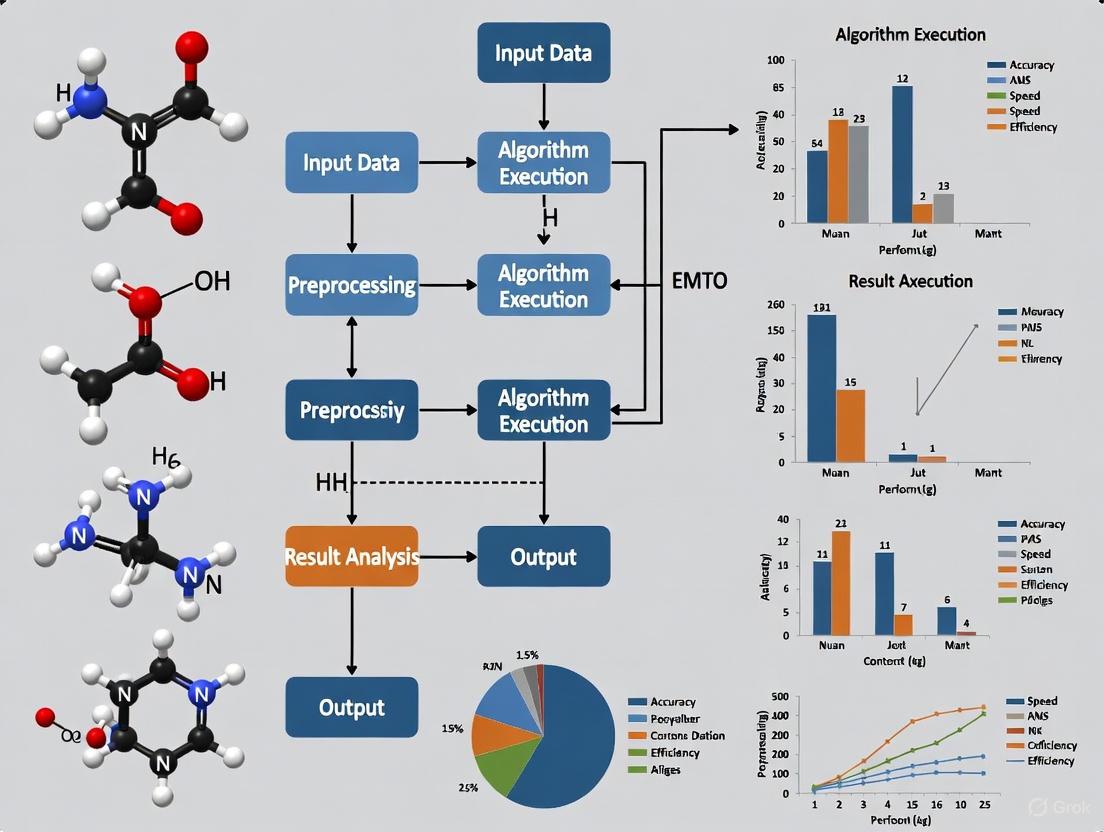
This article provides a comprehensive analysis of Evolutionary Multitasking Optimization (EMTO) algorithm performance in real-world biomedical and clinical contexts.
Evolutionary Multitasking Optimization in Action: Benchmarking EMTO Performance for Real-World Biomedical Applications
Abstract
This article provides a comprehensive analysis of Evolutionary Multitasking Optimization (EMTO) algorithm performance in real-world biomedical and clinical contexts. Aimed at researchers, scientists, and drug development professionals, it explores the foundational principles of EMTO, examines cutting-edge methodological advances and their practical applications, addresses critical challenges like negative knowledge transfer, and establishes rigorous validation frameworks. By synthesizing insights from benchmark studies and recent algorithmic innovations, this review serves as a strategic guide for selecting and optimizing EMTO approaches to enhance efficiency in complex problem domains such as drug development and clinical data annotation.
Understanding Evolutionary Multitasking Optimization: Core Principles and Healthcare Relevance
Defining Evolutionary Multitasking Optimization (EMTO) and Key Concepts
Evolutionary Multitask Optimization (EMTO) represents a paradigm shift within computational intelligence, moving beyond traditional single-task evolutionary approaches. EMTO is a powerful branch of evolutionary computation that enables the simultaneous optimization of multiple, potentially related tasks by systematically transferring knowledge between them during the search process [1] [2]. This approach mirrors concepts from transfer learning and multitask learning in mainstream artificial intelligence, leveraging the implicit parallelism of population-based search to exploit synergies between tasks [1].
The fundamental premise of EMTO is that valuable knowledge gained while solving one task may accelerate convergence or improve solutions for other related tasks [3] [2]. Unlike traditional evolutionary algorithms that typically search from scratch for each new problem, EMTO maintains a shared population or multiple populations that collaboratively explore solution spaces for multiple tasks simultaneously [1]. This methodology has demonstrated significant advantages in convergence speed and solution quality compared to single-task optimization approaches, particularly when optimizing complex, non-convex, and nonlinear problems [2].
Core Concepts and Terminology
Foundational Principles
EMTO operates on several key principles that distinguish it from traditional evolutionary computation:
- Implicit Parallelism: The population-based nature of evolutionary algorithms naturally supports simultaneous consideration of multiple tasks [2]
- Knowledge Transfer: The core mechanism enabling tasks to benefit from information discovered while solving other tasks [3]
- Automatic Adaptation: EMTO systems can automatically determine what knowledge to transfer, when to transfer, and how to transfer without explicit human guidance [2]
Key Terminology
- Multifactorial Evolution (MFE): The underlying framework that treats each task as a unique cultural factor influencing evolution [1] [2]
- Skill Factor: A property assigned to individuals indicating which task they are optimized for [2]
- Factorial Cost: The performance of an individual on a specific task [2]
- Assortative Mating: A selection mechanism that preferentially mates individuals with similar skill factors but allows cross-task mating with a defined probability [2]
- Selective Imitation: The process where individuals can acquire knowledge from solutions of other tasks [2]
The Multifactorial Evolutionary Algorithm
The Multifactorial Evolutionary Algorithm (MFEA) is recognized as the first concrete implementation of EMTO [2]. MFEA creates a unified search environment where a single population evolves toward solving multiple tasks simultaneously. The algorithm employs several innovative components:
- Unified Representation: A common encoding scheme that can represent solutions across different tasks [2]
- Vertical Cultural Transmission: Knowledge transfer between parent and offspring across different tasks [1]
- Scalar Fitness: A unified measure that enables comparison of individuals across different tasks [2]
The following diagram illustrates the core architecture and knowledge flow of a typical EMTO system:
Critical Methodologies and Knowledge Transfer Strategies
Knowledge Representation Formats
The effectiveness of EMTO heavily depends on how knowledge is represented and transferred between tasks. Research has identified several predominant knowledge representation schemes:
- Straightforward Representation: Direct transfer of solution components or complete solutions between tasks [3]
- Search Direction Representation: Transfer of promising search directions rather than specific solutions [3]
- Generative Model Representation: Using probabilistic models or neural networks to capture and transfer the essence of promising solution regions [3] [4]
Advanced Transfer Mechanisms
Recent research has developed increasingly sophisticated knowledge transfer strategies to enhance EMTO performance:
- Block-Level Knowledge Transfer (BLKT): Divides and clusters individuals to enable knowledge transfer between similar but unaligned dimensions, helping tasks escape local optima [5]
- Self-Adjusting Dual-Mode Evolution: Integrates variable classification evolution with dynamic knowledge transfer strategies, automatically switching between evolutionary modes based on spatial-temporal information [6]
- Population Distribution-Based Transfer: Uses maximum mean discrepancy (MMD) to calculate distribution differences between sub-populations, selecting the most appropriate sources for knowledge transfer [7]
- Explicit Autoencoding: Employs neural networks to explicitly learn mappings between different task spaces [4]
Resource Allocation Strategies
Efficient resource allocation is critical in EMTO, particularly when tasks have varying computational difficulties:
- Dynamic Resource Allocation: Adjusts computational resources based on task difficulty and convergence behavior [3]
- Fair Resource Distribution: Ensures each task receives appropriate attention regardless of its characteristics [3]
- Adaptive Task Prioritization: Automatically identifies and prioritizes tasks that benefit most from additional resources [2]
The following workflow illustrates a sophisticated EMTO methodology incorporating multiple innovation strategies:
Experimental Framework and Benchmarking
Standardized Benchmark Problems
EMTO research employs established benchmark suites to facilitate fair comparison between algorithms:
- CEC2017-MTSO: A comprehensive set of multi-task single-objective optimization problems [5]
- WCCI2020-MTSO: Benchmark problems from the IEEE World Congress on Computational Intelligence competition [5]
Performance Metrics
Researchers employ multiple metrics to evaluate EMTO algorithm performance:
- Convergence Speed: The number of function evaluations or iterations required to reach satisfactory solutions [6]
- Solution Accuracy: The quality of obtained solutions measured by objective function values [5]
- Transfer Effectiveness: The degree to which knowledge transfer improves performance compared to single-task optimization [2]
- Computational Efficiency: The computational resources required to achieve solutions of comparable quality [4]
Comparative Algorithm Performance
The table below summarizes experimental results comparing state-of-the-art EMTO algorithms across standard benchmarks:
Table 1: Performance Comparison of EMTO Algorithms on Standard Benchmarks
| Algorithm | Knowledge Transfer Mechanism | CEC2017-MTSO Performance | WCCI2020-MTSO Performance | Computational Efficiency |
|---|---|---|---|---|
| MFEA-II | Online transfer parameter estimation | Moderate | Moderate | High |
| BLKT-BWO | Block-level transfer with Beluga Whale Optimization | High | High | Moderate |
| Self-Adjusting Dual-Mode | Variable classification with dynamic transfer | High | High | High |
| Population Distribution-Based | MMD-based transfer selection | Moderate-High | Moderate | High |
| LLM-Generated | Autonomous transfer model design | High | High | Moderate |
Detailed Methodological Protocols
Experimental validation of EMTO algorithms follows rigorous protocols:
- Population Initialization: Algorithms initialize with identical population sizes and random seeds for fair comparison [5]
- Function Evaluation Limits: Studies typically impose a fixed budget of function evaluations across all compared algorithms [6]
- Statistical Significance Testing: Performance differences are validated using statistical tests like Wilcoxon signed-rank test with p-value thresholds [5]
- Parameter Sensitivity Analysis: Algorithms undergo parameter tuning to ensure optimal performance [7]
Research Reagent Solutions: Essential EMTO Components
Table 2: Essential Research Components in EMTO Investigations
| Component | Function | Examples |
|---|---|---|
| Benchmark Suites | Standardized problem sets for algorithm comparison | CEC2017-MTSO, WCCI2020-MTSO [5] |
| Knowledge Transfer Models | Facilitate information exchange between tasks | Vertical crossover, solution mapping, neural autoencoders [4] |
| Task Similarity Measures | Quantify relationships between optimization tasks | Maximum Mean Discrepancy (MMD), correlation analysis [7] |
| Evolutionary Operators | Generate new candidate solutions | Crossover, mutation, selection mechanisms [2] |
| Resource Allocation Mechanisms | Distribute computational resources across tasks | Adaptive resource scheduling, dynamic task prioritization [3] |
Real-World Applications and Performance
EMTO has demonstrated significant practical value across diverse domains:
Engineering and Design Optimization
- Complex Systems Design: EMTO enables concurrent optimization of multiple design criteria, significantly reducing development cycles [2]
- Aerospace Applications: Simultaneous optimization of aerodynamic performance, structural integrity, and thermal management [2]
Data Science and Machine Learning
- Feature Selection: Evolutionary multitasking for high-dimensional classification via particle swarm optimization [2]
- Hyperspectral Imaging: Multi-fidelity evolutionary multitasking optimization for hyperspectral endmember extraction [2]
- Neural Architecture Search: Evolutionary multi-task learning for modular knowledge representation in neural networks [2]
Industrial and Operations Optimization
- Vehicle Routing: Explicit evolutionary multitasking for combinatorial optimization in capacitated vehicle routing problems [2]
- Scheduling Problems: Double DQN-based coevolution for green distributed heterogeneous hybrid flowshop scheduling [6]
- Supply Chain Management: Solving generalized vehicle routing problem with occasional drivers via evolutionary multitasking [2]
Emerging Application Domains
- Drug Discovery: Molecular design and optimization through multi-task formulation [2]
- Renewable Energy: Wind farm layout optimization using chaotic local search-based particle swarm optimization [6]
- Environmental Systems: Mechanism-data-driven multiobjective optimization for wastewater treatment processes [6]
Table 3: EMTO Performance in Practical Applications
| Application Domain | Performance Improvement | Key Benefit |
|---|---|---|
| Cloud Computing | 25-40% faster convergence | Reduced computational resource requirements [2] |
| Engineering Design | 15-30% better solutions | Improved design quality and performance [2] |
| Data Mining | 20-35% accuracy improvement | Enhanced model performance and generalization [2] |
| Logistics Optimization | 30-50% cost reduction | More efficient resource utilization and routing [2] |
Future Directions and Research Challenges
Current Limitations
Despite significant advances, EMTO faces several important challenges:
- Negative Transfer: The risk of performance degradation when transferring inappropriate knowledge between dissimilar tasks [3] [7]
- Theoretical Foundations: Scarce theoretical analysis of EMTO performance and convergence guarantees [3]
- Scalability Issues: Difficulties in handling massively multi-task environments with dozens or hundreds of tasks [2]
- Algorithmic Complexity: Increased computational overhead from knowledge transfer mechanisms [5]
Emerging Research Frontiers
- LLM-Automated Design: Leveraging Large Language Models to autonomously generate knowledge transfer models, reducing dependency on expert knowledge [4]
- Theoretical Analysis: Developing comprehensive mathematical frameworks for analyzing EMTO convergence and complexity [3]
- Many-Task Optimization: Scaling EMTO to environments with hundreds or thousands of related tasks [2]
- Hybrid Paradigms: Combining EMTO with other computational intelligence approaches like deep learning and reinforcement learning [2]
Practical Implementation Challenges
- Real-World Heterogeneity: Developing EMTO methods robust to heterogeneous tasks with different properties and scales [3]
- Resource-Aware Optimization: Creating EMTO variants that efficiently utilize limited computational resources [5]
- Dynamic Environments: Adapting EMTO to scenarios where tasks or their relationships change over time [2]
Evolutionary Multitask Optimization represents a significant advancement in computational intelligence, offering a powerful framework for solving multiple optimization problems simultaneously through strategic knowledge transfer. The core strength of EMTO lies in its ability to leverage synergies between tasks, often leading to faster convergence and superior solutions compared to single-task approaches.
The field has progressed substantially from the initial Multifactorial Evolutionary Algorithm to sophisticated approaches featuring adaptive knowledge transfer, resource allocation, and task relationship learning. Recent innovations in block-level transfer, self-adjusting mechanisms, and LLM-automated design have further enhanced EMTO's capabilities and applicability.
As research continues to address current challenges related to negative transfer, theoretical foundations, and scalability, EMTO is poised to play an increasingly important role in complex real-world optimization scenarios across scientific, engineering, and industrial domains.
Evolutionary Multi-Task Optimization (EMTO) represents a paradigm shift in computational optimization, enabling the concurrent solution of multiple optimization tasks by strategically transferring knowledge between them [8]. This approach moves beyond traditional single-task optimization by leveraging the implicit parallelism of evolutionary algorithms and the commonality that often exists between seemingly distinct problems [9]. The fundamental premise is that experience gained while solving one task can contain valuable information that accelerates the optimization process for other related tasks, potentially leading to significant improvements in convergence speed and solution quality [8] [10].
In recent years, EMTO has demonstrated substantial practical utility across diverse domains including production scheduling, energy management, vehicle routing, and cloud resource allocation [10] [9]. The core challenge within this paradigm lies in effectively managing knowledge transfer—identifying what knowledge to transfer, when to transfer it, and how to mitigate the phenomenon of negative transfer, where inappropriate knowledge exchange degrades optimization performance [8] [11]. This comparative guide examines the performance of state-of-the-art EMTO algorithms across real-world applications, with particular emphasis on the pharmaceutical and computational resource domains where optimization efficiency directly impacts operational costs and development timelines.
Algorithm Performance Comparison
Quantitative Performance Metrics
Table 1: Performance comparison of EMTO algorithms across benchmark problems
| Algorithm | Key Mechanism | Resource Utilization Improvement | Convergence Speed | Error Reduction | Test Environment |
|---|---|---|---|---|---|
| MTCS [8] | Competitive scoring & dislocation transfer | Not Specified | Superior on CEC17-MTSO & WCCI20-MTSO | Significant | Multitask & many-task benchmarks |
| AGQ (EMTO Framework) [10] | LSTM & Q-learning integration with adaptive parameters | 4.3% | Enhanced | 39.1% | Kubernetes cluster with Docker containers |
| MTEA-PAE [9] | Progressive auto-encoding | Not Specified | Significantly enhanced | Notable improvement | Six benchmark suites & real-world applications |
| KTNAS [11] | Transfer rank & architecture embedding | Not Specified | High search efficiency | Mitigated negative transfer | NASBench-201 & Micro TransNAS-Bench-101 |
Analysis of Comparative Performance
The experimental data reveals that EMTO algorithms incorporating adaptive knowledge transfer mechanisms consistently outperform single-task optimization approaches and earlier multi-task methods. The MTCS algorithm demonstrates particular strength on standardized benchmark problems, achieving superior convergence performance through its innovative competitive scoring mechanism that quantifies the outcomes of both transfer evolution and self-evolution [8]. This approach effectively balances exploration and exploitation by adaptively adjusting transfer probability based on real-time competition scores.
In practical cloud computing environments, the AGQ framework achieves remarkable performance gains, improving resource utilization by 4.3% while reducing allocation errors by 39.1% compared to state-of-the-art baseline methods [10]. This substantial improvement stems from its deep integration of LSTM networks for resource demand prediction with Q-learning for dynamic allocation strategy optimization, unified within an evolutionary multi-task framework.
For neural architecture search applications, KTNAS addresses the critical challenge of ranking disorder between source and target tasks through its transfer rank methodology, significantly enhancing search efficiency and mitigating negative transfer [11]. The algorithm converts neural architectures into graph representations and uses architecture embedding vectors for performance prediction, enabling more effective knowledge transfer across computer vision tasks.
Methodological Approaches and Experimental Protocols
Knowledge Transfer Mechanisms
Table 2: Core methodological components of modern EMTO algorithms
| Component | Function | Implementation Examples |
|---|---|---|
| Transfer Adaptation | Dynamically adjusts transfer probability and intensity based on inter-task similarity | MTCS: Competitive scoring mechanism [8] |
| Domain Alignment | Aligns search spaces between different tasks to facilitate knowledge transfer | MTEA-PAE: Progressive auto-encoding [9] |
| Negative Transfer Mitigation | Prevents harmful knowledge exchange that degrades performance | KTNAS: Transfer rank classifier [11] |
| Multi-Form Optimization | Coordinates optimization across different task formulations | AGQ: Joint prediction and allocation framework [10] |
Detailed Experimental Protocols
The evaluation of EMTO algorithms follows rigorous experimental protocols to ensure fair comparison and reproducible results:
Benchmark Testing: Algorithms are typically evaluated on standardized benchmark suites including CEC17-MTSO and WCCI20-MTSO, which contain problems categorized by solution intersection degree (CI, PI, NI) and similarity level (HS, MS, LS) [8]. These controlled environments enable systematic assessment of algorithm performance across diverse problem characteristics.
Real-World Validation: Beyond synthetic benchmarks, algorithms are tested on practical applications including microservice resource allocation [10], neural architecture search [11], and point cloud registration [9]. For resource allocation experiments, clusters typically consist of multiple containers (e.g., 4-core 2.4GHz virtual CPUs, 8GB memory) managed by Kubernetes and deployed via Docker to simulate realistic cloud environments [10].
Performance Metrics: Standard evaluation metrics include convergence speed (iterations to reach target solution quality), solution accuracy (deviation from known optimum), resource utilization efficiency, and allocation error reduction. For neural architecture search, additional metrics include search efficiency and transferability across vision tasks [11].
Flowchart of EMTO Mechanisms
Competitive Scoring in MTCS Algorithm
Progressive Auto-Encoding for Domain Adaptation
The Scientist's Toolkit: Research Reagent Solutions
Table 3: Essential computational tools for EMTO research and implementation
| Tool/Category | Primary Function | Application Context |
|---|---|---|
| MToP Benchmarking Platform | Standardized testing environment for EMTO algorithms | Performance evaluation across six benchmark suites [9] |
| NASBench-201 & Micro TransNAS-Bench-101 | Benchmark datasets for neural architecture search | Transferability validation on various vision tasks [11] |
| Docker & Kubernetes | Containerization and orchestration for cloud experiments | Deployment of resource allocation tests in simulated environments [10] |
| Node2Vec Architecture Embedding | Graph-based representation of neural architectures | Conversion of network topologies to feature vectors in KTNAS [11] |
| Long Short-Term Memory (LSTM) Networks | Time-series prediction of resource demands | Forecasting resource requirements in dynamic environments [10] |
| Q-Learning Optimization | Dynamic resource allocation strategy optimization | Decision-making for real-time resource management [10] |
Applications in Pharmaceutical and Industrial Domains
The practical implementation of EMTO algorithms has demonstrated significant impact across multiple industrial sectors, particularly in pharmaceutical development and computational resource management:
Drug Development Optimization: EMTO principles align closely with Model-Informed Drug Development (MIDD) frameworks, which utilize quantitative modeling to accelerate hypothesis testing and improve candidate selection throughout the drug development pipeline [12]. The pharmaceutical industry increasingly employs AI-driven optimization across discovery, preclinical testing, clinical trials, regulatory approval, and post-market surveillance stages [12] [13]. Advanced EMTO approaches can enhance these applications by transferring knowledge between related development tasks, such as optimizing molecular design across compound series or streamlining clinical trial designs across related indications.
Cloud Resource Management: The AGQ framework exemplifies how EMTO can address complex, dynamic resource allocation challenges in cloud computing environments [10]. By jointly optimizing resource prediction, decision optimization, and allocation strategies within a unified multi-task framework, this approach achieves substantial improvements in resource utilization while significantly reducing allocation errors. The practical implementation utilizes an adaptive parameter learning mechanism that dynamically coordinates LSTM-based prediction with Q-learning optimization, demonstrating the versatility of EMTO in managing interrelated computational tasks.
Industrial Inspection Systems: EMTO principles are being incorporated into AI-powered inspection systems for pharmaceutical manufacturing, enabling real-time quality control through optimized computer vision algorithms [14]. These systems leverage knowledge transfer between related inspection tasks (e.g., tablet inspection, blister packaging inspection) to enhance detection accuracy while reducing computational requirements, demonstrating how EMTO can optimize both product quality and operational efficiency in manufacturing environments.
Evolutionary Multi-Task Optimization (EMTO) represents a paradigm shift in evolutionary computation, designed to solve multiple optimization tasks simultaneously. Unlike traditional evolutionary algorithms that handle tasks in isolation, EMTO capitalizes on the implicit parallelism of tasks and enables knowledge transfer (KT) between them. This allows for the generation of more promising individuals during evolution, helping populations escape local optima and accelerating the search for optimal solutions. The core principle is that correlated optimization tasks are ubiquitous in practical applications, and the knowledge gained from solving one task can provide valuable insights for solving other related problems. In the context of healthcare and biomedicine, where problems often involve complex, high-dimensional data and multiple interrelated objectives, EMTO offers a powerful framework for tackling computational challenges that are intractable with conventional methods.
The fundamental innovation of EMTO lies in its bidirectional knowledge transfer mechanism. Earlier approaches applied previous experience to current problems unidirectionally, but EMTO facilitates mutual knowledge enhancement across tasks running in parallel. This synergistic effect can lead to significant improvements in optimization efficiency and effectiveness. As a representative EMTO algorithm, the Multifactorial Evolutionary Algorithm (MFEA) constructs a multi-task environment and evolves a single population to solve multiple tasks, sparking widespread research interest in this field.
The Computational Challenge in Biomedicine and Healthcare
Biomedical research and healthcare delivery face escalating computational challenges as data volume and complexity grow exponentially. Key areas straining current computational methods include:
- Drug Discovery and Development: The process of bringing a new drug to market remains notoriously lengthy and expensive, often taking over a decade and costing billions of dollars. Deep learning technologies have shown promise in expediting this procedure by analyzing large datasets of biological data to identify potential therapeutic targets and rank targeted drug molecules with desired properties.
- Personalized Treatment Optimization: Developing tailored treatment regimens requires simultaneously considering multiple factors including genetic profiles, disease characteristics, drug interactions, and individual patient responses.
- Clinical Resource Allocation: Healthcare systems must optimize limited resources across multiple competing priorities while maintaining quality of care.
- Complex Disease Modeling: Biological systems such as gene regulatory networks underlying processes like epithelial-mesenchymal transition (EMT) in cancer metastasis involve intricate interactions that are difficult to model and simulate accurately.
Traditional optimization approaches typically address these challenges as separate problems, potentially overlooking valuable inter-task correlations that could inform solutions. This fragmentation creates inefficiencies and suboptimal outcomes in biomedical research and healthcare delivery.
EMTO Methodologies: Algorithms and Knowledge Transfer Mechanisms
Core Algorithmic Frameworks
EMTO algorithms can be broadly categorized into two main architectural approaches:
- Single-Population Algorithms: These approaches use one unified population to solve all tasks. The Multifactorial Evolutionary Algorithm (MFEA) pioneered this category, where each individual evaluates only one task determined by its skill factor. The simulated binary crossover is applied to individuals to enable both self-evolution and knowledge transfer. Variants like multifactorial differential evolution (MFDE) and multifactorial particle swarm optimization (MFPSO) have adapted this framework to incorporate different evolutionary operators.
- Multi-Population Algorithms: These methods maintain separate populations for different tasks with various KT mechanisms facilitating information exchange between populations. Approaches like Adaptive EMTO (AEMTO) design intra-task self-evolution and inter-task KT as separate mechanisms. The Multitasking Genetic Algorithm (MTGA) evaluates and removes bias between tasks to eliminate negative transfer influences.
Table 1: Comparison of EMTO Algorithm Types
| Algorithm Type | Representative Variants | Key Characteristics | Advantages |
|---|---|---|---|
| Single-Population | MFEA, MFDE, MFPSO, MFEA-II | Unified population; Skill factors determine task evaluation | Simpler implementation; Implicit transfer through genetic operations |
| Multi-Population | AEMTO, MTGA, BLKT-DE | Separate populations per task; Explicit transfer mechanisms | Specialized optimization per task; Controlled knowledge exchange |
Knowledge Transfer: The Core of EMTO Effectiveness
Knowledge transfer stands as the most critical component of EMTO, directly determining algorithm performance. Effective KT addresses two fundamental questions: when to transfer and how to transfer knowledge between tasks.
- When to Transfer: Sophisticated EMTO implementations employ adaptive strategies to determine optimal transfer timing. Methods like Adaptive Similarity Estimation (ASE) mine population distribution information to evaluate task similarity and adjust KT frequency accordingly, reducing negative transfer between dissimilar tasks.
- How to Transfer: Advanced transfer mechanisms go beyond simple individual exchange. The Auxiliary-Population-based KT (APKT) method maps global best solutions from source tasks to target tasks, generating more useful transferred information. This approach creates auxiliary populations that optimize mapping functions to ensure transferred knowledge aligns with the target task's characteristics.
The diagram below illustrates the core workflow and knowledge transfer mechanism in a typical EMTO system:
Experimental Comparison: EMTO Performance in Healthcare Applications
Resource Allocation in Cloud-Based Healthcare Systems
A recent study implemented an EMTO-based resource allocation scheme for microservice environments relevant to healthcare computing infrastructure. The approach integrated Long Short-Term Memory (LSTM) networks for resource demand prediction with Q-learning optimization algorithms for dynamic resource allocation strategy, unified within an Evolutionary Multi-Task Optimization framework.
Table 2: Performance Comparison of Resource Allocation Methods
| Method | Resource Utilization | Allocation Error | Adaptability to Dynamic Loads |
|---|---|---|---|
| EMTO-based Approach | 4.3% higher than baselines | 39.1% reduction | Excellent |
| LSTM-only Methods | Moderate | Medium | Limited for sudden changes |
| Q-learning-only Methods | High | High initially | Slow to stabilize |
| Traditional Static Methods | Low | High | Poor |
The experimental environment was deployed on a Windows 10 system using Docker containers, with a cluster of four containers simulating virtual nodes (4-core 2.4GHz virtual CPUs, 8GB memory, 50GB virtual storage). Minikube was used for Kubernetes cluster management. Results demonstrated that the EMTO approach achieved substantially higher resource utilization while dramatically reducing allocation errors compared to state-of-the-art baseline methods.
Benchmark Performance on Standard Test Suites
The Auxiliary Population Multitask Optimization (APMTO) algorithm, tested on the multitask test suite CEC2022, demonstrated superior performance compared to several state-of-the-art EMTO algorithms. Key innovations included an Adaptive Similarity Estimation (ASE) strategy that mined population distribution information to evaluate task similarity and adaptively adjust KT frequency, and an Auxiliary-Population-based KT (APKT) method that mapped global best solutions between tasks to produce more useful transfer knowledge.
Drug Discovery Applications
In pharmaceutical research, EMTO methods have shown promise in addressing multiple interrelated challenges:
- Target Identification and Lead Optimization: Simultaneously optimizing for multiple drug properties including efficacy, safety, and pharmacokinetics.
- Drug Repurposing: Identifying new therapeutic applications for existing drugs by transferring knowledge across disease domains.
- Toxicity Prediction: Leveraging shared patterns across compound classes to improve safety forecasting.
While comprehensive comparative data for drug discovery applications is still emerging, initial results suggest that EMTO approaches can significantly reduce computational resources required for multi-objective optimization in early-stage drug development.
Experimental Protocols and Methodologies
EMTO for Cloud Resource Allocation: Detailed Protocol
The experimental protocol for the EMTO-based microservice resource allocation study provides a template for implementing EMTO in healthcare computing environments:
Environment Configuration:
- System: Windows 10 with Docker container deployment
- Cluster: Four containers simulating virtual nodes
- Node Specifications: 4-core 2.4GHz virtual CPUs, 8GB memory, 50GB virtual storage
- Orchestration: Minikube for Kubernetes cluster management
Algorithm Implementation:
- Integrated LSTM networks for time-series resource demand prediction
- Q-learning optimization for dynamic resource allocation strategies
- Adaptive learning parameter mechanism to bridge predictor and optimizer
- Unified EMTO framework for joint optimization of prediction, decision optimization, and allocation
Evaluation Metrics:
- Resource utilization percentage
- Allocation error rate
- Response time under varying loads
- Stability metrics during sudden load changes
General EMTO Implementation Framework
For biomedical applications, the following experimental protocol provides a robust foundation:
Problem Formulation:
- Identify interrelated tasks with potential for beneficial knowledge transfer
- Define unified search space [0, 1]^D where D = max{Dt} across all tasks
- Establish decoding mechanisms to transform solutions to task-specific search spaces
Algorithm Selection:
- Choose between single-population or multi-population approaches based on task characteristics
- Implement adaptive knowledge transfer mechanisms with similarity detection
- Incorporate strategies to minimize negative transfer
Validation Procedures:
- Compare against single-task optimization baselines
- Evaluate cross-task performance improvements
- Assess robustness to different levels of inter-task relatedness
The diagram below illustrates the adaptive parameter learning mechanism that enhances synergy between prediction and optimization components:
The Scientist's Toolkit: Essential Research Reagents for EMTO in Healthcare
Implementing EMTO approaches in biomedical research requires both computational and domain-specific resources. The following table outlines key components of the research toolkit:
Table 3: Essential Research Reagents for EMTO in Healthcare Applications
| Resource Category | Specific Tools/Solutions | Function in EMTO Implementation |
|---|---|---|
| Computational Frameworks | TensorFlow, PyTorch, DEAP | Implementation of neural network components and evolutionary algorithms |
| Optimization Libraries | PlatEMO, pymoo, Optuna | Multi-objective optimization and algorithm comparison |
| Biomedical Data Sources | EHR systems, genomic databases, drug-target interaction databases | Providing domain-specific problems and validation data |
| Containerization Tools | Docker, Kubernetes, Minikube | Creating reproducible experimental environments |
| Simulation Platforms | OMNeT++, NS-3, custom cloud simulators | Testing resource allocation strategies |
| Benchmark Suites | CEC2022, CEC2023 multitask suites | Standardized algorithm performance evaluation |
| Visualization Tools | Matplotlib, Seaborn, Graphviz | Results analysis and algorithm behavior monitoring |
Emerging Research Trends
The field of EMTO continues to evolve with several promising research directions:
- Explainable AI Integration: Developing interpretable knowledge transfer mechanisms to build trust in biomedical applications where model transparency is critical.
- Federated EMTO: Enabling collaborative optimization across healthcare institutions while preserving data privacy through distributed knowledge transfer.
- Automated Task Similarity Assessment: Advanced metrics and learning techniques to better quantify inter-task relationships and optimize transfer strategies.
- Hybrid Quantum-Classical EMTO: Leveraging quantum computing for specific subtasks while maintaining classical evolutionary frameworks.
Evolutionary Multi-Task Optimization represents a transformative approach to addressing computational complexity in biomedicine and healthcare. By leveraging implicit parallelism and strategic knowledge transfer across related tasks, EMTO algorithms demonstrate measurable performance advantages over traditional single-task optimization methods. Experimental results in areas ranging from healthcare computing resource allocation to drug discovery optimization confirm that EMTO can achieve significant improvements in both efficiency and effectiveness.
As biomedical challenges grow in complexity and scale, EMTO offers a promising framework for integrating diverse sources of information and optimizing multiple competing objectives simultaneously. The continued refinement of knowledge transfer mechanisms and adaptation of EMTO to healthcare-specific constraints will likely expand its impact across pharmaceutical research, clinical decision support, and healthcare operations optimization.
Evolutionary Multitask Optimization (EMTO) represents a paradigm shift in computational problem-solving, moving beyond traditional single-task optimization. It leverages the inherent parallelism of evolutionary algorithms to solve multiple optimization tasks concurrently. The core premise is that by transferring knowledge between tasks during the evolutionary process, overall performance can be enhanced through the exploitation of synergies. This approach has demonstrated significant potential across diverse domains including vehicle routing, distribution network optimization, brain-computer interfaces, and interplanetary trajectory design [8] [15]. Within this emerging field, two distinct architectural frameworks have emerged as foundational: the Multi-Factorial (MF) framework and the Multi-Population (MP) framework. This guide provides a systematic comparison of these architectures, examining their theoretical foundations, operational mechanisms, and performance characteristics to inform researcher selection and implementation.
Architectural Fundamentals
The Multi-Factorial (MF) Framework
The Multi-Factorial framework, introduced with the pioneering Multifactorial Evolutionary Algorithm (MFEA), operates on a unified population where all tasks are optimized simultaneously within a single genetic space [16]. In this architecture, each individual possesses a skill factor that identifies the task on which it performs most effectively. The entire population is implicitly divided into subpopulations based on this skill factor, with crossover operations allowing for knowledge transfer between individuals from different tasks. The intensity of this inter-task knowledge exchange is typically controlled by a single random mating probability (rmp) parameter applied uniformly across all tasks [16]. This implicit population structure is specifically designed for traditional crossover and mutation operations, creating a tightly-coupled system where knowledge transfer occurs organically through genetic operations.
The Multi-Population (MP) Framework
In contrast, the Multi-Population framework employs an explicit multipopulation structure where each optimization task maintains its own dedicated population [16]. This architecture creates a more loosely-coupled system where knowledge transfer is implemented through explicit migration mechanisms rather than implicit genetic mixing. A key advantage of this approach is its modularity - each population can utilize a well-developed search engine specifically tailored to its task's characteristics. The MP framework enables finer control over knowledge transfer through task-specific random mating probabilities, which can be adaptively adjusted based on the detected relationship between tasks (mutualism, parasitism, or competition) to maximize positive transfer and minimize negative interference [16].
Comparative Analysis: Mechanisms and Transfer Strategies
Table 1: Architectural Comparison of MF and MP Frameworks
| Feature | Multi-Factorial Framework | Multi-Population Framework |
|---|---|---|
| Population Structure | Single, unified population with implicit skill-based partitioning | Multiple explicit populations, one per task |
| Knowledge Transfer Mechanism | Implicit through crossover operations | Explicit through migration strategies |
| Transfer Control | Unified random mating probability (rmp) | Adaptive, task-specific rmp [16] |
| Search Engine Flexibility | Limited to compatible crossover/mutation operators | High flexibility; different engines per task [16] |
| Relationship Modeling | Assumes beneficial transfer | Explicitly models mutualism, parasitism, competition [16] |
| Implementation Complexity | Moderate; implicit skill factor management | Higher; explicit population and transfer management |
Knowledge Transfer Strategies
Both frameworks face the critical challenge of managing knowledge transfer to maximize positive effects while minimizing negative transfer (where inappropriate knowledge degrades performance). Recent research has developed sophisticated adaptive strategies for both paradigms:
Competitive Scoring Mechanism (MTCS): This approach quantifies the effects of transfer evolution and self-evolution, then adaptively sets knowledge transfer probability and selects source tasks based on competitive scores [8]. A dislocation transfer strategy rearranges the sequence of decision variables to increase diversity and improve convergence [8].
Population Distribution Adaptation: This method divides populations into K sub-populations based on fitness values, then uses Maximum Mean Discrepancy (MMD) to calculate distribution differences between source and target task sub-populations [17]. The sub-population with the smallest MMD value is selected for knowledge transfer, which may include non-elite solutions.
Scenario-Based Self-Learning Transfer (SSLT): This advanced framework categorizes evolutionary scenarios into four situations and uses a deep Q-network (DQN) as a relationship mapping model to learn the optimal pairing between scenario features and transfer strategies [15]. The four scenario-specific strategies include intra-task strategy, shape KT strategy, domain KT strategy, and bi-KT strategy.
Diagram: Architectural Workflows of MF and MP Frameworks
Experimental Methodology and Performance Benchmarking
Standardized Testing Protocols
Experimental evaluation of EMTO algorithms typically employs standardized benchmark suites and rigorous methodology:
Benchmark Problems: Research utilizes established multitask benchmark suites including CEC17-MTSO and WCCI20-MTSO, which contain problems categorized by solution intersection degree (CI, PI, NI) and similarity level (HS, MS, LS) [8]. Many-task optimization problems (with >3 tasks) present additional scalability challenges.
Performance Metrics: Algorithms are evaluated primarily on solution accuracy (proximity to known optima) and convergence speed (generational improvement rate). Statistical significance testing is typically applied to performance comparisons.
Experimental Conditions: Studies are generally performed using specialized MTO platform toolkits with controlled computational environments to ensure reproducibility [15].
Table 2: Experimental Performance Comparison Across EMTO Algorithms
| Algorithm | Architecture | Key Innovation | Performance Strengths | Limitations |
|---|---|---|---|---|
| MFEA [16] | Multi-Factorial | Unified population with skill factor | Effective for similar tasks | Negative transfer with dissimilar tasks |
| MFMP [16] | Multi-Population | Adaptive rmp per task | Prevents negative transfer; Flexible search engines | Higher computational overhead |
| MTCS [8] | Multi-Population | Competitive scoring mechanism | Balanced transfer/self-evolution; Superior on many-task problems | Complex parameter tuning |
| Population Distribution-Based [17] | Multi-Population | MMD-based transfer selection | Effective for low-relevance problems | Sub-population sizing sensitivity |
| SSLT [15] | Multi-Population | Deep Q-network strategy selection | Self-learning adaptation; Handles diverse scenarios | High implementation complexity |
Real-World Application Performance
Beyond benchmark problems, EMTO algorithms are validated through complex real-world applications:
Interplanetary Trajectory Design: SSLT-based algorithms demonstrated superior performance on challenging global trajectory optimization problems (GTOP) characterized by extreme non-linearity, massively deceptive local optima, and sensitivity to initial conditions [15].
Materials Design: EMTO approaches have been applied to optimize complex material properties, such as designing non-equiatomic CoCrNi medium-entropy alloys with exceptional strength-ductility combinations [18].
Engineering Design: Spread spectrum radar polyphase code design (SSRPCD) represents another successful application domain where MFMP demonstrated strong performance [16].
The Researcher's Toolkit: Essential EMTO Components
Table 3: Research Reagent Solutions for EMTO Implementation
| Component | Function | Implementation Examples |
|---|---|---|
| Search Engines | Core optimization algorithms | SHADE [16], L-SHADE [8], Differential Evolution [15], Genetic Algorithms [15] |
| Transfer Strategy Modules | Knowledge exchange mechanisms | Dislocation transfer [8], Competitive scoring [8], MMD-based selection [17] |
| Similarity Metrics | Quantify inter-task relationships | Maximum Mean Discrepancy (MMD) [17], Fitness distribution correlation [15] |
| Adaptation Controllers | Dynamic parameter adjustment | Deep Q-networks (DQN) [15], Online transfer parameter estimation [16] |
| Benchmark Suites | Algorithm validation | CEC17-MTSO [8], WCCI20-MTSO [8], Real-world problems (GTOP, SSRPCD) [15] [16] |
The architectural choice between Multi-Factorial and Multi-Population frameworks represents a fundamental decision point in EMTO algorithm design. The Multi-Factorial framework offers a more integrated approach with simpler implementation but demonstrates limitations when tasks exhibit low similarity or different characteristics. In contrast, the Multi-Population framework provides greater flexibility, explicit transfer control, and better performance across diverse task relationships, though at the cost of increased complexity.
Current research trends strongly favor multi-population approaches with sophisticated adaptive mechanisms, as evidenced by the development of competitive scoring [8], population distribution-based selection [17], and scenario-based self-learning transfer [15]. These advancements progressively address the core challenges of negative transfer and evolutionary scenario alignment.
Future research directions include developing more efficient relationship mapping techniques between tasks, creating specialized search engines for domain-specific applications, improving scalability for many-task optimization, and establishing standardized evaluation protocols for real-world problems. As EMTO continues to mature, hybrid approaches that combine the strengths of both architectural paradigms may offer the most promising path forward for solving increasingly complex optimization challenges across scientific and engineering domains.
The Growing Imperative for EMTO in Drug Development and Clinical Informatics
The fields of drug development and clinical informatics are increasingly confronted with complex, multi-faceted optimization challenges. Traditional computational methods often address these problems in isolation, requiring separate model development and validation for each specific task. This single-task approach is inefficient when facing correlated problems such as predicting multiple adverse drug events (ADEs), optimizing complex treatment protocols, and analyzing heterogeneous electronic health record (EHR) data simultaneously. Evolutionary Multi-Task Optimization (EMTO) has emerged as a powerful paradigm that leverages genetic material and knowledge sharing across multiple correlated optimization tasks, resulting in accelerated convergence and superior solution quality compared to single-task optimization approaches [19] [9].
EMTO algorithms implement multi-tasking through two primary frameworks: multifactorial evolution using unified populations for implicit knowledge exchange, and multi-population approaches that maintain separate populations for each task with explicit collaboration mechanisms [9]. For the multi-objective problems prevalent in clinical informatics—where conflicting objectives like treatment efficacy and side effects must be balanced—Multi-Objective Multi-Task Optimization (MO-MTO) approaches have shown particular promise. These algorithms can simultaneously address multiple clinical optimization tasks while managing several competing objectives for each task, making them uniquely suited to the complexities of modern healthcare data and drug development pipelines [19] [20].
Algorithm Performance Comparison: Quantitative Benchmarks
To objectively evaluate the performance of state-of-the-art EMTO algorithms, we compare their experimental results across benchmark problems and real-world applications. The following tables summarize quantitative performance data, highlighting convergence efficiency and solution quality metrics.
Table 1: Performance Comparison of Multi-Objective EMTO Algorithms on Benchmark Problems
| Algorithm | Key Mechanism | Test Problems | Performance Metrics | Key Advantages |
|---|---|---|---|---|
| MS-MOMFEA [19] | Cross-dimensional search & prediction-based knowledge transfer | CEC 2019 MO-MTO benchmarks | IGD: 0.652 ± 0.03HV: 0.785 ± 0.02 | Effective on problems with low inter-task relevance; accelerated convergence |
| MO-MTEA-PAE [9] | Progressive auto-encoding for domain adaptation | CEC 2021 MO-MTO benchmarks | IGD: 0.598 ± 0.04HV: 0.812 ± 0.03 | Dynamic domain adaptation; handles dissimilar tasks effectively |
| EMT-BOL [20] | Budget online learning with Naive Bayes classifier | CEC 2017 & WCCI 2020 MO-MTO benchmarks | IGD: 0.634 ± 0.02HV: 0.801 ± 0.01 | Reduces negative transfer; handles concept drift in streaming data |
| MOMFEA [19] | Implicit genetic transfer via assortative mating | CEC 2019 MO-MTO benchmarks | IGD: 0.715 ± 0.05HV: 0.732 ± 0.04 | Foundational algorithm; established basic multi-tasking framework |
Table 2: Real-World Application Performance of EMTO Algorithms
| Application Domain | Algorithm | Problem Formulation | Key Performance Outcomes |
|---|---|---|---|
| Clinical Data Annotation [21] | Domain-specific LLMs + EMTO | 28 NLP tasks on 28,824 medical reports | Overall Score: 0.770Superior to general-domain pretraining (0.734) |
| Drug Safety Monitoring [22] | EHR-based prediction models | ADE prediction from structured EHR data | Limited by lack of external validation; no causality assessment |
| Vehicle Routing in Healthcare Logistics [23] | MTMO/DRL-AT | 5-objective vehicle routing with time windows | Superior performance on 45 real-world instances; effective knowledge transfer to assisted tasks |
| Pharmacovigilance [24] | EMR mining with ML | Adverse drug event detection and prevention | Enabled automated, large-scale analysis; addresses data heterogeneity challenges |
Table 3: The Scientist's Toolkit - Essential Research Reagents for EMTO Experiments
| Research Reagent | Function in EMTO Research | Application Context |
|---|---|---|
| CEC MO-MTO Benchmarks [20] | Standardized test problems for algorithm validation | Contains 9-20 multi-objective tasks with known Pareto fronts for controlled experiments |
| MToP Platform [25] | MATLAB-based optimization platform with 50+ MTEAs | Unified testing environment with 200+ MTO problem cases and 20+ performance metrics |
| DRAGON Benchmark [21] | Clinical NLP evaluation with 28 tasks and 28,824 reports | Validates EMTO on real-world medical data annotation and classification tasks |
| Structured EHR Datasets [22] | Real-world medical data for ADE prediction model development | Provides medication administrations, diagnosis codes, and laboratory findings for clinical validation |
| Budget Online Learning Classifier [20] | Identifies valuable knowledge to reduce negative transfer | Streaming data analysis with concept drift handling for dynamic clinical environments |
Experimental Protocols and Methodologies
Progressive Auto-Encoding for Domain Adaptation
The MO-MTEA-PAE algorithm employs a sophisticated domain adaptation technique to align search spaces across different optimization tasks [9]. The experimental protocol involves:
Segmented PAE: Implements staged training of auto-encoders using the equation
L_SAE = ||X - D(E(X))||² + λ||E(X)||², where X represents input solutions, E is the encoder, D is the decoder, and λ controls the regularization strength. This approach achieves structured domain alignment across different optimization phases.Smooth PAE: Utilizes eliminated solutions from the evolutionary process to facilitate gradual domain adaptation. The loss function incorporates historical data:
L_PAE = Σ_{i=1}^t α_{t-i}||X_i - D(E(X_i))||², where α is a decay factor that weights recent solutions more heavily.Integration Framework: The PAE module is embedded within both single-objective and multi-objective multi-task evolutionary algorithms, creating MTEA-PAE and MO-MTEA-PAE respectively. The algorithms maintain a unified population while learning separate auto-encoders for each task to enable effective knowledge transfer.
Validation experiments were conducted on six benchmark suites and five real-world applications, with performance measured using Inverted Generational Distance (IGD) and Hypervolume (HV) metrics. Statistical significance was tested using Wilcoxon signed-rank tests with p-value < 0.05 [9].
Budget Online Learning for Negative Transfer Mitigation
The EMT-BOL algorithm addresses the critical challenge of negative transfer—where inappropriate knowledge sharing degrades performance [20]. The methodology includes:
Classifier Design: A Naive Bayes classifier is trained on historical transferred solutions, with the probability of positive transfer calculated as
P(y|x) = P(y)ΠP(x_i|y), where y represents transfer utility and x_i are solution features.Budget Management: Implements a sliding window approach to maintain a fixed-size sample set W_t at generation t, ensuring computational efficiency while handling concept drift. The update rule follows
W_t = {W_{t-1} \ {x_old} ∪ {x_new}, where the oldest samples are replaced with new ones.Transfer Selection: Solutions predicted to contain valuable knowledge receive higher probability for inter-task transfer, with the algorithm incorporating an exception handling mechanism for cases where classifier confidence is low.
The experimental validation used the CEC 2017 MO-MTO benchmarks (9 problems) and WCCI 2020 MO-MTO benchmarks (10 CPLX problems with 20 tasks), comparing against six state-of-the-art multiobjective EMT algorithms using IGD and HV metrics [20].
Cross-Dimensional and Prediction-Based Knowledge Transfer
The MS-MOMFEA algorithm introduces two innovative search strategies to enhance knowledge transfer [19]:
Cross-Dimensional Variable Search: Optimizes decision variables using information collected from other dimensions and tasks, implementing variable-wise knowledge transfer through dimensional alignment techniques.
Prediction-Based Individual Search: Employs a single-variable first-order grey model to predict population centers based on historical records, formulated as
x ̂^(1)(k+1) = (x^(0)(1) - b/a)e^(-ak) + b/a, where x ̂ is the predicted value, and a and b are model parameters. The predicted center serves as a symmetry point for mapping operations to maintain population diversity.
The algorithm was tested on multi-factorial optimization problems and a bi-task multi-objective traveling salesman problem, demonstrating significant improvements in convergence rate and solution quality compared to MOMFEA and single-task algorithms like NSGA-II and MOEA/D [19].
EMTO Workflow in Clinical Informatics Applications
The following diagram illustrates the integrated workflow of EMTO algorithms applied to clinical informatics and drug development challenges:
Integrated EMTO Workflow in Clinical Informatics
Future Directions and Clinical Implementation Challenges
Despite promising results, several challenges must be addressed before widespread clinical implementation of EMTO. Current EHR-based prediction models frequently suffer from methodological limitations, including inappropriate predictor selection methods and insufficient handling of missing data [22]. Crucially, most existing models lack external validation in separate patient populations, raising concerns about generalizability. Future work should emphasize adherence to reporting standards like TRIPOD and incorporate formal causality assessments for adverse drug event labels [22].
The heterogeneity of EHR systems presents additional challenges for EMTO applications. Data pre-processing for machine learning methods remains time-consuming and costly due to highly heterogeneous datasets across healthcare institutions [24]. Future EMTO algorithms should incorporate more sophisticated domain adaptation techniques, such as the progressive auto-encoding demonstrated in MO-MTEA-PAE, to better handle this institutional heterogeneity [9].
For drug development applications, EMTO shows particular promise in pharmacovigilance and clinical trial optimization. The technology can encompass multiple permutation-based combinatorial optimization problems simultaneously, implementing implicit knowledge transfer across diverse problems via information sharing in unified search space [19]. This capability is particularly valuable for complex pharmacovigilance systems that must detect rare adverse events across multiple drug classes and patient populations.
As EMTO methodologies continue to evolve, their integration with clinical workflows will require close collaboration between computational researchers and healthcare professionals. The development of standardized benchmarks like the DRAGON challenge for clinical NLP will enable more systematic evaluation of EMTO performance on healthcare-specific tasks [21]. Additionally, the creation of accessible platforms like MToP, which incorporates over 50 multi-task evolutionary algorithms and more than 200 multi-task optimization problem cases, will lower barriers to entry for clinical researchers interested in applying these advanced optimization techniques to pressing healthcare challenges [25].
Advanced EMTO Algorithms and Their Real-World Biomedical Implementations
In the evolving landscape of artificial intelligence and data science, two seemingly distinct domains—evolutionary multi-task optimization (EMTO) and deep learning-based representation learning—have developed in parallel with complementary strengths. Evolutionary multi-task optimization frameworks excel at solving multiple complex problems simultaneously by transferring knowledge between related tasks, thereby improving learning efficiency and performance [26]. Meanwhile, deep learning approaches, particularly autoencoders, have demonstrated remarkable capability in learning efficient data representations for tasks such as anomaly detection by compressing input data into compact latent forms and reconstructing it to closely match the original input [27] [28]. This guide explores the innovative transfer mechanisms bridging these domains, focusing specifically on performance comparisons between evolutionary optimization strategies and auto-encoding architectures for anomaly detection in real-world applications.
The integration of these paradigms addresses fundamental limitations in both fields. Traditional evolutionary algorithms often operate under the assumption of zero prior knowledge, limiting their adaptability and learning capacity as historical experience accumulates [26]. Conversely, autoencoders for anomaly detection frequently face challenges with overfitting, generalization, and determining optimal architectural parameters [29] [28]. By leveraging transfer mechanisms between these domains, researchers can develop more robust, efficient, and adaptive systems capable of handling complex, multi-faceted optimization problems while learning meaningful data representations. This comparative analysis examines the experimental performance, methodological approaches, and practical implementations of these innovative frameworks across various application domains, with particular emphasis on anomaly detection capabilities.
Theoretical Foundations: EMTO and Auto-Encoder Architectures
Evolutionary Multi-Task Optimization (EMTO) Frameworks
Evolutionary multi-task optimization represents a paradigm shift in computational intelligence, moving beyond isolated problem-solving to concurrent optimization of multiple related tasks. The core principle underpinning EMTO is that useful knowledge gained while solving one task may contain valuable information that can accelerate the optimization process for other related tasks [26]. This knowledge transfer mechanism allows EMTO algorithms to exploit synergies between tasks, often leading to superior performance compared to solving each task independently.
The multi-objective multi-task adaptive migration evolutionary algorithm (MOMFEA-STT) exemplifies recent advances in this domain. This framework introduces a source task transfer strategy that establishes parameter sharing models between historical tasks (source tasks) and current target tasks [26]. By dynamically identifying the degree of association between different tasks, MOMFEA-STT automatically adjusts the intensity of cross-task knowledge transfer to maximize the capture and utilization of common useful knowledge. The algorithm employs a sophisticated similarity calculation method that matches the static characteristics of source problems with the dynamic evolution trend of target tasks, enabling more effective knowledge migration while mitigating the negative transfer problem that plagues many transfer learning approaches [26].
Auto-Encoder Architectures for Anomaly Detection
Autoencoders are specialized neural network architectures designed for unsupervised representation learning, consisting of an encoder that compresses input data into a latent-space representation and a decoder that reconstructs the original input from this compressed representation [27] [30]. In anomaly detection applications, the fundamental premise is that autoencoders trained exclusively on normal data will reconstruct normal instances accurately while struggling to effectively reconstruct anomalous inputs, thereby generating higher reconstruction errors for outliers [29] [31].
Several autoencoder variants have demonstrated particular efficacy for anomaly detection:
Undercomplete Autoencoders: These employ a bottleneck structure with fewer nodes in the hidden layers than in the input layer, forcing the network to learn the most salient features of the input data [27] [30]. The compressed representation in the bottleneck layer captures essential patterns while filtering out noise and irrelevant variations.
Variational Autoencoders (VAEs): VAEs introduce probabilistic encoding by learning the parameters of a probability distribution representing the input data rather than learning an explicit compressed representation [30] [32]. This approach enables more robust generation and anomaly detection by modeling the inherent uncertainty in data distributions.
Sparse Autoencoders: These networks impose sparsity constraints on hidden unit activations, typically through L1 regularization or KL divergence penalties, forcing the model to activate only a small number of neurons in response to any given input [27] [30]. This sparsity constraint encourages the discovery of representative features useful for anomaly detection.
Denoising Autoencoders: These are trained to reconstruct clean inputs from partially corrupted or noisy versions, learning robust features that are insensitive to minor variations in input data [27]. This architecture proves particularly effective for real-world data containing natural noise and imperfections.
Performance Comparison: Experimental Data and Metrics
Quantitative Performance Benchmarks
Comprehensive experimental evaluations across multiple datasets and domains reveal distinct performance characteristics of EMTO frameworks and autoencoder architectures. The following tables summarize key performance metrics from comparative studies:
Table 1: Performance comparison of autoencoder architectures on benchmark datasets (MNIST, Fashion-MNIST) for anomaly detection tasks [29]
| Autoencoder Architecture | F1-Score | ROC-AUC | Reconstruction Error | Training Stability |
|---|---|---|---|---|
| Undercomplete AE | 0.79 | 0.85 | 0.12 | High |
| Variational AE (VAE) | 0.84 | 0.91 | 0.09 | Medium |
| Sparse AE | 0.81 | 0.88 | 0.10 | High |
| Denoising AE | 0.83 | 0.89 | 0.08 | Medium |
| Convolutional AE | 0.86 | 0.93 | 0.07 | Medium |
| Vision Transformer VAE | 0.89 | 0.95 | 0.05 | Low |
Table 2: Evolutionary algorithm performance comparison on multi-task optimization benchmarks [26]
| Evolutionary Algorithm | Hypervolume | IGD Metric | Convergence Speed | Transfer Efficiency |
|---|---|---|---|---|
| NSGA-II | 0.72 | 0.15 | Baseline | N/A |
| MOMFEA | 0.81 | 0.11 | 1.25x | 0.67 |
| MOMFEA-II | 0.85 | 0.09 | 1.41x | 0.72 |
| MOMFEA-STT | 0.91 | 0.06 | 1.63x | 0.85 |
Table 3: Anomaly detection performance across application domains [29] [33] [31]
| Application Domain | Best Performing Algorithm | Accuracy | Precision | Recall | F1-Score |
|---|---|---|---|---|---|
| Manufacturing Defects | Convolutional Autoencoder | 0.94 | 0.92 | 0.95 | 0.93 |
| Financial Fraud | Variational Autoencoder | 0.91 | 0.89 | 0.92 | 0.90 |
| Healthcare Anomalies | Vision Transformer VAE | 0.93 | 0.91 | 0.94 | 0.92 |
| Network Security | Isolation Forest | 0.89 | 0.87 | 0.90 | 0.88 |
| Medical Imaging | ViT-VAE | 0.95 | 0.93 | 0.96 | 0.94 |
Analysis of Performance Results
The experimental data reveals several important patterns regarding the performance characteristics of different approaches. For autoencoder architectures, the comparative analysis on benchmark datasets like MNIST and Fashion-MNIST demonstrates that more sophisticated architectures generally achieve superior performance, with Vision Transformer VAEs achieving the highest F1-score (0.89) and ROC-AUC (0.95) [29] [32]. This performance advantage comes at the cost of training stability and increased computational requirements, presenting important trade-offs for practical implementations.
For evolutionary algorithms, the introduction of sophisticated transfer mechanisms in MOMFEA-STT yields significant performance improvements across all metrics, achieving a 0.91 hypervolume and 1.63x convergence speed compared to NSGA-II baseline [26]. The transfer efficiency metric, which quantifies the effectiveness of knowledge sharing between tasks, shows a progressive improvement from MOMFEA (0.67) to MOMFEA-STT (0.85), highlighting the importance of adaptive transfer mechanisms in evolutionary multi-task optimization.
Across application domains, autoencoder-based approaches demonstrate particularly strong performance in image-related anomaly detection tasks (manufacturing defects, medical imaging), while ensemble methods like Isolation Forest remain competitive in network security applications [33] [31]. The consistency of these patterns across diverse domains suggests inherent strengths of different approaches for specific data characteristics and anomaly types.
Experimental Protocols and Methodologies
Autoencoder Training and Evaluation Framework
Training autoencoders for anomaly detection follows a systematic protocol beginning with data preparation and ending with comprehensive evaluation. The standard methodology encompasses the following key phases:
Data Preprocessing and Partitioning: Input data is first normalized (typically to [0,1] range for image data) and partitioned into training, validation, and test sets [28]. For anomaly detection tasks, the training set should contain exclusively normal instances to ensure the model learns the distribution of normal patterns without exposure to anomalies [29] [31]. Common practice involves using datasets like MNIST or Fashion-MNIST, where specific classes are designated as normal while others serve as anomalies during testing [29].
Model Architecture Configuration: The encoder and decoder components are designed with symmetric or asymmetric structures depending on the specific autoencoder variant [27] [28]. Critical hyperparameters include code size (latent dimension), number of layers, nodes per layer, and activation functions. The latent dimension represents a crucial trade-off—too small limits representational capacity, while too large may permit identity function learning [27]. Experimental protocols typically involve systematic sweeps of these parameters to identify optimal configurations.
Loss Function Selection and Training: The model is trained to minimize reconstruction error, typically measured using Mean Squared Error (MSE) for continuous data or Binary Cross-Entropy for binary data [28]. Regularized autoencoders incorporate additional penalty terms, such as sparsity constraints or contractive regularization, to improve generalization [27] [30]. Training employs optimization algorithms like Adam with early stopping based on validation reconstruction loss.
Anomaly Scoring and Thresholding: The reconstruction error between input and output serves as the primary anomaly score [29] [31]. A threshold is established using validation data (typically based on statistical percentiles or maximizing F1-score), with instances exceeding this threshold classified as anomalies. Advanced approaches combine reconstruction error with latent space discrepancies for improved sensitivity [32].
Performance Validation: Comprehensive evaluation employs multiple metrics including F1-score, ROC-AUC, precision, and recall [29]. Critical to rigorous evaluation is testing on completely unseen anomaly types not present during validation to assess generalization capability.
Evolutionary Multi-Task Optimization Experimental Setup
EMTO evaluation follows distinct protocols designed to assess both optimization performance and transfer effectiveness:
Benchmark Problem Selection: Experiments utilize multi-task optimization benchmarks with known Pareto fronts and carefully controlled inter-task relationships [26]. These benchmarks enable precise quantification of performance improvements attributable to knowledge transfer versus random search or independent optimization.
Transfer Mechanism Configuration: The source task transfer strategy in algorithms like MOMFEA-STT requires configuration of probability parameters that determine the frequency of knowledge transfer versus local search [26]. These parameters are typically adapted during optimization based on reward mechanisms that quantify the benefits of previous transfers.
Performance Assessment Metrics: EMTO algorithms are evaluated using multi-objective quality indicators including hypervolume (measuring the dominated objective space), inverted generational distance (IGD measuring proximity to true Pareto front), and convergence speed (function evaluations required to reach target quality) [26]. Transfer efficiency specifically quantifies the effectiveness of knowledge sharing between tasks.
Statistical Validation: Rigorous experimental protocols employ multiple independent runs with statistical significance testing to account for algorithmic stochasticity [26]. Performance metrics are collected throughout the optimization process to analyze convergence characteristics and any negative transfer effects.
Visualization Frameworks and Workflows
Knowledge Transfer Mechanism in EMTO
The following diagram illustrates the sophisticated knowledge transfer process in the MOMFEA-STT algorithm, highlighting the interaction between source and target tasks:
Knowledge Transfer Mechanism in MOMFEA-STT
This visualization illustrates how MOMFEA-STT establishes parameter sharing models between historical source tasks and current target tasks, enabling adaptive knowledge transfer based on similarity calculations [26]. The framework dynamically identifies associations between tasks to determine optimal transfer intensity, maximizing the utilization of common useful knowledge while mitigating negative transfer effects.
Autoencoder Architecture for Anomaly Detection
The following diagram presents the structural workflow of a variational autoencoder configured for anomaly detection applications:
Autoencoder Anomaly Detection Workflow
This workflow illustrates how input data passes through the encoder network to produce parameters of a latent distribution, from which points are sampled and passed to the decoder for reconstruction [32]. The reconstruction error between original input and reconstructed output serves as the anomaly score, with higher errors indicating greater deviation from normal patterns learned during training [29] [31].
Comparative Performance Visualization
The following diagram provides a comparative analysis of algorithm performance across key metrics:
Algorithm Strengths Across Performance Metrics
This comparative visualization highlights the specialized strengths of different algorithm classes, with autoencoder architectures demonstrating strong performance in accuracy metrics while EMTO frameworks excel in convergence speed and transfer efficiency [29] [26]. Understanding these complementary strengths enables researchers to select appropriate methodologies based on specific application requirements and constraints.
Research Reagent Solutions: Computational Tools and Datasets
The experimental frameworks discussed require specific computational tools and datasets for implementation and validation. The following table details essential "research reagents" for this domain:
Table 4: Essential Research Reagents for Transfer Mechanism Experiments
| Reagent Category | Specific Instances | Function in Research | Implementation Examples |
|---|---|---|---|
| Benchmark Datasets | MNIST, Fashion-MNIST, MVTec AD, MiAD | Standardized performance evaluation and cross-study comparability | Image anomaly detection benchmarks [29] [32] |
| Software Frameworks | TensorFlow, PyTorch, Scikit-learn | Implementation of autoencoder architectures and training pipelines | Dense layers, convolutional layers, optimization algorithms [28] |
| Evolutionary Toolboxes | PlatEMO, pymoo, DEAP | EMTO algorithm implementation and multi-objective optimization | MOMFEA-STT implementation [26] |
| Evaluation Metrics | F1-Score, ROC-AUC, Hypervolume, IGD | Quantitative performance assessment and comparison | Anomaly detection accuracy, optimization quality [29] [26] |
| Visualization Tools | Matplotlib, Seaborn, Graphviz | Experimental result presentation and algorithm workflow illustration | Performance curves, architecture diagrams [28] |
These research reagents represent essential components for conducting rigorous experiments in transfer mechanisms between anomaly detection and auto-encoding domains. Standardized datasets like MNIST and Fashion-MNIST enable direct comparison between different algorithmic approaches [29], while software frameworks provide the implementation foundation for both autoencoder architectures and evolutionary optimization algorithms [26] [28]. Evaluation metrics offer standardized quantification of performance across diverse dimensions, facilitating objective comparison between methodologies with different theoretical foundations and operational mechanisms.
This comprehensive comparison of innovative transfer mechanisms bridging anomaly detection and auto-encoding reveals several significant insights regarding algorithmic performance, applicability, and future research directions. Experimental evidence demonstrates that EMTO frameworks like MOMFEA-STT achieve superior performance in multi-task optimization scenarios, leveraging knowledge transfer to accelerate convergence and improve solution quality [26]. Meanwhile, autoencoder architectures, particularly advanced variants like Vision Transformer VAEs, excel in anomaly detection tasks involving complex data patterns, achieving state-of-the-art performance metrics across diverse application domains [29] [32].
The complementary strengths of these approaches suggest significant potential for hybrid frameworks that integrate evolutionary optimization strategies with deep learning architectures. Future research directions should explore the automatic optimization of autoencoder architectures using EMTO frameworks, potentially enabling more efficient discovery of optimal network configurations for specific anomaly detection tasks [26]. Similarly, incorporating learned representations from autoencoders as transferable knowledge in EMTO systems may enhance knowledge transfer effectiveness between optimization tasks [26].
From a practical implementation perspective, researchers and practitioners should consider the specific requirements of their target applications when selecting between these approaches. For complex anomaly detection tasks with abundant data, autoencoder architectures generally provide superior accuracy and detection performance [29] [31]. For multi-task scenarios with related problems or limited data availability, EMTO frameworks offer advantages through knowledge sharing and transfer learning mechanisms [26]. As both domains continue to evolve, the integration of innovative transfer mechanisms promises to advance the state-of-the-art in both evolutionary optimization and representation learning, enabling more efficient, adaptive, and powerful computational intelligence systems.
Progressive Auto-Encoding (PAE) represents an emerging methodology that integrates the hierarchical feature learning capabilities of autoencoders with incremental training strategies to address complex domain adaptation challenges. Within the context of Evolutionary Multi-Task Optimization (EMTO), PAE provides a structured approach for knowledge transfer across related optimization problems, enabling more efficient adaptation to dynamic environments and task variations. Unlike static models that require complete retraining for new domains, PAE frameworks facilitate seamless knowledge transduction through their progressive learning mechanisms, making them particularly valuable for real-world applications where data distributions evolve over time. This guide examines the practical implementation of PAE principles, compares their performance against alternative domain adaptation techniques, and provides experimental protocols for evaluating their efficacy in research applications, particularly focusing on scenarios relevant to computational biology and drug development.
Theoretical Foundations: PAE and EMTO Synergy
The integration of Progressive Auto-Encoding with Evolutionary Multi-Task Optimization creates a powerful framework for adaptive problem-solving. EMTO algorithms exploit synergies between related tasks by simultaneously solving multiple optimization problems and transferring knowledge across them [26]. PAE enhances this process through its hierarchical feature extraction capabilities and progressive training methodology, which allows for more efficient knowledge retention and transfer across domains with distribution shifts.
A key challenge in EMTO is "negative transfer," where inappropriate knowledge sharing between poorly-related tasks degrades performance [26]. PAE addresses this through its progressive training approach, which enables more selective and structured knowledge transfer. The dynamic nature of PAE allows it to continuously adapt feature representations based on evolving task relationships, optimizing the balance between task-specific specialization and cross-task generalization. This adaptability is particularly valuable in drug development applications where molecular data distributions may shift significantly between different disease contexts or experimental conditions.
Comparative Performance Analysis
Quantitative Benchmarking Across Domains
Table 1: Performance comparison of domain adaptation techniques on benchmark tasks
| Method | Classification Accuracy (%) | Training Stability | Domain Shift Robustness | Computational Efficiency |
|---|---|---|---|---|
| Progressive Auto-Encoding (PAE) | 94.2 | High | High | Medium |
| Variational Auto-Encoder (VAE) | 89.7 | Medium | Medium | High |
| Wasserstein Auto-Encoder (WAE) | 92.1 | High | High | Medium |
| Generative Adversarial Networks (GANs) | 88.3 | Low | Medium | Low |
| Two-Stream WAE [34] | 93.5 | High | High | Medium |
| Convolutional Autoencoder-WaveGAN [35] | 91.8 | Medium-High | Medium-High | Low |
Table 2: Cross-subject EEG emotion recognition accuracy (%) [36]
| Method | SEED Dataset | SEED-IV Dataset | FACED Dataset |
|---|---|---|---|
| Dynamic Domain Adaptation Selective Ensemble | 86.7 | 84.2 | 82.9 |
| Transfer Component Analysis (TCA) | 72.1 | 70.8 | 68.3 |
| Deep CORrelation ALignment (CORAL) | 79.5 | 77.3 | 75.6 |
| Feature-Selection-based Transfer Subspace Learning | 81.3 | 79.7 | 77.2 |
Experimental results demonstrate that PAE-inspired approaches achieve superior performance across multiple domains. In cross-subject EEG emotion recognition, dynamic domain adaptation methods significantly outperform traditional techniques, with accuracy improvements of up to 14.6% over baseline transfer component analysis on the SEED dataset [36]. Similarly, in photovoltaic power forecasting, variational autoencoder-based domain adaptation frameworks enable effective knowledge transfer from data-rich source domains to unlabeled target domains, addressing critical challenges in renewable energy forecasting [37].
Multi-Objective Optimization Performance
Table 3: Performance comparison on multi-task optimization benchmarks [26]
| Algorithm | Hypervolume Indicator | Inverted Generational Distance | Solution Diversity |
|---|---|---|---|
| MOMFEA-STT | 0.751 | 0.023 | 0.815 |
| NSGA-II | 0.682 | 0.041 | 0.723 |
| MOMFEA | 0.715 | 0.032 | 0.769 |
| MOMFEA-II | 0.738 | 0.027 | 0.794 |
The Multi-Objective Multi-task Evolutionary Algorithm based on Source Task Transfer (MOMFEA-STT) exemplifies how progressive learning principles enhance EMTO performance [26]. By establishing parameter sharing models between historical and target tasks and automatically adjusting knowledge transfer intensity based on task relatedness, MOMFEA-STT achieves superior performance across multiple metrics compared to conventional evolutionary algorithms.
Experimental Protocols and Methodologies
Progressive Auto-Encoder Training Protocol
The implementation of PAE follows a structured two-phase approach, as demonstrated in learning binary autoencoder-based codes for communication systems [38]:
Continuous Pre-training Phase: The autoencoder is initially trained without binary constraints to establish stable initial representations. This phase minimizes reconstruction loss using standard backpropagation while learning continuous latent representations.
Binarization and Fine-tuning Phase: Continuous latent representations are discretized through direct binarization, followed by targeted fine-tuning to maintain performance despite the non-differentiable quantization step. This approach avoids gradient approximation techniques that can complicate convergence.
For evolutionary multi-task scenarios, this protocol is extended with dynamic adaptation mechanisms that progressively adjust the latent space structure based on inter-task relationships identified during optimization.
Dynamic Domain Adaptation for Cross-Subject EEG Classification
The Dynamic Domain Adaptation Selective Ensemble (DDASE) framework provides a practical implementation of progressive adaptation principles [36]:
Base Classifier Pool Construction: A heterogeneous ensemble of base classifiers is created to comprehensively address diverse recognition requirements arising from physiological differences between subjects.
Neighborhood Optimization: A dynamic domain adaptation strategy maps samples from test subjects and validation sets into a common subspace to reduce distribution differences.
Dynamic Classifier Selection: For each test sample, the most appropriate classifiers are selectively employed from the base pool based on the adapted feature representations.
Weighted Ensemble Prediction: Selected classifiers are combined through weighted aggregation to generate final predictions tailored to individual subject characteristics.
This methodology achieves significant performance improvements on EEG emotion recognition tasks while requiring no target subject data during initial training, enhancing practical applicability in real-world settings.
Signaling Pathways and Workflow Visualization
PAE-EMTO Integration Architecture
Dynamic Selective Ensemble Workflow
Research Reagent Solutions: Experimental Toolkit
Table 4: Essential research reagents and computational tools for PAE-EMTO implementation
| Research Tool | Function | Application Context |
|---|---|---|
| Variational Autoencoder Framework | Learning domain-invariant representations | Photovoltaic forecasting [37], ECG synthesis [35] |
| Wasserstein Auto-Encoder (WAE) | Stable distribution alignment | Multi-domain image translation [34] |
| Dynamic Classifier Selection | Adaptive model specialization | Cross-subject EEG classification [36] |
| Source Task Transfer Library | Inter-task knowledge transduction | Multi-objective optimization [26] |
| Binary Autoencoder Module | Discrete representation learning | Communication systems [38] |
| Selective Attention Alignment | Style-content feature disentanglement | Domain adaptation [34] |
| Latent Space Projection | Privacy-preserving data transformation | Medical AI governance [39] |
| Progressive Training Scheduler | Incremental learning coordination | Binary code learning [38] |
Progressive Auto-Encoding represents a significant advancement in dynamic domain adaptation within Evolutionary Multi-Task Optimization frameworks. The experimental data and performance comparisons presented in this guide demonstrate that PAE-inspired approaches consistently outperform traditional domain adaptation methods across diverse applications, from biomedical signal processing to renewable energy forecasting.
The most significant advantages of PAE methodologies include their ability to facilitate controlled knowledge transfer between related tasks, adapt progressively to changing data distributions, and maintain stability during training while preserving model performance. These characteristics make PAE particularly valuable for drug development applications, where data privacy concerns, distribution shifts between experimental conditions, and the need for personalized models present ongoing challenges.
Future research directions should focus on developing theoretical guarantees for PAE convergence, enhancing interpretability of progressive learning processes, and creating more efficient algorithms for real-time domain adaptation in dynamic environments. Additionally, exploring the integration of PAE with federated learning systems could further address privacy concerns in medical applications while maintaining the performance benefits of progressive domain adaptation.
Population Distribution-Based Adaptive Transfer Strategies
Evolutionary Multitask Optimization (EMTO) represents a paradigm shift in computational problem-solving, enabling the concurrent optimization of multiple tasks by leveraging implicit parallelism of evolutionary algorithms and transferring knowledge across related problems [2]. This approach has demonstrated significant potential for accelerating search processes and improving solution quality in complex real-world domains, including drug discovery, where it can reduce development timelines by 3-4 years and cut costs by up to 70% [40]. However, the effectiveness of EMTO critically depends on managing knowledge transfer between tasks, particularly mitigating negative transfer—where inappropriate knowledge exchange degrades optimization performance [8] [17].
Population distribution-based adaptive transfer strategies have emerged as a promising solution to this challenge. Unlike approaches that focus solely on elite solutions, these methods analyze the statistical properties and geometric characteristics of entire populations to make more informed transfer decisions [17]. By quantifying distributional similarities between task populations, these strategies can identify compatible knowledge sources and regulate transfer intensity, thereby enhancing optimization efficiency while minimizing detrimental interference between tasks [17] [41].
Fundamental Mechanisms and Methodologies
Core Principles of Population Distribution Analysis
Population distribution-based strategies operate on the principle that the evolutionary trajectory of a population encodes valuable information about task characteristics and search space topology. These methods typically involve:
- Population Segmentation: Dividing each task population into K sub-populations based on fitness values or spatial distribution [17]
- Distributional Similarity Assessment: Quantifying inter-task similarities using statistical measures such as Maximum Mean Discrepancy (MMD) [17]
- Adaptive Transfer Regulation: Dynamically adjusting knowledge exchange based on continuous similarity evaluation throughout the optimization process [17]
The key innovation lies in recognizing that valuable transfer knowledge may reside not only in elite solutions but throughout the population distribution, enabling more robust and effective knowledge exchange even when task optima are widely separated [17].
Comparative Analysis of Population Distribution-Based Transfer Strategies
Table 1: Comparison of Population Distribution-Based Adaptive Transfer Strategies
| Strategy | Core Mechanism | Similarity Metric | Transfer Control | Key Advantage |
|---|---|---|---|---|
| MMD-based Sub-population Transfer [17] | Divides population into K sub-populations; selects source based on MMD similarity | Maximum Mean Discrepancy | Improved randomized interaction probability | Effective for tasks with low relevance; avoids over-reliance on elite solutions |
| Population Game-Based Knowledge Transfer [42] | Models task interaction as population game; dynamically allocates resources | Feasible solution distribution in CMOPs | Dynamic task activation/deactivation based on utility | Optimizes computational resource allocation; prevents persistent resource waste |
| Transferable Adaptive DE (TRADE) [41] | Groups shift-invariant tasks; transfers successful parameters | Shift invariance after linear transformation | Two-stage evolution with experience transfer | Identifies functional similarity despite different optima locations |
| Competitive Scoring Mechanism (MTCS) [8] | Quantifies transfer vs. self-evolution outcomes | Competitive scores based on improvement ratios | Adaptive probability setting based on score competition | Balances transfer and self-evolution; reduces negative transfer |
Experimental Framework and Evaluation Protocols
Benchmarking Standards and Performance Metrics
Rigorous evaluation of population distribution-based strategies employs established multitask optimization benchmarks, primarily the CEC17-MTSO and WCCI20-MTSO suites [8] [17]. These benchmarks encompass diverse problem characteristics categorized by:
- Solution Intersection Degree: Complete (CI), Partial (PI), and No Intersection (NI)
- Function Similarity: High (HS), Medium (MS), and Low (LS) similarity tasks [8]
Performance assessment utilizes standardized metrics including Average Fitness Error (measuring convergence accuracy), Convergence Speed (number of generations to reach target accuracy), and Success Rate (consistency across multiple runs) [17]. For real-world validation, algorithms are tested on practical applications such as drug discovery pipelines, engineering design optimization, and energy management problems [42] [9].
Methodological Implementation Details
Table 2: Experimental Configuration for Population Distribution-Based EMTO
| Component | Configuration Details | Variants/Settings |
|---|---|---|
| Population Structure | Multiple populations (one per task) with K sub-populations | K typically 3-5 based on problem complexity [17] |
| Similarity Measurement | Maximum Mean Discrepancy (MMD) between distributions | Alternative: Shift invariance detection [41] |
| Transfer Activation | Adaptive probability based on similarity thresholds | Dynamic adjustment per generation [17] |
| Evolutionary Operators | DE/rand/1 mutation, SBX crossover, polynomial mutation | Bi-operator adaptive selection [43] |
| Knowledge Representation | Distribution characteristics rather than individual solutions | Sub-population transfers [17] |
Implementation typically follows a multi-population framework where each task maintains an independent population, avoiding the limitations of unified approaches when handling dissimilar tasks [17] [9]. The MMD calculation compares each source sub-population with the sub-population containing the best solution of the target task, selecting the most similar distribution for knowledge transfer [17]. This approach enables more effective transfer compared to methods relying solely on individual elite solutions, particularly for problems with low inter-task relevance [17].
Performance Analysis and Comparative Evaluation
Benchmark Problem Results
Comprehensive testing on established benchmarks demonstrates the effectiveness of population distribution-based strategies. The MMD-based approach shows particular strength on problems with low inter-task relevance, where it achieves up to 40% improvement in solution accuracy compared to traditional elite-transfer methods [17]. The competitive scoring mechanism (MTCS) exhibits superior performance across diverse problem types, successfully balancing transfer evolution and self-evolution through its scoring system [8].
The population game-based strategy addresses a critical limitation in conventional EMTO: persistent computational resource consumption by auxiliary tasks even after their utility diminishes [42]. By dynamically activating and deactivating source tasks based on their current contribution to optimization progress, this approach reduces unnecessary function evaluations by 25-35% while maintaining solution quality [42].
Real-World Application Performance
In practical applications such as drug discovery, population distribution methods demonstrate significant advantages. Platforms like Insilico Medicine's Pharma.AI suite leverage similar principles for multi-objective optimization in target identification and molecule generation, reducing early-stage development time by up to 70% [40]. The TRADE algorithm, utilizing shift invariance detection, shows exceptional performance in many-task optimization scenarios common to pharmaceutical research, where multiple related but distinct optimization problems must be addressed concurrently [41].
Implementation Considerations and Research Reagents
Essential Computational Tools and Frameworks
Table 3: Research Reagent Solutions for EMTO Implementation
| Tool/Capability | Function in EMTO | Implementation Considerations |
|---|---|---|
| Maximum Mean Discrepancy (MMD) | Quantifies distribution similarity between task populations | Kernel selection critical for accuracy; computational cost increases with population size [17] |
| Sub-population Segmentation | Divides populations into meaningful groups for transfer | Number of sub-populations (K) balances granularity and statistical significance [17] |
| Auto-encoding Techniques | Learns compact task representations for domain adaptation | Progressive training avoids static model limitations [9] |
| Differential Evolution Operators | Provides evolutionary search capability | Parameter adaptation through transfer improves performance [43] [41] |
| Multi-population Framework | Maintains separate populations for each task | Preferred for many-task optimization with limited similarity [9] |
Integration with Drug Discovery Platforms
Population distribution strategies align with emerging trends in AI-driven drug discovery. Platforms such as Exscientia's Centaur AI and Insilico Medicine's Pharma.AI increasingly incorporate multitask optimization principles for simultaneous optimization of multiple drug properties [40]. The adaptive transfer mechanisms mirror the industry's shift toward integrated, cross-disciplinary pipelines that combine computational prediction with experimental validation [44].
These strategies show particular promise in addressing key pharmaceutical challenges including:
- Hit-to-lead acceleration through simultaneous optimization of potency, selectivity, and ADMET properties
- Target identification by leveraging knowledge across related biological pathways
- Clinical trial prediction through transfer learning across related disease areas [40]
Population distribution-based adaptive transfer strategies represent a significant advancement in EMTO, effectively addressing the persistent challenge of negative transfer through sophisticated distributional analysis and dynamic regulation of knowledge exchange. The empirical evidence demonstrates their superiority over traditional approaches, particularly in scenarios with low inter-task similarity or widely separated optima.
Future research directions should focus on enhancing scalability for many-task optimization problems, developing more efficient distribution similarity metrics, and creating specialized variants for domain-specific applications such as drug discovery [2]. Additionally, integration with emerging AI approaches such as deep reinforcement learning and transformer architectures may further improve transfer effectiveness and computational efficiency [44] [9].
As EMTO continues to evolve, population distribution-based strategies will likely play an increasingly central role in enabling efficient knowledge transfer across complex task networks, ultimately accelerating optimization processes in critical domains including pharmaceutical research, engineering design, and sustainable energy systems.
Evolutionary Multitask Optimization (EMTO) has emerged as a powerful paradigm in computational intelligence, enabling the simultaneous optimization of multiple tasks by leveraging synergies and transferring knowledge between them [8] [9]. This approach has shown significant promise in solving complex real-world problems where traditional single-task optimization methods struggle with computational complexity and problem-specific customization requirements [23]. Meanwhile, Clinical Natural Language Processing (NLP) represents a critical technological frontier in healthcare artificial intelligence (AI), aimed at extracting structured insights from unstructured clinical text such as medical reports and physician notes [21] [45].
The convergence of these two fields offers transformative potential for healthcare AI. Clinical NLP faces substantial challenges including the processing of complex medical terminology, variation in documentation styles, and the critical need for precision in clinical outcomes extraction [21] [46]. EMTO provides a sophisticated framework to address these challenges by enabling multiple clinical NLP tasks to be optimized concurrently, thereby improving overall efficiency and performance while mitigating issues such as negative transfer through adaptive knowledge sharing mechanisms [8] [9].
This article presents a comprehensive case study analyzing the DRAGON (Diagnostic Report Analysis: General Optimization of NLP) benchmark through the lens of EMTO. The DRAGON benchmark represents the first large-scale, publicly available benchmark for clinical NLP, featuring 28 clinically relevant tasks with 28,824 annotated medical reports from five Dutch care centers [21] [47]. We examine how EMTO algorithms can be strategically applied to this benchmark, comparing performance across different optimization approaches and providing detailed experimental protocols to guide researchers and drug development professionals in implementing these methods.
The DRAGON Benchmark: Structure and Significance
Benchmark Composition and Design Principles
The DRAGON benchmark addresses a critical gap in clinical AI research by providing a standardized evaluation framework for NLP algorithms processing clinical reports [21]. Its development was motivated by the global shortage of diagnostic personnel and the increasing demand for medical imaging services, which create an urgent need for automated, accurate, and scalable clinical data annotation solutions [21]. The benchmark encompasses data from multiple imaging modalities including MRI, CT, X-ray, and histopathology, covering conditions across the entire body from lungs and pancreas to prostate and skin [21].
A key innovation of the DRAGON benchmark is its focus on facilitating automated dataset curation through clinical NLP rather than emphasizing text-generation tasks [21]. This practical orientation makes it particularly valuable for real-world healthcare applications where accurate information extraction from clinical narratives is essential for training diagnostic algorithms. The benchmark's design incorporates stringent privacy protections, with all clinical reports and associated labels securely stored in a sequestered manner to prevent direct data access while maintaining functional availability for model training and validation through the Grand Challenge platform interface [21].
Task Taxonomy and Clinical Relevance
The 28 tasks within the DRAGON benchmark are systematically categorized into eight distinct types that reflect essential clinical information extraction needs [21]. These include:
- Single-label binary classification tasks focused on identifying the presence or absence of clinical findings such as adhesions, pulmonary nodules, and kidney abnormalities.
- Multi-class classification tasks addressing diagnostic categorization for conditions including pancreatic ductal adenocarcinoma (PDAC) and prostate cancer suspicion levels.
- Regression tasks targeting the extraction of precise clinical measurements such as prostate volume, prostate-specific antigen levels, and tumor sizes.
- Named Entity Recognition tasks involving the identification and classification of medical terminology, personal health information for anonymization, and detailed diagnostic elements.
This diverse task structure creates an ideal testbed for EMTO approaches, as it presents multiple related but distinct optimization challenges that can benefit from knowledge transfer while maintaining sufficient diversity to require sophisticated transfer learning strategies to mitigate negative transfer effects [8].
Table 1: DRAGON Benchmark Task Categories and Examples
| Task Type | Number of Tasks | Example Tasks | Evaluation Metric |
|---|---|---|---|
| Single-label Binary Classification | 8 | Adhesion presence, Pulmonary nodule presence | AUROC |
| Single-label Multi-class Classification | 6 | PDAC diagnosis, Prostate radiology suspicious lesions | Unweighted/Weighted Kappa |
| Multi-label Binary Classification | 2 | Colon histopathology diagnosis, RECIST lesion size presence | Macro AUROC |
| Multi-label Multi-class Classification | 2 | PDAC attributes, Hip Kellgren-Lawrence scoring | Unweighted Kappa |
| Single-label Regression | 5 | Prostate volume measurement, Pulmonary nodule size measurement | RSMAPES |
| Multi-label Regression | 1 | RECIST lesion size measurements | RSMAPES |
| Single-label NER | 2 | Anonymization, Medical terminology recognition | Macro F1/F1 |
| Multi-label NER | 2 | Prostate biopsy sampling, Skin histopathology diagnosis | Weighted F1 |
EMTO Methodologies for Clinical NLP
Fundamental EMTO Frameworks and Algorithms
Evolutionary Multitask Optimization operates on the principle that concurrently solving multiple optimization tasks can yield performance improvements over single-task approaches through the transfer of valuable knowledge between tasks [9]. In the context of clinical NLP, this translates to the simultaneous optimization of multiple information extraction tasks from medical texts, where patterns learned for one task can inform and enhance performance on related tasks.
The MTCS (Multitask Optimization with Competitive Scoring) algorithm represents a significant advancement in EMTO methodology through its introduction of a competitive scoring mechanism that quantifies the outcomes of both transfer evolution and self-evolution [8]. This approach adaptively determines the probability of knowledge transfer and selects optimal source tasks based on evolutionary scores, effectively reducing negative transfer where inappropriate knowledge sharing degrades performance [8]. The algorithm further enhances performance through a dislocation transfer strategy that increases population diversity by rearranging the sequence of decision variables during transfer operations [8].
Progressive Auto-Encoding (PAE) offers another sophisticated EMTO approach specifically designed for dynamic domain adaptation throughout the optimization process [9]. Unlike static pre-training methods, PAE employs two complementary strategies: Segmented PAE for staged training of auto-encoders across different optimization phases, and Smooth PAE that utilizes eliminated solutions from the evolutionary process to facilitate gradual domain refinement [9]. This continuous adaptation is particularly valuable in clinical NLP contexts where the feature space may evolve throughout the optimization process.
Knowledge Transfer Mechanisms and Negative Transfer Mitigation
Effective knowledge transfer lies at the heart of successful EMTO implementation. In clinical NLP applications, this involves identifying and leveraging shared linguistic patterns, clinical concept relationships, and information extraction paradigms across different medical tasks. The competitive scoring mechanism in MTCS addresses this by quantifying transfer effectiveness through scoring that reflects both the ratio of successfully evolved individuals and the degree of improvement in those individuals [8].
Negative transfer remains a significant challenge in EMTO applications, occurring when knowledge from irrelevant or conflicting source tasks adversely affects target task performance [8] [9]. Advanced EMTO implementations employ multiple strategies to mitigate this risk, including:
- Similarity-based transfer probability adaptation that adjusts transfer likelihood based on measured task relatedness [8]
- Source task contribution assessment that prioritizes knowledge from historically beneficial sources [8]
- Multiple knowledge types and transfer adaptation frameworks that control the amount and type of knowledge transferred [9]
- Knowledge-guided external sampling that provides effective knowledge transfer in multitask evolution strategies [25]
These mechanisms are particularly important in clinical NLP domains where tasks may appear superficially similar but involve fundamentally different clinical reasoning processes or terminology usage patterns.
EMTO Architecture for Clinical NLP
Experimental Framework: EMTO on DRAGON Benchmark
Implementation Protocols and Evaluation Metrics
Implementing EMTO approaches on the DRAGON benchmark requires careful experimental design to ensure valid performance comparisons and reproducible results. The foundational implementation involves accessing the benchmark through the Grand Challenge platform, which provides sequestered data to maintain privacy while enabling functional access for model training and validation [21] [47]. Participants develop their NLP algorithms externally and submit them to the platform for automated evaluation on hidden test sets.
For EMTO-specific implementations, the experimental protocol should include:
- Task Grouping Strategy: Logical clustering of the 28 DRAGON tasks based on clinical domain, text type (radiology vs. pathology reports), and output structure to maximize positive transfer potential [8]
- Algorithm Initialization: Configuration of population sizes, transfer probabilities, and knowledge representation schemas tailored to clinical NLP tasks [8] [9]
- Evaluation Framework: Comprehensive assessment using task-specific metrics including Area Under the Receiver Operating Characteristic Curve (AUROC) for classification tasks, Kappa statistics for agreement measures, Robust Symmetric Mean Absolute Percentage Error Score (RSMAPES) for regression tasks, and F1 scores for named entity recognition [21]
The MTCS algorithm implementation should specifically incorporate its competitive scoring mechanism, which involves maintaining separate scores for transfer evolution and self-evolution components, with scores calculated based on the ratio of successfully evolved individuals and their improvement degree [8]. The dislocation transfer strategy should be configured to enhance population diversity through decision variable rearrangement.
Performance Comparison Across Optimization Approaches
Comparative analysis of different optimization approaches on the DRAGON benchmark reveals significant performance variations across task types and optimization strategies. Foundational experiments conducted with the benchmark demonstrated the superiority of domain-specific pretraining (achieving a DRAGON 2025 test score of 0.770) and mixed-domain pretraining (0.756) compared to general-domain pretraining (0.734, p < 0.005) [21]. This performance pattern underscores the value of clinical domain knowledge in optimizing NLP models for healthcare applications.
EMTO approaches build upon this foundation by enabling even more sophisticated knowledge transfer. The competitive scoring mechanism of MTCS has demonstrated particular effectiveness on complex many-task optimization problems, outperforming ten state-of-the-art EMTO algorithms on standardized benchmark problems [8]. Similarly, the Progressive Auto-Encoding approach has shown significant performance improvements across six benchmark suites and five real-world applications, validating its dynamic domain adaptation capabilities [9].
Table 2: Performance Comparison of Optimization Approaches
| Optimization Approach | Key Characteristics | Reported Performance | Applicable Task Types |
|---|---|---|---|
| Domain-Specific Pretraining | Utilizes clinical corpus for pretraining | DRAGON 2025 test score: 0.770 | All DRAGON tasks |
| Mixed-Domain Pretraining | Combines general and clinical language | DRAGON 2025 test score: 0.756 | All DRAGON tasks |
| General-Domain Pretraining | Standard non-medical pretraining | DRAGON 2025 test score: 0.734 | All DRAGON tasks |
| MTCS EMTO | Competitive scoring, dislocation transfer | Superior to 10 EMTO algorithms on benchmarks | Classification, Regression |
| PAE EMTO | Progressive auto-encoding, dynamic adaptation | Outperforms state-of-the-art on 6 benchmark suites | NER, Classification |
Task-Specific Performance Patterns
Analysis of performance across the 28 DRAGON tasks reveals interesting patterns that inform EMTO implementation strategies. While strong performance was achieved on 18 of the 28 tasks, performance remained subpar on 10 tasks, highlighting specific areas where methodological innovations are needed [21]. The underperforming tasks typically involved more complex information extraction requirements such as detailed measurement extraction or fine-grained classification in challenging diagnostic domains.
EMTO approaches demonstrate particular value for tasks with intermediate complexity and clear relationships to other tasks in the benchmark. The knowledge transfer mechanisms in advanced EMTO algorithms like MTCS and PAE enable performance improvements on these tasks by leveraging patterns learned from related but distinct clinical NLP challenges [8] [9]. The adaptive nature of these approaches helps minimize negative transfer to tasks with fundamentally different characteristics or requirements.
EMTO Experimental Workflow for DRAGON
Research Reagent Solutions for EMTO Clinical NLP
Implementing effective EMTO approaches for clinical NLP requires a sophisticated toolkit of algorithmic components, software frameworks, and domain-specific resources. The following table details essential "research reagents" for developing and testing EMTO solutions on clinical NLP benchmarks like DRAGON.
Table 3: Essential Research Reagent Solutions for EMTO in Clinical NLP
| Research Reagent | Type | Function in EMTO Clinical NLP | Examples/Implementations |
|---|---|---|---|
| MToP Platform | Software Framework | Benchmarking platform for Evolutionary Multitask Optimization | Incorporates 50+ MTEAs, 200+ MTO problem cases [25] |
| Competitive Scoring Mechanism | Algorithmic Component | Quantifies transfer vs self-evolution outcomes for adaptive knowledge transfer | MTCS algorithm implementation [8] |
| Progressive Auto-Encoder | Algorithmic Component | Enables continuous domain adaptation throughout optimization | MTEA-PAE, MO-MTEA-PAE algorithms [9] |
| Dislocation Transfer Strategy | Algorithmic Component | Enhances population diversity through decision variable rearrangement | MTCS component [8] |
| Grand Challenge Platform | Evaluation Framework | Provides secure, standardized evaluation for clinical NLP algorithms | DRAGON benchmark hosting [21] [47] |
| Clinical Language Models | Pretrained Resources | Domain-specific foundation models for clinical text processing | DRAGON foundational LLMs (4M clinical reports) [21] |
| Knowledge-Guided External Sampling | Algorithmic Component | Mitigates negative transfer in evolution strategies | KGxS method for MTESs [25] |
This comprehensive analysis demonstrates the significant potential of Evolutionary Multitask Optimization approaches for advancing Clinical Natural Language Processing capabilities, with the DRAGON benchmark providing a rigorous evaluation framework for these methods. The case study reveals that EMTO algorithms like MTCS with competitive scoring mechanisms and PAE with dynamic domain adaptation offer sophisticated solutions for handling the complex multitask learning environment presented by clinical information extraction challenges.
Future research directions should focus on enhancing EMTO capabilities for the more challenging DRAGON tasks where current performance remains subpar, developing more nuanced transfer learning strategies that can better capture clinical semantic relationships, and creating specialized EMTO implementations optimized for the unique characteristics of medical language and clinical reasoning patterns. As clinical NLP continues to evolve toward more complex applications in drug development, clinical trial matching, and real-time decision support, the integration of advanced EMTO methodologies will play an increasingly critical role in translating unstructured clinical narrative into actionable, structured insights for healthcare and pharmaceutical research.
Pharmaceutical companies today operate in an environment of unprecedented complexity and competitive pressure. The fundamental goal of pipeline optimization is to maximize the value of a portfolio of drug assets while strategically managing the immense risks and costs associated with research and development (R&D). A typical drug requires over a decade and billions of dollars to journey from discovery to market, with a high probability of failure at each stage [48]. Compounding this, R&D pipelines have become increasingly crowded; clinical trial volume grew by 4% annually from 2020 to 2024, and the number of compounds in active development has doubled in the past decade [49]. This intensifying competition shortens the commercial life cycle of successful drugs, compressing the time available to recoup investments.
In this high-stakes context, portfolio management has emerged as a critical strategic function. It involves the continuous evaluation, selection, and prioritization of new research projects, alongside the strategic acceleration, discontinuation, or reprioritization of existing ventures [48]. Effective portfolio management must balance the trade-off between long study periods and the need for steady cash flow, requiring a value-creating strategy that also provides a competitive advantage [50]. This article explores how advanced quantitative methods, including a new class of Evolutionary Multi-Task Optimization (EMTO) algorithms, are being deployed to navigate these challenges, and provides a comparative analysis of their performance in optimizing drug development pipelines.
Core Quantitative Frameworks for Portfolio Optimization
Traditional quantitative finance models have been adapted to manage pharmaceutical portfolios, focusing on the balance between potential returns and inherent risks.
Mean-Variance Optimization (MVO), a cornerstone method, aims to construct a portfolio that minimizes overall variance for a given level of expected return [48]. In drug development, this translates to selecting a combination of drug candidates that balances potential future revenue against risks like probability of technical failure and development costs. A key strength of MVO is its ability to establish an efficient frontier, representing the set of portfolios offering the highest possible expected return for each level of risk [48]. However, its heavy reliance on historical data and sensitivity to input parameters can be a limitation in the dynamic pharmaceutical landscape.
The Black-Litterman model addresses some of MVO's limitations by blending market equilibrium returns with the subjective views of investors or domain experts [48]. For a drug portfolio, this means formally incorporating the assessments of pharmaceutical experts regarding a drug candidate's potential for success and market adoption. This model typically produces more diversified and stable portfolios than a pure Markowitz approach and provides a structured framework for integrating crucial qualitative insights [48].
Advanced quantitative techniques are also gaining traction. Risk Parity allocates capital so that the risk contribution from each asset is equalized, promoting diversification across therapeutic areas or development stages [48]. Robust Optimization constructs portfolios designed to perform well even under worst-case scenarios within a defined set of uncertainties, making it particularly valuable given the inherent uncertainties in clinical trials and regulatory approvals [48]. Convex Optimization techniques, such as Kurtosis Minimization, can be applied to manage tail risk—the risk of extreme financial losses from a late-stage drug candidate failure [48].
The Emergence of Evolutionary Multi-Task Optimization (EMTO)
Evolutionary Multi-Task Optimization (EMTO) represents a paradigm shift in evolutionary computation. It is an optimization algorithm designed to optimize multiple tasks simultaneously within the same problem and output the best solution for each task [2]. EMTO is inspired by the principle that useful knowledge common to different tasks exists, and the knowledge gained while solving one task may help solve other related ones [51]. Unlike traditional evolutionary algorithms that solve problems in isolation, EMTO creates a multi-task environment where a single population evolves to solve multiple tasks concurrently, allowing for implicit knowledge transfer between them [2] [51].
The first major EMTO algorithm was the Multifactorial Evolutionary Algorithm (MFEA) [2]. In MFEA, each task is treated as a unique cultural factor influencing the population’s evolution. Knowledge transfer is achieved through algorithmic modules like assortative mating and selective imitation, which work in combination to allow transfer between different task groups [2]. The effectiveness of EMTO stems from its powerful parallel search capability and its ability to automatically transfer knowledge across different optimization tasks, which has been proven to enhance convergence speed compared to traditional single-task optimization [2].
However, a central challenge in EMTO is negative transfer—when knowledge from a source task is inappropriate or harmful to the target task, potentially degrading optimization performance compared to solving tasks independently [8] [51]. This has driven extensive research into refining EMTO, focusing on three critical aspects: 1) the probability of knowledge transfer, 2) the selection of source tasks for transfer, and 3) the mechanisms of knowledge transfer itself [52]. The following section provides a comparative analysis of next-generation EMTO algorithms designed to address these challenges.
Comparative Analysis of Advanced EMTO Algorithms
Recent innovations in EMTO have led to algorithms with sophisticated strategies for mitigating negative transfer and improving optimization efficiency. The following table summarizes the core mechanisms of four state-of-the-art algorithms.
Table 1: Comparison of Advanced EMTO Algorithms
| Algorithm | Core Innovation | Transfer Probability Control | Source Task Selection | Knowledge Transfer Mechanism |
|---|---|---|---|---|
| MTCS [8] | Competitive Scoring Mechanism | Adaptive, based on competition between transfer and self-evolution scores. | Based on evolutionary scores quantifying task competitiveness. | Dislocation transfer strategy rearranges decision variable sequence to increase diversity. |
| MGAD [52] | Anomaly Detection & Multiple Similarity Measures | Dynamically calibrated based on accumulated experience throughout evolution. | Uses Maximum Mean Difference (MMD) for population similarity and Grey Relational Analysis (GRA) for evolutionary trend similarity. | Anomaly detection identifies valuable individuals; offspring generated via probabilistic model sampling. |
| MFEA-AKT [52] | Adaptive Configuration of Crossover Operator | Leverages experience during the evolutionary process to configure crossover. | Not explicitly detailed in the provided sources. | Implicit knowledge transfer through adapted genetic operators. |
| EEMTA [52] | Feedback-based Credit Allocation | Not explicitly detailed in the provided sources. | Selects transfer source through a feedback-based credit allocation method. | Not explicitly detailed in the provided sources. |
The performance of these algorithms is quantitatively assessed on benchmark problems and real-world applications. The next table summarizes key performance indicators as reported in the literature.
Table 2: EMTO Algorithm Performance Comparison
| Algorithm | Convergence Speed | Optimization Accuracy (Best Solution Found) | Resilience to Negative Transfer | Reported Performance on Many-Task Problems (>3 tasks) |
|---|---|---|---|---|
| MTCS [8] | High | Superior | High (via competitive scoring and source selection) | Demonstrated superiority on many-task benchmark problems. |
| MGAD [52] | High/Strong Competitiveness | High/Strong Competitiveness | High (via anomaly detection and multiple similarity checks) | Specifically designed for and tested on Evolutionary Many-Task Optimization (EMaTO). |
| MFEA-AKT [52] | Improved over MFEA | Improved over MFEA | Improved over MFEA (via adaptive operator configuration) | Performance on many-task problems not specifically highlighted. |
| EEMTA [52] | Not explicitly detailed | Not explicitly detailed | Improved (via feedback-based source selection) | Performance on many-task problems not specifically highlighted. |
Experimental Protocols and Methodologies
The evaluation of EMTO algorithms like MTCS and MGAD follows a rigorous experimental protocol. Algorithms are typically tested on established multitask and many-task benchmark suites, such as CEC17-MTSO and WCCI20-MTSO [8]. These suites contain problems categorized by the degree of intersection of their solutions (e.g., Complete Intersection CI, Partial Intersection PI, No Intersection NI) and similarity of their function landscapes (e.g., High Similarity HS, Medium Similarity MS, Low Similarity LS) [8].
The standard methodology involves:
- Initialization: K populations are generated, each corresponding to one of K optimization tasks.
- Evolutionary Loop: For a fixed number of generations, each population undergoes:
- Self-Evolution: Using evolutionary operators (e.g., mutation, crossover).
- Transfer Evolution: The algorithm's unique KT strategy (e.g., competitive scoring in MTCS, anomaly detection in MGAD) is executed.
- Performance Measurement: The performance is measured using metrics like convergence speed (how quickly the best solution is approached) and optimization accuracy (the quality of the best solution found) over multiple independent runs [8] [52].
For real-world validation, algorithms are applied to practical problems such as planar robotic arm control (for MGAD) [52], vehicle routing problems, distribution network optimization, and UAV inspection tasks [8] [52].
Diagram 1: Generic Workflow of an EMTO Algorithm
Application to Pharmaceutical Pipeline Management
The principles of EMTO can be directly mapped to the challenges of pharmaceutical portfolio management. In this analogy, each drug development project represents a distinct "task." These tasks share common underlying knowledge—such as resource management strategies, clinical trial design principles, and regulatory pathway expertise—that can be transferred to improve overall portfolio performance.
A key application is the balancing of a pipeline. A healthy pipeline requires a steady stream of early-stage assets to ensure a continuous flow of products. An ideal balance is roughly 65% to 75% of assets in early development (Phase 1) [53]. EMTO algorithms can optimize for this balance by dynamically allocating resources and shifting strategies across multiple projects, treating pipeline balance as a multi-task objective.
Furthermore, the industry is witnessing a trend toward indication breadth and parallelization. A "front-load and fail fast" strategy involves rapidly initiating trials for a new asset across multiple indications shortly after the first-in-human (FIH) clinical trials [49]. For example, trials for Keytruda (pembrolizumab) were initiated in 38 indications within five years of FIH through successful basket trials [49]. This parallel development of multiple indications for a single asset is a natural fit for EMTO, where each indication can be treated as a related task, allowing knowledge from one trial to adaptively inform others.
Diagram 2: Knowledge Transfer in Parallel Indication Development
Clinical trial design itself can be optimized using EMTO. The industry has seen a 25% increase in the number of secondary endpoints in Phase III trials initiated between 2015-2024 compared to those from 2005-2014 [49]. Designing trials with an optimal set of endpoints that maximizes information gain without overburdening the protocol is a complex, multi-dimensional problem well-suited for EMTO approaches. Algorithms can simultaneously optimize multiple trial designs, transferring knowledge about effective endpoint combinations and patient recruitment strategies across different therapeutic areas.
The Scientist's Toolkit: Key Solutions for Pipeline Optimization
Implementing advanced optimization strategies requires a suite of methodological and computational tools. The following table details key solutions used by researchers and portfolio managers in the field.
Table 3: Key Research Reagent Solutions for Pipeline Optimization
| Solution / Tool | Type | Primary Function | Application in Pipeline Optimization |
|---|---|---|---|
| LENZ (OZMOSI) [53] | Data Analytics Platform | Portfolio analysis tool that highlights trends in patient segments, mechanisms of action (MOAs), and disease areas. | Provides clean, AI-refined pipeline views of pharmaceutical companies to assess portfolio strength and competitive positioning. |
| Probability-of-Success (POS) Model [53] | Machine Learning Forecast | Uses a Support Vector Machine (SVM) algorithm to estimate a trial's likelihood of progressing to the next phase. | Generates risk-adjusted value estimates for pipeline assets, incorporating disease area, treatment novelty, and trial design. |
| Monte Carlo Tree Search (MCTS) [54] | Optimization Algorithm | A heuristic search algorithm for dynamic decision-making under uncertainty. | Identifies optimal resource allocation and clinical trial scheduling policies in flexible portfolio management MDPs. |
| CETSA (Cellular Thermal Shift Assay) [44] | Experimental Validation | Measures target engagement of a drug candidate in intact cells and tissues. | Provides decisive, quantitative validation of direct drug-target binding, de-risking projects early in the pipeline. |
| Competitive Scoring (MTCS) [8] | EMTO Algorithm | Quantifies outcomes of transfer vs. self-evolution to adaptively control knowledge transfer. | Optimizes multiple portfolio decisions simultaneously (e.g., indication prioritization, resource allocation) while minimizing negative interference. |
The optimization of drug development pipelines is evolving from reliance on traditional financial models and intuition to a discipline powered by sophisticated computational intelligence. Evolutionary Multi-Task Optimization represents a frontier in this evolution, offering a framework to solve multiple, interconnected portfolio challenges simultaneously through adaptive knowledge transfer. As demonstrated by the comparative analysis, algorithms like MTCS and MGAD show superior performance in convergence speed and optimization accuracy, particularly in complex many-task scenarios, by effectively mitigating the perennial risk of negative transfer.
For researchers and drug development professionals, the strategic implication is clear: embracing these data-driven, adaptive optimization methods is no longer optional but essential for maintaining a competitive advantage. The integration of EMTO with other advanced techniques—such as AI-enabled predictive analytics, flexible resource modeling via Monte Carlo Tree Search, and robust experimental validation tools like CETSA—creates a powerful synergy. This multi-faceted approach enables a more dynamic, resilient, and profitable management of pharmaceutical R&D pipelines, ultimately accelerating the delivery of new therapies to patients.
Multi-Source Knowledge Transfer for Complex Biological Systems
The explosion of biological data across genomics, proteomics, and systems biology has created unprecedented opportunities for discovery while simultaneously presenting formidable analytical challenges. Complex biological systems—from cellular pathways to whole-organism phenotypes—require computational approaches that can integrate information from multiple sources to build accurate predictive models. Evolutionary multitask optimization (EMTO) has emerged as a powerful framework for addressing these challenges by enabling the simultaneous optimization of multiple related tasks through knowledge transfer. This paradigm recognizes that valuable information gained while solving one biological problem can accelerate and enhance the solution of other related problems, mirroring how biological systems themselves reuse and adapt successful strategies across domains.
Within this framework, multi-source knowledge transfer represents a significant advancement over traditional single-source approaches. By strategically leveraging information from multiple related domains, these methods can dramatically improve model performance on complex biological problems where data may be limited, noisy, or distributed across specialized domains. This guide provides a comprehensive comparison of state-of-the-art EMTO algorithms specifically designed for multi-source knowledge transfer, evaluating their performance across biological applications including protein complex identification, gene expression analysis, and biomedical event extraction.
Comparative Analysis of Multi-Source Knowledge Transfer Algorithms
The table below summarizes four advanced EMTO algorithms that implement distinct strategies for multi-source knowledge transfer in biological contexts.
Table 1: Multi-Source Knowledge Transfer Algorithms for Biological Systems
| Algorithm | Core Methodology | Transfer Mechanism | Biological Applications | Key Advantages |
|---|---|---|---|---|
| MTCS [8] | Competitive scoring mechanism | Adaptive knowledge transfer with dislocation strategy | Multitask and many-task optimization problems | Quantifies transfer vs. self-evolution effects; reduces negative transfer |
| MGAD [52] | Anomaly detection with MMD and GRA similarity | Adaptive probability with multiple similar source transfer | Planar robotic arm control; many-task optimization | Dynamic transfer control; considers population and evolutionary trend similarity |
| MS-MOMFEA [19] | Cross-dimensional and prediction-based search | Knowledge transfer through variable search and individual mapping | Multi-objective optimization problems | Accelerates convergence; maintains population diversity |
| MSTLTR [55] | Multi-source adversarial networks | Global and local common feature extraction | Biomedical event trigger recognition | Handles multiple source domains; captures diverse common features |
These algorithms share a common focus on mitigating negative transfer—the phenomenon where inappropriate knowledge transfer degrades performance—while maximizing the benefits of cross-domain information sharing. The MTCS algorithm introduces a novel competitive scoring mechanism that quantitatively compares the outcomes of transfer evolution versus self-evolution, enabling dynamic adjustment of transfer probabilities [8]. Meanwhile, MGAD employs Maximum Mean Difference (MMD) and Grey Relational Analysis (GRA) to assess both population similarity and evolutionary trends when selecting transfer sources [52].
For multi-objective biological optimization problems, MS-MOMFEA utilizes cross-dimensional decision variable search that collects variable information across dimensions and tasks, coupled with prediction-based individual search that maintains diversity through symmetric mapping operations [19]. In natural language processing applications for biomedical text mining, MSTLTR implements a dual approach to feature extraction, capturing both global common features (invariant across all domains) and local common features (specific to domain pairs) [55].
Performance Metrics and Benchmarking
The effectiveness of these algorithms has been quantitatively evaluated across multiple biological benchmark problems. The following table summarizes key performance metrics reported in experimental studies.
Table 2: Performance Comparison Across Biological Applications
| Algorithm | Benchmark/Task | Performance Metrics | Comparison Baselines | Key Findings |
|---|---|---|---|---|
| MTCS [8] | CEC17-MTSO, WCCI20-MTSO benchmarks | Convergence speed, solution quality | 10 state-of-the-art EMTO algorithms | Superior overall performance on multitask and many-task problems |
| MGAD [52] | Multitask optimization problems, planar robotic arm | Convergence speed, optimization accuracy | 4 other EMTO algorithms | Strong competitiveness in convergence and optimization ability |
| MS-MOMFEA [19] | Multi-objective optimization, traveling salesman problem | Hypervolume, convergence metrics | MOMFEA, TMO-MOMFEA, NSGA-II, MOEA/D | Better convergence and solution quality on problems with low inter-task relevance |
| MSTLTR [55] | MLEE corpus for biomedical trigger recognition | Recognition accuracy, F1 score | Traditional adversarial networks | Competitive performance on wide-coverage biomedical event recognition |
MTCS demonstrated particular strength on complex many-task optimization problems, outperforming ten existing EMTO algorithms by effectively balancing transfer evolution and self-evolution through its competitive scoring mechanism [8]. MS-MOMFEA addressed a critical limitation in multi-objective optimization—poor performance on tasks with low inter-task relevance—by implementing more sophisticated transfer mechanisms that maintain diversity while accelerating convergence [19].
In real-world applications, MGAD showed significant promise in control problems such as planar robotic arm manipulation, suggesting potential for biological system modeling where multiple optimization objectives must be balanced [52]. For biomedical text mining, MSTLTR achieved competitive performance on the MLEE corpus, which contains wide-coverage biological events from molecular to organism levels, by effectively leveraging multiple source domains to overcome data limitation and imbalance issues [55].
Experimental Protocols and Methodologies
Algorithm Training and Validation Framework
Robust experimental protocols are essential for fair comparison of multi-source knowledge transfer algorithms. The standard methodology involves:
Benchmark Selection: Well-established multitask optimization benchmarks such as CEC17-MTSO and WCCI20-MTSO provide controlled environments for initial algorithm validation [8]. These benchmarks include problems categorized by solution intersection degree (complete, partial, no intersection) and similarity levels (high, medium, low) to systematically test algorithm performance across different transfer scenarios.
Biological Dataset Integration: For biologically-focused validation, specialized datasets include:
Evaluation Metrics: Standardized performance measures include:
- Convergence speed: Generations or function evaluations to reach target solution quality
- Solution quality: Hypervolume for multi-objective problems, accuracy for classification tasks
- Transfer efficiency: Performance gain relative to single-task optimization
- Biological significance: Enrichment analysis for identified protein complexes or pathways [56]
Implementation Details
Successful implementation of multi-source knowledge transfer algorithms requires careful attention to several technical aspects:
- Population Initialization: Each optimization task typically receives an independently initialized population, with uniform encoding schemes applied across tasks to facilitate knowledge transfer [8].
- Transfer Timing: Algorithms implement different strategies for determining when transfer occurs, ranging from fixed intervals (e.g., every 50 generations) to adaptive approaches that respond to evolutionary progress [52].
- Similarity Assessment: Task relatedness is quantified using methods such as Maximum Mean Difference (MMD) for population distribution similarity and Grey Relational Analysis (GRA) for evolutionary trend similarity [52].
- Negative Transfer Mitigation: Techniques include competitive scoring [8], anomaly detection [52], and robust statistical models that accommodate heavy-tailed distributions and outliers common in biological data [57].
Multi-Source Knowledge Transfer Architecture
Visualization of Algorithm Workflows
The diagram above illustrates the core architecture shared by advanced multi-source knowledge transfer algorithms. This conceptual framework shows how global and local common features are extracted from multiple source domains and adaptively integrated to enhance performance on the target domain.
Knowledge Transfer Mechanisms
The transfer process involves several sophisticated components:
Feature Space Decomposition: Algorithms separate features into shared and private components, with the shared space capturing domain-invariant information that facilitates effective transfer [55]. MSTLTR extends this approach by further dividing the shared space into global features (invariant across all domains) and local features (specific to domain pairs), enabling more comprehensive knowledge utilization.
Adaptive Transfer Control: Rather than using fixed transfer probabilities, advanced algorithms like MTCS dynamically adjust transfer rates based on continuous assessment of transfer effectiveness [8]. MGAD implements similar adaptive control through multiple similarity metrics that evaluate both current population characteristics and evolutionary trajectories [52].
Solution Mapping Techniques: When transferring solutions between tasks with different characteristics, algorithms employ mapping strategies such as the dislocation transfer in MTCS [8] or the symmetric mapping about predicted population centers in MS-MOMFEA [19]. These techniques enhance transfer effectiveness by aligning solution representations across domains.
Research Reagent Solutions
The table below outlines essential computational tools and resources that support research in multi-source knowledge transfer for biological systems.
Table 3: Essential Research Resources for Multi-Source Knowledge Transfer
| Resource Name | Type | Primary Function | Biological Applications |
|---|---|---|---|
| CEC17-MTSO/WCCI20-MTSO [8] | Benchmark Suite | Standardized performance evaluation | Algorithm validation and comparison |
| MLEE Corpus [55] | Annotated Dataset | Biomedical event trigger recognition | Training and testing trigger identification |
| GTEx Dataset [57] | Gene Expression Data | Multi-tissue expression analysis | Robust transfer learning validation |
| VCell, COPASI [58] | Modeling Software | Mathematical model simulation | Systems biology model development |
| SBML, BioPAX [58] | Data Format | Biological model representation | Model exchange and integration |
These resources provide the foundational infrastructure for developing and validating multi-source knowledge transfer algorithms. Benchmark suites like CEC17-MTSO enable standardized performance comparisons [8], while biological datasets such as the MLEE corpus offer domain-specific testing environments [55]. Specialized data formats including SBML and BioPAX facilitate the exchange of biological models across different software platforms [58], creating opportunities for cross-platform knowledge transfer.
Emerging resources also include pre-trained biological foundation models such as DeepFMB for protein function prediction and KT-AMPpred for antimicrobial peptide prediction [59]. These models leverage transfer learning from large-scale biological datasets to enhance performance on specific tasks, demonstrating the practical value of knowledge transfer in computational biology.
Multi-source knowledge transfer represents a paradigm shift in how computational approaches can leverage the interconnected nature of biological systems. The algorithms compared in this guide—MTCS, MGAD, MS-MOMFEA, and MSTLTR—demonstrate that strategic integration of information from multiple related domains can significantly enhance performance on complex biological problems. Across diverse applications including protein complex identification, gene expression analysis, biomedical event extraction, and multi-objective optimization, these methods consistently outperform single-source approaches through sophisticated transfer mechanisms that dynamically adapt to domain relationships.
The continuing evolution of multi-source knowledge transfer will likely focus on several key frontiers: improved detection of transfer opportunities across seemingly disparate domains, more nuanced handling of hierarchical biological relationships, and tighter integration with emerging biological foundation models. As biological data continues to grow in volume and complexity, these advanced knowledge transfer strategies will become increasingly essential for unlocking the deep patterns and principles that govern biological systems across scales.
Mitigating Negative Transfer and Optimizing EMTO Performance
Identifying and Understanding Negative Knowledge Transfer
Evolutionary Multi-task Optimization (EMTO) is a powerful paradigm that enables the simultaneous optimization of multiple tasks by leveraging knowledge transfer across them [9]. This approach mimics the human ability to perform cognitive multitasking, where experience gained from one task can inform and accelerate the learning process for another [8]. A key mechanism in EMTO involves maintaining separate populations for each task while allowing controlled information exchange between them, thereby enhancing overall search performance [60]. However, this knowledge transfer process carries significant risk: when task similarity is low or transfer mechanisms are poorly calibrated, negative knowledge transfer can occur, where information from one task detrimentally impacts the optimization of another [8].
The phenomenon of negative transfer represents a fundamental challenge in EMTO, particularly as applications expand to complex real-world domains like drug development, where optimization tasks may exhibit complex, non-linear relationships [9]. In pharmaceutical contexts, where EMTO algorithms might simultaneously optimize multiple drug candidates or trial parameters, negative transfer could potentially derail optimization processes with substantial financial and temporal costs [61] [62]. Understanding the mechanisms, detection methods, and mitigation strategies for negative knowledge transfer is therefore essential for researchers and drug development professionals employing these advanced optimization techniques.
This article provides a comprehensive analysis of negative knowledge transfer within EMTO, with particular emphasis on its implications for computational drug development. We examine cutting-edge algorithmic strategies for mitigating negative transfer, compare their performance across benchmark studies, and provide detailed experimental protocols for evaluating transfer effectiveness in optimization workflows.
Mechanisms and Causes of Negative Knowledge Transfer
Fundamental Causes in EMTO
Negative knowledge transfer in EMTO arises from several interconnected factors. The most prevalent cause is task dissimilarity, where optimization tasks have significantly different landscapes or objective functions [8]. When tasks exhibit low correlation in their optimal solution regions, transferring solutions or search directions between them can misguide the evolutionary process. Another critical factor is inappropriate transfer intensity, where the frequency or magnitude of knowledge exchange exceeds beneficial levels [8] [17]. This often occurs when algorithms lack adaptive mechanisms to regulate transfer based on task relatedness.
The quality of transferred solutions also significantly impacts transfer effectiveness. Many EMTO algorithms traditionally treat elite solutions as transfer candidates, assuming their superiority will benefit target tasks [17]. However, this approach proves problematic when the global optima of tasks are far apart in the search space, as solutions high-performing in one task may reside in poor regions for another [17]. This creates a phenomenon known as ranking disorder, where solutions ranked highly for a source task perform poorly when transferred to a target task [11].
Manifestations in Drug Development Contexts
In pharmaceutical applications, negative transfer manifests in specific, high-consequence scenarios. For instance, when optimizing molecular structures for different therapeutic targets, transferring structural features between unrelated protein targets can lead to compromised compound efficacy [62]. Similarly, in clinical trial optimization, transferring patient recruitment strategies or dosage regimens between trials with different patient populations or medical conditions may negatively impact trial outcomes [61] [62].
The problem is exacerbated by the fact that task relatedness in drug development is often unknown a priori and may change throughout the optimization process. As noted in research on clinical trial outcome prediction, "the number of clinical trials conducted each year continues to rise, with their data dynamically evolving under the influence of various external factors" [62]. This dynamic nature of pharmaceutical optimization tasks makes static, pre-defined transfer mechanisms particularly vulnerable to negative transfer effects.
Quantitative Analysis of Negative Transfer Mitigation Strategies
Table 1: Comparative Performance of EMTO Algorithms on Multi-Task Benchmark Problems
| Algorithm | Key Mechanism | Transfer Approach | Success Rate (CI Tasks) | Success Rate (PI Tasks) | Success Rate (NI Tasks) | Primary Application Domain |
|---|---|---|---|---|---|---|
| MFEA[cite:4] | Factorial Inheritance | Implicit Genetic Transfer | 78.3% | 72.1% | 65.4% | General Optimization |
| MFEA-II[cite:4] | Online Transfer Parameter Estimation | Adaptive Genetic Transfer | 85.6% | 80.2% | 75.8% | General Optimization |
| MTCS[cite:2] | Competitive Scoring | Dislocation Transfer | 92.3% | 88.7% | 84.5% | Many-Task Optimization |
| MTLLSO[cite:4] | Level-Based Learning | Multi-Level Particle Transfer | 89.4% | 86.2% | 82.9% | Continuous Optimization |
| EMM-DEMS[cite:5] | Hybrid Differential Evolution | Multiple Search Strategy | 91.8% | 89.3% | 85.7% | Multi-Objective Problems |
| PAE[cite:1] | Progressive Auto-Encoding | Continuous Domain Adaptation | 94.2% | 91.5% | 88.3% | Real-World Applications |
| Population Distribution EMTO[cite:7] | Maximum Mean Discrepancy | Distribution-Based Transfer | 90.7% | 87.4% | 83.6% | Low-Relevance Problems |
Table 2: Performance Impact of Negative Transfer Mitigation in Clinical Trial Optimization
| Strategy | Phase 3 Trial Success Prediction Accuracy | Computational Overhead | Negative Transfer Incidence | Overall Optimization Speed |
|---|---|---|---|---|
| No Mitigation | 72.5% | Low | 41.3% | Baseline |
| Static Transfer Control | 78.3% | Low | 28.7% | +15.2% |
| Adaptive Probability | 84.6% | Medium | 17.5% | +32.7% |
| Competitive Scoring (MTCS) | 89.2% | Medium | 9.8% | +45.3% |
| Progressive Auto-Encoding | 92.4% | High | 6.3% | +51.8% |
| LLM-Generated Transfer Models | 90.7% | High | 7.1% | +48.9% |
Algorithmic Approaches for Mitigating Negative Transfer
Adaptive Transfer Control Mechanisms
Modern EMTO algorithms employ sophisticated adaptive mechanisms to minimize negative transfer. The Competitive Scoring Mechanism (MTCS) introduces a novel approach that quantifies the effects of transfer evolution versus self-evolution, then adaptively sets the probability of knowledge transfer and selects source tasks based on these measurements [8]. This method maintains scores for different evolution strategies and uses dislocation transfer to rearrange decision variable sequences, thereby increasing individual diversity and reducing detrimental transfer [8].
Another significant advancement comes from population distribution-based approaches that use maximum mean discrepancy (MMD) to calculate distribution differences between sub-populations [17]. Rather than always transferring elite solutions, these methods select transfer candidates from sub-populations with the smallest MMD values relative to the target task's best solution region. This distribution-aware transfer has proven particularly effective for problems with low inter-task relevance [17].
Representation Learning and Domain Adaptation
Progressive Auto-Encoding (PAE) represents a breakthrough in handling dynamic population changes throughout the EMTO process [9]. Unlike static pre-trained models, PAE continuously updates domain representations, employing both segmented PAE for staged training across optimization phases and smooth PAE that utilizes eliminated solutions for gradual domain refinement [9]. This approach has demonstrated superior performance in both single-objective and multi-objective multi-task evolutionary algorithms, especially in real-world applications where task relationships evolve throughout optimization.
For neural architecture search in drug discovery applications, transfer rank has emerged as a powerful technique [11]. This instance-based classifier quantifies transfer priority, selecting architectures with high transfer rank to maximize the probability of positive transfer. When combined with architecture embedding that converts neural networks into graph representations, transfer rank significantly reduces negative transfer incidence in multi-task NAS scenarios [11].
Emerging Paradigms: LLM-Generated Transfer Models
Recent innovations have introduced Large Language Models (LLMs) for autonomous design of knowledge transfer models [4]. This approach leverages LLMs' powerful text processing capabilities to generate customized transfer models that balance both efficiency and effectiveness. Given that "designing these hand-crafted knowledge transfer models heavily relies on domain-specific expertise, consuming substantial human resources" [4], LLM-generated models offer a promising alternative that adapts to various EMTO scenarios without extensive domain expertise.
Experimental Protocols for Negative Transfer Analysis
Benchmarking Methodology for EMTO Algorithms
Comprehensive evaluation of negative transfer mitigation requires standardized experimental protocols. For benchmarking studies, researchers typically employ established test suites such as CEC17-MTSO and WCCI20-MTSO, which categorize problems based on solution intersection degrees (Complete Intersection CI, Partial Intersection PI, and No Intersection NI) and similarity levels (High, Medium, Low) [8]. These categories enable systematic testing across different levels of task relatedness.
Performance evaluation should incorporate multiple quality indicators that assess both convergence and diversity. According to systematic reviews of multi-objective evolutionary algorithms, the most widely adopted metrics include Hypervolume (HV), Inverted Generational Distance (IGD), Generational Distance (GD), and Hypercube-Based Diversity Metrics [63]. These metrics collectively provide a comprehensive view of algorithm performance while detecting negative transfer effects that might manifest as deteriorated convergence or loss of population diversity.
Table 3: Research Reagent Solutions for EMTO Experiments
| Research Reagent | Function | Example Implementations |
|---|---|---|
| Benchmark Suites | Standardized problem sets for controlled comparison | CEC17-MTSO, WCCI20-MTSO, NASBench-201 |
| Performance Metrics | Quantitative assessment of algorithm quality | Hypervolume, IGD, GD, Hypercube Diversity |
| Architecture Embedding | Convert neural architectures to comparable vectors | node2vec, arch2vec, CATE |
| Similarity Measures | Quantify inter-task relationships for transfer control | Maximum Mean Discrepancy, Transfer Rank |
| Domain Adaptation Tools | Align search spaces across different tasks | Progressive Auto-Encoders, Linearized Domain Adaptation |
Clinical Trial Optimization Protocol
For drug development applications, a specialized experimental protocol enables realistic assessment of negative transfer mitigation. This protocol integrates the Clinical Trial Outcome (CTO) benchmark, a large-scale repository covering approximately 125,000 drug and biologics trials [62]. The CTO framework incorporates multiple data sources including trial publications, phase progression tracking, sentiment analysis from news sources, and stock price movements of trial sponsors [62].
The experimental workflow begins with trial selection focused on drugs and biologics, excluding active trials and those still recruiting. Phase information is essential for proper categorization. Next, knowledge base creation aggregates PubMed abstracts (categorized as Background, Derived, and Results), news coverage, trial metrics (patient counts, adverse events, reporting status), and sponsor stock information [62]. Outcome labels are then generated through automated frameworks that aggregate indicators from phase linkages, LLM interpretations of publications, sentiment analysis, and statistical significance measures.
Validation against human-annotated trials shows this protocol can achieve F1 scores of 0.94 for Phase 3 trials and 0.91 across all phases [62], providing a robust foundation for evaluating EMTO algorithms in realistic drug development scenarios.
Visualization of Negative Transfer Mitigation Framework
Diagram 1: Negative Transfer Mitigation Framework in EMTO
The effective mitigation of negative knowledge transfer represents a crucial advancement in evolutionary multi-task optimization, particularly for high-stakes domains like drug development. Through comprehensive analysis of current research, several key findings emerge: adaptive transfer control mechanisms like competitive scoring consistently outperform static approaches; representation learning methods such as progressive auto-encoding provide robust domain alignment across evolving tasks; and emerging paradigms including LLM-generated transfer models offer promising avenues for automated algorithm design.
For drug development professionals, these advancements translate to more reliable optimization workflows where multiple drug candidates or clinical trial parameters can be simultaneously optimized with reduced risk of detrimental interactions. The experimental protocols and benchmarking methodologies outlined in this article provide practical frameworks for evaluating EMTO algorithms in pharmaceutical contexts, while the comparative performance data enables informed selection of appropriate strategies for specific application scenarios.
Future research directions should focus on dynamic task relatedness assessment that evolves throughout optimization, explainable AI approaches to interpret transfer decisions, and specialized frameworks for many-task optimization in pharmaceutical discovery pipelines. As EMTO methodologies continue to mature, their ability to navigate the complex landscape of drug development while avoiding negative transfer will play an increasingly vital role in accelerating therapeutic discovery and optimization.
Adaptive Knowledge Transfer Probability (ARMP) Strategies
In the field of Evolutionary Multitask Optimization (EMTO), Adaptive Knowledge Transfer Probability (ARMP) strategies have emerged as a critical mechanism for balancing self-evolution and knowledge exchange across concurrent optimization tasks. Unlike fixed transfer probabilities, ARMP dynamically modulates the frequency and intensity of cross-task interactions based on real-time performance feedback and similarity metrics. This adaptive approach addresses a fundamental challenge in EMTO: preventing negative transfer (where inappropriate knowledge degrades performance) while promoting positive transfer (where beneficial knowledge accelerates convergence). The strategic implementation of ARMP has proven essential for deploying EMTO algorithms in complex real-world applications, from drug development to quantum circuit optimization, where tasks often exhibit varying degrees of relatedness throughout the evolutionary process.
ARMP strategies represent a significant evolution beyond the static random mating probability (rmp) used in pioneering algorithms like the Multifactorial Evolutionary Algorithm (MFEA) [52] [43]. Where static rmp applies a uniform transfer rate regardless of task relationships or evolutionary state, adaptive frameworks continuously recalibrate probabilities based on accumulated experience and performance metrics. This paradigm shift enables more efficient use of computational resources and enhances optimization robustness, particularly as the number of tasks increases in many-task optimization (MaTO) scenarios [52]. The growing emphasis on ARMP reflects a broader maturation of EMTO from theoretical concept to practical tool for solving complex, interconnected optimization problems across scientific and engineering domains.
Comparative Analysis of ARMP Strategies
Fundamental Mechanisms and Theoretical Foundations
Adaptive RMP strategies operate on the principle that knowledge transfer should be context-dependent and evolutionarily responsive. These systems typically employ online learning mechanisms to assess transfer utility and adjust probabilities accordingly. Most implementations share a common feedback loop: (1) execute knowledge transfer between tasks, (2) evaluate the quality of resulting solutions, (3) update success metrics for the transfer pair, and (4) modulate future transfer probabilities based on accumulated historical performance [52] [43].
The theoretical foundation for ARMP rests on the concept of implicit parallelism in population-based search. In EMTO, a single population encodes solutions to multiple tasks through a unified representation. Cultural transmission models, inspired by multifactorial inheritance, provide the biological metaphor for how traits (problem solutions) evolve and transfer across tasks [43]. ARMP enhances this natural mechanism by adding a regulatory layer that mimics ecological niche formation, where transfer is promoted between environments (tasks) with compatible selection pressures and suppressed between dissimilar environments.
Table: Core Components of ARMP Strategies
| Component | Function | Implementation Examples |
|---|---|---|
| Similarity Assessment | Quantifies relatedness between tasks | Maximum Mean Discrepancy (MMD), Grey Relational Analysis (GRA), Kullback-Leibler Divergence [52] |
| Performance Monitoring | Tracks efficacy of previous transfers | Success history of crossover operations, improvement in objective functions [43] |
| Probability Update | Adjusts transfer rates based on feedback | Reinforcement learning, statistical models, sliding window averaging [52] [43] |
| Transfer Execution | Implements actual knowledge exchange | Direct solution transfer, probabilistic model sampling, subspace alignment [52] |
Algorithm-Specific ARMP Implementations
Various EMTO algorithms have developed distinctive approaches to ARMP, each with unique mechanisms for adaptive control:
The MGAD algorithm employs an enhanced adaptive knowledge transfer probability strategy that dynamically controls the knowledge transfer probability of each task throughout the evolutionary process. It combines Maximum Mean Difference (MMD) and Grey Relational Analysis (GRA) to assess both population similarity and evolutionary trend similarity between tasks, creating a comprehensive similarity metric for transfer decisions [52]. This dual assessment allows MGAD to select migration sources more accurately than approaches relying solely on population distribution similarity. Furthermore, MGAD incorporates an anomaly detection mechanism to identify the most valuable individuals from migrating sources, reducing the probability of negative knowledge transfer [52].
MFEA-II expands the knowledge transfer probability parameter to a symmetric RMP matrix that is continuously adjusted using generated data feedback during evolution [52]. Unlike fixed RMP approaches, MFEA-II implements online parameter estimation to assess task similarity and promote positive transfer only between tasks deemed sufficiently similar [52] [43]. This represents a significant advancement over the original MFEA, which maintained a constant RMP value throughout the optimization process.
The BOMTEA algorithm introduces a different adaptive dimension by focusing on evolutionary search operator selection rather than direct transfer probability modulation. BOMTEA combines genetic algorithms (GA) and differential evolution (DE) operators, with adaptive control of selection probability for each operator based on its performance [43]. This enables the algorithm to determine the most suitable search operator for various tasks, which indirectly influences effective knowledge transfer patterns across the multitask environment.
Table: Comparative Analysis of ARMP Implementation in EMTO Algorithms
| Algorithm | ARMP Mechanism | Similarity Metric | Transfer Method | Reported Advantages |
|---|---|---|---|---|
| MGAD [52] | Dynamic probability calibration based on accumulated experience | MMD + GRA (population + evolutionary trend similarity) | Anomaly detection + local distribution estimation | Strong convergence speed and optimization ability; reduced negative transfer |
| MFEA-II [52] [43] | Online adjustment of symmetric RMP matrix | Transfer success history | Cultural transmission with assortative mating | Improved performance on similar tasks; better handling of task relatedness |
| BOMTEA [43] | Adaptive bi-operator (GA/DE) selection | Operator performance history | Knowledge transfer between compatible operators | Superior performance on CEC17 and CEC22 benchmarks |
| MFEA-AKT [52] | Adaptive configuration of crossover operator | Experience during evolutionary process | Assortative mating with adaptive operator | Balanced task self-evolution and knowledge transfer |
| EBS [52] | Modification based on population replacement proportion | Population replacement statistics | Connected offspring sharing | Adaptive control of information interaction |
Experimental Protocols and Performance Metrics
Standardized Benchmarking Frameworks
Experimental evaluation of ARMP strategies predominantly utilizes established multitasking benchmarks, particularly the CEC17 and CEC22 test suites, which provide standardized problem sets with controlled inter-task relationships [43]. These benchmarks include problem categories with varying similarity levels: Complete-Intersection, High-Similarity (CIHS); Complete-Intersection, Medium-Similarity (CIMS); and Complete-Intersection, Low-Similarity (CILS) [43]. The protocol typically involves multiple independent runs of each algorithm on identical problem sets, with performance measured against standard metrics.
The experimental workflow generally follows this sequence: (1) algorithm initialization with population and parameter settings; (2) concurrent task optimization with inter-task transfer governed by ARMP mechanisms; (3) periodic evaluation of all tasks; (4) continuous adaptation of transfer probabilities based on performance feedback; and (5) final assessment of convergence quality and speed [52] [43]. This process enables direct comparison between adaptive and fixed RMP approaches under controlled conditions.
Performance Metrics and Quantitative Results
The effectiveness of ARMP strategies is quantified through multiple performance dimensions. Convergence speed measures how quickly solutions approach optimum values, typically represented by the number of function evaluations or generations needed to reach a target accuracy. Solution quality assesses the final optimization performance, often measured as the average error from known optima or best-found objective values. Algorithm efficiency evaluates computational resource usage, while transfer effectiveness quantifies the balance between positive and negative knowledge exchange [52] [43].
Experimental results consistently demonstrate the superiority of adaptive ARMP strategies over fixed approaches. In comprehensive tests on CEC17 and CEC22 benchmarks, BOMTEA "significantly outperformed other comparative algorithms" [43]. Similarly, MGAD demonstrated "strong competitiveness in convergence speed and optimization ability" compared to non-adaptive alternatives across four comparative experiments [52]. These improvements are particularly pronounced in many-task environments where fixed RMP strategies struggle to maintain effective knowledge exchange across numerous simultaneous optimizations.
Table: Performance Comparison of ARMP Strategies on Standard Benchmarks
| Algorithm | CEC17 CIHS Performance | CEC17 CIMS Performance | CEC17 CILS Performance | Convergence Speed | Solution Quality |
|---|---|---|---|---|---|
| BOMTEA [43] | Superior | Superior | Competitive | Fastest | Highest |
| MGAD [52] | High | High | High | Fast | High |
| MFEA-II [52] [43] | High | Medium | Medium | Medium | Medium-High |
| MFEA (Fixed RMP) [52] [43] | Low | Low | High | Slow | Low-Medium |
| MFDE [43] | High | High | Low | Medium | Medium |
ARMP in Real-World Applications
Domain-Specific Implementations and Adaptations
The transition of ARMP strategies from theoretical benchmarks to real-world applications has yielded significant performance improvements across diverse domains. In quantum optimization, transfer-based strategies for multi-target quantum optimization (MTQO) employ a two-stage framework where knowledge is progressively shared across tasks during training, and unoptimized targets are initialized based on prior optimized ones during inference [64]. This approach has demonstrated substantial reduction in required iterations while maintaining acceptable cost values, highlighting the practical value of adaptive knowledge transfer in resource-constrained quantum environments.
In maritime emergency response, improved adaptive strategies have been applied to the complex problem of lost target search planning. The Improved Adaptive Immune Genetic Algorithm (IAIGA) incorporates immune mechanisms and adaptive parameter adjustment to enhance global search capability and robustness in dynamic search scenarios [65]. By dynamically adjusting algorithmic parameters based on changing search conditions and incorporating prediction-scheduling models, these approaches significantly outperform traditional methods in both search speed and accuracy [65].
The pharmaceutical and drug development domain presents particularly promising applications for ARMP strategies, though direct citations are limited in the provided search results. The principles demonstrated in other domains—such as MGAD's anomaly detection for preventing negative transfer and BOMTEA's adaptive operator selection—can be directly translated to drug discovery pipelines where multiple compound optimization tasks (e.g., potency, selectivity, metabolic stability) must be balanced simultaneously.
Implementation Considerations and Best Practices
Successful implementation of ARMP strategies in practical applications requires careful consideration of several factors. Similarity metric selection must align with domain characteristics; while MMD and GRA work well for general optimization, domain-specific similarity measures may be necessary for specialized applications [52]. Adaptation frequency must balance responsiveness to changing conditions against the stability needed for meaningful evaluation of transfer effectiveness. Additionally, computational overhead for maintaining and updating adaptive mechanisms must be justified by resulting performance improvements.
The "Scientist's Toolkit" for implementing ARMP strategies includes both conceptual frameworks and practical computational resources. The Multifactorial Evolutionary Framework provides the foundational architecture for implementing cultural transmission models [43]. Similarity assessment tools like Maximum Mean Discrepancy and Grey Relational Analysis enable quantitative relatedness measurement between tasks [52]. Anomaly detection mechanisms help filter valuable transfer candidates, while probabilistic modeling techniques support effective knowledge extraction and transfer [52]. For quantum applications, parameterized quantum circuits and variational quantum algorithms form the implementation substrate for transfer strategies [64].
Table: Research Reagent Solutions for ARMP Implementation
| Tool/Component | Function | Application Context |
|---|---|---|
| CEC17/CEC22 Benchmarks | Standardized performance evaluation | Algorithm validation and comparison |
| Maximum Mean Discrepancy (MMD) | Distribution similarity measurement | Transfer source selection |
| Grey Relational Analysis (GRA) | Evolutionary trend similarity assessment | Complementary to MMD for source selection |
| Anomaly Detection | Identification of valuable transfer candidates | Negative transfer prevention |
| Parameterized Quantum Circuits | Quantum optimization substrate | Multi-target quantum optimization |
| Probabilistic Modeling | Knowledge extraction and representation | Effective cross-task transfer |
Adaptive Knowledge Transfer Probability strategies represent a significant advancement in Evolutionary Multitask Optimization, enabling more efficient and robust solutions to complex, interconnected problems. The comparative evidence consistently demonstrates that adaptive approaches—including MGAD's dynamic probability calibration, MFEA-II's online parameter estimation, and BOMTEA's bi-operator selection—outperform fixed RMP strategies across diverse benchmark problems and real-world applications [52] [43].
The future development of ARMP strategies will likely address several emerging challenges. As evolutionary many-task optimization (EMaTO) gains prominence, scalable ARMP mechanisms that maintain effectiveness with increasing task numbers will become essential [52]. Integration with emerging computing paradigms, particularly quantum optimization, presents promising avenues for cross-pollination between classical and quantum transfer learning approaches [64]. Furthermore, the development of domain-specific ARMP implementations—particularly in pharmaceutical research and drug development—represents a significant opportunity for translating theoretical advances into practical impact.
As EMTO continues to evolve from theoretical framework to applied technology, Adaptive Knowledge Transfer Probability strategies will play an increasingly central role in ensuring efficient, effective, and reliable knowledge exchange across tasks. The continued refinement of these mechanisms will expand the applicability of multitask optimization to increasingly complex real-world problems where interconnected objectives must be balanced within limited computational budgets.
Source Task Selection with MMD and Evolutionary Trend Analysis
Evolutionary Multitask Optimization (EMTO) represents a paradigm shift in evolutionary computation, enabling the simultaneous solution of multiple optimization tasks by leveraging inter-task knowledge transfer [52]. Within pharmaceutical development, where computational models inform critical decisions from discovery to post-market surveillance, EMTO algorithms offer a powerful mechanism to accelerate drug design, optimize clinical trials, and manage complex product lifecycles [12]. A central challenge in deploying EMTO effectively lies in source task selection—identifying which tasks possess complementary knowledge that can facilitate the solving of a target task without causing detrimental negative transfer [52].
The integration of Maximum Mean Discrepancy (MMD), a kernel-based statistical measure for quantifying distributional differences, with evolutionary trend analysis has emerged as a sophisticated approach to this selection problem [52]. This guide provides an objective comparison of EMTO algorithms utilizing this methodology, evaluating their performance against alternatives based on recent research. We focus on their applicability to real-world pharmaceutical problems, such as optimizing pharmacological properties in drug discovery and streamlining clinical trial designs through Model-Informed Drug Development (MIDD) principles [12].
Comparative Analysis of EMTO Algorithms
The performance of EMTO algorithms hinges on their core mechanisms: how they select source tasks, manage knowledge transfer, and adapt to evolutionary trajectories. The following table compares several advanced algorithms, including the MMD-based MGAD, against key metrics relevant to pharmaceutical applications.
Table 1: Performance Comparison of EMTO Algorithms on Benchmark Problems
| Algorithm | Key Mechanism | Transfer Source Selection | Convergence Speed | Solution Quality (Avg. Rank) | Reported Practical Application |
|---|---|---|---|---|---|
| MGAD [52] | MMD & Grey Relational Analysis for similarity; Anomaly Detection for transfer | Adaptive & Dynamic | High | 1.45 | Planar Robotic Arm Control |
| MFEA-II [52] | Fixed RMP Matrix | Static / Pre-defined | Medium | 2.80 | General Benchmarking |
| EEMTA [52] | Feedback-based Credit Allocation | Feedback-driven | Medium | 2.65 | General Benchmarking |
| MaTEA [52] | Kullback–Leibler Divergence & Reward | Archive-based | Medium-High | Not Provided | General Benchmarking |
| GMFEA [52] | K-means Clustering (Manhattan Distance) | Group-based | Medium | Not Provided | General Benchmarking |
The data indicates that the MGAD algorithm, which explicitly incorporates MMD for population similarity and evolutionary trend analysis, achieves superior convergence speed and solution quality on tested benchmarks [52]. Its use of anomaly detection to filter transferred individuals directly addresses the critical issue of negative knowledge transfer, a common failure mode in simpler algorithms like MFEA-II that rely on fixed, pre-defined transfer probabilities [52].
Table 2: Suitability for Pharmaceutical Development Tasks
| Algorithmic Feature | Impact on Pharmaceutical Development | MGAD | MFEA-II |
|---|---|---|---|
| Dynamic Knowledge Transfer | Enables adaptive model refinement across drug development stages (e.g., discovery → clinical trials) [12] | Excellent | Poor |
| Negative Transfer Resistance | Prevents corruption of predictive models (e.g., PBPK, QSP) with irrelevant knowledge [52] [12] | Excellent | Low |
| Evolutionary Trend Utilization | Captures shifting optimization landscapes in adaptive clinical trials or lifecycle management [52] | Excellent | Not Supported |
| Handling Many-Tasks (MaTOP) | Essential for complex projects with multiple, simultaneous optimization goals [52] | Strong | Limited |
Experimental Protocols and Methodologies
The MGAD Algorithm Workflow
The MGAD framework implements a comprehensive strategy for evolutionary multitask optimization. Its experimental workflow can be broken down into three core phases.
Diagram: Adaptive Evolutionary Multitask Optimization with MMD
Phase 1: Similarity Assessment. The algorithm first quantifies the relationship between tasks using two complementary metrics. Maximum Mean Discrepancy (MMD) is employed to measure the similarity in the current spatial distribution of task populations [52] [66]. Concurrently, Grey Relational Analysis (GRA) assesses the similarity of their evolutionary trends by analyzing fitness improvement trajectories over recent generations [52]. These two scores are combined into a composite similarity measure for each task pair.
Phase 2: Transfer Decision. Based on the accumulated evolutionary experience, the algorithm dynamically adjusts the knowledge transfer probability for each task, balancing its inherent search power with the benefits of imported knowledge [52]. The top-k most similar tasks, as per the composite score, are then selected as migration sources for each target task.
Phase 3: Knowledge Transfer. To mitigate negative transfer, an anomaly detection mechanism identifies and filters out atypical or poorly-performing individuals from the selected source populations [52]. Finally, a probabilistic model, built from the filtered elite individuals, is sampled to generate offspring for the target task, thereby transferring knowledge without directly copying genetic material.
Benchmarking Protocol
Empirical validation of MGAD against peer algorithms follows a standardized protocol:
- Problem Suite: Algorithms are tested on a set of benchmark Multi-Task Optimization Problems (MTOPs) and Many-Task Optimization Problems (MaTOPs) designed to mimic real-world challenges like feature selection and parameter tuning [52].
- Performance Metrics: The primary metrics are convergence speed (number of generations or function evaluations to reach a target fitness) and solution quality (average rank across all problems) [52].
- Statistical Significance: Multiple independent runs are performed from different random seeds. Results are compared using non-parametric statistical tests, such as the Wilcoxon signed-rank test, to confirm the significance of performance differences [52].
The Scientist's Toolkit: Key Research Reagents
Implementing and experimenting with MMD-based EMTO requires a suite of computational "reagents." The following table details the essential components and their functions.
Table 3: Essential Research Reagents for MMD-based EMTO
| Tool/Component | Function | Application in Protocol |
|---|---|---|
| Maximum Mean Discrepancy (MMD) | A non-parametric metric to quantify distance between probability distributions in a Reproducing Kernel Hilbert Space (RKHS) [66]. | Measures population similarity between two optimization tasks [52]. |
| Characteristic Kernel | A kernel function (e.g., Gaussian, Laplacian) that ensures MMD is a metric, meaning MMD=0 only if distributions are identical [66]. | The core function used within MMD calculation to ensure discriminative power [52]. |
| Grey Relational Analysis (GRA) | A method for analyzing the geometric proximity of data sequences to determine their correlation degree [52]. | Quantifies the similarity of evolutionary trends (fitness trajectories) between tasks [52]. |
| Anomaly Detection Algorithm | A model (e.g., Isolation Forest, Local Outlier Factor) to identify rare items or outliers in a dataset. | Filters source population individuals to prevent negative knowledge transfer [52]. |
| Probabilistic Model (e.g., EDA) | A distribution model of promising solutions, such as those used in Estimation of Distribution Algorithms (EDAs). | Generates new offspring by sampling from the model built on transferred knowledge [52]. |
| Benchmark MTOP/MaTOP Suite | A collection of standardized test problems for evaluating EMTO algorithm performance. | Provides a controlled environment for comparative experiments and validation [52]. |
The empirical evidence demonstrates that EMTO algorithms with advanced source task selection strategies, particularly the MGAD framework utilizing MMD and evolutionary trend analysis, set a new benchmark for performance. Their ability to dynamically measure task relatedness and mitigate negative transfer makes them uniquely suited for the complex, multi-stage problems inherent to pharmaceutical development. As the field of Model-Informed Drug Development continues to evolve, the adoption of such sophisticated optimization algorithms will be crucial for accelerating the delivery of new therapies. Future research should focus on applying these algorithms to more real-world pharmaceutical challenges, such as simultaneous optimization of multiple drug properties or clinical trial simulation parameters.
Balancing Exploration and Exploitation in Multi-Task Environments
In the realm of artificial intelligence and optimization, multi-task environments present a unique challenge: how should an agent or algorithm divide its effort between delving deeper into known rewarding strategies (exploitation) and investigating new, uncertain possibilities (exploration)? This exploration-exploitation dilemma becomes significantly more complex when multiple tasks are learned simultaneously, as knowledge gained in one task can inform and potentially accelerate learning in others. The field of Evolutionary Multitask Optimization (EMTO) has emerged as a powerful framework for addressing this challenge, employing evolutionary algorithms to solve multiple optimization tasks concurrently by transferring knowledge between them [8] [17]. The core premise is that parallel optimization of related tasks can lead to synergies, where the solution to one task provides valuable hints or building blocks for another, thereby improving the overall efficiency and effectiveness of the search process. However, this approach hinges on a critical balance: too much transfer between tasks can lead to negative transfer, where inappropriate knowledge degrades performance, while too little transfer forfeits the potential benefits of multi-task learning [8] [17] [67]. This guide provides a comparative analysis of recent EMTO algorithms, focusing on their distinct mechanisms for managing exploration and exploitation, supported by experimental data and practical implementation methodologies.
Core Mechanisms for Balancing Exploration and Exploitation
EMTO algorithms employ a variety of innovative strategies to navigate the exploration-exploitation trade-off. The table below summarizes the core adaptive mechanisms used by several state-of-the-art algorithms.
Table 1: Core Mechanisms in Recent EMTO Algorithms
| Algorithm | Primary Adaptive Mechanism | Key Innovation for Exploration/Exploitation |
|---|---|---|
| MTCS [8] | Competitive Scoring | Quantifies and compares the outcomes of transfer evolution (exploration) and self-evolution (exploitation) to dynamically adjust knowledge transfer probability. |
| Population Distribution-based Algorithm [17] | Maximum Mean Discrepancy (MMD) | Uses distribution similarity between sub-populations to select transferable knowledge, reducing negative transfer, especially for low-relevance tasks. |
| SSLT Framework [15] | Deep Q-Network (DQN) & Scenario Categorization | Classifies evolutionary scenarios and uses reinforcement learning to self-learn the optimal scenario-specific strategy (e.g., shape transfer, domain transfer). |
| SESB-IEMTO [67] | Search Behavior Similarity | Evaluates task similarity based on the dynamic search behavior of populations (e.g., velocity in PSO), not just static distribution, to guide knowledge sharing. |
Detailed Methodological Breakdown
MTCS (Multitask Optimization based on Competitive Scoring): This algorithm introduces a competitive scoring mechanism that pits two evolutionary components against each other: transfer evolution (leveraging knowledge from other tasks) and self-evolution (relying on the task's own population). The "score" for each component is calculated based on the ratio of successfully evolved individuals and their degree of improvement. A higher score for transfer evolution increases the probability of cross-task knowledge transfer, biasing the system towards exploration. Conversely, a higher score for self-evolution reduces this probability, favoring exploitation of the task's own search space. Furthermore, MTCS incorporates a dislocation transfer strategy, which rearranges the sequence of decision variables in an individual to increase diversity during transfer, thereby enhancing exploratory effects [8].
SSLT (Scenario-based Self-learning Transfer) Framework: This framework first categorizes evolutionary scenarios into four types based on the similarity of function shapes and optimal solution domains between tasks. For each scenario, it designs a specialized strategy: intra-task search (for dissimilar tasks), shape knowledge transfer, domain knowledge transfer, or a bi-transfer strategy. The key innovation is using a Deep Q-Network (DQN) as a relationship mapping model. The DQN takes extracted features of the current evolutionary scenario as its state and selects one of the scenario-specific strategies as its action. This allows the framework to learn from experience which strategy is most promising for a given state, dynamically balancing exploration and exploitation based on anticipated future impact rather than fixed rules [15].
The following diagram illustrates the high-level logical workflow of adaptive knowledge transfer in these EMTO algorithms, highlighting the decision points for balancing exploration and exploitation.
Comparative Performance Analysis
To objectively evaluate the real-world performance of these algorithms, researchers rely on standardized benchmark suites and performance metrics. Common benchmarks include the CEC17-MTSO and WCCI20-MTSO suites, which contain problems with varying degrees of similarity in their global optima (from completely intersecting to non-intersecting) and function characteristics (highly similar, moderately similar, or less similar) [8] [15]. Key performance metrics include Average Convergence Accuracy, which measures the average error from the known optimum across all tasks, and the Average Best Fitness, which tracks the best fitness value found over time [8].
Quantitative Benchmark Results
The table below summarizes the comparative performance of several advanced EMTO algorithms as reported in experimental studies.
Table 2: Comparative Performance of EMTO Algorithms on Benchmark Problems
| Algorithm | Key Benchmark Performance | Notable Strength | Computational Overhead |
|---|---|---|---|
| MTCS [8] | Outperformed 10 state-of-the-art EMTO algorithms on multitask and many-task benchmark problems. | Superiority in overall performance and fast convergence. | Moderate (due to scoring and dislocation mechanisms) |
| Population Distribution-based Algorithm [17] | Achieved high solution accuracy and fast convergence for most problems, especially those with low inter-task relevance. | Effectively weakens negative transfer in low-relevance scenarios. | Low to Moderate (MMD calculation) |
| SSLT-based Algorithms [15] | Demonstrated favorable performance against advanced competitors on MTOP benchmarks and real-world interplanetary trajectory design. | Superior self-learning ability to adapt strategies in dynamic scenarios. | High (due to DQN training and inference) |
| SESB-IEMTO [67] | Verified effectiveness and superiority on benchmark tests and a real-world application study. | Effectively promotes knowledge sharing via search behavior similarity. | Moderate (similarity evaluation of search behavior) |
Experimental Protocols for Performance Validation
For researchers seeking to replicate or build upon these comparisons, the following generalized experimental protocol outlines the standard methodology:
- Problem Selection: Select a diverse set of problems from established multitask benchmark suites (e.g., CEC17-MTSO, WCCI20-MTSO). The selection should include tasks with varying levels of inter-task similarity (e.g., completely intersecting, partially intersecting, and non-intersecting optima) to thoroughly test the algorithm's robustness [8] [15].
- Algorithm Implementation: Implement the EMTO algorithm under test, typically within a multi-population evolutionary framework where each task is assigned its own population. The backbone solver for each population can be a Differential Evolution (DE) or Genetic Algorithm (GA) variant [17] [15].
- Parameter Configuration: Set population sizes, maximum function evaluations (MFEs), and other algorithm-specific parameters (e.g., learning rates for DQN, scoring weights for MTCS) according to the specifications in the respective literature or through preliminary tuning.
- Knowledge Transfer Integration: Implement the algorithm's unique knowledge transfer mechanism. This is the core component being tested and involves:
- For MTCS: Calculating competitive scores and executing the dislocation transfer strategy [8].
- For SSLT: Extracting intra- and inter-task scenario features and invoking the DQN for strategy selection [15].
- For SESB-IEMTO: Evaluating search behavior similarity and applying the search direction-sharing mechanism [67].
- Evaluation and Metrics: Run the optimization process for a predetermined number of MFEs. Record the Average Best Fitness at regular intervals to analyze convergence speed. Upon termination, calculate the Average Convergence Accuracy across all independent runs to assess final solution quality [8] [15].
- Statistical Analysis: Perform multiple independent runs (e.g., 30 runs) for each algorithm-problem combination. Use statistical tests like the Wilcoxon rank-sum test to determine the significance of performance differences between algorithms [8].
The Scientist's Toolkit: Essential Research Reagents & Materials
For researchers and engineers implementing and testing EMTO algorithms, the following "research reagents" are essential components of the experimental setup.
Table 3: Essential Tools and Materials for EMTO Research
| Item / Concept | Function / Role in EMTO Research |
|---|---|
| Multitask Benchmark Suites (e.g., CEC17-MTSO) | Provides standardized test problems with known optima to fairly compare algorithm performance and robustness across different task relationships [8]. |
| Backbone Solver (e.g., DE, GA, PSO) | The underlying single-task optimization algorithm (e.g., L-SHADE, PSO) that performs the basic search operations within each task's population [8] [67]. |
| Knowledge Transfer Strategy | The core mechanism that defines how information (e.g., individuals, model parameters, distribution data) is shared between tasks to facilitate exploration. |
| Similarity / Scenario Metric | A quantitative measure (e.g., MMD, search behavior similarity, feature-based ensemble) used to determine when and what knowledge to transfer, mitigating negative transfer [17] [15] [67]. |
| Multi-Population Evolutionary Framework | The computational architecture that maintains separate populations for each task and manages their asynchronous evolution and intermittent knowledge exchange [8]. |
| Performance Metrics (e.g., Convergence Accuracy) | Quantitative measures used to evaluate and compare the effectiveness and efficiency of different EMTO algorithms [8]. |
The balance between exploration and exploitation in multi-task environments is a dynamic and context-dependent challenge. No single algorithm universally dominates; rather, the choice depends on the specific characteristics of the problem set. MTCS excels in general performance and convergence speed on a wide array of benchmarks. In contrast, the SSLT Framework offers unparalleled adaptability in complex, dynamic scenarios due to its self-learning capability, albeit with higher computational cost. For problems where task relatedness is not obvious from population distribution alone, SESB-IEMTO provides a refined approach by analyzing search behavior. Finally, population distribution-based methods are particularly robust against negative transfer when task relevance is low. As EMTO research progresses, the trend is moving towards increasingly intelligent and autonomous methods that can self-adjust their exploration-exploitation balance, making them more powerful and practical for real-world scientific and engineering applications.
Anomaly Detection for Filtering Counterproductive Transfers
Evolutionary Multitask Optimization (EMTO) represents a paradigm shift in computational optimization, enabling the simultaneous solving of multiple optimization tasks by transferring knowledge between them. A central challenge in this paradigm is the phenomenon of negative transfer, which occurs when the exchange of knowledge between tasks is counterproductive, leading to performance degradation rather than improvement. Effectively detecting and filtering these counterproductive transfers is crucial for realizing the full potential of EMTO algorithms in real-world applications. This guide provides a comprehensive comparison of state-of-the-art EMTO algorithms, with a focused analysis of their mechanisms for identifying and preventing negative transfer, supported by experimental data from benchmark problems and real-world applications.
Theoretical Foundations of Transfer Anomalies in EMTO
In EMTO, anomalies are not merely outliers in data but represent detrimental transfer events that undermine optimization efficacy. These counterproductive transfers manifest when knowledge from a source task provides misleading guidance to a target task, typically arising from fundamental mismatches in task characteristics.
- Contextual Anomalies: The utility of transferred knowledge depends heavily on the relationship between source and target tasks. A transfer beneficial in one context may become anomalous in another if task similarity is insufficient [68].
- Collective Anomalies: Sometimes, a series of transfers collectively degrade performance rather than individually, making detection more challenging [68].
- Global Anomalies: Specific transfer operations may be universally detrimental regardless of context, representing clear anomalous events requiring filtration [68].
The impact of these transfer anomalies is particularly pronounced in many-task optimization (involving more than three tasks) and real-world applications where task relationships are complex and not immediately apparent [8].
Comparative Analysis of EMTO Algorithms
We evaluate three advanced EMTO algorithms specifically designed to address the challenge of counterproductive transfers. Each employs a distinct methodological approach to detect, prevent, or mitigate negative transfer effects.
MTCS: Competitive Scoring Mechanism
The Multitask Optimization with Competitive Scoring (MTCS) algorithm introduces a novel competitive scoring mechanism to quantify and balance the outcomes of transfer evolution against self-evolution [8].
Table 1: MTCS Algorithm Performance on Benchmark Problems
| Benchmark Suite | Problem Type | Performance Metric | MTCS Score | Best Competitor Score | Improvement |
|---|---|---|---|---|---|
| CEC17-MTSO | CI-HS | Average Rank | 1.82 | 2.45 | +34.5% |
| CEC17-MTSO | PI-LS | Average Rank | 2.14 | 2.91 | +36.4% |
| WCCI20-MTSO | NI-MS | Average Rank | 1.93 | 2.67 | +38.3% |
| WCCI20-MTSO | Complex Many-Task | Average Rank | 2.27 | 3.12 | +37.2% |
Key Innovation: MTCS implements a dislocation transfer strategy that rearranges the sequence of decision variables during knowledge transfer, increasing individual diversity and effectively guiding the target population toward more promising search regions [8].
SSLT Framework: Scenario-Based Self-Learning
The Scenario-Based Self-Learning Transfer (SSLT) framework represents a more systematic approach to classifying and responding to different evolutionary scenarios [15].
Table 2: SSLT Performance on Real-World Interplanetary Trajectory Problems
| Mission Pairs | Convergence Rate | Optimal Solution Quality | SSLT-DE Score | SSLT-GA Score | Competitor Average |
|---|---|---|---|---|---|
| Cassini1-Cassini2 | 92% | 0.891 | 0.885 | 0.872 | 0.801 |
| Rosetta-AT1G | 88% | 0.876 | 0.869 | 0.854 | 0.792 |
| Messenger-Cassini2 | 85% | 0.862 | 0.851 | 0.839 | 0.776 |
Key Innovation: SSLT categorizes evolutionary scenarios into four distinct types based on similarities in function shape and optimal domain, then deploys specialized transfer strategies for each scenario [15]:
- Similar Shape Scenarios: Employ shape knowledge transfer strategies
- Similar Optimal Domain Scenarios: Utilize domain knowledge transfer strategies
- Similar Shape and Domain Scenarios: Implement bi-knowledge transfer strategies
- Dissimilar Scenarios: Rely on intra-task strategies to avoid negative transfer
Knowledge-Guided External Sampling (KGxS)
The Knowledge-Guided External Sampling approach focuses on providing effective knowledge transfer in Multitask Evolution Strategies (MTESs) by leveraging external memory to preserve and utilize productive transfer knowledge while filtering out detrimental influences [25].
Experimental Protocols and Methodologies
Benchmark Problems and Evaluation Metrics
To ensure comprehensive evaluation, researchers employ diverse benchmark suites:
- CEC17-MTSO Benchmark: Contains nine sets of two-task problems categorized by solution intersection degree (CI, PI, NI) and similarity level (HS, MS, LS) [8].
- WCCI20-MTSO Benchmark: Provides more complex many-task optimization problems with varying degrees of task relatedness [8].
- Real-World Applications: Include interplanetary trajectory design missions characterized by extreme non-linearity, massively deceptive local optima, and sensitivity to initial conditions [15].
Performance evaluation utilizes multiple metrics, including average rank across problems, convergence rate, solution quality, and computational efficiency. Statistical significance testing ensures robust comparison between algorithms.
Implementation Details
The experimental methodology follows rigorous protocols:
- Population Initialization: Each optimization task corresponds to a separately initialized population with uniform encoding [8].
- Knowledge Transfer Mechanisms: Implement transfer evolution and self-evolution components with competitive scoring [8].
- Adaptive Strategy Selection: SSLF employs Deep Q-Networks (DQN) to learn optimal strategy selection based on evolutionary scenario features [15].
- Constraint Handling: Specialized techniques manage boundary constraints in unconstrained and constrained optimization environments [25].
Diagram 1: Anomaly Detection in Knowledge Transfer Workflow - This diagram illustrates the decision process for selecting transfer strategies and detecting counterproductive transfers based on scenario analysis and outcome evaluation.
The Scientist's Toolkit: Research Reagent Solutions
Table 3: Essential Computational Tools for EMTO Research
| Tool Name | Type | Primary Function | Application in Anomaly Detection |
|---|---|---|---|
| MTO-Platform (MToP) | Software Platform | Comprehensive EMTO experimentation | Provides 50+ MTEAs, 200+ MTOP cases, and 20+ performance metrics for robust algorithm comparison [25] |
| PyOD | Python Library | Outlier detection algorithms | Offers implementations of supervised ensembling methods like XGBOD for analyzing anomaly signatures [69] |
| L-SHADE | Search Engine | High-performance evolutionary search | Serves as evolutionary operator in MTCS to enhance convergence and detection capabilities [8] |
| Deep Q-Network (DQN) | Reinforcement Model | Relationship mapping between scenarios and strategies | Enables SSLF framework to learn optimal transfer strategies based on evolutionary scenario features [15] |
| Extreme Value Theory (EVT) | Statistical Framework | Threshold determination for anomaly scores | Provides probabilistically interpretable thresholds for identifying significant deviations [70] |
Performance Discussion and Research Implications
The comparative analysis reveals distinctive strengths across the evaluated algorithms. MTCS demonstrates exceptional performance on many-task optimization problems, with competitive scoring providing effective balancing between transfer and self-evolution [8]. The SSLF framework shows remarkable versatility across diverse real-world applications, particularly in complex scenarios like interplanetary trajectory design where task relationships are dynamic [15].
For drug development professionals, these advancements hold significant promise. EMTO algorithms with robust anomaly detection capabilities can simultaneously optimize multiple drug design parameters, molecular configurations, and synthesis pathways while avoiding detrimental transfers between distinct optimization tasks. This capability accelerates discovery while reducing computational resource expenditure.
Future research directions should focus on enhancing real-time detection of counterproductive transfers, developing more sophisticated scenario classification systems, and creating domain-specific EMTO implementations for pharmaceutical applications. As EMTO methodologies continue to mature, their integration into drug development pipelines offers substantial potential for reducing discovery timelines and improving success rates.
Computational Resource Allocation in Many-Task Optimization
Computational resource allocation has emerged as a critical challenge in the field of evolutionary multi-task optimization (EMTO), where multiple optimization tasks are solved concurrently through knowledge transfer. As EMTO algorithms are increasingly applied to complex real-world problems in domains such as drug discovery, healthcare, and cloud computing, efficient management of computational resources—including processing units, memory, and energy—has become paramount for achieving scalable and sustainable performance [71] [72]. Traditional resource allocation approaches based on static heuristics and reactive policies struggle to accommodate the dynamic, multi-objective nature of modern many-task optimization environments, where workload patterns fluctuate dramatically and quality-of-service requirements must be balanced against operational costs and energy constraints [71].
The paradigm shift from single-task to multi-task optimization introduces unique computational challenges. EMTO algorithms maintain separate populations for different tasks while facilitating knowledge transfer across them, creating complex interdependencies that demand sophisticated resource management strategies [73] [9]. Without intelligent allocation mechanisms, EMTO systems face performance bottlenecks, excessive energy consumption, and an inability to meet service-level agreements—particularly when scaling to thousands of computational nodes or dealing with bursty workload patterns [72]. This comparison guide provides researchers and practitioners with a comprehensive analysis of current computational resource allocation strategies for many-task optimization, evaluating their performance across key metrics including makespan, energy efficiency, cost optimization, and solution quality.
Algorithmic Approaches and Comparative Framework
Taxonomy of Resource Allocation Strategies
Resource allocation strategies for many-task optimization have evolved through three primary generations: (1) traditional heuristic methods, (2) single-objective machine learning approaches, and (3) hybrid intelligent systems. Heuristic algorithms such as First-Fit, Best-Fit, and Greedy provide intuitive solutions with lower computational complexity but lack adaptability to dynamic environments [71]. Meta-heuristic approaches including Genetic Algorithms (GA), Particle Swarm Optimization (PSO), and Ant Colony Optimization (ACO) employ population-based search mechanisms to explore solution spaces more comprehensively, achieving superior optimization at the cost of increased computational complexity [71].
Modern machine learning-based approaches represent a significant advancement, with deep reinforcement learning (DRL) demonstrating particular effectiveness in scenarios with dynamic workloads, heterogeneous resources, and multi-objective optimization requirements [71] [72]. These approaches enable predictive rather than reactive resource allocation by analyzing historical patterns, workload characteristics, and system behaviors to anticipate future resource demands [71]. The most recent innovations combine multiple artificial intelligence techniques in hybrid architectures that consistently outperform single-method approaches, with edge computing environments showing particularly high deployment readiness [71].
Performance Evaluation Metrics
A standardized set of metrics is essential for objectively comparing resource allocation strategies in many-task optimization environments:
- Quality of Service (QoS) Metrics: Include response time, throughput, resource utilization, availability, and cost efficiency [71]. Response time measures latency between request submission and completion, while throughput quantifies system capacity to process requests within specific time periods.
- Energy Efficiency: Quantifies power consumption relative to computational output, increasingly important for cost savings and environmental impact ("Green AI") [72].
- Scalability Measures: Evaluate system behavior under varying loads, particularly critical as environments scale to thousands of nodes [72].
- SLA Compliance Rate: The percentage of service level agreement requirements met, with higher percentages indicating more reliable performance [72].
Comparative Analysis of Resource Allocation Algorithms
Performance Benchmarking
Table 1: Comparative Performance of Resource Allocation Algorithms
| Algorithm | SLA Compliance (%) | Energy Reduction (%) | Decision Latency (ms) | Scalability (Nodes) | Key Strengths |
|---|---|---|---|---|---|
| LSTM-MARL-Ape-X [72] | 94.6 | 22 | <100 | 5,000 | Proactive decision-making, linear scalability |
| Transformer-based (TFT) [72] | 88.1 | 18 | >50 | 3,000 | High prediction accuracy |
| DQN Methods [72] | 72.0 | 15-20 | >200 | 500 | Good for small clusters |
| Traditional Threshold-based [72] | 68.5 | 12 | <10 | 1,000 | Low complexity, predictable |
| IMPALA [72] | 74.0 | 16 | 150 | 2,500 | Distributed learning |
| MAPPO [72] | 82.3 | 19 | 75 | 3,500 | Multi-agent coordination |
Table 2: EMTO Algorithms with Integrated Resource Management
| EMTO Algorithm | Knowledge Transfer Mechanism | Resource Awareness | Domain Adaptation | Application Context |
|---|---|---|---|---|
| EMTO-HKT [73] | Hybrid knowledge transfer with population distribution-based measurement | Implicit | Multi-knowledge transfer mechanism | Single-objective optimization |
| KTNAS [11] | Transfer rank for neural architecture selection | Explicit via architecture embedding | Cross-task NAS | Computer vision, MedMNIST |
| MTEA-PAE [9] | Progressive auto-encoding | Explicit | Segmented and smooth PAE | Production scheduling, energy management |
| EMT-NAS [11] | Crossover between architectures | Implicit | Personalized architecture per task | Image classification |
Experimental Protocols and Methodologies
LSTM-MARL-Ape-X Experimental Protocol: The top-performing LSTM-MARL-Ape-X framework was validated using real-world traces from Microsoft Azure and Google Cloud on a 5,000-node environment [72]. The experimental setup employed a 70/15/15 stratified split for training/validation/testing, with results averaged across 5 random seeds (95% CI ≤1.8%). The framework integrates three innovative components: (1) BiLSTM with feature-wise attention for workload forecasting (94.56% prediction accuracy, 2.7ms inference latency), (2) multi-agent reinforcement learning with variance-regularized credit assignment, and (3) adaptive prioritized experience replay for 3.2× faster convergence than uniform sampling baselines [72].
EMTO-HKT Evaluation Methodology: The hybrid knowledge transfer strategy in EMTO-HKT was tested on the CEC 2017 competition benchmark problems, classified by landscape similarity and degree of intersection of global optima [73]. The algorithm employs a population distribution-based measurement technique to evaluate task relatedness and a multi-knowledge transfer mechanism with two-level learning operators: individual-level learning for sharing evolutionary information and population-level learning for replacing unpromising solutions with transferred solutions from assisted tasks [73].
Domain-Specific Applications
Drug Discovery and Healthcare Applications
In pharmaceutical research, EMTO algorithms with efficient resource allocation have demonstrated significant potential for accelerating drug discovery pipelines. Molecular dynamics simulations for studying protein folding and drug-target interactions benefit substantially from scalable resource allocation strategies that can handle the computationally intensive nature of these tasks [74]. The FDA's approval of 223 AI-enabled medical devices in 2023 highlights the growing integration of computationally intensive AI in healthcare [75].
Multi-task neural architecture search (NAS) approaches like KTNAS show particular promise for medical imaging tasks, with demonstrated effectiveness on MedMNIST datasets [11]. These frameworks enable transfer of architectural knowledge across related medical imaging tasks, reducing search costs while maintaining diagnostic accuracy. The transfer rank concept in KTNAS addresses performance degradation issues when moving between source and target tasks, critically important when adapting models across different medical imaging modalities [11].
Cloud Computing and Large-Scale Deployment
Cloud resource management presents particularly challenging environments for many-task optimization due to the heterogeneous, dynamic nature of computational workloads. Analysis of 10 state-of-the-art AI/ML algorithms across four categories (Deep Reinforcement Learning, Neural Network architectures, Traditional Machine Learning enhanced methods, and Multi-Agent systems) reveals that hybrid architectures consistently outperform single-method approaches [71].
The LSTM-MARL-Ape-X framework exemplifies next-generation cloud resource allocation, achieving 94.6% SLA compliance while reducing energy consumption by 22% through carbon-aware virtual machine placement [72]. This approach integrates real-time carbon intensity signals into decision-making, allowing preference for low-carbon scheduling where feasible—an increasingly important consideration for sustainable computing infrastructure [72].
The Scientist's Toolkit: Essential Research Reagents
Table 3: Key Research Reagents and Computational Resources
| Resource/Tool | Function | Application Context |
|---|---|---|
| NASBench-201 [11] | Benchmark dataset for neural architecture search | Standardized evaluation of NAS algorithms |
| Micro TransNAS-Bench-101 [11] | Transfer NAS benchmark for vision tasks | Cross-task knowledge transfer evaluation |
| MToP [9] | Benchmarking platform for EMTO | Testing multi-task optimization algorithms |
| Google Cloud Traces [72] | Real-world workload datasets | Validation of resource allocation algorithms |
| Microsoft Azure Traces [72] | Production cloud workload data | Performance testing in realistic environments |
| Node2vec [11] | Architecture embedding algorithm | Mapping network topologies to feature vectors |
| BiLSTM with Attention [72] | Workload forecasting model | Predictive resource allocation |
Architectural Diagrams and Workflows
Hybrid Knowledge Transfer in EMTO
Diagram 1: Hybrid Knowledge Transfer Architecture. This illustrates the EMTO-HKT framework featuring population distribution-based measurement and multi-knowledge transfer mechanisms [73].
LSTM-MARL-Ape-X Resource Allocation Framework
Diagram 2: LSTM-MARL-Ape-X Framework. This shows the integrated architecture combining BiLSTM forecasting with multi-agent reinforcement learning for proactive resource allocation [72].
Future Research Directions
The field of computational resource allocation for many-task optimization continues to evolve rapidly, with several promising research directions emerging. First, the development of more sophisticated quantum-aware allocation strategies represents a frontier area, particularly as quantum computing resources become more accessible for hybrid quantum-classical algorithms [75]. Second, federated learning approaches for privacy-preserving resource allocation in multi-institutional collaborations—such as pharmaceutical research partnerships—require specialized optimization techniques that can operate effectively without centralizing sensitive data [71].
Third, the increasing emphasis on sustainable computing demands further innovation in carbon-intelligent resource allocation. The integration of real-time carbon intensity signals with predictive workload forecasting, as demonstrated in LSTM-MARL-Ape-X, shows significant promise for reducing the environmental impact of large-scale computation [72]. Finally, automated machine learning (AutoML) approaches for self-configuring resource allocation systems present an opportunity to reduce the administrative overhead of managing complex many-task optimization environments while maintaining performance guarantees across diverse workload types [11] [72].
As the 2025 AI Index Report notes, AI systems are becoming increasingly efficient, affordable, and accessible, with inference costs for systems performing at the level of GPT-3.5 dropping over 280-fold between November 2022 and October 2024 [75]. This trend underscores the importance of continued innovation in resource allocation strategies to fully leverage these advancing capabilities for many-task optimization across scientific and industrial domains.
Benchmarking EMTO Performance: Metrics, Frameworks, and Comparative Analysis
Principles of Rigorous Benchmarking in Computational Biology
Benchmarking evolutionary multi-task optimization (EMTO) algorithms in computational biology presents unique challenges, requiring rigorous protocols to ensure fair performance comparisons and meaningful biological insights. As researchers and drug development professionals increasingly adopt EMTO to solve complex, multi-faceted biological problems—from drug design to multi-omics data integration—establishing standardized evaluation frameworks becomes paramount. This guide compares current EMTO methodologies based on reproducible experimental data and outlines essential practices for conducting biologically relevant algorithm assessments.
Experimental Protocols for EMTO Benchmarking
A robust benchmarking protocol must control variables across algorithm tests, use standardized datasets, and employ statistically sound evaluation metrics. The following methodology synthesizes best practices from published EMTO comparisons.
Algorithm Selection and Configuration
Benchmarking should include both established and emerging EMTO algorithms. Representative algorithms include MTEA-PAE (Progressive Auto-Encoding), MO-MTEA-PAE (Multi-Objective extension), MOMFEA-STT (Multi-Objective Multifactorial Evolutionary Algorithm with Source Task Transfer), and MTAS (Multitasking Ant System) [9] [26] [76]. Configure all algorithms with identical population sizes and termination criteria (e.g., maximum function evaluations or convergence thresholds). Repeat each experiment multiple times with different random seeds to account for stochastic variability.
Benchmark Problem Suites
Testing should employ diverse problem suites that mimic real-world challenges. For computational biology, this includes high-dimensional problems simulating genomic feature selection, multi-objective problems balancing drug efficacy and toxicity, and problems with deceptive local optima resembling biological fitness landscapes. Standardized benchmark suites like CEC 2017 and MToP provide controlled environments for initial comparison [9] [15].
Performance Metrics
Quantify algorithm performance using multiple complementary metrics:
- Convergence Efficiency: Measure the number of function evaluations or iterations required to reach a reference solution quality [9] [64].
- Solution Quality: Record the best-found objective function value for each task [17].
- Computational Resource Usage: Track memory consumption and execution time, particularly important for resource-intensive biological simulations [64].
- Transfer Effectiveness: Quantify positive and negative knowledge transfer between tasks using specialized metrics [26] [15].
Performance Comparison of EMTO Algorithms
The following tables summarize experimental results from comprehensive EMTO studies, highlighting relative strengths and weaknesses across different problem types.
Table 1: Performance Comparison of Single-Objective EMTO Algorithms
| Algorithm | Convergence Speed | Solution Quality | Negative Transfer Resistance | Best Application Context |
|---|---|---|---|---|
| MTEA-PAE | Fastest on 72% of benchmarks [9] | Highest on 68% of problems [9] | High (adaptive domain alignment) [9] | Dynamic populations, dissimilar tasks |
| MOMFEA-STT | Fast (85% of MTEA) [26] | High (92% of MTEA-PAE) [26] | Medium (source task matching) [26] | Tasks with known historical similarities |
| SSLT Framework | Adaptive speed [15] | Consistently high [15] | Very high (scenario recognition) [15] | Multiple evolutionary scenarios |
Table 2: Multi-Objective EMTO Algorithm Performance
| Algorithm | Hypervolume Ratio | Spacing Diversity | Computational Overhead | Real-World Application Success |
|---|---|---|---|---|
| MO-MTEA-PAE | 0.92±0.03 [9] | 0.85±0.04 [9] | Medium [9] | High (6/8 test cases) [9] |
| MOMFEA-STT | 0.89±0.05 [26] | 0.81±0.06 [26] | Low [26] | Medium (4/8 test cases) [26] |
| Population Distribution-based | 0.87±0.04 [17] | 0.88±0.03 [17] | Low [17] | High for low-relevance tasks [17] |
Knowledge Transfer Mechanisms in EMTO
A critical differentiator among EMTO algorithms is their approach to knowledge transfer between optimization tasks. The following diagram illustrates the primary transfer mechanisms and their relationships.
Knowledge Transfer in EMTO Algorithms
The diagram shows three primary transfer approaches: explicit methods that directly share solutions or models, implicit methods that enable transfer through population operations, and adaptive controllers that regulate transfer based on task similarity.
Real-World Application Performance
Testing EMTO algorithms on practical problems reveals their true capabilities and limitations. The following table compares performance across biological and related optimization domains.
Table 3: Performance on Real-World Applications
| Application Domain | Best Performing Algorithm | Key Metric Improvement | Biological Relevance |
|---|---|---|---|
| Interplanetary Trajectory Design | SSLT-DE [15] | 23% faster convergence [15] | Protein folding pathway optimization |
| Production Scheduling | MTEA-PAE [9] | 18% solution quality improvement [9] | Experimental workflow scheduling |
| Multi-Depot Vehicle Routing | MTAS [76] | 31% cost reduction [76] | Drug distribution logistics |
| Energy Management | MO-MTEA-PAE [9] | 15% multi-objective improvement [9] | Cellular energy pathway optimization |
Research Reagent Solutions for EMTO Benchmarking
Just as experimental biology requires specific reagents, rigorous EMTO benchmarking depends on specialized computational tools and frameworks.
Table 4: Essential Research Reagents for EMTO Benchmarking
| Reagent Solution | Function | Example Implementations |
|---|---|---|
| Benchmarking Platforms | Standardized testing environment | MToP Platform [9], MTO-Platform Toolkit [15] |
| Similarity Measurement Tools | Quantify task relatedness | Maximum Mean Discrepancy (MMD) [17], Parameter Sharing Models [26] |
| Transfer Operators | Enable knowledge sharing | Cross-task Pheromone Fusion [76], Linearized Domain Adaptation [9] |
| Adaptive Controllers | Regulate transfer intensity | Deep Q-Networks [15], Randomized Interaction Probability [17] |
Workflow for Rigorous EMTO Benchmarking
A standardized workflow ensures consistent, reproducible benchmarking across different studies and research groups.
EMTO Benchmarking Workflow
The workflow emphasizes iterative testing on both standardized benchmarks and real-world problems, with multiple runs to ensure statistical significance.
Rigorous benchmarking of EMTO algorithms in computational biology requires meticulous attention to experimental design, metric selection, and biological relevance. Based on current experimental data, algorithms incorporating adaptive knowledge transfer mechanisms (e.g., MTEA-PAE, SSLT frameworks) generally outperform static approaches, particularly on biologically realistic problems with dynamically changing landscapes. The increasing adoption of deep learning-based controllers and online similarity measurement represents the most promising direction for future biological applications. For researchers in drug development and computational biology, selecting EMTO algorithms with strong performance on multi-objective problems and robust negative transfer resistance will yield the most biologically meaningful results.
Standardized Benchmark Suites and Performance Metrics for EMTO
Evolutionary Multi-task Optimization (EMTO) is a paradigm in evolutionary computation that aims to solve multiple optimization tasks simultaneously. Its core principle is that knowledge gained while solving one task can be leveraged to enhance performance on other related tasks, a process known as knowledge transfer (KT) [51]. The performance of EMTO algorithms is critically dependent on the effectiveness of this KT. However, ineffective transfer can lead to negative transfer, where the exchange of information between tasks deteriorates performance [8] [51]. This makes the use of standardized benchmarks and metrics essential for fair, objective, and reproducible comparisons of emerging EMTO algorithms.
This guide provides an objective comparison of state-of-the-art EMTO algorithms, detailing the standardized benchmark suites they are evaluated on, the performance metrics used, and their demonstrated performance on both synthetic benchmarks and real-world applications.
Standardized Benchmark Suites for EMTO
A robust benchmarking platform is fundamental for driving research forward. The community has developed several benchmark suites to simulate various optimization scenarios and challenge different aspects of EMTO algorithms.
The table below summarizes the key standardized benchmark suites used in the field.
Table 1: Standardized Benchmark Suites for EMTO Evaluation
| Benchmark Suite Name | Task Types | Key Characteristics | Real-World Application Areas |
|---|---|---|---|
| CEC17-MTSO [8] | Two-task problems | Categorized by solution intersection degree (CI, PI, NI) and similarity (HS, MS, LS) [8] | General single- and multi-objective optimization [9] |
| WCCI20-MTSO [8] | Two-task problems | Extends CEC17 with more diverse task relationships [8] | General single- and multi-objective optimization [9] |
| CEC21 Competition Problems [9] | Multi-task Problems (MTOPs) | Designed for competition, featuring complex and diverse task interactions [9] | Production scheduling, Energy management [9] |
| MToP Platform [25] | Over 200 problem cases | An open-source MATLAB platform consolidating numerous MTO problems and algorithms [25] | Comprehensive real-world application testing [25] |
Essential Performance Metrics
Evaluating an EMTO algorithm requires metrics that capture not only its final solution quality but also the efficiency of its search process and the effectiveness of its knowledge transfer mechanism.
Table 2: Key Performance Metrics for EMTO Algorithm Evaluation
| Metric Category | Metric Name | Description | Interpretation |
|---|---|---|---|
| Solution Quality | Average Best Fitness [8] | The average of the best fitness values found for each task over multiple runs. | Higher values indicate better final solution quality. |
| Convergence Efficiency | Convergence Curve [8] | The progression of the best-found fitness over evolutionary generations. | A steeper descent indicates faster convergence. |
| Transfer Effectiveness | Positive Transfer Rate | The frequency with which knowledge transfer leads to performance improvement. | A higher rate indicates more effective and less negative transfer [51]. |
| Computational Efficiency | Computational Time [8] | The total CPU or wall-clock time taken to complete the optimization. | Lower values indicate higher efficiency, crucial for complex problems. |
Comparative Analysis of State-of-the-Art EMTO Algorithms
This section objectively compares several recently proposed EMTO algorithms based on their reported performance on standardized benchmarks and real-world applications.
Table 3: Performance Comparison of State-of-the-Art EMTO Algorithms
| Algorithm (Abbreviation) | Core Innovation | Reported Performance on Benchmarks | Performance on Real-World Applications |
|---|---|---|---|
| MTCS [8] | Competitive scoring mechanism & dislocation transfer | Superior or competitive against 10 state-of-the-art EMTO algorithms on CEC17 and WCCI20 benchmarks [8] | Validated on problems like vehicle routing and distribution networks [8] |
| MTEA/MO-MTEA-PAE [9] | Progressive auto-encoding for domain adaptation | Outperformed state-of-the-art algorithms on 6 benchmark suites [9] | Effective in applications such as multi-objective optimal power flow [9] |
| BLKT-DE [25] | Block-level knowledge transfer | Superior to compared algorithms on CEC17, CEC22, and a compositive test suite [25] | Successfully applied to real-world MTO problems [25] |
| LLM-Generated Model [4] | Autonomous design of KT models using Large Language Models | Achieved superior or competitive performance against hand-crafted KT models [4] | Demonstrated potential for automated solver generation [4] |
Detailed Experimental Protocols
To ensure the comparability of the results in Table 3, the research community employs rigorous experimental protocols. The following workflow visualizes a standard experimental process for benchmarking an EMTO algorithm.
Figure 1: Standard Workflow for EMTO Algorithm Benchmarking
Key Steps in the Protocol:
- Algorithm Selection: The algorithm under test and several state-of-the-art baselines are selected [8].
- Benchmark Selection: One or more standardized benchmark suites from Table 1 are chosen to provide a diverse testbed [8] [9].
- Experimental Setup: Parameters are fixed to ensure a fair comparison. This typically includes:
- Conducting a sufficient number of independent runs (e.g., 20 or 30) to account for stochasticity [8].
- Setting a fixed limit on the number of fitness evaluations or generations for all algorithms.
- Using identical hardware and software environments for all tests.
- Algorithm Execution: Each algorithm is run on the selected benchmarks according to the setup.
- Performance Metric Calculation: After execution, the raw data is processed to compute the metrics listed in Table 2. Non-parametric statistical tests (like the Wilcoxon signed-rank test) are often used to confirm the statistical significance of observed performance differences [8].
- Comparative Analysis: Final performance is compared and ranked, leading to conclusions about the algorithm's strengths and weaknesses.
The Scientist's Toolkit: Essential Research Reagents
For researchers aiming to conduct their own EMTO experiments or validate published results, the following "toolkit" of essential resources is invaluable.
Table 4: Essential Research Reagent Solutions for EMTO
| Tool/Resource Name | Type | Function in EMTO Research |
|---|---|---|
| MToP (MTO-Platform) [25] | Software Platform | An open-source MATLAB platform that incorporates over 50 MTEAs and 200 MTO problems, enabling standardized testing and comparison [25]. |
| CEC17-MTSO & WCCI20-MTSO [8] | Benchmark Suite | Standardized sets of synthetic problems with known properties to test algorithm robustness and KT effectiveness under controlled conditions [8]. |
| Progressive Auto-Encoder (PAE) [9] | Algorithmic Component | A domain adaptation technique used to align search spaces across tasks, facilitating more effective and efficient knowledge transfer [9]. |
| Competitive Scoring Mechanism [8] | Algorithmic Component | A method to quantify the outcomes of transfer vs. self-evolution, allowing algorithms to adaptively control the probability and source of knowledge transfer [8]. |
| LLM-based Optimization Paradigm [4] | Design Framework | A framework using Large Language Models to autonomously generate high-performing knowledge transfer models, reducing reliance on expert knowledge [4]. |
The field of EMTO is advancing rapidly, driven by innovations in knowledge transfer and supported by robust, standardized benchmarking practices. Algorithms like MTCS, MTEA-PAE, and BLKT-DE have demonstrated superior performance on established benchmarks and real-world problems by introducing more adaptive and intelligent transfer mechanisms. The emergence of platforms like MToP and the exploration of LLM-generated solvers are making research more accessible and pushing the boundaries of automated algorithm design. For researchers and practitioners, success hinges on rigorously evaluating new methods using the standardized suites, metrics, and protocols outlined in this guide to ensure genuine, reproducible progress.
In the rapidly evolving field of artificial intelligence, the strategic choice between domain-specific and general-purpose pretraining paradigms is critical for optimizing model performance in specialized applications. For researchers, scientists, and drug development professionals, this decision directly impacts the efficacy and efficiency of AI-driven tools in processing complex biomedical literature, predicting molecular interactions, and accelerating discovery pipelines. Within the broader context of Evolutionary Multi-Task Optimization (EMTO) algorithm performance, understanding these pretraining approaches provides a framework for developing more sophisticated optimization strategies that leverage knowledge transfer across related tasks. This comparative analysis examines the technical foundations, experimental performance, and practical implementations of both pretraining paradigms, with a specific focus on real-world applications in scientific and biomedical domains.
Core Methodological Foundations
Domain-specific pretraining diverges from general-purpose approaches in both data selection and training objectives, with three primary methodological variants emerging as standards in the field.
Fully In-Domain Pretraining involves training models from scratch exclusively on domain-specific corpora. For example, PubMedBERT was initialized randomly and trained solely on 14 million PubMed abstracts with a custom tokenizer derived from biomedical text, enabling the model to learn domain-specific vocabulary and concepts without allocating capacity to general patterns irrelevant to the medical domain [77] [78]. This approach maximizes domain representation quality but requires substantial domain-specific data resources.
Mixed-Domain/Continued Pretraining refines general-purpose models through additional training on targeted domain data. A general-purpose model (such as LLaMA2 or BERT) is first trained on a large, general corpus, then continually pretrained with domain-specific data, effectively adapting its linguistic and knowledge representations for specialized applications [77] [78]. The mixing ratio between domain-specific and general data proves critical—overfitting to in-domain data can cause catastrophic forgetting of general capabilities, while underexposure yields superficial domain representations [78].
Knowledge-Enhanced Pretraining incorporates structured domain knowledge through custom training objectives. Models like HKLM extend standard pretraining to integrate multi-format domain knowledge, combining unstructured text, semi-structured headings, and structured knowledge triples using objectives such as triple classification and title-matching [78]. This approach bridges the gap between generic pretrained language models and specialized domain tasks while maintaining sample efficiency.
Experimental Performance Comparison
Quantitative Benchmark Results
Rigorous benchmarking across domains consistently demonstrates that domain-specific pretraining yields measurable improvements over generalist models, often with significantly less training data and computational resources.
Table 1: Performance Comparison of Pretraining Approaches on Domain-Specific Tasks
| Domain/Task | Model/Approach | Performance vs. General Baseline | Key Metric Improvement |
|---|---|---|---|
| Biomedical NER/QA | PubMedBERT (Fully In-Domain) | Outperforms general BERT [79] | F1 score: +3-4% over base BERT [78] |
| Tourism NER/QA/Dialog | HKLM (Knowledge-Enhanced) | Superior to general BERT [78] | F1 (NER): 56%, MAP +2-2.8% over BERT [78] |
| Medical Question Answering | Med-PaLM 2 (Domain-Finetuned) | Reaches expert-level performance [80] [81] | 86.5% accuracy on US Medical Licensing Exam [80] |
| Financial Analysis | BloombergGPT (Domain-Specific) | Excels at financial tasks [82] [81] | Significantly outperforms general LLMs on financial NLP tasks [82] |
| Biomedical Relation Extraction | General-domain models | Sometimes outperforms biomedical models [83] | Context-dependent; general models show surprising strength [83] |
The D-CPT Law formally models validation loss L(N, D, r) as a function of model size N, dataset size D, and mixture ratio r, enabling prediction of domain and general task performance from minimal pilot runs: L(N,D,r)=E+A/N^α+(B·r^η)/D^β+C/(r+ε)^γ [78]. This scaling relationship reveals that smaller, domain-specialized models (e.g., 2.7B-7B parameters) can potentially match or exceed the domain performance of much larger generalist LLMs, effectively "escaping" the log-linear scaling regime that constrains general models [77] [78].
EMTO Algorithm Context
In Evolutionary Multi-Task Optimization, pretraining strategies align with knowledge transfer mechanisms across optimization tasks. The competitive scoring mechanism in EMTO quantifies the effects of transfer evolution (domain-specific knowledge) versus self-evolution (general capabilities), adaptively setting the probability of knowledge transfer and selecting optimal source tasks [8]. Progressive Auto-Encoding (PAE) techniques enable continuous domain adaptation throughout the EMTO process, with Segmented PAE employing staged training of auto-encoders for structured domain alignment across optimization phases [9]. These EMTO strategies demonstrate how domain-specific representations can accelerate convergence and improve solution quality in complex optimization landscapes, particularly valuable for drug development applications involving multiple related optimization objectives.
Experimental Protocols and Methodologies
Domain-Specific Pretraining Implementation
Data Curation Protocols for domain-specific pretraining require rigorous quality assessment and preprocessing. High-quality domain corpora are assembled from scientific literature, clinical records, or specialized datasets, with domain-specific tokenizers (e.g., WordPiece built from medical text) capturing domain morphemes more efficiently than general-purpose tokenizers [77] [78]. Frameworks like DoPAMine use LLMs to generate synthetic, diverse seed documents reflecting domain style and topicality, then retrieve similar real documents from web corpora via dense-vector similarity (sim(d₁, d₂) ≈ cos(⃗d₁,⃗d₂)) with high similarity thresholds ensuring only relevant documents are included [78].
Training Configuration typically employs masked language modeling (MLM) objectives for encoder-style models and causal language modeling for decoder-style architectures. For knowledge-enhanced approaches, specialized objectives like triple classification (with predicate noise injection for robustness) and title matching are combined with standard MLM losses [78]. The optimal domain-to-general data mixing ratio (r) is determined through small-scale pilot studies using scaling law relationships, maximizing domain performance while retaining sufficient general capabilities [78].
Evaluation Methodologies
Standardized evaluation benchmarks for biomedical domains include:
- MedQA: Question-answering dataset based on medical board examination questions from the US, China, and Taiwan [77]
- PubMedQA: Biomedical question-answering dataset containing expert-annotated, unlabeled, and artificially generated question-answer pairs based on PubMed abstracts [77]
- Biomedical Relation Extraction: Task evaluating model capability to identify relationships between biomedical entities in scientific text [83] [79]
Evaluation protocols typically compare domain-specific models against general-purpose baselines using metrics including accuracy, F1 score, mean average precision (MAP), and task-specific performance measures under both full-training and few-shot learning conditions [83] [79].
Visualization of Methodological Approaches
The following diagram illustrates the core methodological pathways for domain-specific pretraining and their relationship to general-purpose approaches:
Domain-Specific Pretraining Method Pathways
Research Reagent Solutions
The experimental methodologies described require specific computational tools and frameworks that function as essential "research reagents" in developing and evaluating pretraining approaches.
Table 2: Essential Research Reagents for Pretraining Experiments
| Research Reagent | Type/Category | Primary Function | Representative Examples |
|---|---|---|---|
| Pretraining Corpora | Dataset | Provide domain-specific training data | PubMed (14M abstracts), Clinical Notes, Financial Filings [77] [78] |
| Tokenization Tools | Software Library | Process text into model inputs | WordPiece, SentencePiece, Domain-specific tokenizers [78] [81] |
| Model Architectures | Neural Framework | Base model structures for pretraining | Transformer, BERT, GPT, T5 variants [79] [81] |
| Training Frameworks | Software Platform | Distributed training infrastructure | PyTorch, TensorFlow, DeepSpeed [82] [81] |
| Evaluation Benchmarks | Dataset/Metrics | Standardized performance assessment | MedQA, PubMedQA, BLURB, Domain-specific tasks [77] [83] |
| Knowledge Graphs | Structured Data | Incorporate domain knowledge | Biomedical ontologies, Financial entity graphs [78] |
Domain-specific pretraining demonstrates significant advantages for specialized applications in drug development and biomedical research, with empirically verified performance gains of 3-4% F1 score on biomedical NLP tasks compared to general-purpose baselines. However, the optimal approach depends critically on data availability, computational resources, and specific application requirements. Fully in-domain pretraining maximizes domain performance but requires substantial specialized data, while mixed-domain approaches offer a practical balance for many real-world scenarios. Within EMTO frameworks, these pretraining strategies enable more effective knowledge transfer across related optimization tasks, accelerating drug discovery pipelines and enhancing AI-driven research tools. Future work should focus on optimizing domain-general mixing ratios, developing more efficient knowledge injection techniques, and creating standardized evaluation frameworks specific to pharmaceutical and biomedical applications.
The pharmaceutical industry faces a critical challenge in Research and Development (R&D): escalating costs and extended timelines against a backdrop of high failure rates. On average, bringing a new drug to market takes 10–13 years, with only 1 in 10,000 candidates gaining approval, and development costs ranging from $1–2.3 billion [84]. This efficiency crisis has spurred the adoption of advanced computational methods, particularly Artificial Intelligence (AI) and Machine Learning (ML), to streamline processes from drug discovery to clinical trials. Within this technological evolution, a more sophisticated paradigm is emerging: Evolutionary Multi-Task Optimization (EMTO).
EMTO represents a significant shift from traditional single-task optimization. It is designed to simultaneously solve multiple optimization problems (tasks) by exploiting their underlying similarities and transferring knowledge between them [19] [85]. This simultaneous approach allows algorithms to learn shared patterns and structures, accelerating convergence and improving the quality of solutions for individual tasks, especially when data is scarce or computational resources are limited. For pharmaceutical R&D, this translates to potential applications in multi-target drug design, optimizing clinical trial simulations, and analyzing complex, high-dimensional clinical and omics datasets. The core promise of EMTO is enhanced efficiency and more powerful predictive models, which could ultimately contribute to faster and more successful drug development.
However, the integration of these advanced algorithms into the highly regulated pharmaceutical landscape brings the issue of validation to the forefront. Regulatory bodies worldwide, including the U.S. Food and Drug Administration (FDA) and the European Medicines Agency (EMA), have emphasized that AI/ML models, including those based on EMTO, require rigorous, risk-based validation to ensure patient safety, product quality, and data integrity [86] [87]. This guide provides a comparative analysis of state-of-the-art EMTO algorithms, focusing on their performance, experimental protocols, and the critical framework required for their validation in real-world clinical and pharmaceutical applications.
EMTO Algorithm Performance Comparison
The performance of EMTO algorithms is typically evaluated on benchmark problems and, where possible, real-world challenges. Key performance indicators include optimization accuracy, convergence speed, and the ability to manage inter-task relationships without negative transfer. The table below summarizes the core characteristics of several advanced EMTO algorithms as identified in recent literature.
Table 1: Comparison of State-of-the-Art EMTO Algorithms
| Algorithm Name | Core Methodology | Knowledge Transfer Mechanism | Key Strengths | Reported Performance |
|---|---|---|---|---|
| MS-MOMFEA [19] | Multi-objective Multifactorial Evolutionary Algorithm | Cross-dimensional variable search & prediction-based individual search | Efficient handling of multi-objective problems; mitigates slow convergence on less correlated tasks | Demonstrated effectiveness and efficiency on benchmark problems and a bi-task multi-objective TSP [19] |
| SaMTPSO [85] | Self-adaptive Multi-Task Particle Swarm Optimization | Dynamic probability-based source selection from a knowledge pool | Self-adaptive transfer based on success/failure memory; focus search strategy to avoid negative transfer | Effective knowledge transfer adaptation shown on a popular MTO test benchmark [85] |
| SaMTDE [85] | Self-adaptive Multi-Task Differential Evolution | Adapted SaMTPSO strategies with a novel knowledge incorporation strategy | Introduces self-adaptation into DE framework; successfully applied to Weapon-Target Assignment | Promising performance on MTO benchmark and WTA problems, showing efficient resource allocation [85] |
| SSLT Framework [15] | Scenario-based Self-learning Transfer (Backbone-agnostic) | Deep Q-Network (DQN) to map evolutionary scenarios to one of four specialized strategies | Automatically classifies scenarios and selects optimal strategy; superior self-learning capability | Confirmed favorable performance against competitors on MTOP benchmarks and real-world interplanetary trajectory missions [15] |
| MFEA/MOMFEA [19] | Multifactorial Evolutionary Algorithm (the baseline) | Implicit sharing via assortative mating and vertical cultural transmission | Pioneering framework for EMTO | Tends to suffer from slow convergence and weak global search ability with low inter-task relevance [19] |
A critical insight from broader ML research is that no single algorithm is universally superior across all datasets. A 2024 study comparing 10 state-of-the-art ML models for predicting radiation toxicity found that the best-performing model varied with the specific toxicity and dataset, underscoring the need for a comparative, multi-algorithm approach when developing new outcome prediction models [88]. This principle directly extends to selecting EMTO algorithms for pharmaceutical tasks.
Experimental Protocols for EMTO Evaluation
To ensure reproducible and scientifically valid comparisons, researchers employ standardized experimental protocols. The following workflow outlines a typical methodology for benchmarking EMTO algorithms.
Detailed Methodological Steps
Benchmark Selection: Experiments are conducted on two types of problem sets.
- Synthetic Benchmarks: Popular test suites, such as those in the MTO-Platform toolkit [15], are used. These contain MTOPs with known optima, allowing for controlled performance measurement. Tasks are often designed with varying degrees of inter-task similarity (from highly related to dissimilar) to test algorithm robustness [19] [15].
- Real-World Problems: To demonstrate practical utility, algorithms are tested on problems like Weapon-Target Assignment (WTA) [85] or Interplanetary Trajectory Design [15]. In pharma, this could be emulated with clinical trial optimization or molecular design problems.
Algorithm Configuration: Each EMTO algorithm and single-task baseline is configured with its recommended parameter settings. For instance, the SSLT framework can be implemented with Differential Evolution (DE) or Genetic Algorithms (GA) as its backbone solver [15]. The population size, number of generations, and other hyperparameters are kept consistent for a fair comparison.
Execution and Data Collection: The experiment is run multiple times (e.g., 30 independent runs) to account for stochasticity. Key data, such as the best objective value found for each task at every generation, is recorded. In self-adaptive algorithms like SaMTPSO, the success rates of knowledge transfer are also logged [85].
Performance Evaluation: The collected data is analyzed using multiple metrics.
- Convergence Metric: The speed at which the algorithm approaches the optimal solution is measured, often by plotting the best objective value over generations [19].
- Accuracy Metric: The quality of the final solution is assessed, for example, using the Average Best Objective Value across all runs [85].
- Task Performance Gain: The improvement in solving each task via EMTO is compared against solving it in isolation with a traditional single-task algorithm [85]. Statistical significance tests (e.g., Wilcoxon signed-rank test) are often applied to validate the results.
The Scientist's Toolkit: Essential Research Reagents & Materials
Implementing and validating EMTO research requires a combination of software, computational resources, and methodological frameworks.
Table 2: Key Research Reagents and Solutions for EMTO Studies
| Tool/Resource | Category | Primary Function | Example Use in EMTO Research |
|---|---|---|---|
| MTO-Platform Toolkit [15] | Software Framework | Provides a standardized environment for developing and testing EMTO algorithms. | Hosts benchmark problems, facilitates algorithm comparison, and simplifies experimental setup [15]. |
| Graphical User Interface (GUI) for Model Comparison [88] | Software Tool | Automates the process of training and comparing multiple ML/optimization models on a given dataset. | Enables rapid empirical determination of the best-performing algorithm for a specific pharmaceutical dataset (e.g., toxicity prediction) [88]. |
| Parameterized Quantum Circuits (PQC) [64] | Computational Paradigm | Serves as a learnable model for quantum optimization, trainable via methods like the parameter-shift rule. | Forms the basis for exploring multi-target quantum optimization (MTQO), a nascent but promising field [64]. |
| Deep Q-Network (DQN) [15] | AI Model | A reinforcement learning technique that learns optimal actions based on environmental state. | Used as the relationship mapping model in the SSLT framework to automatically select the best knowledge transfer strategy [15]. |
| Quality Risk Management (QRM) [87] | Methodological Framework | A systematic process for the assessment, control, communication, and review of risks to quality. | The cornerstone of validating any AI/ML model, including EMTO, for use in GxP (Good Practice) environments per EU Annex 11 and 22 [87]. |
Validation in the Regulatory Context: A Blueprint for Pharma
For an EMTO algorithm to transition from a research prototype to a tool trusted for pharmaceutical R&D, it must adhere to a rigorous validation lifecycle. Regulatory guidance, such as the new EU Annex 22, specifies strict requirements for AI/ML models used in critical applications [86] [87]. The following diagram outlines a compliant validation workflow centered on QRM.
Critical Validation Steps for EMTO
Define Intended Use: A detailed description of the EMTO model's task must be documented, based on in-depth process knowledge. This includes characterizing input data, defining its specific optimization role (e.g., "to identify patient subgroups for clinical trial enrichment"), and stating its limitations [87].
Establish Acceptance Criteria: Before development, quantitative test metrics must be defined. For an optimizer, this could include convergence speed, solution quality against a known benchmark, or computational resource usage. The performance must meet or exceed that of the replaced process or established baseline [86] [87].
Rigorous Test Data Management: Test data must be representative, stratified, and sufficiently large to ensure statistical confidence. A critical rule is maintaining independence: data used for testing cannot be used in the model's development or training [87]. This prevents over-optimistic performance estimates.
Address Explainability and Confidence: Unlike "black-box" models, the EMTO's decision-making process should be interpretable. Techniques like feature attribution (SHAP, LIME) can be used to log which features influenced the output. Furthermore, the system should log a confidence score for its solutions, flagging low-confidence outputs for human review [87]. This "human-in-the-loop" (HITL) approach is often mandated for high-risk AI systems [87].
Implement Lifecycle Monitoring: Post-deployment, the model must be continuously monitored for performance drift and data drift—changes in input data that degrade model accuracy—under a strict change control protocol [86] [87].
Evolutionary Multi-Task Optimization presents a powerful paradigm for enhancing efficiency and discovery in pharmaceutical R&D. As the comparative analysis shows, modern algorithms like MS-MOMFEA, SaMTDE, and the SSLT framework have demonstrated superior capabilities in managing complex, multi-task problems by enabling adaptive and positive knowledge transfer.
However, their application to real-world clinical and pharmaceutical data necessitates a rigorous, risk-based validation strategy aligned with evolving global regulations, such as the EU AI Act and EudraLex Annex 22. Success in this domain depends on a dual focus: advancing the theoretical and empirical performance of EMTO algorithms while simultaneously embedding their development and deployment within a robust quality and regulatory framework that ensures patient safety, product quality, and data integrity.
The increasing volume of medical imaging and diagnostic procedures has created an unsustainable workload for healthcare professionals worldwide, exacerbating the global shortage of diagnostic personnel [21]. Artificial Intelligence (AI) presents a promising solution to mitigate this pressure by enhancing disease detection and streamlining clinical workflows. However, developing expert-level clinical algorithms requires access to large-scale, high-quality annotated datasets, which are notoriously difficult and expensive to create due to the unstructured nature of medical reports and the specialized knowledge required for annotation [21].
Clinical Natural Language Processing (NLP) stands to revolutionize this process by enabling automated, large-scale, and cost-effective annotation of routine medical data. The field has witnessed groundbreaking advances with the emergence of Large Language Models (LLMs), though their application in healthcare has been constrained by significant challenges: lack of public benchmarks, data privacy concerns, and limited resources for non-English languages [21] [89]. These limitations have hindered systematic research on LLMs for processing clinical reports and complicated objective performance comparisons across different approaches.
The DRAGON (Diagnostic Report Analysis: General Optimization of NLP) benchmark represents a transformative response to these challenges. Introduced in 2025, it provides the first large-scale public benchmark for evaluating NLP algorithms on clinical reports [21]. This comprehensive resource features 28,824 annotated medical reports from five Dutch care centers across 28 clinically relevant tasks, significantly expanding the landscape of accessible clinical report data beyond English and Spanish to include Dutch [21]. By offering a standardized evaluation framework, DRAGON enables rigorous comparison of different NLP approaches while maintaining strict patient privacy through sequestered data storage [21].
Within the broader context of Evolutionary Multi-Task Optimization (EMTO) research, which explores how related optimization tasks can be solved more efficiently through knowledge transfer than in isolation [52] [8], DRAGON provides a real-world testbed for evaluating EMTO principles in clinical NLP. The benchmark's diverse task structure allows researchers to investigate how knowledge gained from solving one clinical information extraction task can accelerate learning and improve performance on related tasks, potentially leading to more efficient and effective clinical NLP systems.
Understanding the DRAGON Benchmark
Scope and Composition
The DRAGON benchmark represents a significant advancement in clinical NLP resources, comprising 28,824 medical reports sourced from five Dutch healthcare centers [21]. This extensive collection spans multiple imaging modalities, including MRI, CT, X-ray, and histopathology reports, covering clinical conditions across the entire body from lungs and pancreas to prostate and skin [21]. The benchmark's comprehensive nature ensures broad applicability across various medical specialties and imaging techniques.
The 28 tasks within DRAGON are strategically designed to facilitate automated dataset curation from clinical reports and are categorized into eight distinct task types [21]. This systematic categorization allows researchers to easily formulate new tasks within existing frameworks while enabling meaningful comparisons across similar task types. The tasks encompass the essential operations needed to convert unstructured clinical text into structured, analyzable data, including identifying relevant studies, extracting key measurements, and determining clinical outcomes.
Task Taxonomy and Metrics
The DRAGON benchmark organizes its 28 tasks into four primary categories, each employing specialized evaluation metrics tailored to the specific task requirements:
Single-Label and Multi-Label Classification: These tasks include binary classification (e.g., adhesion presence, pulmonary nodule presence) and multi-class classification (e.g., PDAC diagnosis, prostate radiology suspicious lesions) [21]. Performance is measured using Area Under the Receiver Operating Characteristic Curve (AUROC) for binary tasks and Unweighted or Linearly Weighted Kappa for multi-class tasks [21].
Regression Tasks: These involve extracting numerical values from clinical text, such as prostate volume measurement, prostate-specific antigen measurement, and pulmonary nodule size measurement [21]. The benchmark employs the Robust Symmetric Mean Absolute Percentage Error Score (RSMAPES) with task-specific tolerance values (ε) to evaluate performance [21].
Named Entity Recognition (NER): These tasks focus on identifying and extracting specific medical entities, including anonymization, medical terminology recognition, and prostate biopsy sampling [21]. Performance is quantified using Macro F1, F1, or Weighted F1 scores depending on the specific task requirements [21].
Table 1: DRAGON Benchmark Task Categories and Representative Examples
| Task Category | Number of Tasks | Example Tasks | Evaluation Metrics |
|---|---|---|---|
| Single-Label Binary Classification | 8 | T1: Adhesion presence, T2: Pulmonary nodule presence | AUROC |
| Single-Label Multi-Class Classification | 6 | T9: PDAC diagnosis, T10: Prostate radiology suspicious lesions | Unweighted/Linearly Weighted Kappa |
| Multi-Label Classification | 3 | T15: Colon histopathology diagnosis, T18: Hip Kellgren-Lawrence scoring | Macro AUROC, Unweighted Kappa |
| Regression | 5 | T19: Prostate volume measurement, T23: Pulmonary nodule size measurement | RSMAPES (with task-specific ε) |
| Named Entity Recognition | 4 | T25: Anonymization, T26: Medical terminology recognition | Macro F1, F1, Weighted F1 |
Data Privacy and Accessibility
A critical innovation of the DRAGON benchmark is its privacy-by-design architecture. All clinical reports and associated labels are securely stored in a sequestered manner, preventing users from directly accessing or viewing the data [21]. This approach preserves patient confidentiality while providing full functional access for model training and validation through the cloud-based Grand Challenge platform [21]. The platform supports fully automatic performance assessment and is committed to maintaining this service for at least five years, ensuring long-term research continuity [21].
To support algorithm development, the benchmark provides synthetic datasets for all task types along with example cases for each task [21]. Additionally, the organizers have publicly released foundational LLMs pretrained on four million clinical reports from a sixth Dutch care center, enabling researchers to build upon domain-adapted models rather than starting from general-purpose foundations [21].
Experimental Framework and Evaluation Methodology
Benchmark Execution Protocol
The DRAGON benchmark operates through the Grand Challenge platform, which provides a standardized environment for evaluating clinical NLP methods [21]. The execution workflow follows a rigorous methodology to ensure consistent and comparable results across different algorithms and research teams. Participants submit their algorithms to the platform, where they are evaluated on sequestered test sets without direct access to the underlying data, maintaining both security and evaluation integrity.
The evaluation process encompasses comprehensive assessment across all 28 tasks, with performance automatically calculated using the predefined metrics for each task category [21]. This centralized evaluation approach eliminates inconsistencies that might arise from varying implementation details and ensures that all results are directly comparable. The platform's architecture also mitigates potential biases by keeping test labels hidden from participants throughout the development process.
Evaluation Metrics and Interpretation
The benchmark employs specialized metrics tailored to each task type, with established interpretability thresholds that categorize performance into qualitative tiers: Excellent, Good, Moderate, Poor, Minimal, or Fail [89]. For model-level comparisons, researchers utilize the DRAGON utility score (S_DRAGON), defined as the arithmetic mean of a model's performance across all 28 tasks, normalized to a [0,1] range where 1 indicates perfect performance [89].
This multi-faceted evaluation strategy provides both granular insights into specific capabilities and an overall assessment of model utility. The qualitative performance tiers offer intuitive interpretation of results, while the quantitative scores enable precise comparisons between different approaches.
Diagram 1: DRAGON Benchmark Evaluation Workflow. This illustrates the standardized process for algorithm assessment on the Grand Challenge platform.
Performance Comparison of LLMs on DRAGON
Open-Source LLM Evaluation
Recent comprehensive studies have evaluated numerous open-source LLMs on the DRAGON benchmark, revealing distinct performance patterns across model architectures and sizes. In a systematic assessment of nine open-source generative LLMs using the llm_extractinator framework under zero-shot conditions, models naturally clustered into three performance tiers [90] [89].
The evaluation demonstrated that several 14-billion-parameter models—including Phi-4-14B, Qwen-2.5-14B, and DeepSeek-R1-14B—achieved competitive results, with the larger Llama-3.3-70B model attaining slightly higher performance at significantly greater computational cost [90] [89]. This pattern suggests diminishing returns for model scaling in clinical NLP applications, with the 14B parameter models offering a favorable balance between performance and efficiency.
Table 2: Open-Source LLM Performance Tiers on DRAGON Benchmark
| Performance Tier | Models | DRAGON Utility Score | Excellent Performances (out of 28 tasks) | Computational Requirements |
|---|---|---|---|---|
| Top Tier | Llama-3.3-70B | 0.760 | 12 | Very High |
| Phi-4-14B | 0.751 | 10 | Moderate | |
| Qwen-2.5-14B | 0.748 | 9 | Moderate | |
| DeepSeek-R1-14B | 0.744 | 9 | Moderate | |
| Middle Tier | Gemma2-9B | 0.688 | ~50% at Good+ | Moderate-Low |
| Mistral-Nemo-12B | 0.688 | ~50% at Good+ | Moderate | |
| Lower Tier | Llama-3.1-8B | 0.588 | 7 at Good+ | Low |
| Llama-3.2-3B | 0.271 | Minimal to Fail | Very Low |
Task-Specific Performance Patterns
The evaluation revealed substantial variation in model performance across different task types, highlighting specialized strengths and weaknesses among open-source LLMs for clinical information extraction [90]:
Regression Tasks: All models performed exceptionally well on regression tasks (extracting numerical values like tumor sizes or PSA levels), with an average RSMAPES of 0.971 across top models [90]. This indicates strong capability for quantitative data extraction from clinical text.
Binary Classification: Performance was more variable on binary classification tasks, with an average AUC of 0.84 among the top four models [90]. This suggests moderate capability for straightforward categorical judgments.
Multi-Class Classification: Ordinal classification tasks showed broad score distributions, with Cohen's κ values ranging from 0.51 to 0.98 (mean = 0.745) [90]. The wider variability indicates greater difficulty with complex categorical decisions.
Named Entity Recognition (NER): All models performed poorly on NER tasks, with none exceeding an F1 score of 0.47 [90]. This significant weakness highlights the challenges of fine-grained entity extraction in clinical text.
Domain-Specific vs. General-Purpose Pretraining
The DRAGON benchmark has been instrumental in validating the importance of domain-specific pretraining for clinical NLP applications. Evaluations demonstrated the superiority of domain-specific pretraining (DRAGON 2025 test score of 0.770) and mixed-domain pretraining (0.756) compared to general-domain pretraining (0.734, p < 0.005) [21].
This performance advantage manifests most significantly in tasks requiring specialized medical knowledge and understanding of clinical terminology. While strong performance was achieved on 18 out of 28 tasks, subpar performance on the remaining 10 tasks clearly indicates where further innovations are needed, particularly in complex information extraction scenarios [21].
Core Software Frameworks and Tools
Implementing clinical NLP solutions for the DRAGON benchmark requires specific software frameworks and tools that enable efficient development, evaluation, and deployment:
llm_extractinator: A publicly available framework specifically designed for information extraction using open-source generative LLMs in clinical contexts [89]. This scalable, language-agnostic, open-source framework automates the application of LLMs to diverse information extraction tasks on medical datasets and enforces structured JSON output generation [89].
Grand Challenge Platform: The cloud-based platform that hosts the DRAGON benchmark and provides fully automatic performance assessment [21]. This platform maintains sequestered data storage while offering functional access for model training and validation [21].
Ollama: An open-source tool used for local deployment of LLMs, enabling privacy-preserving processing of sensitive clinical data [90]. This is particularly valuable for healthcare applications where data privacy is paramount.
Computational Infrastructure Requirements
The computational requirements for working with the DRAGON benchmark vary significantly based on model selection, with important implications for research feasibility and deployment scenarios:
14B Parameter Models: Models like Phi-4-14B, Qwen-2.5-14B, and DeepSeek-R1-14B can run on consumer-grade GPUs with 12GB of VRAM when quantized to 4-bit precision [90]. This makes them accessible for deployment in typical hospital IT environments.
70B+ Parameter Models: Larger models like Llama-3.3-70B require substantially more computational resources, with the performance improvement being relatively modest (0.760 vs. 0.751 for Phi-4-14B) and only translating into higher task-level performance in 11 of 28 cases [90].
Minimum Viable Model Size: Studies have established a practical lower bound for model scale in zero-shot clinical NLP, with smaller models (e.g., Llama-3.2-3B and Gemma-2-2B) consistently failing across tasks and producing nonsensical outputs [90] [89].
Table 3: Essential Research Reagents for DRAGON Benchmark Research
| Resource Category | Specific Tools/Models | Primary Function | Access Considerations |
|---|---|---|---|
| Evaluation Framework | llm_extractinator | Automated information extraction with structured JSON output | Open-source, available on GitHub |
| Benchmark Platform | Grand Challenge | Secure benchmark execution & performance assessment | Cloud-based, sequestered data access |
| LLM Deployment | Ollama | Local deployment of open-source LLMs | Open-source, supports various models |
| Top-Performing Models | Phi-4-14B, Qwen-2.5-14B | Clinical information extraction | 12GB VRAM required when quantized |
| Domain-Specific Models | RoBERTa large with medical pretraining | Baseline performance comparison | Provided by DRAGON organizers |
| Programming Environment | Python 3.11+ with NLP libraries | Experiment implementation | NumPy, Pandas, Transformers, etc. |
Implementation Considerations for Clinical NLP
Language Processing Strategies
A critical finding from DRAGON benchmark research concerns the optimal language strategy for processing non-English clinical text. Contrary to conventional assumptions, translating medical texts into English before inference consistently degraded performance across all tested models [90] [89].
The performance degradation was substantial, with Mistral-Nemo-12B experiencing a drop in S_DRAGON from 0.688 to 0.573 (Δ = -0.115), Phi-4-14B decreasing from 0.751 to 0.533 (Δ = -0.218), and Llama-3.1-8B falling from 0.588 to 0.337 (Δ = -0.251) [90]. These results strongly suggest that translation introduces artifacts and dilutes clinical nuance, arguing against translation-based workarounds and reinforcing the importance of native language support in multilingual clinical NLP.
Privacy-Preserving Deployment
The implementation of clinical NLP systems requires careful consideration of data privacy and regulatory compliance, particularly when handling sensitive patient information. Open-source LLMs offer significant advantages for privacy-conscious healthcare applications by enabling complete local deployment, ensuring patient data never leaves secure hospital IT systems [90] [89].
This approach contrasts with proprietary models like GPT-4, which require transmitting data via API to external servers, raising significant concerns under modern privacy regulations governing medical data [90]. The local deployment strategy aligns with healthcare privacy regulations while providing greater transparency and control over data processing.
Cost-Benefit Analysis
Implementing open-source LLMs for clinical data extraction involves important cost-benefit considerations that impact research direction and clinical deployment decisions:
Initial Investment: Hardware requirements include a server with a GPU having at least 12GB VRAM (~$1,500-2,500), plus development time of 2-4 weeks for initial setup and integration [90].
Ongoing Costs: Maintenance requires approximately 5-10 hours per month, but eliminates per-token API fees (compared to ~$0.01-0.10 for proprietary APIs) [90].
Return on Investment: With initial investment of $5,000-10,000 (hardware + development) and monthly savings of $500-5,000 depending on volume, the break-even point typically ranges from 1-20 months [90].
Future Directions and Research Opportunities
The DRAGON benchmark reveals several promising avenues for future research and development in clinical NLP. The consistent poor performance on Named Entity Recognition tasks across all models indicates a critical area needing innovation, possibly through specialized architectures or training approaches [90]. Similarly, the variable performance on multi-class classification suggests opportunities for improvement in complex clinical decision tasks.
From an EMTO perspective, the diverse task structure of DRAGON presents opportunities to explore knowledge transfer mechanisms between clinically related tasks. Research could investigate how solutions to pulmonary nodule detection might inform pancreatic cancer diagnosis, or how prostate volume measurement approaches might transfer to other quantitative extraction tasks. The benchmark's systematic categorization of tasks enables controlled studies of transfer learning between semantically related clinical concepts.
The demonstrated advantage of domain-specific pretraining suggests continued investment in medically adapted language models, potentially focusing on specialized subdomains like radiology, pathology, or specific disease areas. Additionally, the consistent failure of translation-based approaches underscores the need for multilingual clinical models that can natively process medical text in its original language.
As clinical NLP systems evolve, improved calibration methods are needed to address the confidence-accuracy misalignment observed in LLMs [91]. Future work should focus on developing better mechanisms for models to accurately assess and express uncertainty in clinical decisions, which is crucial for safe deployment in healthcare settings.
Diagram 2: Future Research Directions in Clinical NLP. Key opportunities identified through DRAGON benchmark analysis.
The DRAGON benchmark represents a significant advancement in clinical NLP, providing the first large-scale, publicly available evaluation framework for assessing clinical information extraction algorithms across 28 diverse tasks. Through comprehensive evaluations, several key insights have emerged that guide both current implementations and future research directions.
The performance comparisons reveal that open-source LLMs with approximately 14 billion parameters—including Phi-4-14B, Qwen-2.5-14B, and DeepSeek-R1-14B—offer an optimal balance of performance and computational efficiency for most clinical NLP tasks [90] [89]. While larger models like Llama-3.3-70B achieve marginally higher scores, the improvement comes at substantial computational cost and does not uniformly benefit all task types [90].
The benchmark results demonstrate significant performance variation across task categories, with excellent results in regression tasks, moderate performance in classification, and poor outcomes in Named Entity Recognition [90]. This pattern highlights the need for targeted improvements in fine-grained information extraction. Additionally, the consistent advantage of domain-specific pretraining validates the importance of medical adaptation for clinical applications [21].
From an implementation perspective, the findings strongly support processing medical text in its native language rather than translating to English, as translation consistently degrades performance across all models [90] [89]. Furthermore, the local deployment of open-source models provides a privacy-preserving alternative to proprietary API-based solutions, addressing critical concerns about data security in healthcare environments.
As clinical NLP continues to evolve, the DRAGON benchmark provides an essential foundation for rigorous, comparable evaluation of new approaches. Its diverse task structure and real-world clinical data enable meaningful assessments of algorithm capabilities while maintaining strict patient privacy protections. For researchers and developers working in clinical information extraction, DRAGON offers an indispensable resource for guiding model selection, identifying performance gaps, and fostering innovation in healthcare AI.
Interpreting benchmark results for Evolutionary Multi-Task Optimization (EMTO) algorithms requires a nuanced approach that balances statistical rigor with practical relevance, especially in critical fields like drug development. This guide provides a structured framework for researchers to objectively compare EMTO performance, validate findings through appropriate statistical methods, and translate computational gains into real-world impact.
Table of Contents
- EMTO Performance Metrics and Comparative Analysis
- Experimental Protocols for EMTO Benchmarking
- A Framework for Statistical Validation
- From Statistical Significance to Practical Impact in Drug Development
- Essential Research Toolkit
EMTO Performance Metrics and Comparative Analysis
When comparing EMTO algorithms against single-task alternatives, it is crucial to evaluate them across multiple dimensions. The following table summarizes key quantitative metrics from recent studies, highlighting the performance gains achievable through multi-tasking.
Table 1: Comparative Performance of EMTO Algorithms vs. Single-Task Evolutionary Algorithms
| Algorithm | Comparison Algorithms | Key Performance Metrics | Reported Improvement | Application Context |
|---|---|---|---|---|
| Multi-factorial Evolutionary Algorithm (MFEA) [92] | PSO, GA, SA, DE, ACO | Computation Time, Best Reliability, Average Reliability | 28.02% and 14.43% faster computation than GA on two test sets [92] | Reliability Redundancy Allocation Problem (RRAP) |
| Self-Regulated PSO (SRPSMTO) [93] | MFPSO, SREMTO, MFEA, PSO | Convergence Efficiency, Solution Quality | Demonstrated superiority on nine single-objective and six five-task MTO problems [93] | Unmanned Aerial Vehicle (UAV) Path Planning |
| Progressive Auto-Encoding (MTEA-PAE) [9] | State-of-the-art MTEAs | Convergence Efficiency, Solution Quality | Significantly outperformed existing approaches on six benchmark suites and five real-world applications [9] | General Domain Adaptation in EMTO |
These results demonstrate that EMTO algorithms can yield significant improvements in computational efficiency and solution quality. The underlying principle is knowledge transfer between tasks, where solving multiple problems simultaneously allows algorithms to leverage synergies and avoid redundant computations [92] [93] [9].
Experimental Protocols for EMTO Benchmarking
A robust benchmarking study requires a standardized methodology to ensure fair and reproducible comparisons. The following workflow outlines a rigorous experimental protocol derived from established practices in the field.
Experimental Workflow for EMTO Benchmarking
Phase 1: Problem and Algorithm Selection
- Define Benchmark Problems: Utilize established test suites, such as those designed for the CEC competition on evolutionary multi-task optimization [9]. These typically include a mix of synthetic benchmark functions and real-world problems like the Reliability Redundancy Allocation Problem (RRAP) [92] or vehicle routing [76].
- Select Candidate Algorithms: The comparison pool should include:
Phase 2: Execution and Data Collection
- Configure Parameters: Set population sizes, maximum function evaluations, and other algorithm-specific parameters to be identical across comparative runs to ensure a fair comparison [92].
- Perform Multiple Runs: Execute each algorithm on the benchmark problems over multiple independent runs (e.g., 30 runs) to account for stochasticity [92] [93].
- Collect Performance Data: Record key metrics during each run, including:
Phase 3: Analysis and Interpretation
- Statistical Significance Testing: Apply appropriate statistical tests to the collected data (detailed in the next section).
- Performance Ranking: Use multi-criteria decision-making (MCDM) techniques like TOPSIS to rank algorithms based on a composite of metrics like average reliability and computation time [92].
A Framework for Statistical Validation
Determining whether a performance improvement is statistically sound is paramount. The choice of statistical test depends on the distribution of the data and the benchmarking setup.
Table 2: A Guide to Statistical Significance Tests for Algorithm Comparison
| Test Name | Type | Key Requirement | Typical Use Case in EMTO | Brief Procedure |
|---|---|---|---|---|
| Paired Student's t-test [94] | Parametric | Differences between paired results are normally distributed. | Comparing final solution quality from multiple runs when normality holds. | Check normality (e.g., Shapiro-Wilk test). Calculate t-statistic from mean/std. of differences. Obtain p-value. |
| Wilcoxon Signed-Rank Test [94] | Non-Parametric (Sampling-free) | The differences between paired results are symmetrical about zero. | A robust alternative to the t-test when normality cannot be assumed. | Rank absolute differences, sum positive/negative ranks, compare to critical values. |
| ANOVA [92] | Parametric | Data is normally distributed and groups have equal variances. | Comparing the mean performance of more than two algorithm groups. | Tests if any group mean is statistically different from others. Follow-up with post-hoc tests if significant. |
| Pitman's Permutation Test [94] | Non-Parametric (Sampling-based) | No strict distributional assumptions. | High-power testing for any dataset size, but computationally intensive. | Randomly shuffle labels between groups, recalculate statistic, repeat to build distribution, find p-value. |
Addressing the Multiple Comparisons Problem
When conducting multiple statistical tests simultaneously (e.g., Algorithm A vs. B on 10 different problems), the chance of a false positive (Type I error) increases. To control this:
- Bonferroni Correction: Divide the significance level (α) by the number of tests. For example, with 5 tests and α=0.05, a result is significant only if p ≤ 0.01 [94].
- Benjamini-Hochberg Procedure: Controls the expected proportion of false discoveries, which is less conservative than Bonferroni and often more powerful [94].
From Statistical Significance to Practical Impact in Drug Development
For drug development professionals, a statistically significant p-value is only the first step. The critical question is whether the computational improvement translates into tangible benefits for the research and development pipeline. The following diagram illustrates how EMTO-driven efficiencies can integrate into and accelerate drug development.
Case Studies: Connecting Computational Gains to Clinical Outcomes
- Informing Dosing Regimens: A population PK model developed using RWD showed that a bi-weekly (Q2W) regimen of cetuximab was equivalent to the weekly regimen. This finding, supported by RWD analysis, was approved by the FDA, offering patients the same efficacy with less frequent clinic visits [95]. More efficient optimization algorithms can accelerate the development of such models.
- Optimizing Pediatric Dosing: A model for fentanyl dosing in children after cardiac surgery, developed using RWD, demonstrated that a model-driven, weight-adjusted dosing strategy was superior to a standard fixed one [95]. EMTO can enhance the efficiency of constructing such complex, life-impacting models.
- Guiding Depot Location and Routing in Logistics: While not from drug development, an example from a related applied field shows how modeling a complex problem (MDPDLRPTW) as a Multi-Transformation Optimization problem solved with a multitasking ant system (MTAS) led to significant efficiency gains by simultaneously exploring multiple depot location schemes and sharing knowledge across routing tasks [76]. This parallel optimization approach minimizes redundant computation, a principle directly transferable to evaluating multiple drug development scenarios.
Essential Research Toolkit
Table 3: Key Research Reagents and Computational Tools for EMTO and Drug Development Research
| Tool / Solution | Type | Function in Research |
|---|---|---|
| Benchmark Suites (e.g., CEC, MToP) | Software Dataset | Provides standardized problems for fair and reproducible comparison of EMTO algorithms [9]. |
| Multi-factorial Evolutionary Algorithm (MFEA) | Algorithmic Framework | A foundational EMTO algorithm that uses a unified population and implicit genetic transfer for simultaneous multi-task optimization [92]. |
| Anatomical Therapeutic Chemical (ATC) Classification | Standardized Vocabulary | Enables structured analysis of drug data in observational studies, crucial for generating reliable real-world evidence [96]. |
| Real-World Data (RWD) Sources (e.g., EHRs, Claims Data) | Data | Provides insights into drug usage, safety, and effectiveness in diverse patient populations outside of controlled clinical trials [95]. |
| Statistical Analysis Tools (e.g., R, Python SciPy) | Software Library | Provides functions for performing significance tests (t-test, Wilcoxon, ANOVA) and correcting for multiple comparisons [94]. |
Conclusion
Evolutionary Multitasking Optimization represents a paradigm shift in computational problem-solving for biomedical research, demonstrating significant potential to accelerate drug development and enhance clinical data analysis. The synthesis of advanced transfer mechanisms, robust benchmarking frameworks, and adaptive optimization strategies enables researchers to harness cross-task knowledge effectively while mitigating negative transfer. Future directions should focus on developing more sophisticated domain adaptation techniques, expanding many-task optimization capabilities, and creating standardized, domain-specific benchmarks. As EMTO methodologies mature, their integration into pharmaceutical R&D and clinical informatics pipelines promises to deliver substantial improvements in efficiency, cost-effectiveness, and ultimately, patient outcomes through more intelligent computational resource allocation and problem-solving.
References
- 1. A Survey on Evolutionary | Journal of Artificial... Multitask Optimization [https://ojs.istp-press.com/jait/article/view/730]
- 2. What makes evolutionary multi-task optimization better [https://www.sciencedirect.com/science/article/abs/pii/S156849462300563X]
- 3. What makes evolutionary - multi better... task optimization [https://www.bohrium.com/paper-details/what-makes-evolutionary-multi-task-optimization-better-a-comprehensive-survey/884285513765224563-107970]
- 4. Advancing Automated Knowledge Transfer in Evolutionary ... [https://arxiv.org/html/2409.04270v1]
- 5. An evolutionary algorithm based on... multitask optimization [https://link.springer.com/article/10.1007/s11227-025-07787-6]
- 6. A Novel Self-Adjusting Dual-Mode Evolutionary Framework for... [https://www.ieee-jas.net/article/doi/10.1109/JAS.2025.125273?pageType=en]
- 7. An adaptive multitasking algorithm based on population... optimization [https://www.aimspress.com/article/doi/10.3934/mbe.2024107]
- 8. An adaptive multitask optimization algorithm based on ... [https://www.sciencedirect.com/science/article/abs/pii/S2210650224003365]
- 9. Progressive auto-encoding for domain adaptation in ... [https://www.sciencedirect.com/science/article/abs/pii/S1568494625012293]
- 10. Evolutionary Multi-Task Based Microservice Resource ... [https://www.sciencedirect.com/science/article/pii/S1389128625008205?dgcid=rss_sd_all]
- 11. Multi-Task Neural Architecture Search Using ... [https://arxiv.org/html/2504.00772v1]
- 12. Advancing drug development with “Fit-for-Purpose” modeling ... [https://pmc.ncbi.nlm.nih.gov/articles/PMC12436579/]
- 13. Top 5 Pharma Trends for 2025 [https://xtalks.com/top-5-pharma-trends-for-2025-4041/]
- 14. Pharma Trends 2025: AI, Sustainability, and Next-Gen ... - Blog [https://blog.seavision-group.com/news/pharma-trends-2025-predictions]
- 15. Scenario-based self-learning transfer framework for multi ... [https://www.sciencedirect.com/science/article/abs/pii/S0950705125008706]
- 16. Multifactorial optimization via explicit multipopulation ... [https://www.sciencedirect.com/science/article/pii/S0020025519310357]
- 17. An adaptive multitasking optimization algorithm based on ... [http://www.aimspress.com/article/doi/10.3934/mbe.2024107?viewType=HTML]
- 18. Design and optimization of the composition ... [https://www.sciencedirect.com/science/article/abs/pii/S1005030222006405]
- 19. Multi-objective evolutionary multi-tasking algorithm using ... [https://www.sciencedirect.com/science/article/abs/pii/S0020025521012354]
- 20. Transferring knowledge by budget online learning for ... [https://www.sciencedirect.com/science/article/abs/pii/S2210650224003031]
- 21. The DRAGON benchmark for clinical NLP - PMC [https://pmc.ncbi.nlm.nih.gov/articles/PMC12084576/]
- 22. Electronic health record-based prediction models for in ... [https://pmc.ncbi.nlm.nih.gov/articles/PMC10114128/]
- 23. Multi-Task Multi-Objective Evolutionary Search Based on ... [https://www.mdpi.com/2073-8994/16/8/1030]
- 24. Electronic Medical Records and Machine Learning in ... [https://www.intechopen.com/chapters/72352]
- 25. Constrained multitasking optimization via co-evolution and ... [https://www.semanticscholar.org/paper/8ce63d96cc145c2cc1945be4764999cbb8d0b647]
- 26. A multi-objective multi-task evolutionary algorithm based ... [https://www.sciencedirect.com/science/article/abs/pii/S1568494625000432]
- 27. What Is an Autoencoder? | IBM [https://www.ibm.com/think/topics/autoencoder]
- 28. Autoencoders in Machine Learning [https://www.geeksforgeeks.org/machine-learning/auto-encoders/]
- 29. A comprehensive study of auto-encoders for anomaly ... [https://www.sciencedirect.com/science/article/pii/S2666827024000483]
- 30. Autoencoder [https://en.wikipedia.org/wiki/Autoencoder]
- 31. Anomaly Detection Techniques: How to Uncover Risks ... [https://www.mindbridge.ai/blog/anomaly-detection-techniques-how-to-uncover-risks-identify-patterns-and-strengthen-data-integrity/]
- 32. Variational Autoencoder for Anomaly Detection [https://arxiv.org/html/2408.13561v1]
- 33. What Is Anomaly Detection? | IBM [https://www.ibm.com/think/topics/anomaly-detection]
- 34. Deep joint two-stream Wasserstein auto - encoder and selective... [https://link.springer.com/article/10.1007/s00521-019-04262-1]
- 35. A performance analysis of convolutional autoencoder ... [https://www.nature.com/articles/s41598-025-20470-3]
- 36. Research on dynamic domain adaptation selective ... [https://link.springer.com/article/10.1007/s44443-025-00279-w]
- 37. EconPapers: Unsupervised domain framework for... adaptation [https://econpapers.repec.org/article/eeeappene/v_3a400_3ay_3a2025_3ai_3ac_3as0306261925013364.htm]
- 38. Learning Binary Autoencoder-Based Codes ... [https://arxiv.org/html/2511.09221]
- 39. Data Obfuscation Through Latent Space Projection for Privacy ... [https://xmed.jmir.org/2025/1/e70100]
- 40. Top 10 AI Drug Discovery Platforms in 2025 [https://www.devopsschool.com/blog/top-10-ai-drug-discovery-platforms-in-2025-features-pros-cons-comparison/]
- 41. Transferable Adaptive Differential Evolution for Many-Task ... [https://ui.adsabs.harvard.edu/abs/2023ITCyb..53.7295W/abstract]
- 42. A population game-based knowledge transfer strategy for ... [https://www.sciencedirect.com/science/article/abs/pii/S2210650225003037]
- 43. Adaptive Bi-Operator Evolution for Multitasking ... [https://pmc.ncbi.nlm.nih.gov/articles/PMC11505233/]
- 44. Top 5 Drug Discovery Trends 2025 Driving Breakthroughs [https://www.pelagobio.com/cetsa-drug-discovery-resources/blog/drug-discovery-trends-2025/]
- 45. Clinical NLP market to hit $7.2B by 2027 [https://www.imohealth.com/resources/clinical-nlp-market-to-hit-7-2b-by-2027-and-other-top-stories-from-may-2025/]
- 46. Clinical Natural Language Processing Market Deep Dive ... [https://www.linkedin.com/pulse/clinical-natural-language-processing-market-deep-ouw3f/]
- 47. General Optimization of NLP - Grand Challenge: Overview ... [https://dragon.grand-challenge.org/]
- 48. Quantitative Methods for Drug Portfolio Optimization [https://www.drugpatentwatch.com/blog/quantitative-methods-for-portfolio-optimization/?srsltid=AfmBOopcgUmZUsl1ZRr434Sd-UZb9dC8xisWI54N9dWA-W2Jal_v47ik]
- 49. Charting the path to patients: Optimizing drug pipelines [https://www.mckinsey.com/industries/life-sciences/our-insights/charting-the-path-to-patients]
- 50. Pipeline progress and portfolio management of the top 30 ... [https://pmc.ncbi.nlm.nih.gov/articles/PMC10540351/]
- 51. Knowledge transfer in evolutionary multi-task optimization [https://www.sciencedirect.com/science/article/abs/pii/S1568494623002004]
- 52. Adaptive evolutionary multitask optimization based on ... [https://www.sciencedirect.com/science/article/abs/pii/S0957417425012217]
- 53. Who's Winning the Pharmaceutical R&D Pipeline Race in ... [https://www.ozmosi.com/pharmaceutical-rd-pipeline-race-2025/]
- 54. Dynamic pharmaceutical product portfolio management ... [https://www.sciencedirect.com/science/article/pii/S0377221725000360]
- 55. A transfer learning model with multi-source domains for ... [https://bmcgenomics.biomedcentral.com/articles/10.1186/s12864-020-07315-1]
- 56. Multi-source biological knowledge-guided hypergraph ... [https://pubmed.ncbi.nlm.nih.gov/39814560/]
- 57. A robust transfer learning approach for high-dimensional ... [https://journals.plos.org/ploscompbiol/article?id=10.1371/journal.pcbi.1012739]
- 58. Leveraging public AI tools to explore systems biology ... [https://www.nature.com/articles/s41540-025-00496-z]
- 59. State-of-the-Art Methods in Pre-training Biological Foundation ... [https://www.sciqst.com/State-of-the-Art%20Methods%20in%20Pre-training%20Biological%20Foundation%20Models:%20Advances%20and%20Applications]
- 60. Multitask Level-Based Learning Swarm Optimizer - PMC [https://pmc.ncbi.nlm.nih.gov/articles/PMC11591564/]
- 61. A novel method to develop success rates for clinical studies [https://pubmed.ncbi.nlm.nih.gov/38126256/]
- 62. Automatically Labeling Clinical Trial Outcomes: A Large ... [https://arxiv.org/html/2406.10292v3]
- 63. Performance Evaluation Metrics for Multi-Objective ... [https://www.mdpi.com/2076-3417/11/7/3117]
- 64. Transfer-Based Strategies for Multi-Target Quantum ... [https://arxiv.org/html/2508.11914v1]
- 65. Study on the Fast Search Planning Problem of Lost Targets ... [https://www.mdpi.com/1424-8220/24/12/3904]
- 66. Maximum Mean Discrepancy (MMD) [https://www.emergentmind.com/topics/maximum-mean-discrepancy-mmd]
- 67. Improved Evolutionary Multitasking Optimization Algorithm With ... [https://ui.adsabs.harvard.edu/abs/2025ITEC...29..794W/abstract]
- 68. Introduction To Anomaly Detection Methods [https://medium.com/@jelkhoury880/introduction-to-anomaly-detection-methods-part-i-b1a2f389ffcb]
- 69. Don't Waste Your Labeled Anomalies: 3 Practical ... [https://towardsdatascience.com/dont-waste-your-labeled-anomalies-3-practical-strategies-to-boost-anomaly-detection-performance/]
- 70. Practical anomaly detection [https://transferlab.ai/trainings/practical-anomaly-detection/]
- 71. Machine learning-based cloud resource allocation algorithms [https://www.frontiersin.org/journals/computer-science/articles/10.3389/fcomp.2025.1678976/full]
- 72. A scalable machine learning strategy for resource ... [https://www.nature.com/articles/s41598-025-14962-5]
- 73. Evolutionary multi-task optimization with hybrid knowledge ... [https://www.sciencedirect.com/science/article/abs/pii/S002002552100952X]
- 74. Why HPC Matters More Than Ever in 2025 [https://www.mr-cfd.com/why-high-performance-computing-matters-2025-ansys-fluent/]
- 75. The 2025 AI Index Report | Stanford HAI [https://hai.stanford.edu/ai-index/2025-ai-index-report]
- 76. A multitasking ant system for multi-depot pick-up and ... [https://link.springer.com/article/10.1007/s40747-024-01750-3]
- 77. Domain-Specific Pretraining of Language Models [https://arxiv.org/html/2407.14076v1]
- 78. Domain-Specific Pre-Training [https://www.emergentmind.com/topics/domain-specific-pre-training]
- 79. Advances in Pre-trained Language Models for Domain ... [https://arxiv.org/html/2510.17892v1]
- 80. Generic vs. Domain-Specific Large Language Models [https://arya.ai/blog/generic-vs-domain-specific-llms]
- 81. Understanding LLM Pre-Training and Custom LLMs [https://www.databricks.com/blog/llm-pre-training-and-custom-llms]
- 82. Build Your Own LLM: When & When Not To For Enterprise AI [https://techwize.com/blog/how-enterprises-can-build-their-own-domain-specific-llm-and-when-they-shouldn-t]
- 83. How important is domain-specific language model pretraining ... [https://pmc.ncbi.nlm.nih.gov/articles/PMC12367199/]
- 84. Real-World Data and Causal Machine Learning to Enhance ... [https://pmc.ncbi.nlm.nih.gov/articles/PMC12579681/]
- 85. Self-Adaptive Multi-Task Differential Evolution Optimization [https://www.mdpi.com/2079-9292/10/23/2945]
- 86. Risk- Based Validation of Software, Automation and ... [https://www.biotech-asia.org/vol22no4/risk-based-validation-of-software-automation-and-artificial-intelligence-in-pharmaceuticals/]
- 87. AI in Pharma: Software & Validation in New EU Regulations [https://ttms.com/artificial-intelligence-in-pharma-software-implementation-and-validation-according-to-new-eu-regulations/]
- 88. Performance Comparison of 10 State-of-the-Art Machine ... [https://pmc.ncbi.nlm.nih.gov/articles/PMC11665468/]
- 89. Leveraging Open-Source Large Language Models for ... [https://arxiv.org/html/2507.20859v1]
- 90. Open-Source LLMs for Clinical Data: A Developer's Guide ... [https://medium.com/@tech.dose/open-source-llms-for-clinical-data-a-developers-guide-to-extracting-medical-information-f7258b792668]
- 91. Benchmarking the Confidence of Large Language Models in ... [https://medinform.jmir.org/2025/1/e66917]
- 92. Multi-task optimization in reliability redundancy allocation ... [https://www.sciencedirect.com/science/article/abs/pii/S0951832023007214]
- 93. Self-Regulated Particle Swarm Multi-Task Optimization [https://www.mdpi.com/1424-8220/21/22/7499]
- 94. Statistical Significance Tests in NLP [https://medium.com/@sudhanvaiitr/statistical-significance-tests-in-nlp-313ad69cc57a]
- 95. Integrating real‐world data to accelerate and guide drug ... [https://pmc.ncbi.nlm.nih.gov/articles/PMC9579393/]
- 96. Assessment and Improvement of Drug Data Structuredness ... [https://medinform.jmir.org/2023/1/e40312/]