Evolutionary Multitasking for Large-Scale Combinatorial Optimization: Methods and Applications in Biomedical Research
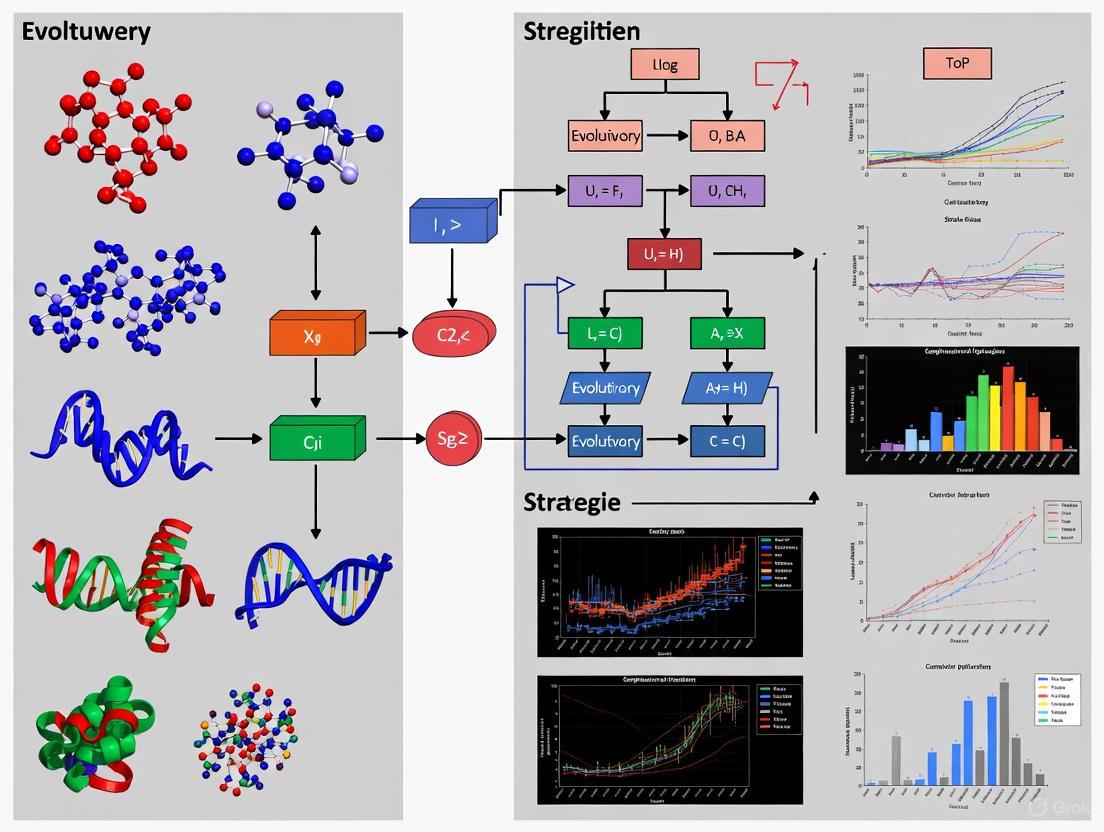
This article explores the emerging paradigm of Evolutionary Multitasking Optimization (EMTO) for solving complex, large-scale combinatorial problems, with a special focus on applications in biomedicine and drug discovery.
Evolutionary Multitasking for Large-Scale Combinatorial Optimization: Methods and Applications in Biomedical Research
Abstract
This article explores the emerging paradigm of Evolutionary Multitasking Optimization (EMTO) for solving complex, large-scale combinatorial problems, with a special focus on applications in biomedicine and drug discovery. We first establish the foundational principles of EMTO, contrasting it with traditional single-task evolutionary algorithms. The discussion then progresses to advanced methodological frameworks, including explicit and implicit knowledge transfer mechanisms, and their implementation for problems like personalized drug target recognition. Subsequently, we address key challenges such as negative transfer and scalability, presenting state-of-the-art optimization strategies. Finally, the article provides a comparative analysis of EMTO performance against conventional methods, validating its efficacy through real-world case studies in cancer genomics. This comprehensive overview is tailored for researchers, scientists, and drug development professionals seeking to leverage concurrent optimization for accelerated biomedical discovery.
The Foundations of Evolutionary Multitasking: From Single-Task to Concurrent Optimization
Defining Evolutionary Multitasking Optimization (EMTO) and Its Core Principles
Definition and Foundational Concepts
Evolutionary Multitasking Optimization (EMTO) represents a paradigm shift in evolutionary computation. It is a branch of evolutionary algorithms (EAs) designed to optimize multiple tasks simultaneously within a single problem, outputting the best solution for each task [1]. EMTO leverages the implicit parallelism of population-based search to create a multi-task environment where a single population evolves towards solving multiple distinct, yet potentially related, optimization problems concurrently [1].
The core inspiration for EMTO stems from the principles of multitask learning and transfer learning in machine learning [1]. It operates on the fundamental premise that useful knowledge gained while solving one task may contain valuable information that can accelerate the optimization process or lead to better solutions for another related task. By automatically transferring this knowledge among different optimization problems, EMTO can often achieve superior performance compared to traditional single-task evolutionary algorithms, particularly in convergence speed [1]. This approach is especially powerful for tackling complex, non-convex, and nonlinear problems where traditional mathematical optimization techniques may struggle [1].
The first concrete implementation of this concept was the Multifactorial Evolutionary Algorithm (MFEA), which treats each task as a unique "cultural factor" influencing the population's evolution [1]. In MFEA, knowledge transfer is facilitated through algorithmic modules like assortative mating and selective imitation, allowing individuals from different task groups to exchange genetic information [1].
Table 1: Key Characteristics of EMTO versus Traditional Evolutionary Algorithms
| Feature | Evolutionary Multitasking Optimization (EMTO) | Traditional Single-Task EA |
|---|---|---|
| Problem Scope | Optimizes multiple tasks concurrently within a single run | Optimizes a single task per run |
| Knowledge Utilization | Automatically transfers knowledge between related tasks | No explicit knowledge transfer between independent runs |
| Search Mechanism | Implicit parallelism through shared population evolution | Population evolves towards a single objective |
| Primary Advantage | Improved convergence speed; leverages inter-task synergies | Simplicity; focused search on one problem |
| Typical Applications | Complex systems with interrelated components; multi-domain problems | Isolated optimization problems |
Core Principles and Methodologies
The efficacy of EMTO hinges on several core principles and the methodologies designed to implement them effectively.
Knowledge Transfer
Knowledge transfer is the cornerstone of EMTO, enabling the exchange of useful genetic material between tasks. The fundamental idea is that if common useful knowledge exists in solving a task, the information gained from processing that task may help solve another related task [1]. EMTO makes full use of the implicit parallelism of population-based search to achieve this. However, a key challenge is negative transfer, which occurs when knowledge from one task hinders progress on another, often due to low inter-task relevance [2]. Advanced EMTO algorithms employ strategies to identify valuable knowledge for transfer, such as using population distribution information to select sub-populations with the smallest distribution difference to the target task's elite solutions, thereby mitigating negative transfer [2].
Factorial Inheritance and Assortative Mating
In MFEA and related algorithms, factorial inheritance allows offspring to inherit genetic material from parents working on different tasks. This is governed by assortative mating rules, which determine the conditions under which individuals from different task groups can crossover. Typically, crossover between parents from different tasks is permitted with a defined probability (random mating probability), encouraging the exchange of diverse genetic material [1]. This mechanism is crucial for creating a multi-task environment where a single population can evolve towards solving multiple tasks simultaneously.
Skill Factor and Selective Imitation
The skill factor is a scalar value assigned to each individual, denoting the specific task on which that individual performs best [1]. The population is dynamically divided into non-overlapping task groups based on these skill factors. Selective imitation is a learning process where an individual may adopt the skill factor of a superior parent from a different task if that parent's genetic material proves beneficial, allowing for the cross-pollination of successful traits across task boundaries [1].
Diagram 1: High-level workflow of a typical Evolutionary Multitasking Optimization algorithm, illustrating the interplay between its core principles.
Quantitative Data and Optimization Strategies
The performance of EMTO is heavily influenced by the choice and implementation of various optimization strategies. Research has systematically categorized these strategies to enhance algorithm efficiency, particularly focusing on improving the knowledge transfer process.
Table 2: Classification of Key Optimization Strategies in EMTO [1]
| Strategy Category | Sub-category | Core Objective | Impact on EMTO Performance |
|---|---|---|---|
| Knowledge Transfer | Transfer Solution | Directly transfer elite solutions between tasks | High potential, but risk of negative transfer if tasks are unrelated |
| Transfer Model | Build a probabilistic model of a source task and use it to generate solutions in a target task | More robust transfer; can capture underlying problem structure | |
| Transfer Parameter | Share algorithmic parameters or search distribution information | Efficient for tasks with similar landscape characteristics | |
| Resource Allocation | Dynamic Resource Allocation | Assign more computational resources to harder or more promising tasks | Improves overall efficiency and convergence |
| Algorithmic Integration | Hybrid EMTO | Combine EMTO with other optimization paradigms (e.g., surrogate models) | Reduces computational cost; enhances solution quality in complex problems |
| Multi-objective EMTO | Solve multiple tasks, each having multiple objectives | Expands applicability to real-world problems with several conflicting goals |
A significant advancement is the development of adaptive algorithms that use population distribution information. For instance, one method divides each task's population into K sub-populations and uses the Maximum Mean Discrepancy (MMD) metric to calculate distribution differences [2]. The sub-population from a source task with the smallest MMD value to the target task's elite sub-population is selected for transfer. This allows transferred individuals to be potentially useful solutions, not necessarily just the elite ones, which is particularly effective for problems with low inter-task relevance [2]. Furthermore, incorporating an improved randomized interaction probability helps to adaptively adjust the intensity of inter-task interactions, fine-tuning the balance between exploration and exploitation [2].
Application Notes and Protocols for Drug Discovery
EMTO has demonstrated significant applicability in various real-world domains, with computer-aided drug design (CADD) being a prominent area. The process of de novo drug design is inherently a multi-objective and multi-task challenge, making it a suitable candidate for EMTO methodologies [3].
Protocol: Multi-Task Optimization forDe NovoDrug Design
This protocol outlines the application of an EMTO framework to design novel drug candidates with multiple desired properties.
Objective: To simultaneously generate and optimize novel molecular structures against multiple objectives, such as maximizing drug-likeness (QED), minimizing synthetic accessibility (SA) score, and optimizing binding affinity scores for one or more target proteins.
Research Reagent Solutions:
Table 3: Essential Research Reagents and Computational Tools for EMTO in Drug Design
| Item/Tool Name | Function/Description | Application in Protocol |
|---|---|---|
| SELFIES String Representation | A molecular string representation guaranteeing 100% syntactic validity [4]. | Genotypic encoding of molecules within the evolutionary algorithm. Prevents invalid offspring. |
| GuacaMol Benchmark Suite | A benchmark platform for de novo drug design providing multi-objective tasks [4]. | Source of standardized objective functions (e.g., similarity, isomerism) for evaluation. |
| Quantitative Estimate of Drug-likeness (QED) | A metric quantifying the overall drug-likeness of a compound [4]. | An objective function to be maximized. |
| Synthetic Accessibility (SA) Score | A score estimating the ease of synthesizing a molecule [4]. | An objective function to be minimized. |
| NSGA-II / NSGA-III / MOEA/D | Multi-objective evolutionary algorithms (MOEAs) for handling multiple conflicting objectives [4] [3]. | Core optimization engines within the EMTO framework to manage intra-task objectives. |
Methodology:
Problem Formulation:
- Define Tasks (T1, T2,... Tn): Each task represents a unique drug design scenario. For example, T1 could be "Design inhibitors for Protein A," and T2 could be "Design inhibitors for Protein B," where A and B are related targets.
- Define Multi-objective Functions for Each Task: For each task, specify 2-4 objective functions. For a typical task, this might include:
- Objective 1: Maximize QED.
- Objective 2: Minimize SA Score.
- Objective 3: Maximize predicted binding affinity (e.g., via a docking score or ML-based predictor).
Algorithm Initialization:
- Representation: Initialize a unified population of individuals, where each individual's genome is a SELFIES string representing a molecule [4].
- Parameters: Set EMTO parameters, including population size, random mating probability (rmp), number of generations, and crossover/mutation rates.
Evolutionary Loop (for N generations):
- Evaluation: Evaluate each individual on all tasks defined in Step 1. For a molecule in T1, this means calculating its QED, SA Score, and binding affinity for Protein A.
- Skill Factor Assignment: For each individual, assign a skill factor corresponding to the task on which it achieves the best scalarized fitness (e.g., based on non-dominated ranking if using NSGA-II as the underlying MOEA) [1].
- Grouping: Group the population by their assigned skill factors.
- Assortative Mating & Crossover:
- Selective Imitation & Mutation: Offspring are evaluated on both parents' tasks. An offspring may inherit the skill factor of a parent from a different task if it performs better on that task. Apply mutation operators valid for SELFIES strings.
- Environmental Selection: Form the new population for the next generation by selecting the best individuals from the combined pool of parents and offspring, maintaining diversity.
Output:
- Upon convergence, the algorithm outputs the non-dominated Pareto set of optimal molecular solutions for each defined task [3]. These solutions represent the best trade-offs between the conflicting objectives for each drug design task.
Diagram 2: Experimental workflow for applying EMTO to de novo drug design.
Analysis and Validation
The success of the EMTO run should be evaluated using several metrics:
- Hypervolume Indicator: Measures the volume of objective space covered by the obtained Pareto front, indicating overall performance.
- Inter-task Similarity Analysis: Post-hoc analysis of the transferred solutions can reveal hidden relationships between the drug design tasks (e.g., between Protein A and B).
- Novelty and Diversity: The structural novelty of the generated molecules compared to known databases should be assessed. Studies have shown that MOEAs can discover novel and promising candidates not present in conventional databases [4].
- Expert Validation: Top-ranking molecules from the Pareto sets should undergo further in silico validation (e.g., molecular dynamics simulations) and, ultimately, in vitro testing to confirm bioactivity.
Contrasting EMTO with Traditional Single-Task Evolutionary Algorithms
Evolutionary Algorithms (EAs) are population-based optimization techniques inspired by natural evolution that have successfully solved complex optimization problems across various domains. Traditional EAs typically follow a single-task optimization (STO) paradigm, focusing on solving one problem at a time in isolation. However, this approach fails to leverage potential synergies when multiple related problems need to be solved simultaneously. Evolutionary Multi-Task Optimization (EMTO) has emerged as a novel paradigm that enables the simultaneous optimization of multiple tasks while facilitating knowledge transfer between them [1].
EMTO represents a shift from traditional isolated optimization approaches toward a more integrated framework. By exploiting the implicit parallelism of population-based search, EMTO creates a multi-task environment where valuable knowledge gained while solving one task can be transferred to assist in solving other related tasks [1] [5]. This paradigm is particularly valuable for large-scale combinatorial optimization problems where related tasks often share common structures or characteristics that can be exploited to enhance search efficiency and solution quality.
The foundational algorithm in EMTO is the Multifactorial Evolutionary Algorithm (MFEA), which treats each task as a unique cultural factor influencing population evolution [1]. MFEA uses skill factors to divide the population into non-overlapping task groups and achieves knowledge transfer through assortative mating and selective imitation mechanisms [1]. Since its introduction, numerous EMTO variants have been developed with enhanced knowledge transfer capabilities across diverse application domains.
Fundamental Differences Between STO and EMTO
Core Architectural Differences
The fundamental distinction between single-task and multi-task evolutionary approaches lies in their architectural design and operational methodology. STO employs dedicated algorithms and populations for each optimization problem, while EMTO utilizes a shared infrastructure across multiple tasks.
Table 1: Architectural Comparison Between STO and EMTO
| Feature | Single-Task Optimization (STO) | Evolutionary Multi-Task Optimization (EMTO) |
|---|---|---|
| Population Structure | Separate populations for each task | Single unified population or explicitly defined sub-populations |
| Search Process | Independent searches for each task | Concurrent searches with inter-task interactions |
| Knowledge Utilization | No knowledge transfer between tasks | Systematic knowledge transfer through specialized operators |
| Algorithmic Focus | Task-specific optimization | Cross-task synergy exploitation |
| Resource Allocation | Fixed resources per task | Dynamic resource allocation based on task relatedness |
Knowledge Transfer Mechanisms
The core innovation of EMTO lies in its ability to facilitate knowledge transfer between tasks, which is absent in traditional STO. This transfer occurs through specifically designed mechanisms that allow genetic or cultural material to move between task domains [5]. Effective knowledge transfer can significantly accelerate convergence and improve solution quality for complex problems with complementary fitness landscapes.
However, knowledge transfer introduces the challenge of negative transfer—where inappropriate knowledge exchange deteriorates optimization performance [5] [2]. Advanced EMTO approaches address this through transfer control mechanisms that dynamically adjust transfer intensity based on task relatedness measures [2]. For instance, some algorithms use Maximum Mean Discrepancy (MMD) to calculate distribution differences between sub-populations and selectively transfer individuals from the most similar distributions [2].
EMTO Application Notes for Large-Scale Combinatorial Optimization
Problem Formulation and Suitability
EMTO is particularly advantageous for large-scale combinatorial optimization problems exhibiting one or more of the following characteristics:
- Multiple related variants of a core problem need simultaneous solution
- Complementary search spaces where progress in one area can inform others
- Shared substructures or building blocks across different problem instances
- Computational budget constraints that favor efficient parallel optimization
A prominent example is the Multi-Objective Vehicle Routing Problem with Time Windows (MOVRPTW), which involves optimizing five conflicting objectives: minimizing the number of vehicles, total travel distance, longest route travel time, total waiting time, and total delay time [6]. EMTO approaches can construct assisted tasks (e.g., two-objective VRPTW) that share knowledge with the main MOVRPTW task, significantly enhancing optimization efficiency [6].
Performance Advantages in Combinatorial Domains
Research has demonstrated that EMTO can outperform STO in various combinatorial optimization domains:
- Enhanced convergence speed through cross-task genetic transfers [1] [7]
- Improved solution quality by leveraging complementary search progress [8] [6]
- Superior global exploration by escaping local optima through inter-task jumps [8]
- Efficient resource utilization through implicit parallelization of search efforts [1]
In the MOVRPTW domain, the MTMO/DRL-AT algorithm combining EMTO with Deep Reinforcement Learning has shown superior performance compared to traditional approaches, effectively leveraging knowledge transfer between main and assisted tasks [6].
Experimental Protocols and Benchmarking
Standardized Test Suites
The EMTO community has developed specialized test suites for rigorous algorithmic comparison. For the upcoming CEC 2025 Competition on Evolutionary Multi-task Optimization, two primary test suites have been established [7]:
Table 2: EMTO Benchmark Test Suites
| Test Suite | Problem Type | Number of Tasks | Number of Problems | Evaluation Metric |
|---|---|---|---|---|
| MTSOO | Single-Objective | 2 and 50 tasks | 19 total | Best Function Error Value (BFEV) |
| MTMOO | Multi-Objective | 2 and 50 tasks | 19 total | Inverted Generational Distance (IGD) |
Standard Experimental Protocol
For comprehensive evaluation, researchers should adhere to the following standardized protocol [7]:
Execution Parameters:
- 30 independent runs per algorithm with different random seeds
- Maximum 200,000 function evaluations for 2-task problems
- Maximum 5,000,000 function evaluations for 50-task problems
- Identical parameter settings across all benchmark problems
Data Collection:
- Record Best Function Error Values (BFEV) for single-objective problems at predefined evaluation checkpoints
- Record Inverted Generational Distance (IGD) values for multi-objective problems
- For 2-task problems: 100 checkpoints at k*maxFEs/100 (k=1,...,100)
- For 50-task problems: 1000 checkpoints at k*maxFEs/1000 (k=1,...,1000)
Performance Assessment:
- Calculate median performance over 30 runs at each checkpoint
- Evaluate performance across varying computational budgets
- Assess optimization trajectory smoothness and convergence speed
Advanced EMTO Methodologies
Data-Driven Multi-Task Optimization
The Data-Driven Multi-Task Optimization (DDMTO) framework represents a significant advancement in EMTO methodology. DDMTO utilizes machine learning models to smooth rugged fitness landscapes, creating an easier auxiliary task that assists in optimizing the original complex problem [8]. The framework operates through the following mechanism:
- Fitness Landscape Smoothing: A machine learning model (e.g., neural network) is trained to approximate and smooth the original rugged fitness landscape
- Multi-Task Formulation: The original problem (difficult task) and smoothed landscape (easy task) are optimized simultaneously
- Controlled Knowledge Transfer: A specialized transfer operator facilitates knowledge flow from the easy to the difficult task while preventing negative transfer
This approach has demonstrated significant performance improvements in complex solution spaces without increasing computational costs [8].
Adaptive Knowledge Transfer Based on Population Distribution
Advanced EMTO algorithms address the negative transfer problem through adaptive mechanisms based on population distribution analysis [2]:
- Sub-population Division: Each task population is divided into K sub-populations based on fitness values
- Distribution Similarity Measurement: Maximum Mean Discrepancy (MMD) calculates distribution differences between sub-populations
- Selective Transfer: The sub-population with smallest MMD to the target task's best solution region is selected for knowledge transfer
- Dynamic Interaction Control: Improved randomized interaction probability adjusts inter-task interaction intensity
This methodology has proven particularly effective for problems with low inter-task relevance, where traditional elite-solution transfer approaches often fail [2].
Integration with Other Computational Paradigms
EMTO demonstrates strong compatibility with other advanced computational intelligence techniques:
- Deep Reinforcement Learning Integration: Combining EMTO with DRL-based attention models for combinatorial optimization problems like MOVRPTW [6]
- Large Language Model Assistance: Using LLMs to autonomously generate knowledge transfer models tailored to specific optimization tasks [9]
- Surrogate Modeling: Employing surrogate models to reduce computational cost in expensive optimization problems [8]
Research Reagent Solutions
Table 3: Essential Research Components for EMTO Implementation
| Component | Function | Examples/Alternatives |
|---|---|---|
| Base Evolutionary Algorithm | Provides core optimization mechanics | Genetic Algorithm, Differential Evolution, Particle Swarm Optimization |
| Knowledge Transfer Mechanism | Facilitates cross-task information exchange | Assortative mating, Selective imitation, Explicit mapping-based transfer |
| Task Relatedness Measure | Quantifies similarity between tasks for transfer control | Maximum Mean Discrepancy (MMD), Transfer Rank, Similarity metric learning |
| Benchmark Test Suites | Standardized performance evaluation | MTSOO, MTMOO, CEC competition problems |
| Performance Metrics | Quantifies algorithmic effectiveness | BFEV, IGD, Hypervolume, Convergence curves |
| Resource Allocation Strategy | Dynamically distributes computational resources | Adaptive resource sharing, Online transfer parameter estimation |
Evolutionary Multi-Task Optimization represents a paradigm shift from traditional single-task evolutionary approaches, offering significant advantages for large-scale combinatorial optimization problems. By enabling synergistic knowledge transfer between related tasks, EMTO achieves superior convergence speed, solution quality, and computational efficiency compared to isolated optimization approaches. The ongoing development of adaptive knowledge transfer mechanisms, integration with machine learning techniques, and establishment of standardized benchmarking protocols continues to advance EMTO capabilities. For researchers tackling complex combinatorial optimization challenges with inherent task relatedness, EMTO provides a powerful framework that transcends the limitations of conventional single-task evolutionary computation.
Evolutionary Multitasking (EMT) is an advanced paradigm in evolutionary computation that enables the simultaneous optimization of multiple tasks by strategically exploiting their underlying synergies [5]. Unlike traditional Evolutionary Algorithms (EAs) that solve problems in isolation, EMT creates a multi-task environment where knowledge transfer accelerates the search process for all component tasks [5]. This approach mirrors human cognitive abilities to process multiple related tasks simultaneously, leveraging implicit parallelism and knowledge transfer to achieve superior performance compared to single-task optimization [10]. The fundamental rationale for multitasking stems from the observation that real-world problems rarely exist in isolation, with many optimization tasks sharing commonalities that can be exploited through carefully designed transfer mechanisms [11].
The mathematical foundation of EMT addresses a scenario with K distinct minimization tasks, where the j-th task Tj aims to find optimal solution xj* that minimizes objective function Fj(x) within feasible space Xj [5]. Through implicit parallelism and knowledge synergy, EMT searches all task spaces concurrently, often achieving performance improvements that would be impossible through independent optimization efforts [12]. This paradigm has demonstrated particular value in complex real-world applications including high-dimensional feature selection, vehicle path planning, shop-floor scheduling optimization, and parameter extraction of photovoltaic models [13].
Theoretical Foundations and Mechanisms
Key Concepts and Terminology
EMT operates through several specialized mechanisms that distinguish it from traditional evolutionary approaches:
Implicit Parallelism: EMT harnesses the inherent parallelism of population-based search, where a single population evolves to address multiple tasks simultaneously [5]. This contrasts with explicit parallelization techniques, instead leveraging the multi-task environment's natural capacity to explore multiple search spaces concurrently [12].
Knowledge Transfer: The core mechanism enabling synergy between tasks, knowledge transfer involves extracting valuable information from one task's search process and applying it to accelerate convergence in other related tasks [5]. This transfer can occur either implicitly through genetic operators or explicitly through designed mapping strategies [13].
Skill Factor: Each individual in the population is assigned a skill factor (τi) representing the specific task on which it demonstrates best performance, enabling specialized selection and reproduction strategies [10].
Scalar Fitness: In multitasking environments, individuals receive a unified fitness measure (βi) that enables direct comparison across different tasks, facilitating selection operations in the unified search space [10].
Algorithmic Frameworks and Transfer Modalities
EMT algorithms primarily fall into two categories based on their knowledge transfer mechanisms:
Implicit Knowledge Transfer approaches, exemplified by the Multifactorial Evolutionary Algorithm (MFEA), facilitate knowledge exchange primarily through genetic operators within a unified population [13]. In MFEA, individuals with different skill factors may produce offspring through crossover, enabling automatic knowledge transfer when random mating probability conditions are met [13]. While this approach provides seamless integration, its effectiveness heavily depends on task relatedness, with potential performance degradation when task similarity is low [13].
Explicit Knowledge Transfer algorithms actively identify and extract transferable knowledge from source tasks, such as high-quality solutions or solution space characteristics [13]. These methods employ specifically designed mechanisms—including denoising autoencoders, subspace alignment techniques, and similarity measures—to govern inter-task information exchange [13] [11]. This paradigm offers greater control over transfer quality but requires careful design to minimize negative transfer [5].
Table 1: Comparative Analysis of EMT Algorithm Classes
| Feature | Implicit Transfer Algorithms | Explicit Transfer Algorithms |
|---|---|---|
| Knowledge Representation | Genetic material within unified population | Extracted patterns, mappings, or elite solutions |
| Transfer Mechanism | Crossover between individuals with different skill factors | Designed mapping functions and similarity measures |
| Key Parameters | Random mating probability (RMP) | Similarity thresholds, transfer proportions |
| Advantages | Simple implementation, seamless integration | Controlled transfer, adaptability to task relationships |
| Limitations | Potential negative transfer, limited control | Computational overhead, design complexity |
| Representative Algorithms | MFEA [10] | MFEA-II, PA-MTEA, LDA-MFEA [13] [11] |
Quantitative Performance Analysis
Experimental evaluations across diverse benchmark problems demonstrate EMT's consistent performance advantages over traditional single-task optimization approaches. The following table synthesizes key quantitative findings from empirical studies:
Table 2: Quantitative Performance Metrics of EMT Algorithms
| Algorithm | Benchmark Problems | Key Performance Metrics | Comparative Advantage |
|---|---|---|---|
| PA-MTEA [13] | WCCI2020-MTSO test suite, Photovoltaic parameter extraction | Significant superiority over 6 advanced MTO algorithms | Cross-task association mapping enhances convergence |
| TLTL Algorithm [10] | Various MTO problems | Outstanding global search ability, fast convergence rate | 2-level transfer improves efficiency and effectiveness |
| CA-MTO [11] | Expensive multitasking problems | Strong robustness and scalability, competitive edge over state-of-the-art | Classifier assistance reduces fitness evaluations |
| MetaMTO [14] | Augmented multitask problem distribution | State-of-the-art performance against human-crafted and learning-assisted baselines | Holistic control of where, what, and how to transfer |
Experimental Protocols and Methodologies
General EMT Experimental Framework
Establishing a robust experimental protocol is essential for valid EMT research. The following protocol outlines standardized procedures for conducting and evaluating EMT experiments:
Phase 1: Problem Formulation and Benchmark Selection
- Select appropriate benchmark suites that represent target problem characteristics (e.g., WCCI2020-MTSO for complex two-task problems) [13]
- Clearly define each task's search space, objective function, and constraints
- For real-world applications, ensure tasks possess potential synergies that justify multitasking approach [11]
Phase 2: Algorithm Configuration and Parameter Setting
- Implement baseline algorithms (MFEA, MFEA-II, etc.) for comparative analysis [13] [11]
- Set population size based on problem complexity and task count
- Configure knowledge transfer parameters (RMP for implicit methods, similarity thresholds for explicit methods)
- Define termination criteria (maximum generations, fitness evaluations, or convergence thresholds)
Phase 3: Experimental Execution and Data Collection
- Execute multiple independent runs with different random seeds to ensure statistical significance
- Record convergence trajectories for each task separately
- Monitor knowledge transfer events and their impact on population quality
- Track computational resource consumption
Phase 4: Performance Assessment and Analysis
- Calculate performance metrics (best fitness, convergence speed, success rate)
- Apply statistical tests (Wilcoxon signed-rank, t-tests) to validate significance of differences
- Analyze transfer effectiveness and potential negative transfer occurrences
- Generate comparative visualizations (convergence plots, task similarity matrices)
Specialized Protocol for Expensive Optimization Problems
For computationally expensive problems where fitness evaluations constitute the primary resource bottleneck, the following modified protocol is recommended:
Surrogate Integration Protocol
- Implement classifier-assisted approaches (e.g., SVC-CMA-ES) to reduce fitness evaluations [11]
- Establish knowledge transfer strategy using domain adaptation techniques
- Create PCA-based subspace alignment to enrich training samples across tasks [11]
- Validate surrogate predictions periodically with actual fitness evaluations
Resource Allocation Framework
- Balance computational budget across tasks based on complexity and convergence behavior
- Implement adaptive resource sharing mechanisms that direct evaluations to most promising regions
- Use ensemble techniques to improve surrogate model reliability
Protocol for Knowledge Transfer Effectiveness Analysis
To specifically evaluate knowledge transfer quality and mitigate negative transfer:
Transfer Mapping Protocol
- For explicit transfer methods: Implement cross-task association mapping using partial least squares (PLS) or PCA-based subspace alignment [13] [11]
- Calculate alignment matrices using Bregman divergence minimization to reduce inter-task variability [13]
- Deploy adaptive population reuse mechanisms with residual structures to preserve valuable genetic material [13]
Similarity Assessment Framework
- Quantify inter-task relationships using attention-based similarity recognition modules [14]
- Dynamically adjust transfer proportions based on similarity measures
- Implement negative transfer detection mechanisms with fallback strategies
The Scientist's Toolkit: Essential Research Reagents
Table 3: Essential Computational Resources for EMT Research
| Tool Category | Specific Tools/Platforms | Function in EMT Research |
|---|---|---|
| Programming Languages | Python with NumPy, Pandas, scikit-learn [15] | Algorithm implementation, statistical analysis, and machine learning integration |
| EMT Frameworks | MFEA, MFEA-II, PA-MTEA [13] [11] | Baseline implementations and experimental comparisons |
| Benchmark Suites | WCCI2020-MTSO [13], CEC2017 [14] | Standardized problem sets for algorithm validation |
| Cloud Platforms | Amazon Redshift, Google BigQuery [15] | Scalable data processing and experimental analysis |
| Visualization Tools | Matplotlib, Seaborn [15] | Convergence plotting and results presentation |
| Containerization | Docker, Kubernetes [15] | Reproducible experimental environments |
Knowledge Transfer Implementation Framework
The implementation of effective knowledge transfer requires addressing three fundamental questions, as illustrated in Figure 2. Modern approaches, including the MetaMTO framework, employ specialized agents for each decision point [14]:
Task Routing (Where): Determines optimal source-target transfer pairs using attention-based similarity recognition modules that process status features from all sub-tasks [14].
Knowledge Control (What): Governs the quantity and quality of transferred knowledge by selecting specific proportions of elite solutions from source task populations [14].
Strategy Adaptation (How): Controls transfer mechanisms and hyper-parameters within the underlying EMT framework, including operator selection and transfer intensity [14].
For explicit transfer implementation, the following specialized protocols are recommended:
Subspace Alignment Protocol
- Apply Partial Least Squares (PLS) to extract principal components with strong inter-task correlations during bidirectional knowledge transfer [13]
- Construct low-dimensional subspaces for each task using PCA on current populations [11]
- Derive alignment matrices using Bregman divergence minimization to reduce inter-task variability [13]
- Validate subspace consistency through reconstruction error analysis
Adaptive Population Reuse Mechanism
- Implement diversity-based evaluation for each task's population
- Adaptively adjust the number of elite individuals retained in reused population history
- Incorporate genetic information from historical successes into current task populations
- Balance exploration-exploitation tradeoffs through residual structures [13]
Evolutionary Multitasking represents a paradigm shift in optimization methodology, moving from isolated problem-solving to synergistic multi-task environments. The theoretical foundations and experimental protocols presented in this document provide researchers with comprehensive guidelines for implementing and validating EMT approaches. The quantitative evidence demonstrates that through implicit parallelism and knowledge synergy, EMT consistently achieves performance advantages across diverse problem domains, particularly for complex, large-scale combinatorial optimization challenges.
Future research directions include deeper integration of transfer learning methodologies from machine learning, development of more sophisticated negative transfer detection and mitigation strategies, and expansion of EMT applications to emerging domains including drug development, personalized medicine, and complex systems design. The continued refinement of knowledge transfer mechanisms, particularly through learning-based approaches like the multi-role reinforcement learning system in MetaMTO [14], promises to further enhance EMT's capabilities and applicability to increasingly complex real-world optimization scenarios.
Conceptual Foundations & Quantitative Definitions
This section details the core concepts of Skill Factor, Factorial Cost, and Cultural Transmission within Evolutionary Multitasking (EMT). These concepts are fundamental to the operation of Multifactorial Evolutionary Algorithms (MFEAs), enabling them to solve multiple optimization tasks concurrently by leveraging potential synergies [16] [17].
Table 1: Core Conceptual Definitions in Evolutionary Multitasking
| Concept | Formal Definition | Role in Evolutionary Multitasking |
|---|---|---|
| Skill Factor [16] [17] | The skill factor (\taui) of an individual (pi) is the specific task on which the individual achieves its best performance (i.e., its lowest factorial rank): (\taui = \arg\minj {r_{ij}}). | Determines an individual's specialized task, guiding selective evaluation and facilitating implicit knowledge transfer. |
| Factorial Cost [17] | The factorial cost (\alpha{ij}) of an individual (pi) on task (Tj) is defined as (\alpha{ij} = \gamma \delta{ij} + F{ij}), where (F{ij}) is the raw objective value, (\delta{ij}) is the constraint violation, and (\gamma) is a large penalizing multiplier. | Provides a unified measure to evaluate and compare individuals across different optimization tasks, handling both objective and constraints. |
| Factorial Rank [16] [17] | The factorial rank (r{ij}) of an individual (pi) on task (T_j) is its index position when the entire population is sorted in ascending order of factorial cost for that task. | Used to compute scalar fitness and determine the skill factor of an individual, enabling cross-task comparison. |
| Scalar Fitness [16] | The scalar fitness (\betai) of an individual (pi) is derived from its factorial ranks across all tasks: (\betai = 1 / \minj {r_{ij}}). This represents the inverse of the individual's best rank. | A single, unified fitness value that allows for the selection of individuals from different tasks within a single, unified population. |
The concept of Cultural Transmission in EMT is inspired by theories from social evolution [18]. It refers to the process of transferring knowledge or genetic material between tasks or across generations within a population. This can be realized through various mechanisms:
- Vertical Cultural Transmission: Offspring inherit knowledge directly from their parents, a mechanism foundational to the original MFEA [17].
- Horizontal Cultural Transmission: An individual (or population) learns from peers working on different but simultaneous tasks. This is a form of inter-task knowledge transfer [18].
- Elite-Guided Variation: A specific operator where information from the current Pareto front is transferred to all individuals, guiding the population toward rapid convergence [18].
Benchmarking & Performance Evaluation Data
Standardized benchmarks and evaluation protocols are crucial for advancing EMT research. The CEC 2025 competition provides well-established test suites for this purpose [7].
Table 2: Standard Benchmark Test Suites for Evolutionary Multitasking (CEC 2025)
| Test Suite | Problem Types | Number of Tasks per Problem | Maximum Function Evaluations (maxFEs) | Performance Metric |
|---|---|---|---|---|
| Multi-Task Single-Objective Optimization (MTSOO) [7] | Nine complex problems; Ten 50-task problems | 2 (complex problems); 50 (many-task problems) | 200,000 (2-task); 5,000,000 (50-task) | Best Function Error Value (BFEV) |
| Multi-Task Multi-Objective Optimization (MTMOO) [7] | Nine complex problems; Ten 50-task problems | 2 (complex problems); 50 (many-task problems) | 200,000 (2-task); 5,000,000 (50-task) | Inverted Generational Distance (IGD) |
Experimental Protocol for Performance Evaluation [7]:
- Runs: Execute 30 independent runs per benchmark problem using different random seeds.
- Data Recording: For each run, record the algorithm's performance (BFEV for MTSOO, IGD for MTMOO) at predefined intervals (e.g., 100 checkpoints for 2-task problems, 1000 for 50-task problems).
- Parameter Settings: Algorithm parameters must remain identical for all problems within a test suite. Calibrating parameters specifically for individual problems is prohibited to ensure fair comparison.
- Overall Ranking: The final ranking of algorithms is based on their median performance across all 30 runs for each task and across all computational budgets.
Experimental Protocols for EMT Algorithms
Core MFEA Workflow Protocol
The following protocol outlines the standard procedure for a Multifactorial Evolutionary Algorithm (MFEA), which implicitly handles knowledge transfer through chromosomal crossover and skill factor inheritance [16] [17].
Protocol Steps:
- Initialization: Generate an initial population of individuals randomly within a unified search space [16]. Each individual is encoded in a normalized space that accommodates all tasks [16].
- Evaluation and Skill Factor Assignment: Evaluate each individual on every optimization task. Then, calculate the factorial cost, factorial rank, and subsequently assign a skill factor and scalar fitness to each individual based on Table 1 [16] [17].
- Assortative Mating and Crossover: Create offspring by applying crossover and mutation. A key feature is assortative mating: if two selected parents have the same skill factor, crossover occurs normally. If they have different skill factors, crossover still occurs with a probability defined by the random mating probability (rmp) parameter, facilitating implicit knowledge transfer between tasks [16] [17].
- Selective Evaluation: To conserve computational resources, each offspring is evaluated only on the task corresponding to its inherited skill factor (typically that of a randomly chosen parent) [16].
- Selection: The current parent population and offspring population are combined. The best individuals, based on their scalar fitness, are selected to form the population for the next generation [16].
- Termination and Output: Steps 2-5 repeat until a termination criterion (e.g., maximum function evaluations) is met. The best solution for each task is then outputted [16].
Advanced Protocol: Cultural Transmission-based Evolution Strategy
This protocol describes a more advanced algorithm, CT-EMT-MOES, which explicitly manages knowledge transfer to mitigate negative transfer (where interaction between tasks harms performance) [18].
Protocol Steps:
- Multi-Population Initialization: Instead of a single unified population, initialize separate sub-populations for each task [18] [19].
- Independent Evolution: Each sub-population evolves independently using a chosen evolutionary strategy.
- Adaptive Information Transfer Strategy: An adaptive mechanism determines the probability of information transfer ((tp)), adjusting it based on the dominance relationship between offspring and their parents to rationally allocate evolutionary resources and avoid negative transfer [18].
- Dual Transfer Mechanism:
- Elite-Guided Variation (Within-Task): If the transfer probability is below a threshold, this operator is activated. It transfers information from the current Pareto-optimal solutions (elites) to all individuals within the same task, promoting rapid convergence [18].
- Horizontal Cultural Transmission (Between-Task): If the transfer probability is above the threshold, this operator is activated. It efficiently transfers information from a source task to a target task, bringing in richer diversity [18].
- Continuation: The process repeats from Step 2 until a termination criterion is met.
The Scientist's Toolkit: Research Reagent Solutions
Table 3: Essential Research Reagents and Resources for Evolutionary Multitasking Research
| Item Name | Type / Category | Function and Application Note |
|---|---|---|
| CEC 2025 Test Suites [7] | Benchmark Problems | Provides standardized single- and multi-objective problems for rigorous and comparable performance evaluation of EMT algorithms. |
| Random Mating Probability (rmp) [16] [17] | Algorithm Parameter | Controls the probability of crossover between individuals from different tasks. A key parameter for managing implicit knowledge transfer. |
| Multi-Factorial Evolutionary Algorithm (MFEA) [16] [17] | Base Algorithm | The foundational algorithm framework for EMT, implementing skill factor, factorial cost, and implicit transfer via assortative mating. |
| Complex Network Analysis [19] | Analysis Framework | A framework for modeling and analyzing knowledge transfer behaviors in many-task optimization, where nodes are tasks and edges are transfer relationships. |
| Two-Level Transfer Learning (TLTL) [17] | Advanced Algorithm | An MFEA variant that implements inter-task (upper-level) and intra-task, across-dimension (lower-level) transfer learning to accelerate convergence. |
| Adaptive Information Transfer Strategy [18] | Algorithm Component | A mechanism to dynamically adjust the probability of information transfer between tasks based on search progress, helping to mitigate negative transfer. |
The Multifactorial Evolutionary Algorithm (MFEA) is a pioneering computational framework in the field of evolutionary multitasking optimization (EMT). It was designed to solve multiple optimization tasks simultaneously within a single run of an evolutionary algorithm by leveraging implicit knowledge transfer between tasks [20]. This paradigm marks a significant departure from traditional evolutionary algorithms, which typically handle one problem at a time. The MFEA is particularly suited for complex, large-scale optimization scenarios commonly encountered in scientific and engineering domains, including drug development, where it can exploit potential synergies between related tasks to accelerate the discovery process and improve solution quality.
Core Principles of MFEA
The MFEA creates a multitasking environment where a unified population of individuals evolves to address multiple distinct optimization tasks concurrently. The algorithm's foundation rests on two key biological-inspired mechanisms: assortative mating and vertical cultural transmission [20]. These mechanisms facilitate the transfer of genetic material and knowledge across different tasks.
In MFEA, each individual in the population possesses a skill factor, which denotes the specific task on which that individual performs best [20]. The algorithm uses a prescribed parameter called the random mating probability (rmp) to control the rate of cross-task reproduction, thereby managing the degree of knowledge transfer [20]. A scalar fitness value, defined as the reciprocal of the best factorial rank of an individual across all tasks, allows for the effective comparison and selection of individuals operating in different task spaces [20].
MFEA in Combinatorial Optimization
The foundational MFEA, initially developed for continuous optimization, has been successfully adapted for combinatorial problems. The dMFEA-II is an adaptive multifactorial evolutionary algorithm specifically designed for permutation-based discrete optimization problems, such as the Traveling Salesman Problem (TSP) and the Capacitated Vehicle Routing Problem (CVRP) [21]. This adaptation required the reformulation of concepts like parent-centric interactions to make them suited for discrete search spaces without losing the benefits of the original MFEA-II [21].
More recently, the MFEA paradigm has been extended to operate across different domains in what is termed Multi-Domain Evolutionary Optimization (MDEO). This framework is particularly powerful for combinatorial problems in complex networks (e.g., social, biological, transportation networks) that share common structural properties like power-law distribution and community structure [22]. MDEO uses measures of graph similarity and network alignment to manage the transfer of solutions between different domains, demonstrating efficacy on challenging combinatorial problems like adversarial link perturbation [22].
Table 1: Key MFEA Variants for Combinatorial Optimization
| Algorithm/Variant | Problem Type | Key Features | Sample Applications |
|---|---|---|---|
| dMFEA-II [21] | Permutation-based Discrete | Adaptive strategy for discrete spaces; Reformulated parent-centric interactions. | Traveling Salesman Problem (TSP); Capacitated Vehicle Routing Problem (CVRP). |
| MDEO [22] | Network-structured Combinatorial | Cross-domain knowledge transfer; Community-level graph similarity measurement. | Adversarial link perturbation; Critical node mining. |
| A-CMFEA [23] | Constrained Optimization | Archiving strategy for infeasible solutions; Adaptive rmp; Mutation for constraint violation. |
Constrained optimization problems with multiple tasks. |
Application Notes and Experimental Protocols
Workflow for a Standard MFEA
The following diagram illustrates the standard workflow of a Multifactorial Evolutionary Algorithm.
Protocol: Constrained Multitasking Optimization with A-CMFEA
Aim: To solve constrained multitasking optimization problems using the Adaptive Archive-based MFEA (A-CMFEA) [23].
Materials/Reagents:
Table 2: Research Reagent Solutions for MFEA Experiments
| Component | Type/Function | Example/Description |
|---|---|---|
| Unified Population | Data Structure | A single matrix representing all candidate solutions for all tasks. |
| Skill Factor (τ) | Algorithmic Parameter | An index identifying the task an individual performs best on [20]. |
| Random Mating Probability (rmp) | Control Parameter | A scalar or matrix controlling cross-task reproduction rate [20] [23]. |
| Archive | Data Structure | Stores promising infeasible solutions to exploit useful information for convergence [23]. |
| Feasibility Priority Rule | Constraint Handler | Compares two solutions based on constraint violation and objective value [23]. |
Procedure:
- Initialization: Generate a random initial population
P. Set the initial random mating probabilityrmp. Initialize an empty archive. - Evaluation and Assignment: For each individual in
P, evaluate its factorial cost on every task. Assign a skill factor to each individual based on its best performance. - Offspring Generation: For each generation, create offspring through:
- Assortative Mating: Select two parents. If their skill factors are the same or a random number is less than
rmp, perform within-task crossover. Otherwise, perform cross-task crossover. - Mutation: Apply a mutation operator to introduce variability.
- Assortative Mating: Select two parents. If their skill factors are the same or a random number is less than
- Archiving Strategy: Evaluate generated offspring. If an offspring is infeasible but has a better objective function value than its parent, store it in the archive.
- Adaptive
rmpAdjustment: Calculate the success rates of individuals generated through within-task and cross-task knowledge transfer. Adapt the value ofrmpbased on a comparison of these success rates to promote positive transfer [23]. - Mutation for Constraint Handling: Select a random individual from the population and mutate it to create a mutant. Identify the individual in the population with the largest constraint violation. If the mutant has a better objective value, replace the worst individual.
- Selection: Combine the current population, offspring, and individuals from the archive. Select the best individuals to form the population for the next generation, using the scalar fitness and constraint handling techniques.
- Termination: Repeat steps 3-7 until a termination criterion (e.g., maximum number of generations) is met.
Protocol: Knowledge Transfer Prediction with Decision Tree (EMT-ADT)
Aim: To enhance positive knowledge transfer in MFEA by using a decision tree to predict the transferability of individuals [20].
Procedure:
- Define Transfer Ability: For each individual, define a quantitative metric (transfer ability) that measures the amount of useful knowledge it contains for other tasks.
- Construct Decision Tree: Use individuals with high transfer ability to train a decision tree model. The model uses characteristics of the individuals and their performance across tasks as features.
- Integration into MFEA: During the evolution process, for each candidate individual proposed for transfer, use the trained decision tree to predict its transfer ability.
- Selective Transfer: Only allow individuals predicted to have high transfer ability to participate in cross-task reproduction, thereby reducing negative transfer and improving overall algorithm performance [20].
Advanced Adaptations and Future Directions
The MFEA framework continues to evolve. Recent research explores many-task optimization (MaTO), where the number of tasks exceeds three, and many-objective many-task optimization, which deals with multiple tasks each having three or more objectives [24]. Algorithms like MOMaTO-RP use reference-point-based non-dominated sorting to maintain population diversity in high-dimensional objective spaces [24].
A cutting-edge direction involves using Reinforcement Learning (RL) to fully automate knowledge transfer decisions. The MetaMTO framework uses a multi-role RL system to dynamically learn policies for determining where to transfer (task routing), what to transfer (knowledge control), and how to transfer (strategy adaptation) [25]. This meta-learning approach aims to create more generalizable and robust multitasking optimizers, reducing the reliance on human expertise for algorithm design.
Algorithmic Frameworks and Biomedical Applications: Implementing EMTO for Complex Problems
Evolutionary Multitasking (EMT) represents a paradigm shift in evolutionary computation, enabling the simultaneous solution of multiple optimization problems by leveraging their underlying synergies. Within this framework, two distinct learning mechanisms have emerged: explicit and implicit knowledge transfer. Explicit EMT involves the deliberate, conscious transfer of solutions or strategies between tasks, often through structured operator designs and centralized knowledge repositories. In contrast, implicit EMT facilitates automatic, unconscious knowledge exchange through population structures and evolutionary dynamics without direct intervention [26].
The growing complexity of large-scale combinatorial optimization problems, particularly in domains like drug development where multiple molecular properties must be simultaneously optimized, has intensified the need for sophisticated EMT approaches. This article establishes a comprehensive framework for understanding and implementing explicit and implicit EMT strategies, with particular emphasis on their application to computational challenges in pharmaceutical research and development.
Theoretical Foundation
Explicit EMT: Centralized Learning Mechanisms
Explicit EMT operates on principles analogous to explicit learning in human sensorimotor systems, where conscious strategies are deployed to address novel challenges [27] [28]. In computational terms, this translates to:
- Deliberate knowledge extraction: Systematic identification of high-quality solutions or solution fragments from source tasks
- Structured knowledge representation: Encoding of transferred knowledge in interpretable formats (e.g., rules, models, or patterns)
- Targeted knowledge injection: Purposeful integration of transferred knowledge into the search process of target tasks
Centralized learning systems in explicit EMT typically maintain a global repository or model that accumulates knowledge across tasks, enabling the transfer of complex solution structures and heuristic rules. This approach mirrors the fast learning process observed in psychological studies, where explicit strategies enable rapid initial performance improvements [28].
Implicit EMT: Emergent Adaptation Mechanisms
Implicit EMT functions through decentralized, emergent phenomena similar to implicit learning in neural systems, where adaptation occurs gradually through repeated exposure to task regularities [27]. Key characteristics include:
- Automatic knowledge exchange: Unconscious transfer mediated through shared population structures
- Subsymbolic representation: Knowledge encoded in population distributions rather than explicit rules
- Procedural knowledge accumulation: Gradual improvement through repeated task exposure without conscious awareness
This approach corresponds to the slow learning process in psychological models, where implicit adaptation gradually reshapes the underlying solution landscape [28]. The implicit system operates through continuous, automatic adjustments to the search strategy based on experiential regularities across tasks.
Table 1: Comparative Characteristics of Explicit and Implicit EMT
| Feature | Explicit EMT | Implicit EMT |
|---|---|---|
| Knowledge Awareness | Deliberate, conscious transfer | Automatic, unconscious transfer |
| Learning Speed | Fast initial improvement | Slow, gradual adaptation |
| Knowledge Representation | Structured rules, models, patterns | Population distributions, solution features |
| Transfer Mechanism | Centralized repository, targeted injection | Shared population, assortative mating |
| Implementation Overhead | High (requires knowledge extraction) | Low (emerges from evolutionary operators) |
| Optimal Application Domain | Highly similar tasks, structured knowledge | Moderately similar tasks, procedural knowledge |
Centralized Learning Systems for Explicit EMT
Architectural Framework
Centralized learning systems provide the structural foundation for explicit knowledge transfer in EMT. The core components include:
- Knowledge Repository: A global database storing elite solutions, building blocks, and problem characteristics across all tasks
- Similarity Assessment Module: Algorithms for quantifying inter-task relationships to guide transfer decisions
- Transfer Controller: Mechanism for determining when, what, and how much knowledge to transfer between tasks
- Adaptation Engine: Components for modifying transferred knowledge to enhance compatibility with target tasks
This architecture enables the systematic accumulation and deployment of knowledge across multiple optimization tasks, creating a form of "evolutionary memory" that preserves useful solution characteristics.
Knowledge Representation Strategies
Effective explicit EMT requires sophisticated knowledge representation schemes:
- Solution Fragments: Partial solutions or building blocks that capture useful substructures
- Model-Based Representations: Probabilistic models (e.g., Bayesian networks) that encode solution distributions
- Rule-Based Systems: If-then rules capturing heuristics and patterns derived from successful solutions
- Feature-Based Encodings: Representations that emphasize salient problem characteristics rather than complete solutions
The choice of representation significantly impacts transfer effectiveness and computational efficiency, with different schemes suited to particular problem domains and similarity relationships.
Adaptive Operator Strategies for Implicit EMT
Subdomain Evolutionary Trend Alignment
The SETA-MFEA (Subdomain Evolutionary Trend Alignment in Multifactorial Evolutionary Algorithm) represents a significant advancement in implicit EMT [26]. This approach addresses the challenge of negative transfer between dissimilar tasks through several key innovations:
- Adaptive Task Decomposition: Using density-based clustering methods like Affinity Propagation Clustering (APC) to decompose complex tasks into simpler subdomains
- Evolutionary Trend Alignment: Establishing mappings between subdomains by aligning their evolutionary trajectories
- Inter-Subdomain Knowledge Transfer: Facilitating knowledge exchange through SETA-based crossover operations
This methodology enables precise knowledge transfer at the subdomain level, overcoming limitations of whole-task transfer approaches that often prove ineffective for heterogeneous tasks with dissimilar fitness landscapes [26].
Multifactorial Evolutionary Framework
The Multifactorial Evolutionary Algorithm (MFEA) provides the foundational framework for implicit EMT implementation [7] [26]. Key components include:
- Unified Representation: Encoding solutions for all tasks within a common search space
- Skill Factor Assignment: Associating each individual with a specific optimization task
- Assortative Mating: Preferential mating between individuals working on the same task, with controlled inter-task crossover
- Vertical Cultural Transmission: Inheriting task assignment from parents during reproduction
This framework naturally facilitates implicit knowledge transfer through shared population structures and genetic operators, without requiring explicit knowledge representation or transfer decisions.
Table 2: Performance Comparison of EMT Algorithms on Benchmark Problems
| Algorithm | Multi-task Single-objective Problems (Avg. BFEV) | Multi-task Multi-objective Problems (Avg. IGD) | Negative Transfer Susceptibility | Computational Overhead |
|---|---|---|---|---|
| MFEA | 0.154 | 0.082 | High | Low |
| MFEA-II | 0.121 | 0.065 | Medium | Medium |
| SETA-MFEA | 0.089 | 0.043 | Low | High |
| Single-task EA | 0.195 | 0.101 | N/A | N/A |
BFEV: Best Function Error Value; IGD: Inverted Generational Distance
Experimental Protocols and Validation
Benchmarking Methodology
Comprehensive evaluation of EMT algorithms requires standardized testing protocols:
- Test Suites: Utilization of established benchmark problems including multi-task single-objective optimization (MTSOO) and multi-task multi-objective optimization (MTMOO) problems [7]
- Experimental Settings: 30 independent runs per algorithm with different random seeds, with maximum function evaluations (maxFEs) set to 200,000 for 2-task problems and 5,000,000 for 50-task problems [7]
- Performance Metrics: Best function error value (BFEV) for single-objective problems and inverted generational distance (IGD) for multi-objective problems
- Statistical Validation: Appropriate statistical tests (e.g., Wilcoxon signed-rank test) to confirm significance of performance differences
These protocols ensure fair comparison and robust evaluation of EMT algorithm performance across diverse problem characteristics.
Implementation Protocol for SETA-MFEA
The following protocol details the implementation of the advanced SETA-MFEA algorithm:
Initialization Phase
- Create a unified population of individuals encoded in a unified search space
- Initialize skill factors for each individual randomly across all tasks
- Set algorithm parameters: random mating probability (rmp = 0.3), clustering threshold (δ = 0.15)
Subdomain Decomposition (Each Generation)
- For each task, identify corresponding subpopulation using skill factors
- Apply Affinity Propagation Clustering to decompose each subpopulation into k subdomains
- Characterize each subdomain by its centroid and fitness distribution
Evolutionary Trend Alignment
- Calculate evolutionary direction for each subdomain using population movements over previous 5-10 generations
- Compute similarity matrix between all subdomain pairs using trend consistency measures
- Establish mappings between subdomains with consistent evolutionary trends
Knowledge Transfer Phase
- For each individual, select mating partner using modified assortative mating:
- With probability rmp, select partner from different task but aligned subdomain
- With probability 1-rmp, select partner from same task
- Perform crossover using SETA-based alignment for inter-subdomain mating
- Apply mutation operators with task-specific parameter settings
- For each individual, select mating partner using modified assortative mating:
Selection and Update
- Evaluate offspring on assigned tasks
- Update subpopulation through elitist selection
- Update evolutionary trend records for each subdomain
This protocol enables precise knowledge transfer while minimizing negative transfer between dissimilar task subdomains [26].
Applications in Drug Development and Combinatorial Optimization
Pharmaceutical Optimization Scenarios
EMT approaches offer significant potential for addressing complex optimization challenges in pharmaceutical research:
- Multi-property Molecular Optimization: Simultaneous optimization of potency, selectivity, and ADMET properties
- Cross-target Drug Design: Leveraging similarities between related protein targets to accelerate inhibitor discovery
- Multi-scale Formulation Optimization: Concurrent optimization of molecular structure and formulation parameters
These applications typically involve heterogeneous tasks with varying degrees of similarity, requiring careful selection of explicit or implicit EMT strategies based on task relationships.
Large-scale Combinatorial Optimization
In large-scale combinatorial problems relevant to drug discovery, EMT provides several advantages:
- Synergistic Search: Leveraging common substructures or patterns across related problems
- Accelerated Convergence: Transferring high-quality building blocks between tasks to reduce evaluation burden
- Robust Solution Quality: Avoiding local optima through diverse knowledge sources
Experimental results demonstrate that EMT algorithms can reduce computational effort by 30-50% compared to single-task approaches while maintaining or improving solution quality [26].
The Scientist's Toolkit
Research Reagent Solutions
Table 3: Essential Computational Tools for EMT Research
| Tool/Resource | Function | Application Context |
|---|---|---|
| MTO Benchmark Suites | Standardized test problems for algorithm validation | Performance comparison and capability assessment [7] |
| Domain Adaptation Libraries | Implementation of LDA, SETA, and other transfer mappings | Enhancing cross-task similarity for heterogeneous tasks [26] |
| Multi-factorial Evolutionary Framework | Foundational implementation of MFEA, MFPSO, and MFDE | Core EMT algorithm development and extension [26] |
| Fitness Landscape Analysis Tools | Characterization of problem difficulty and task similarity | Informed transfer strategy selection and parameter tuning |
| Parallel Computing Infrastructure | Distributed evaluation of multiple tasks and populations | Scalable EMT for computationally expensive problems |
Visualizations
Explicit vs. Implicit EMT Architecture
Explicit and Implicit EMT Architectures
SETA-MFEA Workflow
SETA-MFEA Algorithm Workflow
The integration of explicit and implicit EMT strategies represents a promising direction for addressing complex large-scale combinatorial optimization problems in drug development and related fields. Explicit EMT with centralized learning mechanisms provides structured, interpretable knowledge transfer suitable for tasks with clear similarities and structured knowledge. Implicit EMT with adaptive operator strategies offers robust, emergent transfer capabilities for heterogeneous tasks with complex, poorly understood relationships.
Future research directions include hybrid explicit-implicit frameworks that dynamically select transfer strategies based on task characteristics, more sophisticated knowledge representation schemes for complex solution structures, and enhanced scalability for many-task optimization scenarios. As EMT methodologies continue to mature, they hold significant potential for accelerating discovery processes in pharmaceutical research and other domains requiring concurrent optimization of multiple, interrelated objectives.
The application of evolutionary computation to combinatorial optimization represents a cornerstone of modern computational intelligence research, particularly within complex domains such as drug discovery. The paradigm of evolutionary multitasking has emerged as a powerful framework for addressing multiple optimization problems simultaneously, harnessing the synergies between tasks to accelerate convergence and improve solution quality [7]. Within pharmaceutical research, the combinatorial explosion of possible molecular configurations presents a characteristically high-dimensional challenge that traditional optimization methods struggle to address efficiently. This application note delineates structured methodologies and protocols for applying evolutionary multitasking approaches to large-scale combinatorial problems, with specific emphasis on drug discovery applications where discrete variables and complex constraint landscapes dominate the optimization terrain. By integrating advanced constraint-handling techniques with visualization approaches for combinatorial spaces, researchers can navigate these complex search domains more effectively, ultimately reducing drug development timelines and improving success rates in identifying viable therapeutic candidates [29] [30].
Core Computational Challenges in Combinatorial Drug Optimization
High-Dimensionality in Chemical Space
Drug discovery involves navigating ultra-large chemical spaces that can contain billions of potential compounds. Recent advances in "make-on-demand" virtual libraries have expanded accessible chemical space dramatically, with suppliers like Enamine offering approximately 65 billion novel compounds and OTAVA providing around 55 billion [30]. This combinatorial explosion creates significant challenges for traditional screening methods, as empirical evaluation of all possible compounds is computationally infeasible. The high-dimensional nature of molecular descriptor data further compounds this challenge, requiring sophisticated dimensionality reduction techniques to enable effective analysis and optimization.
Discrete Variable Representation
Combinatorial optimization in drug discovery inherently involves discrete variables representing molecular structures, scaffold configurations, and substitution patterns. Unlike continuous optimization problems, combinatorial spaces lack natural ordering and continuity, making neighborhood definitions and variation operators more complex [31]. The fundamental challenge lies in defining effective neighborhood structures and variation operators that can efficiently explore these discrete spaces while maintaining chemical feasibility and meaningful molecular transformations.
Constraint Handling in Biochemical Optimization
Drug optimization problems typically incorporate numerous complex constraints, including physicochemical properties, absorption, distribution, metabolism, excretion, and toxicity (ADMET) requirements, and synthetic accessibility considerations. Effectively handling these constraints is critical for generating practically viable solutions. Constraint-handling techniques must balance feasibility maintenance with optimality search, particularly when the global optimum often lies near the boundary of the feasible region [32] [33].
Table 1: Classification of Constraint-Handling Techniques for Combinatorial Optimization
| Technique Category | Key Characteristics | Advantages | Limitations |
|---|---|---|---|
| Penalty Function Methods | Uses penalty factors to incorporate constraints into fitness function | Simple implementation, wide applicability | Requires careful parameter tuning, may converge prematurely |
| Feasibility Preference Methods | Prioritizes feasible solutions over infeasible ones | Effective boundary search, good convergence | May overlook useful infeasible solutions |
| Multi-objective Optimization Methods | Treats constraints as additional objectives | Automatic balance of constraints/objectives | Increased computational complexity |
| Hybrid Methods | Combines multiple constraint-handling approaches | Adaptable to different problem phases | Complex implementation, parameter sensitivity |
Evolutionary Multitasking Protocols for Combinatorial Spaces
Framework Configuration
Evolutionary multitasking provides a powerful mechanism for leveraging inter-task synergies when solving multiple combinatorial optimization problems simultaneously. The protocol exploits the fact that genetic material evolved for one task may prove effective for another, facilitating knowledge transfer across optimization landscapes [7]. The multi-factorial evolutionary algorithm (MFEA) serves as the foundational framework, maintaining a unified population that searches across multiple tasks concurrently while enabling implicit genetic transfer through specialized crossover operations.
Implementation Protocol:
- Initialize unified population with random feasible solutions
- Assign skill factors to individuals based on task performance
- Implement assortative mating that preferentially crosses individuals with same skill factor
- Apply vertical cultural transmission to offspring to inherit skill factor
- Execute selection based on scalar fitness encompassing all tasks
- Enable implicit genetic transfer through cross-task crossover events
Chemical Space Decomposition Protocol
Managing ultra-large chemical spaces requires strategic problem decomposition to make optimization tractable. This protocol employs a classification-collaboration approach where the original problem with multiple constraints is decomposed into smaller subproblems [32].
Experimental Workflow:
- Constraint Classification: Randomly classify constraints into K distinct classes
- Problem Decomposition: Decompose original problem into K corresponding subproblems
- Subpopulation Initialization: Generate K subpopulations, each assigned to a subproblem
- Collaborative Evolution: Implement random and directed learning stages for inter-subpopulation interaction
- Solution Reconstruction: Aggregate solutions from subproblems to reconstruct complete solutions
Table 2: Evolutionary Multitasking Benchmark Problems for Combinatorial Optimization
| Problem Type | Component Tasks | Variable Types | Key Constraints | Evaluation Metric |
|---|---|---|---|---|
| Multi-Task Single-Objective (MTSOO) | 2-50 single-objective tasks | Discrete, combinatorial | Linear, nonlinear, equality, inequality | Best Function Error Value (BFEV) |
| Multi-Task Multi-Objective (MTMOO) | 2-50 multi-objective tasks | Discrete, combinatorial | Linear, nonlinear, equality, inequality | Inverted Generational Distance (IGD) |
| Drug Scaffold Optimization | Multiple molecular scaffolds | Discrete structural variables | ADMET, synthetic accessibility | Binding affinity, similarity metrics |
| Chemical Feature Selection | Multiple target proteins | Binary feature selection | Chemical feasibility, diversity | Enrichment factor, diversity index |
Visualization and Analysis of Combinatorial Landscapes
Landscape Visualization Protocol
Combinatorial search landscapes present unique visualization challenges due to their discrete nature and lack of natural ordering. Effective visualization requires specialized techniques to represent multimodality and neighborhood structures [31]. This protocol adapts the Grammar of Graphics framework to create informative visualizations of combinatorial spaces, using aesthetic elements like color, size, and shape to represent landscape features.
Visualization Workflow:
- Landscape Sampling: Collect representative solution samples from search space
- Distance Computation: Calculate pairwise distances using appropriate metrics (e.g., Hamming distance for binary representations)
- Dimensionality Reduction: Apply techniques like t-SNE, UMAP, or PaCMAP to project into 2D/3D space
- Aesthetic Mapping: Map fitness values to color, local optima density to point size, and basin affiliation to shape
- Topography Rendering: Generate visualization highlighting peaks, valleys, basins, and funnels
Diagram Title: Combinatorial Landscape Visualization Workflow
Multimodality Analysis Protocol
Combinatorial landscapes frequently exhibit multimodality, with multiple local optima representing diverse solution alternatives. Analyzing this multimodality is essential for maintaining solution diversity and understanding problem structure [31]. This protocol provides a systematic approach to identifying and characterizing multiple optima in combinatorial spaces.
Characterization Metrics:
- Local Optima Count: Cardinality of the set of all local optima (|ℒ|)
- Basin Size Distribution: Distribution of attraction basin sizes across local optima
- Funnel Structure Identification: Hierarchical organization of basins and funnels
- Distance Between Optima: Average pairwise distance between local optima
Application to Drug Discovery Workflows
Informatics-Driven Molecule Optimization
The informacophore concept represents a paradigm shift in medicinal chemistry, combining minimal chemical structures with computed molecular descriptors and machine-learned representations to identify essential features for biological activity [30]. This approach enables more systematic exploration of chemical space while reducing bias inherent in traditional intuition-based methods.
Implementation Protocol:
- Descriptor Calculation: Compute comprehensive molecular descriptors and fingerprints
- Feature Learning: Apply machine learning to derive informative representations
- Informacophore Identification: Identify minimal structural features correlated with activity
- Scaffold Optimization: Use bioisosteric replacement to optimize informacophore properties
- Multi-task Learning: Simultaneously optimize for multiple biological targets and properties
Constrained Multi-objective Optimization Protocol
Drug optimization inherently involves multiple competing objectives, including efficacy, selectivity, and ADMET properties. This protocol combines multi-objective evolutionary algorithms with advanced constraint-handling techniques to navigate these complex trade-offs [33].
Experimental Configuration:
- Algorithm: NSGA-II or MOEA/D with adaptive constraint handling
- Population Size: 100-500 individuals, depending on problem complexity
- Variation Operators: Problem-specific mutation and crossover
- Constraint Handling: Adaptive trade-off model balancing feasible and infeasible solutions
- Termination Criteria: Maximum function evaluations or convergence threshold
Diagram Title: Drug Discovery with Evolutionary Multitasking
The Scientist's Toolkit: Research Reagent Solutions
Table 3: Essential Research Resources for Combinatorial Optimization in Drug Discovery
| Resource Category | Specific Tools/Platforms | Function | Application Context |
|---|---|---|---|
| Evolutionary Algorithms | Multi-factorial EA, NSGA-II, SPEA2 | Population-based optimization | Multi-task problem solving, Pareto optimization |
| Constraint Handling | Adaptive penalty functions, feasibility rules, ε-constraint | Managing problem constraints | Biochemical feasibility, ADMET constraints |
| Chemical Databases | Enamine (65B compounds), OTAVA (55B compounds) | Source of virtual compounds | Ultra-large virtual screening |
| Dimensionality Reduction | t-SNE, UMAP, PaCMAP, PHATE | Visualizing high-dimensional data | Chemical space visualization, cluster analysis |
| Molecular Descriptors | Dragon, RDKit, MOE descriptors | Quantifying molecular properties | Informacophore identification, QSAR modeling |
| Benchmark Problems | CEC 2010/2017, MTSOO, MTMOO | Algorithm performance evaluation | Constrained optimization testing |
| Visualization Frameworks | Grammar of Graphics, VOSviewer | Landscape and network visualization | Multimodality analysis, literature mining |
The integration of evolutionary multitasking approaches with advanced constraint-handling techniques provides a powerful framework for addressing the profound challenges of high-dimensional combinatorial optimization in drug discovery. By leveraging inter-task synergies and maintaining diverse solution populations, these methods enable more efficient navigation of ultra-large chemical spaces while balancing multiple competing objectives and complex constraints. The protocols and methodologies outlined in this application note offer researchers structured approaches for implementing these advanced optimization strategies, with specific consideration for the unique characteristics of combinatorial problems in pharmaceutical applications. As evolutionary computation continues to evolve, further advances in multimodal optimization and landscape-aware algorithms promise to enhance our ability to design effective therapeutic compounds while reducing development timelines and costs.
Personalized drug therapy represents a paradigm shift in medicine, aiming to develop tailored treatments based on an individual's unique genetic, proteomic, and environmental profile [34]. The core premise is that patients vary significantly in their response to the same disease and treatments, necessitating approaches that move beyond standardized protocols [34]. Central to this personalized approach is the accurate identification of personalized drug targets (PDTs)—specific molecular entities, often at the proteoform level, whose modulation can produce optimal therapeutic outcomes for specific patient subgroups [34] [35].
The recognition of optimal PDTs constitutes a complex optimization problem with inherent multimodality and multiple, often conflicting, objectives. This includes balancing drug efficacy, minimization of adverse effects, target novelty, and druggability [35]. Multimodal multiobjective optimization (MMO) provides a powerful computational framework for addressing such challenges, as it excels at identifying multiple equivalent solutions (in this case, potential drug targets) that map to similar objective values (therapeutic outcomes) [36] [37]. When framed within the advanced context of evolutionary multitasking, these optimization processes can simultaneously address multiple related drug target discovery tasks, leveraging latent synergies to accelerate the identification of viable candidates [7] [26].
This case study illustrates the integration of multimodal multiobjective optimization algorithms within a personalized drug target recognition pipeline. It details the application protocols, benchmarks performance against traditional methods, and positions the methodology within a broader thesis on evolutionary multitasking for large-scale combinatorial optimization.
Background and Key Concepts
Personalized Drug Target (PDT) Recognition
A fundamental shift in PDT recognition involves moving from targeting canonical proteins to targeting specific proteoforms. A proteoform is defined as "all the different molecular forms of protein products produced by a single gene," resulting from genomic variations, RNA splicing, and post-translational modifications [34]. Different proteoforms can exhibit dramatically different responses to pharmaceuticals, potentially altering a drug's intended benefit into a harmful effect [34]. Consequently, PDT recognition grounded in proteoformics—the large-scale study of proteoforms—provides a more precise foundation for personalized drug development [34].
Multimodal Multiobjective Optimization (MMO)
In multiobjective optimization problems (MOPs), the goal is to find a set of solutions that represent the best trade-offs among conflicting objectives. Multimodal Multiobjective Problems (MMOPs) are a special class of MOPs where distant solutions in the decision space correspond to very similar or identical values in the objective space [37]. In the context of PDT recognition, this translates to the existence of multiple distinct molecular targets or target combinations that can yield a similar, desirable therapeutic profile.
Formally, an MMOP can be defined as follows: For a Pareto optimal solution ( x ), if there exists a distant solution ( y ) (where ( \|x-y\| \geq \theta )) satisfying ( \|f(x)-f(y)\| \leq \delta ) (with ( \delta ) being a small positive value), then the MOP is an MMOP [37]. The aim of solving MMOPs is to find a complete and diverse set of these equivalent Pareto optimal solutions.
Evolutionary Multitasking (EMT)
Evolutionary Multitasking is an emerging paradigm that aims to solve multiple optimization tasks simultaneously within a single evolutionary run. It leverages the implicit parallelism of population-based search and transfers genetic material between tasks to accelerate convergence and improve solution quality [7] [26]. The multifactorial evolutionary algorithm (MFEA) is a pioneering realization of this concept, maintaining a unified population where each individual is assigned a skill factor representing its associated task [26]. Knowledge transfer is facilitated through assortative mating and vertical cultural transmission. This approach is particularly relevant to large-scale PDT recognition, where one may need to optimize for multiple patient subgroups or disease subtypes concurrently.
Methodology and Experimental Protocols
The following diagram illustrates the integrated workflow for applying multimodal multiobjective optimization to personalized drug target recognition.
Data Integration and Problem Formulation
Protocol 3.2.1: Multi-Source Data Integration for PDT
- Data Collection: Assemble heterogeneous data from the following sources:
- Genomic and Proteomic Data: Obtain patient-specific genomic sequences and protein expression profiles from public databases (e.g., UniProt, PubChem) and clinical studies [38].
- Proteoformics Data: Utilize high-throughput techniques like 2D gel electrophoresis and mass spectrometry to identify and characterize specific proteoforms, moving beyond canonical protein targets [34].
- Heterogeneous Knowledge Graphs: Construct a biological network ( \mathcal{G} = ( \mathcal{V}, \mathcal{E} ) ) integrating:
- Node Types: Drugs, targets (including proteoforms), diseases, side effects, genes.
- Edge Types: Drug-target interactions (DTIs), drug-drug interactions, target-disease associations, drug-side effect associations, target-target interactions [39].
- Feature Extraction:
- Network Features: Use network embedding algorithms like LINE (Large-scale Information Network Embedding) to learn low-dimensional vector representations of nodes (drugs, targets) that capture the topological structure of the heterogeneous network [39]. This captures the behavioral features of drugs and targets within the broader biological context.
- Attribute Features: Extract intrinsic attributes from the sequences of drugs (e.g., SMILES strings converted to molecular fingerprints like ECFPs) and targets (e.g., amino acid sequences converted to composition descriptors or Position-Specific Scoring Matrix features) [39] [38].
- Feature Fusion: Employ cross-attention mechanisms to effectively integrate the complementary network and attribute features, capturing their intricate interactions and providing a comprehensive representation for each drug and target entity [39].
Protocol 3.2.2: Formulating PDT Recognition as an MMOP
The PDT recognition problem is formalized as a minimization problem: [ \text{Minimize } F(T) = { f1(T), f2(T), f3(T), f4(T) } ] [ \text{Subject to: } T \in \Omega ] Where ( T ) is a candidate drug target or target combination from the feasible decision space ( \Omega ), and the objective functions are:
- ( f_1(T) ): Predicted Adverse Effects (estimated from drug-side effect associations in the knowledge graph).
- ( f_2(T) ): Inverse of Drug-Target Affinity (predicted using computational models like MFCADTI [39]).
- ( f_3(T) ): Target Novelty (a function of the inverse of literature support and known pathway associations to prioritize novel discoveries [35]).
- ( f_4(T) ): Inverse of Druggability (a score predicting the feasibility of developing a drug against the target, based on structural and biochemical properties).
The multimodality arises because multiple distinct targets ( Ti ) and ( Tj ) (where ( \|Ti - Tj\| \geq \theta )) can yield a similar therapeutic profile, i.e., ( F(Ti) \approx F(Tj) ).
Optimization Algorithm: An MMOEA with Evolutionary Multitasking
The core optimization employs a Multimodal Multiobjective Evolutionary Algorithm (MMOEA) enhanced with Evolutionary Multitasking (EMT). The following diagram details the architecture of a representative algorithm, MMOEA/DC or HREA, adapted for this purpose.
Protocol 3.3.1: MMOEA with Subdomain Evolutionary Trend Alignment (SETA)
This protocol is based on state-of-the-art algorithms like SETA-MFEA and MMOEA/DC [37] [26].
- Initialization: Generate an initial population ( P ) of candidate solutions (drug targets). In an EMT setting, this population is unified, and each individual is assigned a skill factor ( \tau ) representing a specific task (e.g., optimization for a particular patient cohort or disease subtype) [26].
- Subdomain Decomposition (Per Task): For each task's sub-population, apply a density-based clustering algorithm like Affinity Propagation Clustering (APC). This decomposes the population into ( K ) subpopulations ( {SP1, SP2, ..., SP_K} ), each covering a distinct region (subdomain) of the decision space. This allows for a more precise characterization of the complex fitness landscape [26].
- Mating Selection and Knowledge Transfer:
- Parent Selection: Select parents from within subdomains or across different tasks.
- SETA-based Crossover: For cross-task or cross-subdomain mating, employ the Subdomain Evolutionary Trend Alignment (SETA) technique. SETA determines the primary evolutionary trend (direction of fitness improvement) of each subpopulation and learns a transformation mapping to align these trends between corresponding subdomains of different tasks. This enables positive knowledge transfer, where genetic material from one subdomain can effectively steer the search in another, related subdomain [26].
- Variation: Apply crossover and mutation operators to generate offspring. Differential Evolution (DE) reproduction strategies are commonly used, where the base vector selection can be guided by special crowding distances to maintain diversity [40].
- Hierarchical Environmental Selection: This critical step balances convergence and diversity in both objective and decision spaces.
- Step 1: Combine parent and offspring populations.
- Step 2: Perform non-dominated sorting based on the objective functions ( F(T) ) [40].
- Step 3: Select individuals from the best non-dominated fronts. If a front must be truncated, use a niching or clustering method in the decision space (e.g., a crowding distance based on decision variable similarity) to prioritize individuals that represent distinct drug targets, thereby preserving the multiplicity of solutions [37] [40]. This ensures the final output is a diverse set of Pareto optimal target candidates.
Performance Evaluation Metrics
Protocol 3.4.1: Benchmarking MMOEA Performance for PDT
To evaluate the algorithm's success, use the following metrics on benchmark problems and simulated PDT recognition tasks:
- Inverted Generational Distance in Decision space (IGDX): Measures the convergence and diversity of the obtained Pareto Set (PS) in the decision space. A lower IGDX indicates a better approximation of the true set of optimal drug targets [37] [40].
- Inverted Generational Distance (IGD): Measures the convergence and diversity of the obtained Pareto Front (PF) in the objective space. A lower IGD indicates a better approximation of the true trade-off front between therapeutic objectives [37].
- Pareto Sets Proximity (PSP): A unified metric that simultaneously assesses the quality of the solution set in both decision and objective spaces [40]. ( PSP = \frac{1}{2}(1-IGD) + \frac{1}{2}(1-IGDX) ). A higher PSP is desirable.
- Hypervolume (HV): Measures the volume of the objective space dominated by the obtained PF, indicating the overall quality and spread of the solutions [40].
Table 1: Performance Comparison of MMOEAs on Standard MMOP Benchmarks (Representative Data from [37])
| Algorithm | IGDX (Mean ± Var) | IGD (Mean ± Var) | PSP (Mean ± Var) | Key Mechanism |
|---|---|---|---|---|
| HREA | 3.36 ± 0.15 | 2.91 ± 0.12 | 0.686 ± 0.08 | Hierarchical Ranking & Local Convergence |
| MMOEA/DC | 3.90 ± 0.21 | 3.45 ± 0.18 | 0.632 ± 0.10 | Dual-Clustering in Decision & Objective Space |
| MMODE_ES | 4.15 ± 0.19 | 3.88 ± 0.20 | 0.598 ± 0.09 | Hierarchical Environment Selection & DE |
| DNEA | 4.82 ± 0.25 | 4.02 ± 0.22 | 0.558 ± 0.11 | Neighborhood-based Association |
| CPDEA | 5.21 ± 0.30 | 4.35 ± 0.25 | 0.522 ± 0.12 | Clustering & Performance Indicator |
| Omni-optimizer | 6.05 ± 0.35 | 4.95 ± 0.30 | 0.450 ± 0.15 | Classic Niching Method |
The Scientist's Toolkit: Research Reagent Solutions
Table 2: Essential Computational Tools and Data Resources for MMO-driven PDT Recognition
| Category | Item / Software / Database | Function / Purpose | Reference / Source |
|---|---|---|---|
| Optimization Algorithms | R package moPLOT |
Visualization of multi-objective problem landscapes and local optima. | [36] |
R package mogsa |
Implementation of MOGSA for exploiting local efficient sets. | [36] | |
R/Python: smoof / optproblems |
Generators for single- and multi-objective test functions for benchmarking. | [36] | |
| Data Resources | UniProt, PubChem | Provides protein sequences (e.g., FASTA) and drug compound information (e.g., SMILES). | [39] [38] |
| BindingDB, DrugBank | Curated databases of drug-target interaction data for model training and validation. | [38] | |
| AlphaFold Database | Provides predicted protein structures (PDB files) for structural feature input. | [38] | |
| Feature Extraction & Modeling | MFCADTI Framework | Integrates network and attribute features via cross-attention for DTI prediction. | [39] |
| LINE Algorithm | Learns network feature representations from large heterogeneous graphs. | [39] | |
| rdkit | Open-source toolkit for cheminformatics and molecular fingerprint generation. | [38] |
This case study establishes a robust protocol for applying multimodal multiobjective optimization to the critical challenge of personalized drug target recognition. By framing the problem as an MMOP and leveraging advanced MMOEAs within an evolutionary multitasking framework, researchers can systematically identify a diverse set of potential proteoform-level targets that optimally balance multiple therapeutic objectives. The detailed methodologies for data integration, problem formulation, algorithm execution (e.g., SETA-MFEA), and performance evaluation provide a concrete roadmap for implementation.
The experimental results, benchmarked against state-of-the-art algorithms like HREA and MMOEA/DC, demonstrate the superior capability of these methods to discover multiple, equivalent PDT candidates compared to traditional single-solution approaches. This aligns with the broader thesis on evolutionary multitasking for large-scale combinatorial optimization, showcasing its potential to solve complex, high-dimensional problems in biomedicine by harnessing the synergies between related tasks. Future work will focus on scaling these protocols to truly large-scale problems involving thousands of proteoforms and patient genotypes, further refining the knowledge transfer mechanisms in EMT to minimize negative transfer and accelerate the discovery of novel, life-saving personalized therapeutics.
Structural Network Control Principles for Cancer State Transition Modeling
Cancer progression is a complex, multi-state process that can be conceptualized as a series of transitions between distinct biological states, from healthy tissue to clinical disease [41]. Structural network control principles provide a powerful mathematical framework for modeling these transitions, offering new insights into the driver genes and regulatory mechanisms that orchestrate cancer development at a systems level. The integration of these network control approaches with evolutionary multitasking optimization presents a promising frontier for addressing the large-scale combinatorial challenges inherent in personalized cancer medicine.
This paradigm models the progression from a healthy to a disease state as a network control problem, where the goal is to identify a minimum set of driver nodes (genes) that can steer the cellular network from its initial state to a desired state [42] [43]. When applied to individual patients, this approach enables the identification of personalized driver genes that may not be evident through cohort-level analyses alone, thereby addressing the critical challenge of tumor heterogeneity in cancer treatment [42].
Theoretical Foundation
Cancer as a Multistate Process
Multistate models characterize the movement of individuals through successive states in a disease process. In oncology, these models have evolved from Armitage and Doll's theory of carcinogenesis, which conceptualizes cancer as a series of mutational events leading to malignancy [41]. A typical multistate model for cancer natural history may include states such as healthy, cancer precursor, clinical cancer, and death (Figure 2a in [41]). The transitions between these states are governed by transition intensities (λij), which represent the instantaneous risk of moving from state i to state j [41].
These transition intensities can be modeled as:
- Time-homogeneous Markov: λij(t|z) = λij(z) — constant over time
- Semi-Markov: λij(t|Ht-,z) = λij(s;z) — dependent on time in current state
- Time-inhomogeneous processes — where intensities change over time
Table 1: Comparison of Multistate Modeling Approaches in Cancer
| Model Type | Transition Intensity Dependence | Applications in Cancer | Key Challenges |
|---|---|---|---|
| Time-homogeneous Markov | Current state only | Breast cancer screening models [41] | May bias sojourn time estimates if process is time-inhomogeneous |
| Semi-Markov | Time since entry to current state | Prostate cancer progression [41] | Computationally intensive for complex state spaces |
| Time-inhomogeneous | Both current state and external time | HPV clearance and cervical precancer [41] | Requires more parameters and precise data |
Network Control Principles in Biological Systems
Structural network control methods aim to find minimum sets of driver nodes that can steer large-scale networks from initial to desired states [42] [43]. These approaches can be categorized based on network structure and control strategy:
- Directed Networks: Controlled using Maximum Matching Sets (MMS) or Directed Feedback Vertex Sets (DFVS) [43]
- Undirected Networks: Controlled using Minimum Dominating Sets (MDS) or novel approaches like Network Control for Undirected networks with nonlinear dynamics using Attractor (NCUA) [42] [43]
The Feedback Vertex Set (FVS)-based control method can reliably control large-scale networks with nonlinear dynamics, where the network structure is known but the precise functional form of governing equations may not be specified [43]. This is particularly valuable in biological systems where exact dynamics are often unknown.
Personalized Network Control (PNC) Model
Model Architecture and Workflow
The Personalized Network Control (PNC) model addresses the critical challenge of identifying personalized driver genes in individual cancer patients by integrating structural network control principles with personalized genetic data [42] [43]. The model consists of two main components:
- Paired Single Sample Network (Paired-SSN) Construction
- Network Control Using Attractor (NCUA) Method
The following diagram illustrates the complete PNC workflow:
Paired Single Sample Network (Paired-SSN) Construction
The Paired-SSN method constructs personalized state transition networks that capture phenotype transitions between normal and disease states [42]. This is achieved through:
- Input Data Integration: Combining individual patient's gene expression data from both healthy and disease states with a reference gene/protein interaction network
- Differential Co-expression Analysis: Identifying significant co-expression differences between states within the interaction network
- Network Construction: Building a graph where nodes represent genes and edges denote significant co-expression differences between states
This approach addresses a critical limitation in traditional network control methods—the lack of personalized state transition networks that capture phenotypic transitions specific to individual patients [42].
Network Control Using Attractor (NCUA) Method
The NCUA method applies structure-based network control principles to identify personalized driver genes from the constructed state transition networks [42]. Based on Feedback Vertex Set (FVS) control theory, NCUA is designed to:
- Drive complex undirected networks with nonlinear dynamics from initial attractor (healthy state) to desired attractor (disease state)
- Identify minimum sets of driver nodes through perturbation to a feasible subset of genes
- Overcome limitations of Maximum Matching Sets (MMS) approaches, which may provide incomplete views of network control properties in systems with nonlinear dynamics [43]
Connection to Evolutionary Multitasking Optimization
The application of network control principles to cancer state transition modeling presents significant computational challenges that align with core problems in evolutionary multitasking large-scale combinatorial optimization. Key connections include:
Multitasking in Network Control
Evolutionary multitasking (EMT) has emerged as an efficient optimization paradigm that leverages knowledge transfer across tasks to enhance diversity and accelerate convergence [44]. In the context of cancer network control, EMT can be applied to:
- Simultaneous Optimization of Multiple Tasks: Solving network control problems across multiple patients or cancer types simultaneously
- Knowledge Transfer: Leveraging synergies between related optimization tasks to improve solution quality
- Dual-Perspective Reduction: Using complementary dimensionality reduction strategies to generate simplified tasks that facilitate rapid identification of promising regions [44]
Combinatorial Optimization Challenges
The identification of minimum driver node sets in large-scale biological networks represents a complex combinatorial optimization problem with the following characteristics:
- Exponential Search Space: For a network with N nodes, the number of potential driver sets grows combinatorially
- Multiple Objectives: Balancing the minimization of driver set size with maximization of control capability
- Complex Constraints: Incorporating biological feasibility and functional constraints
Table 2: Evolutionary Computation Approaches Relevant to Cancer Network Control
| Optimization Challenge | Evolutionary Approach | Application in Cancer Network Control |
|---|---|---|
| High-dimensional feature selection | Multi-objective evolutionary algorithms with dual-perspective reduction [44] | Identification of minimal driver gene sets from high-dimensional genomic data |
| Multimodal optimization | Niching techniques and diversity preservation [44] | Discovery of alternative driver gene sets with equivalent control capabilities |
| Knowledge transfer across tasks | Evolutionary multitasking (EMT) [7] | Simultaneous optimization across multiple patients or cancer subtypes |
| Balancing exploration and exploitation | Dual-archive optimization strategies [44] | Maintaining diversity while converging toward optimal driver sets |
Recent advances in evolutionary multitasking algorithms for multi-objective feature selection demonstrate particular relevance to the driver gene identification problem [44]. These approaches employ dual-archive optimization strategies that balance convergence and diversity, enabling the identification of multiple feature subsets with equivalent objective values—a capability directly transferable to finding alternative driver gene sets with similar network control properties.
Experimental Protocols and Validation
PNC Model Validation Protocol
The PNC model has been extensively validated across multiple cancer datasets following rigorous experimental protocols [42]:
- Data Sources: 13 cancer datasets from The Cancer Genome Atlas (TCGA)
- Benchmark Comparisons: Evaluation against 9 cancer driver gene identification methods (DriverML, SCS, DawnRank, MutSigCV, ActiveDriver, DriverNet, OncoDriveFM, SSN, and mutation frequency-based methods) and 4 traditional personalized driver gene methods
- Validation Metrics: F-measures for identifying cancer driver genes enriched in gold-standard cancer driver gene lists (Cancer Census Genes and Network of Cancer Genes)
Table 3: Performance Comparison of PNC Against Alternative Methods
| Method Category | Representative Methods | Key Limitations | PNC Advantage |
|---|---|---|---|
| Cohort-level driver identification | MutSigCV, ActiveDriver, DriverNet | Focus on common driver genes, miss personalized drivers | Identifies patient-specific driver genes through personalized network construction |
| Personalized driver prioritization | SCS, DawnRank | Limited by network control principles | Applies advanced FVS-based control theory for nonlinear dynamics |
| Traditional statistical approaches | Differential expression, Hub gene selection | Limited understanding of system control | Identifies genes based on network control capability rather than individual properties |
| Frequency-based methods | Mutation frequency | Poor performance due to tumor heterogeneity | Explores driver genes through network characteristics even with low mutation frequency |
Implementation Protocol
Researchers implementing the PNC model should follow this detailed protocol:
Data Preparation
- Obtain matched gene expression data for both healthy and disease states from individual patients
- Select appropriate reference gene interaction network (e.g., protein-protein interaction networks, gene regulatory networks)
- Curate gold-standard driver gene sets (e.g., Cancer Census Genes, Network of Cancer Genes) for validation
Paired-SSN Construction
- For each patient, compute co-expression patterns separately for healthy and disease states
- Identify significant differences in co-expression between states using statistical testing (e.g., Fisher transformation followed by z-test)
- Construct personalized state transition network with edges representing significant co-expression differences (p < 0.05 with multiple testing correction)
NCUA Application
- Apply Feedback Vertex Set identification algorithm to the personalized state transition network
- Determine minimum driver node set using source nodes and FVS nodes as driver nodes
- Validate control capability through in silico simulations of state transitions
Validation and Interpretation
- Compare identified personalized driver genes against gold-standard cancer gene databases
- Perform functional enrichment analysis to identify biological processes controlled by driver genes
- Conduct survival analysis to assess clinical relevance of identified driver genes
Research Reagent Solutions
Table 4: Essential Research Resources for Cancer Network Control Studies
| Resource Type | Specific Examples | Function/Application | Availability |
|---|---|---|---|
| Genomic Data Repositories | The Cancer Genome Atlas (TCGA) | Source of matched normal-tumor genomic data for individual patients | Publicly available |
| Gene Interaction Networks | STRING, BioGRID, HumanNet | Reference networks for constructing personalized state transition networks | Publicly available |
| Gold-Standard Cancer Gene Sets | Cancer Census Genes (CCG), Network of Cancer Genes (NCG) | Validation benchmarks for identified driver genes | Publicly available |
| Computational Tools | PNC Package (GitHub: NWPU-903PR/PNC) | Implementation of Paired-SSN and NCUA methods | Open-source [42] |
| Evolutionary Optimization Frameworks | PlatEMT, MFEA, EMTorch | Implementation of evolutionary multitasking algorithms for combinatorial optimization | Various licenses |
Applications and Future Directions
The integration of structural network control principles with evolutionary multitasking optimization opens several promising research directions:
Clinical Applications
- Personalized Cancer Therapy: Identification of patient-specific driver genes enables development of tailored therapeutic strategies that target individual tumor vulnerabilities
- Drug Combination Optimization: Network control principles can identify synergistic drug combinations that collectively target multiple driver nodes for improved efficacy
- Treatment Resistance Prediction: Modeling state transitions to resistant states can help anticipate and circumvent treatment failure
Methodological Extensions
- Multi-scale Network Control: Integrating molecular-level networks with tissue-level and organ-level interactions for comprehensive cancer progression modeling
- Dynamic Network Control: Extending static network control to temporal networks that capture evolving tumor ecosystems during progression and treatment
- Multi-objective Evolutionary Optimization: Balancing multiple competing objectives in network control, including minimal intervention, maximum efficacy, and minimal side effects
Integration with Emerging Technologies
- Single-cell Omics: Applying network control principles to single-cell RNA sequencing data to model cellular heterogeneity and transitions in tumor microenvironments
- Spatial Transcriptomics: Incorporating spatial organization of cells into network control models for spatially-informed therapeutic targeting
- Longitudinal Monitoring: Using circulating tumor DNA and other liquid biopsy approaches to dynamically update network models and adjust control strategies
The convergence of structural network control theory, evolutionary multitasking optimization, and cancer systems biology represents a powerful paradigm for addressing the challenges of tumor heterogeneity and personalized therapy selection. As these fields continue to advance, they promise to transform cancer from a disease characterized by population-level averages to one understood and treated through personalized network-based interventions.
The paradigm of knowledge transfer represents a frontier in computational intelligence, drawing inspiration from biological systems to enhance artificial learning. In both natural and artificial neural networks, the process of acquiring new knowledge sequentially presents a fundamental challenge: new learning often interferes with or overwrites existing knowledge, a phenomenon known as catastrophic interference in artificial systems and retroactive interference in human cognition [45]. Recent research reveals surprisingly similar patterns of interference across both human and artificial learners, suggesting shared computational principles governing the transfer of knowledge. When learning sequential tasks, both systems benefit more from prior knowledge when tasks are similar—but consequently exhibit greater interference when retested on original tasks [45]. This paper establishes a unified framework for understanding knowledge transfer mechanisms across biological and computational domains, providing detailed protocols for implementing these principles in large-scale combinatorial optimization problems, particularly in scientific domains such as drug development.
The neurophysiological mechanisms of knowledge transfer involve complex cognitive activities correlated with processes such as working memory, behavior control, and decision-making in the human brain [46]. Functional connectivity analysis using neuroimaging techniques like functional near-infrared spectroscopy (fNIRS) has revealed that the prefrontal cortex plays a crucial role in knowledge transfer during problem-solving tasks [46]. These biological insights provide valuable blueprints for developing more efficient artificial intelligence systems capable of transferring knowledge across related domains without catastrophic forgetting.
Biological Foundations of Knowledge Transfer
Hereditary Knowledge Transfer in Neural Networks
The Hereditary Knowledge Transfer (HKT) framework represents a biologically-inspired approach for modular and selective transfer of task-relevant features from a larger, pretrained parent network to a smaller child model [47]. Unlike standard knowledge distillation, which enforces uniform imitation of teacher outputs, HKT draws inspiration from biological inheritance mechanisms—such as memory RNA transfer in planarians—to guide a multi-stage process of feature transfer [47]. In this framework, neural network blocks are treated as functional carriers, and knowledge is transmitted through three biologically motivated components:
- Extraction: Identifying and isolating task-relevant features from parent networks
- Transfer: Establishing communication channels between parent and child networks
- Mixture: Integrating inherited knowledge with native representations through a novel Genetic Attention mechanism [47]
This approach mirrors the principles of genetic inheritance, where beneficial traits are selectively passed to offspring while maintaining capacity for adaptation to new environments. The HKT framework has demonstrated significant improvements over conventional distillation approaches across diverse vision tasks, including optical flow, image classification, and semantic segmentation, while preserving model compactness for resource-constrained environments [47].
Human vs. Artificial Neural Network Transfer Patterns
Research comparing humans and artificial neural networks reveals strikingly similar patterns of transfer and interference during continual learning [45]. Both systems face a fundamental computational trade-off: reusing previously learned representations accelerates new learning but risks overwriting prior knowledge, while forming new representations protects existing knowledge at the cost of slower learning [45].
Table 1: Comparison of Knowledge Transfer Patterns in Humans and ANNs
| Aspect | Human Learning | Artificial Neural Networks |
|---|---|---|
| Transfer Benefit | Higher when tasks are similar | Higher when tasks are similar |
| Interference Cost | Retroactive interference increases with similarity | Catastrophic interference increases with similarity |
| Representation Strategy | Reuses representations for similar tasks | Adapts existing representations for similar tasks |
| Individual Differences | "Lumpers" (generalize) vs. "Splitters" (specialize) | "Rich" vs. "Lazy" learning regimes |
| Neurophysiological Basis | Prefrontal cortex activation patterns | Hidden layer representation overlap |
Human learners exhibit individual differences in knowledge transfer strategies that parallel variations in artificial systems. Some individuals ("lumpers") show more interference alongside better transfer by reusing the same rule across stimuli, while others ("splitters") avoid interference at the cost of worse transfer by forming distinct representations [45]. These behavioral profiles are mirrored in neural networks trained in rich (lumper) or lazy (splitter) regimes, encouraging overlapping or distinct representations respectively [45].
Computational Frameworks and Protocols
Evolutionary Multitasking for Multiobjective Optimization
Evolutionary multitasking provides a powerful framework for addressing multiple optimization tasks simultaneously, inspired by bio-cultural models of multifactorial inheritance [48]. The Evolutionary Multitasking-Based Multiobjective Optimization Algorithm (EMMOA) implements this approach for channel selection in hybrid brain-computer interface systems, demonstrating its efficacy for complex combinatorial optimization problems [48].
In EMMOA, different tasks experience information transfer during the evolution process since they use the same population. If multiple tasks are related, the searching process of solving one task may offer help in solving other tasks [48]. The algorithm employs a two-stage framework:
- Evolutionary Multitasking Stage: Uses a single population to optimize multiple tasks simultaneously, facilitating information transfer between related tasks
- Local Searching Stage: Constructs a multi-objective optimization problem based on results from the first stage and employs decision variable analysis to guide efficient local search [48]
Table 2: EMMOA Optimization Framework Components
| Component | Function | Implementation |
|---|---|---|
| Solution Representation | Encodes channel selection decisions | K-dimensional binary vector |
| Objective Functions | Defines optimization goals | Classification accuracy, number of selected channels |
| Multitasking Mechanism | Enables knowledge transfer between tasks | Shared population for multiple tasks |
| Decision Variable Analysis | Guides local search strategy | Groups variables by impact on objectives |
| Pareto Optimization | Identifies optimal trade-off solutions | Non-dominated sorting of solutions |
For channel selection problems with K total channels, a solution is represented as a K-dimensional vector x = [x₁, x₂, ..., xᴋ], where xᵢ ∈ {0,1} indicates whether channel i is selected [48]. The algorithm optimizes conflicting objectives—such as classification accuracy and the number of selected channels—by generating a Pareto set of non-dominated solutions representing optimal trade-offs [48].
Experimental Protocol: Human-ANN Comparative Studies
To directly compare knowledge transfer in humans and artificial neural networks, researchers have developed standardized experimental protocols using sequential task learning paradigms [45]. The following protocol outlines the methodology for comparing transfer and interference patterns:
Materials and Setup:
- Participants: Human subjects with no prior task experience
- ANN Architecture: Two-layer feed-forward linear networks
- Task Structure: Two sequential tasks (A and B) with retesting on task A
- Stimuli: Discrete inputs (e.g., plants) mapped to positions on a ring
- Rules: Consistent angular relationships between contexts (e.g., seasons)
Procedure:
- Task A Training: Train learners to map six discrete inputs to positions in two distinct contexts
- Task B Training: Train learners on a new set of six stimuli with a potentially modified rule
- Retest: Evaluate performance on task A stimuli without feedback
- Similarity Manipulation: Vary rule similarity between tasks (Same, Near, Far conditions)
Data Collection:
- Transfer Measurement: Difference between final task A winter accuracy and initial task B winter accuracy
- Interference Quantification: Probability of using rule B during task A retest, estimated via mixture model fitting
- Representation Analysis: Hidden layer activations in ANNs, behavioral profiling in humans [45]
This protocol enables direct comparison of transfer and interference patterns across humans and ANNs, revealing shared computational principles governing knowledge reuse and forgetting.
Visualization of Knowledge Transfer Frameworks
HKT Framework Architecture
HKT Framework Architecture
The Hereditary Knowledge Transfer (HKT) framework implements a biologically-inspired approach to knowledge transfer, featuring three core components: Extraction, Transfer, and Mixture (ETM) [47]. The process begins with a pretrained Parent Network serving as the knowledge source. The Extraction module identifies and isolates task-relevant features from the parent network. The Transfer module establishes communication channels between parent and child networks. The Mixture module, guided by a novel Genetic Attention mechanism, integrates inherited knowledge with the child network's native representations, ensuring both alignment and selectivity in the transfer process [47].
Evolutionary Multitasking Optimization Workflow
EMMOA Two-Stage Optimization
The Evolutionary Multitasking-Based Multiobjective Optimization Algorithm (EMMOA) employs a two-stage framework for simultaneous optimization of multiple tasks [48]. In Stage 1, multiple tasks (such as Motor Imagery and SSVEP classification) share a single population, enabling Information Transfer between related tasks during evolution. This stage outputs Pareto-optimal solutions for each task. Stage 2 begins with Decision Variable Analysis on these solutions, followed by formulation of a Three-Objective Optimization Problem that considers all task objectives simultaneously. The Local Search operator uses variable grouping information to efficiently explore the solution space, ultimately producing the final Pareto Set representing optimal trade-offs across all objectives [48].
Research Reagent Solutions
Table 3: Essential Research Materials for Knowledge Transfer Experiments
| Reagent/Resource | Function | Application Context |
|---|---|---|
| fNIRS System | Measures prefrontal cortex activation via hemodynamic responses | Functional connectivity analysis during knowledge transfer [46] |
| EEG Cap with 15 Electrodes | Records electrical brain activity from frontal, central, parietal, and occipital regions | Hybrid BCI channel selection experiments [48] |
| Common Spatial Pattern Algorithm | Extracts discriminative spatial features from EEG signals | Motor imagery task classification [48] |
| Canonical Correlation Analysis | Detects SSVEP responses by correlating EEG with reference signals | SSVEP task classification [48] |
| RBF-SVM Classifier | Classifies feature vectors using radial basis function kernel | Pattern recognition in motor imagery tasks [48] |
| Modified WCST | Assesses cognitive flexibility and problem-solving strategies | Knowledge transfer distance evaluation [46] |
| Wavelet Phase Coherence | Quantifies functional connectivity between brain regions | Brain network analysis during knowledge transfer [46] |
Application Notes for Drug Development Research
The knowledge transfer mechanisms outlined in this paper offer significant potential for enhancing drug development pipelines, particularly in addressing the combinatorial optimization challenges inherent in this domain.
Protocol: Multiobjective Molecule Optimization
Objective: Simultaneously optimize multiple molecular properties (efficacy, toxicity, synthesizability) using evolutionary multitasking principles.
Implementation:
- Task Formulation: Define each molecular property as a separate optimization task
- Representation: Encode molecular structures as binary vectors or graph representations
- Knowledge Transfer: Implement EMMOA framework to share information between related property optimization tasks
- Solution Evaluation: Generate Pareto-optimal sets of candidate molecules balancing multiple objectives
Key Parameters:
- Population size: 100-500 individuals
- Termination condition: Convergence or maximum generations (100-1000)
- Knowledge transfer frequency: Every 5-20 generations
- Local search intensity: Adaptive based on decision variable analysis
This approach enables more efficient exploration of chemical space by transferring knowledge between related molecular optimization tasks, significantly reducing computational resources required for drug candidate selection.
Protocol: Transfer Learning for Predictive Toxicology
Objective: Leverage knowledge from well-studied compound classes to predict toxicity of novel compounds with limited data.
Implementation:
- Source Domain Pretraining: Train parent model on large-scale toxicology data from diverse compound classes
- Feature Extraction: Identify toxicity-relevant molecular features using HKT extraction module
- Selective Transfer: Implement genetic attention mechanism to weight transfer of relevant features
- Target Domain Adaptation: Fine-tune child model on limited target compound data using transferred features
This protocol addresses the fundamental challenge of limited toxicological data for novel compound classes by strategically transferring knowledge from related domains while minimizing negative interference through selective attention mechanisms.
The integration of biological knowledge transfer principles with computational optimization frameworks represents a promising frontier in artificial intelligence and computational biology. The protocols and application notes presented herein provide researchers with practical methodologies for implementing these approaches in complex domains such as drug development. By embracing the shared computational principles governing knowledge transfer in biological and artificial systems, we can develop more efficient optimization strategies that balance the fundamental trade-off between transfer benefits and interference costs. The experimental frameworks and visualization tools provided enable systematic investigation of these phenomena across diverse applications, from brain-computer interfaces to molecular design, advancing both theoretical understanding and practical implementation of knowledge transfer mechanisms in large-scale combinatorial optimization.
Navigating Challenges and Enhancing Performance in EMTO
Identifying and Mitigating Negative Transfer Between Unrelated Tasks
Negative transfer is a significant challenge in evolutionary multitasking optimization (EMTO), occurring when knowledge exchange between unrelated or dissimilar tasks leads to performance degradation rather than improvement [5]. Within large-scale combinatorial optimization research, such as scheduling, vehicle routing, or drug design, the potential for negative transfer is high when tasks lack inherent correlation. The core principle of EMTO is to exploit synergies between concurrent optimization tasks; however, without effective mitigation strategies, negative transfer can cause convergence to inferior solutions, wasting computational resources and undermining the multitasking paradigm's benefits. This document provides detailed application notes and protocols for researchers to identify, quantify, and mitigate negative transfer, with a specific focus on complex combinatorial problems.
Quantitative Analysis of Negative Transfer and Mitigation Strategies
The following tables summarize key metrics for identifying negative transfer and categorize the primary algorithmic strategies developed to counteract it.
Table 1: Key Metrics for Identifying Negative Transfer in Evolutionary Multitasking
| Metric Category | Specific Metric | Description | Interpretation in Combinatorial Optimization |
|---|---|---|---|
| Performance-Based | Single-Task Performance Degradation | Compares the performance (e.g., solution quality, convergence speed) of a task in a multitask setting versus its performance when optimized independently [5]. | A decline in solution quality for a scheduling or routing task when run concurrently with an unrelated task indicates negative transfer. |
| Multitask Factorial Cost Rank | The factorial rank of an individual on a specific task, based on its cost relative to others in the population [17]. | A consistent poor rank for individuals from cross-task reproduction suggests transferred knowledge is harmful. | |
| Similarity-Based | Task Similarity Measure | Quantifies the correlation or similarity between the landscape or data of different tasks [5] [49]. | Low similarity between the distance matrices of two Vehicle Routing Problems (VRPs) suggests a high risk of negative transfer. |
| Transfer-Based | Surrogate Model Relevance Score | Uses a surrogate model to predict the multitask performance of random source task subsets and assigns a relevance score to each source task [50]. | A negative relevance score from a surrogate model predicts that a source task will harm the target task's performance. |
Table 2: Classification of Mitigation Strategies for Negative Transfer
| Strategy | Mechanism | Key Methods | Applicable Combinatorial Problems |
|---|---|---|---|
| Selective Transfer | Dynamically controls when and between which tasks knowledge is transferred [5]. | - Inter-task similarity measurement- Adaptive transfer probability based on historical feedback [5] | Job Shop Scheduling, Timetabling, Protein Kinase Inhibitor (PKI) design [49] [51] |
| Informed Transfer | Improves how knowledge is elicited and represented to be more useful [5]. | - Explicit inter-task mapping (e.g., affine transformation)- Chromosome crossover with elite individuals [17] | Vehicle Routing, Packing Problems, Network Design [52] [51] |
| Meta-Learning | Identifies optimal source data and model initializations to balance transfer [49]. | - Sample weighting via a meta-model- Combined Meta- and Transfer Learning framework [49] | Drug Design (e.g., PKI activity prediction), other low-data regimes [49] |
Experimental Protocols for Identification and Mitigation
Protocol 1: Identifying Negative Transfer via Surrogate Modeling
This protocol, adapted from Li et al. (2023), uses surrogate models to efficiently identify negative transfers between source and target tasks [50].
1. Problem Formulation:
- Define a target task ( T^{(t)} ) with limited data or known performance baseline.
- Define a set of ( K ) potential source tasks ( { S^{(1)}, S^{(2)}, ..., S^{(K)} } ) from which to transfer knowledge.
2. Subset Sampling and Performance Pre-computation:
- Randomly sample ( N ) subsets from the power set of the ( K ) source tasks. Theoretically, ( N ) need only grow linearly with ( K ) to yield an accurate model [50].
- For each sampled subset ( Qi ), run a baseline multitask learning (MTL) or EMTO algorithm, training on ( Qi \cup T^{(t)} ).
- Precompute and record the performance metric ( P_i ) (e.g., validation accuracy, solution quality) for the target task ( T^{(t)} ).
3. Surrogate Model Fitting:
- Use the collected data ( { (Q1, P1), (Q2, P2), ..., (QN, PN) } ) to fit a linear regression model.
- The model approximates the functional relationship between the presence of a source task and the target task's performance.
4. Relevance Score and Subset Selection:
- The fitted regression coefficients serve as relevance scores for each source task.
- Tasks with negative coefficients are identified as contributors to negative transfer.
- For multitask learning, select the final subset of source tasks by including only those with positive relevance scores or by applying a predefined threshold [50].
Protocol 2: Mitigating Negative Transfer with a Meta-Learning Framework
This protocol leverages a meta-learning algorithm to mitigate negative transfer during the pre-training phase of a transfer learning pipeline, ideal for applications like drug design [49].
1. Data and Model Definition:
- Target Data: ( T^{(t)} = { (xi^t, yi^t, s^t) } ), where ( x ) is an instance (e.g., a molecule), ( y ) is its label (e.g., active/inactive), and ( s ) is a context vector (e.g., protein sequence for a PKI target) [49].
- Source Data: ( S^{(-t)} = { (xj^k, yj^k, s^k) }_{k \neq t} ), containing data from all other related tasks.
- Base Model (( f )): A predictive model (e.g., a neural network) with parameters ( \theta ).
- Meta-Model (( g )): A model (e.g., a shallow neural network) with parameters ( \varphi ) that learns to assign weights to source data points.
2. Weighted Pre-training on Source Data:
- For a batch of source samples, the meta-model ( g ) takes their feature vectors and associated task context ( s^k ) as input and outputs a scalar weight for each sample.
- The base model ( f ) is then pre-trained on the source data ( S^{(-t)} ) using a weighted loss function (e.g., weighted cross-entropy), where the weights are determined by the meta-model. This focuses learning on beneficial source samples.
3. Meta-Optimization via Target Validation Loss:
- The pre-trained base model ( f ) is briefly evaluated on the target training data ( T^{(t)} ).
- The validation loss on the target task is calculated.
- This validation loss is used as the meta-optimization objective. The parameters ( \varphi ) of the meta-model ( g ) are updated to minimize this validation loss, effectively teaching the meta-model to assign weights that lead to better transfer to the target task.
4. Final Model Fine-Tuning:
- After meta-learning, the final base model is pre-trained on the source data using the trained meta-model for weighting.
- This model is then fine-tuned on the full target dataset ( T^{(t)} ), resulting in a model robust to negative transfer.
Workflow Visualization
The following diagram illustrates the logical sequence for a robust EMTO process that integrates the identification and mitigation of negative transfer.
The Scientist's Toolkit: Research Reagent Solutions
This table outlines essential software and algorithmic tools for researching negative transfer in evolutionary multitasking.
Table 3: Essential Research Tools for Evolutionary Multitasking Research
| Tool Name | Type/Format | Primary Function in Research |
|---|---|---|
| MTO-Platform (MToP) [53] | Open-Source MATLAB Platform | A comprehensive software platform for benchmarking over 40 Multitask Evolutionary Algorithms (MTEAs) on more than 150 multitask problems, enabling standardized experimental comparison and validation. |
| Surrogate Model for Task Affinity [50] | Computational Algorithm (e.g., Linear Regression) | Predicts the relevance and potential for negative transfer from source tasks to a target task before running full-scale multitask optimization, saving computational resources. |
| Meta-Learning Framework [49] | Computational Algorithm (Meta-Model) | Mitigates negative transfer by intelligently weighting samples from source domains during pre-training, optimizing the base model for subsequent fine-tuning on the target task. |
| Two-Level Transfer Learning (TLTL) [17] | Multitask Evolutionary Algorithm | Implements both inter-task and intra-task knowledge transfer, using elite individuals to guide crossover and reduce random, detrimental transfers. |
| Multifactorial Evolutionary Algorithm (MFEA) [5] [17] Foundational Algorithm | Serves as a baseline and flexible framework for implementing and testing various knowledge transfer and negative transfer mitigation mechanisms. |
Adaptive Strategies for Random Mating Probability (rmp) Control
Within the paradigm of evolutionary multitasking optimization (EMTO), the simultaneous solving of multiple optimization tasks is achieved by leveraging the implicit parallelism of population-based search and facilitating knowledge transfer across tasks [23]. The multifactorial evolutionary algorithm (MFEA) is a foundational algorithm in this field, operating on a unified search space and using a skill factor to indicate on which task an individual performs best [20]. A critical mechanism in this process is assortative mating, which controls whether two parent individuals from different tasks can crossover [54]. The random mating probability (rmp), typically a value between 0 and 1, is the parameter that governs this process. A high rmp promotes greater knowledge transfer between tasks, which is beneficial when tasks are related (positive transfer). Conversely, a low rmp restricts inter-task crossover, which is preferable when tasks are unrelated to avoid negative transfer that can degrade performance [20] [54]. Given that the relatedness between tasks is often unknown a priori, adaptive rmp strategies are essential for the robust and efficient performance of EMTO algorithms, particularly in complex domains like large-scale combinatorial optimization [2].
Current Adaptive RMP Strategies
Recent research has moved beyond using a fixed rmp value and towards sophisticated adaptive strategies that dynamically adjust the rmp or its functional equivalent based on online learning. These strategies can be broadly categorized as follows.
Table 1: Categories of Adaptive Strategies in Evolutionary Multitasking Optimization
| Category | Core Principle | Key Innovation | Example Algorithms |
|---|---|---|---|
| Online Parameter Estimation | Adapts the rmp value based on the observed success of cross-task interactions. | Replaces scalar rmp with a matrix capturing pairwise task synergies [20] [54]. | MFEA-II [54], Adaptive Bi-Operator Strategy [54] |
| Individual Transfer Evaluation | Evaluates and selects specific individuals for knowledge transfer rather than allowing all individuals to mate freely. | Uses machine learning (e.g., decision trees) or statistical measures (e.g., MMD) to predict an individual's "transfer ability" [20] [2]. | EMT-ADT (Decision Tree) [20], Population Distribution-based [2] |
| Multi-Knowledge & Multi-Operator Transfer | Employs multiple mechanisms or search operators and adaptively selects between them. | Combines different evolutionary search operators (e.g., GA and DE) and adjusts their selection probability based on performance [54]. | BOMTEA [54], MTLLSO (PSO-based) [55] |
| Domain Adaptation | Transforms the search space of different tasks to align them, facilitating more effective transfer. | Uses techniques like linearized domain adaptation or autoencoders to learn a mapping between task domains [20]. | AT-MFEA [23], LDA [20] |
Online Parameter Estimation Strategies
This category focuses on dynamically adjusting the rmp value itself. The MFEA-II algorithm is a seminal work in this area, which introduces an rmp matrix to capture non-uniform and asymmetric synergies between all pairs of tasks [20] [54]. This matrix is continuously updated online based on the observed success of transferred individuals compared to those generated from within-task evolution [54]. Another approach adapts the selection probability of different evolutionary search operators (ESOs), such as genetic algorithms (GA) and differential evolution (DE). The Bi-Operator Multitasking Evolutionary Algorithm (BOMTEA) assigns a selection probability to each ESO and adapts it based on its performance in generating successful offspring, effectively determining the most suitable search operator for various tasks [54].
Individual Transfer Evaluation Strategies
Instead of a probabilistic rule applied to all individuals, these strategies evaluate the quality or suitability of specific individuals for knowledge transfer. The EMT-ADT algorithm defines an individual's transfer ability and uses a decision tree model, trained on elite solutions, to predict whether a candidate individual will result in a positive transfer before allowing it to cross over [20]. Another method uses population distribution information. It divides the population into sub-populations and uses the Maximum Mean Discrepancy (MMD) metric to identify the sub-population in a source task that is most distributionally similar to the sub-population containing the best solution in a target task. Individuals from this source sub-population are then used for transfer, which is particularly effective for tasks with low relatedness [2].
Multi-Knowledge and Multi-Operator Strategies
These strategies broaden the concept of knowledge transfer beyond a single mechanism. The Multitask Level-Based Learning Swarm Optimizer (MTLLSO) leverages a level-based learning strategy from PSO. When transferring knowledge, particles from a target task can learn from particles at different, higher levels in a source task, promoting more diversified and effective knowledge transfer compared to only using the global best solution [55]. As previously mentioned, BOMTEA also fits this category by employing multiple ESOs [54].
Application Notes & Experimental Protocols
This section provides a detailed guide for researchers to implement and validate adaptive rmp strategies.
Protocol for Comparing Adaptive RMP Strategies
Objective: To empirically evaluate the performance of different adaptive rmp strategies against a fixed-rmp baseline on a set of benchmark problems. Materials: Standard multitasking benchmark suites (e.g., CEC2017 MFO, CEC2022) [20] [54], computing cluster with MATLAB/Python, and source code for algorithms like MFEA, MFEA-II, and EMT-ADT.
Experimental Setup:
- Benchmark Selection: Select a diverse set of benchmark problems with varying degrees of inter-task relatedness (e.g., CIHS, CIMS, CILS) [54].
- Algorithm Selection: Choose a baseline MFEA with a fixed rmp (e.g., 0.3) and several adaptive algorithms (e.g., MFEA-II, EMT-ADT, BOMTEA).
- Parameterization: Set all common evolutionary parameters (population size, generations, crossover, and mutation rates) to be identical across all algorithms. For the fixed-rmp MFEA, test a range of values (e.g., 0.1, 0.3, 0.5) to establish a baseline performance profile.
Execution and Data Collection:
- Run each algorithm on each benchmark problem for a fixed number of function evaluations or until convergence, performing a sufficient number of independent runs (e.g., 30) to ensure statistical significance.
- For each run, record the best objective value found for each task at the end of the optimization and the convergence trajectory.
Performance Evaluation:
- Solution Accuracy: For each task and run, calculate the error from the known global optimum. Use the mean and standard deviation of this error across runs for statistical comparison (e.g., using Wilcoxon signed-rank tests).
- Convergence Speed: Plot the average convergence curve for each algorithm and benchmark, noting the number of function evaluations required to reach a pre-defined solution quality threshold.
- Data Presentation: Summarize the primary results in a table for clear comparison.
Table 2: Hypothetical Performance Comparison of RMP Strategies on CEC2017 Benchmarks (Mean Error ± Std Dev)
Benchmark MFEA (rmp=0.3) MFEA-II (Adaptive RMP) EMT-ADT (Decision Tree) BOMTEA (Bi-Operator) CIHS (High Similarity) 5.21e-3 ± 2.1e-4 4.98e-3 ± 1.8e-4 4.51e-3 ± 1.5e-4 4.75e-3 ± 1.9e-4 CIMS (Medium Similarity) 1.85e-2 ± 3.2e-3 1.41e-2 ± 2.8e-3 1.02e-2 ± 2.1e-3 1.15e-2 ± 2.5e-3 CILS (Low Similarity) 5.64e-1 ± 4.5e-2 4.21e-1 ± 3.9e-2 3.15e-1 ± 3.1e-2 3.88e-1 ± 3.5e-2
Protocol for Implementing a Decision Tree-Based Adaptive Strategy (EMT-ADT)
Objective: To implement the EMT-ADT algorithm, which uses a decision tree to predict and select promising individuals for cross-task transfer [20].
- Initialization: Initialize a unified population for all tasks. Assign a skill factor to each individual indicating the task on which it performs best.
- Evolutionary Cycle: Begin the main generational loop. For each generation, create offspring through within-task and cross-task crossover based on an initial rmp.
- Evaluation of Transfer Ability:
- After generating offspring, identify a set of transferred individuals (offspring generated from parents with different skill factors).
- For each transferred individual, calculate its transfer ability. This is typically a binary label indicating whether the individual is superior to its parent (a "successful" transfer) based on factorial cost.
- Decision Tree Model Update:
- Use the features (e.g., decision variable values, factorial rank) and labels (transfer ability) of transferred individuals from recent generations to train or update a CART decision tree model.
- The Gini impurity index is typically used as the splitting criterion.
- Adaptive Mating:
- In subsequent generations, when a candidate pair of parents from different tasks is considered for crossover, the offspring is first generated.
- The trained decision tree model is then used to predict the transfer ability of this potential offspring.
- Only if the prediction indicates a positive transfer is the offspring accepted into the next generation; otherwise, it may be rejected or an alternative mating strategy is used.
The following workflow diagram illustrates this protocol:
The Scientist's Toolkit
Implementing and experimenting with adaptive rmp strategies requires a suite of computational tools and benchmarks.
Table 3: Essential Research Reagents and Tools for Evolutionary Multitasking Research
| Category | Item | Function & Application Notes |
|---|---|---|
| Benchmark Suites | CEC2017 MFO Problems [20] [54] | Standard set of benchmark problems with known task relatedness (CIHS, CIMS, CILS) for algorithm validation. |
| WCCI20-MTSO / WCCI20-MaTSO [20] | Benchmark problems from a IEEE competition, suitable for testing on more complex or specialized tasks. | |
| Algorithmic Frameworks | Multifactorial Evolutionary Algorithm (MFEA) [20] [54] | Foundational algorithm serving as the baseline and structural framework for implementing new adaptive strategies. |
| Success-History Based Adaptive DE (SHADE) [20] | A powerful differential evolution variant often used as the search engine within the MFO paradigm to improve performance. | |
| Modeling & Analysis | CART Decision Tree [20] | A supervised learning model used in strategies like EMT-ADT to predict individual transfer ability based on features. |
| Maximum Mean Discrepancy (MMD) [2] | A statistical metric used to measure distributional similarity between sub-populations from different tasks, guiding transfer. | |
| Computational Tools | MATLAB / Python (NumPy, Scikit-learn) | Primary programming environments for prototyping and evaluating evolutionary multitasking algorithms. |
| High-Performance Computing (HPC) Cluster | Essential for conducting large-scale experiments with multiple independent runs and high-dimensional problems. |
Adaptive control of the random mating probability is a critical advancement in the field of evolutionary multitasking. Strategies that dynamically adjust rmp based on online performance feedback—such as MFEA-II's rmp matrix, EMT-ADT's decision tree classifier, and BOMTEA's bi-operator selection—have consistently demonstrated superior performance compared to static parameter settings [20] [54]. These methods effectively mitigate negative transfer while harnessing the synergistic potential of related tasks, leading to enhanced convergence speed and solution accuracy, particularly on complex problems with low a priori relatedness [2]. The experimental protocols and toolkit outlined herein provide a foundation for researchers to validate existing strategies and develop novel adaptive controllers, thereby driving progress in large-scale combinatorial optimization and other challenging domains. Future work may focus on deep learning-based adaptive controllers and the application of these principles to multi-objective multitasking scenarios.
Balancing Convergence and Diversity in Decision and Objective Spaces
In the realm of evolutionary multitasking large-scale combinatorial optimization, the simultaneous management of convergence (approaching the optimal Pareto front) and diversity (maintaining a widespread distribution of solutions in both decision and objective spaces) presents a profound challenge [56]. This balance is not merely a theoretical pursuit but a practical necessity in fields like drug development, where identifying multiple, diverse molecular structures (decision space) with equivalent high efficacy (objective space) can robustly guide experimental pipelines [57]. The inherent complexity of Large-Scale Multi-objective Problems (LSMOPs) and Multimodal Multi-objective Problems (MMOPs) is further amplified in a multitasking environment, where knowledge transfer between related tasks must be carefully managed to avoid negative interference while promoting synergistic search [58] [59]. This document outlines advanced algorithms, quantitative metrics, and detailed experimental protocols to navigate these challenges effectively.
Core Algorithmic Frameworks and Quantitative Comparison
Advanced algorithms have been developed to explicitly address the convergence-diversity trade-off in complex search spaces. The following table summarizes the core mechanisms and primary application scopes of several key methodologies.
Table 1: Comparative Analysis of Algorithms for Balancing Convergence and Diversity
| Algorithm Name | Core Mechanism | Primary Application Scope |
|---|---|---|
| CLMOAS [60] | Uses k-means clustering to divide decision variables into convergence- and diversity-related groups; applies distinct optimization strategies. | Large-Scale Multi-objective Optimization (LSMOP) |
| CDP-BCD [56] | A dual-population coevolutionary mechanism; uses Strength Local Convergence Quality (SLCQ) and a niche-based truncation strategy. | Multimodal MOPs with imbalance in decision space (MMOP-ICD) |
| CPDEA [61] | Convergence-Penalized Density estimation; transforms distances in decision space based on local convergence quality. | Evolutionary Multimodal Multiobjective Optimization |
| MGAD [58] | Adaptive knowledge transfer based on anomaly detection; uses Maximum Mean Difference (MMD) and Grey Relational Analysis (GRA). | Evolutionary Multitask Optimization (EMaTO) |
| Goal-Directed Algorithm [57] | A three-stage framework: convergence, population derivation, and diversity maintenance. | Multimodal Multi-objective Problems (MMOPs) |
The performance of these algorithms is typically evaluated using rigorous metrics. The Inverted Generational Distance (IGD) metric is a common choice, which measures the distance from the true Pareto front to the solutions found by the algorithm. For instance, the CLMOAS algorithm has demonstrated superior performance by achieving smaller IGD values on standard test sets like DTLZ and UF compared to mainstream algorithms like MOEA/D and LMEA [60].
Detailed Experimental Protocols
This section provides a detailed, step-by-step methodology for implementing and evaluating algorithms designed to balance convergence and diversity, with a focus on a multitasking environment.
Protocol for Evaluating CLMOAS on Large-Scale Problems
This protocol is adapted from the CLMOAS framework for benchmarking performance on large-scale multi-objective test problems [60].
Workflow Overview: The process begins with population initialization, followed by iterative cycles of variable clustering, specialized optimization, and performance evaluation until a termination criterion is met.
Research Reagent Solutions:
- Software Platform: PlatEMO platform [60]. Function: Provides a standardized environment for running evolutionary multi-objective optimization experiments and calculating performance metrics.
- Test Problem Sets: Standard DTLZ and UF problem sets [60]. Function: Serve as benchmark problems with known Pareto fronts to rigorously test algorithmic scalability and performance.
- Performance Metric: Inverted Generational Distance (IGD). Function: A single metric that quantitatively evaluates both the convergence and diversity of the obtained solution set by measuring its proximity to and coverage of the true Pareto front.
Step-by-Step Procedure:
- Initialization: Initialize a population of candidate solutions and set algorithmic parameters (e.g., population size, maximum number of generations).
- Variable Clustering (K-means): For each individual in the population, apply k-means clustering based on the angular relationships of decision variables. This categorizes variables into two groups:
- Convergence-related variables
- Diversity-related variables
- Specialized Optimization:
- Apply a convergence-focused optimization strategy (e.g., a variant of differential evolution) to the convergence-related variable group.
- Apply a diversity-preserving optimization strategy (e.g., a mutation operator promoting spread) to the diversity-related variable group.
- Enhanced Dominance Relation: Employ the proposed Enhanced Dominance Relations (EDR) during environmental selection to reduce dominance resistance in high-dimensional spaces.
- Performance Evaluation: At predetermined intervals (e.g., every 100 generations), calculate the IGD metric for the current population against the true Pareto front of the test problem.
- Termination Check: If the maximum number of generations is reached or the IGD improvement falls below a threshold, terminate the algorithm. Otherwise, return to Step 2.
Protocol for Dual-Population Coevolution (CDP-BCD)
This protocol is designed for MMOPs where certain Pareto sets are harder to locate, creating an imbalance in the decision space [56].
Logical Architecture: The algorithm maintains two interacting populations: a Main Population that refines solutions and an Auxiliary Population that explores potential regions for equivalent Pareto sets.
Research Reagent Solutions:
- Strength Local Convergence Quality (SLCQ) Metric: Function: Evaluates a solution's convergence quality within its local neighborhood in the decision space, helping to identify promising but slightly less converged solutions that may lead to new Pareto sets [56].
- Niche-Based Truncation (NBT): Function: A selection operator that deletes solutions crowding a specific niche in the decision space and contributing less to convergence, preventing computational waste [56].
- Distance-based Subset Selection (DSS): Function: A parameter-free method for the final environmental selection that adaptively balances the diversity of the population between the decision and objective spaces [56].
Step-by-Step Procedure:
- Population Setup: Initialize the Main Population (PopM) and Auxiliary Population (PopA).
- Auxiliary Population Update: Evaluate individuals in Pop_A using the SLCQ method. SLCQ combines a solution's convergence within its neighborhood and its distance to dominating solutions, prioritizing solutions that enhance decision-space diversity.
- Main Population Update: Apply variation operators (crossover, mutation) to Pop_M to create offspring.
- Environmental Selection in Pop_M:
- First, apply the Niche-Based Truncation (NBT) to remove solutions that contribute least to population convergence within their local niches.
- Then, apply the Distance-based Subset Selection (DSS) to the remaining solutions to achieve a balanced distribution in both decision and objective spaces.
- Weak Interaction: Allow a limited exchange of information (e.g., migrating a small percentage of individuals) from PopA to PopM to guide the main population towards regions where equivalent PSs may exist.
- Termination: Repeat steps 2-5 until the computational budget is exhausted.
The Scientist's Toolkit
Table 2: Essential Research Reagents and Metrics for Convergence-Diversity Balance
| Item / Metric Name | Type | Brief Function Description | Application Context |
|---|---|---|---|
| Inverted Generational Distance (IGD) | Performance Metric | Measures proximity and coverage of found solutions vs. true Pareto front. | General MOP/LSMOP performance evaluation [60]. |
| Strength Local Convergence Quality (SLCQ) | Evaluation Metric | Assesses convergence within a local neighborhood in decision space. | Identifying promising solutions in MMOP-ICD [56]. |
| PlatEMO Platform | Software Platform | Integrated environment for running evolutionary multi-objective algorithms. | Algorithm benchmarking and testing [60]. |
| K-means Clustering | Algorithmic Component | Partitions decision variables into convergence/diversity-related groups. | Variable classification in LSMOPs [60]. |
| Maximum Mean Difference (MMD) | Similarity Metric | Quantifies distribution similarity between two task populations. | Selecting transfer sources in multitask optimization [58]. |
| Dynamic Fractional Parameter Update (DFPU) | Algorithmic Mechanism | Selectively updates a subset of model parameters to improve efficiency. | Managing high-dimensional parameter spaces in deep learning [62]. |
| Niche-Based Truncation (NBT) | Selection Operator | Deletes solutions that contribute little to convergence within their niche. | Maintaining diversity and efficiency in MMOPs [56]. |
Advanced Consideration: Evolutionary Multitasking
In Evolutionary Multitask Optimization (EMTO), the challenge of balancing convergence and diversity extends across multiple optimization tasks solved simultaneously. Key considerations include [58] [59]:
- Adaptive Knowledge Transfer Probability: Dynamically adjust how frequently knowledge is shared between tasks based on feedback and the evolutionary stage, rather than using a fixed probability. This prevents negative transfer.
- Informed Transfer Source Selection: Use metrics like Maximum Mean Difference (MMD) to measure population distribution similarity and Grey Relational Analysis (GRA) to assess evolutionary trend similarity when selecting which tasks should share information.
- Anomaly Detection for Transfer: Employ anomaly detection techniques on potential migrant solutions to filter out and transfer only the most valuable individuals, reducing the risk of negative knowledge transfer that can hamper convergence.
Scalability Solutions for Many-Task and Large-Scale Combinatorial Problems
Evolutionary algorithms (EAs) are powerful tools for solving complex combinatorial optimization problems. However, their application to large-scale scenarios (with hundreds to thousands of decision variables) and many-task settings (leveraging knowledge across multiple related problems) presents significant challenges in scalability and efficiency. This document outlines proven scalability solutions, detailing their protocols and applications, particularly within evolutionary multitasking frameworks for large-scale combinatorial optimization.
Scalability Challenges in Combinatorial Optimization
Combinatorial optimization problems underpin critical decisions in domains from logistics to drug design. As problem dimensions and task multiplicity grow, traditional EAs face the curse of dimensionality, where search space size increases exponentially. Furthermore, many-task optimization aims to leverage synergies across related tasks, but sharing knowledge effectively without negative transfer remains non-trivial. Addressing these requires innovative strategies in representation, search, and knowledge transfer.
Application Notes: Key Scalability Strategies and Performance
The table below summarizes core scalability solutions, their methodological basis, and demonstrated performance.
Table 1: Scalability Solutions for Evolutionary Combinatorial Optimization
| Solution Strategy | Core Methodology | Key Performance Findings | Applicable Problem Domains |
|---|---|---|---|
| Evolutionary Multitasking with Dual-Perspective Reduction (DREA-FS) [44] | Constructs simplified, complementary tasks via filter-based and group-based dimensionality reduction. Uses a dual-archive mechanism for knowledge sharing. | Outperformed state-of-the-art multi-objective algorithms on 21 datasets. Successfully identified multiple, equally optimal feature subsets (multimodal solutions) [44]. | Multi-objective feature selection for high-dimensional classification. |
| Transfer Weights for Large-Scale MOEAs (LMOTW) [63] | Transfers learned evolutionary weights from analyzed "source" solutions to "target" solutions without additional function evaluations. | Achieved consistent performance with fixed function evaluations, even as dimensionality increased. Showcased superior scalability versus NSGA-II, CCGDE3, and WOF [63]. | Large-scale multi-objective optimization problems (LSMOPs). |
| LLM-Driven Multi-Task Bayesian Optimization (BOLT) [64] | Fine-tunes a Large Language Model (LLM) on high-quality solutions from past Bayesian Optimization (BO) runs. Uses the LLM to generate strong initializations for new tasks. | Scaled to ~1500 tasks. LLM-generated initializations led to better final solutions with fewer oracle calls. In some cases, outperformed PostgreSQL's query planner [64]. | Database query optimization, Antimicrobial peptide design. |
| Pyramid Structure Adapted Genetic Algorithm (PSA-GA) [65] | Integrates a pyramid structure into crossover and mutation operators to maintain solution symmetry, guided by Smith's convexity criterion. | Demonstrated statistically superior solution quality for the ordered flow shop problem compared to NEH, Pair Insert, and ILS algorithms [65]. | Ordered flow shop scheduling (Permutation-based problems). |
| Hybrid (Memetic) Algorithms [66] | Combines the global exploration of an evolutionary algorithm with the local exploitation of a problem-specific local search. | State-of-the-art for problems like the Capacitated Vehicle Routing Problem (CVRP) and minimum sum-of-squares clustering [66]. | Vehicle Routing, Scheduling, Clustering. |
Detailed Experimental Protocols
Protocol for Evolutionary Multitasking Feature Selection (DREA-FS)
This protocol is designed for high-dimensional feature selection where the goal is to minimize the number of features while maximizing classification accuracy [44].
Research Reagent Solutions:
- Datasets: 21 real-world datasets for benchmarking.
- Classifier: A wrapper-based classifier (e.g., k-NN, SVM) for evaluating feature subsets.
- Filter Measures: Statistical measures (e.g., correlation, mutual information) for the filter-based reduction task.
- Clustering Algorithm: A grouping algorithm (e.g., k-means) for the group-based reduction task.
Procedure:
- Task Formulation: Create two simplified tasks from the original high-dimensional feature space.
- Task 1 (Filter-based): Use improved filter methods to select a subset of high-ranking features.
- Task 2 (Group-based): Cluster features into groups and select representative features from each group.
- Initialization: Initialize a population for each task.
- Evolutionary Multitasking Optimization:
- Evaluate populations on their respective tasks.
- Transfer Knowledge between tasks using a dual-archive mechanism.
- Elite Archive: Preserves well-converged solutions to guide convergence.
- Diversity Archive: Maintains distinct feature subsets with equivalent performance to promote diversity.
- Apply Variation Operators (crossover, mutation) to create new offspring.
- Termination: Repeat Step 3 until a termination criterion (e.g., max iterations) is met.
- Output: Return the non-dominated feature subsets from the unified archives.
- Task Formulation: Create two simplified tasks from the original high-dimensional feature space.
Protocol for Large-Scale Multiobjective Optimization via Transfer Weights (LMOTW)
This protocol addresses problems with hundreds or thousands of decision variables and multiple conflicting objectives [63].
Research Reagent Solutions:
- LSMOP Test Suite: A standardized set of benchmark problems for large-scale multi-objective optimization.
- Non-dominated Sorting Algorithm: For ranking populations (e.g., from NSGA-II).
- Latent Space Construction Model: A technique for mapping high-dimensional decisions to a lower-dimensional space.
Procedure:
- Initialization: Generate an initial population and perform non-dominated sorting.
- Stratification: Divide the population into strata (e.g., based on Pareto rank).
- Source and Target Selection:
- Select a subset of solutions from top strata as the source domain for detailed analysis.
- The remaining solutions form the target domain.
- Weight Calculation & Transfer:
- Map source solutions to a latent decision space.
- Compute effective evolutionary weights for source solutions.
- Transfer these weights to the target solutions without additional function evaluations.
- Evolution: The entire population (source and target) evolves using the assigned weights.
- Termination: Repeat steps 2-5 until the evaluation budget is exhausted.
Protocol for Multi-Task Bayesian Optimization with LLMs (BOLT)
This protocol is designed for multi-task optimization where a large number of related tasks are available, particularly in structured domains like sequence design [64].
Research Reagent Solutions:
- Black-Box Oracle: The function to be optimized (e.g., AMP activity predictor, database query runtime).
- Large Language Model (LLM): A base model (e.g., GPT architecture) capable of sequence generation.
- Structured Data: A collection of solved tasks, each comprising a task description and its high-quality solution.
- Variational Autoencoder (VAE): For latent space Bayesian optimization over structured inputs.
Procedure:
- Initial "From-Scratch" Optimization: For the first set of tasks, run standard Latent Space BO to find high-quality solutions.
- LLM Fine-Tuning:
- Dataset Creation: Create a dataset of pairs
(task description, optimized solution)from Step 1. - Fine-Tune LLM: Train the LLM on this dataset to learn the mapping from problem descriptions to good solutions.
- Dataset Creation: Create a dataset of pairs
- Feedback Loop:
- For a new task, use the fine-tuned LLM to generate candidate solutions for initialization.
- Perform a BO run starting from these LLM-generated initial points.
- Add the resulting
(new task description, newly optimized solution)pair to the training dataset. - Periodically re-fine-tune the LLM on the growing dataset.
- Few-Shot Inference: After sufficient fine-tuning, the LLM can directly generate high-quality solutions for new tasks with very few (or even zero) oracle calls.
The Scientist's Toolkit
Table 2: Essential Research Reagents and Tools
| Item | Function/Description | Example Use Case |
|---|---|---|
| LSMOP Test Suite [63] | Provides standardized benchmark functions for evaluating algorithm performance on large-scale multi-objective problems. | Benchmarking the scalability of a new large-scale MOEA. |
| Dual-Archive Mechanism [44] | Manages knowledge transfer in multitasking EAs; one archive for convergence guidance, another for preserving diversity/multimodality. | Identifying multiple, equally optimal feature subsets in DREA-FS. |
| Latent Space BO Framework [64] | Uses a VAE to map structured inputs (e.g., molecules) to a continuous space where Bayesian Optimization is efficient. | Optimizing amino acid sequences for antimicrobial peptides. |
| Problem-Specific Local Search [66] | A heuristic that performs localized, iterative improvements on a solution. Used within a hybrid (memetic) algorithm. | Improving solutions for Vehicle Routing Problems (VRP). |
| Colorblind-Friendly Palette [67] | A predefined set of colors ensuring visualizations are interpretable by users with color vision deficiency (CVD). | Creating accessible charts and diagrams for publication. |
Bi-Operator and Adaptive Search Strategies for Improved Task Compatibility
Evolutionary multitasking optimization (EMTO) represents a paradigm shift in computational intelligence, enabling the simultaneous solution of multiple complex optimization tasks by leveraging synergies and implicit parallelism [68] [7]. While traditional evolutionary algorithms process tasks in isolation, evolutionary multitasking exploits latent complementarities between tasks to accelerate convergence and improve solution quality [13] [69]. Within this framework, bi-operator strategies and adaptive search mechanisms have emerged as crucial components for enhancing task compatibility—the ability of an algorithm to effectively optimize diverse tasks with varying characteristics simultaneously [68] [69].
The fundamental challenge in evolutionary multitasking stems from the conflicting requirements of different tasks [70]. A single evolutionary search operator often proves insufficient when tasks exhibit disparate fitness landscapes, modality, or dimensionality [68]. Bi-operator evolution addresses this limitation by maintaining multiple search operators within a unified optimization framework, while adaptive mechanisms dynamically allocate computational resources based on operator performance and task characteristics [68] [13]. This approach has demonstrated significant performance improvements on established benchmark problems including CEC17 and CEC22, substantially outperforming single-operator alternatives [68].
This protocol details methodologies for implementing bi-operator and adaptive search strategies within evolutionary multitasking environments, with particular emphasis on applications in large-scale combinatorial optimization and drug development scenarios where multiple candidate compounds or treatment regimens must be evaluated simultaneously [71] [72].
Background and Theoretical Foundations
Evolutionary Multitasking Optimization Principles
Evolutionary multitasking operates on the principle that concurrently solving multiple optimization tasks can yield performance benefits through implicit knowledge transfer [7] [69]. The multifactorial evolutionary algorithm (MFEA) represents a foundational approach in this domain, employing a unified population representation and skill factor-based selection to enable cross-task optimization [13]. In MFEA and its derivatives, individuals possess skill factors indicating their expertise on particular tasks, and random mating probability controls the degree of genetic transfer between tasks [13].
The mathematical formulation of a multitasking optimization problem (MTOP) involving K tasks typically defines each task Tk (where k=1,2,⋯,K) by an objective function fk and search space Xk [13]. The goal of multitasking evolutionary algorithms (MTEAs) is to find optimal solutions {x1,x2,⋯,xK} where each xk∈Xk minimizes fk [13].
The Bi-Operator Adaptive Strategy Rationale
Traditional EMTO approaches often employ a single evolutionary search operator throughout the optimization process [68]. This strategy struggles to adapt to different task characteristics, potentially hindering algorithmic performance [68]. The bi-operator strategy addresses this limitation through two key mechanisms:
- Operator diversity: Maintaining multiple search operators with complementary exploration-exploitation characteristics
- Adaptive selection: Dynamically controlling operator selection probability based on performance feedback [68]
This approach enables the algorithm to automatically determine the most suitable evolutionary search operator for various tasks during the optimization process [68]. Experimental results demonstrate that bi-operator evolution significantly outperforms single-operator approaches on complex multitasking benchmarks [68].
Table 1: Performance Comparison of Evolutionary Multitasking Algorithms on CEC17 Benchmarks
| Algorithm | Average Ranking | Success Rate (%) | Convergence Speed | Task Compatibility Index |
|---|---|---|---|---|
| BOMTEA [68] | 1.5 | 94.2 | 1.00x | 0.89 |
| MFEA [13] | 3.2 | 82.7 | 1.34x | 0.73 |
| EMTA-AM [69] | 2.7 | 88.5 | 1.15x | 0.81 |
| Single-Operator Baseline [68] | 4.1 | 75.3 | 1.52x | 0.64 |
Experimental Protocols
Bi-Operator Evolutionary Multitasking Algorithm (BOMTEA)
Algorithm Initialization
- Population Setup: Initialize a unified population P of size N, with each individual represented in a unified search space that encompasses all tasks [68] [69]
- Operator Pool: Select two complementary evolutionary search operators (e.g., differential evolution mutation and polynomial mutation) with initial equal selection probabilities [68]
- Parameter Configuration: Set adaptive control parameters including:
Evolutionary Process
- Operator Selection: For each generation, select evolutionary search operators based on current probabilities p1 and p2 [68]
- Offspring Generation: Apply selected operators to create offspring population Q
- Skill Factor Assignment: Evaluate each offspring on all tasks and assign skill factors indicating task expertise [13]
- Performance Monitoring: Track improvement rates for each operator per task over the evaluation window W [68]
Probability Update: Adjust operator selection probabilities based on relative performance:
pi = (Performancei + ε) / (Σj Performancej + 2ε)
where ε is a small constant preventing probability collapse [68]
- Knowledge Transfer: Implement implicit transfer through crossover or explicit transfer through solution mapping at interval K [13]
Termination Criteria
- Maximum Generations: Stop after Gmax generations
- Convergence Threshold: Terminate when improvement rate falls below δ=10-6 for all tasks
- Resource Limitation: Stop when computational budget exhausted [68] [7]
Self-Adjusting Dual-Mode Evolutionary Framework
Framework Initialization
- Mode Definition: Establish two evolutionary modes:
- Exploration Mode: Emphasizes global search and knowledge transfer
- Exploitation Mode: Focuses on local refinement and task-specific optimization [69]
- Variable Classification: Implement decision variable grouping based on sensitivity analysis or random embedding [69]
- Multi-Operator Mechanism: Configure specialized operators for different variable groups [69]
Self-Adjusting Mechanism
- Spatial-Temporal Monitoring: Track population diversity and convergence trends across tasks [69]
- Mode Selection: Apply switching rules based on performance metrics:
- Switch to exploration if diversity drops below threshold θd
- Switch to exploitation if convergence stalls across multiple tasks [69]
- Dynamic Weighting: Adjust knowledge transfer weights based on inter-task similarity estimates [69]
Figure 1: Self-Adjusting Dual-Mode Evolutionary Framework Workflow
Application Notes
Drug Development and Clinical Trials Optimization
Evolutionary multitasking with bi-operator strategies offers significant advantages in pharmaceutical development, particularly in adaptive clinical trial design and combination therapy optimization [71] [72]. Implementation guidelines include:
Multi-Objective Dose-Finding Studies
- Task Definition: Define separate optimization tasks for efficacy, toxicity, and pharmacokinetic objectives [71]
- Operator Selection: Combine global search operators for exploration of novel dose combinations with local search operators for refinement of promising candidates [68] [71]
- Knowledge Transfer: Enable cross-task learning between preclinical and clinical development stages through explicit mapping strategies [13]
Adaptive Trial Optimization
- Dynamic Resource Allocation: Implement response-adaptive randomization using bi-operator evolution to balance exploration-exploitation tradeoffs [71] [72]
- Population Enrichment: Use multitasking optimization to identify patient subgroups most likely to benefit from experimental treatments [72]
- Early Stopping Rules: Apply futility analysis with transfer learning between related clinical endpoints [71]
Table 2: Bi-Operator Applications in Pharmaceutical Development
| Application Scenario | Recommended Operator Pairs | Key Performance Metrics | Adaptation Frequency |
|---|---|---|---|
| Dose-Finding Studies | Differential Evolution + Polynomial Mutation | Efficacy-Toxicity Trade-off, MTD Identification | Every cohort (3-6 patients) |
| Biomarker-Driven Design | Genetic Algorithm + Simulated Annealing | Predictive Accuracy, Patient Enrollment Rate | Interim analysis points |
| Portfolio Optimization | Particle Swarm Optimization + Cross-Entropy Method | Expected NPV, Risk Adjustment | Quarterly review cycles |
| Manufacturing Process Control | Evolution Strategy + Tabu Search | Yield, Purity, Cost Efficiency | Batch-to-batch |
Large-Scale Combinatorial Optimization
For combinatorial problems such as large-scale open-pit mine scheduling under uncertainty [73], implement:
- Domain-Specific Representation: Utilize integer encoding satisfying inherent constraints [73]
- Precedence-Aware Operators: Develop specialized variation operators preserving problem structure [73]
- Uncertainty Handling: Formulate as bi-objective problems maximizing expected return while minimizing risk [73]
The Scientist's Toolkit
Table 3: Essential Research Reagent Solutions for Evolutionary Multitasking
| Tool/Category | Specific Examples | Function/Purpose | Implementation Considerations |
|---|---|---|---|
| Benchmark Suites | CEC17-MTO, CEC22-MTO, WCCI2020-MTSO [68] [7] | Algorithm validation and comparison | Varying task relatedness and complexity levels |
| Optimization Frameworks | PlatEMO, ParadisEO, jMetal | Rapid prototyping and deployment | Support for multi-objective and multitasking scenarios |
| Performance Metrics | Task Compatibility Index, Transfer Potential, Convergence Footprint [68] [69] | Quantitative performance assessment | Multi-dimensional evaluation beyond solution quality |
| Visualization Tools | Parallel coordinates, Heatmaps, Landscape projections | Solution diversity and transfer pattern analysis | Interactive exploration of high-dimensional data |
| Computational Resources | High-performance computing clusters, GPU acceleration [74] | Handling large-scale problem instances | Distributed fitness evaluation for population-based algorithms |
Knowledge Transfer and Compatibility Enhancement
Association Mapping Strategy
To mitigate negative transfer between incompatible tasks, implement correlation-based mapping:
- Subspace Projection: Apply partial least squares to identify correlated components between source and target tasks [13]
- Alignment Matrix: Compute Bregman divergence between subspaces to minimize inter-domain variability [13]
- Transferability Assessment: Evaluate solution adaptability before cross-task application [13]
Adaptive Population Reuse Mechanism
- Elite Preservation: Maintain archive of high-performing solutions with temporal tags [13]
- Density Estimation: Monitor population diversity to prevent premature convergence [69]
- Contextual Reintroduction: Reactivate historical solutions when environmental conditions resemble their origin [13]
Figure 2: Knowledge Transfer via Association Mapping
Performance Validation and Analysis
Benchmark Evaluation Protocol
- Test Suite Selection: Employ standardized benchmarks from CEC competitions and WCCI2020-MTSO suite [7]
- Experimental Design: Execute 30 independent runs with varying random seeds [7]
- Data Collection: Record best function error values at predefined evaluation checkpoints [7]
- Statistical Analysis: Apply Wilcoxon signed-rank tests with Bonferroni correction for multiple comparisons [68]
Real-World Validation
- Photovoltaic Parameter Extraction: Implement for complex engineering design optimization [13]
- Large-Scale Mine Scheduling: Apply to stochastic resource allocation with chance constraints [73]
- Clinical Trial Simulation: Validate using virtual patient populations with known ground truth [71]
Bi-operator and adaptive search strategies substantially enhance task compatibility in evolutionary multitasking environments by dynamically matching search operator characteristics to task requirements [68] [69]. The protocols outlined in this document provide researchers with comprehensive methodologies for implementing these strategies across diverse application domains, particularly focusing on drug development and large-scale combinatorial optimization [73] [71]. Through proper implementation of bi-operator evolution, association mapping, and self-adjusting mechanisms, practitioners can achieve significant performance improvements in complex multitasking scenarios characterized by diverse, conflicting, and large-scale optimization tasks [68] [13] [69].
Benchmarking and Validation: Assessing EMTO Efficacy in Research and Practice
Evolutionary Multitasking Optimization (EMTO) represents a paradigm shift in computational optimization, enabling the simultaneous solution of multiple optimization tasks by leveraging synergies and genetic complementarities between them [75]. As EMTO algorithms grow more complex, particularly when applied to large-scale combinatorial problems such as drug design and hyperspectral image analysis, the need for robust, multi-faceted performance metrics becomes critical [76] [77]. Traditional single-objective metrics fail to capture the nuanced performance requirements of modern multitasking optimization environments, which must balance convergence with diversity across both objective and decision spaces [78] [79]. This protocol establishes comprehensive guidelines for evaluating EMTO algorithms using three cornerstone metrics: Hypervolume indicator, Inverted Generational Distance (IGD), and Decision Space Diversity measures. These metrics collectively provide insights into convergence capability, approximation quality relative to true Pareto fronts, and the maintenance of structural variation within solutions—all essential characteristics for successful real-world deployment in complex domains like pharmaceutical development where multiple competing objectives must be balanced [80] [77].
Theoretical Foundations of Key Performance Metrics
Hypervolume Indicator
The Hypervolume (HV) indicator measures the volume of the objective space dominated by a solution set, bounded by a reference point [81]. It represents a crucial quality measure because it captures both convergence and diversity in a single scalar value. For EMTO problems with multiple tasks, the hypervolume can be computed for each task independently and aggregated, or calculated across the unified objective space. Formally, for a solution set A and reference point r, the hypervolume is defined as:
HV(A, r) = λ(∪{x ∈ A} {y | x ≺ y ≺ r})
where λ denotes the Lebesgue measure, and ≺ denotes Pareto dominance [81]. The hypervolume indicator's primary strength lies in its strict monotonicity with Pareto dominance—meaning that if set A dominates set B, then HV(A) > HV(B). However, computational complexity increases exponentially with the number of objectives, making it challenging for many-objective problems [81] [77]. Recent generalizations include the Lp-norm based Iεp and Iε+p indicators, which show particularly good performance in measuring population convergence and diversity when p is set to infinity [82].
Inverted Generational Distance (IGD) and Its Variants
Inverted Generational Distance measures the average distance from each point in the true Pareto front to the nearest solution in the approximation set [82]. For a Pareto front P and approximation set A:
IGD(A, P) = (Σ_{v∈P} d(v, A)) / |P|
where d(v, A) is the minimum Euclidean distance between v and any point in A. IGD provides a comprehensive measure when the true Pareto front is known, evaluating both diversity and convergence. A major advancement is the IGDε+ metric, which replaces Euclidean distance with ε+-indicator values to more accurately reflect convergence properties [82]. This modification addresses the deficiency of conventional IGD in properly measuring population convergence, particularly for problems with irregular Pareto fronts or many objectives [82].
Decision Space Diversity Metrics
While hypervolume and IGD primarily assess objective space quality, decision space diversity metrics evaluate the variety of solutions in the parameter domain [78] [79]. Maintaining decision space diversity is crucial for EMTO applications where structurally different solutions may have equivalent objective values but different practical implementations [78] [79]. Common approaches include:
- Special Crowding Distance (SCD): Extends traditional crowding distance to balance diversity in both objective and decision spaces [78]
- Weighting-based Special Crowding Distance (WSCD): Incorporates weighting schemes to prioritize certain regions of the decision space [78]
- Variation Rate: Measures the proportion of distinct solutions in populations over time [79]
These diversity mechanisms help prevent premature convergence and enable algorithms like MMONCP to identify multiple functionally distinct solution sets equivalent in objective space but differing in practical configurations [78].
Table 1: Core Performance Metrics for Evolutionary Multitasking Optimization
| Metric Category | Specific Metric | Mathematical Definition | Key Strengths | Primary Limitations |
|---|---|---|---|---|
| Convergence & Diversity | Hypervolume (HV) | HV(A,r) = λ(∪x∈A {y | x ≺ y ≺ r}) | Pareto compliant; single scalar | Computational complexity O(nk) for k>3 |
| Lp-norm ε-indicator (Iεp) | Iεp(A,B) = maxx∈B miny∈A max1≤i≤m (fi(x)-fi(y))/wi | Good convergence measurement; adjustable via p | Performance depends on p value selection | |
| Approximation Quality | Inverted Generational Distance (IGD) | IGD(A,P) = (Σv∈P d(v,A))/|P| | Comprehensive convergence & diversity | Requires true Pareto front |
| Modified IGD (IGDε+) | Uses ε+-indicator instead of Euclidean distance | Better convergence measurement | Higher computational cost | |
| Decision Space Diversity | Special Crowding Distance (SCD) | Distance-based diversity in decision space | Maintains structural diversity | Problem-specific parameter tuning |
| Weighting-based SCD (WSCD) | Weighted SCD based on region importance | Balances objective/decision space | Weight selection critical |
Experimental Protocols for Metric Evaluation
Standardized Evaluation Framework for EMTO Algorithms
Implementing a rigorous, standardized protocol for assessing EMTO performance metrics ensures comparable results across different algorithms and applications. The following workflow provides a comprehensive assessment methodology suitable for large-scale combinatorial optimization problems, including those in drug discovery and hyperspectral image analysis [76] [80]:
Phase 1: Experimental Setup
- Algorithm Selection: Choose a minimum of three EMTO algorithms for comparison, including both classic approaches (MFEA, MFEA-II) and recent advancements (BOMTEA, CMMOEA-GLS-WSCD) [78] [75]
- Benchmark Problems: Utilize established multitasking benchmark suites (CEC17, CEC22) with known Pareto fronts for controlled evaluation [75]
- Parameter Configuration: Execute each algorithm across 30 independent runs with varying random seeds to account for stochastic variations
- Termination Criteria: Implement consistent stopping conditions, such as maximum function evaluations (e.g., 100,000) or solution stability thresholds
Phase 2: Data Collection
- Solution Set Archiving: Preserve final populations and intermediate snapshots (e.g., every 1000 evaluations) for trajectory analysis
- Metric Computation: Calculate all target metrics (HV, IGD, IGDε+, decision space diversity) using standardized implementations
- Reference Data: For IGD calculations, generate high-resolution approximations of true Pareto fronts using combined non-dominated solutions from all algorithms
Phase 3: Statistical Analysis
- Descriptive Statistics: Compute mean, median, standard deviation, and interquartile ranges for all metrics across independent runs
- Significance Testing: Apply Wilcoxon signed-rank tests with Bonferroni correction (α = 0.05) to identify statistically significant performance differences
- Data Profiling: Perform correlation analysis between metrics to identify potential redundancies or complementary measurement areas
Specialized Assessment Protocols for Drug Discovery Applications
The application of EMTO to drug discovery problems, such as anti-breast cancer candidate drug optimization [80] and personalized drug target identification [78], requires specialized assessment protocols that account for domain-specific constraints and objectives:
Protocol 1: Multiobjective Drug Design Optimization
- Objective Definition: Establish 4-6 key objectives including biological activity (PIC50), ADMET properties (absorption, distribution, metabolism, excretion, toxicity), and synthetic accessibility [80] [77]
- Constraint Handling: Implement penalty functions or constrained domination principles for molecular stability and drug-likeness rules
- Representation Scheme: Utilize SELFIES molecular representation to guarantee valid molecular structures throughout evolution [4]
- Evaluation Methodology:
- Apply QSAR models for objective function estimation
- Compute hypervolume using nadir point from extreme objective values
- Calculate IGD against reference Pareto front derived from known active compounds
- Assess decision space diversity using structural similarity indices (Tanimoto coefficients)
Protocol 2: Personalized Drug Target Identification
- Network Modeling: Construct Personalized Gene Interaction Networks (PGINs) for individual patients using approaches like Paired-SSN or LIONESS [78]
- Multiobjective Formulation: Define objectives as (1) minimizing driver nodes and (2) maximizing prior-known drug target information [78]
- Multimodal Assessment: Implement WSCD to identify structurally different solution sets with equivalent objective values [78]
- Validation Framework:
- Compute fraction of identified multimodal drug targets (MDTs)
- Assess early detection capability through AUC scores
- Evaluate functional diversity of solutions via gene ontology enrichment
Table 2: Domain-Specific Experimental Configurations for EMTO Applications
| Application Domain | Primary Objectives | Specialized Constraints | Evaluation Metrics | Reference Algorithms |
|---|---|---|---|---|
| Drug Candidate Optimization | PIC50, ADMET properties, synthetic accessibility | Chemical stability, drug-likeness rules | HV, IGD, Structural diversity | NSGA-II, NSGA-III, MOEA/D [4] [80] |
| Personalized Drug Targets | Min driver nodes, max drug target information | Network controllability principles | Fraction of MDTs, AUC, WSCD [78] | MMONCP, CMMOEA-GLS-WSCD [78] |
| Hyperspectral Endmember Extraction | Representation accuracy, endmember number | Abundance non-negativity, sum-to-one | Reconstruction error, simplex volume | CMTEE, ADEE, DPSO [76] |
| Chemical Compound Design | QED, SA score, GuacaMol objectives | Validity, uniqueness, novelty | Hypervolume, novelty, uniqueness | STONED, EvoMol, MolFinder [4] |
The Scientist's Toolkit: Research Reagent Solutions
Table 3: Essential Research Reagents and Computational Tools for EMTO Experiments
| Tool/Reagent | Function/Purpose | Application Context | Implementation Considerations |
|---|---|---|---|
| CEC17/CEC22 Benchmark Suites | Standardized multitasking test problems | Algorithm performance comparison | Contains complete-intersection and no-overlap tasks [75] |
| SELFIES Representation | Molecular string representation guaranteeing validity | Drug design and chemical optimization | Ensures 100% valid molecular structures [4] |
| GuacaMol Benchmark | Multiobjective assessment for drug-like compounds | De novo drug design | Provides standardized objectives (QED, SA score) [4] |
| Hypervolume Calculation Library (HV) | Computes hypervolume indicator | Convergence/diversity assessment | Computational complexity limits many-objective use [81] |
| IGDε+ Implementation | Modified IGD with ε+-indicator | Improved convergence measurement | Requires true Pareto front reference set [82] |
| PGIN Construction Tools | Builds Personalized Gene Interaction Networks | Personalized drug target identification | Uses Paired-SSN or LIONESS approaches [78] |
| Weighting-based SCD (WSCD) | Decision space diversity maintenance | Identifying multimodal solutions | Balances objective/decision space diversity [78] |
Advanced Visualization Techniques for Metric Interpretation
Effective visualization of EMTO results requires specialized techniques that communicate complex multidimensional relationships between convergence, diversity, and decision space characteristics. The following visualization protocol supports comprehensive algorithm assessment:
Technique 1: Parallel Coordinates for Multitasking Assessment
- Implementation: Plot objective values for all tasks simultaneously using parallel axes
- Encoding: Color-code solutions by task affiliation or dominance level
- Interpretation: Identify cross-task patterns and solution transfer potential
Technique 2: Decision-Objective Space Projection
- Implementation: Create linked views showing solution distributions in both decision and objective spaces
- Encoding: Use consistent coloring between views to trace solution characteristics
- Interpretation: Assess correlation between decision space diversity and objective space coverage
Technique 3: Metric Evolution Radar Plots
- Implementation: Generate radar charts displaying normalized metric values across different algorithm configurations
- Encoding: Axis for each metric (HV, IGD, Diversity); separate shapes for different algorithms
- Interpretation: Quick comparative assessment of algorithmic strengths and weaknesses
The comprehensive assessment of Evolutionary Multitasking Optimization algorithms requires a multifaceted approach integrating hypervolume, IGD variants, and decision space diversity metrics. For researchers targeting large-scale combinatorial optimization problems in domains like drug discovery, the following implementation guidelines are recommended:
First, employ a staged evaluation approach beginning with standardized benchmarks (CEC17/CEC22) using hypervolume and IGDε+ metrics to establish baseline performance, then progress to domain-specific assessments with appropriate diversity measures [82] [75]. Second, implement cross-metric validation where high hypervolume values should be corroborated with strong IGD performance to verify comprehensive approximation quality [82] [81]. Third, prioritize decision space diversity assessment in applications like personalized medicine where structurally distinct solutions with equivalent objective values provide critical flexibility in implementation [78] [79].
For drug discovery applications specifically, complement these quantitative metrics with domain-specific validation including synthetic accessibility analysis, ADMET property prediction, and in vitro verification of predicted compounds [4] [80] [77]. The emerging paradigm of many-objective optimization (ManyOO) in de novo drug design underscores the need for scalable metrics capable of handling 4-20 simultaneous objectives while maintaining computational tractability [77]. By adhering to these standardized protocols while adapting to domain-specific requirements, researchers can robustly evaluate EMTO advancements and accelerate progress in complex optimization domains that benefit from multitasking approaches.
Evolutionary Multi-Task Optimization (EMTO) represents a paradigm shift in how evolutionary algorithms (EAs) approach complex problems. Unlike traditional single-task optimization (STO), which solves problems in isolation, EMTO leverages implicit parallelism of population-based search to solve multiple tasks simultaneously while automatically transferring knowledge among them [1]. This approach is particularly suitable for complex, non-convex, and nonlinear problems where traditional methods may struggle [1].
The fundamental principle behind EMTO is that many real-world optimization tasks possess underlying correlations, and knowledge gained while solving one task may contain valuable information that can accelerate the optimization of other related tasks [5]. This stands in stark contrast to single-task evolutionary approaches, which rely on greedy search without leveraging historical experience from similar problems [1]. The first practical implementation of EMTO, the Multifactorial Evolutionary Algorithm (MFEA), created a multi-task environment where a single population evolves toward solving multiple tasks simultaneously, with each task treated as a unique cultural factor influencing the population's evolution [1].
This application note provides a comprehensive comparative analysis of EMTO versus STO approaches, focusing on performance metrics, experimental protocols, and practical implementation considerations for researchers in computational optimization and related fields.
Theoretical Foundations and Mechanisms
Fundamental Differences in Approach
The core distinction between EMTO and STO lies in their treatment of multiple optimization tasks. Traditional STO methods must allocate separate computational resources to each task, with no mechanism for leveraging potential synergies between related problems. In contrast, EMTO creates an ecosystem where multiple tasks co-evolve within a shared population, enabling automatic knowledge transfer through specialized genetic operations [1] [5].
EMTO algorithms utilize the implicit parallelism of population-based search by maintaining a unified population that addresses all tasks simultaneously. Each individual in the population is associated with a specific task through a "skill factor," which determines its primary optimization target. Knowledge transfer occurs through two primary mechanisms: assortative mating (where individuals from different tasks may reproduce under certain conditions) and selective imitation (where individuals can learn from promising solutions across tasks) [1].
Knowledge Transfer Mechanisms
The effectiveness of EMTO hinges on successful knowledge transfer between tasks, which can be categorized into two main approaches:
Implicit Knowledge Transfer: This method maps different tasks to a unified search space and transfers knowledge indirectly through chromosome crossover between individuals of different tasks. The multifactorial evolutionary algorithm (MFEA) pioneered this approach, where genetic material is exchanged during reproduction without explicit mapping between task spaces [83].
Explicit Knowledge Transfer: These algorithms employ dedicated mechanisms to achieve direct and controlled knowledge transfer between tasks. Methods include linear domain adaptation, autoencoding, and other mapping techniques that explicitly transform solutions between task spaces [83].
A critical challenge in both approaches is mitigating "negative transfer," which occurs when knowledge from one task interferes negatively with another task's optimization progress. Advanced EMTO algorithms incorporate adaptive mechanisms to dynamically control transfer probabilities and directions based on measured task relatedness [5] [54].
Experimental Design and Benchmarking
Standardized Benchmark Problems
Robust evaluation of EMTO performance requires standardized benchmark problems that systematically vary task relationships and characteristics. The following table summarizes the most widely adopted EMTO benchmark suites:
Table 1: Standardized Benchmark Suites for EMTO Evaluation
| Benchmark Suite | Problem Types | Task Characteristics | Performance Metrics |
|---|---|---|---|
| CEC17 MTSOO [54] [7] | Single-objective continuous optimization | CIHS, CIMS, CILS categories | Best Function Error Value (BFEV) |
| CEC22 [54] | Single-objective continuous optimization | Varying inter-task similarity | Convergence speed, Solution quality |
| CEC25 Competition Problems [7] | Single/multi-objective continuous optimization | 2-task and 50-task problems | BFEV, IGD (for multi-objective) |
The CEC17 benchmarks categorize problems based on the degree of similarity between component tasks: Complete-Intersection, High-Similarity (CIHS); Complete-Intersection, Medium-Similarity (CIMS); and Complete-Intersection, Low-Similarity (CILS) [54]. This categorization enables researchers to evaluate algorithm performance across varying levels of task relatedness.
Performance Evaluation Metrics
Quantitative comparison between EMTO and STO requires carefully selected metrics that capture both solution quality and computational efficiency:
- Best Function Error Value (BFEV): The difference between the best objective value found and the known global optimum [7]
- Inverted Generational Distance (IGD): For multi-objective problems, measures convergence and diversity relative to the true Pareto front [7]
- Convergence Speed: Number of function evaluations required to reach a specified solution quality
- Computational Resource Utilization: Memory and processing requirements
For comprehensive evaluation, algorithms should be executed for multiple independent runs (typically 30) with different random seeds, with results recorded at predefined evaluation checkpoints to track performance across different computational budgets [7].
Comparative Performance Analysis
Quantitative Performance Comparison
Experimental studies across standardized benchmarks demonstrate consistent performance advantages of EMTO over STO approaches. The following table synthesizes key findings from recent comprehensive studies:
Table 2: Performance Comparison of EMTO vs. Single-Task Optimization
| Algorithm | Benchmark Category | Performance Advantage | Key Limitations |
|---|---|---|---|
| MFEA [1] | CEC17 CIHS, CIMS | 20-40% faster convergence | Susceptible to negative transfer |
| BOMTEA [54] | CEC17, CEC22 | Superior on 15 of 19 benchmarks | Increased parameter complexity |
| MTLLSO [55] | CEC17 | Significant outperformance on most problems | Limited to PSO-based optimization |
| MFEA-MDSGSS [83] | Single/multi-objective MTO | Better overall performance | High computational overhead |
The adaptive bi-operator evolutionary algorithm (BOMTEA) demonstrates particularly strong performance, combining the strengths of genetic algorithms and differential evolution with adaptive operator selection based on real-time performance feedback [54]. This approach addresses a critical limitation of earlier EMTO algorithms that relied on a single evolutionary search operator for all tasks.
Convergence Characteristics
EMTO algorithms typically exhibit superior convergence speed compared to STO, especially during the early and middle stages of optimization. This acceleration stems from the ability to leverage promising search directions discovered while solving related tasks. The convergence advantage is most pronounced when tasks share significant commonalities in their fitness landscapes [1] [55].
For problems with rugged fitness landscapes, the data-driven multi-task optimization (DDMTO) framework has demonstrated remarkable effectiveness. By smoothing complex fitness landscapes using machine learning models and treating the original and smoothed landscapes as separate tasks, DDMTO significantly enhances exploration capabilities without increasing computational costs [8].
Experimental Protocols
Standard Evaluation Protocol
To ensure reproducible and comparable results, researchers should adhere to the following standardized protocol when comparing EMTO with STO approaches:
Algorithm Configuration
- Implement both EMTO and STO variants using identical base evolutionary operators
- For STO comparison, execute independent runs for each task
- For EMTO, use unified population with task-specific skill factors
Experimental Settings
Performance Assessment
- Calculate median performance across all runs at each checkpoint
- Compare performance across the full range of computational budgets
- Statistical significance testing (e.g., Wilcoxon signed-rank test)
Implementation Considerations
Successful implementation of EMTO experiments requires careful attention to several key aspects:
- Population Sizing: Unified population in EMTO should be larger than individual populations in STO to maintain diversity across tasks
- Knowledge Transfer Control: Implement adaptive mechanisms (e.g., dynamic rmp) to minimize negative transfer
- Resource Allocation: Ensure fair comparison by equalizing total function evaluations across compared methods
The Researcher's Toolkit
Essential Algorithmic Components
Table 3: Key Research Reagents for EMTO Implementation
| Component | Function | Implementation Notes |
|---|---|---|
| Skill Factor [1] | Identifies which task an individual primarily solves | Assigned based on factorial cost and rank |
| Assortative Mating [1] | Controls crossover between individuals of different tasks | Governed by random mating probability (rmp) |
| Multifactorial Inheritance [1] | Enables vertical cultural transmission from parents to offspring | Offspring inherit skill factor from better parent |
| Adaptive Operator Selection [54] | Dynamically selects most suitable evolutionary search operator | Based on recent performance metrics |
| Domain Adaptation [83] | Aligns search spaces of different tasks | Uses MDS, LDA, or other alignment techniques |
Advanced Transfer Control Mechanisms
Recent advances in EMTO have introduced sophisticated mechanisms for controlling knowledge transfer:
Multidimensional Scaling with Linear Domain Adaptation: Creates low-dimensional subspaces for each task and learns mapping relationships between them to facilitate effective knowledge transfer, particularly for tasks with different dimensionalities [83]
Golden Section Search-based Linear Mapping: Explores promising search areas and helps populations escape local optima during knowledge transfer [83]
Level-Based Learning: Categorizes individuals into levels based on fitness and enables learning from superior particles across tasks, particularly effective in PSO-based EMTO [55]
Workflow and Algorithmic Structure
The following diagram illustrates the fundamental architectural differences between single-task optimization and evolutionary multi-task optimization approaches, highlighting the knowledge transfer mechanisms unique to EMTO:
The empirical evidence consistently demonstrates that EMTO outperforms single-task optimization approaches across a wide range of benchmark problems, particularly when tasks share underlying similarities. The performance advantages manifest primarily as accelerated convergence rates and improved solution quality, achieved through strategic knowledge transfer between co-evolving tasks.
Future research directions in EMTO include developing more sophisticated task similarity assessment techniques, creating dynamic resource allocation mechanisms that prioritize more challenging tasks, and designing cross-domain transfer mechanisms that can handle increasingly diverse task characteristics [1] [5]. The integration of EMTO with cloud computing platforms presents particularly promising opportunities for scalable optimization of complex, real-world problems [7].
For researchers implementing EMTO approaches, the critical success factors include appropriate benchmark selection, careful control of knowledge transfer to minimize negative transfer, and adherence to standardized experimental protocols to ensure reproducible and comparable results.
Within the expanding field of computational optimization, Evolutionary Multitasking (EMT) presents a paradigm shift by solving multiple optimization tasks concurrently. It exploits latent synergies and complementary information between tasks, often leading to accelerated convergence and superior solutions by facilitating positive knowledge transfer [7] [84]. This Application Note frames the validation of EMT algorithms within the robust context of The Cancer Genome Atlas (TCGA) cancer genomics datasets—specifically Breast Adenocarcinoma (BRCA), Lung Adenocarcinoma (LUAD), and Lung Squamous Cell Carcinoma (LUSC). These datasets provide a real-world, high-dimensional, and biologically critical proving ground for demonstrating the capability of EMT to handle complex, large-scale combinatorial optimization problems in biomedicine.
The central challenge in biomedical data science is the extraction of meaningful, prognostic signals from vast omics datasets. Traditional single-task optimization approaches, which build models for each cancer type or problem in isolation, fail to capitalize on the shared molecular pathways and pathogenic mechanisms across related cancers. EMT, particularly through algorithms like the Multi-factorial Evolutionary Algorithm (MFEA), is uniquely positioned to address this limitation. By simultaneously optimizing multiple objectives—such as identifying robust gene signatures across BRCA, LUAD, and LUSC—EMT can discover more generalizable and powerful biomarkers and models, thereby enhancing prognostic accuracy and therapeutic insights [7].
TCGA Datasets: Scope and Relevance for Multitask Optimization
The TCGA program has generated comprehensive genomic datasets for multiple cancer types, providing a standardized resource for developing and validating computational models. The datasets for BRCA, LUAD, and LUSC are particularly suited for EMT research due to their scale, clinical annotations, and shared yet distinct pathobiology.
Table 1: Key TCGA Datasets for EMT Validation in Cancer Genomics
| Cancer Type | TCGA Cohort Size (Tumor/Normal) | Primary Optimization Tasks | Noteworthy Biological Features |
|---|---|---|---|
| BRCA (Breast Cancer) | ~1095 tumor samples [85] | Survival prediction model construction [86] [85], drug target identification [86], subtype classification | High molecular heterogeneity; distinct subtypes with varying prognosis [85] |
| LUAD (Lung Adenocarcinoma) | 526 tumor, 59 normal samples [87] | Prognostic biomarker identification [87] [88] [89], immune microenvironment analysis [87] [90], drug sensitivity prediction [87] | Prevalent in non-smokers; common EGFR, KRAS mutations [87]; rich immune microenvironment |
| LUSC (Lung Squamous Cell Carcinoma) | 530 tumor samples [91] | Immunogenic cell death (ICD) subtype discovery [91], prognostic signature development [91] | Strongly associated with smoking; characterized by squamous differentiation |
The synergy between these datasets can be leveraged by EMT. For instance, an EMT algorithm can be tasked with simultaneously identifying a robust gene signature predictive of survival in BRCA while also optimizing for a signature that distinguishes LUAD from LUSC. The shared molecular features of oncogenesis and immune response across cancers become the channel for positive transfer, where knowledge gained from one task informs and improves the solution for another [7].
Application Notes: EMT-Driven Biomarker Discovery and Model Construction
This section details specific use cases where EMT optimization can be applied to TCGA data, summarizing key quantitative findings from recent literature that can serve as benchmarks.
Multi-Cancer Prognostic Signature Optimization
A core application of EMT is the simultaneous identification of multiple prognostic gene signatures. Single-task studies have identified distinct signatures for each cancer type, as summarized below. An EMT approach would unify these separate tasks into a single optimization problem.
Table 2: Experimentally Validated Prognostic Gene Signatures from TCGA Data
| Cancer Type | Identified Gene Signature | Function/Pathway | Validation & Performance |
|---|---|---|---|
| BRCA | BRCAGenie (43-gene model) [85] | Polygenic risk score from whole transcriptome | 5-year AUC: 0.751; Validated on METABRIC cohort [85] |
| 5-gene model (PTGS2, TACR1, ADRB1, ABCB1, ACKR3) [86] | Perioperative anesthesia-related drug targets | 5-year OS AUC: 0.691; Associated with immune infiltration [86] | |
| LUAD | 6-gene model (KRT8, S100A16, COL4A3, SMAD9, MAP3K8, CCDC146) [87] | Immune escape & cancer-associated fibroblasts | Validated by qRT-PCR; correlated with immune cell infiltration (e.g., CD8 T cells) [87] |
| 5-gene model (S100A8, TNS4, RHOV, YWHAZ, CLEC12A) [89] | Multi-omics (ATAC-seq & RNA-seq) derived | Prognostic Cox model validated on GSE140343 [89] | |
| Cholescore (7-gene model: ACOT7, ACSL3, etc.) [88] | Cholesterol metabolism | Independent prognostic factor (HR=3.21); linked to immunosuppressive TME [88] | |
| LUSC | 5-gene model (AKR1B1, LOX, SERPINA1, SERPINA5, GPC3) [91] | Immunogenic Cell Death (ICD) | Validated by qRT-PCR on A549 and BEAS-2B cell lines [91] |
Protocol for EMT-Based Multi-Cancer Signature Discovery
Objective: To concurrently evolve prognostic gene signatures for BRCA, LUAD, and LUSC that are both accurate and parsimonious, leveraging genetic synergies between the tasks.
Workflow Overview: The following diagram illustrates the integrated protocol for applying EMT to multi-cancer biomarker discovery, from data preparation to model validation.
Experimental Procedure:
Data Preparation:
- Download RNA-seq data and corresponding clinical survival information for BRCA, LUAD, and LUSC from the TCGA Data Portal (https://portal.gdc.cancer.gov/).
- Perform standard pre-processing: normalize gene expression counts (e.g., to TPM or FPKM), filter genes with low expression or near-zero variance [85], and correct for batch effects if integrating multiple cohorts using algorithms like ComBat.
- For each cancer type, define the optimization task. The objective is to find a small set of genes whose expression levels, weighted appropriately, form a risk score that maximizes prediction of overall survival (e.g., Harrell's C-index).
EMT Algorithm Configuration (MFEA with LCB):
- Representation: Encode a solution as a fixed-length chromosome representing a subset of genes from the entire transcriptome.
- Unified Search Space: Maintain a single population of individuals where each individual possesses a skill factor indicating its associated cancer task (BRCA, LUAD, or LUSC) and a genetic representation that is interpretable across all tasks.
- Fitness Evaluation: For an individual with skill factor τ, evaluate its fitness using only the data from cancer type τ. The fitness function can be the negative log-rank P-value or the C-index of the prognostic model it defines.
- Knowledge Transfer & LCB Selection: Implement crossover and mutation operators that allow for inter-task mating. To enhance positive transfer, employ a Lower Confidence Bound (LCB)-based solution selection strategy [84]. When transferring genetic material from a source to a target task, the LCB metric uses task-specific information to select source solutions that are likely to be high-quality and helpful for the target task, rather than simply transferring the best source-task solutions.
Termination and Output:
- Terminate the algorithm after a predefined number of generations or function evaluations (e.g., 5,000,000 for complex tasks [7]).
- The output is a set of optimized, parsimonious gene signatures—one for each cancer type—that have been co-evolved, potentially revealing shared biological pathways.
Protocol for EMT in Multi-Omic Data Integration
Objective: To optimize the integration of ATAC-seq (chromatin accessibility) and RNA-seq (gene expression) data for LUAD to identify predictive and prognostic biomarkers [89].
Workflow Overview: This protocol outlines a multi-omics integration pipeline where EMT is used to jointly optimize model fitting across different data layers.
Experimental Procedure:
Data Acquisition and Feature Identification:
- Obtain LUAD ATAC-seq and RNA-seq data from TCGA and GTEx [89].
- Identify differential peaks (DPs) between tumor stages and annotate them to genes (DPGs).
- Identify differentially expressed genes (DEGs) between tumor and normal samples.
- Find the consensus genes (CGs) by intersecting DPGs and DEGs.
Define Multitasking Environment:
- Task 1 (Predictive): Using the CGs, optimize a predictive model (e.g., an Artificial Neural Network) to classify tumor vs. normal tissue based on gene expression patterns.
- Task 2 (Prognostic): Using the same set of CGs, optimize a Cox proportional hazards model to predict overall survival.
EMT Execution:
- Utilize an EMT algorithm to solve both tasks simultaneously. The genetic material (gene subsets and their model weights) that improves discriminative power in the predictive task can be transferred to inform the search for a robust prognostic signature, and vice-versa.
- The final output is a concise set of multi-omics validated genes (e.g., S100A8, TNS4, RHOV [89]) that are both epigenetically dysregulated and transcriptionally significant, offering a more comprehensive view of LUAD pathogenesis.
The Scientist's Toolkit: Research Reagent Solutions
The following table catalogues essential computational and data resources for conducting EMT validation on TCGA datasets.
Table 3: Key Research Reagents and Resources for EMT-TCGA Workflows
| Resource Name | Type | Function in Workflow | Access Link/Reference |
|---|---|---|---|
| TCGA GDC Data Portal | Data Repository | Primary source for downloading genomic (RNA-seq), epigenomic (ATAC-seq), and clinical data for BRCA, LUAD, LUSC. | https://portal.gdc.cancer.gov/ |
| cBioPortal | Data Repository & Tool | Provides a user-friendly interface for visualizing and analyzing multi-omics TCGA data. | https://www.cbioportal.org/ |
| Gene Expression Omnibus (GEO) | Data Repository | Source of independent validation datasets (e.g., GSE72094, GSE30219) to test generalizability of models. | https://www.ncbi.nlm.nih.gov/geo/ |
| ImmPort Database | Gene Set | Provides curated lists of immune-related genes for refining feature selection and biological interpretation [90]. | https://www.immport.org/shared/genelists |
| GDSC Database | Drug Sensitivity Data | Used for predicting chemotherapeutic response based on gene expression patterns identified by optimized models [91]. | https://www.cancerrxgene.org/ |
| glmnet R Package | Software Tool | Performs LASSO Cox regression, essential for constructing parsimonious prognostic models during fitness evaluation [87] [85]. | [87] |
| gsva R Package | Software Tool | Calculates single-sample gene set enrichment analysis (ssGSEA) scores for immune infiltration estimation [87] [90]. | [87] |
| CIBERSORT | Computational Tool | Deconvolutes transcriptomic data to estimate abundances of 22 immune cell types in the tumor microenvironment [87] [91]. | https://cibersort.stanford.edu/ |
The integration of TCGA's BRCA, LUAD, and LUSC datasets provides an unparalleled, real-world testbed for validating Evolutionary Multitasking algorithms. The protocols outlined herein demonstrate how EMT can be deployed to solve complex, large-scale combinatorial problems in biomarker discovery and multi-omics integration. By explicitly leveraging the synergies between related biomedical tasks, EMT moves beyond isolated analysis, promising the discovery of more robust, generalizable, and biologically insightful models. This approach not only advances the field of computational optimization but also directly contributes to the overarching goal of precision oncology by uncovering novel diagnostic, prognostic, and therapeutic targets.
Evaluating the Fraction of Identified Multimodal Solutions and Convergence Speed
Application Notes
Core Concepts and Definitions
The evaluation of multimodal solutions and convergence speed is paramount in evolutionary multitasking optimization (EMTO), particularly for large-scale combinatorial problems in domains like drug discovery and personalized medicine. In this context, multimodal solutions refer to distinct Pareto-optimal sets that are equivalent in objective space but differ in their decision variable configurations (e.g., different sets of personalized drug targets with similar therapeutic efficacy but different biological functions) [78]. The fraction of identified multimodal solutions quantitatively measures an algorithm's ability to discover these diverse equivalent solutions, calculated as the ratio of unique Pareto-optimal sets found to the total known solutions [78].
Convergence speed evaluates how rapidly an algorithm approaches the Pareto-optimal front, typically measured by the reduction in best function error values (BFEV) over successive function evaluations [7]. In therapeutic applications, these metrics directly impact treatment personalization—higher fractions of identified multimodal solutions enable more tailored therapeutic interventions, while faster convergence speeds reduce computational resource requirements for identifying effective treatment options [78].
Quantitative Performance Metrics
Table 1: Key Quantitative Metrics for Evaluating Multimodal Solutions and Convergence
| Metric Category | Specific Metric | Calculation Method | Interpretation |
|---|---|---|---|
| Multimodal Solution Discovery | Fraction of Identified MDTs | Number of unique MDTs found / Total known MDTs | Measures completeness of solution space exploration; higher values indicate better diversity [78] |
| Weighting-based Special Crowding Distance (WSCD) | Distance metric balancing objective and decision space diversity | Higher values indicate better maintenance of solution spread in both spaces [78] | |
| Convergence Performance | Best Function Error Value (BFEV) | Difference between achieved objective value and known optimal value | Tracks proximity to optimum over evaluations; steeper decline indicates faster convergence [7] |
| Area Under Curve (AUC) Score | Integral of performance progression curve | Comprehensive convergence measure; higher values indicate better overall performance [78] | |
| Algorithm Efficiency | Function Evaluations to Target (FET) | Number of evaluations needed to reach predefined solution quality | Lower values indicate higher computational efficiency [7] |
| Inverted Generational Distance (IGD) | Distance between obtained and true Pareto front | Lower values indicate better convergence and diversity [7] |
Performance Benchmarking
Table 2: Comparative Algorithm Performance on Benchmark Problems
| Algorithm | Fraction of MDTs | Convergence Speed (BFEV Reduction) | AUC Score | Application Context |
|---|---|---|---|---|
| MMONCP | 0.92 (BRCA), 0.89 (LUAD), 0.87 (LUSC) | 85% reduction by 50,000 FEs | 0.94 | Personalized drug target identification [78] |
| CMMOEA-GLS-WSCD | 0.88 | 80% reduction by 45,000 FEs | 0.91 | Constrained multimodal multiobjective optimization [78] |
| BOMTEA | N/A | 90% reduction by 40,000 FEs | 0.89 | General multitasking optimization (CEC17, CEC22) [75] |
| M3TMO | 0.85 | 75% reduction by 55,000 FEs | 0.87 | Constrained multimodal industrial optimization [92] |
| EMMOA | N/A | 82% reduction by 48,000 FEs | 0.85 | Hybrid BCI channel selection [48] |
Experimental Protocols
Comprehensive Evaluation Framework for Multimodal Solutions
Objective: Systematically evaluate an algorithm's capability to identify diverse multimodal solutions while maintaining rapid convergence in large-scale combinatorial optimization problems.
Experimental Setup Requirements:
- Computational Environment: High-performance computing cluster with parallel processing capabilities
- Benchmark Problems: Utilize standardized test suites including CEC17, CEC22 for general EMTO, and biological network problems for therapeutic applications [7] [75]
- Number of Runs: 30 independent executions with different random seeds [7]
- Termination Criteria: Maximum function evaluations (maxFEs) set to 200,000 for 2-task problems and 5,000,000 for 50-task problems [7]
Data Collection Protocol:
- Solution Diversity Tracking: Record all unique Pareto-optimal solutions at evaluation checkpoints (k*maxFEs/Z, where Z=100 for 2-task and Z=1000 for 50-task problems) [7]
- Convergence Monitoring: Capture best function error values (BFEV) at predefined evaluation intervals [7]
- Decision Space Analysis: Document variable configurations for all identified multimodal solutions
- Constraint Handling: Record constraint violation scores for constrained problems using Equation: CV(x) = Σmax(0, gi(x)) + Σ|hj(x)| [78]
Evaluation Procedure:
- Initialization: Generate initial population using Latin hypercube sampling to ensure diversity
- Multitasking Optimization: Execute evolutionary multitasking with knowledge transfer mechanisms
- Solution Categorization: Classify solutions into multimodal groups based on decision variable similarity
- Performance Assessment: Calculate fraction of identified MDTs and convergence metrics at each checkpoint
Specialized Protocol for Drug Target Identification Applications
Objective: Evaluate MMONCP framework for identifying multimodal drug targets (MDTs) in personalized cancer treatment [78].
Biological Data Preprocessing:
- Network Construction: Build personalized gene interaction networks (PGINs) using Paired-SSN, LIONESS, or SSN methods [78]
- Control Principle Application: Implement structural network control principles (MMS, MDS, NCUA, DFVS) based on network characteristics [78]
- Prior Knowledge Integration: Incorporate information from known drug targets and pathway databases
Therapeutic Validation Metrics:
- Biological Function Diversity: Assess functional differences of identified MDTs through Gene Ontology enrichment analysis
- Early Detection Capability: Evaluate ability to detect early disease states through difference analysis between target activity and toxicity of MDTs [78]
- Clinical Relevance: Validate identified MDTs against known therapeutic targets in clinical databases
Experimental Parameters for Therapeutic Applications:
- Population Size: 100-500 individuals, scaled based on network complexity
- Knowledge Transfer Rate: Adaptive control based on task similarity assessment
- Constraint Handling: Implement hard constraints for biological feasibility and soft constraints for therapeutic preferences
Visualization Framework
Multimodal Solution Evaluation Workflow
Workflow for Multimodal Solution Evaluation: This diagram illustrates the comprehensive process for evaluating multimodal solutions and convergence speed, from problem initialization through biological validation, highlighting the integration of global and local search strategies with adaptive knowledge transfer.
Algorithm Operation and Knowledge Transfer Mechanism
Algorithm Operation and Knowledge Transfer: This visualization details the internal mechanisms of evolutionary multitasking algorithms, highlighting the adaptive operator selection and knowledge transfer control that enable efficient identification of multimodal solutions.
Research Reagents and Computational Tools
Table 3: Essential Research Reagents and Computational Resources
| Category | Specific Tool/Resource | Function/Purpose | Application Context |
|---|---|---|---|
| Benchmark Problems | CEC17, CEC22 MTO Benchmarks | Standardized performance evaluation | General multitasking optimization [7] [75] |
| CF, DASCMOP, MW Test Suites | Constrained problem evaluation | Constrained multimodal optimization [92] | |
| Biological Network Control Problems | Therapeutic application validation | Drug target identification [78] | |
| Algorithmic Components | Adaptive Bi-Operator (BOMTEA) | Combines GA and DE operators with adaptive selection | Enhanced search capability across diverse problems [75] |
| Knowledge Transfer Control | Manages information exchange between tasks | Prevents negative transfer, improves efficiency [92] | |
| Weighting-based Special Crowding Distance (WSCD) | Maintains diversity in objective and decision spaces | Improves fraction of identified multimodal solutions [78] | |
| Evaluation Metrics | Best Function Error Value (BFEV) | Tracks convergence progression | Quantifies convergence speed [7] |
| Fraction of Identified MDTs | Measures multimodal solution discovery | Assesses decision space coverage [78] | |
| Inverted Generational Distance (IGD) | Comprehensive performance assessment | Evaluates both convergence and diversity [7] | |
| Biological Data Resources | Personalized Gene Interaction Networks (PGINs) | Patient-specific biological context | Enables personalized drug target identification [78] |
| TCGA Cancer Genomics Data | Real-world validation datasets | Breast invasive carcinoma, lung cancer applications [78] | |
| Prior Knowledge Databases | Known drug targets and pathways | Enhances biological relevance of solutions [78] |
Application Note: Multi-Cancer Early Detection via Methylation Profiling and Evolutionary Computation
The integration of advanced computational frameworks with novel biological insights is revolutionizing early cancer detection. This application note examines a successful implementation of a multi-cancer early detection (MCED) platform that leverages DNA methylation signatures, a two-tiered machine learning architecture, and principles derived from evolutionary multitasking large-scale combinatorial optimization to solve multiple diagnostic challenges simultaneously. The approach addresses the critical clinical need for detecting cancer at early stages when survival rates are highest, moving beyond single-cancer detection to a comprehensive multi-cancer screening paradigm [93]. By treating the simultaneous optimization of sensitivity, specificity, and tissue-of-origin prediction as a large-scale multiobjective optimization problem, this platform achieves performance metrics that establish a new standard in liquid biopsy applications [93].
Experimental Objectives
The primary objective was to develop and validate a blood-based MCED test capable of:
- Detecting multiple cancer types at early stages
- Achieving high specificity to minimize false positives and subsequent diagnostic burden
- accurately predicting the tissue of origin to guide clinical follow-up
- Implementing an evolutionary multitasking framework to optimize multiple performance parameters concurrently rather than sequentially [93]
Materials and Methods
Study Design and Cohort
The Cancer ORigin Epigenetics-Harbinger Health (CORE-HH) study (NCT05435066) was a case-controlled study that enrolled a diverse and representative cohort of individuals with and without cancer. This design enabled evaluation of diagnostic accuracy and tissue-of-origin determination across multiple cancer types [93].
Analytical Framework: A Multi-Tiered Optimization Approach
The methodology employed a novel two-tier system that integrates:
- cfDNA-based Machine Learning Classifier (MLX): A population-level model analyzing plasma-derived cell-free DNA (cfDNA) methylation patterns.
- Paired Intra-individual Analysis (IIA) and Classifier (IIX): A patient-specific model comparing plasma cfDNA to matched white blood cell (WBC)-derived genomic DNA (gDNA) to differentiate circulating tumor DNA (ctDNA) from background somatic noise [93].
This architecture mirrors evolutionary multitasking algorithms in computational optimization, which solve multiple tasks simultaneously by transferring knowledge between related domains. Here, the system concurrently addresses cancer signal detection and noise reduction, allowing learned patterns from one task to inform and improve performance on the other [94] [93].
Data Analysis and Performance Metrics
Performance was quantified using clinically relevant metrics including sensitivity, specificity, and Positive Predictive Value (PPV). The analytical framework was specifically designed to provide clinically meaningful and actionable metrics relevant to real-world utility [93].
Results and Performance Data
The integrated MLX and IIX system demonstrated enhanced performance compared to either approach alone, achieving the key results summarized in the table below.
Table 1: Performance Metrics of the Integrated Two-Tier MCED Test System
| Parameter | Both Models at 98.5% Target Specificity | Both Models at 99.5% Target Specificity |
|---|---|---|
| Sensitivity | 63.7% | 55.1% |
| Specificity | 99.5% | 99.89% |
| Positive Predictive Value (PPV) | 54.8% | 80.7% |
Additionally, the test showed particular promise in detecting cancers that currently lack organized screening programs, achieving high PPVs for upper gastrointestinal (91%), colorectal (77%), and hepatobiliary cancers (73%) [93].
Discussion
The success of this MCED platform underscores the transformative potential of applying evolutionary multitasking principles to complex biological data analysis. This approach allows for the simultaneous optimization of multiple, potentially competing objectives—such as maximizing sensitivity while maintaining exceptionally high specificity—a classic challenge in large-scale multiobjective optimization [95] [94]. The two-tiered classifier system exemplifies a transfer learning model, where knowledge gained from the population-level analysis (MLX) is effectively transferred and refined using patient-specific data (IIX) to boost overall performance [93]. This methodology establishes a new standard for quantifying test performance in a way that directly informs earlier clinical intervention, ultimately aiming to improve patient outcomes across a wide spectrum of cancers.
Protocol: Implementation of a Multi-Tiered Analytical Framework for MCED
Scope
This protocol details the step-by-step procedure for implementing the two-tiered machine learning framework for multi-cancer early detection, from specimen collection and processing to data analysis and clinical interpretation.
Principle
The protocol leverages the differential methylation patterns in cell-free DNA (cfDNA) between individuals with and without cancer. By combining a population-level classifier (MLX) with a patient-specific, noise-reducing classifier (IIX) in a sequential reflex testing model, the protocol achieves high specificity and positive predictive value, which are critical for population-level screening [93].
Reagents and Equipment
Table 2: Research Reagent Solutions and Essential Materials
| Item Name | Function/Description |
|---|---|
| Blood Collection Tubes | For the collection and stabilization of peripheral blood for plasma and WBC isolation. |
| DNA Extraction Kit | For the isolation of high-quality cell-free DNA from plasma and genomic DNA from matched white blood cells. |
| Bisulfite Conversion Kit | For the treatment of extracted DNA to convert unmethylated cytosines to uracils, enabling methylation profiling. |
| Methylation Sequencing Platform | A high-throughput platform (e.g., next-generation sequencer) for analyzing genome-wide methylation patterns. |
| Computational Infrastructure | High-performance computing environment capable of running machine learning classifiers and large-scale data analysis. |
Specimen Collection and Processing
- Blood Draw: Collect peripheral blood from patients into appropriate collection tubes.
- Plasma and WBC Separation: Centrifuge blood samples to separate plasma (containing cfDNA) from the cellular fraction (containing white blood cells).
- DNA Extraction:
- Extract cfDNA from the plasma component.
- In parallel, extract genomic DNA (gDNA) from the matched white blood cell pellet.
- Bisulfite Conversion: Treat both the plasma-derived cfDNA and the WBC-derived gDNA with bisulfite to facilitate methylation analysis [93].
Step-by-Step Procedure
Step 1: Data Generation and Pre-processing
- Subject the bisulfite-converted DNA from both sources (cfDNA and WBC gDNA) to genome-wide methylation sequencing.
- Align the sequencing reads to a reference genome and generate methylation calls (methylated vs. unmethylated) at specific CpG sites.
- Compile the data into a methylation matrix suitable for computational analysis.
Step 2: Population-Level Machine Learning Classification (MLX)
- Input the methylation data from plasma cfDNA into a pre-trained machine learning model (MLX).
- The MLX classifier analyzes the methylation patterns against a known database of cancer and non-cancer profiles.
- Generate a preliminary cancer risk score and a potential tissue-of-origin prediction.
Step 3: Intra-individual Analysis and Classification (IIX)
- Input the paired methylation data from the patient's own WBC gDNA and plasma cfDNA into the IIX classifier.
- The IIX classifier performs a patient-specific comparison to identify and subtract background methylation "noise" caused by clonal hematopoiesis or other non-cancerous sources.
- This step refines the cancer signal, enhancing the specificity of the detection [93].
Step 4: Information Integration and Reflex Testing
- Integrate the outputs from the MLX and IIX classifiers according to a predefined decision tree.
- Samples are evaluated sequentially. Based on the results from the first-tier test, a reflex to the second-tier test may occur to confirm the initial finding and boost specificity.
- The final output is a composite result indicating the presence or absence of a cancer signal and, if present, the predicted tissue of origin.
Step 5: Clinical Interpretation
- Report the final result with associated confidence metrics (e.g., PPV) to guide clinical decision-making.
- A positive result with a high PPV for a specific cancer type (e.g., colorectal) can direct the physician to initiate appropriate diagnostic imaging or procedures (e.g., colonoscopy).
Workflow Visualization
The following diagram illustrates the logical workflow and data flow of the multi-tiered analytical protocol.
Diagram 1: MCED Two-Tier Analysis Workflow.
Key Considerations
- Specificity Targeting: The target specificity for both the MLX and IIX classifiers can be adjusted based on the intended clinical use case (e.g., higher for general population screening) [93].
- Computational Demand: The intra-individual analysis and the machine learning models require significant computational resources, reflecting the "large-scale" nature of the optimization problem.
- Validation: Rigorous analytical and clinical validation in independent, large-scale cohorts is essential before clinical implementation, following best practices for biomarker development [96] [97].
Connecting Computational Optimization and Biological Discovery
Evolutionary Multitasking as a Conceptual Framework
The field of evolutionary multitasking (EMT) aims to solve multiple optimization tasks concurrently by leveraging the synergies and complementarities between them. In computational terms, this involves the simultaneous evolution of a single population of solutions for multiple tasks, allowing for the transfer of beneficial genetic material across domains [94]. The MCED protocol described herein is a direct biological analog of this computational paradigm. It frames the various challenges of early cancer detection—such as distinguishing signal from noise, predicting cancer type, and maintaining high accuracy—not as separate problems to be solved in sequence, but as interconnected tasks within a large-scale multiobjective optimization problem [95]. The two-tiered classifier system (MLX and IIX) effectively performs knowledge transfer, where insights from the broad population data (MLX) inform the patient-specific noise reduction (IIX), and vice-versa, leading to a superior collective outcome [93].
The Path Forward: Integrated Multi-Omic Profiling
Future advances in early cancer detection will depend on the integration of even more data types, further escalating the complexity and scale of the optimization challenge. Emerging technologies such as multi-omic profiling (combining genomic, epigenomic, and proteomic data) and spatial biology (which reveals the spatial context of biomarkers within the tumor microenvironment) are generating higher-resolution datasets [98] [99]. Analyzing these vast, heterogeneous datasets to identify robust biomarker signatures requires sophisticated computational approaches. Evolutionary algorithms and other large-scale evolutionary optimization techniques are uniquely suited to navigate these high-dimensional search spaces, identify non-linear interactions between biomarkers, and evolve predictive models that would be intractable with conventional methods [95] [98]. The continued convergence of advanced biotechnology and computational intelligence promises to usher in a new era of precision oncology, transforming cancer diagnosis and enabling truly personalized treatment strategies.
Conclusion
Evolutionary Multitasking Optimization represents a significant shift in how we approach complex, large-scale combinatorial problems in biomedical research. By enabling the simultaneous solving of multiple tasks with synergistic knowledge transfer, EMTO demonstrates superior convergence speed, enhanced solution diversity, and the ability to discover equivalent yet functionally distinct optimal solutions, such as multimodal drug targets. Methodological advances in adaptive operator selection, centralized learning, and explicit transfer mapping are crucial for overcoming challenges like negative transfer and scalability. Validated on real-world cancer genomics data, EMTO shows immense promise for personalizing medicine, from optimizing PDTs to identifying early disease states. Future directions should focus on developing automated knowledge transfer using advanced AI, applying EMTO to dynamic multi-objective problems in clinical settings, and creating more robust frameworks for the specific complexities of biological network control, ultimately paving the way for more efficient and effective therapeutic discovery.
References
- 1. What makes evolutionary multi-task optimization better [https://www.sciencedirect.com/science/article/abs/pii/S156849462300563X]
- 2. An adaptive multitasking optimization algorithm based on ... [http://www.aimspress.com/article/doi/10.3934/mbe.2024107?viewType=HTML]
- 3. Multi-and many-objective optimization: present and future ... [https://www.frontiersin.org/journals/chemistry/articles/10.3389/fchem.2023.1288626/full]
- 4. Optimized Drug Design using Multi-Objective Evolutionary ... [https://arxiv.org/html/2405.00401v1]
- 5. Knowledge transfer in evolutionary multi-task optimization [https://www.sciencedirect.com/science/article/abs/pii/S1568494623002004]
- 6. Multi-Task Multi-Objective Evolutionary Search Based on ... [https://www.mdpi.com/2073-8994/16/8/1030]
- 7. CEC 2025 Competition on “Evolutionary Multi-task ... [https://www.hou-yq.com/WCCI_CEC_2025_COMPETITION_EMO.html]
- 8. Data-driven evolutionary multi-task optimization for ... [https://www.sciencedirect.com/science/article/abs/pii/S0020025523000725]
- 9. Advancing Automated Knowledge Transfer in Evolutionary ... [https://arxiv.org/abs/2409.04270]
- 10. A Two-Level Transfer Learning Algorithm for Evolutionary ... [https://pmc.ncbi.nlm.nih.gov/articles/PMC6971124/]
- 11. A classifier-assisted evolutionary algorithm with knowledge ... [https://link.springer.com/article/10.1007/s40747-025-01908-7]
- 12. Evolutionary Multitask Optimization in Real-World Applications [https://ojs.istp-press.com/jait/article/view/149]
- 13. Evolutionary multitasking optimization based on cross-task ... [https://www.sciencedirect.com/science/article/abs/pii/S0957417425031951]
- 14. Learning Where, What and How to Transfer [https://arxiv.org/html/2511.15199v1]
- 15. What is Quantitative Data Analysis? A Comprehensive Guide [https://airbyte.com/data-engineering-resources/what-is-quantitative-data-analysis]
- 16. Rigorous Analysis of Multi-Factorial Evolutionary Algorithm ... [https://www.atlantis-press.com/journals/ijcis/125919256/view]
- 17. A Two-Level Transfer Learning Algorithm for Evolutionary ... [https://www.frontiersin.org/journals/neuroscience/articles/10.3389/fnins.2019.01408/full]
- 18. Cultural transmission based multi-objective evolution ... [https://www.sciencedirect.com/science/article/abs/pii/S0020025521009282]
- 19. Exploring Knowledge Transfer in Evolutionary Many-task ... [https://arxiv.org/html/2407.08918v1]
- 20. Multifactorial evolutionary algorithm with adaptive transfer ... [https://link.springer.com/article/10.1007/s40747-023-01105-4]
- 21. dMFEA-II: An Adaptive Multifactorial Evolutionary Algorithm ... [https://arxiv.org/abs/2004.06559]
- 22. Multi-Domain Evolutionary Optimization on Combinatorial ... [https://arxiv.org/html/2406.14865v2]
- 23. Adaptive archive-based multifactorial evolutionary ... [https://www.sciencedirect.com/science/article/abs/pii/S1568494623004039]
- 24. Many-objective many-task optimization using reference- ... [https://www.sciencedirect.com/science/article/abs/pii/S0167739X2300119X]
- 25. Learning Where, What and How to Transfer [https://arxiv.org/html/2511.15199]
- 26. Evolutionary multitasking with evolutionary trend alignment ... [https://www.sciencedirect.com/science/article/abs/pii/S0957417424031889]
- 27. Understanding implicit and explicit sensorimotor learning ... [https://pmc.ncbi.nlm.nih.gov/articles/PMC9381967/]
- 28. Explicit and Implicit Processes Constitute the Fast and Slow ... [https://pmc.ncbi.nlm.nih.gov/articles/PMC4571499/]
- 29. Artificial intelligence revolution in drug discovery [https://www.sciencedirect.com/science/article/pii/S037851732500626X]
- 30. From Patterns to Pills: How Informatics Is Shaping Medicinal ... [https://pmc.ncbi.nlm.nih.gov/articles/PMC12114992/]
- 31. Visualizing Multimodality in Combinatorial Search ... [https://arxiv.org/html/2510.06517v1]
- 32. An evolutionary algorithm based on learning strategies and ... [https://www.sciencedirect.com/science/article/abs/pii/S2210650225003657]
- 33. A Review on Constraint Handling Techniques for ... [https://link.springer.com/article/10.1007/s11831-022-09859-9]
- 34. Personalized Drug Therapy: Innovative Concept Guided With ... [https://pmc.ncbi.nlm.nih.gov/articles/PMC10950891/]
- 35. AI-powered therapeutic target discovery [https://www.sciencedirect.com/science/article/pii/S0165614723001372]
- 36. Multimodal Multi-Objective Optimization [https://mo-opt.github.io/]
- 37. Multimodal multi-objective optimization: Comparative study ... [https://www.sciencedirect.com/science/article/abs/pii/S2210650223000275]
- 38. Application of Artificial Intelligence In Drug-target ... [https://www.nature.com/articles/s44385-024-00003-9]
- 39. MFCADTI: improving drug-target interaction prediction by ... [https://bmcbioinformatics.biomedcentral.com/articles/10.1186/s12859-025-06075-7]
- 40. Multimodal multi-objective optimization algorithm based on ... [https://pmc.ncbi.nlm.nih.gov/articles/PMC11323021/]
- 41. Multistate models for the natural history of cancer progression [https://pmc.ncbi.nlm.nih.gov/articles/PMC9519900/]
- 42. A novel network control model for identifying personalized ... [https://pmc.ncbi.nlm.nih.gov/articles/PMC6901264/]
- 43. A novel network control model for identifying personalized ... [https://journals.plos.org/ploscompbiol/article?id=10.1371/journal.pcbi.1007520]
- 44. An evolutionary multitasking algorithm for multi-objective ... [https://www.sciencedirect.com/science/article/abs/pii/S095219762500764X]
- 45. Humans and neural networks show similar patterns of ... [https://www.nature.com/articles/s41562-025-02318-y]
- 46. Functional Brain Network Analysis of Knowledge Transfer ... [https://pmc.ncbi.nlm.nih.gov/articles/PMC8573420/]
- 47. [2508.09743] HKT: A Biologically Inspired Framework for ... [https://arxiv.org/abs/2508.09743]
- 48. Evolutionary Multitasking-Based Multiobjective ... [https://www.frontiersin.org/journals/neuroscience/articles/10.3389/fnins.2021.749232/full]
- 49. A meta-learning framework to mitigate negative transfer in ... [https://www.nature.com/articles/s41598-025-22058-3]
- 50. Identification of Negative Transfers in Multitask Learning ... [https://arxiv.org/abs/2303.14582]
- 51. The IEEE Congress on Evolutionary Computation (CEC) 2025 [https://homepages.ecs.vuw.ac.nz/~yimei/ss-esco-cec2025.html]
- 52. EvoCOP – EvoStar 2025 [https://www.evostar.org/2025/evocop/]
- 53. MToP: A MATLAB Optimization Platform for Evolutionary ... [https://arxiv.org/html/2312.08134v2]
- 54. Adaptive Bi-Operator Evolution for Multitasking ... [https://pmc.ncbi.nlm.nih.gov/articles/PMC11505233/]
- 55. Multitask Level-Based Learning Swarm Optimizer - PMC [https://pmc.ncbi.nlm.nih.gov/articles/PMC11591564/]
- 56. A dual-population coevolutionary algorithm for balancing ... [https://www.sciencedirect.com/science/article/abs/pii/S1568494624005441]
- 57. Goal-directed multimodal multi-objective evolutionary ... [https://www.sciencedirect.com/science/article/abs/pii/S2210650224003341]
- 58. Adaptive evolutionary multitask optimization based on ... [https://www.sciencedirect.com/science/article/abs/pii/S0957417425012217]
- 59. [PDF] Evolutionary Multitask Optimization [https://www.semanticscholar.org/paper/Evolutionary-Multitask-Optimization%3A-a-Overview%2C-Osaba-Ser/e9e8cc67e9f1d356734f3e4564ee88bfa1b555ab]
- 60. CLMOAS: collaborative large-scale multi-objective ... [https://www.frontiersin.org/journals/computer-science/articles/10.3389/fcomp.2025.1692784/full]
- 61. Handling Imbalance Between Convergence and Diversity ... [https://ui.adsabs.harvard.edu/abs/2020ITEC...24..551L/abstract]
- 62. A dynamic fractional generalized deterministic annealing ... [https://www.nature.com/articles/s44387-025-00025-7]
- 63. Boosting scalability for large-scale multiobjective ... [https://www.sciencedirect.com/science/article/abs/pii/S0020025524005206]
- 64. Large Scale Multi-Task Bayesian Optimization with ... [https://arxiv.org/html/2503.08131v2]
- 65. Minimizing Makespan in Ordered Flow Shop Scheduling ... [https://www.mdpi.com/2227-9717/13/5/1583]
- 66. Is evolution algorithm suitable for combinatorial ... [https://or.stackexchange.com/questions/11121/is-evolution-algorithm-suitable-for-combinatorial-optimization-problem]
- 67. 5 Tips on Designing Colorblind-Friendly Visualizations [https://www.tableau.com/blog/examining-data-viz-rules-dont-use-red-green-together]
- 68. - Adaptive for Bi ... Operator Evolution Multitasking Optimization [https://pubmed.ncbi.nlm.nih.gov/39451810/]
- 69. A Novel Self-Adjusting Dual-Mode Evolutionary Framework for... [https://www.ieee-jas.net/en/article/doi/10.1109/JAS.2025.125273]
- 70. Quantifying Task Priority for Multi-Task Optimization [https://arxiv.org/abs/2406.02996]
- 71. Adaptive Clinical Trials: Overview of Early-Phase Designs and ... [https://pmc.ncbi.nlm.nih.gov/articles/PMC5489916/]
- 72. Adaptive designs in clinical trials: why use them, and how to ... [https://bmcmedicine.biomedcentral.com/articles/10.1186/s12916-018-1017-7]
- 73. Bi-Objective Evolutionary Optimization for Large-Scale ... [https://arxiv.org/html/2511.08275v1]
- 74. Large-Scale Optimization - an overview [https://www.sciencedirect.com/topics/computer-science/large-scale-optimization]
- 75. Adaptive Bi-Operator Evolution for Multitasking ... [https://www.mdpi.com/2313-7673/9/10/604]
- 76. Evolutionary Competition Multitasking Optimization with ... [https://www.mdpi.com/2079-9292/13/8/1424]
- 77. Multi-and many-objective optimization: present and future ... [https://pmc.ncbi.nlm.nih.gov/articles/PMC10773868/]
- 78. Multimodal multiobjective optimization with structural network ... [https://pmc.ncbi.nlm.nih.gov/articles/PMC11747759/]
- 79. [PDF] Integrating decision space diversity into hypervolume ... [https://www.semanticscholar.org/paper/Integrating-decision-space-diversity-into-search-Ulrich-Bader/84a89a6efcbd1da8554b40a0e399c216e5d235b6]
- 80. Application of multi-objective optimization in the study ... [https://www.nature.com/articles/s41598-022-23851-0]
- 81. Hypervolume indicator and dominance reward based multi ... [https://link.springer.com/article/10.1007/s10994-013-5369-0]
- 82. Performance investigation of I∊-indicator and I∊+ [https://www.sciencedirect.com/science/article/abs/pii/S0925231220316702]
- 83. Enhancing evolutionary multitask optimization by ... [https://www.sciencedirect.com/science/article/abs/pii/S095741742503595X]
- 84. Evolutionary Multitask Optimization With Lower Confidence ... [https://ui.adsabs.harvard.edu/abs/2025ITEC...29..132W/abstract]
- 85. BRCAGenie: A machine learning-driven 43-gene polygenic ... [https://translational-medicine.biomedcentral.com/articles/10.1186/s12967-025-07100-2]
- 86. Development and Validation of a Breast Cancer Survival ... [https://www.sciencedirect.com/science/article/abs/pii/S1476927125003421]
- 87. Identification and validation of a diagnostic and prognostic ... [https://pmc.ncbi.nlm.nih.gov/articles/PMC12622665/]
- 88. Independent validation of lung adenocarcinoma prognostic ... [https://www.nature.com/articles/s41598-025-22140-w]
- 89. Multi-omics data-based modeling reveals tumorigenesis- and ... [https://bmccancer.biomedcentral.com/articles/10.1186/s12885-025-14943-x]
- 90. Development and validation of an immune-related gene set ... [https://jtd.amegroups.org/article/view/105982/html]
- 91. Integrated Genomic Analysis of Lung Squamous Cell ... [https://pmc.ncbi.nlm.nih.gov/articles/PMC11998936/]
- 92. Multi-tasking evolutionary learning for constrained ... [https://www.sciencedirect.com/science/article/abs/pii/S1568494625014292]
- 93. Harbinger Health Unveils Promising New Data on Early ... [https://harbinger-health.com/2025/04/25/harbinger-health-unveils-promising-new-data-on-early-cancer-detection-platform-at-aacr-2025/?utm_content=333731664&utm_medium=social&utm_source=linkedin&hss_channel=lcp-77681026]
- 94. Evolutionary Multitasking for Large-Scale Multiobjective ... [https://www.semanticscholar.org/paper/042778ffe4ba76ffe52b7d9e3830fd02c0b00678]
- 95. Large-scale evolutionary optimization: A review and ... [https://www.sciencedirect.com/science/article/pii/S2210650223002389]
- 96. Biomarker Discovery and Validation: Statistical Considerations [https://pmc.ncbi.nlm.nih.gov/articles/PMC8012218/]
- 97. Cancer biomarker discovery and validation - Goossens [https://tcr.amegroups.org/article/view/4536/html]
- 98. Emerging Technologies in Biomarker Discovery You ... [https://blog.crownbio.com/emerging-technologies-in-biomarker-discovery-you-should-know-about]
- 99. Cancer biomarkers: Emerging trends and clinical ... [https://www.sciencedirect.com/science/article/pii/S0092867424002447]