Evolutionary Medicine and Psychiatry: A New Framework for Biomedical Innovation and Drug Development
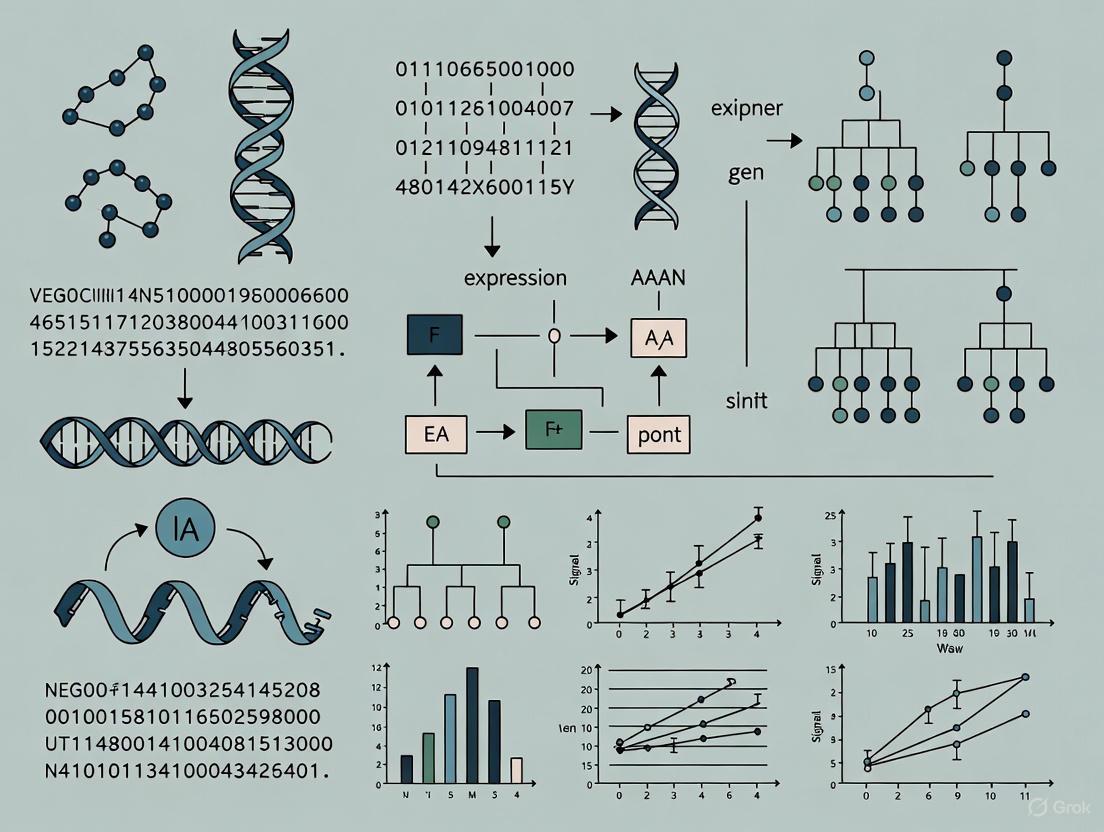
This article provides a comprehensive synthesis of evolutionary principles applied to medicine and psychiatry, tailored for researchers, scientists, and drug development professionals.
Evolutionary Medicine and Psychiatry: A New Framework for Biomedical Innovation and Drug Development
Abstract
This article provides a comprehensive synthesis of evolutionary principles applied to medicine and psychiatry, tailored for researchers, scientists, and drug development professionals. It explores the foundational concepts explaining species-wide vulnerability to disease, details methodological applications for novel therapeutic discovery, addresses critical challenges and misconceptions in the field, and offers a framework for validating evolutionary hypotheses. By integrating ultimate (evolutionary) with proximate (mechanistic) explanations, the article outlines how an evolutionary perspective can spark transformational innovation in understanding disease etiology, overcoming treatment resistance, and developing more effective public health strategies.
Why Evolution Holds the Key to Understanding Disease Vulnerability
Evolutionary medicine is a foundational framework that uses the principles of evolutionary biology to understand why natural selection has left biological systems vulnerable to disease. Rather than focusing solely on proximate mechanisms of disease—how bodies work and fail—evolutionary medicine addresses ultimate explanations: why we have bodies that are susceptible to failure in the first place [1]. This perspective represents a paradigm shift that complements traditional medical research by investigating the evolutionary origins of disease vulnerability. The core question driving this field is why natural selection, a process that generally improves functional capacity, has resulted in organisms with persistent vulnerabilities to countless diseases [2]. This question is particularly relevant for researchers and drug development professionals seeking to understand the deep biological constraints that influence disease manifestation and treatment response.
The foundational insight of evolutionary medicine is that diseases themselves are not adaptations shaped by natural selection; instead, they arise from mismatches, constraints, and trade-offs in evolved systems [2]. As Nesse emphasizes, "Diseases are not adaptations shaped by natural selection. They are not universal traits. They harm fitness. Trying to explain diseases as if they were somehow useful gives rise to a conceptual fog" [2]. This distinction is crucial for avoiding common misinterpretations and for focusing research on the actual evolutionary processes that create vulnerability.
Theoretical Framework: Evolutionary Pathways to Vulnerability
Core Evolutionary Explanations for Disease Vulnerability
Evolutionary medicine identifies several consistent pathways through which vulnerabilities to disease persist despite natural selection [1] [3]. These pathways provide a systematic framework for generating and testing hypotheses about specific disease vulnerabilities.
Table 1: Evolutionary Pathways to Disease Vulnerability
| Pathway | Mechanism | Medical Examples | Research Implications |
|---|---|---|---|
| Mismatch with Modern Environments | Environments change faster than selection can adapt bodies | Obesity, type 2 diabetes, ADHD [3] [4] | Focus on environmental modification alongside pharmaceutical interventions |
| Co-evolution with Pathogens | Pathogens evolve faster than hosts can develop defenses | Antibiotic resistance, influenza virulence [1] | Develop therapies that anticipate pathogen counter-adaptations |
| Evolutionary Constraints | Limited genetic variation, pleiotropy, phylogenetic inertia | Narrow birth canal, spinal vulnerabilities [1] | Identify conserved biological systems with inherent design limitations |
| Trade-offs | Compromise between competing biological demands | Bone strength vs. weight, infection defense vs. energy cost [1] [5] | Optimize rather than maximize biological traits in therapeutic design |
| Reproductive Success at Health Expense | Traits that enhance reproduction despite health costs | Testosterone-mediated risk-taking, iron sequestration in pregnancy [1] | Consider life history trade-offs in disease risk assessment |
| Defense Mechanisms | Protective responses that cause collateral damage | Fever, inflammation, anxiety responses [3] [2] | Modulate rather than eliminate defensive responses |
The Mismatch Hypothesis in Psychiatry
The concept of evolutionary mismatch provides particular insight into mental disorders. Our brains were shaped for Pleistocene environments quite different from modern contexts, creating vulnerabilities when previously adaptive traits become maladaptive [4]. For instance, ADHD characteristics—heightened awareness, quick decision-making, and rapid environmental response—may have been advantageous in hunter-gatherer societies but prove disruptive in modern educational and professional settings requiring sustained focus [4]. Similarly, anxiety disorders may stem from defense mechanisms that protected against lethal threats in ancestral environments but now respond excessively to modern stressors [4].
This framework transforms our understanding of mental disorders from "diseases" or "malfunctions" to manifestations of the gap between our evolutionary heritage and contemporary environments [4]. This perspective has profound implications for drug development, suggesting that some conditions may respond better to environmental modifications than to pharmacological interventions alone.
Quantitative Framework: Modeling Evolutionary Constraints
Ornstein-Uhlenbeck Modeling of Gene Expression Evolution
A quantitative framework for characterizing evolutionary constraints on gene expression provides powerful tools for understanding disease vulnerability. Research analyzing RNA-seq data across seven tissues from 17 mammalian species demonstrates that expression evolution across mammals is accurately modeled by the Ornstein-Uhlenbeck (OU) process, which incorporates both random drift and stabilizing selection [6].
The OU process describes change in expression (dXₜ) across time (dt) by:
dXₜ = σdBₜ + α(θ – Xₜ)dt
Where:
- dBₜ = Brownian motion process (drift rate σ)
- α = Strength of selective pressure driving expression back to optimal level θ
- θ = Optimal expression level [6]
This model reveals that for most genes, expression levels evolve under stabilizing selection within the mammalian lineage, reaching an equilibrium between drift and selection that constrains expression to a stable distribution [6]. This framework enables researchers to quantify the distribution of evolutionarily optimal expression levels and identify potentially deleterious expression in patient data.
Biological Safety Factors in Physiological Systems
The concept of safety factors provides another quantitative approach to understanding evolutionary constraints. Safety factors are defined as the ratio of biological capacity to typical load (SF = C/L) [5]. Research across multiple physiological systems reveals that most biological safety factors fall within a surprisingly constrained range (1.2-10), significantly lower than what might be expected if systems were designed solely for reliability.
Table 2: Measured Safety Factors Across Biological Systems
| Biological System | Component | Safety Factor | Organism |
|---|---|---|---|
| Structural Elements | Leg bones (running) | 2.5-6.0 | Various mammals [5] |
| Spider dragline | 1.5 | Spider [5] | |
| Human backbone | 1.35 | Human [5] | |
| Metabolic Systems | Mouse sucrase | 2.6 | Mouse [5] |
| Mouse glucose transporter | 2.8 | Mouse [5] | |
| Cat arginine transporter | 7.0 | Cat [5] | |
| Organ Systems | Human kidneys | 4.0 | Human [5] |
| Human liver | 2.0 | Human [5] | |
| Human small intestine | 2.0 | Human [5] |
These modest safety factors indicate the existence of significant costs—including energy, space, and opportunity costs—that penalize excess capacity [5]. This evolutionary economic principle explains why systems are not more robust against disease: the costs of greater robustness would exceed the benefits in reproductive success.
Experimental Approaches and Methodologies
Comparative Evolutionary Analysis of Gene Expression
The experimental workflow for evolutionary analysis of gene expression involves a multi-stage process that integrates comparative genomics with functional validation:
Sample Collection and Preparation: Collect tissue samples from multiple mammalian species across a balanced phylogenetic distribution. The referenced study utilized 17 mammalian species across seven tissues (brain, heart, muscle, lung, kidney, liver, testis) to ensure comprehensive coverage [6].
RNA Sequencing and Ortholog Identification: Perform RNA-seq using standardized protocols across species. Identify one-to-one orthologs using Ensembl annotations complemented by reciprocal-best BLAST approaches to ensure accurate cross-species comparisons [6].
Evolutionary Model Fitting: Apply the Ornstein-Uhlenbeck process to model expression evolution, estimating parameters for drift (σ), selection strength (α), and optimal expression level (θ) for each gene across the phylogenetic tree [6].
Functional Interpretation: Utilize the fitted models to identify pathways under different selection regimes, compare patient expression data to evolutionarily optimal distributions, and detect lineage-specific adaptations [6].
Research Reagents and Computational Tools
Table 3: Essential Research Resources for Evolutionary Medicine Studies
| Resource Category | Specific Tools/Reagents | Application | Considerations |
|---|---|---|---|
| Comparative Genomic Databases | Ensembl comparative genomics [6] | Ortholog identification, phylogenetic context | Ensure consistent annotation across species |
| RNA-seq Platforms | Illumina sequencing | Cross-species expression profiling | Standardize library prep and normalization |
| Evolutionary Analysis Software | OU model implementations [6] | Parameter estimation of selection strength | Account for phylogenetic relationships |
| Physiological Measurement Systems | Metabolic cages, bone strength testers | Safety factor quantification | Standardize load and capacity measurements |
| Clinical Data Repositories | UK Biobank, DiscovEHR [7] | Correlate evolutionary patterns with disease | Large sample sizes essential for detection |
Applications in Psychiatry and Mental Health
Evolutionary psychiatry applies these principles specifically to mental disorders, with important implications for research and therapeutic development. This perspective helps explain why selection has shaped vulnerability to disorder rather than the disorders themselves [3]. Several key insights emerge from this approach:
First, harmful genes that predispose to psychiatric conditions may persist through balancing selection, where there is a trade-off between positive and negative effects of genetic variants [3]. Examples include genes that are advantageous in heterozygous state but harmful when homozygous, genes subject to frequency-dependent selection, and genes with pleiotropic effects that offer advantages in some contexts [3].
Second, the false alarm phenomenon explains why anxiety and mood responses that were adaptive in ancestral environments become maladaptive in modern contexts [4]. As Nesse notes, "Anxiety, fear, and mood fluctuations serve as psychological alarm mechanisms that protected our ancestors from lethal threats. Unfortunately, these mechanisms have not adapted to our modern environment, where life-threatening situations are rare" [4].
Third, evolutionary psychiatry provides a framework for understanding the adaptive significance of emotional responses while recognizing that disorders represent dysregulation of these systems [2]. This distinction is crucial for developing interventions that modulate rather than suppress adaptive emotional responses.
Research Framework and Future Directions
Systematic Hypothesis Testing in Evolutionary Medicine
To avoid common errors in evolutionary medicine research, Nesse proposes a systematic framework of ten questions that should be addressed when considering hypotheses about vulnerabilities to disease [1]:
This framework emphasizes precise specification of the research question, consideration of multiple competing hypotheses, and selection of appropriate testing methods [1]. Particularly important is clearly defining whether the object of explanation is a species-typical trait or variation among individuals, as this determines the appropriate evolutionary explanations and testing approaches [1].
Integrating Evolutionary Perspectives into Precision Medicine
The integration of evolutionary perspectives represents the future of personalized genomics and precision medicine. As summarized in Nature Reviews Genetics, "precision medicine is fundamentally evolutionary medicine, and integration of evolutionary perspectives into the clinic will support the realization of its full potential" [7]. This integration requires recognizing that nearly all genetic variants influencing disease risk have human-specific origins, yet the systems they influence have ancient roots tracing back to evolutionary events long before human origins [7].
Future research directions should include:
- Developing evolutionary-aware interpretation of individual genomic data
- Creating phylogenetic frameworks for drug target validation
- Incorporating evolutionary constraints into clinical trial design
- Applying quantitative models of evolutionary trade-offs to therapeutic optimization
Evolutionary medicine provides an essential framework for understanding why natural selection has left humans vulnerable to disease. By identifying the evolutionary pathways—including mismatch, trade-offs, constraints, and co-evolution—that create vulnerabilities, researchers can develop more effective, evolutionarily informed approaches to disease prevention and treatment. The quantitative frameworks, experimental methodologies, and systematic hypothesis-testing approaches outlined in this review provide researchers and drug development professionals with the tools to integrate evolutionary perspectives into their work, ultimately supporting the development of therapies that work with, rather than against, our evolutionary heritage.
In the fields of medicine and psychiatry research, biological explanation has often been narrowly focused on proximate mechanisms—the immediate biochemical and physiological pathways underlying disease. This perspective, while crucial, provides an incomplete picture without integration with evolutionary explanations. Tinbergen's Four Questions offer a powerful, unified framework that bridges this divide by demanding investigation across four complementary dimensions: mechanism (causation), ontogeny (development), adaptation (function), and phylogeny (evolution). This whitepaper outlines the theoretical foundation of this integrative approach, provides experimental protocols for its implementation, and demonstrates its application through case studies relevant to drug development. By adopting this complete biological explanatory model, researchers can identify novel therapeutic targets, improve drug efficacy, and fundamentally advance our understanding of disease etiology.
Modern medicine and psychiatry have achieved remarkable successes by deconstructing diseases into their proximate biological components: aberrant neurotransmitters, genetic polymorphisms, and dysfunctional cellular pathways. This reductionist approach, however, often overlooks why these vulnerabilities exist in the first place from an evolutionary perspective. Why does a gene that increases risk for schizophrenia persist in the gene pool? How does the developmental trajectory of the prefrontal cortex influence vulnerability to addiction? These questions remain largely unanswered by a purely proximate approach.
Tinbergen's Four Questions, formulated in 1963, provide a systematic framework for comprehensive biological inquiry [8]. The framework distinguishes between proximate explanations (addressing how a trait functions within an individual's lifetime) and ultimate explanations (addressing why a trait exists based on evolutionary history) [9]. The four questions are:
- Causation (Mechanism): What are the immediate stimuli, physiological, and neurological mechanisms that cause the trait?
- Ontogeny (Development): How does the trait develop and change over the individual's lifespan?
- Function (Adaptation): What is the trait's survival or reproductive value (fitness)?
- Phylogeny (Evolution): What is the evolutionary history of the trait across species or deep time? [8] [9] [10]
The power of this framework lies in its integration. A complete biological explanation, particularly for complex traits and diseases, requires synthesizing answers from all four domains [10] [11]. The following sections detail this framework and its direct application to biomedical research.
Deconstructing the Framework: The Four Questions
Tinbergen's questions create a 2x2 matrix that categorizes biological explanations, forcing researchers to consider multiple levels of analysis simultaneously [11]. This structure is summarized in the table below.
Table 1: Tinbergen's Four Questions as a Framework for Biological Research
| Explanatory Category | Proximate (How) | Ultimate (Why) |
|---|---|---|
| Static (Current Form) | 1. Mechanism (Causation)Immediate molecular, physiological, and neurological causes. | 2. Function (Adaptation)Evolutionary fitness benefit; the problem the trait solves. |
| Dynamic (Historical Sequence) | 3. Ontogeny (Development)Lifespan development, learning, and gene-environment interactions. | 4. Phylogeny (Evolution)Evolutionary history and ancestry of the trait across species. |
Proximate Explanations
Causation (Mechanism)
This question seeks to identify the immediate triggers and machinery of a biological trait or process. In a medical context, this is the primary focus of molecular biology and neuroscience. Research questions include: What genetic, epigenetic, and neurobiological pathways are involved? Which hormones, neurotransmitters, or immune molecules are key regulators? [8] [9]. For example, the mechanistic explanation for fever involves inflammatory cytokines triggering the hypothalamus to elevate body temperature [11].
Ontogeny (Development)
This question addresses how a trait unfolds across an individual's lifespan. It focuses on the interaction of genetic programming and environmental influences, including learning, culture, and random events [8] [10]. Critical periods, epigenetic programming, and developmental plasticity are central concepts. For instance, the ontogeny of bird song involves a critical period for hearing a tutor song and subsequent practice to perfect the motor sequence [8] [10].
Ultimate Explanations
Function (Adaptation)
This question concerns the survival or reproductive advantage that a trait provided in a species' evolutionary past—the "goal" shaped by natural selection [8] [9]. It is crucial to distinguish a trait's original function from its current utility, which may differ if the environment has changed [9] [10]. A classic example is the function of the sweet tooth: motivating the seeking of ripe, energy-rich fruit in ancestral environments, a drive that becomes maladaptive in environments with abundant refined sugar.
Phylogeny (Evolution)
This question traces the evolutionary lineage of a trait. It asks: When did this trait first appear? What did it look like in ancestral species? How is it similar to or different from homologous traits in related species? [8] [9]. Phylogenetic analysis can reveal deep evolutionary constraints, such as the blind spot in the vertebrate eye, which results from the specific way the retina evolved to develop in early vertebrates [9].
The logical and causal relationships between these four questions and the biological concepts they represent can be visualized as a dynamic system.
Experimental Protocols: Implementing the Framework in Research
To move from theory to practice, researchers require methodologies that explicitly address each of Tinbergen's questions. The following protocols provide a template for designing integrative research programs.
Protocol 1: A Multi-Level Analysis of a Neurotoxin or Pharmacological Agent
This protocol, adapted from a neuroscience capstone course model, demonstrates how to deconstruct the effect of a bioactive compound using Tinbergen's framework [13].
Research Goal: To perform a comprehensive biological analysis of Tetrodotoxin (TTX) as a model neurotoxin.
Table 2: Experimental Approach for a Multi-Level Neurotoxin Analysis
| Tinbergen's Question | Research Objective | Key Methodologies |
|---|---|---|
| 1. Mechanism (Causation) | Identify the molecular target and physiological effect. | In vitro electrophysiology (patch clamp), receptor binding assays, immunohistochemistry, calcium imaging. |
| 2. Ontogeny (Development) | Determine if toxin sensitivity varies with age/stage. | Developmental exposure studies, longitudinal behavioral testing, analysis of target expression during development (qPCR, Western blot). |
| 3. Function (Adaptation) | Determine the evolutionary advantage of TTX production. | Ecological field studies, predator-prey interaction assays, analysis of co-evolution in resistant species (e.g., garter snakes). |
| 4. Phylogeny (Evolution) | Trace the evolutionary history of TTX and its targets. | Comparative genomics/transcriptomics of TTX-producing bacteria and voltage-gated sodium channels across species, phylogenetic tree construction. |
Workflow:
- Mechanism: Apply TTX to neuronal cultures and perform whole-cell patch clamp recordings to confirm blockade of voltage-gated sodium channels. Use fluorescently-labeled TTX to visualize binding sites.
- Ontogeny: Administer sublethal doses of TTX to model organisms at different developmental stages (larval, juvenile, adult) and assess differential mortality, locomotor deficits, and long-term neurological impacts.
- Function: Conduct field observations and lab experiments to test the hypothesis that TTX serves as a chemical defense against predation. Measure predation rates on TTX-containing vs. TTX-free prey.
- Phylogeny: Sequence sodium channel genes from a wide range of vertebrate species, including known TTX-resistant populations. Use maximum likelihood methods to reconstruct the evolutionary history of specific amino acid substitutions that confer resistance.
The integrated workflow for this multi-level analysis is depicted below.
Protocol 2: An Evolutionary Medicine Case Study on Fever
Fever is a common symptom often viewed merely as a maladaptive byproduct of infection. Applying Tinbergen's framework reveals a more complex picture and can inform treatment strategies [11].
Research Goal: To understand fever not as a disease state but as an evolved defensive trait.
Table 3: Experimental Approach for an Evolutionary Analysis of Fever
| Tinbergen's Question | Hypothesis | Testable Predictions & Methods |
|---|---|---|
| 1. Mechanism (Causation) | Fever is caused by pro-inflammatory cytokines resetting the hypothalamic thermostat. | Administer cytokines (e.g., IL-1β) induces fever; cytokine antagonists block it. Measure neural activity in the preoptic area. |
| 2. Ontogeny (Development) | The febrile response develops and is calibrated by early-life immune experience. | Neonatal immune challenges will alter the adult febrile response. Compare fever magnitude in germ-free vs. conventionally-raised animals. |
| 3. Function (Adaptation) | Elevated body temperature enhances survival during infection. | Prediction 1: Antipyretics (fever-reducers) will increase mortality in infected animals. Prediction 2: Fever will directly inhibit pathogen replication and enhance immune cell function in vitro. |
| 4. Phylogeny (Evolution) | The febrile response is an evolutionarily ancient defense. | Fever-like responses will be found in ectothermic vertebrates (e.g., lizards seeking warmer microclimates when infected) and invertebrates. |
Integrated Workflow:
- Controlled Animal Model: Infect a cohort of mammals (e.g., rabbits) with a standardized bacterial pathogen.
- Experimental Groups: Randomly assign subjects to: (a) no treatment, (b) antipyretic treatment, (c) external warming to mimic fever without immune activation.
- Multi-Level Data Collection:
- Mechanism/Function: Monitor core body temperature, cytokine profiles, white blood cell counts, and pathogen load over time.
- Ontogeny: Repeat the experiment in adolescent vs. adult animals.
- Phylogeny: Conduct a meta-analysis of published data on behavioral fever in reptiles, fish, and insects.
- Synthesis: Correlate temperature with survival outcomes. Determine if the costs of fever (energy expenditure) are outweighed by the benefits (survival) in an evolutionary context, and under what conditions (e.g., age, nutritional status) antipyretics might be harmful.
Conducting research within the Tinbergen framework requires a diverse set of reagents and bioinformatics tools. The following table catalogs key resources for investigating psychiatric and neurological traits.
Table 4: Research Reagent Solutions for a Tinbergen-Informed Research Program
| Research Domain | Reagent / Tool | Function and Application |
|---|---|---|
| Mechanism (Causation) | CRISPR-Cas9 / RNAiPatch Clamp ElectrophysiologyELISA/MSD Immunoassays | Gene editing/knockdown to validate molecular targets.Measures ion channel function and neuronal excitability.Quantifies protein/biomarker levels (cytokines, hormones). |
| Ontogeny (Development) | Longitudinal Cohort StudiesEpigenetic Arrays (e.g., Methylation)Stem Cell-Derived Neurons | Tracks trait development across the lifespan in humans.Maps how experience alters gene regulation.Models human neuronal development and disease in vitro. |
| Function (Adaptation) | Computational Evolutionary ModelsAnimal Behavior ParadigmsGenetic Association Studies (GWAS) | Models trait fitness and evolutionary dynamics.Tests adaptive value of behaviors (e.g., anxiety, sociality).Identifies genes under natural selection in human populations. |
| Phylogeny (Evolution) | Comparative Genomic Databases (e.g., Ensembl)Phylogenetic Tree Software (e.g., MEGA, FigTree)Non-Human Primate Models | Enables cross-species comparison of genes and regulatory regions.Constructs and visualizes evolutionary relationships.Studies traits in closely related species with shared ancestry. |
| Data Integration & Visualization | CytoscapeR/BioconductorUCSC Genome Browser | Networks and integrates heterogeneous biological data.Statistical computing and analysis of high-throughput data.Visualizes genomic data in an evolutionary context. |
Application in Psychiatry and Drug Development: Case Studies
Case Study 1: Anxiety Disorders
- Mechanism: Dysregulation of the HPA axis, GABAergic, and serotonergic systems [12].
- Ontogeny: Shaped by early-life stress, attachment patterns, and learning history.
- Function: Anxiety is an adaptive response to threat; its disorders may represent a mismatch or dysregulation of this "smoke detector principle" [16].
- Phylogeny: Shared, homologous neural circuits for threat detection across mammals.
- Drug Development Insight: A drug that blunts all anxiety (a purely mechanistic approach) may impair adaptive defensive behaviors. A better approach might be to normalize the responsivity of the threat-detection system, preserving its function while reducing pathology.
Case Study 2: The Westermarck Effect (Inbreeding Avoidance)
- Mechanism: Not fully known, but likely involves olfactory and learning pathways.
- Ontogeny: Results from close co-residence during early childhood (first 30 months in humans) [9].
- Function: Prevents inbreeding and the associated reduction in genetic fitness [9].
- Phylogeny: Found in many mammalian species, suggesting deep evolutionary roots [9].
- Research Insight: This case demonstrates how a developmentally programmed, evolutionarily crucial behavior operates with minimal conscious input, illustrating the complex interplay of ontogeny and function in shaping social cognition.
A narrow focus on proximate mechanisms in medicine and psychiatry, while productive, is inherently limited. It risks treating symptoms without understanding the deeper, evolved nature of the biological system. Tinbergen's Four Questions provide a rigorous, systematic, and integrative framework that forces a broader perspective. By asking not just how a disease process works, but why the vulnerable system evolved that way, how it develops, and where it came from in evolutionary history, researchers can escape the tunnel vision of pure mechanism. This leads to more nuanced disease models, identifies novel therapeutic targets rooted in evolutionary history, and ultimately fosters a more profound and effective biological science of medicine. The future of translational research lies in its ability to integrate these multiple levels of explanation.
Evolutionary mismatch represents a core concept within evolutionary medicine, providing a critical framework for understanding why humans are vulnerable to certain diseases and disorders. It occurs when traits that were adaptive in an organism's ancestral environment become maladaptive in a novel, changed environment [3]. This principle is particularly crucial for psychiatry and pharmaceutical research, as it shifts the focus from viewing disorders as simple malfunctions to understanding them as outcomes of an interaction between our evolutionary heritage and contemporary lifestyles [17] [3]. The concept enables a move from descriptive to explanatory science, asking not just what happens in disease, but why it happens, which is an essential step for developing targeted, effective interventions [3].
This whitepaper details the theoretical underpinnings, experimental evidence, and methodological approaches for studying evolutionary mismatch, with a specific focus on applications in mental health research and drug development. It provides researchers with the conceptual tools and practical protocols to integrate this principle into their scientific inquiry.
Theoretical Foundations and Clinical Applications
Core Principles of Evolutionary Mismatch
The mismatch principle is founded on several key tenets from evolutionary biology. Selection operates slowly over generations, shaping functional systems and vulnerability to disease rather than disorders themselves [3]. When environmental changes outpace the ability of natural selection to adapt a population, a state of mismatch arises, resulting in traits that are no longer suited to new conditions [3]. This is not the only pathway to disease, but it is a fundamental one for explaining the high prevalence of "diseases of civilization" [3].
Several related evolutionary concepts are essential for a nuanced application of mismatch theory:
- Trade-offs: Increasing the potency of one trait often occurs at the expense of another. For example, a lower threshold for risk avoidance reduces physical danger but increases the risk of anxiety disorders, while a higher threshold leads to greater risk-taking [3].
- Balancing Selection: Some genetic variations persist in populations because they confer advantages in certain contexts or genetic backgrounds, even if they are harmful in others. This maintains genetic diversity related to mental traits [3].
- Defence Activation Disorders: Conditions like anxiety and depression can be understood as the harmful over-activation of otherwise useful emotional defences [3].
Mismatch in Psychiatry and Drug Development
Evolutionary psychiatry, a subfield of evolutionary medicine, uses these principles to better understand and treat mental disorder [3]. Mismatch has been implicated in the etiology of numerous conditions, offering new avenues for prevention and treatment.
Table 1: Clinical Conditions Linked to Evolutionary Mismatch
| Condition/Disorder | Proposed Mismatch Mechanism | Research and Therapeutic Implications |
|---|---|---|
| Obesity / Metabolic Syndrome [3] | Ancient adaptations for calorie conservation and fat storage mismatched with modern, calorie-dense food environments. | Drug development could target conserved hunger/satiety pathways (e.g., leptin, ghrelin) with an understanding of their original evolutionary functions. |
| Anxiety & Depressive Disorders [3] | Over-activation of evolved threat-detection and loss-response systems (defences) in safe modern contexts, or due to chronic psychosocial stress. | Research focuses on why these "smoke detector" systems are so prone to false alarms. Therapies aim to recalibrate threat responses. |
| Attention-Deficit/Hyperactivity Disorder (ADHD) [3] | Traits like novelty-seeking and rapid attention-shifting, potentially advantageous in ancestral environments, are mismatched with structured, sedentary modern schooling and work. | Informs the neurodiversity movement, framing some disorders as normative variations rather than pure pathologies. |
| Postpartum Depression [3] | Mismatch between expected levels of social support and parenting demands in the ancestral environment versus the often isolated nuclear family unit in modern societies. | Highlights the role of social and environmental context in treatment, beyond purely pharmacological approaches. |
This perspective helps explain the persistence of genes that confer vulnerability to mental disorders. Rather than viewing the human genome as a static blueprint, an evolutionary perspective recognizes it as a historical record of past selection pressures, where variation is the rule [3]. Some "harmful" genes may persist due to balancing selection, where there is a trade-off between their positive and negative effects [3].
Quantitative Data and Genetic Evidence
A key question is why apparently harmful genetic variants persist in the human gene pool. An evolutionary perspective provides a coherent explanation, summarized in the table below.
Table 2: Evolutionary Mechanisms for the Persistence of Disease-Related Genetic Variants
| Mechanism | Description | Example in Mental Health/Traits |
|---|---|---|
| Balancing Selection | A trade-off between positive and negative effects maintains a genetic variant at a steady level in the population. | |
| Heterozygous Advantage | Variant is advantageous in carriers with one copy but harmful in those with two copies. | Sickle cell trait (non-psychiatric model: protection against malaria). |
| Frequency-Dependent Selection | Variant is advantageous when rare but disadvantageous when common. | Psychopathic traits; potentially advantageous in low frequencies for social competition but harmful at higher frequencies [3]. |
| Pleiotropic Effects | A single gene has multiple effects, some beneficial and others harmful, often at different life stages. | Genes that enhance cognitive creativity in young adulthood but may increase risk for bipolar disorder later in life. |
| Purifying Selection | Harmful genes that are compatible with survival and reproduction are slowly removed from the population over many generations. | Many deleterious mutations of small effect are continuously introduced and removed. |
| De Novo Mutations | New, harmful mutations arise spontaneously in the parental germ-line and have not yet been subject to selection. | Associated with sporadic cases of disorders like schizophrenia and autism. |
Experimental Protocols: Measuring Neural Mismatch
The mismatch negativity (MMN) paradigm in electroencephalography (EEG) provides a powerful experimental model for studying predictive coding and mismatch detection in the human brain, which is often impaired in psychiatric disorders [18].
Local-Global Oddball Paradigm
This protocol dissects hierarchical prediction errors, offering a nuanced biomarker for clinical conditions like schizophrenia and ASD [18].
Objective: To dissociate and measure two distinct subcomponents of MMN related to local (tone-to-tone) and global (sequence-level) temporal regularities.
Participants: 30 participants (or as required), self-reporting no history of neurological or psychological conditions [18].
Stimuli and Apparatus:
- Tones: Two distinct tones are generated:
- Low-pitched: 350, 700, and 1400 Hz.
- High-pitched: 500, 1000, and 1500 Hz.
- Tone Parameters: 100 ms duration with 7 ms rise/fall time.
- EEG Recording: 64-channel EEG system (e.g., Compumedics NeuroScan QuickCap), recorded at 500 Hz sampling rate with a bandpass filter of 0.01-100 Hz.
Experimental Design and Procedure:
- Sequence Structure: Three types of tone sequences are used, each consisting of three tones delivered with a 200 ms Stimulus Onset Asynchrony (SOA):
xxx: Three identical tones.xxy: The last tone differs from the first two.xxo: The last tone is omitted.
- Block Design: Four distinct blocks are created by varying the ratio of sequence types to manipulate local (Transition Probability, TP) and global (Sequence Probability, SP) regularities [18]:
- Block 1: 96
xxx, 24xxy, 24xxo(High SPxxx, Low TPx-to-y) - Block 2: 120
xxx, 12xxy, 12xxo(Very High SPxxx, Very Low TPx-to-y) - Block 3: 24
xxx, 96xxy, 24xxo(Low SPxxx, High TPx-to-y) - Block 4: 12
xxx, 120xxy, 12xxo(Very Low SPxxx, Very High TPx-to-y)
- Block 1: 96
- Presentation: Blocks are presented in random order. Each block is presented twice, once with the low-pitched tone as
xand the high-pitched asy, and once with the pitches swapped. - Task: Participants are instructed to pay attention to the sounds while maintaining visual fixation on a central cross. No behavioral response is required.
Data Analysis:
- ERP Extraction: EEG data is pre-processed (filtering, artifact rejection) and segmented into epochs time-locked to the critical last tone in sequences.
- MMN Calculation: The MMN waveform is derived by subtracting the event-related potential (ERP) in response to the standard stimulus from the ERP to the deviant stimulus.
- Data-Driven Decomposition: A method (e.g., similar to Chao et al., 2018) is used to disentangle the superimposed MMN signal into distinct subcomponents based on their spatiotemporal profiles [18].
Expected Outcomes: The protocol typically identifies two MMN subcomponents:
- An early subcomponent (peaking ~136 ms) in the central-frontal area, representing a prediction error tied to local tone-to-tone transitions.
- A late subcomponent (peaking ~200 ms) in a more frontal area, representing a prediction error tied to global sequence structure [18].
Visualizing the Experimental Workflow and Neural Basis
The following diagram illustrates the hierarchical processing and component generation in the local-global MMN paradigm.
The theoretical basis for the MMN response is grounded in the brain's predictive coding framework, which can be visualized as follows.
The Scientist's Toolkit: Research Reagent Solutions
Table 3: Essential Materials and Tools for Mismatch Research
| Item / Reagent | Function / Application in Research |
|---|---|
| 64-Channel EEG System (e.g., Compumedics NeuroScan) | High-density recording of electrical brain activity to capture the spatiotemporal dynamics of MMN and its subcomponents [18]. |
| MATLAB with Psychtoolbox | Programming experimental paradigms, controlling stimulus presentation, and managing trial sequences with precise timing [18]. |
| ERP Analysis Software (e.g., EEGLAB, FieldTrip) | Pre-processing raw EEG data, artifact rejection, epoching, and calculating event-related potentials (ERPs) and difference waves. |
| Hierarchical Predictive Coding Model | A quantitative computational model to map neural signals (like early and late MMN) to specific levels of prediction error (local vs. global) [18]. |
| Auditory Stimulus Generation Software | Creating and controlling the precise acoustic properties of standard and deviant tones, including frequency, duration, and intensity. |
| Data-Driven Decomposition Algorithms | Advanced statistical methods (e.g., ICA, PCA) to disentangle and isolate superimposed neural subcomponents from the aggregate EEG signal [18]. |
The evolutionary mismatch principle provides a foundational framework that enriches the traditional biopsychosocial model. Incorporating an evolutionary dimension through Tinbergen's four questions (mechanism, development, phylogeny, and function) creates a more coherent and scientifically complete "evo-biopsychosocial model" of mental disorder [3]. For researchers and drug development professionals, this translates into a more etiologically grounded approach to understanding disease, identifying novel therapeutic targets centered on evolved pathways and defenses, and ultimately developing interventions that are better aligned with human biology. The experimental and analytical methods detailed herein provide a pathway for translating this powerful theoretical concept into tangible research programs and clinical applications.
The application of evolutionary theory to medicine and psychiatry provides a powerful framework for understanding human disease vulnerability and therapeutic challenges. Evolutionary medicine examines how historical contingencies, mismatches, trade-offs, sexual selection, and genomic conflict contribute to both body and mind health pathologies [19]. This perspective enables researchers to distinguish between proximate causes (mechanisms operating within an individual's lifespan) and ultimate causes (evolutionary reasons why vulnerabilities persist despite natural selection) of diseases [19]. The core principle underpinning this framework is that natural selection operates through design compromises rather than creating optimally engineered systems.
Life history theory, a middle-level evolutionary framework, has become particularly prominent in the evolutionary social sciences by providing a systematic approach to understanding how organisms allocate limited energy and resources across different fitness-enhancing activities [20] [21]. This allocation inevitably involves trade-offs between competing demands such as growth versus reproduction, or current reproduction versus future survival [20]. When combined with the concept of antagonistic pleiotropy—where genes with beneficial effects early in life have deleterious consequences later—these evolutionary principles offer powerful explanations for why we remain vulnerable to diseases despite natural selection [21].
This whitepaper provides a comprehensive technical guide to evolutionary trade-offs and constraints, with specific emphasis on their implications for biomedical research, psychiatric practice, and pharmaceutical development. By integrating methodological approaches, experimental protocols, and research tools, we aim to equip researchers and drug development professionals with practical frameworks for applying these concepts in their work.
Theoretical Foundations: Core Evolutionary Concepts
Life-History Theory and Fundamental Trade-Offs
Life history theory posits that all organisms face the fundamental challenge of allocating limited energy and resources between competing biological functions [21]. The theory distinguishes somatic effort (investment in survival-enhancing activities like maintenance and growth) from reproductive effort (investment in reproduction and mating) [21]. The trade-off between these efforts results in an organism's life history strategy (LHS), which falls along a continuum from fast strategies (prioritizing early reproduction with many offspring) to slow strategies (delaying reproduction with greater investment in fewer offspring) [21].
These fundamental life-history trade-offs are strongly influenced by environmental conditions during development. Childhood environments characterized by high harshness (e.g., mortality rate), unpredictability, and resource scarcity tend to promote faster life history strategies, as organisms benefit less from somatic effort in such conditions [21]. Conversely, stable, resource-rich environments favor slower strategies with greater investment in long-term growth and maintenance [21]. This environmental contingency has profound implications for understanding how early life experiences calibrate biological systems and influence health trajectories throughout the lifespan.
Antagonistic Pleiotropy and Longitudinal Trade-Offs
The antagonistic pleiotropy hypothesis provides a complementary evolutionary framework for understanding aging and senescence [21]. This hypothesis proposes that genes with opposing effects on fitness at different ages can be favored by natural selection. Pleiotropic genes that provide benefits in early life (enhancing growth, reproduction, or survival) can be selectively maintained even if they have deleterious effects later in life, once the peak reproductive period has passed [21].
This concept explains longitudinal life history trade-offs that occur across the lifespan, characterizing how individuals make trade-offs between early-life versus late-life reproduction and survival [21]. From this perspective, senescence itself can be viewed as a trade-off between early and later life reproductive success, with natural selection favoring genes that accelerate reproductive success even at the cost of later health decline [21]. This framework has particular relevance for understanding age-related diseases and the developmental trajectories of various health conditions.
The Mismatch Concept in Evolutionary Medicine
A central concept in evolutionary medicine is "evolutionary mismatch," which refers to the discordance between the ancestral environments in which hominins evolved and the novel environments that modern humans inhabit [4] [22]. This mismatch results from cultural evolution outpacing biological evolution, leaving contemporary humans vulnerable to various diseases and disorders for which their ancestral adaptations are poorly suited [4].
Evolutionary mismatch has been applied to explain diverse health challenges, from mental health conditions like ADHD and anxiety disorders [4] to the physiological challenges faced by astronauts in space environments [22]. In psychiatry, mismatch theory helps explain why traits that were potentially adaptive in hunter-gatherer societies (such as heightened vigilance, rapid response to threats, or social withdrawal during stress) may become maladaptive in modern contexts [4].
Table 1: Core Evolutionary Concepts and Their Research Implications
| Evolutionary Concept | Definition | Research Implications | Example Applications |
|---|---|---|---|
| Life History Trade-Offs | Allocation of limited resources between competing biological functions | Explains individual differences in development, aging, and disease risk | Fast vs. slow life history strategies influencing health behaviors [21] |
| Antagonistic Pleiotropy | Genes with beneficial early-life effects but deleterious late-life consequences | Provides framework for understanding aging and age-related diseases | Senescence as byproduct of selection for early-life fitness [21] |
| Evolutionary Mismatch | Discordance between ancestral and modern environments | Explains increased disease vulnerability in modern contexts | ADHD traits maladaptive in classrooms but potentially beneficial in ancestral environments [4] |
| Design Compromises | Evolutionary constraints preventing optimal solutions | Identifies why perfect disease protection doesn't evolve | Trade-offs between reproduction and survival [20] |
Methodological Approaches for Studying Evolutionary Trade-Offs
Research Methods and Analytical Frameworks
Demonstrating trade-offs in long-lived animals like humans presents significant practical challenges [20]. Four main methodological approaches are used in evolutionary research:
- Phenotypic correlations examine natural associations between traits, though these can be masked by individual heterogeneity in quality or resource access [20]
- Experimental manipulations directly alter resource allocation to observe trade-offs
- Genetic correlations investigate pleiotropic effects at the genetic level
- Correlated responses to selection observe how traits change under selective pressures [20]
Each method presents distinct challenges. Phenotypic correlations can be obscured when individuals vary in their ability to acquire resources, making trade-offs difficult to detect in observational data [20]. Experimental approaches in humans face ethical and practical limitations, particularly for studying long-term outcomes. These challenges can be addressed through careful experimental design or appropriate statistical treatment of observational data, such as accounting for individual heterogeneity [20].
Recent advances in quantitative genetic and genomic methods, coupled with the availability of high-quality large-scale datasets on diverse human populations, are opening promising new avenues for studying the evolutionary implications of life history trade-offs [20]. These approaches allow researchers to investigate trade-offs at molecular levels and across different environmental contexts.
Measuring Delay Discounting as a Proxy for Life History Trade-Offs
Delay discounting (the devaluation of delayed rewards) has emerged as an important behavioral measure for studying life history trade-offs in humans [21]. Research synthesizing life history theory with the antagonistic pleiotropy hypothesis has demonstrated that delay discounting is influenced by two distinct types of trade-offs:
- Fundamental trade-offs (life history strategies) explain between-subject differences, with slower life history strategies predicting lower delay discounting [21]
- Longitudinal trade-offs explain within-subject developmental changes, with the relationship between chronological age and delay discounting following a U-shaped pattern [21]
This distinction is methodologically important because these two types of trade-offs have different evolutionary drivers—fundamental trade-offs are contingent on childhood socioeconomic conditions, while longitudinal trade-offs are driven by adult mortality rates and senescence [21]. Research designs must therefore account for both sources of variance when studying intertemporal decision-making or related health behaviors.
Table 2: Key Methodological Approaches for Studying Evolutionary Trade-Offs
| Method | Key Features | Strengths | Limitations | Statistical Considerations |
|---|---|---|---|---|
| Phenotypic Correlation | Observes natural associations between traits | Can use existing datasets; applicable to human studies | Can be masked by individual heterogeneity [20] | Account for quality/resource variation [20] |
| Experimental Manipulation | Directly alters resource allocation | Strong causal inference | Ethical/practical limits in humans | Control for confounding variables |
| Genetic Correlation | Examines pleiotropic effects at genetic level | Molecular precision; identifies mechanisms | Requires specialized genomic data | Multivariate genetic methods |
| Delay Discounting Tasks | Behavioral measures of intertemporal choice | Quantitative; applicable to humans | May not capture all trade-off dimensions | Control for both age and LHS [21] |
Applications in Medicine and Psychiatry
Evolutionary Psychiatry and Mental Health Disorders
Evolutionary psychiatry applies Darwinian principles to understand mental disorders, reframing them not as diseases but as manifestations of the gap between our ancestral adaptations and modern environments [4]. This perspective provides fresh insights into several conditions:
- Depression: Symptoms such as loss of appetite, sleep changes, and social withdrawal may represent adaptive responses to stress in ancestral environments, conserving energy during periods of scarcity or protecting from social conflict [4]
- ADHD: Traits like hyperactivity, impulsivity, and heightened awareness may have been advantageous in hunter-gatherer contexts for quick decision-making and rapid environmental response [4]
- Anxiety disorders: The fight-or-flight response, while crucial for ancestral survival, is often triggered by non-life-threatening situations in modern contexts, leading to chronic anxiety [4]
The false alarm phenomenon provides another evolutionary explanation for mental health conditions. Just as bodily protective measures like vomiting respond to potential threats, psychological alarm systems (anxiety, fear, mood fluctuations) protected ancestors from lethal dangers but are often triggered inappropriately by modern stressors [4].
Bioastronautics: Evolutionary Mismatch in Space Environments
Evolutionary principles are being applied in the emerging field of bioastronautics (space medicine) to address mental health challenges during long-term space missions [22]. Space represents an extreme evolutionary mismatch environment, as humans have not evolved adaptations for microgravity, radiation exposure, or confined isolation [22].
Spaceflight stressors including microgravity, enclosed confinement, isolation, disconnection from nature, and circadian disruption create evolutionary mismatches that impact neuro-behavioral function [22]. The human stress response, which evolved to deal with acute rather than chronic stressors, becomes dysregulated under these conditions, potentially leading to impaired declarative and spatial memory, diminished fear learning, and hippocampal damage through the Glucocorticoid Vulnerability Hypothesis [22].
Pharmacological Applications and Drug Development
Evolutionary principles are informing drug development, particularly for infectious diseases where rapid pathogen evolution presents significant challenges. Evolutionary approaches to antimalarial drug development, for example, aim to select lead compounds with longer therapeutic lifetimes by understanding how adaptive landscapes of drug resistance change in response to different drug concentrations and perturbations [23].
The chemical biology platform represents an evolutionary-inspired approach to drug development that emphasizes understanding underlying biological processes and leveraging knowledge from similar molecules [24]. This approach connects strategic steps to determine whether newly developed compounds will translate into clinical benefit, using translational physiology to examine biological functions across multiple levels from molecular interactions to population-wide effects [24].
Experimental Approaches and Research Protocols
Protocol for Studying Life History Trade-Offs via Delay Discounting
Objective: To investigate fundamental and longitudinal life history trade-offs through delay discounting measures across the lifespan [21].
Participants: Life-span sample (e.g., 242 participants across age groups from adolescence to late adulthood) [21].
Materials and Measures:
- Delay discounting task: Participants make series of choices between smaller immediate rewards and larger delayed rewards (e.g., "Would you prefer $50 today or $100 in 3 months?") [21]
- Life History Strategy assessment: Validated questionnaire measures of life history strategy (e.g., Mini-K) [21]
- Childhood environment measures: Retrospective reports of childhood socioeconomic status, environmental harshness, and unpredictability [21]
- Physical age and health measures: Chronological age, subjective age, and physical health assessments [21]
Procedure:
- Administer delay discounting task using standardized procedures (e.g., computer-based assessment with multiple choice trials)
- Collect life history strategy measures and childhood environment data
- Obtain physical health assessments and subjective age reports
- Analyze data using modeling approaches that account for both fundamental (between-subject) and longitudinal (within-subject) trade-offs
Analytical Approach:
- Test for U-shaped relationship between chronological age and delay discounting [21]
- Examine mediation effects of life history strategy on relationship between childhood environment and delay discounting [21]
- Control for confounding variables when comparing delay discounting across individuals and groups
Protocol for Evaluating Antimalarial Drug Resistance Using Evolutionary Principles
Objective: To apply evolutionary thinking to select lead antimalarial compounds with long therapeutic lifetimes by examining adaptive landscapes of drug resistance [23].
Specific Objectives:
- Examine wildtype allele and naturally occurring polymorphisms in DHFR of P. falciparum and P. vivax for resistance to potential lead compounds [23]
- Create "missing intermediate" alleles for complete combinatorial analysis of adaptive landscapes [23]
- Conduct mutagenesis and selection experiments to determine conversion pathways to resistance [23]
Experimental Systems:
- Use yeast and bacterial transgenic DHFR expression systems (essential as P. vivax cannot be cultured in laboratory, and isogenic strain production in P. falciparum is not feasible) [23]
Test Compounds: Five triazine antifolates (WR99210, JPC-2067, JPC-2122, JPC-1058, and JPC-1054) as potential third-generation antimalarials [23]
Methodology:
- Resistance profiling: Test all known naturally occurring polymorphisms against lead compounds using transgenic systems
- Combinatorial analysis: Create and test intermediate alleles to map complete adaptive landscapes
- Mutagenesis and selection: Determine resistance conversion pathways via directed evolution experiments
- Therapeutic lifetime prediction: Evaluate potential for resistance development based on evolutionary accessibility of resistance mutations
Research Tools and Visualization Frameworks
Essential Research Reagent Solutions
Table 3: Key Research Reagents for Evolutionary Trade-Off Studies
| Reagent/Resource | Application | Function in Research | Example Use Cases |
|---|---|---|---|
| Transgenic DHFR Expression Systems (yeast/bacterial) | Antimalarial resistance studies | Enable study of resistance evolution in unculturable parasites [23] | Profiling P. vivax DHFR polymorphisms [23] |
| Delay Discounting Task Paradigms | Life history trade-off measurement | Quantify intertemporal choice as behavioral manifestation of trade-offs [21] | Studying fundamental vs. longitudinal trade-offs [21] |
| High-Content Multiparametric Cellular Analysis Systems | Chemical biology platform | Automated microscopy and image analysis for phenotypic profiling [24] | Drug target identification and validation [24] |
| Reporter Gene Assays | Signal pathway analysis | Assess signal activation in response to ligand-receptor engagement [24] | Screening neurological and cardiovascular drug targets [24] |
| Voltage-Sensitive Dyes/Patch-Clamp Systems | Ion channel studies | Screen ion channel activity for neurological targets [24] | Evaluating neuropharmacological compounds [24] |
Visualization of Evolutionary Trade-Off Concepts and Pathways
The following diagrams illustrate key relationships and experimental approaches in evolutionary trade-offs research:
Diagram 1: Life History Trade-Offs Framework
This diagram illustrates the distinct pathways through which fundamental trade-offs (influenced by childhood environment) and longitudinal trade-offs (driven by aging and senescence) influence behavioral measures like delay discounting [21].
Diagram 2: Evolutionary Mismatch Pathways
This diagram shows how traits adapted to ancestral environments can become mismatched in modern or extreme environments like space, contributing to mental health conditions [4] [22].
Evolutionary trade-offs and constraints represent fundamental principles that increasingly inform biomedical research, psychiatric practice, and therapeutic development. The integration of life history theory, antagonistic pleiotropy, and mismatch concepts provides powerful explanatory frameworks for understanding disease vulnerability and developing novel interventions.
Future research directions should prioritize:
- Leveraging large-scale datasets and genomic methods to study evolutionary trade-offs in diverse human populations [20]
- Developing evolutionary-informed drug development platforms that anticipate resistance evolution and optimize therapeutic lifetimes [24] [23]
- Expanding evolutionary psychiatry research to refine diagnostic understanding and treatment approaches for mental health conditions [4] [25]
- Applying evolutionary principles to emerging fields like bioastronautics to address novel health challenges in extreme environments [22]
As the field progresses, integrating evolutionary perspectives across medical disciplines will be essential for advancing both theoretical understanding and practical applications in health research. The concepts of trade-offs, constraints, and design compromises provide unifying principles that connect diverse medical specialties through their shared evolutionary foundations.
The foundational premise of evolutionary medicine is that natural selection acts to maximize reproductive fitness, not health or longevity [26]. This core principle creates a fundamental distinction between the proximate mechanisms of disease (the "how") and the ultimate evolutionary explanations (the "why") [27] [26]. Understanding this distinction is crucial for researchers and drug development professionals seeking to identify novel therapeutic targets and develop more effective interventions. Where traditional medical models often pathologize any deviation from a statistical norm, evolutionary theory provides an objective biological basis for distinguishing between true system failures and functioning adaptations that appear maladaptive in modern contexts [28].
This whitepaper establishes a framework for differentiating harmful dysfunctions from evolved defenses using evolutionary principles. We define "adaptation" as a trait that evolved because it enhanced reproductive success in ancestral environments, while "disorder" represents a failure of an evolved mechanism to perform its natural function [29] [28]. Between these extremes lie multiple categories where apparent disorders may represent mismatched adaptations or costly trade-offs that were evolutionarily advantageous in different environments [26]. For drug development, this distinction is critical: treating an evolved defense as a dysfunction may lead to interventions that suppress useful responses or create compensatory side effects.
Theoretical Framework: Six Evolutionary Explanations for Vulnerability to Disease
Evolutionary psychiatry identifies six primary reasons why organisms shaped by natural selection remain vulnerable to what we classify as disorders [28]. These explanations provide a systematic framework for researchers to generate and test hypotheses about the nature of specific conditions.
Table: Evolutionary Explanations for Vulnerability to Disease
| Explanation Type | Core Principle | Research Implications |
|---|---|---|
| Design Constraints | Evolution works with existing structures through gradual modification, not optimal engineering [26]. | Identify phylogenetic and developmental constraints that limit perfect adaptation. |
| Coevolving Pathogens | Pathogens evolve rapidly to circumvent host defenses in an evolutionary arms race [30]. | Focus on dynamic host-pathogen interactions rather than static defense mechanisms. |
| Trade-offs & Byproducts | Advantages in one domain incur costs in another; traits may be byproducts of adaptations [22] [26]. | Quantify costs and benefits across different biological systems and life history stages. |
| Evolved Defenses | Protective responses (fever, cough, anxiety) are often mistaken for diseases themselves [29] [31]. | Distinguish between the defensive response and the underlying threat or challenge. |
| Reproduction Over Health | Selection favors traits that enhance reproductive success even at the expense of health or longevity [26]. | Consider life history trade-offs between reproduction and maintenance. |
| Evolutionary Mismatch | Traits adapted to ancestral environments may be maladaptive in novel modern contexts [22] [26]. | Identify discordances between contemporary environments and ancestral conditions. |
Within this framework, depression exemplifies how a single diagnostic category may contain multiple evolutionary subtypes. Some depressive episodes may represent true system failures from brain dysfunction, while others may represent adaptive responses to loss or defeat that serve communicative or strategic functions [27] [31]. Similarly, characteristics of attention-deficit/hyperactivity disorder (ADHD) may reflect an optimization for different environments rather than pure dysfunction [32].
Quantitative Modeling of Evolutionary Dynamics
High-Resolution Lineage Tracking in Experimental Evolution
Revolutionary experimental approaches now enable unprecedented quantification of evolutionary dynamics. A landmark study used barcoded yeast lineages to track ~500,000 lineages simultaneously during adaptation to glucose-limited medium, identifying ~25,000 lineages that acquired beneficial mutations within ~168 generations [33].
Table: Key Parameters from High-Resolution Evolutionary Tracking
| Parameter | Value/Measurement | Experimental Significance |
|---|---|---|
| Barcode Complexity | ~500,000 unique barcodes | Enables tracking of vastly more lineages than previously possible |
| Beneficial Mutations | ~25,000 lineages established with fitness effect >2% by generation 112 | Quantifies the raw material of adaptation |
| Fitness Effect Range | 2% < s < 10% advantage | Challenges expectation of exponential distribution of fitness effects |
| Mutation Rate Estimate | ~1×10⁻⁶ /cell/generation for s>5% | Provides empirical basis for population genetics models |
| Pre-existing Mutations | ~6,000 lineages shared between replicates after 48 generations of common growth | Demonstrates role of standing variation in early adaptation |
The experimental protocol involved:
- Library Generation: Inserting a random 20-nucleotide barcode at a single genomic location in Saccharomyces cerevisiae using a Cre-loxP recombination system [33].
- Evolution Experiment: Growing the barcoded library in replicate serial batch cultures for ~168 generations, diluting 1:250 every ~8 generations with a bottleneck population size of ~7×10⁷ [33].
- Frequency Measurement: Isolating genomic DNA from pooled populations, amplifying lineage tags via a 2-step PCR protocol, and sequencing amplicons to determine relative frequencies [33].
- Fitness Validation: Performing pairwise competitive fitness assays on clones from adaptive lineages to validate computational estimates of selective advantage [33].
This approach demonstrated that early adaptation is strikingly reproducible but becomes increasingly stochastic as rare large-effect mutations emerge and compete [33].
Stochastic Modeling of Viral Evolutionary Dynamics
Complementing experimental approaches, quantitative stochastic models simulate evolutionary dynamics of pathogens. These models incorporate realistic descriptions of virus genotypes in nucleotide and amino acid sequence spaces with diversification from error-prone replications [30].
The viral evolution model comprises these key events:
- Infection: U + Vₙ → Iₙ (rate a)
- Replication with Mutation: Iₙ → Iₙ + Vₘ (rate rₙQₘₙ)
- Infected Cell Death: Iₙ → ∅ (rate b)
- Virion Clearance: Vₙ → ∅ (rate b)
Where Qₘₙ = (1-μ)ᴸ⁻dₘₙ(μ/3)dₘₙ represents the mutation probability from genotype n to m, with μ as the mutation rate per nucleotide, L as genome length, and dₘₙ as the Hamming distance between sequences [30].
When applied to influenza A H5N1 adaptation in mammalian hosts, these models reveal that evolutionary dynamics are strongly affected not only by increasing fitness but by the accessibility of pathways between genotypes constrained by the genetic code [30]. The likelihood of observing adaptations during serial passages becomes negligible as the required number of mutations rises above two amino acid sites, explaining constraints on species jumping [30].
Research Reagent Solutions for Evolutionary Studies
Table: Essential Research Reagents for Evolutionary Dynamics Studies
| Reagent/Resource | Specifications | Research Application |
|---|---|---|
| DNA Barcode Library | 20-nucleotide random barcodes; ~500,000 complexity [33] | High-resolution lineage tracking in microbial populations |
| Cre-loxP Recombination System | Site-specific genomic integration [33] | Stable insertion of barcode libraries at neutral genomic locations |
| Serial Passage Protocol | Defined dilution factors (1:250); controlled bottleneck sizes [33] | Experimental evolution under controlled selective pressures |
| Stochastic Simulation Algorithm | Gillespie algorithm implementation [30] | Exact simulation of evolutionary dynamics with multiple genotypes |
| Fitness Landscape Inference | Direct coupling analysis from multiple sequence alignments [30] | Empirical fitness estimation from protein sequence data |
| Competitive Fitness Assay | Pairwise competition measurements [33] | Validation of computational fitness estimates |
Distinguishing Adaptations from Disorders in Psychiatric Research
Computational Modeling of Major Depressive Disorder
Computational psychiatry provides tools to differentiate adaptive from dysfunctional processes in conditions like Major Depressive Disorder (MDD). The Evolutionary, Cultural, and Computational (ECC) model integrates evolutionary principles with cultural context and computational modeling [29].
This integrative approach models MDD not as a single entity but as a heterogeneous category potentially including:
- Adaptive responses to social loss or defeat that motivate disengagement from unattainable goals [29] [31]
- Mismatched reactions where intense modern stressors trigger responses calibrated for ancestral challenges [29]
- True dysfunctions in reward processing or mood regulation systems [29]
Autism Spectrum Disorder as a Case Study in Heterogeneity
Autism spectrum disorder (ASD) exemplifies how evolutionary perspectives can resolve diagnostic controversies. The spectrum includes:
- Clear dysfunctions: Cases with identified damaging genetic mutations or early life trauma that disrupt typical neurodevelopment [28]
- Potential adaptations: Individuals with "high-functioning" profiles showing common, complex genetics and cognitive strengths that would have provided fitness benefits in ancestral environments, particularly in technical or specialist roles [28]
This distinction has profound implications for research and development. Pharmaceutical approaches might appropriately target the former category, while the latter may benefit from supports that leverage specialized cognitive patterns rather than attempting normalization [28].
The adaptation vs. disorder distinction provides an essential framework for target identification in drug development. Rather than treating all symptoms as manifestations of dysfunction, researchers can:
- Identify true system failures versus functioning defenses that should be modulated rather than suppressed
- Develop personalized approaches based on whether an individual's condition represents mismatch, adaptation, or dysfunction
- Design interventions that work with evolved biology rather than against it
Future research should prioritize longitudinal studies that track the developmental trajectories of putative disorders in relation to environmental mismatches [29], and further develop computational models that can distinguish adaptive from malfunctional processes based on their underlying computational principles [29]. For drug development professionals, incorporating evolutionary perspectives offers the promise of more targeted, effective interventions that address the ultimate causes of disorder rather than merely suppressing symptoms.
From Theory to Therapy: Applying Evolutionary Principles in Research and Development
The application of evolutionary principles to medicine provides a powerful framework for understanding disease etiology and developing novel therapeutic strategies. A core tenet of this approach is that the evolutionary history of species shapes their present-day biological responses, including susceptibility or resistance to disease. Phylogenetic mapping leverages this principle by using evolutionary relationships to systematically identify, select, and validate animal models that most accurately recapitulate human disease pathways. This methodology is particularly valuable for overcoming a significant challenge in translational research: the frequent failure of findings from animal models to successfully translate to human trials, often due to poor species selection [34]. By explicitly accounting for the evolutionary conservation and divergence of physiological systems, researchers can make more informed predictions about a model's biological relevance, thereby enhancing the efficiency of drug development and the reliability of preclinical data.
The need for such a systematic approach is underscored by growing scrutiny of animal experiments, driven by ethical considerations, concerns about translational limitations, and the rising availability of animal-free methods [34]. Phylogenetic mapping does not necessarily seek to replace animal models but to refine their use, ensuring that the considerable investment in animal research yields maximum insight into human biology. This guide details the core concepts, methodologies, and practical applications of phylogenetic mapping for researchers, scientists, and drug development professionals seeking to leverage evolutionary insights for identifying optimal animal models of disease resistance and vulnerability.
Core Concepts: Phylogenetics and Animal Model Selection
The Basis of Phylogenetic Mapping
At its core, phylogenetic mapping is founded on the concepts of homology (similarity due to common ancestry) and divergence (variation arising after evolutionary separation). The central hypothesis is that animals sharing a more recent common ancestor with humans, or which have independently evolved similar solutions to evolutionary pressures, are more likely to possess analogous disease mechanisms.
- Synapomorphy vs. Symplesiomorphy: A critical distinction in phylogenetic analysis is between synapomorphy, which are shared derived character states (e.g., a specific genetic mutation that arose in a common ancestor and is shared by its descendants), and symplesiomorphy, which are shared primitive character states (e.g., a trait present in both the ancestor and descendants). For model selection, identifying synapomorphies in pathways relevant to a disease is a stronger indicator of functional conservation than symplesiomorphies [35].
- The Outgroup Criterion: Rooting a phylogenetic tree requires an outgroup, a taxon closely related to but not part of the study group. This allows researchers to polarize character states and infer the direction of evolutionary change, for instance, determining whether a genetic variant is ancestral or derived [35].
Conservation and Divergence in Key Biological Systems
The value of an animal model depends heavily on the conservation of the specific biological system under investigation. The complement system, a key part of innate immunity, serves as an illustrative example of both the promises and pitfalls of animal models.
Table 1: Conservation of the Complement System Across Species
| Component/Pathway | Level of Conservation | Key Interspecies Differences |
|---|---|---|
| Central Component (C3) | High. Strong conservation across species, retaining key structural features [34]. | Few exceptions in some species [34]. |
| Alternative Pathway | High. Factor B shows high amino acid sequence homology; functional roles conserved [34]. | MASP-3 identified as main Factor D activator in vivo [34]. |
| Classical Pathway | Moderate. C1q-IgG interaction is functionally conserved [34]. | Mice have gene duplicates for C1r and C1s; humans have a single gene [34]. |
| Lectin Pathway (LP) | Low. Shows greatest disparity across species [34]. | Humans have one functional MBL gene (MBL2), rodents have two (Mbl-a, Mbl-c). Humans have three ficolins; rodents have two [34]. |
| Regulator (Factor H) | Moderate (63% identical between human/mouse). Structural organization and functional roles are highly similar [34]. | Co-evolution preserves key protein interactions within species, potentially reducing cross-reactivity [34]. |
This table demonstrates that while some systems are highly conserved (increasing the likelihood of translational success), others exhibit significant divergence. For instance, research on paroxysmal nocturnal hemoglobinuria (PNH) led to approved complement inhibitors based almost entirely on human blood samples, bypassing the need for animal models. In contrast, animal models were indispensable in uncovering the role of complement in anti-neutrophil cytoplasmic antibody-associated vasculitis (AAV) [34]. This highlights that the necessity of an animal model is disease- and pathway-dependent.
Methodological Framework: A Step-by-Step Protocol
This section provides a detailed experimental workflow for conducting a phylogenetic mapping study to identify a suitable animal model.
Protocol: Phylogenetic Identification and Validation of Animal Models
Goal: To systematically identify an animal model for studying the role of a specific signaling pathway (e.g., the complement system) in a human disease (e.g., atypical hemolytic uremic syndrome, aHUS).
Step 1: Define the Pathway and Identify Key Components
- Action: Clearly delineate the biological pathway of interest. For aHUS, this is the regulation of the alternative complement pathway.
- Action: Identify core proteins and genes. The key regulator is Factor H (CFH). Identify critical functional domains and known human pathogenic mutations (e.g., mutations in CFH that cause aHUS).
Step 2: Assemble Genetic and Protein Data
- Action: Retrieve amino acid sequences and genomic data for the key components (e.g., CFH) from public databases (NCBI, Ensembl) for Homo sapiens and a wide range of potential model organisms (e.g., Mus musculus, Rattus norvegicus, Macaca mulatta, Canis familiaris, Danio rerio).
Step 3: Perform Multiple Sequence Alignment and Phylogenetic Reconstruction
- Action: Use tools like Clustal Omega or MAFFT for multiple sequence alignment of the target protein.
- Action: Reconstruct a phylogenetic tree using maximum likelihood (e.g., RAxML, IQ-TREE) or Bayesian methods (e.g., MrBayes, BEAST2). Use an appropriate outgroup to root the tree [35].
- Action: Assess sequence identity and similarity, focusing on regions known to be critical for function (e.g., the C-terminal recognition domain of CFH that binds to host surfaces).
Step 4: Analyze Functional Conservation
- Action: Move beyond sequence identity to assess functional cross-reactivity. For complement proteins, this involves in vitro testing to see if the animal homolog of a human protein can interact with human partner proteins [34].
- Example Test: Can murine Factor H regulate human C3b in a hemolytic assay? A negative result would significantly reduce the utility of a wild-type mouse model for studying this specific interaction.
Step 5: In Vivo Model Validation
- Action: Select the most promising candidate species based on phylogenetic and functional analysis.
- Action: Conduct pilot studies to compare the disease phenotype in the animal model with the human condition. This includes histological, biochemical, and clinical endpoint comparisons.
- Action: Critically evaluate findings for both consistencies and discrepancies with human pathophysiology, always mindful of evolutionary divergences [34].
The following diagram illustrates this multi-stage workflow.
The Scientist's Toolkit: Essential Research Reagents
Successful execution of the phylogenetic mapping protocol relies on a suite of specific reagents and tools.
Table 2: Essential Reagents for Phylogenetic Mapping Studies
| Reagent / Tool | Function / Application | Specific Examples |
|---|---|---|
| Genomic Databases | Source of sequence data for phylogenetic analysis. | NCBI GenBank, Ensembl, UniProt. |
| Phylogenetic Software | Reconstruction of evolutionary trees from sequence data. | BEAST2 (Bayesian Evolutionary Analysis), RAxML (Maximum Likelihood), MEGA [36]. |
| Multiple Sequence Alignment Tools | Align sequences to identify regions of homology and divergence. | Clustal Omega, MAFFT, MUSCLE. |
| Recombinant Proteins | For in vitro functional assays to test cross-species reactivity. | Human and model organism versions of target proteins (e.g., Factor H, C3) [34]. |
| Species-Specific Antibodies | Detection and quantification of protein expression in tissues from different model organisms. | Validated antibodies for immunohistochemistry, Western blot, flow cytometry. |
| Pango Nomenclature | Dynamic lineage nomenclature system for pathogens, crucial for infectious disease model tracking [36]. | Used for SARS-CoV-2 variant classification. |
Application in Research: From Pathogens to Psychiatry
Tracking Infectious Disease Evolution and Spread
Phylogenetics has been revolutionary in molecular epidemiology. During the SARS-CoV-2 pandemic, phylogenetic and phylodynamic approaches (which combine evolutionary, demographic, and epidemiological models) were critical. They were used to:
- Quantify international spread and the impact of travel restrictions, showing how earlier lineages were cosmopolitan while later ones became continent-specific [36].
- Identify outbreak sources and transmission chains in specific settings like hospitals or communities [36].
- Estimate epidemic parameters such as the reproduction number (Rt) and track the emergence and spread of Variants of Concern (VoCs) like Alpha (B.1.1.7) and Omicron [36].
- Investigate zoonotic origins and cross-species transmission events, as was done to confirm the simian immunodeficiency virus (SIV) origins of HIV-1 [37].
For researchers using animal models to study infectious diseases, phylogenetic analysis of the pathogen is essential to ensure the strain used in the model is relevant to the current or intended human outbreak strain.
An Evolutionary Framework for Mental Health Research
The principles of evolutionary psychiatry provide a unique lens for understanding mental disorders, which can directly inform the choice of animal models. This field posits that many contemporary mental health conditions arise from a mismatch between our ancestral environments and the modern world [4].
- Anxiety and Depression: Traits like anxiety and low mood, which served as adaptive alarm systems or energy-conserving strategies in ancestral environments, can become maladaptive in modern contexts, leading to disorders [4].
- Attention-Deficit/Hyperactivity Disorder (ADHD): Hyperactivity, impulsivity, and a wandering attention may have been advantageous for hunter-gatherers (e.g., in scanning for threats or opportunities) but are often disadvantageous in structured, sedentary modern societies [4].
When creating animal models for such conditions, the evolutionary perspective is crucial. It argues against simply viewing these conditions as "diseases" to be induced in a standard lab rodent. Instead, it suggests developing models that account for the environmental mismatch. For example, testing anxiety-related behaviors in environments that mirror modern stressors (e.g., social isolation, chronic low-grade stress) versus naturalistic environments may yield more translatable results. The behaviors themselves should be interpreted not as deficits, but as potentially adaptive responses that are mismatched to the context [4].
Phylogenetic mapping represents a paradigm shift in preclinical research, moving beyond convenience-driven model selection to a principled, evolutionarily-informed strategy. By systematically evaluating the conservation and divergence of disease-relevant pathways across species, researchers can significantly de-risk the drug development pipeline. This guide has outlined the conceptual foundation, detailed methodologies, and practical applications of this approach, providing a framework for its implementation. As evolutionary principles continue to gain traction in medicine and psychiatry, the systematic search for animal models based on phylogenetic relationships will be integral to bridging the translational gap and developing effective, novel therapies for human disease.
Treatment resistance represents a fundamental challenge in both oncology and infectious disease management, fundamentally rooted in the principles of evolutionary biology. The relentless selection pressure exerted by maximum tolerated dose (MTD) chemotherapy and conventional antibiotic therapies inevitably selects for resistant cell populations, leading to treatment failure [38] [39] [40]. Evolutionary-informed strategies represent a paradigm shift from the traditional goal of complete pathogen or cancer cell eradication to instead focus on long-term disease control by strategically managing resistant populations [38] [39]. This approach leverages core evolutionary principles such as competitive release, fitness trade-offs, and adaptive dynamics to outmaneuver resistance mechanisms. By acknowledging that resistant variants often exist prior to treatment and that their proliferation is governed by predictable ecological dynamics, these strategies offer a more sustainable framework for extending therapeutic efficacy. The integration of mathematical modeling, real-time monitoring, and dynamic treatment adaptation provides the technical foundation for implementing these evolution-based approaches across medical domains, potentially transforming how we manage complex, adaptive diseases in the modern era.
Evolutionary Principles in Cancer Therapy
Conceptual Foundation and Mechanisms
Evolutionary Cancer Therapy (ECT), also termed adaptive therapy, applies principles from evolutionary game theory to forestall or delay the emergence of therapy resistance [38]. The foundational concept recognizes that cancer cells exist in heterogeneous populations comprising therapy-sensitive and therapy-resistant subclones [39]. Traditional MTD chemotherapy aggressively eliminates sensitive cells, inadvertently releasing resistant populations from competition and allowing their unchecked proliferation—a phenomenon known as competitive release [39]. In contrast, ECT aims to maintain a stable population of therapy-sensitive cells that can suppress the expansion of resistant counterparts through competition for resources and space [38] [39].
The therapeutic efficacy of ECT hinges on several key evolutionary mechanisms:
- Fitness Trade-offs: Resistant cells typically bear metabolic costs associated with resistance mechanisms (e.g., drug efflux pumps, DNA repair enhancement) [39]. In the absence of therapeutic pressure, these costs render them less competitive compared to sensitive cells in the tumor ecosystem [39].
- Dynamic Control: Treatment is administered adaptively based on tumor burden dynamics rather than fixed schedules [38]. This allows for deliberate maintenance of sensitive cells to naturally suppress resistant populations.
- Dose Modulation: Strategies include dose skipping (pausing treatment upon reaching response threshold) and dose modulation (adjusting treatment levels based on tumor response) [38].
Table 1: Key Clinical Trials in Evolutionary Cancer Therapy
| Cancer Type | Intervention | Trial Design | Key Findings | Reference |
|---|---|---|---|---|
| Metastatic Castrate-Resistant Prostate Cancer | Abiraterone Adaptive Therapy | Treatment paused when PSA decreased >50% from baseline; resumed when PSA returned to baseline | Median time to progression: 33.5 months (AT) vs 14.3 months (SOC); 47% reduction in cumulative drug dose | [38] |
| Ovarian Cancer | Carboplatin Adaptive Therapy (ACTOv Trial) | Ongoing Phase II RCT; dosing adjusted based on CA-125 biomarker dynamics | Primary outcome: Progression-free survival; results pending | [39] |
| Various Cancers | Evolutionary Tumor Board (Moffitt Cancer Center) | Multidisciplinary team suggests evolutionary strategies for incurable patients | Feasibility assessment of personalized ECT; NCT04343365 | [38] |
Experimental Models and Methodology
Preclinical development of ECT protocols relies on integrated mathematical and biological models to predict tumor dynamics and optimize treatment scheduling.
Computational Modeling Approach:
- Model Selection: Employ ordinary differential equations (ODEs), partial differential equations (PDEs), or agent-based models (ABMs) to simulate competition between sensitive and resistant cancer cell populations [38]. ODE models typically track total tumor burden, while PDEs and ABMs incorporate spatial heterogeneity.
- Parameter Calibration: Fit model parameters using longitudinal data from in vitro or in vivo experiments. Common data sources include:
- In vitro co-culture assays: Mix fluorescently labeled sensitive and resistant cell lines in varying ratios and track population dynamics under different treatment schedules [39].
- Patient-derived xenografts (PDX): Implement adaptive therapy protocols in murine models, monitoring tumor volume via caliper measurements or imaging [39].
- Treatment Optimization: Use calibrated models to in silico test various dosing strategies (continuous, intermittent, adaptive) and identify protocols that maximize time to progression [38].
Key Experimental Protocol for In Vivo Validation:
- Cell Line Preparation: Utilize isogenic pairs of drug-sensitive and drug-resistant cancer cells. For ovarian cancer models, use carboplatin-sensitive and -resistant lines in an 80:20 initial inoculation ratio [39].
- Animal Modeling: Implement subcutaneous or orthotopic xenograft models in immunocompromised mice (e.g., NOD/SCID).
- Treatment Arms: Compare standard MTD therapy against adaptive therapy protocols:
- MTD Control: Administer maximum tolerable drug dose at fixed intervals.
- Adaptive Therapy: Initiate treatment when tumors reach predetermined size; suspend therapy upon regression (e.g., 50% volume reduction); resume treatment when tumors regrow to initial volume [39].
- Tumor Monitoring: Measure tumor burden longitudinally using:
- Endpoint Analysis: Compare progression-free survival, overall survival, and final tumor composition between treatment arms.
Figure 1: Evolutionary Dynamics of Standard vs. Adaptive Therapy. MTD eliminates competitors, releasing resistant cells. Adaptive therapy uses sensitive cells to suppress resistance.
Research Reagents and Tools
Table 2: Essential Research Reagents for Evolutionary Cancer Therapy Studies
| Reagent/Tool | Specific Example | Application in ECT Research |
|---|---|---|
| Isogenic Cell Pairs | Carboplatin-sensitive & -resistant ovarian cancer lines; Paclitaxel-sensitive & -resistant breast cancer lines | Model competitive interactions between sensitive and resistant populations in vitro and in vivo. |
| Liquid Biopsy Kits | cfDNA extraction kits; ddPCR assays for resistance mutations | Serially monitor tumor burden and clonal dynamics without invasive biopsies. |
| Molecular Biomarkers | PSA (prostate cancer); CA-125 (ovarian cancer); CEA (colorectal cancer) | Quantify tumor burden dynamics for treatment decision-making in clinical trials. |
| In Vivo Imaging | High-resolution ultrasound; MRI with radiomic analysis | Non-invasively track tumor volume and spatial heterogeneity in animal models. |
| Mathematical Modeling Software | R, Python with SciPy; custom ODE/PDE solvers; agent-based modeling platforms | Simulate tumor evolutionary dynamics and predict optimal adaptive therapy schedules. |
Evolutionary Strategies Against Antimicrobial Resistance
Understanding Resistance Mechanisms
Antimicrobial resistance (AMR) constitutes a critical evolutionary challenge, causing approximately 1.27 million deaths annually worldwide with projections reaching 10 million by 2050 without effective intervention [40]. AMR emerges and spreads through well-characterized biological mechanisms that enable pathogens to survive drug exposure. The major resistance pathways include:
- Enzymatic Inactivation: Production of enzymes (e.g., β-lactamases) that chemically modify and inactivate antibiotics [40].
- Target Modification: Genetic mutations that alter antibiotic binding sites (e.g., altered penicillin-binding protein PBP2a in MRSA) [40].
- Efflux Pumps: Membrane transporters that actively export antibiotics from bacterial cells [41].
- Membrane Permeability: Reduced drug uptake through porin channel modifications or membrane lipid alterations [40].
- Horizontal Gene Transfer: Dissemination of resistance genes via plasmids, transposons, and bacteriophages [40].
These mechanisms are optimized through natural selection under antimicrobial pressure, creating resistant pathogens that render conventional treatments ineffective.
Table 3: Global Burden of Key Antimicrobial-Resistant Pathogens
| Pathogen | Key Resistance Mechanism | Associated Infections | Mortality Burden |
|---|---|---|---|
| Methicillin-Resistant Staphylococcus aureus (MRSA) | mecA gene (PBP2a alteration) | Pneumonia, sepsis, osteomyelitis | ~10,000 deaths annually (USA) [40] |
| Carbapenem-Resistant Klebsiella pneumoniae (CRKP) | Carbapenemase production (blaKPC, blaNDM) | Bloodstream, urinary tract infections | High mortality in healthcare settings (>50% in some outbreaks) [40] |
| Multidrug-Resistant Pseudomonas aeruginosa | Efflux pumps, porin mutations, β-lactamases | Pneumonia in immunocompromised, burn wounds | Significant mortality in ICU settings [40] |
| Drug-Resistant Neisseria gonorrhoeae | Target site mutations, efflux pumps | Gonorrhea (sexually transmitted) | Emerging untreatable cases [40] |
Novel Evolutionary-Informed Approaches
Combating AMR requires innovative strategies that account for bacterial evolution and ecology, moving beyond simple drug discovery to more sophisticated approaches.
Bacteriophage Therapy:
- Mechanism: Utilizes lytic bacteriophages that specifically infect and lyse pathogenic bacteria without disrupting commensal flora [42].
- Administration: Phage cocktails are administered to ensure broad coverage against potential resistant mutants [42].
- Advantages: High specificity, self-replication at infection sites, and efficacy against biofilms [42].
- Challenges: Rapid immune clearance, narrow strain-dependent spectrum, and regulatory barriers [42].
Antimicrobial Peptides (AMPs):
- Mechanism: Naturally occurring or synthetic peptides that disrupt bacterial membranes through electrostatic interactions [42].
- Advantages: Broad-spectrum activity, low resistance risk, and immunomodulatory properties [42].
- Challenges: Proteolytic degradation, potential toxicity at high concentrations, and expensive production [42].
Combination Therapies and Evolutionary Steering:
- Collateral Sensitivity: Exploiting evolutionary trade-offs where resistance to one drug increases susceptibility to another [41].
- Cycling Therapies: Structured rotation of antimicrobial classes to prevent establishment of permanently resistant populations [41].
Experimental Protocol for Phage Therapy Evaluation:
- Phage Isolation and Characterization:
- Isolate phages from environmental sources (sewage, soil, water) using the bacterial pathogen as a host.
- Purify through plaque assay and characterize via electron microscopy and genome sequencing.
- Host Range Determination:
- Test phage lytic activity against a panel of clinically relevant bacterial strains to determine spectrum.
- In Vitro Efficacy:
- Conduct time-kill curves comparing phage therapy to conventional antibiotics.
- Evaluate prevention of resistance emergence by serially passaging bacteria in sub-lethal phage concentrations.
- In Vivo Validation:
- Utilize murine infection models (e.g., thigh infection, pneumonia).
- Compare bacterial load reduction and survival rates between phage-treated, antibiotic-treated, and combination therapy groups.
Figure 2: Novel Evolutionary-Informed Antimicrobial Strategies. Each approach uses distinct mechanisms to counter resistance.
Research Toolkit for AMR Studies
Table 4: Essential Research Reagents for Antimicrobial Resistance Studies
| Reagent/Tool | Specific Example | Application in AMR Research |
|---|---|---|
| Standard Bacterial Panels | ATCC control strains; clinical MDR isolates | Standardized screening of novel antimicrobial compounds and resistance phenotypes. |
| Genomic Sequencing Kits | Whole genome sequencing; plasmid sequencing | Identify resistance mutations and track horizontal gene transfer events. |
| Microfluidic Chemostats | Lag time, growth rate, yield analysis | Study bacterial population dynamics and evolution under controlled selective pressures. |
| Specialized Growth Media | Cation-adjusted Mueller-Hinton broth | Standardized antibiotic susceptibility testing (MIC/MBC determination). |
| Animal Infection Models | Murine neutropenic thigh, pneumonia, sepsis models | Evaluate in vivo efficacy of novel anti-infectives and resistance suppression. |
Transdisciplinary Integration with Evolutionary Psychiatry
The evolutionary framework extends beyond cancer and infectious diseases to provide powerful insights into mental health disorders, creating a unified paradigm for understanding treatment resistance across medical domains. Evolutionary psychiatry applies Darwinian principles to explain why genetic vulnerabilities to mental disorders persist in human populations [3] [4]. Key concepts include:
- Evolutionary Mismatch: Many modern mental health conditions (e.g., ADHD, anxiety disorders) may arise from adaptations that were beneficial in ancestral environments but are maladaptive in contemporary contexts [3] [4]. The fast-paced, sedentary nature of modern life conflicts with evolutionary programming shaped for hunter-gatherer existence [4].
- Trade-offs and Balancing Selection: Genetic variants associated with mental disorders may persist through balancing selection, where disadvantages in certain contexts are balanced by advantages in others [3]. For example, alleles linked to anxiety might enhance threat detection while increasing vulnerability to anxiety disorders [3].
- Defense Activation Disorders: Conditions like depression and anxiety may represent over-activation of evolved defense mechanisms that were adaptive in response to specific threats but become pathological when dysregulated [3].
This evolutionary perspective provides a foundational framework for understanding why complete "cures" for mental disorders may be elusive, similar to the challenges of eradicating all cancer cells or pathogenic bacteria. Instead, management strategies that acknowledge these evolutionary roots may prove more effective, mirroring the paradigm shift seen in ECT and evolutionary-informed antimicrobial approaches.
The growing crisis of treatment resistance in oncology and infectious disease demands a fundamental reconsideration of therapeutic strategies. Evolutionary-informed approaches represent a paradigm shift from aggressive eradication to sophisticated control and management of adaptable disease populations. Clinical evidence from prostate cancer trials demonstrates that adaptive therapy can significantly extend progression-free survival while reducing cumulative drug doses [38] [39]. Similarly, novel antimicrobial strategies like phage therapy and AMPs offer promising alternatives to conventional antibiotics by leveraging evolutionary principles to suppress resistance [42].
The successful implementation of these strategies requires close integration of mathematical modeling, real-time monitoring technologies, and dynamic treatment adaptation. Furthermore, the recognition that evolutionary principles unify diverse medical challenges—from cancer progression to antimicrobial resistance and mental health disorders—suggests the emergence of a new evolutionary medicine paradigm. This transdisciplinary framework offers the potential to develop more sustainable, effective therapeutic approaches that work with, rather than against, evolutionary processes to prolong therapeutic efficacy and improve patient outcomes across medical domains.
Leveraging the 'Smoke Detector Principle' to Understand and Manage Anxiety and Defense Mechanisms
The Smoke Detector Principle (SDP) provides a powerful evolutionary framework for understanding the regulation of defensive responses, including anxiety, inflammation, and pain. This whitepaper elucidates the mathematical foundations and signal detection theory underlying the SDP, explaining why false alarms are an inevitable, optimal feature of biological defense systems rather than design flaws. Within the broader context of evolutionary medicine, this principle offers crucial insights for clinical decision-making and pharmaceutical development, particularly in determining when defensive responses can be safely suppressed. We present quantitative models, experimental methodologies, and visualization tools to facilitate research applications and therapeutic innovation.
Evolved biological defense systems, such as anxiety, pain, cough, and fever, appear prone to excessive responses and false alarms. The Smoke Detector Principle (SDP) resolves this paradox by applying signal detection theory to defense regulation [43] [44]. The principle gets its name from a simple analogy: a smoke detector is designed to sound an alarm at the slightest hint of smoke to prevent the catastrophic cost of a house fire, accepting frequent false alarms from burnt toast as a necessary trade-off [43]. Similarly, defensive responses have been shaped by natural selection to express many false alarms because the cost of a response (CR) is typically very small compared to the potential cost of missing a real threat (CD) [45].
This framework is foundational to evolutionary psychiatry and medicine, transforming our interpretation of "over-responsive" defenses from system malfunctions into optimized protections. It provides a quantitative basis for clinical decisions about using drugs to block defensive responses like anxiety and pain, explaining why such interventions can often be performed safely despite the protective value of these responses [44] [45]. The SDP is essentially a biological restatement of Pascal's Wager, where the stakes of an undetected threat are disproportionately high [44].
Quantitative Foundations of the Smoke Detector Principle
Mathematical Formulation and Decision Threshold
The SDP uses signal detection theory to define the optimal threshold for triggering a defensive response. The core model is a cost-benefit analysis where the system must decide whether to express a defense based on an imperfect cue. The rule for expressing an all-or-none defense is optimal when the probability of danger (pD) exceeds the ratio of the response cost (CR) to the cost of the danger (CD) [43]:
pD > CR / CD
This inequality reveals that when the cost of a response (CR) is low relative to the catastrophic cost of a missed threat (CD), the system is selected to be hypersensitive. For instance, if a response costs 100 calories but prevents a 10,000-calorie loss from a predator attack, the defense should be triggered anytime the perceived probability of danger exceeds a mere 1% (pD > 100/10000 = 0.01) [43]. This results in 99 false alarms for every correct response to real danger—a pattern that is normal and optimal, albeit distressing.
Table 1: Outcomes and Costs in Defense Regulation
| Scenario | Danger Present | No Danger Present |
|---|---|---|
| Response Expressed | Hit (Correct Response) Cost = CR | False Alarm (Incorrect Response) Cost = CR |
| No Response | Miss (No Response) Cost = CD | Correct Rejection Cost = None |
Application to Graded Responses
For defenses with graded intensity (e.g., varying degrees of anxiety), the optimal response level occurs when the marginal cost of increasing the response equals the marginal benefit in protection gained [45]. This optimum often differs substantially from intuitive human expectations, leading to the apparent over-responsiveness of many systems. The SDP models explain that while many defenses can be dampened safely with drugs, catastrophic costs can occasionally result from blocking normal responses—such as pneumonia following excessive cough suppression after surgery [43].
Table 2: Key Variables in Smoke Detector Principle Models
| Variable | Symbol | Description | Research Implication |
|---|---|---|---|
| Cost of Response | CR | Energetic and opportunity costs of expressing a defense | Quantifiable via metabolic assays, resource allocation studies |
| Cost of Danger | CD | Fitness loss from unopposed threat (injury, death) | Estimated from epidemiological data, predator-prey studies |
| Probability of Danger | pD | Perceived likelihood of threat based on available cues | Measurable via behavioral experiments, neuroimaging of threat assessment |
| Decision Threshold | CR/CD | Optimal threshold for defense activation | Calculated ratio guiding experimental predictions and clinical risk assessment |
Clinical Applications and Research Methodologies
Experimental Protocols for SDP Investigation
Protocol 1: Behavioral Assay of Anxiety Thresholds
- Objective: Quantify the decision threshold for anxiety responses in rodent models.
- Methodology: Use a conditioned fear paradigm with varying threat probabilities. Subjects are exposed to neutral cues paired with aversive stimuli at different frequencies (1%, 5%, 10%, 25% reinforcement). Measure freezing behavior, avoidance, and autonomic responses.
- Key Measurements: Rate of response to unpaired cues (false alarms) versus paired cues (hits). Calculate the ratio CR/CD from the point where response probability exceeds chance.
- Validation: Pharmacological challenges with anxiolytics to test predictions about safe intervention thresholds.
Protocol 2: Neuroimaging of Defense System Activation
- Objective: Identify neural correlates of threat detection and false alarm responses in humans.
- Methodology: Functional MRI during a signal detection task with ambiguous threat cues. Manipulate both the probability of threat and the perceived cost of errors through instructional framing.
- Key Measurements: BOLD activation in amygdala, anterior cingulate, and insula regions during hits, misses, and false alarms. Compare activation patterns across different CR/CD conditions.
- Analysis: Computational modeling to relate neural activity to decision variables in signal detection theory.
Research Reagent Solutions
Table 3: Essential Research Materials for SDP Investigations
| Reagent/Resource | Function | Application Example |
|---|---|---|
| CRH Receptor Antagonists (e.g., Antalarmin) | Block corticotropin-releasing hormone receptors | Testing anxiety response thresholds in rodent models of the SDP |
| fMRI-Compatible Threat Presentation Systems | Precisely control visual threat cues | Human neuroimaging studies of threat detection and false alarms |
| Computational Modeling Software (e.g., R, Python with SDT packages) | Implement signal detection theory models | Quantifying decision thresholds and calculating optimal response points |
| Metabolic Rate Monitoring Equipment (e.g., Indirect Calorimeters) | Measure energetic costs of defensive responses | Quantifying CR (response cost) in behavioral experiments |
| Conditioned Stimulus Apparatus | Present standardized threat cues | Behavioral assays of defense activation across threat probabilities |
Visualization of SDP Concepts and Pathways
The Smoke Detector Principle Logic
Clinical Decision Pathway for Intervention
Discussion and Research Implications
The Smoke Detector Principle represents a paradigm shift in how researchers and clinicians conceptualize defensive responses. By providing a mathematical framework for understanding false alarms, it transforms apparent system deficiencies into predictable, optimal features of evolved protection mechanisms. This has profound implications for drug development, suggesting that medications blocking defensive responses can typically be used safely when the actual cost of danger (CD) is low, but require caution when genuine threats are possible [43] [45].
Future research should focus on quantifying the specific costs (CR and CD) for various defensive responses across different environments, developing more precise models of graded response optimization, and creating personalized medicine approaches that incorporate individual differences in threat detection thresholds. The SDP offers a robust framework for determining when suffering can be safely alleviated versus when protective responses must be preserved, representing a cornerstone of the evolutionary medicine approach to psychiatry and clinical practice.
Evolutionary medicine, the application of insights from evolution and ecology to biomedicine, holds tremendous untapped potential for sparking transformational innovation in biomedical research and drug development [46]. This field operates on the core principle that evolved physiological adaptations in diverse animal species provide a systematic, time-tested blueprint for understanding human disease vulnerabilities and identifying novel therapeutic targets [46] [47]. Many modern human pathologies, from metabolic syndromes to psychiatric conditions, can be viewed through the lens of evolutionary mismatch—a disconnect between the environments in which human physiology evolved and our modern environments [46] [4]. Conversely, many animal species have evolved elegant physiological solutions to environmental challenges that mirror human clinical pathologies, such as hypoxia, cancer, and infection [47]. By systematically mapping these adaptations across the full diversity of life, researchers can identify natural animal models of disease resistance and vulnerability, uncovering molecular strategies that have been refined over millions of years of natural selection [46]. This approach revitalizes the Krogh Principle, which posits that "for a large number of problems there will be some animal of choice or a few such animals on which it can be most conveniently studied" [47]. This guide provides a technical framework for leveraging comparative and evolutionary physiology to discover novel therapeutic targets.
Theoretical Foundations: Evolutionary Mismatch and Life-History Theory
The application of evolutionary principles provides a powerful framework for understanding both the ultimate and proximate causes of human disease [19]. Two concepts are particularly relevant for target discovery: mismatch theory and life-history theory.
The Mismatch Paradigm in Physiology and Psychiatry
The mismatch hypothesis posits that many modern human diseases arise from disparities between our current environments and the ancestral environments in which our physiology was shaped [46] [4]. This concept extends beyond physical health to encompass psychiatric conditions. For instance, traits associated with Attention Deficit Hyperactivity Disorder (ADHD), such as heightened awareness and rapid decision-making, may have been advantageous in hunter-gatherer societies but can be maladaptive in modern structured environments [4]. Similarly, adaptive responses like the fight-or-flight mechanism, which protected against immediate threats, now manifest as maladaptive anxiety disorders when triggered by non-life-threatening stressors [4]. This framework recasts certain mental health conditions not as simple diseases, but as manifestations of a gap between our evolutionary heritage and modern context, offering new avenues for therapeutic intervention [4] [19].
Life-History Evolution and Disease Susceptibility
Life-history theory examines how organisms allocate finite energy resources to growth, maintenance, and reproduction across their lifespan [46]. Evolutionary trade-offs between these competing demands have shaped human physiological responses and disease patterns. For example, energy allocation towards rapid inflammatory responses may have been beneficial for survival in high-pathogen ancestral environments but can contribute to chronic inflammatory diseases in modern settings where such threats are diminished [46] [47]. Understanding these evolved trade-offs provides critical context for why certain disease vulnerabilities exist and can guide the search for regulatory nodes in these adaptive systems.
Model Systems and Their Evolved Adaptations
Nature provides a diverse array of model organisms with specific adaptations to physiological challenges that are pathogenic in humans. The table below summarizes key model systems, their adaptations, and potential translational applications.
Table 1: Evolved Physiological Adaptations in Animal Models and Their Biomedical Implications
| Model Species | Environmental Challenge | Evolved Adaptation | Potential Biomedical Application |
|---|---|---|---|
| Deep-Diving Marine Mammals (e.g., Elephant Seals, Weddell Seals) | Chronic intermittent hypoxia from prolonged diving [47] | • Anti-inflammatory serum properties [47]• Elevated endogenous antioxidants [47]• Dampened angiogenic signaling [47] | Protection against ischemia-reperfusion injury, stroke, and myocardial infarction [47] |
| Naked Mole Rats | Burrowing-induced hypoxia and hypercapnia [47] | • Exceptional cancer resistance [47]• Unique myeloid-based immunosurveillance [47]• Novel neutrophil subsets with potent antimicrobial factors [47] | Novel cancer therapeutics, anti-infective strategies, and understanding longevity [47] |
| High-Altitude Natives (e.g., Tibetan Plateau, Andean Altiplano human populations) | Chronic sustained hypoxia [47] | • Modifications in hemoglobin-oxygen affinity [47]• Adaptive changes in lung function and breathing control [47]• Hypoxia-inducible factor (HIF) gene variants [47] | Treating hypoxemic diseases like chronic obstructive pulmonary disease (COPD) and sleep apnea [47] |
These models demonstrate that the molecular building blocks for withstanding clinically relevant stressors already exist in nature. The challenge lies in systematically identifying the molecular mechanisms behind these adaptations so they can be harnessed for human therapies [47].
Experimental Framework: A Workflow for Evolutionary Target Discovery
A systematic, comparative approach is required to translate observations of animal adaptations into validated therapeutic targets. The following workflow outlines a standardized methodology.
Diagram 1: Evolutionary target discovery workflow.
Detailed Experimental Protocols for Key Stages
Stage 2: Systematic Phylogenetic Screening This initial phase aims to identify species with exceptional resistance or vulnerability to a pathology of interest.
- Methodology: Conduct a broad-scale analysis of disease prevalence or physiological tolerance across a phylogenetically diverse set of species using bioinformatics databases, literature mining, and zoo/wildlife biobanks.
- Key Parameters: For cancer resistance screening, utilize large-scale necropsy data to calculate species-specific cancer prevalence and correlate with life-history traits (e.g., body size, longevity) [46]. For hypoxia tolerance, measure physiological markers (lactate levels, metabolic rate) during controlled challenge experiments [47].
- Validation: Prioritize species that demonstrate a statistically significant deviation from the expected phylogenetic pattern for further study.
Stage 3: In-depth Phenotypic Characterization For candidate species, perform detailed physiological and molecular profiling to define the adaptation's mechanism.
- Core Protocol: Comparative Immune Function Assay (Adapted from [47])
- Sample Collection: Collect serum and primary immune cells (e.g., neutrophils, macrophages) from the adapted species (e.g., naked mole rat) and a control laboratory rodent (e.g., mouse) under identical, humane conditions.
- Hypoxia Challenge: Culture cells in a modular incubator chamber flushed with a hypoxic gas mixture (1% O₂, 5% CO₂, balance N₂) for 6-24 hours. Maintain control cells at normoxia (21% O₂).
- Inflammatory Stimulation: Stimulate cells with LPS (100 ng/mL) or other relevant pathogen-associated molecular patterns (PAMPs).
- Output Measurement:
- Cytokine Profiling: Quantify TNF-α, IL-6, IL-1β in supernatant using ELISA or multiplex immunoassays.
- Transcriptomics: Perform RNA-Seq on cells to identify differentially expressed pathways (e.g., HIF, NF-κB, Nrf2).
- Functional Assays: Measure phagocytosis (using fluorescent beads), reactive oxygen species (ROS) production, and cell viability.
- Expected Outcome: Resistant species (e.g., naked mole rat) will show a dampened pro-inflammatory cytokine response and altered regulation of hypoxia-sensing pathways compared to the control species [47].
Stage 4: Multi-Omics Target Identification This stage aims to pinpoint the specific molecular mediators of the observed adaptive phenotype.
- Genomics/Transcriptomics: Perform whole-genome sequencing and comparative genomics to identify positively selected genes, lineage-specific gene family expansions/contractions, or amino acid changes in proteins of interest in the resistant species. Single-cell RNA-Seq can reveal unique immune cell subsets and their gene expression profiles [47].
- Proteomics/Metabolomics: Use liquid chromatography-mass spectrometry (LC-MS) to compare serum and tissue proteomes and metabolomes between adapted and control models under stressed and baseline conditions. This can identify unique anti-inflammatory factors or antioxidants [47].
The Scientist's Toolkit: Essential Reagents and Models
The following table details key reagents, model systems, and technologies essential for conducting research in evolutionary target discovery.
Table 2: Key Research Reagent Solutions for Evolutionary Target Discovery
| Category / Item | Specification / Example | Primary Function in Research |
|---|---|---|
| Unique Biological Models | Naked mole rat (Heterocephalus glaber), Weddell seal (Leptonychotes weddellii), Deep-diving marine mammals | Provide naturally evolved solutions to diseases like cancer and ischemia-reperfusion injury [47] |
| Cell Culture & Sampling | Primary immune cells, Serum, Tissue biopsies from adapted species | Ex vivo functional assays (e.g., cytokine response, hypoxia chambers) to characterize unique phenotypes [47] |
| Multi-Omics Technologies | RNA-Seq (bulk and single-cell), Whole-genome sequencing, LC-MS/MS Proteomics | Uncover molecular underpinnings of adaptations (e.g., positively selected genes, novel proteins, unique cell subtypes) [47] |
| Hypoxia Simulation | Modular incubator chambers, Tri-gas incubators | Precisely control O₂, CO₂, and N₂ levels to replicate physiological hypoxia experienced by model species in the lab [47] |
| Bioinformatics Tools | Comparative genomics software (e.g., BLAST, PhyloP), Phylogenetic analysis tools | Identify evolutionary signatures of adaptation (e.g., positive selection, convergent evolution) in genomic data [46] |
Analysis and Validation: From Candidate to Lead
The transition from a list of candidate molecules to a validated target requires rigorous functional testing.
Functional Validation of Candidate Targets
In Vitro Models:
- Gene Knockdown/Knockout: Use siRNA or CRISPR-Cas9 to knock down candidate genes in human cell lines (e.g., HEK293, primary hepatocytes) and subject them to relevant stressors (e.g., hypoxia, oxidative stress). Assess if the knockdown abrogates a protective phenotype.
- Gene Transfer: Transfer the candidate gene from the adapted species (e.g., a novel HIF-1α variant from a naked mole rat) into a naive human cell line and test for conferred resistance.
In Vivo Models:
- Transgenic Animal Models: Generate transgenic mice expressing the candidate gene or pathway from the resistant species.
- Disease Challenge: Subject these transgenic animals to disease models (e.g., induced myocardial infarction, cancer grafts, inflammatory insults). The primary readout is the degree of protection compared to wild-type controls, measured through survival, histopathology, and molecular biomarkers.
Diagram 2: Example adapted HIF pathway interactions.
Leveraging Evolutionary Insights for Cancer and Antimicrobial Resistance
Evolutionary dynamics are critical for understanding and controlling treatment resistance. In oncology, adaptive therapy aims to maintain stable tumor populations by leveraging competitive interactions between drug-sensitive and resistant cells, rather than seeking maximal cell kill which selects for resistance [46]. Similarly, for antimicrobial resistance, evolutionary principles guide the development of phage therapy and anti-evolvability drugs that target the ability of pathogens to develop resistance, rather than directly killing them [46]. This approach treats resistance not as a failure of therapy, but as a predictable evolutionary outcome that can be managed.
The systematic analysis of evolved physiological adaptations across species represents a powerful, yet underutilized, approach for discovering novel therapeutic targets. This methodology, grounded in evolutionary theory, provides a roadmap for identifying resilient model organisms, characterizing their unique phenotypes, and pinpointing the underlying molecular mechanisms with translational potential [46] [47]. The resulting pipeline delivers biologically validated targets that have been refined by natural selection, potentially de-risking the early stages of drug development. As the field of evolutionary medicine continues to mature, fostering greater interdisciplinary collaboration between evolutionary biologists, ecologists, pharmacologists, and clinical researchers will be vital [46] [19]. By fully leveraging the insight-generating power of evolution, the biomedical research community can accelerate the development of innovative strategies to prevent, treat, and cure existing and emerging threats to human health.
The evolutionary mismatch hypothesis posits that humans evolved in environments that differ radically from those we currently experience, resulting in traits that were once advantageous becoming maladaptive and disease-causing in modern contexts [48]. This framework provides a powerful lens for understanding the dramatic rise in noncommunicable diseases (NCDs) worldwide, including obesity, cardiovascular disease, type 2 diabetes, and various mental health disorders [48] [3]. The core premise is that many "diseases of civilization" emerge from the rapid disconnect between our evolutionary heritage and contemporary lifestyles, creating a state of evolutionary disequilibrium [49]. This perspective moves beyond superficial explanations to address the fundamental "why" questions behind disease susceptibility, enabling medicine to transition from a descriptive to an explanatory scientific discipline [3].
From an evolutionary psychiatry perspective, it is crucial to recognize that selection shapes vulnerability to disease rather than disorders themselves [3]. The human genome represents a historical record of past selection pressures, not a static blueprint optimized for modern environments [3]. When environmental changes occur too rapidly for selection to track them, residual traits that were previously suited become mismatched, resulting in increased disease susceptibility [3] [49]. This understanding points toward public health solutions that address these environmental mismatches rather than blaming individual failings, representing a paradigm shift in how we conceptualize and prevent modern health challenges [3].
The Theoretical Basis of Evolutionary Mismatch
Core Principles and Mechanisms
Evolutionary mismatch occurs when previously advantageous traits become maladaptive due to rapid environmental change, creating what biologists term an "evolutionary trap" [49]. This mismatch can manifest through two primary pathways: temporal change (where the existing environment transforms over time) or spatial change (where organisms migrate to new environments) [49]. The Neolithic Revolution approximately 10,000-12,000 years ago, which transitioned humans from hunter-gatherer societies to agricultural lifestyles, represents a pivotal transitional context for human mismatch diseases [49]. However, the even more rapid environmental changes of the industrial and digital ages have dramatically accelerated these mismatches.
Several key evolutionary mechanisms explain why apparently harmful or disease-causing genes persist in the human gene pool. These include:
- Balancing selection: Where trade-offs exist between positive and negative effects of genetic variants, maintaining them at steady levels in populations [3]
- Purifying selection: The gradual elimination of harmful genes over many generations when they don't prevent survival and reproduction [3]
- Pleiotropic effects: Genes with multiple effects, some advantageous and others disadvantageous at different life stages [3]
The evolutionary perspective also reveals inevitable trade-offs in biological systems. For instance, reducing thresholds for environmental risk avoidance can decrease dangerous risk-taking but increase susceptibility to anxiety disorders, while raising these thresholds has the opposite effect [3]. These trade-offs extend to molecular pathways, particularly the metabolic axis between growth/proliferation (anabolic) and maintenance/dormancy (catabolic) processes, involving key mechanisms like IGF-1, mTOR, AMPK, and Klotho [50].
Tinbergen's Four Questions and the Evo-Biopsychosocial Model
A comprehensive understanding of mismatch diseases requires applying Tinbergen's four causal domains to human health: mechanism (how traits work), development (how traits develop), phylogeny (evolutionary history), and function (adaptive purpose) [3]. This approach can enhance the traditional biopsychosocial model by incorporating an evolutionary dimension, creating what has been termed the "evo-biopsychosocial model" [3]. This integrated framework provides a more coherent, scientifically complete foundation for understanding mental and physical disorders by addressing why certain vulnerabilities persist in human populations despite their negative health consequences.
Major Categories of Mismatch Diseases and Pathophysiological Pathways
Table 1: Major Mismatch Diseases, Their Evolutionary Basis, and Associated Pathways
| Disease Category | Evolutionary Basis | Key Pathophysiological Pathways | Preventative Strategies |
|---|---|---|---|
| Metabolic Syndrome (Obesity, Type 2 Diabetes) | "Thrifty gene hypothesis": Efficient calorie storage adapted for feast-famine conditions becomes maladaptive in environments of constant food abundance [49] | Insulin resistance, dysregulated mTOR signaling, impaired AMPK activity [50] | Dietary modification mimicking ancestral patterns, physical activity integration |
| Chronic Inflammatory Diseases (Allergies, Autoimmune Disorders) | "Hygiene hypothesis" or "Biome depletion theory": Immune systems adapted for pathogen-rich environments become dysregulated in overly sanitized conditions [49] | Immune homeostasis disruption, altered microbiome composition, T-cell regulation imbalances [49] | Microbiome enrichment, reduced antibiotic overuse, environmental biodiversity exposure |
| Psychiatric Conditions (Anxiety, ADHD, Depression) | Defense activation disorders: Evolved threat-response mechanisms become maladaptive in modern contexts [3] | Dysregulated dopaminergic reward pathways, HPA axis dysfunction [3] [49] | Cognitive restructuring, environmental modifications, mindfulness practices |
| Skeletal Disorders (Osteoporosis) | Reduced bone loading: Skeletal systems adapted for high physical activity become fragile in sedentary environments [49] | Bone remodeling imbalances, reduced peak bone mass acquisition [49] | Weight-bearing exercise, youth physical activity, nutritional optimization |
Metabolic Diseases: The Thrifty Gene Hypothesis
The thrifty gene hypothesis proposes that feast-or-famine conditions during human evolutionary history selected for individuals whose bodies were highly efficient in storing and utilizing food calories [49]. In hunter-gatherer societies characterized by high energy expenditure and unpredictable food availability, these metabolic traits provided significant survival advantages. However, in modern environments with constant access to high-calorie foods and sedentary lifestyles, these previously adaptive traits lead to excessive fat storage, obesity, and insulin resistance [49].
The molecular pathways involved include hyperfunction of anabolic pathways like mTOR, which promotes growth and proliferation but contributes to aging and disease when overactive [50]. Simultaneously, modern environments lead to diminished activity of catabolic pathways such as AMPK, which normally supports maintenance and repair functions [50]. This imbalance creates a metabolic state optimized for energy storage rather than metabolic flexibility, resulting in the various manifestations of metabolic syndrome.
Psychiatric and Behavioral Conditions
Evolutionary psychiatry provides unique insights into mental disorders by conceptualizing them as defense activation disorders or mismatches between evolved mechanisms and modern environments [3]. For instance, anxiety represents an evolved threat-response system that was adaptive in environments with immediate physical dangers but becomes maladaptive in modern contexts where threats are often psychological, chronic, and less actionable [49].
Similarly, addictive behaviors emerge from the exploitation of evolved reward pathways. Dopaminergic systems that reinforced survival behaviors like seeking food or social connections in ancestral environments are hijacked by modern stimuli such as drugs, gambling, or hyperpalatable foods [49]. Attention-deficit/hyperactivity disorder (ADHD) can be reframed through an evolutionary lens not necessarily as a pathology but potentially as a mismatch between cognitive traits that may have been advantageous in certain ancestral environments and the demands of modern educational and work settings [3].
Research Methodologies for Studying Mismatch Diseases
Genomic Approaches and Population Selection
Identifying mismatch loci requires investigating genotype-by-environment (GxE) interactions, where genes exhibit different health effects in ancestral versus modern environments [48]. Powerful research approaches include partnering with subsistence-level populations experiencing rapid lifestyle change, as these communities enable unique comparisons between individuals on opposite extremes of the "matched" to "mismatched" spectrum [48]. These populations provide natural experiments for observing how the same genetic backgrounds respond to different environmental conditions.
Genomic methodologies focus on detecting signatures of selection in genes associated with disease susceptibility, particularly those showing evidence of historical selection pressure [48]. Research should prioritize loci with pleiotropic effects—where genes influence multiple traits—as these are more likely to be maintained through balancing selection despite negative health consequences in modern environments [3]. Genomic research in evolutionary medicine also investigates why apparently harmful genes persist in populations, examining mechanisms like frequency-dependent selection (where genes may be advantageous at low frequencies but disadvantageous at higher frequencies) [3].
Experimental Protocols for Metabolic and Physiological Studies
Protocol 1: Assessing Metabolic Trade-offs in Lifestyle Transition Populations
- Population Selection: Identify subsistence-level populations undergoing rapid lifestyle modernization with accessible historical health data [48]
- Biomarker Analysis: Collect fasting blood samples for analysis of IGF-1, mTOR activity, AMPK, Klotho, inflammatory markers (CRP, IL-6), and metabolic hormones (insulin, leptin) [50]
- Physical Activity Assessment: Implement accelerometer-based activity monitoring over 7-day periods to quantify activity patterns
- Dietary Assessment: Conduct detailed dietary recalls and traditional food frequency questionnaires
- Body Composition Analysis: Perform DEXA scans to measure fat distribution and lean mass
- Data Integration: Analyze associations between lifestyle factors, biomarkers, and health outcomes using multivariate regression models
Protocol 2: Microbiome-Mediated Immune Function in Mismatch Conditions
- Cohort Establishment: Recruit matched cohorts from urban and rural environments, including migrant populations [49]
- Microbiome Sampling: Collect stool, skin, and oral samples for 16S rRNA and metagenomic sequencing
- Immune Profiling: Comprehensive flow cytometry of immune cell populations and cytokine response assays
- Environmental Assessment: Quantify environmental biodiversity and pathogen exposure through environmental sampling
- Intervention Design: Implement microbiome-directed interventions (dietary changes, probiotics, environmental exposures)
- Longitudinal Monitoring: Track immune parameters and health outcomes over 6-12 months
Data Management and FAIR Principles
Implementing Findable, Accessible, Interoperable, Reusable (FAIR) data principles is essential for mismatch research [51]. Recommended practices include:
- Structured Data Capture: Use spreadsheet-based systems with predefined structural metadata similar to the ODAM (Open Data for Access and Mining) approach [51]
- Metadata Documentation: Create comprehensive data dictionaries with unambiguous column definitions and links to community-approved ontologies [51]
- Standardized Formats: Convert final datasets to interoperability standards like Frictionless Data Package to facilitate machine readability and reuse [51]
Table 2: Essential Research Reagents and Methodologies for Mismatch Disease Research
| Research Tool Category | Specific Examples | Research Applications | Technical Considerations |
|---|---|---|---|
| Genomic Analysis Tools | GWAS arrays, Whole Genome Sequencing, RNA sequencing | Identifying selection signatures, GxE interactions, pleiotropic effects [48] | Requires large, diverse cohorts; specialized bioinformatics expertise |
| Metabolic Assays | ELISA for IGF-1, insulin, leptin; phospho-antibodies for mTOR signaling | Quantifying metabolic axis function, anabolic/catabolic balance [50] | Careful sample handling; standardization across laboratories |
| Microbiome Profiling | 16S rRNA sequencing, Metagenomic sequencing, Metabolomics | Characterizing biome depletion, host-microbe interactions [49] | Multiple sampling sites; contamination controls; integrated analysis |
| Body Composition Assessment | DEXA scans, Bod Pod, Bioelectrical Impedance | Quantifying fat distribution, muscle mass, bone density [49] | Standardized protocols; calibration across devices |
| Physical Activity Monitoring | Accelerometers, GPS tracking, Heart rate monitors | Objectively measuring activity patterns, energy expenditure | Multi-day wear protocols; non-wear time algorithms |
Signaling Pathways in Mismatch Diseases: Visualization and Analysis
The following diagrams illustrate key signaling pathways involved in evolutionary mismatch diseases, created using Graphviz DOT language with the specified color palette and contrast requirements.
Metabolic Pathway Mismatch
Immune System Mismatch
Implications for Public Health and Therapeutic Development
Public Health Interventions and Prevention Strategies
Evolutionary mismatch theory suggests that the most effective public health approaches will be those that realign modern environments with our evolved biology, rather than focusing exclusively on individual behavior change [3]. This includes:
- Dietary modifications: Developing eating patterns that mimic ancestral diets in terms of nutrient density, meal timing, and food composition while accommodating modern constraints
- Physical activity integration: Creating built environments and social norms that promote movement throughout the day, not just structured exercise
- Microbiome enrichment: Reducing over-sanitization while maintaining hygiene, promoting fiber-rich diets, and limiting unnecessary antibiotic use
- Stress management: Developing practices to counter the chronic activation of stress response systems evolved for acute threats
Public health messaging should emphasize that mismatch diseases are not primarily failures of individual willpower but understandable consequences of our evolutionary heritage colliding with modern environments [3]. This framing reduces stigma and creates more effective, compassionate approaches to prevention.
Drug Development and Therapeutic Implications
The evolutionary perspective reveals several crucial considerations for pharmaceutical development:
- Compensatory pathways: Therapeutics targeting anabolic pathways like mTOR may face compensatory upregulation of parallel pathways, limiting long-term efficacy [50]
- Goldilocks zone: Interventions must balance anabolic and catabolic processes, as suppressing anabolic metabolism too aggressively may introduce catabolic health risks like impaired immunity or tissue repair [50]
- Species constraints: Animal models with different life history strategies and metabolic priorities may poorly predict therapeutic effects in humans, necessitating caution in translating preclinical findings [50]
- Life stage considerations: Interventions may have different risk-benefit profiles across the lifespan, reflecting the shifting trade-offs and evolutionary priorities at different ages
Future therapeutic development should consider evolutionary life history theory, which examines how organisms allocate finite energy resources between growth, reproduction, and maintenance across the lifespan [50]. This perspective helps explain why mechanisms that promote growth and reproduction early in life may contribute to aging and disease later in life—a concept known as antagonistic pleiotropy.
Future Research Directions
Priority areas for future research include:
- Longitudinal studies in transitioning populations to document real-time health consequences of lifestyle change [48]
- Intervention trials testing evolutionary medicine approaches to disease prevention and management
- Detailed mechanistic studies of IGF-1, mTOR, AMPK, and Klotho across different human populations and lifestyle contexts [50]
- Investigation of exceptionally long-lived species to understand potential trade-offs and biological constraints on longevity [50]
- Research on developmental origins of health and disease from an evolutionary perspective
- Studies examining social determinants of health through an evolutionary mismatch framework
This research agenda will require interdisciplinary collaboration between evolutionary biologists, anthropologists, physicians, public health researchers, and molecular biologists to fully elucidate the pathways through which evolutionary mismatch contributes to modern disease burden and to develop effective, evolutionarily-informed approaches to prevention and treatment.
Navigating Pitfalls and Challenges in Evolutionary Biomedical Research
The adaptationist program, a powerful perspective in evolutionary biology, seeks to explain biological traits as optimized products of natural selection [52]. When applied incautiously to medicine and psychiatry, this perspective can lead to the 'adaptationist fallacy': the assumption that all features of an organism, including many disease states, must be direct adaptations shaped by natural selection for a specific function [53]. This fallacy arises from a "pan-adaptationist" view, which often conflates the products of evolution with the process of natural selection, leading to the construction of "just-so stories"—plausible but unsubstantiated narratives about the adaptive value of a trait [52] [53]. For researchers and drug development professionals, recognizing and avoiding this fallacy is not merely an academic exercise; it is fundamental to accurately understanding disease etiology and developing effective therapeutic strategies.
This whitepaper frames the critique of adaptationism within the broader context of evolutionary medicine and psychiatry, which uses evolutionary principles to understand why humans are vulnerable to disease [54] [3]. The core argument is that diseases persist not because they are or were adaptations, but due to evolutionary constraints, trade-offs, mismatches, and random processes. Adopting this more nuanced evolutionary framework moves the field from a descriptive to an explanatory phase, fostering novel hypotheses about disease mechanisms and potential interventions [3].
Beyond 'Just-So Stories': The Evolutionary Basis of Disease Vulnerability
The Theoretical Critique: Spandrels, Constraints, and Neutral Evolution
The seminal critique of adaptationism was articulated by Stephen Jay Gould and Richard Lewontin in their 1979 paper, "The Spandrels of San Marco and the Panglossian Paradigm" [52] [55] [53]. They used the architectural metaphor of spandrels—the inevitable, triangular by-products of mounting a dome on arches—to illustrate that many biological features are not direct adaptations but rather necessary structural by-products or developmental consequences of other evolutionary changes. Such features may later be co-opted for a use (a process termed exaptation), but their origin is non-adaptive [53]. This critique highlights several non-adaptive evolutionary processes that explain the persistence of disease.
- Evolutionary Constraints: Genetic and anatomical constraints limit the power of natural selection to achieve optimal designs. Pleiotropy, where a single gene influences multiple traits, means an adaptation for one function may have deleterious side effects on others [52]. Anatomical constraints, such as the vertebrate eye's blind spot (where the optic nerve passes through the retina), represent historical legacies that are difficult to reverse, resulting in suboptimal structures that are prone to failure [52].
- Neutral Evolution and the Null Hypothesis: Population genetics theory establishes that a primary alternative to adaptive evolution is neutral evolution, where the frequency of a genetic variant changes merely by random genetic drift [53]. Michael Lynch's assertion that "Nothing in evolution makes sense except in the light of population genetics" underscores that in populations with small effective sizes (Ne), like humans, random drift can overpower weak natural selection [53]. This makes neutral evolution the proper null hypothesis for any trait; to claim adaptation, this null must be falsified [53]. The presence of vast amounts of "junk DNA" in the human genome is a powerful testament to the limits of natural selection and the prevalence of non-adaptive processes [53].
Core Principles of Evolutionary Medicine: A Non-Adaptationist Framework
Evolutionary medicine provides a robust framework for understanding disease vulnerability without resorting to the adaptationist fallacy. Its explanations center on several key principles, summarized in the table below.
Table 1: Core Non-Adaptationist Explanations for Disease in Evolutionary Medicine
| Principle | Explanation | Medical & Psychiatric Examples |
|---|---|---|
| Evolutionary Mismatch | Traits that were adaptive in ancestral environments become maladaptive in rapidly changed modern environments [54] [4] [3]. | Obesity & Type 2 Diabetes: "Thrifty" metabolisms that stored fat efficiently are mismatched with calorie-rich, sedentary lifestyles [54]. ADHD: Traits like high impulsivity and rapid attention-shifting may have been advantageous for hunting-gathering but are maladaptive in structured, sedentary classrooms [4] [3]. |
| Trade-Offs & Antagonistic Pleiotropy | A genetic variant or trait that confers an advantage (e.g., for reproduction) also carries a disadvantage, often later in life [54] [56]. | Sickle Cell Anemia: The heterozygous sickle hemoglobin variant provides resistance to malaria, but the homozygous state causes a debilitating disease [54] [56]. Ageing & Cancer: Genes that enhance early-life cell proliferation and repair can increase the risk of cancer in later life [54]. |
| Defense Activation | Symptoms interpreted as disease are often the over-activation or dysregulation of evolved protective defenses [3]. | Anxiety & Depression: Anxiety can be an over-activation of a threat-avoidance system; fever and fatigue are defenses to fight infection and conserve energy [4] [3]. |
| Evolutionary Constraints | The human body is a patchwork of imperfect designs due to historical and developmental limitations [52] [54]. | Childbirth Difficulties: The human pelvis is a compromise between bipedal locomotion and large brain size. The Human Back: Its structure, evolved for quadrupedalism, is prone to injury in bipedal humans. |
Experimental Protocols: Testing Adaptive vs. Non-Adaptive Hypotheses
For the research scientist, moving beyond speculation requires rigorous experimental protocols to test adaptive hypotheses against non-adaptive alternatives. The following workflow provides a general methodology, with a specific example from genomics.
General Workflow for Evaluating Adaptationist Claims
The following diagram outlines a general decision-making protocol for testing adaptationist hypotheses, integrating population genetics and comparative genomics.
Diagram: A workflow for testing adaptationist hypotheses against non-adaptive null models.
Specific Protocol: Quantifying Recent Adaptation at Disease Genes
A 2021 study in eLife provides a specific, cutting-edge protocol for investigating whether Mendelian disease genes show evidence of recent adaptive selective sweeps compared to non-disease genes [57] [58]. This protocol directly tests the relationship between disease and adaptation.
1. Objective: To test whether human Mendelian disease genes have experienced more, less, or similar levels of recent positive selection (in the last ~50,000 years) compared to non-disease genes, while controlling for confounding factors [57].
2. Data Curation:
- Disease Genes: Curate a high-confidence set of human genes associated with non-infectious Mendelian diseases from databases like DisgeNet and OMIM (e.g., 4,215 genes) [57].
- Population Genomes: Use whole-genome sequence data from diverse human populations (e.g., from the 1000 Genomes Project) to identify population-specific signals [57] [58].
- Control for Confounders: Identify and account for factors that differ between gene sets and could independently affect adaptation signals, including:
- Evolutionary constraint/purifying selection (e.g., dN/dS ratio)
- Mutation rate
- Recombination rate
- Gene expression level
- Proportion of immune-related genes [57]
3. Identification of Selective Sweeps:
- Scan the genome for signatures of "hard" selective sweeps, where a strongly advantageous mutation rises to high frequency, carrying linked neutral variants with it (hitchhiking) and reducing local genetic diversity [57] [58].
- Use statistical metrics like integrated Haplotype Score (iHS) or Cross Population Extended Haplotype Homozygosity (XP-EHH) to identify these signals [57].
4. Statistical Comparison:
- Compare the rate of selective sweeps between Mendelian disease genes and non-disease genes across multiple populations (e.g., African, European, East Asian).
- Use generalized linear models (e.g., logistic regression) with the sweep status as the response variable and disease status as the predictor, while including the identified confounders as covariates [57].
5. Key Findings and Interpretation:
- The study found a significant deficit of selective sweeps at Mendelian disease genes, especially in African populations [57] [58].
- This deficit was strongest at disease genes with low recombination rates and a high number of associated deleterious variants.
- Interpretation: The presence of numerous recessive deleterious mutations at a gene can interfere with the spread of a linked advantageous mutation, slowing adaptation. This "interference" effect prevents the disease gene from being removed by a selective sweep, allowing it to persist longer in the population [57] [58]. This finding strongly counters a simple adaptationist view of disease genes.
Table 2: Essential Research Tools for Evolutionary Medicine Studies
| Tool / Resource | Function / Application | Example Use-Case |
|---|---|---|
| Population Genomic Datasets (e.g., 1000 Genomes, gnomAD, UK Biobank) | Provides genotype data from diverse, large-scale human populations to identify signatures of selection and genetic association with disease. | Identifying population-specific selective sweeps and estimating allele frequencies of disease variants [54] [57]. |
| Disease Gene Databases (e.g., OMIM, DisgeNet) | Curated repositories of genes and variants associated with human Mendelian and complex diseases. | Defining the set of disease genes for comparative analysis against non-disease genes [57]. |
| Selective Sweep Scan Statistics (e.g., iHS, XP-EHH, nSL) | Computational metrics applied to genomic data to detect signatures of recent positive selection that have swept through a population. | Quantifying and comparing recent adaptation levels between different classes of genes [57]. |
| Evolutionary Constraint Metrics (e.g., dN/dS, pLI, GERP++) | Measures the degree of purifying selection on a gene or genomic element by quantifying evolutionary conservation across species. | Controlling for the background level of constraint when testing for adaptation; highly constrained genes are less likely to tolerate new adaptive mutations [57] [53]. |
| Functional Assays (e.g., CRISPR-Cas9, reporter assays, animal models) | Experimental tools to validate the functional impact of genetic variants identified in genomic studies. | Moving from correlation to causation by testing if a putative adaptive variant indeed confers a hypothesized functional advantage [53]. |
Application to Psychiatry: A Case Study in Conceptual Clarity
Evolutionary psychiatry exemplifies both the appeal and the peril of adaptationist thinking. Applying the aforementioned principles brings clarity to understanding mental disorders.
Depression and Anxiety: An adaptationist "just-so story" might posit depression as an adaptation for social withdrawal to avoid conflict or conserve energy [4]. A more robust evolutionary view frames these conditions through multiple non-adaptive or indirectly adaptive lenses:
- Mismatch: Chronic anxiety may be a misplaced activation of the "fight-or-flight" response in a modern world filled with psychosocial stressors instead of predators [4].
- Defense Activation: Depressive symptoms like anhedonia and fatigue could represent the over-activation or dysregulation of an evolved "sickness response" or a "stop" mechanism to disengage from unproductive efforts [3].
- Trade-Offs: A genetic tendency for heightened vigilance (advantageous for threat detection) may trade off with a predisposition to anxiety disorders [3].
Neurodiversity (e.g., ADHD, Autism): The adaptationist fallacy might lead to simplistic narratives about these being "hunter" or "specialist" minds in a "farmer" world [4]. An evolutionary perspective that incorporates balancing selection and neutral variation is more powerful. It recognizes that the human genome is a historical record, and genetic variation underlying neurodiversity may persist not because all variants are directly adaptive, but due to a lack of strong purifying selection, or because some advantages in certain contexts balance disadvantages in others [3]. This view destigmatizes these conditions by framing them as natural manifestations of human biological variation rather than pathologies to be explained away by adaptive stories [3].
For researchers and drug developers, succumbing to the adaptationist fallacy carries real-world consequences. Misidentifying a disease trait as an adaptation can lead research down unproductive paths, aiming to modify what is mistakenly thought to be a designed function rather than correcting a dysfunction, a by-product, or a mismatch. The principles outlined here—focusing on mismatch, trade-offs, constraints, and neutral evolution—provide a more accurate and generative framework for biomedical research.
This evolutionary framework suggests that successful therapeutic strategies may often involve:
- Correcting Mismatches: Addressing lifestyle factors (diet, exercise, sleep, social connection) that create discord with our evolved biology [54] [3].
- Managing Trade-Offs: Developing treatments that mitigate the negative consequences of evolutionary compromises (e.g., managing the side effects of sickle cell trait) [56].
- Modulating Defenses: Recognizing when symptoms are exaggerated defenses and treating them accordingly, rather than simply suppressing them [3].
By adopting a critical, evidence-based evolutionary perspective, scientists can avoid the pitfalls of the adaptationist fallacy and forge a deeper, more accurate understanding of human disease.
A central challenge in evolutionary biology, and particularly in its application to medicine and psychiatry, is the propensity for untestable narratives—often dismissively labeled "just-so stories." These are adaptive explanations for traits that appear plausible but are ultimately devoid of empirical rigor, failing to generate testable predictions. Within evolutionary psychiatry, this problem is twofold: first, by mistakenly pathologizing evolved defensive responses (like normal anxiety) as malfunctions; and second, by incorrectly framing actual disorders (like schizophrenia) as hidden adaptations. Moving beyond this requires a formal rubric that enforces scientific rigor, falsifiability, and quantitative assessment when evaluating evolutionary hypotheses, particularly those concerning human vulnerability to disease.
This guide provides a structured framework for formulating and testing evolutionary hypotheses in medical and psychiatric research. It establishes standards for hypothesis generation, outlines methodological best practices, and provides concrete examples from evolutionary psychiatry, all aimed at ensuring that proposed explanations are not only compelling but also empirically valid.
Theoretical Foundation: Core Principles for Testable Hypotheses
Distinguishing Adaptations from Vulnerabilities
A foundational error in evolutionary reasoning is the conflation of the origin of a trait with its current utility. Evolutionary medicine does not primarily seek to explain diseases as adaptations; rather, it seeks to explain why natural selection has left all members of a species vulnerable to a particular disease [59]. Several distinct evolutionary principles can account for this vulnerability, summarized in Table 1.
Table 1: Evolutionary Explanations for Disease Vulnerability
| Explanatory Principle | Core Concept | Example in Medicine/Psychiatry |
|---|---|---|
| Mismatch | Traits adapted to past environments become maladaptive in novel environments. | ADHD traits (heightened awareness, rapid shifts in attention) potentially advantageous in hunter-gatherer societies are mismatched to the structured demands of modern classrooms [4]. |
| Trade-Offs | Benefits of a trait outweigh its costs, leading to its selection despite vulnerabilities. | The genetic factors underlying schizophrenia may be linked to beneficial cognitive traits like creativity; the same genes are maintained because the fitness benefits in certain contexts or carriers outweigh the severe costs [59]. |
| Defensive Mechanisms | Negative emotions or states are evolved, protective responses, not diseases themselves. | Symptoms of anxiety and low mood are universal defensive capacities because they are useful in certain situations; they become disorders when dysregulated or excessive [59]. |
| Constraint | Natural selection works with existing designs and cannot make optimal new ones. | The human birth canal's narrowness, a constraint from bipedal locomotion, creates vulnerability to obstructed labor. |
The Nature of Scientific Testing in Evolution
A critical tenet of the scientific method is that no hypothesis can be proven absolutely true; it can only be provisionally supported by surviving rigorous attempts at falsification. The goal is not to compare a favored hypothesis against "all possible alternatives," a logical impossibility, but to formulate specific, logical alternatives that lead to predictions which can be evaluated and potentially rejected [60]. For instance, the "Hypothesis of Common Ancestry" is testable not by proving it definitively, but by systematically testing and rejecting alternative models of species relationships, such as those involving multiple independent origins [60] [61].
A Rubric for Rigorous Hypothesis Evaluation
To guard against just-so storytelling, researchers should subject every evolutionary hypothesis to the following set of evaluative criteria.
Table 2: Rubric for Testing Evolutionary Hypotheses in Medicine
| Criterion | Key Questions for Researchers | Common Pitfalls to Avoid |
|---|---|---|
| 1. Falsifiability | What specific data or observation would disprove this hypothesis? Is the hypothesis formulated in a way that allows for this? | Offering post-hoc explanations for any possible result; using vague language that is immune to contradiction. |
| 2. Independent Testability | Can the hypothesis be tested with data or methods not used in its original formulation? Can different research groups replicate the findings? | Relying solely on the anecdotal observation that inspired the hypothesis. |
| 3. Quantitative Predictions | Does the hypothesis generate specific, quantitative predictions about trait prevalence, effect size, or genetic correlation? | Stating only that a trait "might be" or "could be" useful without specifying the expected magnitude of effect. |
| 4. Consistency with Known Mechanisms | Is the proposed trait or vulnerability consistent with established knowledge of genetics, physiology, and neurobiology? | Proposing a cognitive adaptation that has no plausible neurobiological substrate. |
| 5. Phylogenetic Plausibility | Does the hypothesized trait align with the evolutionary history of the species? When did the selective pressure likely occur? | Proposing an adaptation to a pressure that emerged only very recently in evolutionary time. |
| 6. Ruling Out Alternatives | Have alternative explanations (e.g., pleiotropy, genetic drift, evolutionary mismatch) been seriously considered and tested? | Presenting one's favored adaptive explanation as the only possible interpretation of the data. |
Applied Methodologies: Protocols for a Research Program
Experimental Workflow for Evolutionary Psychiatry
The following diagram outlines a rigorous, iterative workflow for developing and testing hypotheses in evolutionary psychiatry, from initial formulation to final validation.
Quantitative Analysis of Phylogenetic Data
A powerful method for testing evolutionary hypotheses, such as common ancestry, involves using independent datasets to reconstruct phylogenetic trees. The congruence of trees built from different data sources (e.g., different genes or morphological sets) provides a strong test of the underlying evolutionary model [60]. The following protocol and associated table detail this approach.
Protocol: Testing Common Ancestry with Independent Phylogenies
- Data Collection: Gather five or more independent molecular datasets (e.g., nucleotide sequences from different genes) for the same set of taxa (e.g., mammalian species) [60].
- Tree Reconstruction: For each dataset, infer the most parsimonious phylogenetic tree using established algorithms (e.g., identification of phylogenetic trees of minimal length) [60].
- Statistical Comparison: Statistically compare the topologies of the resulting trees. A key method involves calculating the length difference between the best tree and a large number of alternative, random trees for each dataset. The distribution of these differences is highly skewly, with the minimal-length tree being highly distinct from the bulk of random trees [60].
- Hypothesis Testing: The critical test is whether the best tree from one independent dataset is also significantly shorter (more parsimonious) for the other datasets than the vast majority of random trees. Consistent congruence across independent lines of evidence allows for the rejection of hypotheses of multiple independent origins and provides strong support for the theory of common descent [60].
Table 3: Summary of Quantitative Analysis from Penny et al. (1982) [60]
| Dataset (for Mammalian Phylogeny) | Number of Minimal Length Trees | Distribution of Tree Lengths | Congruence with Other Datasets |
|---|---|---|---|
| Alpha-Hemoglobin | 1 | Highly skewed; minimal tree distinctly shorter than alternatives. | The best tree from this dataset was also a significantly better fit for the other four independent datasets. |
| Beta-Hemoglobin | 1 | Highly skewed; minimal tree distinctly shorter than alternatives. | Congruent with other datasets. |
| Fibrinopeptides A & B | 1 | Highly skewed; minimal tree distinctly shorter than alternatives. | Congruent with other datasets. |
| Ribonuclease | 2 | Highly skewed; minimal trees distinctly shorter than alternatives. | Congruent with other datasets. |
| Total Evidence (Combined) | 1 | Highly skewed; minimal tree distinctly shorter than alternatives. | N/A |
The Scientist's Toolkit: Key Research Reagents
Table 4: Essential Research Reagents and Materials for Evolutionary Analysis
| Reagent / Material | Function in Evolutionary Research | Specific Application Example |
|---|---|---|
| DNA/RNA Sequencing Kits | To generate primary molecular sequence data from different individuals or species. | Building molecular phylogenies to test hypotheses of common ancestry and divergence times [60]. |
| Phylogenetic Software (e.g., PAUP, BEAST) | To implement algorithms for reconstructing evolutionary trees from sequence data and model sequence evolution. | Testing the limits of phylogeny reconstruction and comparing the fit of different evolutionary models to data [60]. |
| Public Genomic Databases (e.g., GenBank) | Repositories of genetic sequence data for a vast number of organisms, enabling comparative analyses. | Studying the phylogenetic distribution of genetic variants associated with mental disorders. |
| Validated Behavioral Assays | Standardized tasks to measure cognitive, emotional, or behavioral traits in model organisms or humans. | Quantifying traits like anxiety, attention, or social behavior to test mismatch or trade-off hypotheses [4]. |
| Functional MRI (fMRI) Protocols | To measure brain activity correlated with cognitive or emotional processes non-invasively. | Investigating the neural circuitry of evolved defensive mechanisms like anxiety or low mood [59]. |
Signaling Pathways and Logical Frameworks
The Mismatch Hypothesis in Psychiatry
A central model in evolutionary psychiatry is the mismatch hypothesis, which posits that traits selected for in past environments can become maladaptive in modern contexts. The following diagram illustrates the logical pathway of this hypothesis as applied to a specific disorder.
Framework for Analyzing Defenses vs. Disorders
A critical task in evolutionary psychiatry is to distinguish between evolved, useful defensive responses and genuine mental disorders. This decision framework provides a logical pathway for making this distinction in clinical and research settings.
Adopting the rigorous rubric outlined in this guide is paramount for the maturation of evolutionary medicine and psychiatry. By demanding falsifiability, quantitative predictions, and the systematic evaluation of alternatives, researchers can transform the field from a generator of intriguing narratives into a powerful, predictive science. The methodologies and frameworks provided—from phylogenetic analysis and the distinction between defenses and disorders to the careful application of mismatch and trade-off models—offer a concrete path forward. This disciplined approach will ultimately yield a more valid and useful understanding of why humans are vulnerable to mental disorders, paving the way for more effective, evolutionarily-informed strategies for prevention and treatment.
Integrating Evolutionary Theory with Genomic, Epigenetic, and Developmental Data
The integration of evolutionary theory with cutting-edge biological data represents a paradigm shift in biomedical research. Evolutionary medicine, also known as Darwinian medicine, investigates why natural selection has left humans vulnerable to various diseases and health conditions [62]. This approach provides a crucial foundation for medicine and behavioral science that has been missing from many traditional research frameworks, particularly in psychiatry [59]. By asking why natural selection left all humans vulnerable to certain disorders rather than merely why some individuals get sick, evolutionary medicine offers a complementary perspective that can unify insights from genomics, epigenetics, and developmental biology [59]. This framework helps researchers move beyond purely mechanistic explanations for disease to understand the deep evolutionary origins of health vulnerabilities.
The core premise of evolutionary medicine is that the human body is not a perfectly engineered machine but rather a product of evolutionary compromises, constraints, and historical contingencies [62]. This perspective is especially relevant when integrating diverse biological data types, as it provides an overarching explanatory framework for understanding why certain genetic variants persist despite their disease associations, how epigenetic mechanisms evolved to facilitate environmental adaptation, and why developmental pathways contain specific vulnerabilities. This whitepaper provides a comprehensive technical guide for researchers seeking to effectively integrate evolutionary theory with genomic, epigenetic, and developmental data to advance both basic scientific understanding and therapeutic development.
Core Evolutionary Principles for Biomedical Research
A systematic Delphi study established 14 core principles for evolutionary medicine through expert consensus, providing a foundational framework for research in this field [63]. These principles are essential for properly contextualizing genomic, epigenetic, and developmental data within an evolutionary framework. The principles were validated through multiple survey rounds administered to 56 expert panelists from diverse fields including biology, anthropology, and medicine, ensuring their robustness and broad applicability [63].
Table 1: Core Evolutionary Principles for Biomedical Research Integration
| Principle Category | Specific Principles | Research Application |
|---|---|---|
| Evolutionary Explanations for Disease Vulnerability | Mismatch with modern environmentsTrade-offs and constraintsPathogen evolutionary arms races | Contextualizes disease prevalence in environmental changeExplains persistence of suboptimal traitsGuides antimicrobial and antiviral strategies |
| Evolutionary Insights into Specific Biological Processes | Aging and life history theoryEvolution of resistance and defense mechanismsReproductive strategies and health | Informs research on senescence and age-related diseasesFramework for understanding inflammation and immunityContext for reproductive health conditions |
| Methodological and Conceptual Foundations | Phylogenetic approachesPopulation genetics principlesNatural selection interpretation | Provides comparative biology frameworksModels genetic variation and changePrevents adaptive storytelling without evidence |
These principles are particularly valuable for creating an organizational scaffold that connects otherwise disparate medical knowledge [63]. For researchers integrating genomic data, these principles help explain why genetic variations associated with diseases persist in populations. When studying epigenetics, they provide context for understanding how environmental response mechanisms evolved. In developmental research, they offer insights into how ontogenetic pathways reflect evolutionary histories.
A key conceptual advancement is understanding that evolutionary medicine does not typically explain diseases themselves, but rather explains traits that make organisms vulnerable to disease [59]. This distinction is crucial for proper research design and interpretation. For instance, narrow birth canals, windpipes that open into the pharynx, and immune systems that attack self-tissues represent evolutionary trade-offs that create disease vulnerabilities rather than diseases per se [59]. This perspective guides researchers to investigate the evolutionary origins of vulnerability rather than merely the proximal disease mechanisms.
Evolutionary Psychiatry: A Case Study in Integrated Research
Evolutionary psychiatry demonstrates how evolutionary theory provides a missing basic science that integrates with genetics, physiology, neuroscience, and psychology to better understand mental disorders [59]. This subfield illustrates the powerful synergy that emerges when evolutionary principles are systematically combined with multidimensional biological data.
The mismatch hypothesis represents a central paradigm in evolutionary psychiatry research. This concept posits that many mental health conditions arise from discrepancies between modern environments and those for which our brains evolved [4]. Our ancestors lived in small, close-knit social groups facing challenges such as hunting for food, escaping predators, and navigating complex social dynamics [4]. Traits and behaviors that conferred survival advantages in these ancestral environments became ingrained in our genetic makeup, but may prove maladaptive in contemporary contexts.
Table 2: Evolutionary Mismatch Explanations for Psychiatric Conditions
| Condition | Potential Ancestral Adaptation | Modern Environment Mismatch | Research Implications |
|---|---|---|---|
| ADHD | Heightened awareness, rapid response to environmental changes | Structured, sedentary educational and work environments | Investigate environmental modifications alongside biological interventions |
| Anxiety Disorders | Protective hyper-vigilance against threats | Constant low-grade stressors without physical danger | Differentiate adaptive from maladaptive anxiety responses |
| Depression | Energy conservation, social withdrawal during stress | Chronic stress without resolution, social isolation | Understand neurobiological pathways in context of conserved adaptive responses |
| Eating Disorders | Caloric restriction motivations and famine protection mechanisms | Abundant food availability, social body image pressures | Research how restriction triggers evolved binge eating pathways |
| Substance Abuse | Chemically-mediated learning about resources | Potent psychoactive substances that hijack reward pathways | Investigate evolutionary mismatches in reward system activation |
The "false alarm" phenomenon provides another evolutionary framework for psychiatric research. Just as bodily defenses like diarrhea and vomiting protect against toxins but can be maladaptive when excessive, mental alarm systems such as anxiety, fear, and mood fluctuations protected ancestors from lethal threats but are often triggered inappropriately in modern environments [4]. Research investigating these mechanisms should distinguish between adaptive defenses gone awry versus genuine disease processes [59].
Evolutionary psychiatry also offers insights into the persistence of alleles that confer susceptibility to serious mental disorders. Research must distinguish between explanations that propose diseases themselves are adaptations (generally incorrect) versus explanations that identify why evolutionary processes maintained systems that remain vulnerable to failure [59]. For example, capacities for symptoms such as pain, cough, anxiety, and low mood are universal because they were useful in certain situations, and failing to recognize their utility represents a significant obstacle in psychiatric research [59].
Genomic Integration: Evolutionary Analysis of Genetic Data
Evolutionary perspectives fundamentally reshape how researchers interpret genomic data in biomedical contexts. Population genetics, a subfield that studies genetic characteristics of specific populations and tracks genetic changes over time, provides essential mathematical frameworks for this integration [62]. These approaches help explain why disease-associated genetic variants persist in populations despite their negative health impacts.
Research Protocols for Evolutionary Genomic Analysis
Protocol 1: Phylogenetic Analysis of Disease-Associated Genes
- Objective: Determine evolutionary conservation and selection patterns in genes associated with disease vulnerability
- Methodology:
- Curate set of disease-associated genes from genome-wide association studies (GWAS)
- Retrieve orthologous sequences from multiple species using genomic databases
- Construct phylogenetic trees using maximum likelihood or Bayesian methods
- Test evolutionary models comparing rates of nonsynonymous to synonymous substitutions (dN/dS)
- Identify sites under positive selection using codon-based models
- Interpretation: Genes showing evidence of positive selection may indicate evolutionary arms races (e.g., with pathogens) or recent adaptations, while highly conserved genes with disease variants may indicate evolutionary constraints
Protocol 2: Population Genetic Analysis of Disease Variants
- Objective: Understand population frequency and distribution of disease-associated genetic variants
- Methodology:
- Extract variant frequencies from population genomic databases (e.g., gnomAD, 1000 Genomes)
- Calculate population genetic parameters (FST, Tajima's D, etc.) to detect selection signatures
- Test for heterozygote advantage using correlation between allele frequency and disease prevalence
- Apply phylogenetic inference to track variant history across human migrations
- Model mutation-selection balance to explain variant persistence
- Interpretation: Variants maintained at higher frequencies than expected under neutral evolution may have been subject to balancing selection or may represent trade-offs
Epigenetic Integration: Bridging Evolution, Environment, and Gene Regulation
Epigenetic mechanisms represent a crucial interface through which evolutionary processes interact with environmental influences and gene regulation. An emerging body of evidence reveals key roles of epigenetics in evolutionary processes, particularly through variation-inducing phenomena active during embryogenesis [64]. This research suggests that epigenetic factors provide a mechanism for environmental information to shape phenotypic variation in evolutionarily significant ways.
The RNA-based information flow model represents a paradigm-shifting framework for evolutionary epigenetics research. This model proposes a flow of information predominantly through small regulatory RNAs released from somatic cells exposed to environmental stimuli, which are taken up by spermatozoa and delivered to oocytes at fertilization [64]. The highly permissive environments of zygotes and totipotent early embryos then facilitate the emergence of evolutionarily significant phenotypic novelties driven by this RNA information.
Research Protocols for Evolutionary Epigenetic Analysis
Protocol 3: Transgenerational Epigenetic Inheritance Analysis
- Objective: Investigate environmentally-induced epigenetic modifications that persist across generations
- Methodology:
- Expose model organisms to specific environmental stressors (nutritional, toxicological, psychological)
- Profile epigenetic marks (DNA methylation, histone modifications, small RNAs) in germ cells and subsequent generations
- Use epigenetic editing tools (CRISPR-dCas9 systems) to validate causal marks
- Track phenotypic outcomes in unexposed descendants while controlling for genetic variation
- Analyze evolutionary implications of non-Mendelian inheritance patterns
- Interpretation: Environmentally-responsive epigenetic changes that transmit across generations provide a mechanism for rapid adaptation without genetic mutation
Protocol 4: Embryonic Permissiveness to Epigenetic Variation
- Objective: Characterize the permissive epigenetic landscape of early embryos that facilitates evolutionary innovation
- Methodology:
- Collect zygotes and early embryos from model organisms at specific developmental stages
- Map chromatin accessibility (ATAC-seq), DNA methylation (WGBS), and histone modifications (ChIP-seq)
- Introduce exogenous small RNAs to simulate sperm-delivered epigenetic information
- Monitor epigenetic reprogramming dynamics and phenotypic outcomes
- Compare permissiveness across species with different evolutionary trajectories
- Interpretation: The transient window of epigenetic permissiveness in early development may serve as an evolutionary "testing ground" for novel phenotypes
Developmental Integration: Evolutionary Perspectives on Ontogeny
Evolutionary developmental biology (evo-devo) provides essential frameworks for understanding how developmental processes reflect evolutionary histories and constraints. This integration is particularly valuable for identifying critical periods when interventions might have the greatest impact on health outcomes across the lifespan.
A key evolutionary concept in developmental research is the idea of trade-offs, where natural selection optimizes reproductive success rather than longevity or health [62]. This explains why developmental pathways may prioritize early-life advantages at the cost of later-life vulnerabilities. For example, genes that promote efficient calorie storage and utilization may enhance survival and reproduction in environments of scarcity but contribute to metabolic diseases in environments of abundance.
Research Protocols for Evolutionary Developmental Analysis
Protocol 5: Life History Trade-Off Analysis in Development
- Objective: Identify developmental trade-offs between different biological systems and their evolutionary basis
- Methodology:
- Measure resource allocation to different physiological systems during development (immune, neural, reproductive)
- Manipulate resource availability experimentally (nutrition, stress)
- Track long-term outcomes across different life history stages
- Use quantitative genetic approaches to estimate genetic correlations between traits
- Model fitness consequences under different environmental scenarios
- Interpretation: Negative genetic correlations between traits indicate evolutionary trade-offs that constrain developmental optimization
Protocol 6: Developmental Origins of Health and Disease (DOHaD) from Evolutionary Perspective
- Objective: Understand how early developmental experiences program later health outcomes through evolutionary predictive adaptive responses
- Methodology:
- Apply developmental stressors (nutritional, hormonal, psychological) during critical periods
- Track phenotypic outcomes across lifespan including molecular, physiological, and health parameters
- Test mismatch hypothesis by varying post-developmental environments
- Analyze epigenetic mechanisms that mediate developmental programming
- Compare programming effects across species with different life history strategies
- Interpretation: Developmental programming that enhances fitness in predicted environments may cause disease when environmental predictions are inaccurate
Table 3: Essential Research Reagents for Evolutionary-Integrated Biomedical Studies
| Category | Specific Reagents/Resources | Application | Evolutionary Context |
|---|---|---|---|
| Genomic Tools | Cross-species genomic databases (Ensembl, UCSC)Population variation databases (gnomAD, 1000 Genomes)Ancient DNA datasetsSelection detection software (PAML, RELI) | Comparative genomicsPopulation genetic analysisEvolutionary history reconstructionSelection signature identification | Provides phylogenetic context for gene functionReveals evolutionary forces shaping variationTracks allele frequency changes over timeDistinguishes neutral from adaptive evolution |
| Epigenetic Resources | Epigenome reference maps (Roadmap, ENCODE)Transgenerational model systems (C. elegans, rodents)Small RNA sequencing protocolsEpigenome editing tools (CRISPR-dCas9) | Epigenetic conservation analysisInheritance studiesSperm RNA cargo characterizationCausal validation of epigenetic marks | Identifies evolutionarily conserved regulatory elementsModels non-genetic inheritance mechanismsTraces environmental information transfer |
| Developmental Models | Organoid systems from multiple speciesEvolutionary divergent model organismsStaged embryonic collectionsLineage tracing tools | Cross-species developmental comparisonEvolutionary novelty investigationDevelopmental trajectory analysisCell fate evolution studies | Reveals species-specific developmental adaptationsIdentifies sources of evolutionary innovationMaps evolutionary changes in ontogenyTracks evolutionary changes in cell types |
Integrated Analysis Frameworks and Future Directions
The most powerful insights emerge from frameworks that simultaneously consider genomic, epigenetic, and developmental data through an evolutionary lens. Such integrated approaches can distinguish between evolutionary constraints, trade-offs, and adaptations that collectively explain disease vulnerabilities.
Future research directions should prioritize the development of computational methods that can model evolutionary processes across multiple biological levels and timescales. Particularly promising are approaches that can simulate how genetic variation, epigenetic regulation, and developmental trajectories interact across evolutionary history to produce contemporary disease vulnerabilities. Additionally, experimental evolution approaches using model organisms can directly test hypotheses about how these integrated systems respond to environmental challenges over multiple generations.
As evolutionary medicine continues to develop, its principles will increasingly inform public health policies, therapeutic development, and personalized medicine approaches [62]. The field's recognition that evolution continues to operate in contemporary human populations, particularly through factors such as antibiotic resistance, changing dietary environments, and novel reproductive patterns, makes its integration with genomic, epigenetic, and developmental data increasingly urgent for addressing emerging health challenges.
Evolutionary biology provides a crucial foundational framework for medicine and behavioral science that has been conspicuously absent from much of medical education and research training [59]. Despite being the most fundamental organizing principle of biology, evolutionary theory remains underutilized in medical curricula, creating significant gaps in how healthcare professionals and researchers understand disease etiology, treatment resistance, and therapeutic development [19] [65]. This omission is particularly problematic in psychiatry, which frequently addresses conditions with heterogeneous presentation and unknown causes that could benefit from evolutionary perspectives on brain function and behavior [59] [65]. The absence of evolutionary training hinders progress across medical disciplines, as understanding why natural selection left humans vulnerable to specific diseases provides essential insights that complement traditional mechanistic explanations [59].
The pharmaceutical industry faces parallel challenges, with declining innovation despite increased investment [66]. Evolutionary concepts can explain puzzling phenomena in drug discovery, such as the high druggability of natural products compared to synthetic compounds, and provide insights for combating antibiotic resistance and cancer treatment failure [67] [66] [68]. This whitepaper examines the current educational gaps, demonstrates the critical applications of evolutionary principles in medicine and drug development, and provides a framework for integrating evolutionary training into medical and research curricula.
Current Status of Evolutionary Education in Medical and Research Training
Documented Gaps in Medical Curricula
Medical education has made significant progress in expanding access to diverse populations and fostering greater inclusivity, yet evolutionary perspectives remain notably absent from most curricula [69]. While frameworks from organizations like the Medical Schools Council support creating inclusive environments, they typically lack specific emphasis on evolutionary medicine [69]. The problem extends beyond simple omission to a fundamental lack of conceptual understanding, as there is "no common conceptual understanding of diversity within medical curricula, and teaching is often variable in content and depth" [69]. This inconsistency hinders the development of inclusive learning environments and represents a missed opportunity for providing a unified theoretical framework for understanding human variation and vulnerability to disease.
The hidden curriculum in medical education further compounds this problem, implicitly reinforcing non-evolutionary perspectives through institutional culture and clinical practices [70]. Studies of the hidden curriculum reveal both positive and negative impacts on student development, including the transmission of implicit values that influence professional identity formation [70]. Without explicit evolutionary training, these implicit messages often perpetuate the misconception that all symptoms represent disease manifestations rather than potentially adaptive responses shaped by natural selection [59].
Evidence from Evolution Education Research
Research in evolution education demonstrates that traditional biology courses often fail to correct fundamental misconceptions about evolutionary theory. Table 1 summarizes key findings from studies measuring changes in evolution understanding and attitudes across different course types.
Table 1: Impact of Different Course Types on Evolution Understanding and Attitudes
| Course Type | Evolution Knowledge/Relevance | Creationist Reasoning | Evolutionary Misconceptions | Study Details |
|---|---|---|---|---|
| Evolutionary Psychology | Significant increase | Significant decrease | Significant decrease | Undergraduate courses; measured via Evolutionary Attitudes and Literacy Survey (EALS) [71] |
| Introductory Biology | No significant change | No significant change | Significant increase | Includes evolution content but not focused on conceptual understanding [71] |
| Political Science (Control) | No significant change | No significant change | No significant change | No evolution content [71] |
These findings reveal that merely including evolutionary content in biology courses is insufficient for promoting deep conceptual understanding. The notable success of evolutionary psychology courses suggests that demonstrating the relevance of evolutionary theory to human-specific concerns increases both understanding and acceptance [71]. This approach directly addresses what researchers have identified as major barriers to evolution education, including religious beliefs, lack of exposure, and political ideologies [71].
Comparative Analysis of International Medical Education Systems
Historical analysis of postgraduate medical education (PGME) systems reveals that evolution has rarely been incorporated as a foundational science, despite the Flexner Report's emphasis on scientific foundations [72]. The evolution of PGME across different countries has followed distinct trajectories shaped by historical contingencies, yet few have integrated evolutionary perspectives systematically [72]. In Europe, for instance, medical education developed primarily through apprenticeship models and later through university-based training, but with emphasis on mechanistic rather than evolutionary understanding [72]. This pattern persists in modern medical education globally, where evolution remains peripheral despite its potential to unify disparate areas of medical knowledge.
Core Evolutionary Concepts with Critical Applications in Medicine and Research
Evolutionary Foundations for Understanding Disease Vulnerability
Evolutionary medicine explains why natural selection has left humans vulnerable to specific diseases rather than eliminating them entirely. Table 2 outlines key evolutionary explanations for disease persistence, with examples relevant to medical practice and research.
Table 2: Evolutionary Explanations for Persistent Disease Vulnerability
| Evolutionary Explanation | Conceptual Basis | Medical Examples | Research Implications |
|---|---|---|---|
| Mutation-Selection Balance | Disorder-causing mutations arise faster than selection can remove them from populations | Autism, schizophrenia, developmental disorders [65] | Focus on polygenic risk factors and mutation rates across populations |
| Antagonistic Pleiotropy | Alleles that increase disease risk also provide benefits in different contexts or life stages | Some forms of schizophrenia (potentially linked to creativity, intelligence) [65] | Identify compensatory advantages of risk alleles |
| Environmental Mismatch | Traits adaptive in ancestral environments become maladaptive in modern contexts | Addiction, substance use disorders, possibly bipolar disorder [65] | Consider discordance between evolved biology and modern environments |
| Trade-Offs | Selection optimizes reproductive fitness rather than health or longevity | Narrow birth canal, windpipe opening into pharynx, aging [59] | Recognize constraints on perfect design |
| Defense Mechanisms | Protective responses that are costly or excessive in modern contexts | Fever, pain, anxiety, depression [59] | Distinguish symptoms representing defenses versus direct pathology |
These evolutionary explanations provide a crucial framework for understanding why diseases persist despite natural selection, moving beyond purely mechanistic models to consider ultimate causation [59] [65]. This perspective is particularly valuable in psychiatry, where the "paradox of psychiatric disorders" questions why conditions with heritable risk and negative fitness consequences persist [65].
Evolutionary Principles in Drug Discovery and Cancer Research
Evolutionary concepts have powerful applications in pharmaceutical research and development. The drug discovery process itself shares features with evolution, involving variation (compound libraries), selection (screening processes), and extinction (high attrition rates) [67]. Key applications include:
- Natural Product Discovery: Approximately 50% of new drugs derive from natural products, reflecting co-evolutionary arms races between species that produce compounds targeting conserved biological pathways [66].
- Antibiotic Resistance: Evolutionary principles guide strategies for combating resistance, including cycling therapies, exploiting fitness trade-offs, and targeting evolutionary capacitors like Hsp90 that potentiate rapid evolution [66].
- Cancer Treatment Resistance: Evolutionary dynamics explain treatment failure in oncology, with models incorporating pre-existing resistance, phenotypic switching, and fitness costs guiding therapeutic strategies [68].
The following diagram illustrates the core evolutionary dynamics in cancer drug resistance that inform both research approaches and therapeutic strategies:
Cancer Drug Resistance Evolution Dynamics
Experimental Approaches and Methodologies for Evolutionary Medicine Research
Lineage Tracing and Phenotype Dynamics in Cancer Evolution
Cutting-edge experimental approaches enable quantitative measurement of evolutionary dynamics in disease progression and treatment resistance. Genetic barcoding technologies allow tracking of cell relatedness by incorporating unique genetic sequences into cells' genomes via lentivirus infection, enabling all subsequent ancestors to inherit measurable tags [68]. This methodology permits researchers to distinguish between genetic and non-genetic resistance mechanisms and quantify phenotype dynamics without direct measurement of specific resistance markers.
The experimental workflow for quantitative measurement of phenotype dynamics during cancer evolution involves:
- Library Generation: Create a diverse barcode library in lentiviral vectors
- Cell Line Barcoding: Infect target cancer cell lines at low multiplicity of infection (MOI) to ensure single barcode integration
- Pool Expansion: Expand barcoded cells to establish representative library
- Replicate Generation: Split cells into multiple replicate populations for parallel evolution experiments
- Drug Treatment: Apply therapeutic interventions in periodic or continuous dosing schedules
- Population Sampling: Harvest cells at predetermined time points for barcode sequencing and functional assays
- Data Integration: Combine lineage tracing data with population size measurements to infer phenotype dynamics
This approach has revealed distinct evolutionary routes to resistance in different colorectal cancer cell lines, with SW620 cells maintaining a stable pre-existing resistant subpopulation while HCT116 cells transitioned through a slow-growing resistant state before achieving full resistance [68].
Research Reagent Solutions for Evolutionary Medicine Studies
Table 3: Essential Research Reagents for Evolutionary Medicine Experiments
| Reagent/Category | Specific Examples | Research Applications | Key Considerations |
|---|---|---|---|
| Genetic Barcoding Systems | Lentiviral barcode libraries, CRISPR lineage tracing systems | Cell lineage tracking, clonal dynamics analysis [68] | Library diversity, stable integration, minimal phenotypic impact |
| Evolutionary Model Systems | Cancer cell lines, microbial strains, animal models | Experimental evolution, treatment resistance studies [68] | Genetic tractability, relevance to human disease |
| Phenotypic Characterization Tools | scRNA-seq, scDNA-seq, functional assays | Phenotype dynamics, molecular mechanisms [68] | Single-cell resolution, compatibility with barcoding |
| Natural Product Libraries | Plant extracts, microbial metabolites, marine compounds | Drug discovery inspired by co-evolution [66] | Chemical diversity, ecological relevance |
| Computational Analysis Frameworks | Population dynamics models, phylogenetic inference | Quantifying evolutionary parameters, hypothesis testing [68] | Model flexibility, experimental validation |
Protocol for Experimental Evolution in Cancer Drug Resistance
The following detailed protocol outlines methodology for quantifying phenotype dynamics during cancer drug resistance evolution:
Phase 1: Experimental Setup
- Barcode Library Design: Generate lentiviral barcode library with high diversity (>10^5 unique barcodes) using random nucleotide sequences (8-20bp) flanked by constant regions for PCR amplification
- Cell Line Preparation: Culture target cancer cell lines (e.g., SW620, HCT116) in standard conditions, ensuring optimal viability pre-infection
- Viral Production and Transduction: Produce lentiviral particles in HEK293T cells, transduce target cells at MOI<0.3 to ensure single integration events, select with appropriate antibiotics for 7-14 days
- Library Validation: Extract genomic DNA from aliquot of pooled cells, amplify barcodes, and sequence to confirm library diversity and representation
Phase 2: Evolution Experiment
- Baseline Sampling: Harvest 10^6 cells for baseline barcode distribution and functional characterization
- Replicate Establishment: Split remaining cells into multiple replicate populations (minimum 4 per condition) to distinguish deterministic versus stochastic evolution
- Treatment Regimen: Apply therapeutic agent (e.g., 5-FU for colorectal cancer models) using clinically relevant concentrations and schedules, include untreated controls
- Periodic Sampling: At each passage (typically 7-14 days depending on cell doubling time), harvest cells for:
- Barcode sequencing (minimum 10^6 cells)
- Population size quantification
- Functional assays (e.g., drug sensitivity testing)
- Archival samples (e.g., RNA/DNA/protein for downstream analysis)
Phase 3: Data Analysis and Validation
- Barcode Quantification: Amplify barcodes from genomic DNA, sequence with high-throughput platform, process data to count barcode frequencies across time points
- Population Dynamics Modeling: Fit mathematical models to barcode frequency and population size data to infer phenotype switching rates and fitness parameters
- Functional Validation: Use single-cell RNA sequencing, drug sensitivity assays, or other functional tests to validate inferred phenotypic states
- Mechanistic Studies: Follow up on identified resistance mechanisms using targeted molecular approaches
The following diagram illustrates the core workflow for barcode-based lineage tracing in experimental evolution studies:
Lineage Tracing Experimental Workflow
Implementation Framework for Integrating Evolutionary Training
Curriculum Development Strategies
Successful integration of evolutionary perspectives requires systematic curriculum development at multiple levels:
- Undergraduate Medical Education: Incorporate evolutionary medicine modules in foundational science courses, highlighting evolutionary explanations for disease vulnerability and drug resistance
- Clinical Training: Include evolutionary perspectives in clinical reasoning exercises, distinguishing between adaptive defenses versus pathology, and considering evolutionary mismatches in diagnosis
- Research Methodology: Train researchers in evolutionary experimental design, including experimental evolution approaches, phylogenetic comparative methods, and evolutionary modeling
- Interdisciplinary Courses: Develop courses like "Evolution for Everyone" that demonstrate broad relevance across medical specialties and research domains [71]
Addressing Implementation Challenges
Several significant barriers impede evolutionary training integration:
- Faculty Development: Most current medical educators lack training in evolutionary biology, creating a generation gap that requires targeted faculty development programs
- Curriculum Space: Already overcrowded medical curricula necessitate innovative integration strategies rather than adding standalone courses
- Conceptual Resistance: Deep-seated misconceptions about evolutionary theory require careful pedagogical approaches that address concerns while demonstrating clinical relevance
- Assessment Challenges: Developing valid evaluation methods for evolutionary reasoning skills presents measurement challenges that require novel assessment strategies
Evidence from evolutionary psychology courses demonstrates that explicitly addressing misconceptions while demonstrating personal relevance can effectively overcome resistance and improve both understanding and acceptance of evolutionary principles [71].
Integrating evolutionary training into medical and research curricula addresses critical gaps in how healthcare professionals and researchers understand disease, treatment, and prevention. Evolutionary perspectives provide unifying explanatory power across medical disciplines, from explaining persistent disease vulnerability to guiding drug discovery and combatting treatment resistance [59] [66] [65]. The experimental approaches and implementation frameworks outlined in this whitepaper provide a roadmap for closing educational gaps and fostering evolutionarily informed medical science.
As medical research increasingly recognizes the importance of evolutionary principles, educational institutions must prioritize integrating these concepts into training programs. Doing so will produce healthcare professionals and researchers better equipped to address complex medical challenges through a more complete understanding of biology that includes both proximate and ultimate causation [59] [19]. The future of medical innovation depends on embracing the fundamental organizing principle of biology as a foundational science for medicine and research.
Reductionist approaches, which dissect biological systems into their constituent parts, have driven significant advances in medicine and psychiatry. However, this focus on immediate mechanisms often neglects the evolutionary forces that shape these systems. This whitepaper provides a technical framework for integrating ultimate (evolutionary) and proximate (mechanistic) explanations into research design. By synthesizing principles from evolutionary medicine and concrete methodological examples, we demonstrate how this integrated approach can generate novel insights into disease vulnerability, treatment resistance, and therapeutic innovation, ultimately fostering a more comprehensive understanding of health and disease.
Theoretical Foundation: The Ultimate-Proximate Distinction
The distinction between ultimate and proximate explanations is a foundational concept in biology, crucial for a complete understanding of any trait, including susceptibility to disease. Proximate explanations concern the immediate, mechanistic causes of a phenomenon—the "how." They encompass the genetic, developmental, physiological, and psychological processes that operate within an organism's lifetime. In contrast, ultimate explanations address the evolutionary causes—the "why." They explain why a trait exists in terms of its evolutionary history and the selective pressures that shaped it [73] [74].
This distinction, famously articulated by Ernst Mayr, is not a dichotomy but rather two complementary levels of analysis [75]. In biomedical research, a purely proximate approach might ask, "What are the molecular pathways that lead to uncontrolled cell growth in this cancer?" An ultimate approach would ask, "Why is natural selection, which operates to maximize reproductive fitness, unable to prevent the emergence of cancer in later life?" The integrated answer lies in understanding evolutionary trade-offs, such as the prioritization of early-life reproduction over perfect maintenance and repair in post-reproductive years [46].
Tinbergen's four questions provide a structured framework for expanding this distinction, dividing both proximate and ultimate causes into complementary categories. The following table summarizes this integrated approach to a common health condition.
Table 1: Applying the Ultimate-Proximate Distinction to Obesity via Tinbergen's Four Questions
| Question Type | Category | Sample Research Question on Obesity |
|---|---|---|
| Proximate | Mechanism (Causation) | What hormonal pathways (e.g., leptin, ghrelin) regulate appetite and fat storage? |
| Proximate | Ontogeny (Development) | How do prenatal nutrition and childhood diet influence adult metabolic set points? |
| Ultimate | Adaptive Function | How did a "thrifty genotype" that efficiently stores fat provide a survival advantage in environments of feast and famine? |
| Ultimate | Phylogeny (Evolutionary History) | How is our regulation of energy balance similar to or different from that of other primates? |
Research Applications in Evolutionary Medicine
Integrating ultimate and proximate perspectives opens up transformative research avenues. The following sections detail its application in key areas, with specific experimental approaches.
Cancer and Therapeutic Resistance
Cancer is fundamentally an evolutionary process within the body. A reductionist view focuses on identifying and targeting specific oncogenic mutations. An integrated view recognizes tumors as dynamic ecosystems where diverse cell subpopulations compete, and therapy acts as a powerful selective pressure [46].
- Ultimate Framework: Treatment resistance is an inevitable evolutionary adaptation. Chemotherapy or targeted therapy eliminates drug-sensitive cells, creating an ecological vacuum that allows pre-existing or newly emergent resistant clones to proliferate [76] [46].
- Proximate Integration: Research must move beyond cataloging resistance mutations to understanding the ecological and evolutionary dynamics of the tumor microenvironment. This includes tracking clonal evolution in real-time and investigating nongenetic mechanisms of adaptation, such as phenotypic plasticity.
- Experimental Protocol: Adaptive Therapy Clinical Trial
- Objective: To evaluate if metronomic, adaptive dosing of therapeutics can suppress competitive release of resistant clones and maintain stable disease, compared to standard maximum tolerated dose (MTD) therapy.
- Design: A stratified randomized design. Patients are first stratified using an "evolutionary classifier" based on tumor heterogeneity and predicted risk of resistance. They are then randomized to receive either standard MTD or Dynamic Precision Medicine (DPM) [76].
- DPM Protocol:
- Baseline Assessment: Perform deep multi-region tumor sequencing to characterize clonal diversity.
- Initial Dose: Administer a standard induction dose to achieve tumor reduction.
- Monitoring: Use frequent circulating tumor DNA (ctDNA) analysis to monitor the relative proportion of sensitive vs. resistant clones.
- Adaptive Dosing: Instead of continuous therapy, adjust drug dose and timing—escalating, reducing, or pausing—to maintain a stable population of therapy-sensitive cells, which in turn suppress the growth of resistant clones.
- Endpoints: Primary: Progression-Free Survival (PFS). Secondary: Overall survival, quality of life, and time to treatment failure [76].
Infectious Disease and Antimicrobial Resistance
The global crisis of antimicrobial resistance (AMR) is a classic example of evolution in action. An integrated approach is critical for developing sustainable solutions.
- Ultimate Framework: Widespread antibiotic use creates a powerful selective environment where resistant bacteria have a massive fitness advantage. The ultimate cause of AMR is the evolutionary principle of natural selection itself [46].
- Proximate Integration: Research must integrate evolutionary dynamics into drug development and treatment protocols. This includes developing therapies that target bacterial virulence without killing the pathogen (reducing selective pressure for resistance) and using evolutionary models to design optimal drug cycling or combination therapies.
- Experimental Protocol: Phage Therapy for Resistant Bacterial Infections
- Objective: To assess the efficacy of bacteriophage cocktails in treating multidrug-resistant bacterial infections, with a focus on monitoring and managing the evolution of phage resistance.
- Design: A proof-of-concept clinical trial with a biomarker-driven approach.
- Protocol:
- Bacterial Isolation & Phage Selection: Isolate the target pathogenic bacterium from the patient. Screen a characterized phage library to identify multiple phages that use different surface receptors to infect the bacterium.
- Cocktail Formulation: Create a personalized cocktail of 3-5 distinct phages. Using a combination of phages with different mechanisms of action reduces the probability of bacterial escape.
- Administration: Administer the phage cocktail topically, intravenously, or via inhalation, depending on the infection site.
- Monitoring: Serially sample the infection site to quantify bacterial load and perform whole-genome sequencing on isolated bacteria to detect emerging mutations conferring phage resistance.
- Adaptation: If resistance to a component of the cocktail is detected, the cocktail can be reconfigured by replacing the ineffective phage with a new one that targets the resistant strain [46].
Mismatch Diseases and Public Health
Many modern diseases, such as obesity, type 2 diabetes, and certain autoimmune disorders, can be framed as "mismatch diseases." They arise from disparities between the environments in which humans evolved and our modern lifestyles [46].
- Ultimate Framework: Human physiology is adapted to a world of high physical activity, periodic food scarcity, and distinct dietary patterns (the "Environment of Evolutionary Adaptedness"). Modern environments of abundance, sedentary behavior, and processed foods are evolutionarily novel, leading to pathological consequences [46].
- Proximate Integration: Research should not only identify the molecular pathways of disease (e.g., insulin signaling) but also use the ultimate perspective to generate novel hypotheses about prevention. This involves studying populations transitioning from traditional to modern lifestyles and investigating the molecular effects of "evolutionary" lifestyle interventions.
- Experimental Protocol: Investigating the Inflammatory Response to Modern vs. Ancestral Diets
- Objective: To compare the proximate inflammatory and metabolic responses to a matched-calorie modern processed diet versus a whole-foods diet based on ancestral dietary patterns.
- Design: A randomized, controlled, crossover feeding study.
- Protocol:
- Diet Formulation:
- Test Diet (Modern): High in refined carbohydrates, industrial seed oils, and ultra-processed ingredients.
- Control Diet (Ancestral): Based on whole foods: vegetables, fruits, lean meats, fish, and nuts, with high fiber and a balanced omega-6/omega-3 fatty acid ratio.
- Participant Selection: Recruit healthy adults with at least one risk factor for metabolic syndrome.
- Intervention: Two 4-week dietary intervention periods separated by a 4-week washout. Participants are randomized to start with either the test or control diet. All food is provided to ensure compliance.
- Data Collection:
- Proximate Biomarkers: Measure fasting and postprandial levels of inflammatory cytokines (e.g., IL-6, TNF-α), insulin, glucose, and lipids at baseline and post-intervention.
- Microbiome Analysis: Perform 16S rRNA sequencing on stool samples to characterize changes in gut microbiota composition.
- Ultimate Correlation: Analyze data in the context of the "mismatch" hypothesis, correlating dietary shifts away from ancestral patterns with the magnitude of adverse inflammatory and metabolic responses.
- Diet Formulation:
Methodological Toolkit for Integrated Research
Successfully integrating ultimate and proximate explanations requires specific methodological approaches and reagents.
Conceptual and Analytical Workflow
The following diagram maps the integrated research workflow, from hypothesis generation through to application, emphasizing the iterative dialogue between ultimate and proximate reasoning.
Quantitative Data and Modeling
Mathematical modeling is indispensable for formalizing evolutionary hypotheses and generating testable proximate predictions.
Table 2: Key Quantitative Models for Integrating Ultimate and Proximate Explanations
| Model Type | Primary Application | Key Parameters | Proximate Data Inputs |
|---|---|---|---|
| Evolutionary Game Theory | Modeling cancer cell dynamics and treatment resistance. | Payoff matrix for different cell strategies (e.g., proliferative vs. invasive). | Tumor growth rates, cell migration assays, metabolite consumption rates. |
| Phylogenetic Comparative Methods | Identifying evolutionary trade-offs and correlations across species (e.g., cancer resistance vs. life history). | Species trait data, phylogenetic tree. | Life history data (lifespan, body mass), molecular pathology data from different species. |
| Population Genetic Models | Predicting the spread of antimicrobial resistance (AMR) alleles. | Mutation rate, selection coefficient, migration rate. | Genomic sequencing data of pathogens, minimum inhibitory concentration (MIC) tests. |
| Optimality Models | Testing hypotheses about life-history trade-offs (e.g., reproduction vs. somatic maintenance). | Resource allocation, fitness benefits/costs. | Hormonal assays, metabolic rate measurements, reproductive output data. |
Essential Research Reagents and Solutions
This table details key reagents and tools necessary for conducting experiments in an integrated research program.
Table 3: Research Reagent Solutions for Integrated Evolutionary-Proximate Studies
| Reagent / Tool | Function | Application Example |
|---|---|---|
| Circulating Tumor DNA (ctDNA) Assay Kits | Enable non-invasive, serial monitoring of tumor clonal dynamics via blood draws. | Tracking the rise of resistant clones during adaptive therapy trials in cancer [76]. |
| Phage Library Biobanks | Curated collections of characterized bacteriophages for therapeutic use. | Formulating personalized phage cocktails to treat multidrug-resistant bacterial infections [46]. |
| Near-Infrared (NIR) Spectrometers with Chemometrics | Rapid, non-destructive prediction of proximate and ultimate analysis data (e.g., carbon, nitrogen content) in biological samples. | High-throughput characterization of sample composition in large-scale comparative biology studies [77]. |
| Cross-Species Tissue Microarrays | Contain tissue cores from a wide range of species on a single slide for high-throughput analysis. | Systematically comparing disease pathology (e.g., cancer, atherosclerosis) or biomarker expression across phylogeny [46]. |
| Experimental Evolution Setups (e.g., MEGA-Plates) | Allow for direct observation of spatial evolutionary dynamics, such as the development of antibiotic resistance. | Visualizing and testing evolutionary hypotheses about microbial adaptation to selective pressures [46]. |
Moving beyond reductionism is not a rejection of mechanistic inquiry but an essential evolution of it. By systematically integrating ultimate and proximate explanations, researchers in medicine and psychiatry can reframe fundamental questions about disease, leading to more predictive models, innovative therapeutic strategies, and effective public health policies. The frameworks, protocols, and tools outlined in this whitepaper provide a concrete pathway for designing studies that embrace the full complexity of biology, ultimately fostering a more holistic and effective approach to biomedicine.
Assessing Evidence and Comparative Frameworks for Evolutionary Hypotheses
Evolutionary mismatch describes the phenomenon where traits that were adaptive in a species' ancestral environment become maladaptive in a novel, rapidly changed environment [78]. This concept provides a critical framework for understanding the rising prevalence of numerous "diseases of civilization" in modern populations, including obesity, metabolic syndrome, type 2 diabetes, autoimmune disorders, and a range of psychiatric conditions [78] [3]. The fundamental premise is that human biology, shaped over millennia in adaptation to Pleistocene hunter-gatherer lifestyles, is now operating in environments characterized by sedentary behavior, processed diets, chronic stress, and diminished social connectivity [79]. This discordance creates profound challenges for biomedical research and drug development, particularly in psychiatry, where current diagnostic systems based on symptom clusters often fail to align with underlying biological mechanisms [80] [81].
This technical guide outlines rigorous methodological approaches for validating evolutionary mismatch hypotheses through comparative studies of traditional and modern-living populations. By quantifying differences in disease prevalence, physiological functioning, and biomarker expression across these contrasting environments, researchers can move beyond descriptive accounts to establish causal pathways through which modernity impacts human health. Such work is foundational for developing more effective, biologically-informed interventions that address the ultimate causes of modern health epidemics rather than merely alleviating their symptomatic expressions [80].
Theoretical Foundations: From Descriptive Phenomenon to Testable Hypothesis
Core Evolutionary Mismatch Concepts
Evolutionary mismatch operates when the environment changes more rapidly than natural selection can adapt the organism, resulting in previously adaptive traits becoming maladaptive [78] [3]. This framework explains why humans remain biologically, cognitively, and emotionally aligned with our hunter-gatherer ancestors who thrived for over 90% of our species' existence [79]. The transition to modernity has reshaped key environmental dimensions including:
- Dietary Patterns: Shift from high-fiber, varied, low-energy-density foods to processed, high-energy-density, low-micronutrient diets [79] [78]
- Physical Activity Patterns: Transition from high, varied daily movement to sedentary lifestyles with structured, limited exercise [79]
- Social and Mating Environments: Movement from small, kin-based communities with stable long-term relationships to large, socially segmented populations with temporary mating markets and abundant choice [82]
- Environmental Exposures: Replacement of biodiverse natural environments with artificial stimuli, reduced microbial exposure, and altered light-dark cycles [79] [78]
Implications for Psychiatry and Drug Development
Evolutionary psychiatry utilizes this framework to reconceptualize mental disorders not as discrete disease entities but as manifestations of defense activation disorders, adaptive responses gone awry, or genuine mismatches between evolved mechanisms and modern inputs [80] [3]. This perspective reveals critical limitations in current psychopharmacology, which often focuses on symptomatic relief rather than addressing underlying mismatch mechanisms [80]. The high failure rate in psychiatric drug development reflects this fundamental problem, with industry increasingly withdrawing research budgets from psychiatric disorders due to perceived immaturity of underlying science [80]. An evolutionary perspective provides a strategic framework for identifying novel therapeutic targets by understanding the ultimate causes of psychiatric vulnerability [80] [3].
Methodological Framework for Comparative Studies
Population Selection and Characterization
Robust comparative studies require careful matching of traditional and modern populations while controlling for potential confounders. The table below outlines key characterization parameters for both population types.
Table 1: Essential Characterization Parameters for Traditional and Modern-Living Populations
| Parameter Category | Traditional Populations | Modern-Living Populations |
|---|---|---|
| Geographic & Genetic | Genetic ancestry, population history, migration patterns | Genetic ancestry, admixture, geographic stability |
| Subsistence Economy | Hunting-gathering, horticulture, pastoralism | Post-industrial, service-based, knowledge economy |
| Dietary Composition | Macronutrient ratios, food diversity, processing level | Macronutrient ratios, food diversity, processing level |
| Physical Activity | Daily step count, intensity distribution, sedentary time | Daily step count, intensity distribution, sedentary time |
| Social Structure | Kinship networks, community size, residential stability | Social media use, community integration, residential mobility |
| Life History | Age at first birth, interbirth interval, fertility rate | Age at first birth, interbirth interval, fertility rate |
| Pathogen Exposure | Microbiome diversity, helminth prevalence, sanitation | Microbiome diversity, helminth prevalence, sanitation |
Core Health Outcome Metrics
Comparative studies should employ a multidimensional assessment of health outcomes to capture the full spectrum of mismatch effects. The following metrics have demonstrated particular utility in evolutionary mismatch research.
Table 2: Core Health Outcome Metrics for Evolutionary Mismatch Research
| Health Domain | Specific Metrics | Measurement Methods |
|---|---|---|
| Metabolic Health | Insulin sensitivity (HOMA-IR), lipid profiles, inflammatory markers (CRP, IL-6), blood pressure | Fasting blood samples, standardized clinical measures |
| Body Composition | BMI, waist-to-hip ratio, body fat percentage, lean mass | DEXA, BIA, anthropometric measurements |
| Cardiovascular Function | Carotid intima-media thickness, arterial stiffness, heart rate variability | Ultrasound, tonometry, ECG monitoring |
| Mental Health | Depression/anxiety scales, stress biomarkers (cortisol, α-amylase), social connectedness | Standardized questionnaires, saliva/blood samples |
| Immune Function | Autoantibody profiles, leukocyte counts, cytokine responses | Flow cytometry, immunoassays, cell culture |
| Microbiome | Gut microbiota diversity, enterotype classification, SCFA production | 16S rRNA sequencing, metagenomics, metabolomics |
Experimental Protocols and Measurement Approaches
Validated Scales for Quantifying Mismatch
The Evolutionary Mismatched Lifestyle Scale (EMLS) represents a recently developed, psychometrically validated instrument for assessing individual levels of lifestyle mismatch [83]. This 36-item scale with 7 subdomains (diet, physical activity, relationships, social media use, etc.) was developed through four studies with a final sample of 1,901 participants and demonstrates robust associations with physical, mental, and subjective health outcomes [83]. Implementation protocols include:
- Administration: Self-report questionnaire requiring 15-20 minutes to complete
- Subscales: Comprehensive assessment across multiple mismatch domains
- Validation: Established through exploratory and confirmatory factor analyses
- Applications: Useful for quantifying interpersonal and cultural variations in mismatch exposure
Biomarker Assessment Protocols
Inflammatory Biomarker Profiling
Chronic inflammation represents a key pathway through which evolutionary mismatch manifests physiologically. Comparative studies consistently show minimal inflammation and lower rates of cardiovascular diseases among traditional populations like the Tsimane and Orang Asli compared to industrialized populations [79]. Standardized protocols include:
- Sample Collection: Fasting blood collection in EDTA tubes, immediate centrifugation, aliquoting, and storage at -80°C
- Analytical Methods: High-sensitivity ELISA for CRP, multiplex immunoassays for cytokine panels (IL-6, TNF-α, IL-1β)
- Quality Control: Batch analysis with standard curves, blinded duplicate samples
Stress Physiology Assessment
Hypothalamic-pituitary-adrenal (HPA) axis dysregulation represents a core mechanism linking modern environments to mental and physical health disorders. Assessment should capture both basal rhythms and stress reactivity:
- Diurnal Cortisol: Salivary samples at waking, 30 minutes post-waking, afternoon, and bedtime across 3-4 consecutive days
- Cortisol Awakening Response (CAR): Calculation of increase from waking to 30-minute post-waking sample
- Stress Reactivity: Standardized laboratory stress tasks (Trier Social Stress Test) with pre-, during, and post-stress sampling
Ecological Momentary Assessment for Real-Time Data Collection
Digital technologies enable unprecedented capture of real-time behavior-environment interactions. Smartphone-based ecological momentary assessment (EMA) protocols should include:
- Passive Sensing: GPS tracking, accelerometry, screen time, communication patterns
- Active Sampling: Brief surveys assessing mood, stress, social interactions, activities
- Temporal Density: 4-8 random prompts per day across 7-14 day assessment periods
- Compliance Monitoring: Automated reminders, incentive structures, data quality checks
Data Visualization: Conceptual and Methodological Frameworks
Evolutionary Mismatch Conceptual Framework
The following diagram illustrates the core conceptual model of evolutionary mismatch and its health consequences, integrating elements from multiple theoretical sources [79] [78] [3].
Diagram 1: Evolutionary Mismatch Pathway
Comparative Research Workflow
The following workflow diagram outlines the key methodological stages for conducting rigorous comparative studies of traditional versus modern-living populations.
Diagram 2: Research Workflow
The Scientist's Toolkit: Essential Research Reagents and Materials
Table 3: Essential Research Reagents and Materials for Evolutionary Mismatch Studies
| Reagent/Material | Specific Examples | Research Application |
|---|---|---|
| Validated Questionnaires | Evolutionary Mismatched Lifestyle Scale (EMLS) [83] | Quantifies individual level of lifestyle mismatch across multiple domains |
| Biospecimen Collection | Salivettes, EDTA tubes, RNA stabilizers, freezer boxes | Standardized biological sample collection for biomarker analysis |
| Biomarker Assays | High-sensitivity CRP ELISA, cortisol EIA, cytokine multiplex panels | Quantification of inflammatory, metabolic, and stress biomarkers |
| Activity Monitors | Research-grade accelerometers (ActiGraph), heart rate monitors | Objective measurement of physical activity patterns and energy expenditure |
| Mobile Health Platforms | Smartphone apps for EMA, GPS loggers, Bluetooth beacons | Real-time assessment of behavior, mood, and environmental exposures |
| Body Composition Tools | DEXA scanners, bioelectrical impedance devices, calipers | Precise measurement of adiposity, lean mass, and fat distribution |
| Microbiome Kits | Stool collection kits with DNA stabilizers, 16S rRNA primers | Assessment of gut microbiota diversity and community structure |
Analytical Approaches and Data Interpretation
Statistical Framework for Group Comparisons
Robust analysis of traditional versus modern population data requires specialized statistical approaches that account for confounding, mediation, and multilevel data structures. Key analytical strategies include:
- Propensity Score Matching: To balance traditional and modern groups on potential confounders (age, sex, genetic ancestry)
- Multilevel Modeling: To account for nested data structures (individuals within communities)
- Mediation Analysis: To test hypothesized pathways (e.g., modern diet → inflammation → depression)
- Moderation Analysis: To identify factors that buffer against mismatch effects
Interpretation Challenges and Solutions
Comparative studies face several interpretation challenges that require careful consideration:
- Confounding by Genetic and Early Life Factors: Genetic differences between populations and early life environmental exposures may confound comparisons
- Survivorship Bias: Traditional populations may represent selective survivors with inherent health advantages
- Non-Linear Effects: Some mismatch effects may follow U-shaped or threshold patterns rather than linear relationships
- Multiple Testing: The comprehensive assessment of multiple health outcomes increases Type I error risk, requiring appropriate correction
Applications in Psychiatry and Drug Development
Reconceptualizing Psychiatric Phenotypes
Evolutionary mismatch provides a framework for moving beyond symptom-based psychiatric diagnoses toward etiologically defined subtypes. The heterogeneity within disorders like depression likely reflects multiple pathways involving different mismatch mechanisms [80] [81]. For example, depression might manifest through:
- Inflammatory pathways driven by modern diets and sedentary behavior
- Social attachment pathways disrupted by changing family structures and social media
- Circadian rhythm pathways disturbed by artificial light and sleep disruption
- Cognitive overload pathways from constant information exposure
Implications for Therapeutic Development
Pharmaceutical development is undergoing a dramatic shift from conservative, incremental innovation toward novel therapies targeting fundamental biology, representing a "big risk, big reward" approach [84]. Evolutionary perspectives can enhance this transition by:
- Identifying Novel Targets: Understanding evolved defense mechanisms and mismatch pathways reveals new molecular targets
- Stratifying Patient Populations: Mismatch biomarkers can identify patients most likely to respond to mechanism-based treatments
- Repositioning Existing Drugs: Drugs developed for other indications may address mismatch mechanisms (e.g., anti-inflammatories for depression)
- Informing Combination Therapies: Addressing multiple mismatch pathways simultaneously may yield synergistic benefits
Future Directions and Concluding Remarks
The validation of evolutionary mismatch through rigorous comparative studies represents a foundational enterprise for 21st century biomedical science. As precision psychiatry advances toward biology-informed frameworks [81], evolutionary perspectives provide essential guidance for interpreting the complex interactions between genes, environments, and disease manifestations. Future research priorities should include:
- Longitudinal Studies: Tracking health transitions as traditional populations undergo modernization
- Experimental Interventions: Testing mismatch-reduction strategies (diet, activity, social connection)
- Omics Technologies: Applying epigenomics, metabolomics, and microbiomics to elucidate mechanisms
- Global Collaboration: Establishing consortia for standardized data collection across diverse populations
By systematically quantifying how discordance between evolved biology and modern environments contributes to disease pathogenesis, researchers can develop more effective, personalized interventions that address the root causes of modern health epidemics rather than merely managing their symptoms. This evolutionary approach promises to advance both theoretical understanding and clinical practice across medicine and psychiatry.
This whitepaper provides a technical examination of the genetic evidence for two central evolutionary theories explaining the persistence of deleterious alleles and disease susceptibility in human populations: mutation-selection balance and antagonistic pleiotropy. With the growing integration of evolutionary principles into medicine and psychiatry, understanding the mechanistic basis of these theories is paramount for researchers and drug development professionals. We synthesize recent genomic findings, present quantitative comparisons of supporting evidence, detail experimental methodologies for testing predictions, and provide visualizations of core concepts. The analysis underscores that both mechanisms operate concurrently, with implications for understanding genetic architecture, disease etiology, and therapeutic development.
Evolutionary medicine posits that many human disease susceptibilities are not due to simple "broken" genes but are influenced by deeper evolutionary trade-offs and historical contingencies [19]. Two foundational theories explain the persistence of deleterious genetic variations: mutation-selection balance, where new deleterious mutations are introduced into the population at the same rate at which selection removes them, and antagonistic pleiotropy, where genes beneficial early in life or for reproduction are subsequently detrimental in later life [85]. The distinction between these mechanisms has profound implications for disease research. Mutation-selection balance predicts that disease-risk alleles will be generally rare, maintained at low population frequencies by purifying selection. In contrast, antagonistic pleiotropy can maintain higher-frequency alleles through balancing selection, as the beneficial effects in one context counterbalance the detrimental effects in another. Testing these predictions relies on advanced genomic technologies and analytical methods that have only recently become available, allowing researchers to dissect the complex selective forces shaping the human genome [86].
Genetic Evidence for Antagonistic Pleiotropy
Antagonistic pleiotropy is increasingly recognized as a significant mechanism for the retention of genetic risk variants for a range of non-communicable diseases [85]. The core premise is that natural selection favors alleles that enhance fitness in early life, even if they contribute to age-related diseases later in life, after the peak period of reproduction.
Quantitative Evidence from Human Genetic Studies
Table 1: Documented Examples of Antagonistic Pleiotropy in Human Disease
| Gene/Variant | Putative Early-Life Benefit | Later-Life Disease Association | Supporting Evidence |
|---|---|---|---|
| HFE p.Cys282Tyr (Hereditary Hemochromatosis) | Possibly enhanced iron absorption, protecting against anemia in women of reproductive age or against certain infections [85]. | Iron overload, leading to liver cirrhosis, cardiomyopathy, and diabetes [87]. | Population screening shows homozygosity is underdiagnosed; many carriers are asymptomatic until later adulthood [87]. |
| Alzheimer's Risk Alleles (e.g., APOE ε4) | Potential roles in cognitive development, neuroprotection, or innate immunity against parasitic and viral infections [85]. | Significantly increased risk for early-onset Alzheimer's disease and cardiovascular disease [85]. | Corroborating evidence from multiple independent studies; one of the strongest genetic risk factors for neurodegenerative disease. |
| Cancer Risk Alleles (e.g., BRCA1/2) | Enhanced fertility or other unknown reproductive benefits suggested by evolutionary models. | High lifetime risk of breast, ovarian, and other cancers. | Carriers of actionable genotypes in cancer genes show a significantly shorter median lifespan (by 3 years) [87]. |
| Cardiovascular Risk Alleles (e.g., LDLR, MYBPC3) | Unknown; potentially involved in metabolic efficiency or early growth. | Shorter life span due to cardiovascular disease. | Actionable variants in these genes are associated with a shorter life span in a large Icelandic cohort [87]. |
Methodologies for Detecting Antagonistic Pleiotropy
- Population Genomic Screening in Biobanks: Large-scale, longitudinal biobank studies link genotype data with lifelong health records. Researchers can identify individuals carrying specific homozygous genotypes (e.g., HFE p.Cys282Tyr) who were previously undiagnosed and track the penetrance of the associated disease (e.g., iron overload) and subsequent management (e.g., initiation of phlebotomy) following result disclosure [87]. This demonstrates the actionability and age-dependent manifestation of the genotype.
- Lifespan Association Studies in Isolated Populations: This approach involves genotyping a large, genetically homogeneous population (e.g., Icelanders) for a curated list of "actionable" pathogenic variants. By linking this genetic data to detailed genealogical and death records, scientists can perform survival analyses to compare the median lifespan of carriers versus non-carriers, as well as the age at which the top 10% of carriers die versus non-carriers [87]. A shorter lifespan for carriers provides evidence for the net negative effect of these alleles despite potential early benefits.
- Comparative Evolutionary Analysis: This method leverages ancient DNA to track the frequency of alleles over millennia. By analyzing genomes from ancestral populations (e.g., Anatolian farmers, European hunter-gatherers) and comparing them to modern genomes, researchers can identify signatures of positive selection in the past, even if the signal has been overwritten by subsequent gene flow. An allele that shows evidence of historical positive selection but is associated with modern disease is a candidate for antagonistic pleiotropy [86].
Genetic Evidence for Mutation-Selection Balance
Mutation-selection balance posits that the genetic load of a population is a dynamic equilibrium between the introduction of new deleterious mutations and their removal by purifying selection. This process primarily affects rare alleles of strong effect.
Quantitative Evidence from Genomic Studies
Table 2: Evidence Supporting the Mutation-Selection Balance Model
| Evidence Type | Description | Implication for Mutation-Selection |
|---|---|---|
| Rare Variant Burden | Sequencing studies reveal that individuals with severe neurodevelopmental disorders (e.g., autism, schizophrenia) carry a significantly higher burden of rare, de novo loss-of-function mutations compared to their unaffected siblings. | These damaging mutations are constantly introduced de novo and are subject to strong purifying selection, as they severely reduce reproductive fitness. |
| Variant Frequency Spectrum | Analysis of large datasets like gnomAD shows that predicted loss-of-function variants in genes intolerant to such variation (high pLI scores) are overwhelmingly rare in the population. | Strong purifying selection prevents these deleterious alleles from rising to high population frequencies, keeping them in a mutation-selection balance. |
| Relaxed Selection & Genetic Load | Correlative studies across 190 countries suggest that medical and public health interventions (e.g., antibiotics, advanced care) have reduced the force of natural selection, potentially leading to an accumulation of fitness-reducing alleles over generations [22]. | This "relaxed selection" alters the equilibrium of mutation-selection balance, allowing slightly deleterious alleles to persist and increase in frequency, potentially explaining rises in certain non-communicable diseases. |
Methodologies for Detecting Mutation-Selection Signatures
- Gene Intolerance Scoring (e.g., pLI): This in silico method analyzes large population sequencing databases (e.g., gnomAD) to identify genes that have a significant depletion of naturally occurring loss-of-function variants compared to the expected neutral mutation rate. A high probability of being loss-of-function intolerant (pLI) score close to 1 indicates that the gene is highly constrained, and mutations in it are likely deleterious and subject to strong purifying selection [87].
- Single-Cell Probabilistic Trait Loci (scPTL) Mapping: This novel method addresses the challenge of "missing heritability" by detecting genetic variants with probabilistic, rather than deterministic, effects on cellular traits [88]. It involves measuring a quantitative trait (e.g., gene expression, cell morphology) in thousands of individual cells from each of many genotyped individuals. A statistical framework (e.g., based on comparing distributions of single-cell traits using Kantorovich distances) is then used to scan the genome for loci that modify the statistical distribution of the cellular trait, even if the mean remains unchanged. These scPTL can represent mutations that predispose to disease by increasing the probability of a rare cellular event but have effects too small to be detected by traditional QTL mapping focused on macroscopic traits [88].
- Cohort-Level De Novo Mutation Screening: This involves performing whole-exome or whole-genome sequencing on parent-offspring trios where the offspring has a severe, early-onset disorder. By identifying mutations present in the child but not in either parent, researchers can pinpoint de novo mutations. A significant excess of such mutations in cases versus controls provides strong evidence that de novo mutations are a major source of disease risk under mutation-selection balance, as they have not been subjected to generations of selective filtering.
Experimental Protocols for Direct Testing
Protocol: Functional Validation of an Antagonistic Pleiotropic Variant
Objective: To empirically test whether a disease-associated allele (e.g., an Alzheimer's risk allele) provides a selective advantage in a relevant early-life context, such as enhanced resistance to pathogens.
- Cell Model System: Establish isogenic cell lines (e.g., human induced pluripotent stem cell-derived microglia or macrophages) that differ only at the allele of interest using CRISPR-Cas9 gene editing.
- Early-Life Benefit Assay: Challenge these cell lines with a panel of pathogens (e.g., bacteria, viruses, parasites) historically relevant to human evolution. Quantify the innate immune response by measuring:
- Pathogen uptake (phagocytosis) and killing rates.
- Inflammatory cytokine production (e.g., IL-6, TNF-α) via ELISA or multiplex immunoassays.
- Cell survival post-infection.
- Later-Life Detriment Assay: In the same cell lines, model age-related dysfunction by inducing metabolic stress (e.g., with oxidized lipids) or by differentiating them into a neuronal lineage and assessing pathways relevant to disease (e.g., amyloid-beta accumulation, tau phosphorylation, oxidative stress response).
- Data Analysis: Compare the performance of the risk-allele cell line to the protective-allele control line. Evidence for antagonistic pleiotropy is supported if the risk-allele line shows a significantly stronger immune response in Step 2 but also a heightened pathological response in Step 3.
Protocol: ScPTL Mapping for Probabilistic Deleterious Effects
Objective: To identify genetic loci that modify the statistical distribution of a cellular trait, indicating a probabilistic effect that may be subject to weak purifying selection [88].
- Sample and Cell Preparation: Generate a panel of genotyped individuals (e.g., a yeast cross, recombinant inbred mice, or human cell lines). For each individual, culture a clonal population of cells under standardized conditions.
- High-Throughput Single-Cell Phenotyping: Using an appropriate technology (e.g., high-throughput flow cytometry, mass cytometry, or single-cell RNA sequencing), measure the quantitative trait of interest (e.g., expression of a key protein, mitochondrial membrane potential, cell size) in a minimum of 1,000-10,000 individual cells per genotype.
- Data Processing and Genotype Matrix: Pre-process the single-cell data to remove technical artifacts and create a matrix of single-cell measurements for each individual. In parallel, compile a dense genotype map for all individuals.
- Statistical Genetic Mapping with
ptlmapper: Use the open-source R packageptlmapperto perform genome-wide linkage or association analysis.- The algorithm computes the Kantorovich distance between the empirical distributions of the single-cell trait for each pair of genotypes at a given genomic locus.
- It then tests whether the genetic variation at that locus is significantly associated with the differences in the trait distributions across the entire panel of individuals.
- Validation: A significant scPTL can be validated by engineering the candidate variant into a naive background and repeating the single-cell phenotyping to confirm the change in the trait distribution.
Visualization of Core Concepts and Workflows
Diagram: Antagonistic Pleiotropy vs. Mutation-Selection Balance
Antagonistic Pleiotropy vs. Mutation-Selection Balance
Diagram: Single-Cell PTL Mapping Workflow
Single-Cell PTL Mapping Workflow
The Scientist's Toolkit: Research Reagent Solutions
Table 3: Essential Resources for Evolutionary Genetic Research
| Resource / Reagent | Function & Application | Example / Source |
|---|---|---|
| Biobanks & Genomic Cohorts | Provides large-scale, phenotypically detailed datasets with genetic information for association studies and population genetics analyses. | Geisinger MyCode [87], UK Biobank, Icelandic genealogical datasets [87], All of Us Research Program [87]. |
| Single-Cell Analysis Platforms | Enables measurement of quantitative traits (transcriptome, proteome, morphology) at the cellular level for scPTL mapping and heterogeneity studies. | High-throughput flow cytometry, multiplexed mass-cytometry, droplet-based single-cell RNA-seq (e.g., 10x Genomics) [88]. |
| Statistical Genetics Software | Specialized tools for genetic mapping, detecting selection signatures, and analyzing population structure. | ptlmapper R package for scPTL mapping [88], PLINK, GCTA, tools for detecting hard sweeps from ancient DNA [86]. |
| Public Genetic Databases | Repositories for genetic variation, genotype-phenotype associations, and functional genomic data for annotation and validation. | dbSNP, dbGaP, MedGen, OMIM, gnomAD [89]. |
| Gene Editing Tools | For functional validation of candidate variants by creating isogenic cell lines or animal models. | CRISPR-Cas9 systems (used in EDIT-101 clinical trial for CEP290) [87]. |
The quest to understand and effectively treat mental disorders remains one of the most challenging frontiers in modern medicine. Contemporary psychiatry is largely dominated by two principal frameworks: the traditional biological model, which seeks neuropathological and genetic underpinnings of mental illness, and the psychological framework, which focuses on cognitive, emotional, and behavioral processes. While both have contributed valuable insights, neither has fully delivered on the promise of comprehensively explaining mental pathology or producing consistently effective treatments. Evolutionary psychiatry emerges as a complementary framework that addresses fundamental questions about the origins and persistence of mental disorders across populations and time. By examining the evolutionary origins of brain functions and behaviors, this approach provides a deeper understanding of why mental disorders exist, how they may have represented adaptive advantages in ancestral environments, and why they persist despite evolutionary pressures [4] [19].
The integration of evolutionary principles into psychiatric research and practice represents a paradigm shift from asking primarily "how" mental disorders occur (proximate mechanisms) to also asking "why" they exist (ultimate causes). This comparative analysis examines the theoretical foundations, methodological approaches, and clinical applications of these three frameworks—evolutionary, traditional biological, and psychological—within the context of a broader thesis on evolutionary principles in medicine. For researchers, scientists, and drug development professionals, understanding these distinctions and potential synergies is critical for advancing the field beyond its current limitations and developing more effective, mechanism-based interventions [81] [90].
Theoretical Foundations and Conceptual Frameworks
Evolutionary Psychiatry: Principles and Key Concepts
Evolutionary psychiatry applies the principles of evolutionary biology to understand mental disorders through several core concepts. The mismatch theory posits that many mental disorders arise from a discrepancy between modern environments and those for which our brains evolved. For instance, traits like hyperactivity and impulsivity in ADHD may have been advantageous for survival in hunter-gatherer societies but become maladaptive in today's structured environments [4]. The false alarm phenomenon explains how anxiety responses that protected ancestors from lethal threats are now inappropriately triggered by everyday stressors [4]. Trade-offs represent another key principle, wherein certain traits may confer both advantages and disadvantages, with natural selection favoring traits that provide net fitness benefits despite potential costs [91].
This framework also incorporates the concept of sickness behavior, which reframes some depressive symptoms (lethargy, social withdrawal, loss of appetite) as potentially adaptive energy-conserving responses to infection or stress that have become dysregulated in modern contexts [92]. Unlike pathological models, evolutionary psychiatry recognizes that not all distressing mental states represent brain dysfunction; some may be exaggerated or contextually inappropriate adaptations rather than true diseases [4] [90].
Traditional Biological Psychiatry: Principles and Limitations
Traditional biological psychiatry operates predominantly within the clinico-pathological method, seeking to correlate clinical symptoms with specific neurobiological substrates [90]. This approach has driven the search for biomarkers of mental illness, with significant research focused on neurotransmitter systems, genetic polymorphisms, neuroendocrine function, and neuroanatomical abnormalities [81] [90]. The drug discovery paradigm in biological psychiatry has largely followed a "magic bullet" model, developing compounds that target specific neurotransmitter systems with the expectation of reversing putative chemical imbalances.
However, this framework faces significant challenges. Current classification systems like DSM and ICD demonstrate substantial heterogeneity within diagnostic categories and considerable overlap across disorders, suggesting poor biological validity [81]. The therapeutic efficacy of pharmacological interventions remains limited, with many patients experiencing partial or no response to available treatments [90]. Furthermore, the categorical diagnostic approach fails to capture dimensional aspects of mental disorders and does not reflect the continuum from normal to pathological functioning [81].
Psychological Frameworks: Cognitive-Behavioral and Psychodynamic Models
Psychological frameworks encompass diverse approaches including cognitive-behavioral, psychodynamic, humanistic, and systems theories. These models generally focus on proximate mechanisms of psychopathology, such as maladaptive thought patterns, unconscious conflicts, emotional dysregulation, or learned behaviors. The cognitive-behavioral model emphasizes how dysfunctional schemas and cognitive distortions contribute to emotional distress and behavioral problems [93]. Psychodynamic models focus on internal conflicts and early attachment experiences that shape adult personality and functioning.
While psychological interventions demonstrate efficacy for various conditions, these frameworks often lack comprehensive explanations for the ultimate origins of the cognitive and emotional mechanisms they target. A recent umbrella review of psychotherapies and pharmacotherapies found only small benefits overall for both intervention types, highlighting the need for more effective treatment strategies [90].
Table 1: Comparative Analysis of Theoretical Foundations
| Framework Aspect | Evolutionary Psychiatry | Traditional Biological Psychiatry | Psychological Frameworks |
|---|---|---|---|
| Primary focus | Ultimate causes (why disorders exist) | Proximate biological mechanisms | Proximate cognitive/emotional mechanisms |
| View of symptoms | Potentially adaptive responses gone awry | Manifestations of neuropathology | Maladaptive patterns or learned responses |
| Explanatory scope | Cross-cultural, transdiagnostic | Disease-specific, reductionist | Individual, cognitive-behavioral |
| Strengths | Explains persistence/predisposition | Clear treatment targets | Strong evidence for specific therapies |
| Limitations | Difficult to test empirically | Limited treatment efficacy | Incomplete explanation of origins |
Methodological Approaches and Research Applications
Research Methodologies Across Frameworks
The three frameworks employ distinct but potentially complementary methodological approaches. Evolutionary psychiatry utilizes comparative analyses across species, cultures, and historical contexts to identify conserved behavioral adaptations and their potential dysregulations. Mathematical modeling helps conceptualize evolutionary trade-offs and selective pressures that maintain genetic diversity in behavioral traits [91]. Cross-cultural psychiatry examines variation in symptom expression and prevalence rates to identify potential mismatch effects or context-dependent manifestations of mental disorders [90].
Traditional biological psychiatry relies heavily on neuroimaging techniques (fMRI, PET, sMRI) to identify structural and functional brain abnormalities, with initiatives like the ENIGMA consortium facilitating large-scale cross-disorder analyses [81]. Genetic studies (GWAS, whole-genome sequencing) aim to identify risk alleles and polygenic risk scores for psychiatric conditions, with the Psychiatric Genomics Consortium representing a major collaborative effort [81]. Psychopharmacological research investigates neurotransmitter systems and neuroendocrine pathways to develop targeted treatments.
Psychological research employs randomized controlled trials to establish intervention efficacy, meta-analyses to synthesize findings across studies, and increasingly, component analyses to identify active ingredients of therapeutic change. Ecological momentary assessment provides real-time data on cognitive and emotional processes in naturalistic settings [94].
Integration with Modern Technological Approaches
Digital mental health technologies offer promising avenues for integrating and advancing these frameworks. Digital phenotyping uses smartphone sensors to passively collect behavioral data (sleep patterns, social activity, mobility) that can reflect evolutionary relevant behaviors (social bonding, exploration) while providing biological psychiatry with objective measures of illness course [94]. Virtual reality creates controlled environments that can simulate both modern and evolutionarily relevant challenges (social evaluation, height exposure) to study anxiety responses across different contexts [94]. Artificial intelligence and machine learning algorithms can identify patterns in large datasets that may reflect evolutionary trade-offs or mismatch effects while helping biological psychiatry develop more biologically homogeneous subgroups for research and treatment [93].
Table 2: Methodological Approaches and Their Applications
| Methodology | Primary Framework | Application Examples | Key Initiatives/Technologies |
|---|---|---|---|
| Comparative analysis | Evolutionary | Cross-species behavior, cross-cultural prevalence | HRAF, ethnographic databases |
| Genetic studies | Biological | GWAS, polygenic risk scores | Psychiatric Genomics Consortium |
| Neuroimaging | Biological | Brain structure/function correlates | ENIGMA consortium |
| Digital phenotyping | Integrated | Real-time behavioral monitoring | Smartphone sensors, wearable devices |
| Virtual reality | Psychological/Integrated | Exposure therapy, behavior assessment | VR-CBT for anxiety disorders |
| Ecological momentary assessment | Psychological | Real-time symptom monitoring | Experience sampling methodology |
Signaling Pathways and Conceptual Framework Visualization
Evolutionary Mismatch Pathway
The following diagram illustrates the core conceptual pathway through which evolutionary mismatches contribute to mental disorders according to evolutionary psychiatry:
Comparative Framework Integration
This diagram illustrates the theoretical integration of evolutionary, biological, and psychological frameworks in understanding and treating mental disorders:
Comparative Analysis of Diagnostic and Therapeutic Approaches
Diagnostic Conceptualization Across Frameworks
The frameworks differ fundamentally in how they conceptualize and categorize mental disorders. Evolutionary psychiatry challenges the very concept of mental "disorders" as biological dysfunctions, suggesting instead that many conditions represent mismatched adaptations or defensive responses [4] [90]. This perspective is inherently dimensional rather than categorical, viewing mental health symptoms on continua with normal functioning. For example, depression is reframed not simply as a chemical imbalance but as potentially dysregulated adaptation that may have served specific functions in ancestral environments, such as conserving energy during periods of threat or loss [4] [92].
Traditional biological psychiatry operates predominantly within a disease model, seeking discrete pathological entities with specific biological signatures. The Precision Psychiatry Roadmap represents an effort to address the limitations of current symptom-based classifications by incorporating biological data to identify more homogeneous subgroups [81]. This initiative acknowledges that individuals with distinct biological alterations are currently grouped within single diagnostic categories, which may explain heterogeneous treatment responses [81].
Psychological frameworks vary in their diagnostic approaches but generally focus on maladaptive patterns of thinking, feeling, and behaving. The cognitive-behavioral tradition emphasizes identifying and modifying specific dysfunctional cognitions and behavioral patterns, while psychodynamic approaches focus on unconscious conflicts and relational patterns.
Therapeutic Implications and Interventions
Therapeutic approaches differ significantly across the three frameworks, though integration is increasingly common. Evolutionary-informed interventions might include lifestyle modifications that better align with ancestral norms, such as increased physical activity, natural light exposure, and social connection [92] [25]. Understanding the potential adaptive origins of symptoms can also inform targeted psychotherapeutic approaches that work with rather than against evolved mechanisms [4].
Biological treatments primarily involve psychopharmacology targeting neurotransmitter systems, with emerging approaches including neuromodulation techniques (TMS, ECT) and investigation of novel compounds targeting inflammation, neuroplasticity, and other pathways [81] [92]. The recognition that systemic low-grade chronic inflammation (SLGCI) plays a role in depression represents a biological finding with evolutionary implications, given inflammation's role in sickness behavior [92].
Psychological interventions encompass diverse modalities including cognitive-behavioral therapy, psychodynamic therapy, mindfulness-based approaches, and others. These treatments target maladaptive thought patterns, emotional regulation difficulties, interpersonal problems, and behavioral patterns.
Table 3: Comparative Analysis of Treatment Approaches
| Treatment Aspect | Evolutionary-Informed | Biological Psychiatry | Psychological Therapies |
|---|---|---|---|
| Primary targets | Mismatch reduction, working with adaptations | Neurotransmitter systems, neural circuits | Cognitions, emotions, behaviors |
| Example interventions | Lifestyle changes, environmental modification | Antidepressants, antipsychotics, mood stabilizers | CBT, psychodynamic therapy, DBT |
| Treatment rationale | Align modern environment with evolved biology | Correct putative neurobiological abnormalities | Modify maladaptive patterns |
| Strengths | Addresses fundamental causes, preventive potential | Rapid symptom reduction for some conditions | Strong evidence base for specific disorders |
| Limitations | Limited established protocols, difficult to test | Side effects, limited efficacy for many | Variable response, access barriers |
The Scientist's Toolkit: Research Reagent Solutions
This section details key research methodologies, tools, and approaches essential for conducting interdisciplinary research across evolutionary, biological, and psychological frameworks in psychiatry.
Table 4: Essential Research Methods and Tools
| Research Tool/Method | Primary Framework | Function/Application | Key Examples |
|---|---|---|---|
| Digital phenotyping | Integrated | Passive behavioral monitoring via smartphones | Smartphone sensors, GPS, accelerometry |
| Ecological Momentary Assessment (EMA) | Psychological | Real-time symptom and experience sampling | Mobile app surveys, experience sampling |
| Functional Magnetic Resonance Imaging (fMRI) | Biological | Brain activity and connectivity mapping | BOLD signal, resting-state fMRI |
| Genome-Wide Association Studies (GWAS) | Biological | Identification of genetic risk variants | Psychiatric Genomics Consortium |
| Comparative phylogenetic analysis | Evolutionary | Cross-species behavior comparisons | Human-chimp mouse models, behavioral homology |
| Virtual Reality (VR) environments | Psychological/Integrated | Controlled exposure to evolutionarily relevant stimuli | VR-CBT for anxiety, fear extinction |
| Inflammatory biomarkers | Biological/Integrated | Measuring systemic low-grade chronic inflammation | CRP, IL-6, TNF-α assays |
| Cross-cultural epidemiology | Evolutionary | Testing mismatch hypotheses across societies | WHO World Mental Health Surveys |
Implementation Challenges and Future Directions
Research and Clinical Implementation Challenges
Each framework faces distinct implementation challenges. Evolutionary psychiatry struggles with testability and falsifiability of its hypotheses, as evolutionary explanations can sometimes be post hoc and difficult to validate empirically [19]. The framework also has limited representation in medical education curricula, hindering its integration into clinical practice [22]. Additionally, there are challenges in translating evolutionary concepts into specific clinical interventions that demonstrate superiority over existing approaches.
Traditional biological psychiatry faces challenges related to the complexity and heterogeneity of mental disorders, which have proven resistant to simple biological reductionism [81] [90]. The diagnostic validity of current categories remains questionable, with significant biological overlap across disorders and heterogeneity within them [81]. Furthermore, pharmaceutical development has encountered numerous failures in recent decades, with many trials failing to demonstrate significant advantages over placebo [90].
Psychological frameworks confront issues of accessibility and scalability, as many evidence-based therapies require substantial training and time commitments. The mechanisms of change in psychotherapy remain incompletely understood, and treatment outcomes vary considerably across individuals.
Future Research Directions and Integration Opportunities
The most promising future direction lies in the integration of these complementary frameworks rather than privileging any single approach. The Precision Psychiatry Roadmap represents one such integrative effort, aiming to incorporate biological, behavioral, and environmental data into a more comprehensive understanding of mental disorders [81]. This initiative acknowledges the need to move beyond symptomatic diagnoses to develop biology-informed classifications that can guide targeted interventions.
Evolutionary medicine principles can inform our understanding of how modern environments interact with evolved mechanisms to produce mental distress [92] [22]. This approach can guide both preventive strategies and novel treatment targets that consider our evolutionary heritage. For example, understanding the role of inflammation in depression—and how physical activity modulates inflammatory processes—represents a productive integration of biological and evolutionary perspectives [92].
Digital technologies offer unprecedented opportunities for integrating these frameworks by providing objective, continuous measures of behavior in naturalistic settings [81] [94]. Artificial intelligence approaches can help identify patterns across multiple data types (genetic, physiological, behavioral, environmental) that might reflect different pathways to disorder that have distinct evolutionary and biological underpinnings [93] [94].
Future research should prioritize transdisciplinary collaborations that bring together evolutionary biologists, neuroscientists, clinicians, anthropologists, and data scientists. Such collaborations can develop more comprehensive models of mental disorders that account for both proximate mechanisms and ultimate causes, ultimately leading to more effective and personalized interventions.
Fitness cost analysis provides a crucial evolutionary framework for understanding how genetic variations, disorders, and phenotypic traits impact reproductive success. This technical guide examines the core principles and methodologies for quantifying fitness costs, emphasizing their application in evolutionary medicine and psychiatry research. By synthesizing findings from experimental evolution studies, clinical research, and wild population monitoring, we demonstrate how evolutionary principles can illuminate disease vulnerability and inform therapeutic development. The analysis reveals that fitness costs are not static but are modulated by environmental pressures, sexual conflict, and trade-offs between survival and reproduction, offering novel insights for researchers and drug development professionals seeking evolutionarily-informed approaches to human health.
Fitness cost analysis represents a foundational approach in evolutionary medicine that investigates how genetic traits and disorders impact an organism's ability to survive and reproduce. In evolutionary terms, reproductive fitness is the ability of an organism to pass its alleles to subsequent generations, determined by components including survival to reproductive maturity, fecundity (gamete production), and mating success [95]. When traits or disorders reduce this capacity, they impose a fitness cost that evolutionary theory predicts should be selected against over generations. The persistence of such traits therefore requires explanation, with leading hypotheses focusing on factors including balancing selection, mutation-selection balance, evolutionary trade-offs, and mismatches between contemporary environments and those in which the traits evolved [59].
The application of fitness cost analysis to medicine and psychiatry addresses a fundamental question: why has natural selection left humans vulnerable to particular disorders? This perspective complements proximate mechanistic explanations by examining ultimate evolutionary causes [59]. For instance, alleles that increase risk for mental disorders may persist in populations due to heterozygote advantage, sexual antagonism (where alleles harmful to one sex are beneficial to the other), or pleiotropic effects (where genes have multiple effects, some beneficial and some harmful) [96] [59]. Understanding these evolutionary dynamics provides a deeper explanatory framework for disease vulnerability and opens novel avenues for therapeutic intervention.
Theoretical Framework: Evolutionary Principles in Medicine and Psychiatry
Core Evolutionary Explanations for Disease Vulnerability
Evolutionary medicine identifies several complementary explanations for why natural selection has not eliminated susceptibility to diseases. The table below summarizes the primary evolutionary mechanisms that maintain traits with fitness costs:
Table 1: Evolutionary Mechanisms Maintaining Traits with Fitness Costs
| Mechanism | Description | Example in Medicine/Psychiatry |
|---|---|---|
| Mutation-Selection Balance | Deleterious mutations constantly arise but are slowly removed by selection | Spontaneous mutations contributing to schizophrenia [59] |
| Evolutionary Trade-offs | Competing biological demands create compromises between traits | Trade-off between aggressive competition and longevity [97] [98] |
| Antagonistic Pleiotropy | Genes with beneficial effects early in life have harmful effects later | Alleles promoting inflammation useful for infection but increasing autoimmune disease risk [59] |
| Sexual Antagonism | Alleles beneficial in one sex are harmful in the other | Genetic variants increasing male reproductive success but decreasing female fitness [96] |
| Environmental Mismatch | Traits adapted to past environments are maladaptive in modern contexts | Anxiety responses calibrated to ancestral threats but excessive in modern settings [46] [59] |
Life History Theory and Trade-Offs
Life history theory provides a critical framework for understanding how organisms allocate limited resources among competing functions such as growth, reproduction, and survival [97]. Fundamental trade-offs emerge from these allocations, particularly between reproductive effort and somatic maintenance, which directly impact fitness outcomes. Experimental evolution studies in Drosophila melanogaster demonstrate this principle clearly: males selected for high aggression showed increased lifespan but decreased mating success, indicating a trade-off between survival and reproduction [97]. This trade-off paradigm is essential for understanding how fitness costs manifest across different biological contexts and environmental conditions.
In psychiatry, life history theory helps explain why mechanisms regulating stress responses, social bonding, and risk-taking behavior—while generally adaptive—may manifest as disorders when mismatched to current environments or dysregulated in their expression [59]. For instance, capacities for anxiety and low mood are universal because they serve adaptive functions in certain situations, such as avoiding threats or disengaging from unproductive endeavors [59]. The fitness costs of these disorders thus represent extremes of normally adaptive response systems.
Quantitative Assessment of Fitness Costs
Methodologies for Measuring Fitness Components
Fitness cost analysis employs diverse methodological approaches to quantify how traits impact reproductive success:
Experimental Evolution Studies: These studies directly manipulate selective pressures in controlled populations to measure evolutionary responses. A comprehensive meta-analysis synthesizing 459 effect sizes from 65 experimental evolution studies demonstrated that sexual selection on males typically elevates population fitness (REML β = 0.24, 95% CIs: 0.055-0.43), with stronger benefits observed for female fitness components under stressful conditions [96]. The experimental protocol typically involves:
- Establishing replicate populations with manipulated selective pressures (e.g., enforced monogamy vs. polygamy)
- Allowing evolution to proceed for multiple generations
- Measuring fitness components across treatments
- Comparing trait evolution under different selective regimes
Longitudinal Population Monitoring: Detailed observation of wild populations provides insights into fitness trade-offs under natural conditions. A 21-year study of mountain gorillas examined how individual and group-level social traits combine to influence fitness components, revealing that the fitness consequences of sociality are highly context-dependent, differing between sexes and varying based on group traits [98]. Key methodologies include:
- Behavioral observation and social network analysis
- Health monitoring (illness and injury records)
- Reproductive outcome tracking (birth rates, infant survival)
- Statistical modeling of individual fitness components
Genetic Fitness Cost Assessments: These approaches measure how specific genetic variants impact reproductive success:
- Identifying candidate genes associated with disorders
- Measuring allele frequency changes across generations
- Quantifying effects on fertility, mating success, and offspring survival
- Analyzing sexually antagonistic effects
Table 2: Quantitative Measures of Fitness Components and Their Interpretation
| Fitness Component | Measurement Approach | Evolutionary Interpretation |
|---|---|---|
| Fecundity | Number of gametes produced; in females, number of offspring produced [95] | Direct measure of reproductive capacity; often traded off with offspring quality |
| Fertility | Proportion of gametes that result in successful fertilization [95] | Measure of gamete quality and compatibility |
| Mating Success | Number of mating partners; success in intrasexual competition [96] | Indicator of sexual selection pressures |
| Offspring Viability | Survival rate of offspring to reproductive age [96] | Measure of parental investment quality and genetic quality |
| Lifespan | Duration of survival and reproductive period [97] | Somatic maintenance investment; often traded off with reproductive effort |
Analysis of Sexual Selection and Fitness Trade-Offs
The relationship between sexual selection and population fitness demonstrates complex trade-offs that vary by sex and environmental context. Meta-analytic evidence indicates that sexual selection on males tends to elevate mean fitness and reduce variance for many fitness traits, with benefits particularly pronounced in females and in populations evolving under stressful conditions [96]. However, these benefits involve trade-offs; for instance, sexual selection significantly reduced immunity (REML β = -0.42, 95% CIs: -0.64 to -0.20) and body condition in some studies [96].
The diagram below illustrates the conceptual relationships between sexual selection, fitness components, and moderating factors based on meta-analytic findings:
Diagram 1: Sexual Selection Fitness Relationships
Experimental Approaches and Protocols
Experimental Evolution Protocol: Aggression Selection in Drosophila
The following diagram outlines the experimental workflow for selecting aggressive traits and measuring their fitness consequences in Drosophila melanogaster, based on methodology from [97]:
Diagram 2: Drosophila Aggression Selection Workflow
Detailed Methodology for Key Experiments
Courtship Competition Assays:
- Place one Cs male, one Bully male, and one virgin Cs female in observation chamber
- Record interactions for 30 minutes using standardized ethogram
- Score mating success, latency to mate, and mating duration
- Analyze data using binomial tests for mating success and t-tests for duration
Lifespan Assessment Protocol:
- Maintain males in standardized conditions (25°C, 60% humidity, 12:12 light:dark cycle)
- Monitor survival twice daily during peak activity periods
- Provide standardized diet ad libitum
- Use Kaplan-Meier survival analysis with log-rank tests for statistical comparison
Chemical Analysis of Cuticular Hydrocarbons (CHCs):
- Extract CHCs from individual flies using hexane washes
- Analyze samples via gas chromatography-mass spectrometry (GC-MS)
- Identify and quantify specific compounds including 7-Tricosene (7-T) and cis-vaccenyl acetate (cVA)
- Use multivariate statistical methods (PCA, PERMANOVA) to profile differences between groups
The Scientist's Toolkit: Research Reagent Solutions
Table 3: Essential Research Reagents for Fitness Cost Analysis
| Reagent/Resource | Application | Function in Experimental Protocol |
|---|---|---|
| Canton-S (Cs) Drosophila Line | Experimental evolution control | Reference wild-type population for comparison with selected lines [97] |
| Bully Drosophila Line | Aggression trait analysis | Hyper-aggressive line derived through 37 generations of artificial selection [97] |
| GC-MS Systems | Chemical phenotype characterization | Analysis of cuticular hydrocarbons and pheromone profiles [97] |
| cVA (cis-vaccenyl acetate) | Pheromone function studies | Investigation of chemical mate-guarding mechanisms [97] |
| Standardized Drosophila Diet | Environmental control | Ensure nutritional consistency across experimental treatments [97] |
| Observation Chambers | Behavioral phenotyping | Standardized environments for aggression and mating assays [97] |
| Long-term Demographic Databases | Fitness component analysis | Longitudinal records of health, reproduction, and survival in study populations [98] |
Case Studies in Fitness Cost Analysis
Aggression Traits in Drosophila melanogaster
Experimental evolution studies in Drosophila melanogaster provide a compelling case study of fitness costs associated with selected behavioral traits. When artificially selected for high male aggression over 37 generations, "Bully" males demonstrated a fundamental life-history trade-off: they exhibited increased lifespan but decreased mating success compared to wild-type controls [97]. This trade-off manifested through multiple mechanisms:
- Reduced Pre-copulatory Success: Bully males showed lower mating success (Figure 1B in [97]) and shorter mating duration in no-choice assays, indicating poorer performance in reproductive contexts despite their competitive advantage.
- Impaired Post-copulatory Strategies: Hyper-aggressive males transferred lower levels of the mate-guarding pheromone cVA to females and showed altered cuticular hydrocarbon profiles, weakening their post-mating paternity assurance mechanisms.
- Physiological Trade-offs: The selection for aggression apparently came at the cost of investment in reproductive signaling and performance, demonstrating how allocation of limited resources to one trait (aggression) can impair others (reproduction).
This case illustrates the importance of measuring multiple fitness components across different life stages, as focusing solely on competitive ability would provide an incomplete picture of overall fitness.
Sociality and Health Trade-offs in Mountain Gorillas
A 21-year study of wild mountain gorillas reveals how fitness costs and benefits of social behavior are moderated by group context and sex [98]. Key findings demonstrate:
- Sex-Specific Effects: Strong social bonds were associated with lower illness risk in females but higher illness risk in males, highlighting how the same trait can have opposing fitness consequences across sexes.
- Group-Level Modulation: The fitness consequences of individual sociality depended on group size. In small groups, females with strong bonds had lower illness rates but also lower birth rates, while in large groups, strongly bonded females experienced higher illness but higher birth rates.
- Trade-off Complexity: Males exhibited trade-offs between different health outcomes, with strong stable bonds associated with decreased injury but increased illness.
This case study underscores the context-dependent nature of fitness costs and the importance of considering both individual traits and group-level characteristics in fitness cost analysis.
Sexual Conflict and Genomic Trade-offs
Meta-analytic evidence reveals that sexual selection frequently produces fitness costs through sexual conflict, where alleles beneficial to one sex are harmful to the other [96]. This genomic conflict maintains genetic variation for fitness-related traits and can explain the persistence of alleles that contribute to disorder vulnerability:
- Intralocus Sexual Conflict: When alleles with opposing fitness effects in males and females become balanced in populations, creating a fitness cost that prevents fixation of either variant.
- Fitness Landscape Complexity: The benefits of sexual selection on population fitness are moderated by environmental conditions, with stronger positive effects observed in stressful environments, particularly for female fitness components.
These findings demonstrate why fitness costs must be analyzed across sexes and environments to fully understand their evolutionary dynamics and implications for health and disease.
Implications for Biomedical Research and Therapeutic Development
Fitness cost analysis provides valuable insights for drug development and therapeutic innovation in several key areas:
Antimicrobial and Anticancer Resistance Management: Evolutionary principles guide novel approaches to combat resistance, such as adaptive therapy for cancers that maintains treatment sensitivity by controlling resistant subpopulations [46]. Similarly, understanding the fitness costs of antibiotic resistance in pathogens informs strategies to exploit these vulnerabilities and restore drug efficacy.
Drug Target Identification: Traits with fitness costs often involve conserved biological pathways that represent promising therapeutic targets. For example, research on ovarian aging has identified specialized immune cells (multinucleated giant cells) associated with functional decline, revealing potential targets for extending reproductive lifespan [99].
Personalized Medicine Approaches: Recognizing sex-specific fitness consequences of genetic variants enables more precise therapeutic strategies that account for sexual antagonism [96]. Similarly, understanding how environmental contexts modulate fitness costs helps tailor interventions to individual circumstances.
The integration of fitness cost analysis into biomedical research represents a promising frontier for developing evolutionarily-informed therapies that work with, rather than against, fundamental biological principles.
The integration of evolutionary principles into infectious disease modeling represents a fundamental shift in pandemic science, enabling researchers to simulate, predict, and intervene in complex disease systems. Phylodynamics—the study of interacting evolutionary and ecological dynamics in pathogens—has emerged as a crucial framework for understanding how pathogens evolve across biological scales, from within-host populations to global pandemics [100]. The rapid mutation rates of RNA viruses like SARS-CoV-2 and influenza mean their evolutionary and ecological dynamics occur on the same timescale, creating feedback loops where transmission dynamics shape evolutionary trajectories, which in turn alter transmission patterns [100] [101]. This interplay necessitates modeling approaches that simultaneously capture epidemiological spread, host heterogeneity, and genomic evolution.
The COVID-19 pandemic demonstrated the critical importance of evolutionary forecasting, as the emergence of variants of concern repeatedly altered pandemic trajectories despite vaccination campaigns [102]. Evolutionary medicine provides a conceptual framework for addressing such challenges, applying Darwinian principles to understand and intervene in pathogen adaptation [103]. This whitepaper outlines the conceptual foundations, methodological approaches, and practical applications of evolutionary dynamic modeling for pandemic preparedness and response, contextualized within the broader thesis of evolutionary principles in medical research.
Conceptual Foundations: Bridging Evolution and Epidemiology
Core Evolutionary Concepts in Pathogen Dynamics
Pathogen evolution follows principles of natural selection but operates under unique constraints and opportunities presented by host-pathogen interactions. Three concepts are particularly relevant to pandemic modeling:
Punctuated Evolution: Pathogen evolution often occurs in rapid bursts followed by periods of relative stasis, rather than through gradual, continuous change. The COVID-19 pandemic demonstrated this pattern, with SARS-CoV-2 exhibiting "punctuated evolution" where periods of minimal genetic change were interrupted by the sudden emergence of highly mutated variants [102]. These saltational events often correspond to adaptive breakthroughs that enable immune evasion or enhanced transmissibility.
Stochastic Tunneling: This evolutionary mechanism allows pathogens to cross "fitness valleys" (suboptimal genetic states) through the accumulation of multiple mutations without passing through less fit intermediate states in the same transmission chain. Low-transmission environments can facilitate this process by reducing competition between variants, allowing less-fit intermediates to persist long enough to accumulate additional compensatory mutations [104].
Phylodynamic Coupling: The reciprocal interaction between transmission dynamics and evolutionary trajectories creates feedback loops. For example, public health interventions may selectively pressure pathogen evolution, leading to emergent variants that alter transmission dynamics, which in turn necessitate revised intervention strategies [102] [105].
Evolutionary Mismatch in Host-Pathogen Interactions
The evolutionary psychiatry perspective provides insight into how mismatches between evolved host defenses and modern environments impact pandemic outcomes. Human psychology evolved in contexts where infectious threats were highly visible and immediate, creating challenges for implementing effective public health measures against invisible, statistical threats like airborne viruses [4]. This evolutionary mismatch explains resistance to behavioral interventions and vaccine hesitancy as disconnects between evolved threat detection mechanisms and modern epidemiological realities [103]. Understanding these evolutionary constraints is essential for designing effective public health communication and intervention strategies.
Methodological Approaches: Multi-Scale Modeling Frameworks
Genomic-Epidemiological Simulation Platforms
Computational frameworks that explicitly link pathogen genomics to epidemiological dynamics represent the cutting edge of evolutionary pandemic modeling. The following table summarizes key modeling approaches and their applications:
Table 1: Computational Frameworks for Modeling Pathogen Evolution
| Modeling Framework | Spatial Scale | Evolutionary Mechanism | Key Applications | References |
|---|---|---|---|---|
| Opqua | Host population | Sequence-based mutation, recombination, selection | Studying evolution across fitness valleys; drug resistance emergence | [104] |
| PhASETraCE | Multi-scale (individual to population) | Within-host evolution, between-host transmission | Punctuated evolution; variant emergence dynamics | [102] [105] |
| Traditional Compartmental Models | Population | Implicit evolution through parameter variation | Intervention effectiveness; epidemic trajectory forecasting | [106] |
| Phylodynamic Inference | Global | Sequence evolution reconstructed from surveillance | Viral origins and spread; molecular clock dating | [100] |
Agent-Based Modeling with Integrated Phylodynamics
Agent-based models (ABMs) simulate disease spread through interactions between individual agents (hosts) with defined characteristics. Recent advances have coupled ABMs with phylodynamic models to create multi-scale frameworks that capture feedback between individual behavior, public health interventions, and pathogen evolution [102] [105]. These models must satisfy three core capabilities:
- Reproduce mid- to long-term pandemic patterns including incidence peaks, recurrent waves, and transitions to endemicity
- Examine pathogen fitness dynamics by linking genetic changes to functional changes in transmissibility and virulence
- Detect and evaluate emergent variants of concern by monitoring changes in genomic diversity and population frequency [102]
The PhASETraCE framework exemplifies this approach, integrating an agent-based model of SARS-CoV-2 transmission with a within-host evolutionary model that simulates mutation, selection, and genetic drift [105]. The model successfully replicated the punctuated evolution dynamics observed during the COVID-19 pandemic, including the sequential emergence and dominance of variants of concern.
Experimental Protocol: Simulating Evolution Across Fitness Valleys
To illustrate how evolutionary principles can be tested computationally, we outline a protocol based on the Opqua modeling framework [104]:
Objective: Determine how transmission intensity affects the ability of pathogens to evolve across fitness valleys toward drug-resistant genotypes.
Methodological Steps:
Model Setup:
- Define a pathogen genome with mutational pathways connecting wild-type to resistant genotypes through intermediate mutations
- Establish a fitness landscape where intermediate mutations decrease pathogen fitness (creating a "valley") while resistant genotypes confer higher fitness, especially under drug pressure
- Configure multiple simulation environments with varying transmission rates (low, medium, high)
Simulation Parameters:
- Population: Single host population with susceptible-infected-recovered dynamics
- Transmission: Density-dependent contact rates varied between simulations
- Mutation: Fixed probability per genome replication
- Selection: Fitness-dependent competition within coinfected hosts
Intervention Protocol:
- Run simulations for fixed time periods to establish endemic transmission
- Introduce drug treatment that eliminates all non-resistant pathogens
- Monitor population outcomes post-treatment
Data Collection:
- Track frequency of resistant genotypes pre- and post-treatment
- Record evolutionary pathways and time to resistance emergence
- Measure prevalence of intermediate mutations across transmission environments
Expected Results: Simulations demonstrate that low-transmission environments facilitate evolution of resistant genotypes by reducing competition that would otherwise eliminate intermediate mutants, while high-transmission environments suppress valley-crossing despite generating more mutations overall [104].
Key Reagents and Computational Tools
Table 2: Essential Research Reagents and Computational Resources
| Resource Type | Specific Tool/Platform | Function/Purpose | Application Context | |
|---|---|---|---|---|
| Simulation Framework | Opqua (Python) | Flexible epidemiological simulations with explicit genotype-phenotype mapping | Studying selection and evolution in pathogen populations | [104] |
| Agent-Based Modeling Platform | PhASETraCE | Multi-scale phylodynamic ABM coupling within-host evolution and between-host transmission | Modeling variant emergence in heterogeneous populations | [102] [105] |
| Genomic Surveillance Data | GISAID, GenBank | Global repository of pathogen genomic sequences with associated metadata | Model validation; parameter estimation; emergence detection | [102] [100] |
| Phylodynamic Software | Nextstrain | Real-time tracking of pathogen evolution through phylogenetic analysis | Visualization of emerging variants and evolutionary dynamics | [102] |
| Population Mobility Data | Meta, Google Mobility Reports | Human movement and contact patterns at various spatial scales | Parameterizing transmission models in ABMs | [105] |
Data Visualization and Analytical Workflows
Multi-Scale Phylodynamic Modeling Workflow
The following diagram illustrates the integrated workflow for multi-scale phylodynamic modeling, combining agent-based simulation with genomic evolution:
Evolutionary Dynamics Across Transmission Environments
The relationship between transmission intensity and evolutionary outcomes demonstrates complex, non-linear dynamics:
Table 3: Transmission Intensity and Evolutionary Outcomes
| Transmission Intensity | Mutation Supply | Competitive Interference | Variant Emergence Likelihood | Optimal for Valley-Crossing |
|---|---|---|---|---|
| Low | Limited | Minimal | High for multi-step paths | Yes, for long/deep fitness valleys |
| Medium | Moderate | Balanced | Variable, context-dependent | Scenario-dependent |
| High | Abundant | Strong | High for single-step paths | Yes, for single large fitness gains |
Applications and Implementation in Public Health
Forecasting Variant Emergence and Trajectories
Evolutionary models provide early warning systems for variant emergence by monitoring phylodynamic signatures in genomic surveillance data. Key indicators include:
- Rapid changes in genomic diversity measured through pairwise genetic distances between circulating strains [102]
- Non-linear increases in pathogen fitness inferred from growth advantages in phylogenetic trees [105]
- Accumulation of mutations at key functional sites associated with transmissibility or immune evasion [102]
The PhASETraCE framework demonstrated capability to detect emerging variants by identifying abrupt changes in pairwise genomic distance and linking these to subsequent incidence peaks [102]. This approach can provide 4-8 week lead times for public health preparedness compared to surveillance based solely on case counts.
Optimizing Intervention Strategies
Evolutionary models enable comparative assessment of intervention strategies not just for immediate case reduction, but for long-term evolutionary outcomes. Key findings include:
- Transmission control affects evolutionary dynamics in non-intuitive ways; moderate suppression may inadvertently select for immune evasion by reducing competition between strains [104]
- Combination therapies that target multiple viral proteins simultaneously reduce resistance evolution by requiring multiple concurrent mutations [103]
- Vaccination strategies that maintain immune pressure across multiple antigenic sites can narrow evolutionary pathways available to pathogens [101]
Implementation in Resource-Limited Settings
Mathematical modeling faces particular challenges in underserved settings, including data incompleteness, infrastructure limitations, and resource constraints [107]. Successful implementation requires:
- Adaptive modeling approaches that accommodate missing data and uncertainty
- Stakeholder engagement to ensure cultural relevance and practical feasibility of recommended interventions
- Capacity building to develop local expertise in evolutionary modeling and genomic surveillance [107]
Future Directions and Integration with Evolutionary Medicine
The future of evolutionary pandemic modeling lies in tighter integration with broader evolutionary medicine principles. Promising directions include:
- Cross-species resistance mechanisms - Studying natural disease resistance in other species (e.g., cancer resistance in elephants) may reveal evolutionary innovations applicable to human pathogens [103]
- Evolutionary psychiatry integrations - Incorporating evolved human behavioral responses into intervention planning to address vaccine hesitancy and protective behavior adoption [4]
- Cancer evolution parallels - Applying phylodynamic methods developed for pathogens to cancer evolution, particularly in understanding therapy resistance and metastatic spread [108]
- Artificial intelligence enhancements - Combining mechanistic evolutionary models with machine learning approaches to improve predictive accuracy from complex, multi-scale data [102] [108]
Evolutionary principles provide a unifying framework across biomedical disciplines, from infectious diseases to psychiatry and oncology. By embracing this integrative perspective, pandemic modeling can transition from reactive to proactive, anticipating evolutionary trajectories and designing interventions that leverage, rather than fight, fundamental evolutionary processes.
Conclusion
The integration of evolutionary principles provides a transformative, missing foundation for medicine and psychiatry, moving beyond purely mechanistic explanations to answer why humans are vulnerable to disease. This synthesis reveals that vulnerabilities arise not from design flaws but from evolutionary trade-offs, mismatches with modern environments, and the primacy of reproductive fitness over health. For biomedical researchers and drug developers, this framework opens avenues for novel therapeutic discovery through phylogenetic mapping, innovative strategies to combat treatment resistance, and more effective, evolutionarily-informed public health policies. Future progress hinges on greater interdisciplinary collaboration, incorporating evolutionary biology into core medical and scientific training, and systematically testing specific evolutionary hypotheses to build a more complete and effective paradigm for understanding, preventing, and treating human disease.
References
- 1. Ten questions for evolutionary studies of disease ... [https://pmc.ncbi.nlm.nih.gov/articles/PMC3352562/]
- 2. Why Did Evolution Leave Us Vulnerable to Mental ... [https://www.psychiatrymargins.com/p/why-did-evolution-leave-us-vulnerable]
- 3. Evolutionary psychiatry and the activities of the relevant ... [https://pmc.ncbi.nlm.nih.gov/articles/PMC12434374/]
- 4. Evolutionary Psychiatry [https://www.columbiapsychiatry.org/research/research-areas/child-and-adolescent-psychiatry/sultan-lab-mental-health-informatics/research-areas/evolutionary-psychiatry]
- 5. Quantitative evolutionary design - PMC [https://pmc.ncbi.nlm.nih.gov/articles/PMC2290431/]
- 6. A quantitative framework for characterizing the evolutionary ... [https://pmc.ncbi.nlm.nih.gov/articles/PMC6314168/]
- 7. The influence of evolutionary history on human health and ... [https://www.nature.com/articles/s41576-020-00305-9]
- 8. Tinbergen's four questions - Oxford Lifelong Learning [https://lifelong-learning.ox.ac.uk/courses/samples/animal-behaviour-an-introduction-online/index.html]
- 9. Tinbergen's four questions [https://en.wikipedia.org/wiki/Tinbergen%27s_four_questions]
- 10. Tinbergen's four questions: an appreciation and an update [https://www.sciencedirect.com/science/article/abs/pii/S016953471300236X]
- 11. Tinbergen's four questions: Two proximate, two evolutionary [https://pmc.ncbi.nlm.nih.gov/articles/PMC6343817/]
- 12. 3.8 Tinbergen's Four Questions – Introduction to Evolution ... [https://boisestate.pressbooks.pub/evolutionhumanbehavior/chapter/3-8-tinbergens-four-questions/]
- 13. Using Tinbergen's Four Questions as the Framework for a ... [https://pmc.ncbi.nlm.nih.gov/articles/PMC4640482/]
- 14. A survey of visualization tools for biological network analysis [https://pmc.ncbi.nlm.nih.gov/articles/PMC2636684/]
- 15. Biological data visualization [https://en.wikipedia.org/wiki/Biological_data_visualization]
- 16. Using Tinbergen's Four Questions (Plus One) to Facilitate ... [https://evolution-outreach.biomedcentral.com/articles/10.1007/s12052-010-0305-2]
- 17. Mismatch Theories in Evolutionary Medicine [https://link.springer.com/book/9783031878602]
- 18. Dissecting Mismatch Negativity - PubMed Central - NIH [https://pmc.ncbi.nlm.nih.gov/articles/PMC11103647/]
- 19. The relevance of the evolutionary approach for ... [https://www.sciencedirect.com/science/article/pii/S0149763425000090]
- 20. The challenge of measuring trade-offs in human life history ... [https://www.sciencedirect.com/science/article/pii/S1090513820301185]
- 21. Differential Effects of Fundamental and Longitudinal Life ... [https://pmc.ncbi.nlm.nih.gov/articles/PMC8945661/]
- 22. Evolutionary medicine and bioastronautics [https://www.frontiersin.org/journals/physiology/articles/10.3389/fphys.2025.1558625/full]
- 23. Evolutionary medicine in the development of antimalarial drugs [https://mesamalaria.org/mesa-track/evolutionary-medicine-development-antimalarial-drugs/]
- 24. The Evolution of Chemical Biology into Translational ... [https://pmc.ncbi.nlm.nih.gov/articles/PMC12326334/]
- 25. Why does evolution matter for psychiatry psychology and ... [https://www.rsm.ac.uk/events/psychiatry/2024-25/pyt03/]
- 26. How evolutionary improve the understanding of human... principles [https://pmc.ncbi.nlm.nih.gov/articles/PMC3352556/]
- 27. Perspectives on Genetic and Environmental Risk Factors... Evolutionary [https://pubmed.ncbi.nlm.nih.gov/29401047/]
- 28. The evolution of psychiatry - Works in Progress Magazine [https://worksinprogress.co/issue/the-evolution-of-psychiatry/]
- 29. Frontiers | Integrating Evolutionary , Cultural, and Computational... [https://www.frontiersin.org/journals/psychiatry/articles/10.3389/fpsyt.2022.763380/full]
- 30. Quantitative Modeling of Virus Evolutionary Dynamics and ... [https://pmc.ncbi.nlm.nih.gov/articles/PMC3911671/]
- 31. Other Psychiatric as Disorders Evolutionary Adaptations [https://link.springer.com/chapter/10.1007/978-3-319-52488-7_12]
- 32. and revolution in child Evolution : ADHD as a psychiatry of... disorder [https://mayoclinic.elsevierpure.com/en/publications/evolution-and-revolution-in-child-psychiatry-adhd-as-a-disorder-o]
- 33. Quantitative evolutionary dynamics using high-resolution ... [https://pmc.ncbi.nlm.nih.gov/articles/PMC4426284/]
- 34. Friend or foe: assessing the value of animal models for ... [https://pmc.ncbi.nlm.nih.gov/articles/PMC12165806/]
- 35. Phylogenetic Concepts and Tools Applied to Epidemiologic ... [https://pmc.ncbi.nlm.nih.gov/articles/PMC10956736/]
- 36. Phylogenetic and phylodynamic approaches to ... [https://www.nature.com/articles/s41576-022-00483-8]
- 37. Phylogenetic and epidemic modeling of rapidly evolving ... [https://pmc.ncbi.nlm.nih.gov/articles/PMC7106223/]
- 38. Bringing evolutionary cancer therapy to the clinic [https://www.nature.com/articles/s41540-025-00528-8]
- 39. Adaptive cancer therapy: can non-genetic factors become ... [https://pmc.ncbi.nlm.nih.gov/articles/PMC12518139/]
- 40. The Global Challenge of Antimicrobial Resistance [https://pmc.ncbi.nlm.nih.gov/articles/PMC12284435/]
- 41. resistance mechanisms and novel antimicrobial strategies [https://www.sciencedirect.com/science/article/abs/pii/S0882401025008885]
- 42. Current approaches and tools for combating antibiotic ... [https://link.springer.com/article/10.1007/s42452-025-07108-9]
- 43. The smoke detector principle: Signal detection and optimal ... [https://pmc.ncbi.nlm.nih.gov/articles/PMC6343816/]
- 44. Smoke detector - Randolph Nesse [https://www.randolphnesse.com/articles/smoke-detector]
- 45. The smoke detector principle. Natural selection and ... [https://pubmed.ncbi.nlm.nih.gov/11411177/]
- 46. Frontiers | The future of evolutionary : sparking innovation in... medicine [https://www.frontiersin.org/journals/science/articles/10.3389/fsci.2023.997136/full]
- 47. Lessons in immune adaptations to hypoxia revealed by comparative... [https://bmcbiol.biomedcentral.com/articles/10.1186/s12915-023-01788-8]
- 48. Applying an evolutionary mismatch framework to understand ... [https://pubmed.ncbi.nlm.nih.gov/37695771/]
- 49. Evolutionary mismatch [https://en.wikipedia.org/wiki/Evolutionary_mismatch]
- 50. An evolutionary medicine and life history perspective on ... [https://arxiv.org/abs/2504.08995]
- 51. Making experimental data tables in the life sciences more FAIR [https://pmc.ncbi.nlm.nih.gov/articles/PMC7736789/]
- 52. Adaptationism [https://en.wikipedia.org/wiki/Adaptationism]
- 53. Splendor and misery of adaptation, or the importance of ... [https://pmc.ncbi.nlm.nih.gov/articles/PMC5180405/]
- 54. The influence of evolutionary history on human health and ... [https://pmc.ncbi.nlm.nih.gov/articles/PMC7787134/]
- 55. Adaptationism - Stanford Encyclopedia of Philosophy [https://plato.stanford.edu/entries/adaptationism/]
- 56. Evolutionary medicine in action: Sickle hemoglobin fuels ... [https://pubmed.ncbi.nlm.nih.gov/40499514/]
- 57. Decreased recent adaptation at human mendelian disease ... [https://elifesciences.org/articles/69026]
- 58. How human disease-causing genes prevent adaptations to ... [https://www.sciencedaily.com/releases/2021/10/211012130741.htm]
- 59. Evolutionary psychiatry: foundations, progress and challenges [https://pmc.ncbi.nlm.nih.gov/articles/PMC10168175/]
- 60. Testing fundamental evolutionary hypotheses - ScienceDirect [https://www.sciencedirect.com/science/article/abs/pii/S0022519303000997]
- 61. Testing fundamental evolutionary hypotheses - PubMed [https://pubmed.ncbi.nlm.nih.gov/12850457/]
- 62. Evolutionary medicine (Darwinian medicine) [https://www.ebsco.com/research-starters/health-and-medicine/evolutionary-medicine-darwinian-medicine]
- 63. Core principles of evolutionary medicine: A Delphi study - PMC [https://pmc.ncbi.nlm.nih.gov/articles/PMC5822696/]
- 64. The epigenetic basis of evolution [https://www.sciencedirect.com/science/article/pii/S0079610723000111]
- 65. Using Evolutionary Theory to Guide Mental Health Research [https://pmc.ncbi.nlm.nih.gov/articles/PMC4813423/]
- 66. Evolutionary inspirations for drug discovery [https://www.sciencedirect.com/science/article/abs/pii/S0165614710001227]
- 67. Drug discovery: lessons from evolution - PMC - PubMed Central [https://pmc.ncbi.nlm.nih.gov/articles/PMC3080636/]
- 68. Quantitative measurement of phenotype dynamics during ... [https://www.nature.com/articles/s41467-025-59479-7]
- 69. Enhancing diversity in medical education: Bridging gaps ... [https://pmc.ncbi.nlm.nih.gov/articles/PMC11976188/]
- 70. Effects of the Hidden Curriculum in Medical Education [https://mededu.jmir.org/2025/1/e68481]
- 71. The Effects of Evolution Education: Examining Attitudes ... [https://pmc.ncbi.nlm.nih.gov/articles/PMC10426871/]
- 72. Evolution of postgraduate medical education: lessons from ... [https://human-resources-health.biomedcentral.com/articles/10.1186/s12960-025-01005-3]
- 73. Evolutionary Theory and the Ultimate-Proximate Distinction ... [https://pubmed.ncbi.nlm.nih.gov/26162114/]
- 74. Proximate and ultimate causation [https://en.wikipedia.org/wiki/Proximate_and_ultimate_causation]
- 75. Ultimate proximate divisions: towards an integrated ... [https://www.hfsp.org/hfsp-news/ultimate-proximate-divisions-towards-integrated-understanding-evolutionary-and]
- 76. A Proof-of-Concept Clinical Trial Design for Evolutionary ... [https://www.medrxiv.org/content/10.1101/2025.05.23.25328210v1]
- 77. Development and Application of a Quantitative Model for ... [https://pmc.ncbi.nlm.nih.gov/articles/PMC11635465/]
- 78. Evolutionary mismatch - PMC [https://pmc.ncbi.nlm.nih.gov/articles/PMC6109377/]
- 79. Human Evolutionary Mismatch: Navigating Modern Life ... [https://worldofpaleoanthropology.org/2025/07/25/human-evolutionary-mismatch-navigating-modern-life-with-ancestral-minds/]
- 80. Drug development in psychopharmacology: Insights from ... [https://www.sciencedirect.com/science/article/abs/pii/S0149763424002872]
- 81. towards a biology-informed framework for mental disorders [https://www.nature.com/articles/s41380-025-03070-5]
- 82. Evolutionary Mismatch in Mating [https://www.frontiersin.org/journals/psychology/articles/10.3389/fpsyg.2019.02709/full]
- 83. Mind the gap: Development and validation of an ... [https://www.sciencedirect.com/science/article/pii/S2405844024110286]
- 84. The era of safe bets in psychiatric medicine is over - STAT News [https://www.statnews.com/2025/11/14/psychiatric-drug-development-biotech-novel-therapies/]
- 85. in Human Disease Antagonistic Pleiotropy [https://pubmed.ncbi.nlm.nih.gov/31863128/]
- 86. Surprising Genetic Evidence Shows Human Evolution in ... [https://www.scientificamerican.com/article/surprising-genetic-evidence-shows-human-evolution-in-recent-millennia/]
- 87. Genomic medicine year in review: 2024 - PMC [https://pmc.ncbi.nlm.nih.gov/articles/PMC11639092/]
- 88. Exploiting Single-Cell Quantitative Data to Map Genetic ... [https://pmc.ncbi.nlm.nih.gov/articles/PMC4968810/]
- 89. genetics - Dataset - Catalog - Data.gov [https://catalog.data.gov/dataset/?tags=genetics]
- 90. An evolutionary analysis of the applicability and utility ... [https://www.sciencedirect.com/science/article/abs/pii/S014976342400068X]
- 91. Evolutionary theory and personality [https://pubmed.ncbi.nlm.nih.gov/40527080/]
- 92. Inflammation and depression: an evolutionary framework ... [https://www.frontiersin.org/journals/psychology/articles/10.3389/fpsyg.2025.1554062/full]
- 93. Scoping Study Using Quantitative and Qualitative Data [https://humanfactors.jmir.org/2025/1/e71678]
- 94. The evolving field of digital mental health: current evidence ... [https://pmc.ncbi.nlm.nih.gov/articles/PMC12079407/]
- 95. Reproductive Fitness - an overview [https://www.sciencedirect.com/topics/agricultural-and-biological-sciences/reproductive-fitness]
- 96. Meta-analytic evidence that sexual selection improves ... [https://www.nature.com/articles/s41467-019-10074-7]
- 97. Aggressive trait selection influences life-history trade-offs ... [https://elifesciences.org/reviewed-preprints/107559]
- 98. Group traits moderate the relationship between individual ... [https://pmc.ncbi.nlm.nih.gov/articles/PMC12107160/]
- 99. Spearheading Reproductive Science Research - News Center [https://news.feinberg.northwestern.edu/2025/10/20/spearheading-reproductive-science-research/]
- 100. Evolutionary analysis of the dynamics of viral infectious disease [https://pmc.ncbi.nlm.nih.gov/articles/PMC7097015/]
- 101. Forecasting Epidemiological and Evolutionary Dynamics of ... [https://www.sciencedirect.com/science/article/abs/pii/S0169534716301185]
- 102. Multi-scale phylodynamic modelling of rapid punctuated ... [https://journals.plos.org/ploscompbiol/article?id=10.1371/journal.pcbi.1013295]
- 103. The future of evolutionary medicine [https://www.frontiersin.org/journals/science/article-hubs/the-future-of-evolutionary-medicine/explainer]
- 104. Genomic epidemiological models describe pathogen ... [https://pmc.ncbi.nlm.nih.gov/articles/PMC9278859/]
- 105. Multi-scale phylodynamic modelling of rapid punctuated ... [https://arxiv.org/html/2412.03896v3]
- 106. A six-compartment model for COVID-19 with transmission ... [https://www.nature.com/articles/s41598-024-72487-9]
- 107. The Role of Mathematical Modelling in Predicting and ... [https://pmc.ncbi.nlm.nih.gov/articles/PMC12433244/]
- 108. Evolving Our Understanding of Cancer's Evolution | Blog [https://www.aacr.org/blog/2025/11/14/evolving-our-understanding-of-cancers-evolution-progression-and-persistence/]