Evolutionary Arms Race: Strategic Approaches to Outmaneuver Pesticide Resistance
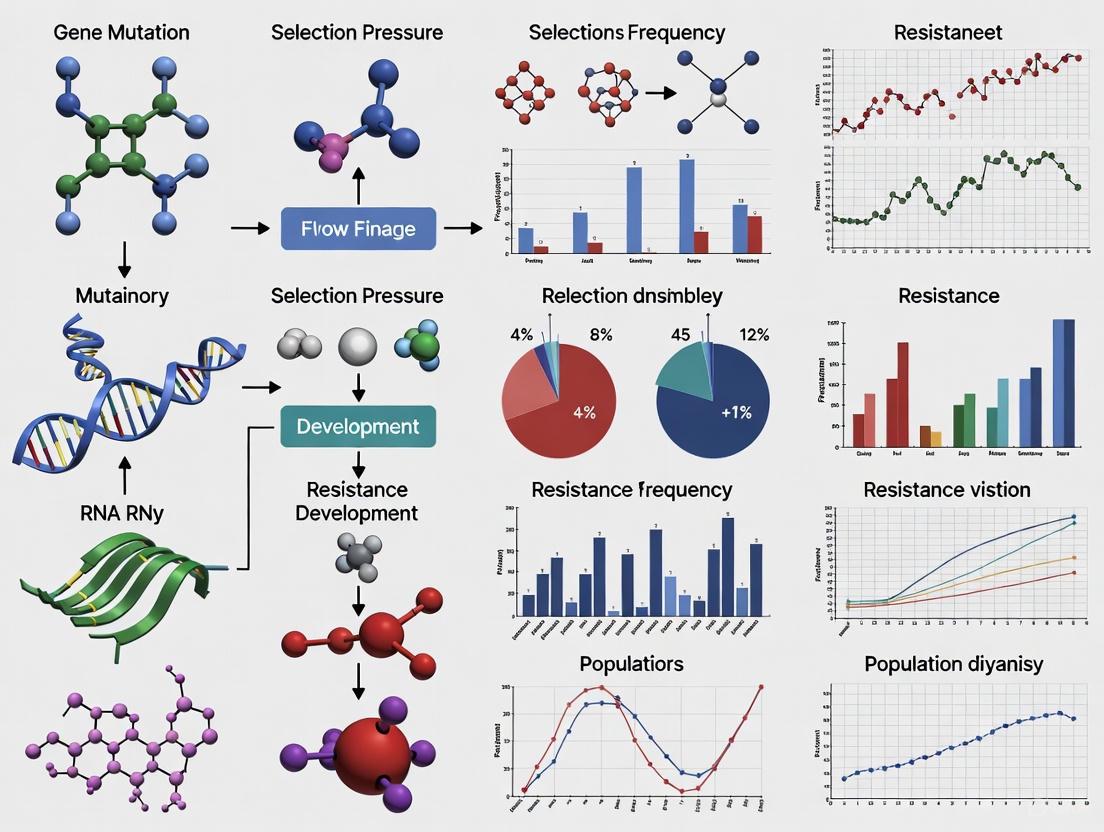
This article synthesizes contemporary research and emerging strategies for managing pesticide resistance through an evolutionary lens.
Evolutionary Arms Race: Strategic Approaches to Outmaneuver Pesticide Resistance
Abstract
This article synthesizes contemporary research and emerging strategies for managing pesticide resistance through an evolutionary lens. It explores the foundational understanding of resistance as a complex, socio-ecological 'wicked problem' that demands transdisciplinary solutions. We examine cutting-edge methodological tools, from computational models and transgenic technologies to social science frameworks, that are being applied to anticipate and counteract resistance evolution. The content further addresses the critical challenges in optimizing these strategies and validates new approaches through experimental and field-based evidence. Tailored for researchers, scientists, and development professionals, this review provides a comprehensive roadmap for developing more durable and sustainable pest management systems in agriculture and public health.
Decoding the Evolutionary Engine: Why Pesticide Resistance is a Wicked Problem
Frequently Asked Questions (FAQs)
FAQ 1: Why is pesticide resistance often considered inevitable in field populations? Resistance is considered inevitable due to the strong and continuous selection pressure exerted by pesticides. When a pesticide is applied, it creates an environment where susceptible individuals die, while those with any inherent genetic resistance survive and reproduce. Field populations are typically large and genetically diverse, providing a vast pool of genetic variation upon which selection can act. This allows for rapid selection of resistant individuals, often through multiple genetic pathways, making the emergence of resistance a highly probable outcome of intensive pesticide use [1] [2].
FAQ 2: What is the difference between laboratory-selected and field-evolved resistance, and why does it matter for management? The genetic basis of resistance observed in laboratory-selected strains often does not reflect what occurs in field populations. Laboratory selection typically uses smaller populations and constant selection pressure, which may favor the accumulation of multiple mutations with small effects. In contrast, field populations are larger and more heterogeneous, frequently leading to resistance through major-effect alleles that arise from standing genetic variation or recurrent de novo mutations. Relying solely on laboratory models can therefore lead to an incomplete understanding of resistance and ineffective management strategies [1] [2].
FAQ 3: How rapidly can high-level resistance emerge and spread in field populations? Documented cases show that high-level resistance can emerge and become widespread in as little as three to four years after a pesticide's introduction. For example, resistance to the acaricide cyetpyrafen in two-spotted spider mites and to the insecticide chlorantraniliprole in the striped rice stem borer in China evolved from susceptibility to high-level, field-failure resistance within this short timeframe [3] [1] [2].
FAQ 4: What are the primary genetic mechanisms driving the rapid evolution of resistance? Resistance can evolve through two primary genetic mechanisms:
- Standing Genetic Variation: Pre-existing, rare resistance alleles in a population before pesticide application.
- De Novo Mutations: New mutations that arise after the selection pressure is applied. Recent studies highlight the role of an unprecedented number of recurrent mutations, where the same resistance-conferring mutation appears independently in different geographic populations. This parallel evolution significantly increases the speed and likelihood of resistance becoming widespread [1] [2].
FAQ 5: What are the key social and ecological challenges to managing resistance at a landscape level? Pesticide resistance is a common pool resource problem; susceptibility is a shared resource depleted by individual actions. Key management challenges include:
- Lack of Coordinated Action: Individual farmers' decisions impact entire regions, but landscape-scale coordination is difficult to achieve.
- Low Social Capital: Community-based management often struggles with weak social networks, lack of trust, and a sense of isolation or fatalism among stakeholders.
- Adoption of Integrated Pest Management (IPM): Adoption of IPM remains minimal and often reactive, rather than proactive [4].
Troubleshooting Common Experimental & Research Challenges
Challenge 1: Discrepancy between laboratory resistance studies and field observations.
- Problem: Resistance mechanisms identified in controlled lab experiments do not match those found in field-resistant populations.
- Solution:
- Implement Experimental Evolution: Use laboratory selection experiments with large, genetically diverse populations to better mimic field conditions [1] [2].
- Conduct Longitudinal Field Monitoring: Regularly collect field populations for phenotypic (bioassay) and genotypic (genomic sequencing) analysis to track resistance in real-time [3] [1].
- Utilize Historical Specimens: Compare modern resistant populations with preserved, historical specimens (when available) to determine if resistance alleles were pre-existing or arose de novo [1] [2].
Challenge 2: Difficulty in predicting resistance evolution for new pesticide chemistries.
- Problem: It is challenging to forecast how quickly resistance will evolve and which genetic mechanisms will be used.
- Solution:
- Develop Predictive Models: Combine in silico population genetics models with in vivo validation. The use of model organisms like C. elegans provides a scalable system for testing predictions due to its short generation time and ease of genetic manipulation [5].
- Screen for Mutational Options: Identify all possible target-site mutations that can confer resistance through functional genomics. Understanding the full spectrum of potential changes helps anticipate field evolution [1] [2].
Challenge 3: Failure to engage farming communities in collective resistance management.
- Problem: Community-based management programs fail to launch or lose momentum despite initial interest.
- Solution:
- Build Entrepreneurial Social Infrastructure: Focus on developing three key components:
- Legitimization of Alternatives: Community networks that support and validate new management approaches.
- Resource Mobilization: Ability to gather necessary materials, funding, and expertise.
- Broad-Based Networks: Diverse, inclusive stakeholder groups that extend beyond a single leader [4].
- Strengthen Social Capital: Foster trust, shared norms, and robust communication networks among farmers, researchers, extension agents, and industry stakeholders [4].
- Build Entrepreneurial Social Infrastructure: Focus on developing three key components:
Experimental Protocols & Methodologies
Protocol 1: Standardized Bioassay for Resistance Phenotype Monitoring
This protocol is used to quantify the level of resistance in a collected field population [3].
- 1. Sample Collection: Collect target pest organisms from multiple field locations. Ensure samples are representative and properly preserved for transport to the laboratory.
- 2. Preparation of Test Subjects: Use a uniform life stage (e.g., third-instar larvae) to reduce variability.
- 3. Dose Response Setup: Prepare a series of pesticide concentrations. A common method is the seedling dip method: rice stems or leaves are dipped in pesticide solutions and then exposed to the pest [3].
- 4. Exposure and Incubation: Expose the test subjects to the treated medium and hold under controlled environmental conditions for a specified period (e.g., 24-72 hours).
- 5. Data Recording and Analysis: Record mortality counts. Use probit analysis to calculate the Lethal Dose 50 (LD50) or Lethal Concentration 50 (LC50)—the dose or concentration that kills 50% of the test population [3].
- 6. Resistance Factor (RF) Calculation: Calculate the Resistance Factor by dividing the LD50 of the field population by the LD50 of a known susceptible reference strain.
RF = LD50(field population) / LD50(susceptible strain)[3].
Protocol 2: Genomic Monitoring for Resistance Genotypes
This protocol identifies the specific genetic mutations responsible for resistance [1] [2].
- 1. DNA/RNA Extraction: Extract high-quality genetic material from resistant and susceptible individuals.
- 2. Whole Genome Sequencing (WGS) or Target-Gene Sequencing: Sequence the entire genome or focus on candidate genes (e.g., the pesticide target protein). For cytochrome P450s or other metabolic resistance genes, RNA-Seq can be used to identify overexpression.
- 3. Genome Scan and Association Analysis: Compare genomes of resistant and susceptible phenotypes to identify genetic variants (SNPs, indels) strongly associated with the resistance trait.
- 4. Functional Validation: Use techniques like CRISPR/Cas9 to introduce the candidate mutation into a susceptible background or express the mutant gene in a heterologous system to confirm it confers resistance.
Protocol 3: Experimental Evolution in a Model System (C. elegans)
This protocol uses the nematode C. elegans as a model to study resistance evolution dynamics in a controlled, scalable laboratory setting [5].
- 1. Strain Preparation: Start with a genetically diverse population or a mixture of susceptible and known resistant strains.
- 2. Compound Selection: Choose a pesticide with a well-defined mode of action.
- 3. Selection Regime: Expose large populations of C. elegans to sub-lethal concentrations of the pesticide over multiple generations. Include control populations reared without pesticide.
- 4. Fitness and Phenotyping: Periodically assess the populations for changes in resistance levels (via bioassays) and life-history traits (fecundity, development time) to measure potential fitness costs.
- 5. Genetic Analysis: Sequence individuals or pools from evolved populations to identify selected alleles and pathways.
- 6. Model Comparison: Compare the experimental results with predictions from in silico population genetics models to validate and refine the models [5].
Data Presentation: Quantitative Resistance Evolution
Table 1: Documented Cases of Rapid Pesticide Resistance Evolution in Field Populations
| Pest Species | Pesticide | Time to Widespread High Resistance | Key Genetic Mechanism(s) | Reference |
|---|---|---|---|---|
| Two-spotted spider mite (Tetranychus urticae) | Cyetpyrafen | ~3 years | 15 recurrent mutations across 8 residues of the target sdhB/sdhD genes; primarily de novo or from very rare standing variation [1] [2]. | [1] [2] |
| Striped rice stem borer (Chilo suppressalis) | Chlorantraniliprole | Rapid evolution post-2008 registration | Multiple major target-site mutations in the ryanodine receptor; parallel evolution across lepidopteran pests [3]. | [3] |
Table 2: Comparison of Laboratory vs. Field-Evolved Resistance Profiles
| Factor | Laboratory-Selected Resistance | Field-Evolved Resistance |
|---|---|---|
| Population Size | Small, limited diversity [1] [2] | Large, high genetic diversity [1] [2] |
| Common Genetic Basis | Often polygenic (multiple small-effect loci) or a limited set of large-effect alleles [1] [2] | Often monogenic, driven by major-effect alleles from a wide array of recurrent mutations [1] [2] |
| Selection Pressure | Constant, predictable [1] | Heterogeneous, influenced by farmer practices, weather, and landscape [4] |
| Primary Utility | Identifying potential mechanisms, fitness cost assessment [5] | Understanding real-world evolutionary dynamics, informing management strategies [3] [1] |
Signaling Pathways & Experimental Workflows
Selection Pressure to Control Failure
Resistance Monitoring Workflow
The Scientist's Toolkit: Research Reagent Solutions
Table 3: Essential Research Reagents and Materials for Pesticide Resistance Studies
| Reagent / Material | Function / Application | Example / Specification |
|---|---|---|
| Reference Insecticide | Used in bioassays to establish baseline susceptibility and calculate Resistance Factors (RF). | High-purity analytical standards of the pesticide under study (e.g., chlorantraniliprole, cyetpyrafen) [3] [1]. |
| Susceptible Strain | A genetically uniform strain with no known resistance alleles, serving as a control in experiments. | Lab-reared reference strain (e.g., C. elegans N2 wild-type for model studies; susceptible pest strains) [5]. |
| Bioassay Kits | Standardized materials for conducting dose-response mortality tests. | Materials for seedling dip, topical application, or diet incorporation assays [3]. |
| DNA/RNA Extraction Kits | High-quality nucleic acid isolation for downstream genomic and transcriptomic analyses. | Kits suitable for the specific pest organism (e.g., for small arthropods like spider mites). |
| Whole Genome Sequencing Kit | For comprehensive genome-wide identification of resistance mutations and polymorphisms. | Library prep kits for short-read (Illumina) or long-read (PacBio, Nanopore) sequencing [1] [2]. |
| qPCR Reagents | To quantify gene expression levels of potential detoxification genes (e.g., P450s). | SYBR Green or TaqMan probes, primers for target and housekeeping genes. |
| CRISPR-Cas9 System | For functional validation of candidate resistance mutations by genome editing. | Cas9 protein/gRNA, homology-directed repair template for introducing specific SNPs [1]. |
| LC-MS/MS System | To quantify pesticide residues and metabolites in plant or insect tissues. | Systems like the SCIEX Triple Quad 6500+ for high-sensitivity quantification [6]. |
Technical Support Center: FAQs & Troubleshooting Guides
Frequently Asked Questions (FAQs)
FAQ 1: Why is a transdisciplinary approach necessary for managing pesticide resistance?
Pesticide resistance is a "wicked problem," characterized by complex interplays between social, economic, and bio-ecological factors that resist simple solutions [7]. A focus solely on biological models ignores crucial elements such as farmer decision-making, economic pressures, social norms, and regulatory environments. Effective management requires integrating insights from social sciences (like psychology, sociology, and economics) with biophysical research to develop context-specific solutions [7].
FAQ 2: Our lab studies resistance evolution, but our insect populations are difficult to maintain at a large scale. Are there suitable model organisms?
Yes. Pest insect species are often unsuitable for large-scale laboratory evolution due to long generation times and difficulties in maintaining large populations. The nematode C. elegans presents a viable model organism for such studies [5]. It has a short 3-4 day lifecycle, can be cultured in large populations (tens of thousands), and is highly amenable to genetic manipulation. Importantly, it has sufficient biological homology to insects to provide pharmacologically relevant insights, with resistance mechanisms identified in C. elegans later being observed in field pest populations [5].
FAQ 3: What does a "knowledge deficit" approach mean, and why is it insufficient?
The "knowledge deficit" approach is the assumption that farmers develop resistance problems primarily because they lack knowledge of best practices, and that providing this information through brochures or field days will solve the issue [7]. However, this is often insufficient, as many farmers are already aware of resistance issues. The gap between knowledge and action is influenced by a wider set of factors, including economic constraints, social networks, values, and societal trends [7]. Effective interventions must address these broader contexts.
FAQ 4: How can I make complex research diagrams, like flowcharts of resistance evolution, accessible to colleagues with visual impairments?
For complex flowcharts, relying solely on the visual element is not accessible. The recommended practice is to provide both the visual and a text-based version [8].
- For the visual: Create a single, high-quality image of the entire flowchart with sufficient color contrast. Provide a concise alt-text that summarizes the chart's overall purpose and relationship, much like you would describe it over the phone [8].
- Text Version: Publish a text version using nested lists or a heading structure to communicate the same logical flow and relationships [8]. For example, use an ordered list with "If X, then go to Y" language for branching decision points [8].
Troubleshooting Common Experimental Research Challenges
Problem 1: Rapid Evolution of High Resistance in Controlled Selection Experiments
- Symptoms: A rapid, exponential increase in resistance allele frequency and phenotypic resistance is observed over few generations in laboratory populations, mirroring field reports of swift control failure [3].
- Investigation & Root Cause: This is often driven by strong selection pressure from a single compound, leading to the fixation of major target-site mutations. Prior field data on diamide insecticides showed resistance factors (RF) could escalate from susceptible (RF=1) to high-level (RF > 1000) within 5-8 years of product registration, primarily due to the spread of specific ryanodine receptor mutations [3].
- Resolution Protocol:
- Implement Rotations: Switch between insecticides with different, unrelated modes of action (e.g., Group 28 and Group 5) after a set number of generations to reduce selection for a single resistance mechanism [5].
- Use Mixtures: Where feasible, use a balanced mixture of insecticides with different targets from the start of the experiment, making it harder for a single resistance mechanism to confer survival [5].
- Monitor Genotypes: Do not rely on phenotype alone. Use genotyping (e.g., PCR) to track the frequency of known major resistance alleles in your population throughout the experiment [3].
Problem 2: Inability to Predict Resistance Evolution from Theoretical Models
- Symptoms: Discrepancies exist between in-silico population genetics model predictions and empirical results from laboratory or field observations.
- Investigation & Root Cause: Theoretical models often incorporate simplified assumptions that may not capture the full complexity of real-world systems, including pleiotropic costs of resistance, population structure, and the presence of multiple resistance mechanisms.
- Resolution Protocol:
- Adopt an Integrated Framework: Develop a proof-of-concept model that integrates in-silico modelling with in-vivo experimental validation. C. elegans is a suitable organism for this due to its scalability and well-characterized genetics [5].
- Parameterize with Real Data: Feed your models with empirical data on resistance allele fitness costs, dominance, and initial frequency derived from laboratory experiments [5].
- Iterate and Validate: Use the laboratory evolution experiments to test the predictions of your theoretical model, then refine the model based on the experimental outcomes to improve its predictive power [5].
Problem 3: Failure to Translate Lab Findings to Field Management Recommendations
- Symptoms: A management strategy that is highly effective in controlled laboratory settings fails to deliver expected results in agricultural fields.
- Investigation & Root Cause: The laboratory environment does not replicate the social and economic constraints faced by farmers, such as cost pressures, equipment availability, and advice from peer networks [7].
- Resolution Protocol:
- Conduct Social Science Research: Engage with social scientists to conduct surveys, interviews, or focus groups with farmers and agricultural advisors to understand the barriers to adopting recommended practices [7].
- Co-Develop Strategies: Involve end-users (farmers, advisors) early in the research process to jointly frame the problem and develop management strategies that are not only biologically sound but also practically feasible and economically viable [7].
- Leverage Social Networks: Identify and work with influential actors within farming communities to disseminate information and promote the adoption of resistance management practices, as people are more likely to accept advice from those they trust [7].
Experimental Protocols & Data
Quantitative Resistance Monitoring Protocol
This protocol outlines the standardized bioassay method for estimating the dose response curve and calculating the Resistance Factor (RF) in field-sampled pest populations [3].
- Method: Seedling dip bioassay. Rice stems are dipped in a range of pesticide doses before being exposed to the pest larvae [3].
- Key Measurement: Lethal Dose 50 (LD50) - the dose required to kill 50% of the test population.
- Calculation: Resistance Factor (RF) = LD50 of field population / LD50 of susceptible reference strain
- Baseline: A baseline LD50 must be established from a known susceptible population prior to insecticide deployment. For Chilo suppressalis and chlorantraniliprole, a reference baseline LD50 is 1.333 mg/larva [3].
Exemplar Quantitative Data: Diamide Resistance inChilo suppressalis
The table below collates data from resistance monitoring studies in China, demonstrating the rapid evolution of resistance to the diamide insecticide chlorantraniliprole [3].
| Year(s) Sampled | Location in China | Resistance Factor (RF) | Key Genetic Mechanism(s) Identified |
|---|---|---|---|
| 2008 (Baseline) | Multiple | 1 (Susceptible) | None (pre-registration baseline) [3] |
| 2010-2012 | Various counties | 5 - 50 (Low to Moderate) | Initial detection of target-site mutations (e.g., G4946E) [3] |
| 2013-2015 | Central & Eastern China | 100 - 500 (High) | Spread of multiple ryanodine receptor mutations (e.g., I4790M, Y4667D) [3] |
| 2016-2018 | Widespread | > 1000 (Very High) | Fixation and combination of major mutations, leading to control failure [3] |
The Scientist's Toolkit: Research Reagent Solutions
| Reagent / Material | Function in Resistance Research |
|---|---|
| C. elegans Strains | Model organism for large-scale, rapid experimental evolution studies due to short lifecycle and ease of culturing [5]. |
| Ryanodine Receptor Modulators (e.g., Diamides) | Insecticides used to apply selection pressure in experiments; key for studying target-site resistance mechanisms in Group 28 [3]. |
| PCR & Genotyping Assays | Essential for identifying and tracking the frequency of known resistance-conferring alleles (e.g., G4946E, I4790M) in population samples [3]. |
| Standardized Bioassay Kits | Used for phenotypic resistance monitoring through dose-response curves, allowing for calculation of LD50 and Resistance Factors (RF) [3]. |
Research Visualization
Diagram 1: Transdisciplinary Research Workflow
Diagram 2: Resistance Monitoring Protocol
Resistance to chemical controls, whether in agricultural pests or microbial pathogens, represents a compelling example of rapid evolution in action. Understanding the diverse mechanisms underlying this resistance is crucial for developing sustainable management strategies. This technical resource center provides researchers and scientists with experimental protocols, troubleshooting guides, and key resources for investigating the genetic, physiological, and behavioral mechanisms that drive resistance evolution.
Core Resistance Mechanisms: A Framework for Investigation
Resistance mechanisms can be broadly categorized into several types, each with distinct genetic and phenotypic manifestations. The table below summarizes the primary mechanisms and their characteristics.
Table 1: Fundamental Mechanisms of Resistance
| Mechanism Type | Genetic Basis | Key Functional Change | Example Pests/Pathogens |
|---|---|---|---|
| Target-Site Mutation | Single nucleotide polymorphisms (SNPs) in genes encoding target proteins [9] | Altered target site reduces binding efficiency of the pesticide/drug [9] | Rice stem-borer (Chilo suppressalis) resistance to diamides [3] |
| Metabolic Resistance | Overexpression or mutation of detoxification enzymes (e.g., P450 monooxygenases) | Enhanced degradation or sequestration of the toxic compound [9] | Pathogens resistant to benomyl fungicide [10] |
| Behavioral Resistance | Heritable changes in sensory or neural systems [11] | Avoidance behavior upon contact with sub-lethal doses of insecticide [12] | German cockroach and house fly aversion [12] |
| Reduced Permeability | Mutations in transport systems or cell envelope structures [9] | Decreased uptake or increased efflux of the toxic compound [9] | Bacterial resistance to aminoglycosides [9] |
Essential Experimental Protocols
This section provides detailed methodologies for key experiments in resistance research.
Protocol 1: Monitoring Phenotypic Resistance in Insect Populations
This standardized bioassay is used to estimate dose-response curves and calculate resistance factors (RF) in field-sampled populations [3].
Key Materials:
- Insect rearing facilities
- Pure active ingredient of the insecticide
- Solvent and control solution
- Rice seedlings or other host plants
- Precision applicator (e.g., micro-syringe)
Methodology:
- Sample Collection: Collect target pest insects (e.g., Chilo suppressalis larvae) from multiple field locations.
- Dose Preparation: Prepare a dilution series of the insecticide, typically 5-7 concentrations.
- Bioassay: Use the seedling dip method. Dip rice stems in the insecticide solutions for 10 seconds and allow to dry [3].
- Exposure: Place individual larvae on the treated seedlings. For each concentration, use at least 30 insects to ensure statistical power.
- Data Collection: Record mortality after 24, 48, and 72 hours. Correct for control group mortality using Abbott's formula if necessary.
- Data Analysis: Use probit analysis to calculate the lethal dose (LD₅₀) or lethal concentration (LC₅₀) for the population [3]. The Resistance Factor (RF) is calculated as: RF = LD₅₀ (field population) / LD₅₀ (susceptible reference strain).
Protocol 2: Investigating Ryanodine Receptor Target-Site Mutations
Diamide insecticides target the ryanodine receptor (RyR) in insect muscles. This protocol details how to identify mutations associated with resistance [3].
Key Materials:
- DNA extraction kit
- PCR reagents (primers, polymerase, dNTPs)
- Gel electrophoresis equipment
- Sanger sequencing or next-generation sequencing facilities
Methodology:
- DNA Extraction: Extract genomic DNA from resistant and susceptible insect strains.
- PCR Amplification: Design primers to amplify the region of the RyR gene known to harbor resistance mutations (e.g., the transmembrane domain). Perform PCR to amplify the target fragment.
- Sequencing: Purify PCR products and submit for Sanger sequencing.
- Variant Analysis: Align DNA sequences from resistant and susceptible insects. Identify non-synonymous SNPs (single nucleotide polymorphisms) that result in amino acid changes (e.g., G4946E, I4790M in C. suppressalis) [3].
- Validation: Use site-directed mutagenesis and functional assays in heterologous expression systems (e.g., cell lines) to confirm that the identified mutation confers resistance.
Protocol 3: Experimental Evolution with a C. elegans Model System
The nematode C. elegans serves as a scalable model for studying resistance evolution in the laboratory [5].
Key Materials:
- Wild-type and mutant C. elegans strains (e.g., resistant alleles available from the C. elegans Genetics Center)
- Nematode Growth Medium (NGM) plates
- Chemical compounds for selection (e.g., insecticides)
- Bleach solution (for synchronization)
Methodology:
- Strain Preparation: Start with a genetically diverse population or a mixture of susceptible and resistant strains.
- Experimental Design: Establish multiple replicate lines. Apply different selection regimes (e.g., constant dose, rotating insecticides, or mixtures) [5] [13].
- Selection Passages: Culture populations on NGM plates containing a selective concentration of the pesticide. The concentration should be high enough to exert selection pressure but allow some resistant individuals to survive.
- Population Maintenance: Every 3-4 days (one generation), synchronize populations using the bleaching technique to collect eggs for the next passage [5].
- Phenotyping: Periodically (e.g., every 10 generations), assess resistance levels in each line using dose-response bioassays.
- Genotyping: Sequence pooled populations or individual worms at different time points to track allele frequency changes at resistance loci.
Diagram 1: C. elegans Experimental Evolution Workflow
Troubleshooting Guide: FAQs for Researchers
Q: Our bioassay results show high variability in mortality between replicates. What could be the cause? A: High variability often stems from inconsistent insect age, size, or physiological state. Standardize your insect colony by using individuals of the same developmental stage (e.g., early 3rd instar larvae) and ensure uniform rearing conditions. Also, verify the accuracy of your serial dilutions and the even application of the pesticide to the test substrate [3].
Q: We have identified a genetic mutation in a suspected target gene. How can we definitively prove it confers resistance? A: Genetic association alone is not proof of causation. A robust validation requires:
- Correlation: The mutation must be consistently present in resistant phenotypes and absent (or rare) in susceptible ones across multiple populations.
- Functional Expression: Introduce the mutation into a susceptible model organism (e.g., via CRISPR/Cas9) and demonstrate a significant increase in the resistance phenotype [5].
- Biochemical Assay: Show altered binding of the pesticide to the mutated target protein in vitro [9].
Q: How can we distinguish true behavioral resistance from simple repellency or learned aversion? A: True behavioral resistance must be a heritable trait. Design a multi-generation selection experiment:
- Continuously expose a population to a sub-lethal dose of the insecticide that allows for a behavioral response (e.g., in a choice-test arena).
- Select and breed only those individuals that exhibit the avoidance behavior.
- If the propensity to avoid the insecticide increases over generations in the selected line compared to an unselected control line, this provides evidence for a heritable, behavioral resistance mechanism [11].
Q: What is the most effective strategy for deploying multiple pesticides to delay resistance: mixtures or rotations? A: Theoretical models and simulations often favor the mixture strategy when there is no cross-resistance. The mixture strategy ensures that individuals resistant to one toxin are killed by the other, making the inheritance of double resistance functionally recessive [13]. However, rotation can be superior under specific conditions, such as when insecticide efficacy is very high, dominance of resistance is low, and there is significant premating dispersal between treated and untreated areas [13]. The optimal choice depends on the pest's life history, the insecticides' properties, and the landscape context.
The Scientist's Toolkit: Key Research Reagents & Materials
Table 2: Essential Resources for Resistance Research
| Reagent/Material | Function/Application | Example Use Case |
|---|---|---|
| Reference Susceptible Strains | Baseline for calculating Resistance Factors (RF) in bioassays. | Comparing LD₅₀ values of field populations to a lab-maintained susceptible strain [3]. |
| C. elegans Wild-type (N2) & Mutant Strains | Model organism for experimental evolution and genetic studies of resistance. | Studying the dynamics of known resistance alleles under different selection regimes [5]. |
| Ryanodine Receptor (RyR) Primers | PCR amplification of target-site regions for sequencing. | Identifying G4946E mutation in diamide-resistant lepidopteran pests [3]. |
| Cell-based NF-κB Reporter Assay | Functional validation of pathway activation in disease models. | Confirming that mutations in TNFRSF17 (BCMA) constitutively activate NF-κB signaling in multiple myeloma [14]. |
| High-Fidelity PCR Kit | Accurate amplification of DNA fragments for sequencing and cloning. | Minimizing errors during amplification of resistance gene candidates prior to sequencing. |
Visualizing Key Resistance Pathways
Understanding the molecular targets of pesticides and drugs is fundamental. The following diagram illustrates the mechanism of diamide insecticides and a common resistance mutation.
Diagram 2: Diamide Insecticide Target and Resistance
Frequently Asked Questions (FAQs) and Troubleshooting
Q1: Our bioassays show a sudden, dramatic loss of cyetpyrafen efficacy in field-collected spider mite populations. What is the most likely genetic mechanism?
A: The failure is likely due to target-site mutations in the genes encoding succinate dehydrogenase (SDH), particularly the SdhB and SdhD subunits. Unlike resistance driven by a single mutation, your population may possess one of at least 15 different identified amino acid substitutions across these subunits. An unprecedented case documented five different substitutions at a single residue [15] [1]. This high number of mutational options means resistance can emerge from multiple independent genetic events rather than the spread of one pre-existing mutation.
Q2: How can I confirm if metabolic resistance mechanisms (like GSTs) are involved in my resistant strain?
A: You can perform the following investigative steps:
- Synergism Bioassays: Pre-treat mites with a synergist like diethyl maleate (DEM), which inhibits Glutathione S-transferase (GST) activity. If the mites subsequently show significantly increased susceptibility to cyetpyrafen in bioassays, it indicates GSTs are likely involved in detoxification [16].
- Enzyme Activity Assay: Directly measure GST enzyme activity in resistant and susceptible strains. A statistically significant elevation in activity in the resistant strain provides strong evidence for this mechanism [16].
- Gene Expression Analysis: Use qPCR to quantify the expression levels of GST genes. Significant overexpression in the resistant strain, especially across multiple life stages (eggs, nymphs, adults), points to a metabolic resistance role [16].
Q3: Our lab-selected resistant strain shows a different genetic basis for resistance compared to field-evolved strains. Why is this, and which is more relevant?
A: This discrepancy is common and expected. Field populations are larger and more genetically diverse, allowing the selection of multiple rare, large-effect mutations. In contrast, lab selection in smaller populations often favors the accumulation of multiple small-effect changes or a limited set of large-effect alleles not representative of the field [17] [1]. For designing real-world resistance management strategies, data from field-evolved resistance is more relevant, as it captures the true spectrum of genetic options available to the pest.
Q4: We detected a known resistance mutation, but it is absent in our historical collections. What does this imply?
A: This strongly suggests the mutation arose de novo (as a new substitution) after the introduction of cyetpyrafen selection pressure, or from an extremely rare pre-existing mutation that was undetectable in your screening method. This finding rules out the standing genetic variation as the primary source and highlights the capacity for rapid, recurrent evolution in response to strong selection [15] [1].
Q5: How can we improve the application of cyetpyrafen in the field to delay resistance and enhance efficacy?
A: Optimizing application technology is key. Research shows:
- Increase Spray Volume: Increasing the spray volume from 900 L/ha to 1050 L/ha significantly improved the control of T. urticae on strawberries, ensuring better coverage [18].
- Use Ozone Spray Technology: Field trials demonstrated that ozone spray applications resulted in significantly higher control effects on T. urticae*1 and 3 days after treatment compared to conventional and electrostatic sprays [18].
The following tables consolidate key quantitative findings from recent research on cyetpyrafen resistance.
Table 1: Laboratory Toxicity of Various Acaricides Against Tetranychus urticae [18]
| Acaricide | Mode of Action Group | LC50 for Adults (mg/L) | LC50 for Eggs (mg/L) |
|---|---|---|---|
| Cyetpyrafen | METI II | 0.226 | 0.082 |
| Cyenopyrafen | METI II | 0.240 | 0.097 |
| Cyflumetofen | METI II | 0.415 | 0.931 |
| Bifenazate | METI III | 3.583 | 18.56 |
| Abamectin | Avermectin | 5.531 | 25.52 |
| Etoxazole | Inhibitor of chitin synthesis | 267.7 | 0.040 |
Table 2: Characteristics of a Laboratory-Selected Cyetpyrafen-Resistant Strain [19]
| Property | Finding in Cyet-R Strain |
|---|---|
| Resistance Level | > 2,000-fold |
| Cross-Resistance | Cyenopyrafen (>2,500-fold), Cyflumetofen (~190-fold) |
| Mode of Inheritance | Autosomal, Incomplete Dominance |
| Number of Genes | Polygenic (Multigenic) |
| Fitness Cost | Fitness advantage observed (shorter development time, increased fecundity) |
Detailed Experimental Protocols
Protocol 1: Monitoring Resistance Evolution in Field Populations
Objective: To track the emergence and spread of cyetpyrafen resistance in Tetranychus urticae field populations over time and space [15] [17] [1].
Materials:
- Field-collected mite populations from multiple geographical regions
- Susceptible reference mite strain
- Technical grade cyetpyrafen
- Solvent (e.g., acetone) and surfactant (e.g., Tween-80)
- Leaf discs (e.g., bean, strawberry)
- Potter spray tower or similar precise application equipment
- Controlled environment chambers (25±1°C, 60% RH, 16:8 L:D)
Methodology:
- Sample Collection: Systematically collect mite samples from a wide geographic area before the introduction of a new acaricide (if possible) and for several years after its commercial release.
- Bioassay: Use a standardized leaf-disc spray method. Serially dilute cyetpyrafen in a solvent-water-surfactant solution.
- Application: Use a Potter spray tower to apply a precise volume (e.g., 1.5 mg/cm²) of each dilution onto leaf discs. Include solvent-only treatments as controls.
- Exposure: Transfer adult female mites onto the treated leaf discs. Maintain in controlled environment chambers.
- Assessment: Record mortality after a set period (e.g., 24 or 48 hours). Mites are considered dead if they show no movement after gentle probing.
- Data Analysis: Use probit analysis to calculate the median lethal concentration (LC50) for each population and time point. Plot the geographical and temporal spread of resistance.
Protocol 2: Identification of Target-Site Mutations via Population Genomics
Objective: To identify and characterize mutations in the target-site genes (sdhB, sdhC, sdhD) associated with resistance [15] [1].
Materials:
- Resistant and susceptible mite populations (fresh or preserved)
- DNA/RNA extraction kits
- PCR thermocycler and reagents
- Next-generation sequencing platform (e.g., Illumina)
- Bioinformatics software for genome assembly and variant calling
Methodology:
- DNA/RNA Sequencing: Perform whole-genome or transcriptome sequencing on pooled or individual mites from resistant and susceptible populations.
- Variant Calling: Map sequencing reads to a reference genome (e.g., Tetranychus urticae) and call genetic variants (SNPs, indels).
- Selective Sweep Scan: Perform genome-wide scans for signatures of selective sweeps (e.g., reduced nucleotide diversity, skewed allele frequency spectra) in resistant populations compared to susceptible ones.
- Candidate Gene Analysis: Focus analysis on genes in the significantly differentiated genomic regions, particularly the known target genes (sdhB, sdhC, sdhD).
- Validation: Validate candidate mutations using Sanger sequencing or targeted amplicon sequencing in additional resistant and historical samples to confirm the association and determine if mutations are de novo or from standing variation.
Essential Research Reagents and Materials
Table 3: Research Reagent Solutions for Cyetpyrafen Resistance Studies
| Reagent / Material | Function / Application | Key Notes |
|---|---|---|
| Technical Grade Cyetpyrafen | Standard for bioassays and selection experiments | Ensure high purity for accurate LC50 determination. |
| Synergists (e.g., DEM, PBO) | To identify metabolic resistance mechanisms | DEM inhibits GSTs; PBO inhibits P450s [16]. |
| Succinate Dehydrogenase (SDH) Enzyme Assay Kit | Functional validation of target-site mutations | Measures enzyme activity to confirm if mutations impair inhibitor binding. |
| cDNA Synthesis & qPCR Kits | Gene expression analysis of detoxification genes | Quantify overexpression of genes like PcGSTO1 [16]. |
| PCR Reagents & Sanger Sequencing | Genotyping and validation of target-site mutations | Confirm the presence of specific sdhB and sdhD mutations. |
| Strawberry or Bean Plants | Host plants for mite rearing and bioassays | Ensure use of a consistent, susceptible plant variety. |
Signaling Pathways and Experimental Workflows
Cyetpyrafen Resistance Mechanisms
Resistance Research Workflow
The Modern Resistance Management Toolkit: From Computational Models to Field Applications
Frequently Asked Questions (FAQs)
FAQ 1: What are the primary genetic sources of pesticide resistance, and how do they influence computational modeling? Resistance can originate from de novo mutations (new mutations appearing after pesticide application) or be selected from standing genetic variation (pre-existing polymorphisms in the population) [20]. The source significantly impacts forecasting: resistance from standing variation typically emerges faster and is more repeatable across populations, while de novo mutation can lead to more unpredictable, unique genetic solutions [20]. Models must account for these origins to accurately project resistance evolution and inform anti-resistance strategies like pesticide rotation.
FAQ 2: How can dynamic programming principles be applied to manage pesticide resistance? Dynamic optimization problems, where the training data or environment changes over time, are a key application area [21]. In resistance management, this translates to treating successive pest generations as a changing dataset. Open-ended evolutionary algorithms, like the Age-Layered Population Structure (ALPS), can run continuously, adapting management strategies by leveraging past population data instead of restarting from scratch each season, thus mimicking dynamic programming for more efficient long-term planning [21].
FAQ 3: What is the difference between single-step and multi-step pesticide resistance?
- Single-step resistance arises suddenly from a single genetic change, causing a rapid population shift from susceptible to resistant after just one or two pesticide applications. Examples include resistance to streptomycin and benomyl [10].
- Multi-step resistance develops gradually over many years through the accumulation of multiple genes, each conferring a small increase in tolerance. The population shows a continuous range of sensitivity, with control eroding slowly, as seen with sterol inhibitor (SI) fungicides [10].
FAQ 4: Why are population genetics models vital for forecasting resistance? The gene pool of a pest population naturally contains variation [10]. Pesticide application applies strong artificial selection, increasing the frequency of resistant individuals in each generation [10]. Population genetics models simulate this process of selection on genetic variation, allowing researchers to forecast the rate of resistance development under different management scenarios, such as varying application frequencies or using mixtures of pesticides [20] [10].
Troubleshooting Common Experimental Issues
Issue 1: Model Failure to Predict Rapid Resistance Emergence
Problem: Your computational model consistently underestimates the speed at which resistance develops in a pest population.
| Potential Cause | Diagnostic Check | Solution |
|---|---|---|
| Incorrect resistance origin assumption | Review genetic data from pre-treatment and early-resistance populations for evidence of multiple resistant alleles, suggesting standing variation [20]. | Recalibrate the model to account for selection from standing genetic variation rather than waiting for de novo mutations. |
| Overlooking pleiotropic co-option | Investigate if pre-existing adaptations (e.g., for detoxifying plant compounds) are being co-opted for pesticide resistance [20]. | Include known detoxification pathways and efflux systems as potential pre-adaptations in the model's genotype-to-phenotype map. |
| Insufficient selection pressure | Audit the simulation's fitness function to ensure it accurately reflects the high mortality rate imposed by the pesticide. | Adjust fitness penalties to ensure a strong selective advantage for resistant genotypes. |
Issue 2: Inaccurate Parameter Estimation in Genetic Algorithms
Problem: The genetic algorithm (GA) for optimizing symbolic regression models fails to converge on meaningful parameters or becomes trapped in poor solutions.
| Potential Cause | Diagnostic Check | Solution |
|---|---|---|
| Premature convergence | Monitor population diversity metrics (e.g., unique variable frequencies). A rapid drop indicates a lack of genetic diversity [21]. | Increase the mutation rate to reintroduce variation [21] or implement an Age-Layered Population Structure (ALPS) to automatically reseed the population with new individuals. |
| Ineffective fitness function | Test if the fitness function (e.g., mean squared error) is sufficiently sensitive to small, meaningful improvements in the model. | Incorporate multi-objective optimization that balances model accuracy with complexity (parsimony pressure) to avoid overfitting. |
| Poor initial population | Analyze the distribution of initial solutions. A narrow distribution may start the search in a non-optimal region. | Use techniques like ramped half-and-half for generating a diverse initial population of symbolic models. |
Experimental Protocols for Key Methodologies
Protocol 1: Modeling Resistance Evolution Using Population Genetics and Dynamic Programming
Objective: To simulate the evolution of pesticide resistance in a pest population under different management strategies and forecast resistance emergence.
Materials and Reagents:
- Computational Environment: A programming environment suitable for evolutionary algorithms (e.g., Python with DEAP or R).
- Initial Genetic Parameters: Data on initial allele frequencies for resistance genes, if available from field monitoring.
- Fitness Functions: Defined selection coefficients representing the fitness advantage of resistant vs. susceptible genotypes under pesticide application.
Methodology:
- Population Initialization:
- Define a population of
Nindividuals, each with a genotype representing one or more loci involved in resistance. - Set the initial frequency of resistance alleles based on empirical data or a low default value (e.g., 0.001) for de novo scenarios, or a higher, polymorphic frequency for standing variation scenarios [20].
- Define a population of
Selection Cycle (One Generation):
- Apply Selection: Expose the virtual population to a "pesticide application." Calculate the fitness of each genotype based on its resistance profile and the pesticide's efficacy. Resistant individuals have a higher probability of survival and reproduction.
- Reproduction: Selected individuals reproduce to form the next generation. Use a mating algorithm that includes recombination (crossover) and mutation. A standard mutation rate (e.g., 10^-5 to 10^-6 per locus per generation) is often sufficient, but monitor for diversity loss [21].
Dynamic Management Intervention (Decision Point):
- At defined intervals (e.g., every 5 generations), execute the dynamic programming logic. Based on the current state of the population (e.g., resistance allele frequency), choose an action from the set
{Apply Pesticide A, Apply Pesticide B, Apply Mixture, No Spray}. - The choice is made to maximize a long-term reward, such as maintaining control for the maximum number of generations or minimizing total pesticide use.
- At defined intervals (e.g., every 5 generations), execute the dynamic programming logic. Based on the current state of the population (e.g., resistance allele frequency), choose an action from the set
Data Recording and Iteration:
- Track key metrics each generation: resistance allele frequency, population size, and management action taken.
- Repeat steps 2-4 for hundreds or thousands of generations to project long-term resistance dynamics.
Validation:
- Compare model outputs, such as the predicted time to resistance failure, against historical field data if available.
Protocol 2: Ensemble Genetic Programming for Forecasting Resistance Spread
Objective: To improve the accuracy of predicting future resistance levels by combining multiple optimization models into a single, robust forecast.
Materials and Reagents:
- Historical Data: Time-series data on resistance prevalence, pesticide use history, and environmental factors.
- Base Models: Implementations of a Genetic Algorithm (GA), Particle Swarm Optimization (PSO), and Simulated Annealing (SA) [22].
Methodology:
- First-Stage Forecasting:
- Use the historical data to train multiple base models (e.g., GA, PSO, SA) to find the parameters of regression models (e.g., linear, quadratic) that best fit the observed resistance trends [22].
- Each model produces a preliminary forecast of future resistance levels.
Ensemble Integration via Genetic Programming (GP):
- Use the forecasts from the best-performing first-stage models (e.g., GAQuadratic, PSOQuadratic) as input variables for a second-stage GP [22].
- The GP evolves symbolic expressions (mathematical formulas) that non-linearly combine the initial forecasts to produce a final, refined prediction.
Validation and Projection:
- Validate the ensemble model's performance on a held-out portion of historical data using metrics like Mean Absolute Percentage Error (MAPE) [22].
- Use the validated model to project future resistance levels under different pesticide usage scenarios.
Research Reagent Solutions
| Item Name | Function/Application | Key Characteristics |
|---|---|---|
| Genetic Algorithm (GA) | Optimizes parameters for symbolic regression models that describe resistance dynamics [21] [22]. | Population-based, uses selection, crossover, and mutation; prone to premature convergence without high mutation or diversity mechanisms [21]. |
| Age-Layered Population Structure (ALPS) | An open-ended evolutionary algorithm for dynamic environments that prevents population stagnation [21]. | Uses age layers to reseed populations, making it less sensitive to mutation rates and effective for continuous adaptation [21]. |
| Particle Swarm Optimization (PSO) | An alternative optimization method for model calibration, inspired by social behavior [22]. | Often effective for quadratic models; can be used as a base learner in ensemble forecasting methods [22]. |
| Standing Genetic Variation | The pre-existing polymorphisms in a population that serve as the raw material for rapid resistance evolution [20]. | Leads to faster, more repeatable resistance compared to de novo mutation; critical for accurate risk assessment. |
Workflow and Pathway Diagrams
Genetic Programming for Dynamic Symbolic Regression
Population Genetics of Resistance
FAQs: Gene Drive Mechanisms and Design
1. What is a gene drive and how does it differ from traditional Mendelian inheritance? A gene drive is a self-propagating genetic mechanism that biases its own inheritance, allowing it to spread through a population faster than traditional Mendelian inheritance. In standard Mendelian inheritance, an allele has a 50% chance of being passed to offspring. Gene drives "rig" this competition, enabling desired genetic variants to spread rapidly, even if they confer disadvantageous traits to the organism [23].
2. What are the main types of gene drives? There are two primary categories: natural and synthetic gene drives. Natural gene drives (like transposable elements or Homing Endonuclease Genes) occur in nature. Synthetic gene drives are engineered in the lab to achieve specific outcomes. Furthermore, engineered drives are often classified by their intended effect: suppression drives aim to reduce population size, while modification/replacement drives aim to alter a population's traits [23] [24].
3. How does CRISPR-Cas9 improve gene drive technology? CRISPR-Cas9 has revolutionized gene drive development by providing a precise, easy-to-use, and efficient genome-editing tool. Its key advantages over previous technologies (like ZFNs and TALENs) include higher precision, lower off-target editing, a wider range of genomic targets, and greater ease of engineering, which has accelerated research and expanded potential applications [23] [25].
4. What is a "self-eliminating" or "self-limiting" gene drive? A self-limiting gene drive is designed to spread a genetic modification and then disappear from the population. For example, the "e-Drive" (self-eliminating allelic drive) system is programmed to convert insecticide-resistant genes back to their natural, susceptible form. Because the drive cassette imposes a fitness cost (e.g., reduced male mating success), it is rapidly eliminated from the population after its task is complete, offering a controlled, temporary intervention [26].
Troubleshooting Guides: Common Experimental Challenges
Challenge 1: Low Inheritance Bias (Homing Efficiency)
Problem: The gene drive is not spreading through the target population at the expected super-Mendelian rate.
| Potential Cause | Recommended Solution |
|---|---|
| Inefficient gRNA design: The guide RNA has low cleavage efficiency or off-target effects. | Re-design gRNA to ensure optimal sequence specificity and efficiency; use validated bioinformatics tools for design and in vitro validation. |
| "Leaky" expression: Cas9 is expressed at low levels or in the wrong tissue. | Utilize a stronger or more specific germline promoter (e.g., the vasa2 promoter) to ensure robust Cas9 expression in the germline [25] [27]. |
| Resistance alleles: The formation of mutations at the cut site that block further cleavage. | Target highly conserved, essential genomic regions to reduce the likelihood of functional resistance alleles; use multiple gRNAs [25]. |
Challenge 2: Formation of Resistance Alleles
Problem: Cutting the target chromosome leads to mutations that block the drive, rather than the desired copying via Homology-Directed Repair (HDR).
| Potential Cause | Recommended Solution |
|---|---|
| Dominance of NHEJ repair: The cell repairs the Cas9-induced break via error-prone Non-Homologous End Joining. | Favor HDR by optimizing the timing of Cas9 expression to coincide with the cell cycle stage when HDR is most active [25]. |
| Inefficient repair template: The homologous DNA template is not available or accessible. | Ensure the homologous "donor" template is present on the drive allele and is of sufficient length; optimize the design of the HDR cassette [23] [25]. |
| Unviable target site: The target gene can tolerate disruptive mutations. | Target a haplo-sufficient gene where disruptive mutations are non-viable or confer a severe fitness cost, thus preventing their spread [25]. |
Challenge 3: Unintended Fitness Costs and Somatic Effects
Problem: The gene drive construct reduces the organism's viability or fertility, hindering its ability to spread.
| Potential Cause | Recommended Solution |
|---|---|
| Somatic Cas9 activity: Cas9 expression in non-germline tissues causes damaging cuts. | Use a germline-specific promoter to restrict Cas9 expression. Note that some somatic "leakiness" can be harnessed for specific effects, as in the MDFS system [27]. |
| Insertional mutagenesis: The drive insertion disrupts the function of the target gene or a nearby gene. | Carefully characterize the insertion site and the phenotype of homozygous and heterozygous individuals to assess any disruptive effects [25]. |
| Energetic cost of expression: The metabolic burden of expressing Cas9 and gRNAs. | Investigate the use of naturally occurring, "minimized" Cas9 variants that impose a lower fitness burden on the host [25]. |
Challenge 4: Confinement and Safety in Laboratory Studies
Problem: Ensuring the gene drive is safely studied in the lab without unintended environmental release.
| Potential Cause | Recommended Solution |
|---|---|
| Potential for escape: Accidental release of gene drive organisms from the lab. | Implement strict physical containment (e.g., double-door entry, filtered ventilation) and ecological confinement (e.g., studying non-local species) [24]. |
| Lack of molecular confinement: The drive is fully functional and could spread if released. | Develop and use "split-drive" systems where the Cas9 and gRNA components are separated. The drive only functions when both are present, enhancing control [25]. |
| Insufficient oversight: Inadequate review of experimental plans. | Follow a phased pathway from laboratory research to potential release, with continuous risk assessment and oversight at each stage [24]. |
Experimental Protocols: Key Methodologies
Protocol 1: Laboratory Testing of a Suppression Drive
This protocol outlines the testing of a suppression drive, such as one targeting the doublesex gene for female sterility in mosquitoes [27].
Workflow:
- Stable Line Generation: Microinject the gene drive construct (e.g., Cas9 under a germline promoter + dsx-targeting gRNA) into embryos of the target species to create stable transgenic lines.
- Crossing Scheme: Cross heterozygous gene drive males with wild-type females.
- Inheritance Rate Calculation: Genotype the offspring to determine the transmission rate of the drive allele. A rate significantly above 50% indicates successful homing.
- Phenotypic Screening: Screen for the expected phenotypic outcome (e.g., intersexuality and sterility in homozygous dsx mutant females).
- Population Cage Trials: Introduce a defined number of gene drive-bearing individuals into caged wild-type populations. Monitor the population size and drive allele frequency over multiple generations to assess suppression efficacy [27].
Protocol 2: Testing a Self-Eliminating Drive (e-Drive)
This protocol is for testing a drive designed to reverse insecticide resistance and then disappear, as demonstrated in fruit flies [26].
Workflow:
- Construct Design: Engineer a drive cassette that targets a mutant, insecticide-resistant allele (e.g., in the vgsc gene) and replaces it with the wild-type, susceptible version. Include a fitness cost mechanism (e.g., on the X-chromosome to reduce male fertility).
- Initial Cross: Cross e-Drive males with resistant females.
- Frequency Monitoring: Track the frequency of the e-Drive cassette and the wild-type allele in the population over each generation.
- Observe Decline: Confirm that the e-Drive cassette frequency peaks and then declines as the population is converted back to insecticide susceptibility.
- Verification: After the cassette disappears, verify that the population is homozygous for the restored wild-type gene and susceptible to the insecticide [26].
Table 1: Efficacy of Selected Gene Drive Systems in Laboratory Studies
| Gene Drive System | Target Species | Target Gene / Trait | Key Efficacy Metric | Source |
|---|---|---|---|---|
| CRISPR Homing Suppression Drive | Anopheles gambiae | doublesex (female sterility) | Population elimination in cages after a single 12.5% release of transgenic males [27]. | Nature Comm. 2025 |
| Self-Eliminating e-Drive | Drosophila melanogaster | vgsc (insecticide resistance reversal) | 100% of offspring converted to wild-type allele in 8-10 generations [26]. | Nature Comm. 2022 |
| Male-Drive Female-Sterile (MDFS) | Anopheles gambiae | doublesex (dominant female sterility) | Population elimination in cages after repeated releases; super-Mendelian inheritance [27]. | Nature Comm. 2025 |
Table 2: Common Molecular Reagents for Gene Drive Construction
| Research Reagent | Function / Explanation | Example Use Case |
|---|---|---|
| Cas9 Nuclease | Creates a double-strand break in the DNA at a location specified by the guide RNA. The "scissors" for genome editing. | Core component of all CRISPR-based homing gene drives [23] [25]. |
| Guide RNA (gRNA) | A short RNA sequence that directs the Cas9 protein to a specific genomic target site. | Determines the specificity of the gene drive; designed to target essential genes [23]. |
| Germline-Specific Promoter | A DNA sequence that drives the expression of Cas9 specifically in the germline cells. | Restricts drive activity to the gametes, reducing somatic effects (e.g., vasa2 promoter) [25] [27]. |
| Homology Arms | DNA sequences flanking the drive construct that are identical to the target site; facilitate Homology-Directed Repair. | Enables the copying of the drive allele into the wild-type chromosome [23] [25]. |
| Fluorescent Marker (e.g., eCFP) | A visual reporter gene used to easily identify transgenic individuals under a microscope. | Screening for successful integration and inheritance of the drive construct [27]. |
Troubleshooting Guides & FAQs
Q1: Our field monitoring shows resistance to a new pesticide evolved much faster than our models predicted. What could be the cause?
A: Rapid resistance evolution is often driven by the recurrent emergence of multiple, independent target-site mutations in field populations [1]. This is different from the slow spread of a single pre-existing mutation.
- Diagnosis Checklist:
- Sequence the target gene: Check for multiple amino acid substitutions at the target site, especially at different residue positions. The presence of several distinct mutations indicates recurrent de novo evolution [1].
- Analyze genetic backgrounds: If identical mutations appear on different genetic backgrounds, it confirms independent evolutionary events rather than the spread of one resistant lineage [1].
- Review usage history: Intensive, repetitive use of a single mode of action creates strong homogenous selection that favors these rapid adaptations [28] [3].
Q2: We implemented a pesticide mixture strategy, but now observe cross-resistance to unrelated chemistries. Why did this happen?
A: This is a potential trade-off where mixtures select for generalist resistance mechanisms instead of specialist ones [29]. Your strategy may have successfully reduced selection for specific target-site mutations (specialist resistance) but inadvertently favored non-target-site resistance (NTSR) mechanisms [29].
- Diagnosis Checklist:
- Measure generalist resistance biomarkers: Quantify the expression levels of detoxification enzymes, such as glutathione-S-transferases (e.g., AmGSTF1 in blackgrass). An increase is indicative of an enhanced metabolic NTSR mechanism [29].
- Conduct dose-response assays: Test population survival against pesticides with different modes of action. Simultaneous resistance to multiple, unrelated classes strongly suggests a generalist NTSR mechanism is at play [29].
- Audit pesticide history: Compare fields with and without a history of mixture use. Epidemiological data can show a correlation between mixture intensity and the level of NTSR [29].
Q3: Our laboratory selection experiments are not replicating the resistance patterns seen in the field. What is a major limitation of our experimental system?
A: A key limitation is the small effective population size (Ne) and low genetic diversity of typical laboratory populations. This restricts the available mutational options for resistance to evolve compared to large, heterogeneous field populations [5] [1].
- Diagnosis Checklist:
- Compare resistance alleles: Identify the resistance mutations in your field samples. If these alleles are absent from your lab-selected strains, your starting lab population lacked the necessary genetic diversity [1].
- Evaluate population size: Laboratory populations often number in the hundreds or low thousands, which severely limits the pool of rare, large-effect mutations available for selection. Field populations are orders of magnitude larger [5] [1].
- Consider a model system: If working with large insect populations is infeasible, explore surrogate organisms like C. elegans that can be cultured in large numbers (tens of thousands) for evolutionary experiments, provided their pharmacology is relevant to your research [5].
Q4: We are designing a resistance management strategy. Should we prioritize mixtures or rotations?
A: The optimal choice is highly system-specific and there is no universal best strategy [28]. The success depends on underlying resistance genetics and the mechanisms present in your pest population.
- Diagnosis & Strategy Selection Table:
| Strategy | Best Suited For | Key Prerequisites for Success | Major Risks |
|---|---|---|---|
| Mixtures | Systems where resistance alleles are rare and fully recessive [28]. | Co-formulation is possible; both components remain highly effective; redundant killing is achieved [28]. | Selects for generalist NTSR mechanisms [29]. Can rapidly select for double-resistant genotypes if resistance is not recessive [28]. |
| Rotations | Situations where using a single mode of action for a defined period is feasible. | Resistance alleles to each insecticide have associated fitness costs that reduce their frequency when the selective pressure is removed [28]. | Requires strict discipline and monitoring. Less effective if resistance alleles have no fitness cost or if NTSR is present [28]. |
Experimental Protocols for Key Studies
Protocol 1: Monitoring Quantitative Resistance Phenotypes in Field Populations [3]
- Objective: To estimate the resistance factor (RF) in a field-collected pest population.
- Materials: Field-collected pest specimens, susceptible reference strain, pesticide of interest, bioassay equipment (e.g., vials, pots), solvent.
- Methodology:
- Standardized Bioassay: Expose the test population to a series of doses of the pesticide using a standard method like the seedling dip assay for stem-borers or leaf dip for other pests [3].
- Dose-Response Curve: Record mortality at each dose after a set exposure period. Use probit analysis to calculate the lethal dose that kills 50% of the population (LD~50~) [3].
- Resistance Factor (RF) Calculation: Calculate the RF by dividing the LD~50~ of the field population by the LD~50~ of a susceptible reference strain (baseline measurement) [3].
- Key Formula:
RF = LD50 (field population) / LD50 (susceptible baseline)
Protocol 2: An Experimental-Theoretical Framework for Predicting Resistance Evolution [5]
- Objective: To validate in silico models of resistance evolution with laboratory selection experiments.
- Materials: C. elegans strains (including strains with known resistance-conferring alleles), pesticides with defined modes of action, NGM plates, bleach solution for synchronization, population genetics modelling software.
- Methodology:
- In Silico Modelling: Develop a population genetics model simulating the selection of known resistance alleles in a population with defined starting frequency, fitness costs, and selection pressure [5].
- Laboratory Selection: Expose large, replicate populations of C. elegans to the pesticide over multiple discrete generations (achieved through bleaching synchronization). Maintain a known selection pressure [5].
- Phenotypic Monitoring: Periodically sample populations and use bioassays to measure the change in resistance over generations [5].
- Genotypic Validation: Sequence target genes from sampled populations to track allele frequency changes [5].
- Model Validation: Compare the experimentally observed resistance dynamics (both phenotypic and genotypic) to the predictions of the in silico model [5].
Data Presentation
Table 1: Quantitative Dynamics of Chlorantraniliprole Resistance in Chilo suppressalis in China [3]
| Year | Sample Location (County) | Resistance Factor (RF) | Primary Resistance Mechanism Identified |
|---|---|---|---|
| Pre-2008 | Various (Baseline) | 1.0 (by definition) | Susceptible |
| ~2010 | Multiple | 5 - 50 | Emerging target-site mutations |
| ~2015 | Widespread | 100 - >1000 | Multiple, prevalent target-site mutations (e.g., in ryanodine receptor) |
Table 2: Epidemiological Link Between Herbicide Mixtures and Resistance Mechanism Selection in Blackgrass [29]
| Historical Herbicide Use Pattern | Impact on Specialist Target-Site Resistance (TSR) | Impact on Generalist Non-Target-Site Resistance (NTSR) | Net Effect on Phenotypic Resistance |
|---|---|---|---|
| Low mixture use / Single MOA | Increased frequency | No significant change or decrease | Increased resistance, primarily driven by TSR |
| High mixture use | Decreased frequency | Increased level (e.g., higher AmGSTF1) | Variable; trade-off between reduced TSR and increased NTSR |
Visualizations
Diagram 1: Resistance Evolution Pathways
Diagram 2: Experimental-Theoretical Workflow
The Scientist's Toolkit: Research Reagent Solutions
Table 3: Essential Materials for Resistance Evolution Research
| Research Reagent / Material | Function in Experiment | Example Application |
|---|---|---|
| Susceptible Reference Strain | Provides a baseline LD~50~ for calculating Resistance Factors (RF) in bioassays [3]. | Used in all phenotypic resistance monitoring. |
| Strains with Known Resistance Alleles | Enable the study of specific resistance mechanisms and their dynamics during selection [5]. | Tracking allele frequency in experimental evolution; testing cross-resistance patterns. |
| Model Organism (C. elegans) | A scalable surrogate system for studying resistance evolution with discrete generations and genetic tools [5]. | Proof-of-concept experimental-theoretical studies on resistance management strategies [5]. |
| Biomarker for NTSR (e.g., AmGSTF1) | A protein whose concentration serves as a quantitative indicator of a generalist metabolic resistance mechanism [29]. | Epidemiological studies linking management practices (e.g., mixtures) to NTSR selection [29]. |
| Population Genetics Model | A computational framework to simulate and predict the changes in resistance allele frequencies under different management strategies [5]. | In silico testing of rotation vs. mixture strategies before costly field implementation [28] [5]. |
Frequently Asked Questions (FAQs)
FAQ 1: What is the relevance of social science and community engagement to pesticide resistance management? Pesticide resistance is an evolutionary process driven by selection pressure [3]. Area-wide management seeks to reduce this pressure across a landscape. Social science and community engagement are critical because resistance management is ultimately a human behavioral challenge; its success depends on the collective actions of multiple stakeholders, such as farmers adopting uniform pest control strategies. Behavioral theories provide frameworks for encouraging these necessary behavior changes [30] [31].
FAQ 2: How can a "small wins" approach help a long-term resistance management program? The "small wins" approach involves breaking down large, complex problems like area-wide resistance into smaller, more manageable components [31]. Successfully changing a specific, observable behavior (e.g., achieving farmer agreement on a restricted pesticide list in one small district) provides positive reinforcement. This documented success can build momentum, sustain engagement, and demonstrate the feasibility of the larger program to a broader audience [31].
FAQ 3: What does "resident control" mean in the context of community engagement, and why does it matter? Resident control refers to the level of decision-making power and active involvement that community members have in planning and implementing change activities, as opposed to simply participating in an externally led program [30]. Research shows that higher levels of resident control are associated with stronger development of social capital and collective behavioral action, which are key drivers for sustainable, community-led resistance management [30].
FAQ 4: My resistance monitoring shows a rapid increase in resistance alleles. Is this due to evolutionary selection or genetic drift? In large, stable populations, a rapid and consistent increase in the frequency of a specific resistance allele is a strong indicator of positive selection [3] [5]. Genetic drift typically causes random fluctuations in allele frequencies and has a more pronounced effect in small populations. To confirm selection, you should:
- Establish a Null Hypothesis: Frame the null hypothesis that the observed allele frequency change is due to chance alone (drift) [32].
- Use a Model System: Laboratory selection experiments with model organisms like C. elegans can be used to test if a specific pesticide application regime produces a similar rapid rise in resistance, helping to validate field observations [5].
- Statistical Testing: Compare the observed changes in allele frequency against what is expected under a null model of random genetic drift.
Troubleshooting Guides
Problem: Lack of stakeholder adherence to a coordinated pesticide application schedule.
- Potential Cause: Low perceived benefits, high complexity, or insufficient social reinforcement for compliant behavior.
- Solution: Apply principles of Applied Behavior Analysis to shape and sustain the desired behavior [31].
- Simplify the Action (Shaping): Break down the protocol into smaller steps and reinforce completion of each step.
- Implement Positive Reinforcement: Establish a system of immediate, positive consequences for adherence. This could be social recognition, small financial incentives, or access to aggregated data showing the program's success.
- Use Stimulus Control: Provide clear, simple cues. This could include synchronized text message reminders before application dates or colored flags distributed to participating farms to signal participation.
Problem: Experimental evolution in the lab does not recapitulate field-observed resistance dynamics.
- Potential Cause: The laboratory population size may be too small, leading to strong genetic drift that overwhelms the signal of selection [5].
- Solution:
- Scale Up Population Size: Use a model organism like C. elegans, which allows for the maintenance of large population sizes (tens of thousands) to minimize the effects of drift and make selection the dominant evolutionary force [5].
- Validate with Modeling: Develop an in-silico population genetics model using your known parameters (population size, selection coefficient, initial allele frequency). If the laboratory results deviate significantly from the model's predictions, genetic drift is a likely cause, confirming the need for a larger experimental population [5].
Problem: Failure to detect a fitness cost associated with a resistance allele in a laboratory setting.
- Potential Cause: The environmental conditions in the lab may not expose the fitness cost, which might only be apparent under specific field-relevant stresses (e.g., resource limitation, competition, climate fluctuations).
- Solution:
- Refine the Null Hypothesis: The intrinsic null hypothesis is that resistance alleles are selectively neutral in the absence of the pesticide. Your alternative hypothesis is that they carry a cost [32].
- Diversify Assay Conditions: Measure fitness components (e.g., fecundity, development rate, competitive ability) under a wider range of environmental conditions that more closely mimic the field environment.
- Benchmark Against a Model: Compare your results to a mathematical model that explicitly includes a fitness cost. If your data consistently shows no deviation from the model without a cost, this strengthens the null hypothesis for your specific laboratory conditions [32].
Experimental Protocols & Data
Protocol 1: Community-Engaged CPTED for Building Collective Efficacy
This protocol adapts Crime Prevention Through Environmental Design (CPTED) to build the social foundation necessary for area-wide management by engaging residents in physical improvements [30].
- Community Identification: Partner with a community organization to identify a neighborhood for the intervention.
- Baseline Assessment: Conduct interviews and surveys to measure baseline levels of sense of community, social cohesion, and collective efficacy [30].
- Collaborative Planning: Facilitate meetings where residents have significant control (high resident control) in planning physical improvements (e.g., community gardening, clearing vacant lots, installing lighting) [30].
- Joint Implementation: Residents and organizational partners work together to implement the planned changes.
- Post-Intervention Assessment: Repeat the interviews and surveys to measure changes in social metrics. Document any emergent behavioral actions, such as residents self-organizing to address other community issues [30].
Protocol 2: Laboratory Selection for Resistance Evolution UsingC. elegans
This protocol uses the nematode C. elegans as a model system to empirically test resistance management strategies in a controlled, scalable setting [5].
- Strain Preparation: Obtain wild-type and, if available, strains with known resistance-conferring alleles.
- Population Setup: Establish large, replicate populations (e.g., >10,000 individuals) to minimize genetic drift. Mix alleles to a known starting frequency if using pre-existing mutations.
- Selection Regime: Expose populations to a pre-defined pesticide selection pressure over multiple generations. Different regimes can be tested (e.g., continuous exposure vs. rotation vs. mixture) [5].
- Phenotypic Monitoring: At regular intervals, use standardized bioassays (e.g., dose-response assays on solid agar or in liquid) to estimate the LD50 and calculate the Resistance Factor (RF) for each population [3] [5].
- Genotypic Monitoring: Sample populations for genotyping to track changes in the frequency of resistance alleles over generations.
- Data Integration: Compare the experimental results with predictions from a parallel in-silico population genetics model to validate the model's accuracy [5].
Table 1: Example Quantitative Data from Resistance Monitoring of Chilo suppressalis to Chlorantraniliprole in China [3]
| Year | Location | LD50 (mg/larva) | Resistance Factor (RF) | Interpretation |
|---|---|---|---|---|
| Baseline | Reference | 1.333 | 1.0 | Susceptible |
| 2012 | County A | 15.8 | 11.9 | Moderate Resistance |
| 2015 | County B | 158.2 | 118.7 | High Resistance |
| 2018 | County C | 432.1 | 324.2 | Severe Resistance |
Table 2: Key Social Features of "Busy Streets" and Their Definitions [30]
| Social Feature | Definition | Role in Area-Wide Management |
|---|---|---|
| Sense of Community | Residents' feelings of belonging, pride, and morale. | Fosters a shared identity and common purpose for managing resistance. |
| Collective Efficacy | The belief that residents can work together to create change. | Builds confidence that collective action on pest management will be effective. |
| Social Cohesion | The sense of connectedness and willingness to help among residents. | Enables cooperation and mutual support in implementing management practices. |
| Social Capital | Linkages with organizations and institutions that provide resources. | Provides access to technical expertise, funding, and policy support. |
| Behavioral Action | Actions taken in partnership to improve the neighborhood. | The tangible outcome, e.g., uniform adoption of a pesticide rotation scheme. |
Workflow and Pathway Diagrams
Diagram 1: C. elegans Resistance Evolution Workflow
Diagram 2: Community Engagement Logical Framework
The Scientist's Toolkit: Research Reagent Solutions
Table 3: Essential Materials for Evolutionary Resistance Research
| Item | Function | Application Note |
|---|---|---|
| C. elegans Strains | Model organism for experimental evolution. | Use wild-type N2 and mutant strains with known resistance alleles (e.g., ryanodine receptor mutants for diamide resistance) [5]. |
| Standardized Bioassay | Method to quantify resistance phenotype (LD50/RF). | Enables tracking of phenotypic resistance evolution over time in field or lab populations [3] [5]. |
| Molecular Genotyping Assays | Tools to track resistance allele frequency. | Critical for connecting phenotypic changes to genotypic changes in a population, validating the genetic basis of resistance [3] [5]. |
| In-Silico Population Genetics Model | Computational model to predict resistance evolution. | Allows for testing and optimizing management strategies (e.g., rotations, mixtures) in silico before empirical testing [5]. |
| Community Survey Instruments | Validated questionnaires to measure social constructs. | Used to quantitatively assess baseline levels and changes in sense of community, collective efficacy, and social cohesion [30]. |
Navigating Implementation Hurdles and Optimizing Resistance Management Programs
Technical Support Center
Troubleshooting Guides
TG-001: Troubleshooting Guide for Predictive Model Overfitting
Reported Issue: "My model achieves over 95% accuracy on my training data but performs poorly (~60% accuracy) on new, independent data."
Root Cause Analysis: This is a classic symptom of overfitting, where a model learns the noise and specific patterns of the training data rather than the underlying generalizable relationships [33]. This often results from excessive model complexity, inadequate validation strategies, or data leakage during preprocessing [33].
Step-by-Step Resolution:
- Implement Robust Validation: Move beyond a simple train-test split. Use 10-fold cross-validation on your training data to tune parameters, and strictly reserve a final, untouched external validation set for the ultimate performance assessment [34].
- Simplify the Model: Reduce model complexity by employing feature selection techniques to remove non-informative variables. If using a complex model like a deep neural network, consider switching to a simpler method like Random Forest or regularized regression (e.g., Lasso) which are less prone to overfitting [35].
- Check for Data Leakage: Audit your data preprocessing pipeline. Ensure that no information from the test set (e.g., through global normalization or imputation using values from the entire dataset) was used during the training of the model [33].
- Increase Training Data: If possible, gather more diverse training data. A model trained on a larger, more representative dataset is less likely to memorize noise [35].
TG-002: Troubleshooting Guide for Managing Computational Complexity
Reported Issue: "The model training time is prohibitively long, slowing down my research iteration cycle."
Root Cause Analysis: Computational complexity often stems from highly complex models, large feature spaces, or inefficient data handling pipelines [36] [37].
Step-by-Step Resolution:
- Conduct a Feature Importance Analysis: Use techniques like Permutation Importance or SHAP values to identify the top predictive features. Retrain the model using only these top features to significantly reduce computational load without major sacrifices in accuracy [35].
- Optimize Hardware and Libraries: Utilize cloud computing resources for scalable processing. Ensure you are using efficient, compiled libraries (e.g., XGBoost, TensorFlow) that leverage GPU acceleration where possible [36].
- Benchmark Simpler Models: Evaluate whether a simpler, less computationally expensive model (e.g., logistic regression vs. a deep neural network) can achieve comparable performance for your specific task. Often, the marginal gain from a highly complex model does not justify the computational cost [37].
- Implement a Pilot Project: Before scaling, run a pilot project on a smaller, representative subset of your data. This allows for faster iteration to refine your methodology before committing to a full-scale, resource-intensive run [36].
Frequently Asked Questions (FAQs)
FAQ-001: What is the most critical step to ensure my predictive model is valid for real-world application?
The most critical step is external validation [34]. This involves evaluating the final model on a completely independent dataset that was not used in any part of the model development or tuning process [34]. This is the only way to reliably estimate how the model will perform in a real-world setting, as it tests the model's generalizability beyond the data it was built on.
FAQ-002: How can I build trust in my predictive models among fellow researchers?
Building trust requires a multi-faceted approach [36]:
- Transparency: Be open about the model's limitations, the data it was trained on, and its performance metrics on external validation sets [36].
- Explainability: Use model-agnostic interpretation tools (e.g., LIME, SHAP) to explain individual predictions, especially for "black-box" models. This helps users understand how the model arrives at a result [37].
- Actionability: Ensure the model's outputs are presented in a way that is directly interpretable and usable for making research decisions [36].
- Robust Governance: Adhere to data quality standards and established model governance policies to demonstrate rigor and accountability [36].
FAQ-003: My model worked well for a year, but its performance has recently degraded. What happened?
This is likely due to model drift [37]. The underlying system you are modeling (e.g., pest populations, customer behavior) has changed over time, so the relationships your model learned are no longer fully accurate. To combat this, establish a continuous monitoring system to track model performance metrics. When a significant drop is detected, the model must be retrained on more recent data that reflects the new conditions [37].
Table 1: Common Model Validation Metrics and Their Interpretation
| Metric | Formula / Concept | Ideal Value | Interpretation in Resistance Research Context |
|---|---|---|---|
| Adjusted R² | ( R^2_{adj} = 1 - [\frac{(1-R^2)(n-1)}{n-p-1}] ) | Close to 1 | Estimates true explanatory power in the population; more reliable than R² for multiple features [34]. |
| Area Under the Curve (AUC) | Area under the ROC curve | 1.0 | Measures ability to distinguish between resistant and susceptible pest strains. >0.9 is excellent [34]. |
| Mean Squared Error (MSE) | ( \frac{1}{n}\sum{i=1}^{n}(yi - \hat{y}_i)^2 ) | 0 | Average squared difference between predicted and observed values. Useful for continuous outcomes like resistance level [34]. |
| Sensitivity (Recall) | ( \frac{True Positives}{(True Positives + False Negatives)} ) | 1.0 | Probability of correctly detecting a resistant pest. High sensitivity is critical to avoid treatment failures [34]. |
| Specificity | ( \frac{True Negatives}{(True Negatives + False Positives)} ) | 1.0 | Probability of correctly identifying a susceptible pest. High specificity avoids unnecessary control measures [34]. |
Protocol: External Validation for Resistance Risk Models
Objective: To reliably estimate the predictive performance of a model for forecasting pesticide resistance risk in a new geographic population.
Methodology:
- Data Splitting: Partition the entire dataset into a Training Set (~70%) and a Hold-out Test Set (~30%). The Hold-out Test Set must be locked away and not used for any model development or parameter tuning [34].
- Model Development: Using only the Training Set, perform all steps of model building, including feature selection, algorithm choice, and hyperparameter tuning (using internal cross-validation) [34].
- Final Training: Train the final model on the entire Training Set using the optimized parameters.
- External Validation: Apply the final model to the locked Hold-out Test Set to calculate performance metrics (e.g., AUC, Sensitivity, Specificity). These metrics provide the best estimate of real-world performance [34].
Diagram: External Validation Workflow
Table 2: Evolutionary Genetics of Pesticide Resistance
| Evolutionary Mechanism | Key Characteristics | Example in Pest Resistance |
|---|---|---|
| De Novo Mutation | Resistance mutation arises after pesticide selection pressure is applied. Often leads to strong, single-gene resistance [20]. | The G143A mutation in cytochrome b, conferring resistance to QoI fungicides, has arisen independently in multiple fungal pathogens [20]. |
| Standing Variation | Pre-existing, neutral genetic variation in the population is selected for once the pesticide is applied. Common for polygenic traits [20]. | Many cases of herbicide resistance are selected from pre-existing genetic variation in weed populations, leading to gradual erosion of control [20]. |
| Pleiotropic Co-option | Pre-existing adaptations (e.g., for detoxifying plant toxins) are co-opted and enhanced under pesticide selection [20]. | Overexpression of existing efflux pumps or metabolic enzymes in insects can be selected to confer resistance to synthetic insecticides [20]. |
| Interspecific Transfer | Resistance genes are acquired from another species via hybridization or horizontal gene transfer [20]. | Rodenticide resistance in house mice was acquired through hybridization with an intrinsically resistant Algerian mouse species [20]. |
Diagram: Pesticide Resistance Development Pathway
The Scientist's Toolkit
Table 3: Research Reagent Solutions for Resistance Modeling
| Reagent / Material | Function / Application | Example in Resistance Research |
|---|---|---|
| Reference Genomes | Provides a baseline for identifying genetic variations and mutations associated with resistance traits. | Used for genome-wide association studies (GWAS) to locate genes conferring insecticide resistance in pest populations [20]. |
| qPCR Assays | Quantifies the expression levels of specific genes, such as those involved in metabolic detoxification. | Used to validate the overexpression of P450 monooxygenase genes in resistant insect strains [20]. |
| Diagnostic Dose Assays | Bioassays used to determine the phenotypic frequency of resistance in a field population. | Applying a discriminating dose of a fungicide to a fungal spore population to determine the proportion of resistant isolates [38] [10]. |
| Stable Isotope Tracers | Allows for the tracing of metabolic pathways to understand how pesticides are broken down or sequestered. | Used to study the enhanced metabolic flux in resistant weeds that rapidly degrade herbicides [20]. |
| Data Validation Software (e.g., SHAP, Aequitas) | Tools for interpreting model outputs and detecting bias, ensuring predictions are fair and based on meaningful biological features. | Used to audit a prediction model for resistance risk to ensure it is not biased by spurious correlations in the training data [37]. |
Frequently Asked Questions (FAQs)
1. What are the primary mechanisms by which pests develop multi-modal resistance? Pests evolve resistance through several core mechanisms, often acting in concert. The major categories are:
- Target-Site Insensitivity: Mutations in the pest's genes alter the protein that the pesticide targets (e.g., nerve cell receptors or enzymes), reducing the pesticide's ability to bind and exert its toxic effect. Key examples include kdr (knockdown resistance) mutations in voltage-gated sodium channels conferring pyrethroid resistance and Ace-1 mutations causing organophosphate and carbamate resistance [39] [40].
- Metabolic Resistance: Pests overproduce detoxification enzymes (e.g., cytochrome P450 monooxygenases, esterases, and glutathione S-transferases) that break down the insecticide before it can reach its target site [39] [40]. This is a common route to broad-spectrum cross-resistance.
- Penetration Resistance: The pest's cuticle (outer shell) becomes thickened or altered, slowing the rate of insecticide uptake into the body. This often provides moderate, cross-class protection and synergizes with other mechanisms [39].
- Behavioral Resistance: Pests adapt their behavior to avoid contact with pesticides, for example, by shifting from indoor to outdoor resting or avoiding treated foliage [39].
2. How does an evolutionary perspective inform resistance management strategies? Viewing resistance as an evolutionary process highlights that management strategies must counteract natural selection. Key evolutionary concepts include:
- Origin of Resistance Alleles: Resistance can originate from de novo mutations after pesticide exposure or be selected from pre-existing standing genetic variation within the population [20]. The source influences the speed and repeatability of resistance.
- Selection Pressure: The repeated use of a pesticide with the same mode of action creates intense selection pressure, killing susceptible individuals and allowing resistant ones to survive and reproduce [40].
- Fitness Costs: Resistance traits often carry fitness costs (e.g., reduced reproductive output or competitive ability) in the absence of the pesticide. Management strategies can exploit this by rotating insecticides, allowing susceptible pests to re-enter the population [20] [40].
3. What is the difference between cross-resistance and multiple resistance, and why does it matter?
- Cross-Resistance: A single resistance mechanism (e.g., one detoxification enzyme) confers resistance to multiple pesticides, often from the same chemical class or with similar structures [40]. This means resistance to one pesticide can automatically mean resistance to another you have never used.
- Multiple Resistance: The pest population has independently evolved two or more distinct resistance mechanisms, often through exposure to different pesticides. For example, a pest might have one set of genes for P450-based detoxification and another for target-site mutation [40]. This distinction is critical for choosing effective alternative pesticides, as switching to a chemical vulnerable to the same cross-resistance mechanism will fail.
Troubleshooting Guide: Diagnosing Field Control Failures
When a pesticide application fails to achieve expected control, use this systematic guide to identify the potential cause.
Table: Troubleshooting Pest Control Failures
| Observed Symptom | Potential Causes | Diagnostic Experiments & Actions |
|---|---|---|
| Rapid loss of efficacy after previously successful use of the same chemical | High selection pressure leading to target-site resistance [40]. | 1. Bioassays: Conduct dose-mortality assays comparing field and susceptible lab populations [40]. 2. Molecular Diagnostics: Screen for known target-site mutations (e.g., V410L, V1016I, F1534C in VGSCs) [39]. |
| Reduced efficacy across multiple pesticide classes with different labeled modes of action | Metabolic resistance causing broad cross-resistance [39] [40]. | 1. Synergist Assays: Pre-treat pests with enzyme inhibitors (e.g., PBO for P450s). If toxicity is restored, it indicates metabolic detoxification [39]. 2. Enzyme Activity Assays: Measure levels of CYP, esterase, or GST activity in field populations [39]. |
| Gradual decline in control over multiple seasons | Polygenic resistance evolving from standing variation or multiple minor genes [20]. | 1. Longitudinal Monitoring: Track sensitivity to the pesticide over multiple generations using bioassays. 2. Genetic Sequencing: Use whole-genome sequencing to identify selection signatures and allele frequency changes [20]. |
| Inconsistent control across a field or region | Behavioral resistance, such as avoidance of treated surfaces [39]. | 1. Behavioral Assays: In lab settings, observe pest settlement or feeding preferences on treated vs. untreated surfaces. 2. Field Scouting: Corroborate with field observations of pest distribution and feeding damage patterns. |
Detailed Experimental Protocols
Protocol 1: Biochemical Synergist Assay to Confirm Metabolic Resistance
Purpose: To determine if enhanced metabolic detoxification by enzymes like P450s or esterases is a contributing resistance mechanism.
Materials:
- Pest specimens (both field-collected and a known susceptible strain)
- Technical grade insecticide
- Enzyme synergists (e.g., Piperonyl butoxide (PBO) for P450s, S,S,S-tributyl phosphorotrithioate (DEF) for esterases)
- Solvent control (e.g., acetone)
- Topical application apparatus (e.g., micro-applicator)
- Holding containers and diet
Methodology:
- Prepare Solutions: Prepare precise dilutions of the insecticide, synergists, and solvent control.
- Pre-treatment: Divide test insects into groups. One group is topically treated with a sub-lethal dose of a synergist (e.g., PBO). A control group receives the solvent only.
- Incubation: Allow a brief incubation period (e.g., 1-2 hours) for the synergist to inhibit the detoxification enzymes.
- Insecticide Challenge: Treat all groups (synergist-pre-treated and control) with the insecticide.
- Monitor Mortality: Hold insects under optimal conditions and record mortality at 24, 48, and 72 hours.
- Data Analysis: Calculate LD50/LD90 values for each group. A significant increase in mortality in the synergist-pre-treated group compared to the insecticide-only group confirms the involvement of that metabolic pathway [39].
Protocol 2: Laboratory Selection for Resistance Using a Model Organism
Purpose: To experimentally simulate and study the evolution of resistance under controlled conditions, using C. elegans as a model.
Materials:
- Wild-type C. elegans strain (e.g., N2)
- Nematode Growth Medium (NGM) plates
- E. coli OP50 as a food source
- Chemical compound (pesticide) of interest
- Bleach solution (for synchronization)
- M9 buffer
Methodology:
- Synchronize Population: Use a standard bleaching protocol to dissolve gravid adults and collect synchronized eggs [5].
- Establish Baseline Sensitivity: Perform a dose-response assay on the ancestral population to determine the LC50.
- Apply Selection Pressure: Expose large, replicated populations (≥10,000 individuals) to a selective dose of the pesticide (e.g., LC50-LC70) for multiple generations [5].
- Maintain Control Lines: Maintain parallel control populations without pesticide exposure.
- Passage and Monitor: Every generation (3-4 days), transfer surviving worms to fresh pesticide-treated plates. Use the bleaching technique to maintain discrete generations [5].
- Assay Resistance Evolution: Periodically (e.g., every 5 generations), pause selection and conduct bioassays to track changes in LC50 over time compared to the control lines.
Signaling Pathways and Experimental Workflows
Diagram 1: Diagnostic Workflow for Resistance Mechanism Identification (Width: 760px)
Diagram 2: Evolutionary Cycle of Pesticide Resistance (Width: 760px)
The Scientist's Toolkit: Key Research Reagents & Materials
Table: Essential Reagents for Resistance Research
| Reagent / Material | Function / Application in Research |
|---|---|
| Synergists (PBO, DEF) | Used in biochemical assays to inhibit specific detoxification enzymes (P450s, esterases). A significant increase in pesticide toxicity upon synergist pre-treatment confirms metabolic resistance [39]. |
| Model Organism (C. elegans) | A scalable, genetically tractable system for experimental evolution studies of resistance. Its short generation time and ease of culturing large populations allow for testing resistance management strategies in the lab [5]. |
| Susceptible Reference Strain | A genetically defined pest strain with no known resistance mechanisms. Serves as a critical baseline control in all bioassays and molecular comparisons to quantify resistance levels [40]. |
| Diagnostic PCR Primers | Designed to detect known target-site resistance alleles (e.g., for kdr, Ace-1/R, Rdl). Enable rapid molecular monitoring of resistance frequency in field populations [39]. |
| Active Ingredient (Technical Grade) | High-purity pesticide compound used for creating precise doses in laboratory bioassays, avoiding confounding effects from formulations [40]. |
Knowledge-Action Gap Troubleshooting Guide for Researchers
FAQ: My research findings on resistance management are not being adopted by practitioners. What is wrong?
Answer: The issue likely stems from the "knowledge-action gap," where research outputs do not result in actionable changes. This is rarely due to a simple lack of information but rather to problems of availability, interpretability, and useability of the knowledge [41]. The classic "information deficit" model, where simply providing more data is expected to change behavior, is insufficient. Below is a troubleshooting guide to diagnose and resolve common barriers.
Table: Troubleshooting the Knowledge-Action Gap in Research
| Problem Symptom | Probable Cause | Diagnostic Test | Proposed Solution / Workaround |
|---|---|---|---|
| Research is publicly available but practitioners cannot access it. | Knowledge is behind a paywall or in a journal not available to end-users. | Check if your key publications are open access. | Publish in open access journals or repositories to make literature available to all [41]. |
| Findings are hard to interpret or apply in a real-world context. | Results are too theoretical; methods are not transparent. | Ask a practitioner to explain how they would use your findings. | Provide open materials: share detailed methods, data, and code to increase transparency and useability [41]. |
| Practitioners lack the skills to implement complex research findings. | A technical skills gap exists between research and practice. | Survey your target audience on their understanding of required techniques. | Develop and share open education resources to build capacity for using research outputs [41]. |
| The team understands the need for action but fails to consistently implement new protocols. | Reliance on motivation over systems; "knowledge-action gap" in personal execution. | Review if your team has a system for tracking key actions. | Implement a systematic tracking approach for key daily/weekly actions to bridge intention and behavior [42]. |
| Resistance management strategy works in silico but fails in the field. | Model does not account for critical real-world variables (e.g., pest life history, farmer behavior). | Compare model assumptions with empirical field data. | Adopt a proactive, transdisciplinary approach that engages potential users throughout the research process [43] [41]. |
FAQ: How can I design a research project that is more likely to lead to action?
Answer: Shift from a passive model of simply sharing information to a proactive process of co-producing actionable knowledge. This process is cumulative, iterative, and coevolutionary [43].
The diagram above illustrates that actionable knowledge is not a stable output but a continuous cycle. For example, a project developing a land-use roadmap found that the process of collection, analysis, and usage was more critical for sparking action than the final roadmap itself [43]. Multiple opportunities to bridge the knowledge-action gap emerge throughout this process.
Quantitative Data on Pesticide Resistance Evolution
Effective resistance management requires a solid understanding of the speed and dynamics of resistance evolution. The following table collates data from a well-documented case of resistance to the diamide insecticide chlorantraniliprole in the striped rice stem-borer (Chilo suppressalis) in China [3].
Table: Quantitative Dynamics of Chlorantraniliprole Resistance in Chilo suppressalis in China [3]
| Pesticide Class | Example Compound | Initial Baseline LD50 (mg/larva) | Time to Resistance Detection | Reported Resistance Factor (RF) | Primary Identified Mechanism |
|---|---|---|---|---|---|
| Organochlorides | Benzene hexachloride | N/A | Widespread use from early 1960s; banned 1983. | N/A | N/A |
| Nereistoxins | Monosultap | N/A | High resistance by late 1990s. | N/A | N/A |
| Organophosphates | Triazophos, Methamidophos | N/A | High resistance by late 1990s. | N/A | N/A |
| Phenylpyrazole | Fipronil | N/A | Rapid resistance by 2002; banned 2009. | N/A | N/A |
| Diamide | Chlorantraniliprole | 1.333 | High resistance reported ~7-8 years after 2008 registration. | High (causing field control failures) | Target-site mutations in the ryanodine receptor. |
Key Takeaways:
- Rapid Evolution: C. suppressalis has sequentially evolved resistance to nearly all major pesticide classes deployed against it [3].
- Cross-Resistance: Some of the same ryanodine receptor mutations driving chlorantraniliprole resistance have led to parallel evolution of resistance in other lepidopteran pests, highlighting a significant challenge [3].
- Monitoring is Critical: The standardised bioassay for calculating the Resistance Factor (RF), which is the multiplicative shift in the lethal dose (LD50) compared to a baseline, is a key method for quantifying phenotypic resistance in field populations [3].
Experimental Protocol: Modeling Resistance Evolution
Validating resistance management strategies in the field is time-consuming and expensive. The following protocol uses the model organism C. elegans to experimentally predict pesticide resistance evolution, bridging theoretical models and empirical data [5].
Detailed Methodology:
Develop an In Silico Population Genetics Model: Construct an agent-based model (ABM) to simulate evolutionary dynamics. The
resevolR package in R is highly suitable for this, as it can simulate spatially explicit landscapes with evolving pest traits and genomes under different pesticide application regimes [44] [5].Select C. elegans Strains: Utilize available wild-type and mutant strains. Strains with known resistance-conferring mutations (e.g., in ryanodine receptor genes for diamide resistance) are particularly valuable for studying the selection phase of resistance [5].
Laboratory Selection Experiment:
- Culture Conditions: Maintain populations in standard nematode growth medium (NGM) seeded with E. coli (OP50) as a food source.
- Compound Application: Incorporate the pesticide of interest (e.g., chlorantraniliprole) into the NGM at a range of concentrations, including a sub-lethal dose for selection pressure.
- Discrete Generations: Use the "population bleaching" technique (using hypochlorite solution to dissolve adults and isolate embryos) to passage the population every 3-4 days, creating discrete, non-overlapping generations. This allows for direct comparison with in silico models [5].
- Replication and Scale: Maintain multiple replicate populations (e.g., >10) with large population sizes (tens of thousands) to minimize the effects of genetic drift.
Compare Experimental and Theoretical Dynamics: Over multiple generations, monitor the frequency of resistance alleles and population survival. Compare the multigenerational resistance selection outcomes from the lab experiment with the predictions from the in silico ABM [5].
Refine the Model: Use discrepancies between the model and experimental data to improve the model's parameters, such as fitness costs, mutation rates, or pleiotropic effects, enhancing its predictive power [5].
The Scientist's Toolkit: Key Research Reagents & Models
Table: Essential Resources for Evolutionary Studies in Pesticide Resistance
| Item / Model | Function / Application | Specific Example |
|---|---|---|
resevol R Package |
A flexible, agent-based modeling tool to simulate pest evolutionary and ecological dynamics on spatially explicit landscapes under different pesticide management regimes [44]. | Test the efficacy of refuge strategies or pesticide rotations given specific pest life histories and genome properties [44]. |
| Caenorhabditis elegans | A model nematode for high-throughput experimental evolution of pesticide resistance due to its short lifecycle, ease of large-scale culturing, and genetic tractability [5]. | Serve as a surrogate system to empirically validate in silico predictions of resistance evolution to compounds like macrocyclic lactones [5]. |
| Ryanodine Receptor (RyR) Mutant Strains | Genetically modified or naturally occurring pest strains with specific target-site mutations to study the mechanism and dynamics of resistance to diamide insecticides [3]. | Investigate cross-resistance patterns between different diamide compounds in lepidopteran pests like Chilo suppressalis [3]. |
| Open Science Framework (OSF) | A platform to preregister studies, and openly share data, code, and materials to improve transparency, reproducibility, and useability of research findings [41]. | Host datasets for resistance monitoring (e.g., LD50 values, genotype frequencies) and analysis scripts to enable independent verification and application by others [41]. |
Economic and Regulatory Barriers to Adopting Proactive Versus Reactive Management Strategies
FAQs: Navigating Economic and Regulatory Hurdles in Resistance Management Research
Q1: What are the key economic barriers that favor reactive over proactive pesticide resistance management?
A1: The primary economic barriers include:
- High Initial Investment: Proactive strategies often require significant upfront costs for research and development, new technology acquisition, and establishing monitoring programs [45]. Reactive strategies, which respond to problems after they occur, avoid these initial investments, making them seem more cost-effective in the short term.
- Resource Intensity: Proactive management is resource-intensive, demanding time and personnel for continuous planning, monitoring, and risk assessment [45]. Organizations operating with lean resources or under pressure to deliver immediate results often lack the bandwidth for these activities.
- Short-Term Financial Pressure: The agricultural industry often operates on thin margins, creating pressure for solutions that minimize immediate costs. Reactive management addresses a visible, current problem (e.g., a pest outbreak), making its return on investment more immediately apparent than proactive measures which prevent an unseen future problem [46].
Q2: How do regulatory frameworks inadvertently reinforce a reactive approach to resistance management?
A2: Regulatory frameworks can encourage reactivity in several ways:
- Focus on Immediate Efficacy: The pesticide registration process traditionally emphasizes demonstrating immediate efficacy and safety, not long-term resistance management sustainability [38].
- Siloed Approvals: Pesticides are often approved on a product-by-product basis, rather than as part of a mandated, integrated system. This can discourage the development and registration of multi-tactic, proactive strategies from the outset [7].
- Lack of Incentives: There are often few regulatory incentives or requirements for growers to implement proactive Resistance Management Strategies (e.g., mandatory crop rotations, refugia) until after resistance has been documented and control failures are occurring [38].
Q3: From a research perspective, what are the experimental challenges in quantifying the long-term value of proactive strategies?
A3: Researchers face several significant challenges:
- Timescale and Complexity: Proactive strategies aim to delay resistance, a process that may take many pest generations to become evident. Laboratory experiments struggle to replicate the complex, multi-generational selection pressures and ecological interactions of the field [5].
- Difficulty Modeling Human Behavior: Proactive strategies often require area-wide adoption and farmer cooperation to be effective. The "wicked problem" of pesticide resistance is rooted in social, economic, and behavioral factors that are difficult to parameterize in biological models [7]. Traditional bio-science models may not account for the "knowledge-action gap," where farmers are aware of best practices but are constrained by economic or social factors from implementing them [7].
- Validating Predictive Models: While theoretical population genetics models can predict resistance evolution, empirical validation has lagged due to the difficulty of maintaining large, genetically diverse pest populations over many generations in a lab setting [5].
Q4: What methodologies can be used to demonstrate the economic superiority of proactive management to stakeholders?
A4: Researchers can employ several methodologies:
- Experimental-Theoretical Modeling: Using model organisms like C. elegans, which have short lifecycles and can be cultured in large numbers, allows for rapid, multigenerational testing of resistance evolution under different management strategies. The experimental results can be used to validate and refine in-silico population genetics models, creating powerful predictive tools [5].
- Cost-Benefit Analysis of Resistance Incidents: Documenting the full economic cost of a reactive failure—including crop loss, cost of emergency pesticides, secondary pest outbreaks, and environmental impact—can be compared against the projected costs of proactive programs.
- Social Science Research: Applying social science methods, such as surveys, interviews, and economic modeling, can help identify the specific economic drivers and barriers for farmers. This allows for the design of targeted interventions, such as incentives or insurance programs, that make proactive strategies more economically viable [7].
Troubleshooting Guides for Common Experimental Scenarios
Problem: Inconsistent Results in Laboratory Selection Experiments for Resistance
| Symptom | Potential Cause | Solution |
|---|---|---|
| Rapid, unpredictable resistance fixation | Population size too small, leading to strong genetic drift [5]. | Switch to a model organism capable of being maintained in larger population sizes (e.g., C. elegans) to minimize drift and better model field-scale evolutionary dynamics [5]. |
| Failure to replicate theoretical model predictions | Laboratory conditions are oversimplified and do not reflect field complexity (e.g., lack of refugia, constant selection pressure) [40]. | Redesign the experimental ecosystem to incorporate key field variables. Use a "multiple attack" strategy by rotating pesticides with different modes of action to mimic better resistance management practices [40]. |
| High variability in dose-response assays between replicates | Unstandardized bioassay methods or heterogeneous genetic background of the test population. | Implement a standardized bioassay protocol, such as the seedling dip method for lepidopteran pests [3]. Use isogenic or genetically defined strains as a starting point for selection experiments. |
Problem: Difficulty in Translating Laboratory Findings to Field Efficacy and Adoption
| Symptom | Potential Cause | Solution |
|---|---|---|
| A management strategy works in the lab but fails in field trials. | The model does not account for operational factors (e.g., application methodology, farmer timing) or ecological factors (e.g., pest mobility, presence of natural enemies) [40]. | Conduct research in partnership with growers and agronomists from the outset (transdisciplinarity) to ensure all real-world constraints are considered [7]. |
| Growers are aware of resistance but do not adopt proactive strategies. | The research has focused on a "knowledge deficit" model, assuming more information will lead to behavior change. The real barriers are economic or social [7]. | Integrate social science research to diagnose the specific context. Use frameworks like the Theory of Planned Behavior to understand attitudes, social norms, and perceived behavioral control that influence decision-making [7]. |
Experimental Protocols for Key Methodologies
Protocol 1: Standardized Bioassay for Monitoring Phenotypic Resistance
Title: Larval Dip Bioassay for Lepidopteran Pests [3]
Principle: This method estimates the dose-response curve of a field-collected pest population to a pesticide by exposing larvae to a range of known concentrations. The lethal dose for 50% of the population (LD50) is calculated and compared to a susceptible baseline strain to determine the Resistance Factor (RF).
Materials:
- Rice seedlings or appropriate host plant material
- Technical grade pesticide dissolved in suitable solvent
- Late-instar larvae (e.g., Chilo suppressalis)
- Containers for holding treated plants and larvae
- Environmental chamber for maintaining constant conditions
Procedure:
- Prepare a series of pesticide solutions in water, with at least 5 concentrations that yield mortality between 1% and 99%.
- Dip seedlings into each pesticide solution for 10 seconds, allowing excess to drain. A control group should be dipped in solvent-only water.
- Place treated seedlings into individual containers and introduce one larva per container.
- Maintain containers in an environmental chamber at standard conditions (e.g., 25°C, 70% RH).
- Record larval mortality after a predetermined period (e.g., 96 hours).
- Use probit analysis to calculate the LD50 for the field population and the susceptible baseline.
- Calculate the Resistance Factor: RF = LD50 (field population) / LD50 (susceptible baseline).
Protocol 2: In Vivo - In Silico Model for Predicting Resistance Evolution
Title: Experimental-Theoretical Evolution Assay using C. elegans [5]
Principle: This protocol bridges laboratory experiments and theoretical modeling by using the nematode C. elegans as a scalable model organism to validate population genetics predictions of resistance evolution under different selection regimes.
Materials:
- Wild-type and resistant-mutant strains of C. elegans (e.g., strains with known target-site mutations)
- Nematode Growth Medium (NGM) plates
- Chemical compounds with known insecticidal modes of action (e.g., levamisole, ivermectin)
- Incubator at 20°C
- Standard C. elegans culture reagents (OP50 E. coli, M9 buffer, bleach solution)
Procedure:
- In-Silico Modeling:
- Develop a deterministic population genetics model with parameters for initial resistance allele frequency, fitness costs, and selection intensity.
- Run simulations to predict the frequency of resistance alleles over multiple generations for different management strategies (e.g., continuous use, rotation, mixture).
- In-Vivo Experimental Evolution:
- Founder Population: Create a mixed population with a known, low frequency of a resistant allele.
- Selection Regime: For each generation, expose a large population (e.g., >10,000 worms) to a pre-defined concentration of the pesticide. Use a bleaching protocol to synchronize generations and maintain discrete generations [5].
- Control: Maintain a parallel population without pesticide exposure.
- Monitoring: Every few generations, use bioassays or genotyping to measure the actual frequency of resistance in the population.
- Fitness Measurements: Periodically compare life-history traits (e.g., brood size, development time) of resistant and susceptible isolates in the absence of pesticide to quantify any fitness costs.
- Validation: Compare the empirical data from the C. elegans selection experiment with the predictions of the in-silico model. Refine the model's parameters based on the experimental results to improve its predictive power for field-relevant pests.
Research Reagent Solutions and Essential Materials
The following table details key reagents and materials for setting up evolution and monitoring experiments for pesticide resistance.
| Item | Function/Application | Example/Notes |
|---|---|---|
| C. elegans strains (wild-type and resistant) | A model organism for rapid, large-scale experimental evolution studies due to its short (3-4 day) lifecycle and scalability [5]. | Strains with stable mutations conferring resistance to specific pesticides (e.g., levamisole resistance via unc-38 mutation) are available from public stock centers [5]. |
| Defined Insect Pests | For species-specific validation and bioassay development. | Chilo suppressalis (rice stem borer) for diamide resistance studies [3]. Populations should be well-characterized. |
| Technical Grade Pesticides | For preparing precise concentrations in bioassays and selection experiments without formulation additives. | Use compounds with different Mode of Action (MoA) classifications (e.g., IRAC Group 28: diamides) for testing rotation and mixture strategies [3]. |
| Standardized Bioassay Kits | Ensures reproducibility in phenotypic resistance monitoring between labs and over time. | A kit may include protocols, vials, and measurement guides for methods like the larval dip bioassay [3]. |
| Population Genetics Modeling Software | To create in-silico models for predicting resistance evolution and testing management strategies in silico before empirical validation. | Custom scripts (e.g., in R or Python) or specialized software can be used to model allele frequency changes under selection [5]. |
Experimental and Conceptual Workflow Diagrams
Proactive Resistance Management Research Workflow
Transdisciplinary Approach to Overcoming Barriers
Evidence in Action: Validating Strategies Through Experimental and Field Studies
Frequently Asked Questions (FAQs) for Experimental Evolution
FAQ 1: Why is C. elegans a suitable model organism for experimental evolution studies, particularly for pesticide resistance?
- Answer: The nematode C. elegans is an powerful model for experimental evolution due to a combination of key biological and practical traits.
- Short Generation Time: Its life cycle can be as short as 3-4 days, allowing for the observation of evolutionary change across many generations in a compact timeframe [47] [5].
- High Reproductive Output and Scalability: A single hermaphrodite can produce around 300 self-fertilized eggs, and tens of thousands of individuals can be maintained in the laboratory with ease, enabling experiments with large population sizes that minimize the effects of genetic drift [47] [5].
- Discrete Generations: Populations can be synchronized using a bleaching protocol that dissolves adults but leaves embryos intact, creating discrete, non-overlapping generations that align perfectly with population genetics models [5].
- Molecular Toolkits: A vast array of genetic and molecular resources is available, including a fully sequenced genome, RNAi libraries, gene deletion strains, and CRISPR/Cas9 for genome editing, allowing for deep mechanistic investigation of evolutionary outcomes [47] [48].
- Pharmacological Relevance: Despite not being an insect, C. elegans has sufficient biological homology to pest species. It has been successfully used to discover insecticide modes-of-action, and resistance mechanisms identified in the lab have later been observed in field pest populations [5].
FAQ 2: What are the primary sources of genetic variation used to initiate an experimental evolution study with C. elegans?
- Answer: Researchers typically use one of three main sources of genetic variation to start their evolution experiments [47] [48]:
- Standing Genetic Variation: Crossing multiple wild isolates of C. elegans or using naturally diverse gonochoristic (obligatorily outcrossing) species like C. remanei creates a starting population with abundant natural genetic diversity [47].
- De Novo Mutation: Beginning with an isogenic (genetically identical) population and allowing new, spontaneous mutations to arise and accumulate over many generations. This process can be accelerated using chemical mutagens or genetic mutations that disrupt DNA repair pathways [47].
- Defined Alleles: Introducing specific laboratory-generated alleles (e.g., a known resistance-conferring mutation) into a common genetic background allows researchers to study the evolutionary dynamics of a particular gene under selection [47] [5].
FAQ 3: Our evolved populations show a rapid increase in pesticide resistance. How can we determine if this is due to a single mutation or multiple pathways?
- Answer: Disentangling the genetic basis of resistance requires a combination of approaches:
- Genome-wide Scans: Sequence the genomes of evolved resistant populations and compare them to the ancestral population. Look for genetic regions that show signatures of selection, such as reduced nucleotide diversity or specific alleles that have risen to high frequency [1].
- Target-site Screening: If the target protein of the pesticide is known (e.g., the ryanodine receptor for diamides or succinate dehydrogenase for SDHi acaricides), sequence the relevant genes in resistant lines to identify potential amino acid substitutions [3] [1].
- Crossing Experiments: Cross resistant individuals from independently evolved lines. If the F1 offspring show a similar level of resistance, it suggests mutations in the same gene or pathway. If resistance is not fully complementary, it may indicate different genetic pathways [1].
- Experimental Evolution with Defined Mutations: Start evolution experiments with populations that already carry a specific resistance allele and monitor whether further adaptation occurs through modifications in the same gene or through mutations in other loci [5].
Troubleshooting Guides
Problem 1: Loss of Genetic Diversity or Population Crash
- Potential Cause: Small effective population size, leading to strong genetic drift and inbreeding depression, especially in highly selfing populations of C. elegans [47] [48].
- Solutions:
- Increase Population Size: Maintain populations at the largest feasible size (e.g., tens of thousands of individuals) to reduce the impact of genetic drift [5].
- Use Outcrossing Species: Consider using a gonochoristic species like C. remanei for studies where maintaining high heterozygosity is critical [47].
- Enforce Outcrossing: In C. elegans, increase the frequency of males in the population through genetic or environmental manipulation to promote outcrossing [48].
Problem 2: Contamination of Cultures
- Potential Cause: Unintentional introduction of competing microorganisms (e.g., fungi, bacteria) or mite pests.
- Solutions:
- Aseptic Technique: Perform all culture work in a laminar flow hood using sterile tools and materials.
- Regular Sub-culturing: Transfer populations to fresh media before food resources are depleted, which also reduces the risk of overgrowth by contaminants.
- Cryopreservation: Regularly archive population samples via cryopreservation. This allows you to restart from a frozen stock if a culture becomes contaminated and serves as a "fossil record" for later comparison [47] [48].
Problem 3: Inconsistent or Weak Response to Selection
- Potential Cause: Insufficient genetic variation for the selected trait in the starting population [47].
- Solutions:
- Diversify the Base Population: Create a more genetically diverse starting pool by hybridizing dozens of wild isolates [47] [48].
- Mutagenize the Population: Use mild chemical mutagenesis or exploit mutator strains (e.g., with a knocked-out DNA mismatch repair gene) to increase the mutation rate and generate new variation [47].
- Verify Selection Pressure: Ensure the concentration of the pesticide (or other selective agent) is high enough to impose strong selection. Conduct dose-response bioassays to confirm the selection regime is effective [3].
Key Experimental Protocols
Protocol 1: Establishing a Long-Term Experimental Evolution Line
- Objective: To propagate replicate populations under a controlled selective environment for multiple generations to observe evolutionary change.
- Materials:
- Method:
- Preparation: Pour NGM plates with or without (for controls) the desired concentration of the selective agent. Seed with E. coli OP50 and allow to dry.
- Inoculation: Transfer a large, synchronized cohort of L1 larvae or young adults (e.g., >1,000 individuals) from the starting population to the first set of selection plates.
- Propagation: Allow the population to grow and reproduce for a set period, typically until food is nearly exhausted but before the population enters dauer arrest.
- Passaging: Synchronize the population using a standard bleaching protocol to collect embryos [5]. Wash the embryos and transfer a defined number to fresh selection plates to initiate the next generation.
- Replication: Maintain multiple, independently passaged replicate lines for each treatment and control condition.
- Archiving: Every 5-10 generations, cryopreserve a sample of each population for long-term storage and future analysis [47].
Protocol 2: Measuring Resistance Evolution via Dose-Response Bioassay
- Objective: To quantify the level of resistance in evolved populations compared to the ancestor.
- Materials:
- Synchronized larvae or young adults from the evolved and ancestral populations.
- Serial dilutions of the pesticide in solvent.
- Control solvent.
- 24-well or 96-well plates.
- Method (adapted from seedling/leaf dip bioassays) [3]:
- Preparation: Prepare a series of pesticide solutions across a range of concentrations. A control treatment should contain only the solvent.
- Exposure: For each population and concentration, transfer a known number of individuals (n=20-30) into wells containing the pesticide solution or control.
- Incubation: Incubate the plates under standard growth conditions for a predetermined period (e.g., 24-72 hours).
- Scoring: Score individuals as alive or dead based on a standardized criterion (e.g., lack of movement upon prodding). Mortality in the control groups should be minimal.
- Analysis: Calculate the corrected mortality for each concentration. Use probit analysis or logistic regression to estimate the Lethal Dose 50 (LD50)—the dose required to kill 50% of the population [3]. The Resistance Factor (RF) is calculated as LD50 (evolved) / LD50 (ancestor) [3].
Data Presentation: Quantitative Resistance Evolution
Table 1: Documented Cases of Rapid Pesticide Resistance Evolution in Arthropod Pests (Field Evidence)
| Pest Species | Pesticide | Time to Resistance | Key Genetic Mechanism(s) | Resistance Factor (RF) / Level | Citation |
|---|---|---|---|---|---|
| Chilo suppressalis (rice stem borer) | Chlorantraniliprole | High levels in ~3-4 years | Multiple target-site (RyR) mutations | Widespread control failure | [3] |
| Tetranychus urticae (spider mite) | Cyetpyrafen | High levels in ~3 years | 15 recurrent target-site (sdhB/sdhD) mutations | Not specified | [1] |
Table 2: Key Research Reagent Solutions for C. elegans Experimental Evolution
| Reagent / Material | Function in Experiment | Key Considerations |
|---|---|---|
| Wild Isolate Strains (e.g., from CGC) | Provides natural standing genetic variation as a starting point for evolution. | Choose isolates from diverse geographical origins; cross them to create a recombinant base population [47]. |
| Mutator Strains (e.g., msh-2 knockout) | Elevates mutation rate to accelerate the generation of de novo genetic variation. | Balance mutational input with population health to avoid extinction [47]. |
| Defined Resistance Alleles (e.g., avr-14 for ivermectin) | Allows study of specific gene dynamics under selection; validates theoretical models. | Introgression into a uniform genetic background is required for clean comparisons [5]. |
| Cryopreservation Solutions (e.g., 15% Glycerol) | Archives ancestral and evolved populations for long-term storage and future analysis. | Create a "frozen fossil record" by preserving samples at regular generational intervals [47] [48]. |
| RNAi Feeding Libraries | Enables high-throughput gene knockdown to test the functional role of candidate genes identified in evolved lines. | Confirm knockdown efficiency and be aware of potential off-target effects [47]. |
Experimental Workflow and Conceptual Diagrams
Diagram 1: Integrated experimental and theoretical workflow.
Diagram 2: Genetic pathways to pesticide resistance evolution.
FAQs: Core Concepts and Experimental Design
FAQ 1: What does comparative genomics reveal about how resistance alleles originate in field populations? Comparative genomics studies have demonstrated that resistance alleles often arise through multiple independent origins rather than from a single origin event. Research on the two-spotted spider mite, Tetranychus urticae, revealed that out of 18 identified resistance mutations across 10 target-site genes, only two showed evidence of a single origin; the rest evolved independently in different populations. This highlights the repeatability of adaptive evolution and suggests that pests have numerous genetic pathways to overcome pesticidal selection pressures [49].
FAQ 2: What is the relative importance of de novo mutation versus standing genetic variation in the evolution of resistance? Evidence indicates that both mechanisms are important, but their relative contribution can vary. A study on Tetranychus urticae resistance to the acaricide cyetpyrafen identified 15 distinct target-site mutations that were absent in over 2,300 historical specimens collected prior to the pesticide's introduction. This suggests that these mutations arose rapidly after the selection pressure was applied, likely through de novo mutations or from very rare segregating variants in the population, rather than from common standing genetic variation [1].
FAQ 3: How does gene flow influence the spread of resistance alleles? Population genomic analyses show that gene flow plays a crucial role in the spatial dissemination of resistance alleles. In global populations of Tetranychus urticae, population structure and haplotype analyses indicated that once resistance alleles arise, they can spread across continents and between populations through migration and interbreeding. This can sometimes lead to a disconnect between the geographic origin of a resistance mutation and the location where it is detected, complicating resistance management efforts [49].
FAQ 4: What genomic signatures indicate a selective sweep from pesticide selection? Pesticide-driven selective sweeps leave characteristic patterns in the genome, including a reduction of genetic diversity around the resistance locus and a high degree of linkage disequilibrium. Selection analyses in spider mite populations have revealed hard and soft sweeps affecting genetic diversity around known target-site genes. These signatures can be detected using statistical measures such as Tajima's D, Fst, and π (nucleotide diversity) calculated in sliding windows across the genome [49].
Troubleshooting Guides: Technical Challenges and Solutions
Problem: Inconclusive or weak signals in Genome-Wide Association Studies (GWAS) for resistance traits.
- Potential Cause 1: Polygenic resistance controlled by many loci of small effect.
- Solution: Increase sample size and statistical power. If studying a continuous phenotype (e.g., LD50), ensure a sufficient range of resistance values across your population. Consider using multi-locus or mixed-model GWAS approaches that better account for polygenicity and population structure [3].
- Potential Cause 2: Population structure leading to spurious associations.
- Potential Cause 3: Rare resistance alleles with low frequency in the population.
- Solution: For species where controlled crosses are feasible, use family-based linkage mapping (QTL analysis) or Bulk Segregant Analysis (BSA). BSA is particularly efficient, as it involves pooling individuals from the extreme ends of the phenotypic distribution (highly resistant vs. highly susceptible) and comparing allele frequencies between the pools [51].
Problem: Difficulty in functionally validating candidate resistance genes.
- Potential Cause 1: Non-specific effects of RNA interference (RNAi) machinery.
- Solution: A study on the Colorado potato beetle found that activating the RNAi machinery itself can affect insecticide susceptibility, confounding results when using a control like GFP. To address this, employ multiple, independent validation methods. These include:
- Heterologous expression: Expressing the candidate gene in a model system (e.g., Xenopus oocytes, yeast) to test if it confers reduced sensitivity to the pesticide [3].
- Gene editing: Using CRISPR/Cas9 to introduce the candidate mutation into a susceptible strain and testing for a shift in resistance phenotype [49] [52].
- Correlative evidence: Strengthen the case by showing the candidate gene is consistently overexpressed in resistant field populations and/or is located within a well-supported QTL [51].
- Solution: A study on the Colorado potato beetle found that activating the RNAi machinery itself can affect insecticide susceptibility, confounding results when using a control like GFP. To address this, employ multiple, independent validation methods. These include:
Problem: Differentiating between single and multiple independent origins of a resistance allele.
- Solution: Perform haplotype analysis around the resistance locus.
- If a resistance allele has a single origin, you expect all resistant individuals to carry an identical or nearly identical haplotype (the set of SNPs on the chromosome flanking the resistance mutation) due to linkage disequilibrium.
- If the allele has multiple independent origins, you will find the same resistance mutation located on different genetic backgrounds (i.e., different haplotypes). Constructing a haplotype network for the genomic region surrounding the mutation can visually demonstrate these independent evolutionary events [49].
Data Presentation: Quantitative Findings
Table 1: Documented Cases of Multiple Independent Origins of Resistance Alleles
| Species | Pesticide / Chemical Class | Target Gene | Number of Independent Mutations | Key Evidence |
|---|---|---|---|---|
| Tetranychus urticae (Spider Mite) [49] | Various (12 modes of action) | 10 target-site genes | 16 out of 18 mutations showed multiple origins | Haplotype network and population structure analysis of global populations |
| Tetranychus urticae (Spider Mite) [1] | Cyetpyrafen (SDHi) | sdhB, sdhC | 15 distinct resistance mutations identified | Absence in pre-pesticide historical samples; recurrence in different populations |
| Chilo suppressalis (Rice Stem Borer) [3] | Chlorantraniliprole (Diamide) | Ryanodine Receptor | Same major mutations drove parallel evolution | Resistance monitoring and genotyping across multiple pest populations in China |
Table 2: Genomic Analysis Methods for Tracking Resistance Alleles
| Method | Application | Key Outputs | Considerations |
|---|---|---|---|
| Population GWAS [50] | Identifying genetic variants associated with resistance in unrelated field individuals. | List of significant SNPs/InDels; Manhattan plot. | Requires large sample size; sensitive to population structure. |
| Bulk Segregant Analysis (BSA) [51] | Rapid mapping of loci in a segregating population from a controlled cross. | QTL peaks; candidate genomic regions. | Cost-effective; requires a cross between resistant/susceptible strains. |
| Selective Sweep Analysis [49] | Detecting genomic regions under recent positive selection. | Fst, Tajima's D, and π statistics; regions of reduced diversity. | Identifies regions but not necessarily the causal variant. |
| Haplotype-based Analysis [49] | Tracing the evolutionary history and origin of alleles. | Haplotype networks; haplotype homozygosity. | Can distinguish between single and multiple origins of an allele. |
Experimental Protocols: Key Methodologies
Protocol 1: Bulk Segregant Analysis (BSA) for QTL Mapping
This protocol is adapted from a study identifying genomic regions associated with imidacloprid resistance in the Colorado potato beetle [51].
- Create a Mapping Population: Cross resistant and susceptible strains. Self-cross or intercross the F1 generation to create an F2 population, or create Advanced Intercross Lines (AILs) by randomly mating for multiple generations to increase mapping resolution.
- Phenotyping: Expose individuals from the segregating population (e.g., F2 or AILs) to a diagnostic concentration of the pesticide. Score and separate individuals into two distinct groups: the "resistant bulk" (survivors) and the "susceptible bulk" (non-survivors).
- DNA Extraction and Pooling: Extract high-quality DNA from each individual in the two bulks. Quantify DNA and pool equal amounts from all individuals within the "resistant bulk" to create one DNA pool. Repeat for the "susceptible bulk".
- Whole-Genome Sequencing: Sequence the two bulk DNA pools and the two parental strains to a sufficient depth (e.g., 20-30x coverage per bulk).
- Variant Calling and SNP-index Calculation:
- Map sequencing reads to a reference genome and call SNPs.
- For each bulk, calculate the SNP-index (frequency of the non-reference allele) for every SNP.
- Calculate the Δ(SNP-index) by subtracting the SNP-index of the susceptible bulk from the SNP-index of the resistant bulk.
- QTL Identification: Plot the Δ(SNP-index) across all chromosomes. Genomic regions where Δ(SNP-index) significantly deviates from zero (identified using statistical confidence intervals, e.g., 95% and 99%) are considered QTLs linked to resistance.
The following workflow diagram illustrates the BSA process:
Protocol 2: Haplotype Analysis to Determine Allele Origin
This protocol is used to infer whether a resistance mutation arose once or multiple times [49].
- Variant Calling: From whole-genome re-sequencing data of multiple individuals from different populations, call SNPs and small InDels genome-wide.
- Phasing: Statistically phase the genotypes to determine the haplotype phase (i.e., which alleles are co-located on the same chromosome). This can be done computationally or through trio-based sequencing.
- Define the Focal Region: Extract all phased variants (SNPs) from a defined window (e.g., 50-100 kb) surrounding the resistance mutation of interest.
- Construct a Haplotype Network: Use software such as PopART or Network to construct a median-joining network based on the haplotype sequences. Each unique haplotype is a node in the network.
- Interpretation:
- Single Origin: All haplotypes carrying the resistance mutation will be clustered together on a single branch of the network, indicating they are all descendants from a single ancestral chromosome.
- Multiple Origins: The resistance mutation will appear on multiple, distantly related branches of the network, indicating it arose independently on different genetic backgrounds.
The following diagram illustrates the genetic patterns distinguishing single and multiple origins:
The Scientist's Toolkit: Research Reagent Solutions
Table 3: Essential Research Reagents and Resources for Resistance Genomics
| Reagent / Resource | Function/Application | Example Use |
|---|---|---|
| Haplotype-Resolved Reference Genome | Provides a high-quality, phased genomic template for accurate variant and haplotype calling. | Essential for distinguishing between single and multiple origins of resistance alleles by providing the true chromosomal context of SNPs [50]. |
| Iso-female Lines or Inbred Strains | Creates genetically homogeneous material for sequencing and reduces heterozygosity, simplifying assembly and analysis. | Used to establish baseline genomes for global populations and to compare sequencing methods (e.g., WGA vs. pool-seq) [49]. |
| Historical/D Museum Specimens | Provides a temporal genomic baseline to determine if a resistance allele pre-dated pesticide use (standing variation) or arose after (de novo). | Screening of 2,317 historical spider mite specimens confirmed the de novo origin of cyetpyrafen resistance mutations [1]. |
| Crossing Kits (for creating mapping populations) | Enables the creation of genetic mapping populations (F2, RILs, AILs) from resistant and susceptible parents. | Fundamental for QTL mapping and Bulk Segregant Analysis (BSA) to locate resistance loci [51]. |
| CRISPR/Cas9 Gene Editing System | For functional validation of candidate resistance mutations by introducing them into a susceptible genetic background. | Causality of target-site resistance mutations in spider mites has been confirmed by gene-editing [49]. |
| RNAi Reagents (dsRNA) | To knock down candidate gene expression and test its effect on the resistance phenotype. | Used in Colorado potato beetle validation, though non-specific effects require careful controls [51]. |
Troubleshooting Common Experimental Challenges
FAQ: Our lab's bioassay results for monitoring Bt resistance are inconsistent. What could be causing this?
Inconsistent bioassay results can stem from uncontrolled environmental variables or biological factors.
- Problem: Fluctuating Bt toxin expression in host plant material used in the assay.
- Solution: Standardize your assay by using artificial diet laced with a known, purified Bt toxin concentration. If using plant tissue, account for known factors that reduce Bt protein expression, such as high temperatures, low humidity, or elevated soil salinity [53]. Ensure plant tissue is sourced from the same growth stage and part of the plant.
- Problem: Unaccounted-for fitness costs in resistant insect strains.
- Solution: When maintaining resistant colonies, ensure that experimental insects are not consistently reared on a Bt diet. Periodically rearing them on a non-Bt diet can help preserve genetic traits that might be selected against in the presence of the toxin, which can otherwise lead to skewed mortality data [54].
FAQ: Our population genetic model for resistance evolution is predicting resistance much faster than what is observed in the field. What parameters should we re-examine?
This common discrepancy often lies in the model's assumptions about the real-world agroecosystem.
- Problem: The model does not account for 'natural refuges' (non-Bt host plants).
- Solution: Incorporate data on the availability and quality of alternative host plants around Bt crop fields. In northern China, for example, natural refuges like wheat, soybean, and peanut were critical in delaying resistance in the cotton bollworm, Helicoverpa armigera [55].
- Problem: The model assumes resistance is conferred by a single locus or does not account for functional redundancy in the toxin's mode of action.
- Solution: Re-evaluate the genetic basis of resistance. For toxins like Cry1Ab, evidence suggests a built-in redundant killing mechanism requiring mutations in multiple genes (e.g., both ABCC2 and a cadherin-ABCC3 pathway) for full resistance. Modeling this as a two-locus system will significantly extend the predicted time to resistance [56] [55]. Sensitivity analyses consistently show that Time to Resistance (TTR) is most sensitive to the initial frequency of resistance alleles, so ensure this parameter is accurately estimated from field monitoring data [55].
FAQ: We have confirmed field-evolved resistance in a pest population. Are there any strategies to reverse this?
Yes, reversal is possible by restoring the mating of resistant insects with susceptible ones.
- Problem: Resistance alleles have become fixed in a population due to a lack of refuges.
- Solution: Implement a rigorous refuge strategy. A demonstrated method is the hybrid seed mix strategy, where a random mixture of 75% Bt and 25% non-Bt cotton seeds is planted within the same field. This ensures abundant susceptible moths are available to mate with resistant ones, diluting the resistance alleles in the next generation. This approach successfully reversed pink bollworm resistance in China and suppressed pest populations by 96% [54].
Quantitative Data on Resistance Management Strategies
Table 1: Simulated Time to Resistance (TTR) in Cotton Bollworm with Different Bt Crop and Refuge Scenarios [55]
| Bt Cotton & Bt Maize Scenario | Seed-Mixed Refuge Only | With Additional Natural Refuge | Key Implication |
|---|---|---|---|
| One-toxin & One-toxin | 7 generations | Data Not Provided | Rapid resistance is highly likely without intervention. |
| One-toxin & Two-toxin | 9 generations | Data Not Provided | Toxin pyramiding in one crop helps, but is not sufficient. |
| Two-toxin & One-toxin | 13 generations | Data Not Provided | Pyramiding is most effective when used in the primary host crop. |
| Two-toxin & Two-toxin | 54 generations | >100 generations | Dual-pyramiding is the most durable strategy, especially with natural refuges. |
Table 2: Efficacy of Modern IPM Tools Against American Bollworm/Helicoverpa armigera (2025 Projections) [57]
| IPM Strategy / Technology | Estimated Effectiveness (%) | Pest Resistance Risk | Impact on Yield Loss Reduction (%) |
|---|---|---|---|
| Gene-Edited/Bt Crops (with refuge) | 80 - 95% | Medium-High | 40 - 60% |
| Augmentative Biological Control | 70 - 85% | Low | 30 - 40% |
| Precision Drone Spraying | 75 - 92% | Low-Medium | 30 - 50% |
| Remote Sensing & Satellite Monitoring | 80 - 95% | Low | 35 - 55% |
| Pheromone Traps & Mating Disruption | 60 - 75% | Low | 20 - 35% |
Detailed Experimental Protocols
Protocol 1: Establishing a Baseline for Bt Toxin Susceptibility
Objective: To determine the baseline dose-mortality response of a field-collected insect population to a Bt toxin.
- Insect Collection: Collect larvae or adults (for egg-laying) of the target pest from multiple fields across the region.
- Colony Establishment: Rear insects on a high-quality, toxin-free artificial diet for one generation to standardize their nutritional status.
- Diet Preparation: Prepare an artificial diet and incorporate a range of concentrations of a purified Bt toxin. Include a control diet with no toxin.
- Bioassay: Place neonate larvae (≤24-h old) individually into wells containing the toxin-laden or control diet. A minimum of 30 larvae per concentration is recommended.
- Data Collection & Analysis: Record mortality after 7 days. Use probit analysis or similar statistical models to calculate the LC50 (Lethal Concentration for 50% mortality) and its 95% confidence intervals. Compare this baseline with historical data or a known susceptible laboratory strain to identify shifts in tolerance.
Protocol 2: CRISPR/Cas9 Knockout for Validating Toxin Receptor Function
Objective: To confirm the role of a specific gene (e.g., ABCC2) in Bt toxin mode of action and resistance.
- gRNA Design: Design guide RNAs (gRNAs) targeting critical exons of the candidate receptor gene.
- Embryo Microinjection: Inject a mixture of Cas9 protein and the designed gRNAs into pre-blastoderm embryos of the target pest species.
- Establishing Mutant Lines: Cross the emerging adults (G0) to wild-type partners and screen their offspring (G1) for mutagenic indels at the target site using PCR and sequencing.
- Phenotypic Validation: Perform bioassays as described in Protocol 1 on the homozygous mutant lines (e.g., ABCC2-/-). A significant increase in resistance ratio (e.g., 7,500-fold as seen in Asian corn borer for Cry1F) confirms the gene's critical role [56].
Protocol 3: Modeling Resistance Evolution with a Two-Locus Framework
Objective: To simulate the evolution of resistance to pyramided Bt crops or toxins with redundant pathways.
- Parameterization: Define key parameters from literature and lab studies:
- Initial allele frequencies for the two resistance loci.
- Dominance of resistance for each locus.
- Fitness costs associated with resistance alleles on Bt and non-Bt plants.
- Proportion of the pest population exposed to Bt crops vs. refuges (both seed-mixed and natural).
- Model Implementation: Develop a deterministic or stochastic model that tracks genotype frequencies over multiple generations (e.g., 3-4 per year for bollworm). The model should simulate random mating and selection pressures across different host plants [55].
- Sensitivity Analysis: Run the model while varying key parameters (e.g., initial R allele frequency, refuge size) to identify which factors have the greatest impact on the Time to Resistance (TTR). This helps prioritize real-world management tactics [55].
Signaling Pathways and Experimental Workflows
Cry1Ab Redundant Toxicity Pathways
Resistance Research Workflow
Research Reagent Solutions Toolkit
Table 3: Essential Reagents and Materials for Bt Resistance Research
| Research Reagent / Material | Primary Function in Research |
|---|---|
| Purified Bt Toxins (Cry1Ac, Cry2Ab, etc.) | Used in standardized dose-mortality bioassays to establish baseline susceptibility and monitor for resistance shifts in field populations [58]. |
| CRISPR/Cas9 System | Validates the functional role of candidate resistance genes (e.g., ABCC2, cadherin) by creating knockout mutant insect strains for phenotypic comparison [56] [53]. |
| Insect Cell Lines & Frog Oocytes | Provides a heterologous expression system to study toxin-receptor binding interactions and pore formation for specific Bt proteins in a controlled environment [56]. |
| Species-Specific PCR Primers & Probes | Enables rapid molecular identification of pest species (e.g., H. armigera vs. H. zea) and the detection of specific resistance alleles in field samples [58]. |
| Pheromone Lures and Traps | A key tool for monitoring adult pest population dynamics, flight peaks, and for implementing mating disruption as part of an IPM strategy [57]. |
Frequently Asked Questions: Data and Impact
FAQ 1: What is the documented global impact of transgenic crops on pesticide use?
Extensive research over 24 years (1996-2020) has quantified the environmental impact of widespread adoption of genetically modified (GM) crops. The two main GM traits—herbicide tolerance (GM HT) and insect resistance (GM IR, or "Bt" technology)—have significantly altered pesticide application patterns globally [59].
Table 1: Global Impact of GM Crops on Pesticide Use (1996-2020)
| Metric | Impact | Key Contributing Technology |
|---|---|---|
| Reduction in Pesticide Active Ingredient | 748.6 million kg (−7.2%) | Insect resistant (Bt) cotton [59] |
| Reduction in Environmental Impact (as measured by EIQ) | −17.3% | Insect resistant (Bt) cotton [59] |
| Largest Single Contribution | 339 million kg ai saving | Insect resistant (Bt) cotton [59] |
The Environmental Impact Quotient (EIQ) is a hazard-based indicator that provides a more comprehensive measure than volume alone, as it factors in the impact on farm workers, consumers, toxicity to beneficial insects, and environmental fate [59].
FAQ 2: How does the economic and ecological performance of Bt cotton compare to conventional insecticide use?
The adoption of Bt cotton has been a major driver of the pesticide reductions listed above. Its performance is characterized by targeted efficacy and a favorable safety profile. However, a primary challenge has been the evolution of pest resistance, which necessitates proactive resistance management strategies [53].
Table 2: Bt Cotton vs. Conventional Insecticide Regimes
| Aspect | Bt Cotton | Chemical-Only Regimes |
|---|---|---|
| Primary Control Mechanism | In-plant expression of Bt proteins (e.g., Cry, Vip) [60] | Topical application of broad-spectrum synthetic insecticides [53] |
| Impact on Non-Target Organisms | High selectivity; minimal impact on beneficial insects and natural enemies [61] | Often high impact, harming natural enemies and disrupting ecological balance [62] |
| Key Economic Challenge | Evolution of resistance in pests (e.g., pink bollworm) [53] | Evolution of resistance and rising application costs [3] |
| Major Ecological Risk | Resistance evolution and potential for secondary pest outbreaks [60] [53] | Pesticide residue runoff, water contamination, and harm to aquatic and terrestrial life [62] |
Troubleshooting Guides: Addressing Research and Field Challenges
Challenge 1: Field-evolved resistance in target pests to Bt crops or chemical insecticides.
Resistance is a natural evolutionary process. The diamondback moth, for example, has evolved resistance to most classes of insecticides and Bt proteins, making it a model for resistance studies [61].
Table 3: Resistance Management Strategies
| Strategy | Principle | Experimental/Field Application |
|---|---|---|
| High-Dose/Refuge (HD/R) | Uses refuges of non-Bt host plants to maintain susceptible alleles [53] | Planting a mandated percentage of non-Bt crops near Bt fields [53] |
| Gene Pyramiding | Stacking multiple genes with different modes of action in a single plant [60] [53] | Developing crops expressing multiple Bt toxins (e.g., Cry1Ac + Cry2Ab) [53] |
| Rotation of Modes of Action | Alternating pesticides with different molecular targets to reduce selection pressure [44] | Applying different insecticide classes in a sequential, planned manner [44] |
| Integration with Biological Control | Utilizing natural enemies to suppress pest populations [61] | Conserving or releasing parasitoids and predators that are compatible with selective insecticides [61] |
Challenge 2: Monitoring and quantifying resistance evolution in pest populations.
Accurate resistance monitoring is critical for proactive management. The following protocol is adapted from standardized bioassays used for pests like the striped rice stem-borer (Chilo suppressalis) [3].
Protocol: Larval Bioassay for Insecticide Resistance Monitoring
- Objective: To estimate the dose-response curve and calculate the Resistance Factor (RF) for a field-collected pest population.
- Principle: The lethal dose that kills 50% of sampled individuals (LD₅₀) is compared to a baseline LD₅₀ from a susceptible strain. RF = LD₅₀ (field population) / LD₅₀ (susceptible baseline) [3].
- Materials:
- Insects: Field-collected pest population and a known susceptible laboratory strain.
- Reagents: Technical grade insecticide or Bt protein; solvent/control solution.
- Supplies: Diet for larvae, multi-well plates or containers, pipettes.
- Methodology:
- Preparation: Prepare a series of dilutions of the insecticide or Bt protein. For leaf dip bioassays, treat host plant leaves (e.g., rice stems) by dipping them in the solutions [3].
- Exposure: Introduce a known number of early-instar larvae to the treated substrate. Include control groups exposed to solvent-only.
- Incubation: Incubate under controlled conditions (e.g., 26°C) for a predetermined period (e.g., 5 days) [3].
- Assessment: Record larval mortality at the end of the incubation period.
- Analysis: Use probit analysis to estimate the LD₅₀ for the field and susceptible populations. Calculate the Resistance Factor (RF) [3].
Challenge 3: Integrating novel biotechnologies into existing resistance management frameworks.
Emerging technologies like RNA interference (RNAi) and gene drives offer new tools but require integration with established practices like Bt crops [60] [53].
Protocol: Evaluating Synergistic Effects of Bt and RNAi Stacking
- Objective: To test the efficacy of pyramided Bt and RNAi traits against resistant pest populations.
- Principle: Combining independent modes of action—Bt's gut disruption and RNAi's essential gene silencing—can delay resistance evolution and control resistant pests [60].
- Materials:
- Plants: Transgenic plants expressing Bt toxin, dsRNA, and a stacked line expressing both.
- Insects: Pest populations with known resistance to the Bt toxin.
- Reagents: Equipment for molecular analysis (qPCR).
- Methodology:
- Plant Genotyping: Confirm trait expression in all plant lines using PCR or protein immunoassays.
- Bioassay: Conduct leaf disc or whole-plant assays as described in the previous protocol, using the different plant types and the resistant insect population.
- Data Collection: Record larval mortality, growth inhibition, and plant damage.
- Molecular Analysis: Use qPCR on insects fed RNAi plants to confirm silencing of the target gene.
The Scientist's Toolkit: Key Research Reagent Solutions
Table 4: Essential Reagents for Pesticide Resistance Research
| Research Reagent | Function in Experimentation | Example Application |
|---|---|---|
| Cry and Vip Proteins | Bioactive toxins from Bacillus thuringiensis used in bioassays and to create standards for immunoassays [60] | Testing susceptibility of insect populations to specific Bt toxins [59] |
| Double-Stranded RNA (dsRNA) | Triggers RNA interference (RNAi) by silencing essential genes in the target pest [60] | Designing target-specific bioinsecticides or creating transgenic RNAi crops (e.g., SmartStax PRO maize) [60] |
| Diagnostic Dose of Insecticide | A specific concentration (often LD₉₀) used to distinguish resistant individuals from susceptible ones in a population [63] | Rapid monitoring of resistance allele frequency in field populations [3] |
| Fluorescent Protein Markers (e.g., DsRed2) | Enable tracking and identification of genetically modified organisms in release programs [63] | Monitoring the dispersal and mating success of self-limiting engineered insects in field trials [63] |
| Ryanodine Receptor Ligands (e.g., Chlorantraniliprole) | Target-site specific insecticides used to study cross-resistance and mechanism of action [3] | Investigating diamide resistance mechanisms in lepidopteran pests like Chilo suppressalis [3] |
Conclusion
Effectively managing pesticide resistance requires a paradigm shift from reactive control to proactive, evolutionary-informed stewardship. The synthesis of insights presented here underscores that no single solution exists; success hinges on the integrated application of diverse tools. Foundational research confirms resistance as a complex, multi-faceted challenge driven by intense selection pressure. Methodological advances in computational modeling, biotechnology, and social science provide a powerful toolkit for forecasting and intervention. However, troubleshooting reveals significant hurdles in model accuracy, implementation, and stakeholder engagement that must be optimized. Finally, validation through experimental and comparative studies is crucial for building confidence in these strategies. The future of resistance management lies in fostering true transdisciplinarity, where continuous genetic monitoring, adaptive management, and a deep understanding of both pest evolution and human behavior guide the development of sustainable systems capable of staying ahead of the evolutionary curve.
References
- 1. Recurrent mutations drive the rapid evolution of pesticide ... [https://elifesciences.org/articles/106288]
- 2. Unprecedented Number of Recurrent Mutations Drive the ... [https://elifesciences.org/reviewed-preprints/106288v1]
- 3. The Evolution of Pesticide Resistance: A Data‐Driven Case ... [https://pmc.ncbi.nlm.nih.gov/articles/PMC12229950/]
- 4. Pesticide resistance and community collapse: The vicious ... [https://www.sciencedirect.com/science/article/abs/pii/S0743016725003742]
- 5. A proof-of-concept experimental-theoretical model to ... [https://www.nature.com/articles/s41437-025-00781-x]
- 6. Triple Quad 6500+ System [https://sciex.com/products/mass-spectrometers/triple-quad-systems/triple-quad-6500plus-system]
- 7. Challenges and opportunities for embedding social science in ... [https://pmc.ncbi.nlm.nih.gov/articles/PMC12074633/]
- 8. Key Considerations for Flowchart Accessibility - MN.gov [https://mn.gov/mnit/about-mnit/accessibility/news/?id=38-436349]
- 9. Genetics of Antimicrobial Resistance - NCBI - NIH [https://www.ncbi.nlm.nih.gov/books/NBK216503/]
- 10. How Pesticide Resistance Develops - Grapes [https://www.canr.msu.edu/grapes/integrated_pest_management/how-pesticide-resistance-develops]
- 11. Behavior as a mechanism of insecticide resistance [https://pubmed.ncbi.nlm.nih.gov/28822484/]
- 12. Behavioral resistance to insecticides [https://www.sciencedirect.com/science/article/pii/S2214574524000191]
- 13. Optimal management strategy of insecticide resistance ... [https://pmc.ncbi.nlm.nih.gov/articles/PMC5775500/]
- 14. The genetic heterogeneity and drug resistance ... [https://www.nature.com/articles/s41467-022-31430-0]
- 15. Recurrent mutations drive the rapid evolution of pesticide ... [https://pubmed.ncbi.nlm.nih.gov/40788297/]
- 16. Identification and Functional Characterization of an Omega ... [https://pubmed.ncbi.nlm.nih.gov/38529524/]
- 17. Recurrent Mutations Drive the Rapid Evolution of Pesticide ... [https://elifesciences.org/reviewed-preprints/106288]
- 18. Increasing Cyetpyrafen Spray Volume and Ozone Spray ... [https://pmc.ncbi.nlm.nih.gov/articles/PMC11244566/]
- 19. Cross resistance, inheritance and fitness advantage of ... [https://www.sciencedirect.com/science/article/abs/pii/S0048357522000293]
- 20. The evolutionary origins of pesticide resistance - PMC [https://pmc.ncbi.nlm.nih.gov/articles/PMC6378405/]
- 21. Population Dynamics in Genetic Programming for ... [https://www.mdpi.com/2076-3417/14/2/596]
- 22. A genetic programming-based ensemble method for long- ... [https://pmc.ncbi.nlm.nih.gov/articles/PMC12190524/]
- 23. CRISPR Gene Drives: Eradicating Malaria, Controlling ... [https://www.synthego.com/blog/gene-drive-crispr/]
- 24. Gene drives in our future: challenges of and opportunities ... [https://pmc.ncbi.nlm.nih.gov/articles/PMC6069294/]
- 25. The Challenges in Developing Efficient and Robust ... [https://www.frontiersin.org/journals/bioengineering-and-biotechnology/articles/10.3389/fbioe.2022.856981/full]
- 26. New Gene Drive Reverses Insecticide Resistance in Pests ... [https://today.ucsd.edu/story/new-gene-drive-reverses-insecticide-resistance-in-pests-then-disappears]
- 27. A male-drive female-sterile system for the self-limited ... [https://www.nature.com/articles/s41467-025-64489-6]
- 28. Insights from agriculture for the management of insecticide ... [https://pmc.ncbi.nlm.nih.gov/articles/PMC5891047/]
- 29. Evolution of generalist resistance to herbicide mixtures ... [https://www.nature.com/articles/s41467-020-16896-0]
- 30. Busy Streets Theory in Action - PMC - PubMed Central [https://pmc.ncbi.nlm.nih.gov/articles/PMC12199833/]
- 31. Behavioral Community Approaches – Introduction to ... [https://press.rebus.community/introductiontocommunitypsychology/chapter/behavioral-approaches-in-community-settings/]
- 32. Answering evolutionary questions: a guide for mechanistic ... [https://pmc.ncbi.nlm.nih.gov/articles/PMC4917405/]
- 33. The importance of choosing a proper validation strategy in ... [https://www.sciencedirect.com/science/article/pii/S0003267025012322]
- 34. The Importance of Prediction Model Validation and ... [https://pmc.ncbi.nlm.nih.gov/articles/PMC4826636/]
- 35. Challenges & Requirements for Building a Predictive ... [https://www.cetdigit.com/blog/challenges-requirements-for-building-a-predictive-analysis-model]
- 36. 7 Predictive Analytics Challenges and How to ... [https://www.netsuite.com/portal/resource/articles/financial-management/predictive-analytics-challenges.shtml]
- 37. What are the challenges of implementing predictive ... [https://milvus.io/ai-quick-reference/what-are-the-challenges-of-implementing-predictive-analytics]
- 38. Slowing and Combating Pest Resistance to Pesticides [https://www.epa.gov/pesticide-registration/slowing-and-combating-pest-resistance-pesticides]
- 39. Mechanisms and Genetic Drivers of Resistance of Insect Pests to Insecticides and Approaches to Its Control - PMC [https://pmc.ncbi.nlm.nih.gov/articles/PMC12390148/]
- 40. Managing Pesticide Resistance | WSU Tree Fruit [https://treefruit.wsu.edu/crop-protection/opm/resistance/]
- 41. Closing the knowledge-action gap in conservation with ... [https://pubmed.ncbi.nlm.nih.gov/34476839/]
- 42. The Knowledge-Action Gap: How to Stop Consuming & Start ... [https://www.chasingexcellence.email/p/the-knowledge-action-gap-how-to-stop]
- 43. Bridging the knowledge-action gap: A framework for co- ... [https://www.sciencedirect.com/science/article/pii/S1462901124002636]
- 44. Modelling landscape-level approaches for mitigating the ... [https://iapetus.ac.uk/studentships/modelling-landscape-level-approaches-for-mitigating-the-evolution-of-pesticide-resistance/]
- 45. Proactive vs. reactive: what's the best management style? [https://www.calm.com/blog/proactive-vs-reactive]
- 46. Reactive vs proactive managers: How to lead without the ... [https://nulab.com/learn/project-management/reactive-vs-proactive-how-to-be-the-best-manager-in-all-situations/]
- 47. Mainstreaming Caenorhabditis elegans in experimental evolution - PMC [https://pmc.ncbi.nlm.nih.gov/articles/PMC3906948/]
- 48. Experimental Evolution with Caenorhabditis Nematodes - PMC [https://pmc.ncbi.nlm.nih.gov/articles/PMC5499180/]
- 49. Population genomics reveal multiple independent origins of ... [https://pmc.ncbi.nlm.nih.gov/articles/PMC12344295/]
- 50. Comparative genomic analyses reveal different genetic ... [https://www.nature.com/articles/s41467-025-62850-3]
- 51. Bulk Segregant Analysis Reveals Genomic Regions ... [https://pmc.ncbi.nlm.nih.gov/articles/PMC12626429/]
- 52. Surges and insights from the genomics of insect pests [https://www.maxapress.com/article/id/68a52f68fa6c5840a9a9dca6]
- 53. Emerging technological developments to address pest ... [https://jcottonres.biomedcentral.com/articles/10.1186/s42397-024-00192-z]
- 54. Researchers find way to reverse pink bollworm resistance [https://www.farmprogress.com/cotton/researchers-able-to-reverse-resistance-of-pink-bollworm-to-bt-cotton]
- 55. Modeling the evolution of resistance in cotton bollworm to ... [https://www.sciencedirect.com/science/article/abs/pii/S0304380022000369]
- 56. Built-in redundant killing by Bt Cry1Ab toxin delays insect ... [https://pmc.ncbi.nlm.nih.gov/articles/PMC12184643/]
- 57. American Bullworm: 2025 IPM For Cotton & Bollworm [https://farmonaut.com/blogs/american-bullworm-2025-ipm-for-cotton-bollworm]
- 58. Southern Insect Management Research: Stoneville, MS [https://www.ars.usda.gov/research/project/?accnNo=448212]
- 59. Genetically Modified (GM) Crop Use 1996–2020 [https://pmc.ncbi.nlm.nih.gov/articles/PMC9578716/]
- 60. Bt in the Spotlight: Defending Its Relevance in an RNAi-Driven ... [https://pmc.ncbi.nlm.nih.gov/articles/PMC12386963/]
- 61. Resistance Management to Insecticides and Bt Plants [https://shelton.entomology.cornell.edu/research/resistance-management-to-insecticides-and-bt-plants/]
- 62. innovative pest control from a materials science perspective [https://pubs.rsc.org/en/content/articlehtml/2025/cs/d5cs00458f]
- 63. Field Performance of a Self-Limiting, Genetically ... [https://www.frontiersin.org/journals/agronomy/articles/10.3389/fagro.2025.1613689/full]