Evo-Devo in Drug Discovery: Evolutionary Principles for Target Identification and Therapeutic Innovation
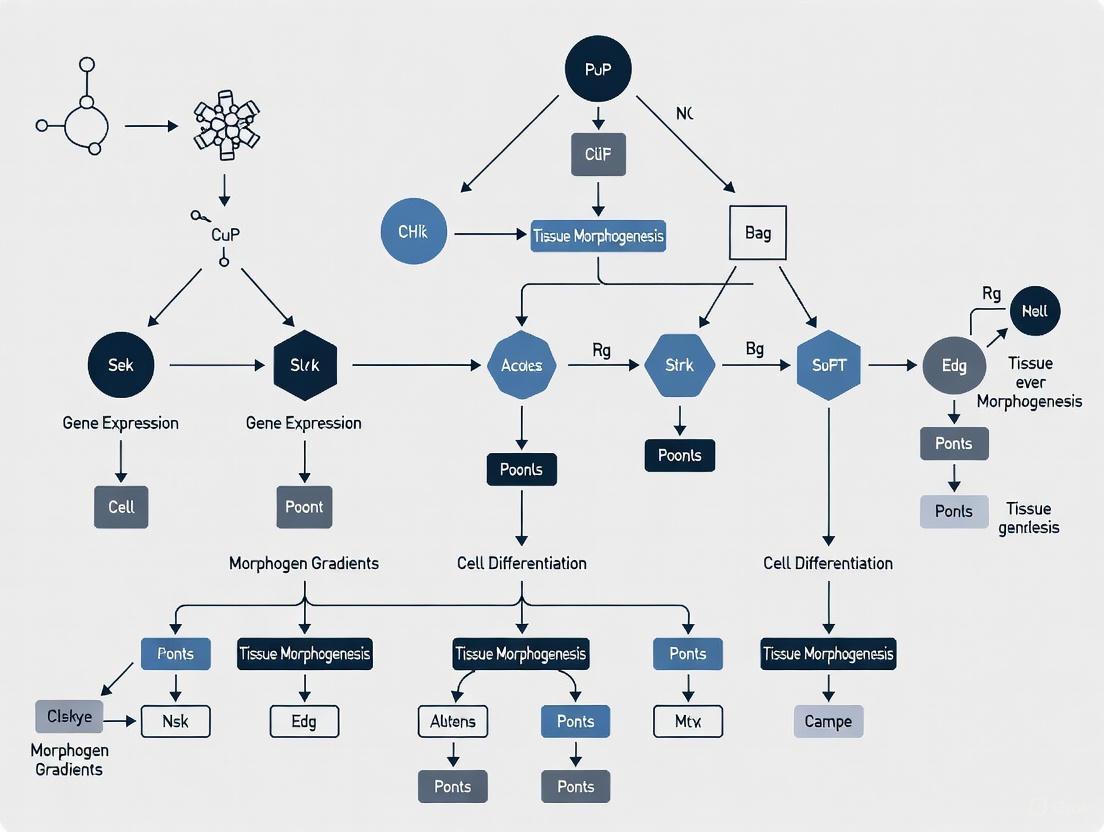
Evolutionary developmental biology (Evo-Devo) provides a powerful framework for addressing central challenges in modern drug discovery.
Evo-Devo in Drug Discovery: Evolutionary Principles for Target Identification and Therapeutic Innovation
Abstract
Evolutionary developmental biology (Evo-Devo) provides a powerful framework for addressing central challenges in modern drug discovery. This article synthesizes core Evo-Devo principles for a research-focused audience, exploring how deep evolutionary conservation of genes and pathways informs novel target identification, particularly for combating antibiotic resistance and cancer. We detail methodological applications, including the exploitation of natural products from co-evolutionary arms races and the use of non-traditional model organisms. The article further tackles translational bottlenecks by evaluating high-throughput screening strategies inspired by evolutionary concepts and discusses validation through comparative phylogenomics and functional analyses. By integrating foundational concepts with practical applications, this review aims to equip scientists and drug developers with actionable evolutionary insights to enhance therapeutic innovation and overcome development hurdles.
The Evo-Devo Foundation: Unraveling Evolutionary Constraints and Novelty in Biomedical Systems
Evolutionary developmental biology (evo-devo) has emerged as a pivotal discipline that connects the processes of embryonic development with evolutionary changes across generations. This field provides a framework for understanding how alterations in developmental mechanisms generate the phenotypic diversity upon which natural selection acts [1]. Rather than viewing evolution purely through changes in gene frequencies, evo-devo investigates how the regulatory systems that guide embryonic development themselves evolve, leading to both conserved features and novel structures across the tree of life [2]. This perspective is particularly valuable for medicine, as it reveals how deeply conserved genetic pathways can be repurposed, dysregulated, or leveraged for therapeutic interventions.
The foundational insight of evo-devo is that genes do not directly build structures; rather, developmental processes construct organisms using genetic instructions in combination with numerous other signals, including physical forces like mechanical stimulation, environmental temperature, and interactions with chemical products from other species [1]. This complex interplay between genetic programs and epigenetic factors creates a rich landscape for evolutionary innovation and, consequently, for understanding disease states and potential treatments.
Historical Foundations and Key Transitions
The intellectual roots of evo-devo extend to classical antiquity, with Aristotle arguing against Empedocles' view that form emerges spontaneously, instead proposing that embryonic development follows a predefined goal-oriented process [2]. However, the field began to coalesce as a distinct scientific discipline in the 19th century, spurred by Darwin's work on evolution and Haeckel's recapitulation theory, which posited that embryonic development replays evolutionary history [1] [2].
Table 1: Major Historical Transitions in Evo-Devo
| Time Period | Key Figures | Conceptual Advances | Methodological Innovations |
|---|---|---|---|
| 19th Century | Darwin, Haeckel, Balfour | Embryos reflect common ancestry; selection acts on all life stages | Comparative embryology; phylogenetic reconstruction from embryonic stages |
| Early-Mid 20th Century | Gavin de Beer, D'Arcy Thompson | Heterochrony; evolutionary morphology; mechanical mathematics of form | Mathematical modeling; experimental embryology |
| 1970s-1980s | Stephen J. Gould, François Jacob, Edward Lewis | "Evolution and Tinkering"; homeotic genes; gene regulatory networks | Recombinant DNA technology; discovery of homeobox genes |
| 1990s-Present | Christiane Nüsslein-Volhard, Eric Wieschaus | Deep homology; conserved genetic toolkit; evolutionary repurposing | Single-cell omics; CRISPR genome editing; computational modeling |
The early 20th century saw evolutionary embryology marginalized as genetics gained prominence, but several researchers maintained the developmental perspective. Gavin de Beer's work on heterochrony (evolutionary changes in developmental timing) demonstrated how relatively simple shifts in development could produce significant evolutionary changes [2]. The modern synthesis of the early 20th century, while unifying genetics and evolution, largely failed to incorporate developmental biology [2].
A critical transition occurred in the 1970s-1980s, often termed the "second synthesis," when recombinant DNA technology enabled researchers to connect embryology with molecular genetics [2]. Stephen J. Gould's 1977 book "Ontogeny and Phylogeny" laid to rest Haeckel's recapitulation theory while revitalizing scientific interest in development evolution relationships [1] [2]. The discovery of homeotic genes in fruit flies and the subsequent finding that similar genes control development across diverse organisms revealed a deep conservation of genetic toolkits [2].
Core Evo-Devo Principles and Mechanisms
The Genetic Toolkit and Deep Homology
A central finding of evo-devo is that dissimilar organs long thought to have evolved separately are actually controlled by similar genes. This principle of "deep homology" means that ancient genetic programs are reused and repurposed across evolution [2]. For example, the pax-6 gene controls eye development in insects, vertebrates, and cephalopods, despite their vastly different eye structures [2]. Similarly, the distal-less gene participates in developing appendages as diverse as insect limbs, fish fins, and chicken wings [2].
The genetic toolkit consists largely of regulatory genes that encode transcription factors and signaling proteins. These genes operate in networks to shape the embryo, forming a complex cascade of control that switches other genes on and off in precise spatial and temporal patterns [2]. Species often differ not so much in their structural genes but in how gene expression is regulated by these toolkit genes [2].
Developmental Mechanisms Generating Diversity
Evo-devo has identified several specific mechanisms through which evolutionary diversity arises:
Heterochrony: Changes in the timing of developmental events can produce dramatic morphological differences. For instance, variations in cell proliferation rates explain differences in bat facial structures and digit reduction in lizards [3].
Heterotopy: Evolutionary changes in the spatial organization of development can reposition features within the body plan [2].
Modularity: Development is organized into semi-autonomous units (modules) that can evolve independently. This modular organization allows for changes in one body part without disrupting others [1].
Plasticity: The capacity of a single genotype to produce different phenotypes in response to environmental conditions can facilitate evolutionary change [4] [3].
The following diagram illustrates the core conceptual relationships in Evo-Devo:
The Evo-Devo Perspective on Cells
Recent advances have extended evo-devo principles to the cellular level. Single-cell heterochrony—changes in the timing of cellular events—can generate diversity in cell types and functions [3]. For example, in amoebas, uncoupling cytokinesis from organelle replication creates multinucleate phenotypes with different ecological advantages [3]. In mammalian blood cell development, the order in which transcription factors are activated (sequence heterochrony) determines whether stem cells differentiate into eosinophils or basophils [3].
Modern Methodologies and Experimental Approaches
Single-Cell Technologies
The advent of single-cell 'omics technologies has revolutionized evo-devo research by enabling detailed examination of how cell identities emerge during development:
scRNA-Seq: Single-cell mRNA sequencing discriminates cell types based on unique gene expression profiles and tracks transcriptional changes during development [3].
scATAC-Seq: Assay for Transposase-Accessible Chromatin sequencing identifies heterogeneity in regulatory responses by mapping chromatin accessibility in individual cells [3].
scChIP-Seq: Chromatin immunoprecipitation sequencing at single-cell resolution reveals the sequence of events driving cellular transitions, such as from quiescence to proliferation [3].
scRibo-Seq: Ribosome sequencing identifies translated mRNAs, revealing how translation efficiency generates cell-type-specific temporal variation in protein abundance [3].
Table 2: Essential Research Reagents and Platforms for Evo-Devo
| Research Tool Category | Specific Examples | Primary Research Applications |
|---|---|---|
| Single-cell omics platforms | scRNA-Seq, scATAC-Seq, scChIP-Seq, scRibo-Seq | Cell type identification; lineage tracing; regulatory network mapping |
| Genome editing systems | CRISPR-Cas9, base editors, prime editors | Gene function validation; regulatory element testing; model generation |
| Cell cycle reporters | Fluorescent timers, FUCCI systems | Tracking proliferation and differentiation timing |
| Model organisms | Drosophila, zebrafish, mice, unconventional taxa | Comparative developmental studies; evolutionary conservation assessment |
Gene Regulatory Network Analysis
Gene regulatory networks (GRNs)—interconnected webs of genes that control development—have become central to understanding how genotypes map to phenotypes [3] [5]. These networks are modular, with distinct subcircuits controlling specific aspects of development. Novelty arises through the evolution of new modules or the rewiring of existing ones into new contexts [3].
The following workflow diagram illustrates a typical Evo-Devo experimental approach:
Therapeutic Applications and Future Directions
Evo-Devo Insights in Disease and Regeneration
The evo-devo perspective provides powerful insights for medicine. Many diseases can be understood as disruptions of normal developmental programs, or in some cases, the reawakening of evolutionary ancestral programs. For example:
Cancer: Tumor development often recapitulates aspects of embryonic development, including increased proliferation, invasion, and cellular plasticity. The evolutionary perspective helps explain why these programs persist and how they become reactivated [4].
Congenital Disorders: Birth defects frequently result from mutations in highly conserved developmental genes or their regulatory elements. Understanding the evolutionary history of these genes provides insight into their functional constraints and variability [2].
Regenerative Medicine: Many organisms retain remarkable regenerative capacities that humans lack. Comparative evo-devo studies of regeneration in model organisms like axolotls and zebrafish are revealing the genetic pathways that could potentially be reactivated in humans [3].
Applied Evolutionary Principles in Therapeutics
Evolutionary principles are increasingly incorporated into therapeutic development:
Antimicrobial Resistance: Evolutionary principles guide the design of treatment strategies that slow the evolution of resistance in pathogens, such as combination therapies and cycling of antibiotics [4].
Cancer Therapy: Understanding cancer as an evolutionary process helps in designing treatment regimens that prevent the emergence of treatment-resistant clones [4].
Stem Cell Biology: The evo-devo concept of cellular plasticity informs approaches to reprogramming cell identities for therapeutic purposes [3].
The future of evo-devo in biology and medicine will likely involve greater integration with systems biology, ecology, and computational modeling. The field is poised to expand beyond its traditional focus on embryonic stages to encompass the entire life cycle and to integrate more fully with physiology, ecology, and behavior [1]. As technological advances continue to provide deeper insights into developmental and evolutionary processes, the evo-devo framework will increasingly illuminate the path to novel therapeutic strategies.
This whitepaper delineates the core principles of evolutionary developmental biology (evo-devo)—deep homology, gene regulatory networks (GRNs), and modularity—that collectively provide a mechanistic framework for understanding phenotypic evolution. For researchers and drug development professionals, these principles are increasingly critical for interpreting the genetic basis of morphological diversity and disease. The integration of next-generation sequencing (NGS) has transformed these concepts from theoretical models into testable, quantitative frameworks, enabling the phylogenetic tracking of developmental programs and the dissection of the modular genetic architecture underlying complex traits. This document provides a detailed exposition of these principles, supported by experimental protocols, analytical workflows, and essential research tools.
Evolutionary developmental biology bridges the historical chasm between evolutionary theory and developmental genetics. It posits that evolution acts not by creating new genes de novo, but predominantly by altering the expression and interaction of pre-existing developmental toolkits. This synthesis has been propelled by the recognition that deeply homologous genetic circuits, often organized into modular Gene Regulatory Networks (GRNs), govern the development of phylogenetically disparate structures. The principle of modularity explains how these circuits can be dissected, rewired, or co-opted independently, facilitating evolutionary innovation without compromising organismal viability. For the pharmaceutical industry, this perspective is pivotal; it suggests that the genetic origins of human diseases and the pathways targeted by drugs often have deep evolutionary roots, and their understanding requires a comparative, systems-level approach.
Deep Homology: Conserved Developmental Programs
Conceptual Foundation
The term 'deep homology' was coined to describe the phenomenon where anatomically distinct or non-homologous structures in different lineages are built using remarkably conserved genetic regulatory apparatus [6]. This concept extends beyond classical homology, which requires phylogenetic continuity of a structure. Deep homology, instead, recognizes the continuity of the underlying developmental genetic programs. As noted by Tschopp & Tabin (2017), modern evo-devo has demonstrated that novel features often arise from the modification of pre-existing developmental modules, blurring the once-clear distinction between homologous and non-homologous structures [6]. A key manifestation of deep homology is the Character Identity Network (ChIN), a core set of genes that confers the "essential identity" to a morphological trait [7].
Exemplars in Animal Evolution
- Neural Crest and Gills/Jaws: The genetic regulatory network that governs the development of the neural crest—a vertebrate innovation—has precursors in the cell populations that form gill arches in invertebrate chordates like ascidians. This shared GRN was co-opted and elaborated in vertebrates, with the gill arches themselves being evolutionarily transformed into jaws, illustrating a profound deep homology [8] [7].
- Limb Development: The patterning of appendages as diverse as the vertebrate limb, the insect leg, and the fish fin is directed by a conserved suite of signaling molecules, including the Distal-less (Dll) gene and Sonic hedgehog (Shh) pathways. Despite their vastly different morphologies, their development is orchestrated by a deeply homologous system.
- Eye Development: The Pax-6 gene and its orthologs act as master control genes for eye development across the animal kingdom, from the compound eyes of flies to the camera-type eyes of vertebrates, underscoring the deep homology of visual systems.
Table 1: Key Concepts of Homology in Evo-Devo
| Homology Type | Definition | Basis of Identification | Example |
|---|---|---|---|
| Taxic Homology | Shared, derived character state due to common ancestry. | Phylogenetic analysis (synapomorphy). | Fur in all mammals. |
| Deep Homology | Sharing of the genetic regulatory apparatus used to build morphologically disparate features [7]. | Conserved gene expression and GRN architecture. | Pax-6 in fly and vertebrate eye development. |
| Biological Homology | Continuity of genetic information underlying phenotypic traits across generations. | Character Identity Network (ChIN) [7]. | Conserved ChIN for vertebrate jaws (modified gill arches). |
Gene Regulatory Networks (GRNs): The Executable Code of Development
Definition and Structure
A Gene Regulatory Network (GRN) is a modular, interconnected set of genes and their regulatory interactions (e.g., transcription factors, signaling pathways) that controls a specific developmental process. GRNs function as logic processors, interpreting maternal gradients, spatial signals, and temporal cues to direct cell fate specification, pattern formation, and tissue differentiation. The architecture of a GRN is typically hierarchical, comprising:
- Cis-regulatory modules (CRMs): Non-coding DNA sequences (e.g., enhancers) that bind transcription factors.
- Transcription factor genes: Genes whose products bind to CRMs to activate or repress target genes.
- Signaling components: Ligands and receptors that mediate communication between cells.
Experimental Protocol: Unraveling a GRN
The following workflow outlines a comprehensive approach for delineating a GRN using modern functional genomics.
Diagram Title: GRN Delineation Experimental Workflow
Step 1: Define the Biological Process and System
- Select a well-defined developmental process (e.g., heart tube formation, neural crest specification).
- Choose an experimentally tractable model organism (e.g., mouse, zebrafish, sea urchin, Drosophila).
Step 2: Perturbation Strategy
- Use loss-of-function (e.g., CRISPR/Cas9, RNAi) and gain-of-function (e.g., mRNA injection, transgenesis) approaches to systematically target candidate regulatory genes.
- The goal is to observe the phenotypic outcome and changes in gene expression.
Step 3: High-Throughput Profiling of Gene Expression
- Perform bulk or single-cell RNA sequencing (RNA-seq, scRNA-seq) on wild-type and perturbed embryos/tissues at critical developmental timepoints [6] [8].
- scRNA-seq Protocol:
- Dissociate embryonic tissue into a single-cell suspension.
- Capture cells and barcode cDNA using a platform (e.g., 10x Genomics).
- Construct sequencing libraries and sequence on an NGS platform (e.g., Illumina).
- Map reads to a reference genome and quantify gene expression per cell.
- This identifies co-expressed gene modules and expression changes upon perturbation.
Step 4: Cis-Regulatory Analysis
- Identify active regulatory regions using Assay for Transposase-Accessible Chromatin with sequencing (ATAC-seq).
- Determine transcription factor binding sites by Chromatin Immunoprecipitation sequencing (ChIP-seq) for key regulators.
- ATAC-seq Protocol:
- Harvest nuclei from the tissue of interest.
- Treat with Tn5 transposase to fragment and tag accessible DNA.
- Purify and amplify the tagged DNA for NGS.
- Map sequencing reads to identify open chromatin regions.
Step 5: Computational Integration and Network Inference
- Integrate expression data (Step 3) and regulatory element data (Step 4).
- Use computational tools (e.g., GENIE3, SCENIC) to infer causal regulatory relationships and reconstruct the GRN topology.
Step 6: Functional Validation
- Test predicted regulatory interactions using in vivo reporter assays (e.g., cloning putative enhancers upstream of a fluorescent reporter gene).
- Validate network logic with combinatorial gene perturbations.
The Research Toolkit: GRN Analysis
Table 2: Essential Reagents and Tools for GRN Research
| Research Reagent / Tool | Function in GRN Analysis |
|---|---|
| CRISPR/Cas9 System | Targeted gene knockout or knock-in for functional perturbation of network nodes. |
| scRNA-seq Kit (e.g., 10x Genomics) | Profiling gene expression at single-cell resolution to define cellular states and trajectories. |
| ATAC-seq Kit | Mapping genome-wide chromatin accessibility to identify active cis-regulatory elements. |
| ChIP-grade Antibodies | Immunoprecipitation of specific transcription factors or histone modifications for binding site identification. |
| Fluorescent Reporter Constructs | Testing the activity of predicted enhancers or promoters in live embryos or cells. |
| Network Inference Software (e.g., SCENIC) | Computational inference of regulatory relationships from expression data to model GRN architecture. |
Modularity: Enabling Evolutionary Tinkering
The Principle of Modularity
Modularity describes the organization of developmental systems into discrete, semi-autonomous functional units, or modules. A module can be a GRN, a signaling pathway, or a cell population (like the neural crest) that executes a specific developmental task with minimal crosstalk with other modules. This organization is fundamental to evolvability because it allows one part of the system to change without causing catastrophic failures in others.
Evolutionary Implications: Co-option and Dissociation
- Co-option: A developmental module, along with its underlying GRN, can be recruited to a new developmental context to form a novel trait. For example, the GRN for synthesizing melanin was likely co-opted to create diverse pigmentation patterns in vertebrate skin, fur, and feathers.
- Dissociation: Originally correlated traits can evolve independently if the modularity between their underlying developmental processes increases. For instance, the evolution of bat wings required coordinated changes in forelimb and hindlimb development, as their limbs are integrated within the membranous wing, potentially constraining their adaptive landscape compared to the more independently evolving limbs of birds [8].
The following diagram conceptualizes how modularity facilitates evolutionary change through co-option and dissociation.
Diagram Title: Evolutionary Consequences of Developmental Modularity
Integration and Analytical Framework: A Phylogenetic Perspective
The power of deep homology, GRNs, and modularity is fully realized when analyzed within a robust phylogenetic context. Mapping the components of a GRN or a deeply homologous system onto a phylogeny reveals the sequence of evolutionary steps that assembled a complex trait. This integrative approach, supercharged by NGS, allows researchers to move beyond model organisms and study the genetic basis of phenotypic diversity across the tree of life [6] [7].
The analytical workflow below outlines the process for a comparative phylogenetic analysis of a developmental GRN.
Diagram Title: Phylogenetic Analysis of Developmental GRNs
Analytical Protocol:
- Taxon Sampling: Select multiple species that represent key nodes in the phylogeny of the clade of interest.
- Transcriptome Sequencing: Isolve RNA from homologous tissues or developmental stages across the selected species and perform RNA-seq.
- Orthology Assignment: Use tools like OrthoFinder to identify groups of orthologous genes, ensuring comparisons are made between genetically equivalent entities.
- Gene Expression Analysis: Compare expression profiles of orthologous genes to identify conserved, gained, or lost expression domains.
- Phylogenetic Mapping: Map the character states of gene expression or inferred network interactions onto the species phylogeny.
- Evolutionary Inference: Interpret the mapped patterns to infer evolutionary history, such as the co-option of a gene module into a new context at a specific phylogenetic node, or the rewiring of a regulatory connection.
The principles of deep homology, gene regulatory networks, and modularity form the conceptual backbone of modern evolutionary developmental biology. They provide a powerful, mechanistic explanation for how macroevolutionary change is generated through microevolutionary alterations in developmental programs. For the biomedical research community, this framework is indispensable. It reveals that many disease states can be understood as dysfunctions of deeply conserved developmental pathways and that the genetic networks targeted for therapeutic intervention are often the products of ancient evolutionary events. As next-generation sequencing technologies continue to mature and expand into non-model organisms, our ability to test the predictions of this framework and translate its insights into clinical applications will only grow more profound.
Ecological Evolutionary Developmental Biology (Eco-Evo-Devo) has emerged as a highly integrative research field that aims to understand the causal relationships among environmental cues, developmental mechanisms, and evolutionary processes. Rather than serving as a loose aggregation of diverse research topics, eco-evo-devo provides a coherent conceptual framework for exploring how these levels interact to shape phenotypes, morphogenetic patterns, life histories, and biodiversity across multiple scales [9]. This paradigm represents a significant expansion of evolutionary developmental biology (evo-devo) by explicitly incorporating ecology as a fundamental component, thereby creating a more comprehensive framework for understanding biological complexity [1]. The core premise of eco-evo-devo is that environmental factors are not merely external selective pressures but actively participate in constructing phenotypes through their influences on developmental processes [10] [11].
The field recognizes that the environment serves as both a source and inducer of genotypic and phenotypic variation at multiple levels of biological organization, while development acts as a regulator that can mask, release, or create new combinations of variation [11]. Natural selection subsequently fixes this variation, giving rise to novel phenotypes. This integrative perspective challenges the classic view that privileges genetics as the unique central factor in shaping phenotypic evolution and provides new ways to understand complex interactions between environment, ontogeny, and inheritance in the study of diversification [9]. As such, eco-evo-devo aspires to be more than the sum of its parts, contributing to the development of a simpler, more elegant, and heuristically powerful biological theory [9].
Core Principles and Conceptual Foundations
Multilevel Causation and Bidirectional Flows
Eco-evo-devo offers a framework to explore multilevel continuums in biological systems, revealing hidden regularities, unexpected correlations, and deep organizational principles linking ecology, development, and evolution [9]. From the outer layer to the center, nested networks of genetic, cellular, phenotypic, and ecological interactions generate emergent phenomena and bidirectional causal flows across levels [9]. This perspective conceptualizes organisms as integrated networks of interactions between heterogeneous agents, with development often occurring through symbiotic relationships with microbial and environmental partners [9].
Table 1: Key Conceptual Components of Eco-Evo-Devo
| Concept | Definition | Biological Significance |
|---|---|---|
| Developmental Plasticity | Alteration of development through environmental factors [10] | Enables organisms to adjust phenotypes to better fit their environment without genetic changes |
| Genetic Accommodation | Process by which environmentally induced traits become integrated into the genome [10] | Allows traits produced by the environment to be passed on and improves responses to environmental changes |
| Developmental Bias | Influence of developmental system architecture on the generation of phenotypic variation [9] | Shapes evolutionary trajectories by making some variations more likely to arise than others |
| Multilevel Causation | Bidirectional causal flows across genetic, cellular, phenotypic, and ecological levels [9] | Reveals that influences operate both from genes upward and from environment downward |
| Symbiotic Development | Organismal identity and morphogenesis produced through interactions with microbial partners [9] | Challenges the notion of autonomous individual development |
The Centrality of Phenotypic Plasticity
Phenotypic (developmental) plasticity represents a cornerstone of eco-evo-devo theory, describing a genotype's ability to produce different phenotypes in response to environmental conditions [12] [10]. Plasticity-driven adaptation acts on evolution through three primary mechanisms: phenotypic accommodation (organism adjusts its phenotype without genetic change), genetic accommodation (environmentally induced traits become integrated into the genome), and genetic assimilation (induced phenotype becomes fixed in the genome and no longer requires environmental induction) [10]. The eco-evo-devo framework aims to move beyond classic reaction-norm approaches that merely establish phenomenological correlations between environmental and phenotypic changes, instead providing a causal, mechanistic understanding of how these reaction norms arise during development and evolve over time [9].
Methodological Approaches and Experimental Designs
Genetic Network Modeling for Stress Response
The eco-evo-devo approach employs sophisticated modeling techniques to understand how organisms respond to environmental challenges. One advanced methodology integrates composite functional mapping (coFunMap) and evolutionary game theory to reconstruct omnigenic, information-flow interaction networks for stress response [12]. This approach defines and quantifies stress response as the developmental change of adaptive traits from stress-free to stress-exposed environments, conceptualizing it as an eco-evo-devo process involving complex interactions among developmental canalization, phenotypic plasticity, and phenotypic integration [12].
In a landmark study on Euphrates poplar (Populus euphratica), researchers applied this model to identify 116 significant SNPs (QTLs) for shoot growth-related salt resistance out of 272,719 SNPs analyzed [12]. The genetic effects of these QTLs displayed distinct temporal patterns, with some increasing over time, some decreasing, and others showing cyclical changes. The researchers further classified SNPs into 66 modules based on temporal patterns of genetic effects, with QTLs sporadically distributed across 27 modules, demonstrating the complex network architecture underlying stress response [12].
Table 2: Methodological Framework for Eco-Evo-Devo Genetic Studies
| Methodological Component | Application in Eco-Evo-Devo | Research Outcome |
|---|---|---|
| Composite Functional Mapping (coFunMap) | Maps treatment-dependent differences in developmental trajectories [12] | Identifies QTLs for environment-induced trait changes |
| Evolutionary Game Theory Integration | Reconstructs omnigenic interactome networks [12] | Reveals how SNPs interact to mediate environmental responses |
| Module-Based Network Analysis | Classifies genetic variants by temporal effect patterns [12] | Identifies functional modules with distinct biological roles |
| Genome-Wide by Environment Interaction Association (GWEIS) | Analyzes genotype-environment interactions [12] | Characterizes genetic architecture of environmental responses |
Overcoming Laboratory Biases in Experimental Design
A significant methodological concern in eco-evo-devo involves overcoming laboratory-based biases that oversimplify ecologically meaningful contexts [13]. Conventional gene-centered experimental designs often utilize laboratory strains and standard laboratory conditions that neglect environmental complexity. Research on the microbial model Myxococcus xanthus has demonstrated how contrasting developmental phenotypes depend on the joint variation of multiple environmental parameters, such as temperature and substrate stiffness [13]. This highlights the importance of incorporating ecologically relevant environmental variation into experimental designs rather than relying on standardized laboratory conditions that may mask important eco-evo-devo interactions.
Key Research Findings and Empirical Evidence
Developmental Plasticity Across Taxa
Empirical studies in eco-evo-devo have demonstrated the crucial instructive role of the environment in shaping development and evolutionary potential across distantly related taxa. Experimental evolution research in Drosophila melanogaster has shown that selection for cold tolerance reduces the plasticity of life-history traits under thermal stress, demonstrating that developmental associations between environmental cues and phenotypic traits can themselves evolve under sustained environmental selective pressure [9]. Similarly, research on the neotropical fish Astyanax lacustris has revealed how temperature modulates developmental responses to different water flow regimes, indicating that environment influences extend to the dynamics of development itself [9].
Studies of phenotypic accommodation show that organisms can adjust their phenotypes to better fit their environment without being genetically induced [10]. These accommodated traits can subsequently become integrated into the genome through genetic accommodation, allowing improved responses to environmental changes. In some cases, genetic assimilation can fix these phenotypes into the genome, after which they no longer require environmental induction [10].
Symbiosis and Inter-Kingdom Communication
The eco-evo-devo framework has shed new light on how interactions between different biological agents generate complexity and variation. Research tracing the evolution of G-type lysozymes across Metazoa has revealed how these enzymes have been spread by horizontal gene transfer across kingdoms and repeatedly adapted for immune and digestive functions in response to ecological contexts [9]. This challenges traditional boundaries between organisms and highlights the role of inter-kingdom communication in evolution.
The concept of holobiont—the ecological unit consisting of a host and its associated microorganisms—has become central to eco-evo-devo thinking [10]. Many multicellular organisms exist within continua of host-microbiota interactions that modulate development and physiological function. For example, commensal interactions between species such as clownfish and sea anemones are modulated by bacteria present on and within both organisms [10]. These interactions can be influenced by broader ecological trends that vary the quantity and quality of microbiota, directly affecting host health and development.
Developmental Bias and Evolutionary Diversification
Eco-evo-devo research has highlighted the role of developmental bias and constraint in directing evolutionary diversification. Studies of adaptive radiations indicate that phenotypic variation is not always random or isotropic but influenced by the specific architecture of developmental programs [9]. For instance, research on mammalian life-history traits has shown how gestation length and DNA damage response mechanisms impact life-history strategies and correlate with longevity, emphasizing the developmental foundations of evolutionary transitions in reproductive strategies [9].
At the intersection of development, morphology and reproductive fitness, studies have linked cellular development to evolutionary outcomes. Investigations of Sertoli cell efficiency and sperm size homogeneity in the common eland have demonstrated connections to reproductive potential and sexual selection [9]. Similarly, research on neural crest cells has revealed conserved developmental modules underlying evolutionary innovation in gland development across vertebrates, showing that even macro-evolutionary trends are shaped by conserved developmental mechanisms [9].
The Scientist's Toolkit: Research Reagent Solutions
Table 3: Essential Research Materials for Eco-Evo-Devo Investigations
| Research Tool Category | Specific Examples | Function in Eco-Evo-Devo Research |
|---|---|---|
| Model Systems | Euphrates poplar (Populus euphratica), Drosophila melanogaster, Myxococcus xanthus [12] [9] [13] | Provide genetic and developmental tractability in ecologically relevant contexts |
| Genetic Mapping Populations | Genome-wide association studies (GWAS) populations, clonal replicates under environmental treatments [12] | Enable identification of genetic variants underlying environmental responses |
| Environmental Simulation Systems | Controlled salinity treatments, temperature gradients, substrate stiffness variations [12] [13] | Reproduce ecologically meaningful environmental variation in experimental settings |
| Network Reconstruction Algorithms | Evolutionary game theory integration, composite functional mapping [12] | Enable modeling of complex genetic interactome networks underlying stress responses |
| Module Detection Methods | BIC minimization for SNP clustering, KEGG-based gene enrichment analysis [12] | Identify functional genetic modules with distinct temporal patterns and biological roles |
Future Directions and Research Applications
Emerging Research Priorities
The future of eco-evo-devo includes several promising research directions. There is growing recognition of the need for more mechanistic studies of developmental-environmental interactions, particularly those exploring how environmental signals are sensed and transduced into developmental changes [9]. A broader focus on symbiotic development will be essential, recognizing that many organisms develop in partnership with microbial communities. Integrative modeling across scales and taxa represents another priority, requiring development of new computational approaches that can bridge molecular, cellular, organismal, and ecological levels of organization [9].
The field also offers a conceptual and empirical strategy to challenge long-held views in order to innovate fundamental ways of thinking about nature's dynamics and complexity [9]. This includes reexamining concepts of organismal individuality, inheritance, and evolutionary causality in light of eco-evo-devo principles. As the planetary environment faces unprecedented changes, understanding how organisms respond and evolve in relation to their environments becomes increasingly important [9] [10].
Applications in Conservation and Medicine
Eco-evo-devo has significant practical implications, particularly in understanding and mitigating the impacts of climate change. As a form of developmental plasticity, temperature-dependent sex determination (TSD) in reptiles and ray-finned fish makes these species particularly vulnerable to rising temperatures [10]. Research has already documented skewed sex ratios in green sea turtles, with females comprising 65% of populations on cooler beaches and up to 85% on warmer nesting beaches [10]. Such eco-evo-devo insights are crucial for predicting biodiversity impacts and developing conservation strategies.
In biomedical contexts, the eco-evo-devo perspective highlights how environmental factors during development can have transgenerational effects through epigenetic mechanisms [10]. For example, malnutrition during childhood has been shown to hinder appropriate pubertal development in humans, while maternal dehydration during pregnancy (increasingly common in drought-affected regions) can reduce amniotic fluid levels and impair fetal development [10]. Understanding these eco-evo-devo dynamics is essential for addressing global health challenges.
Eco-evo-devo represents a transformative framework for biological research that integrates molecular, developmental, ecological, and evolutionary perspectives. By examining the causal relationships among environmental factors, developmental processes, and evolutionary change, this discipline provides a more comprehensive understanding of how phenotypes are constructed and evolve. The approach demonstrates how developmental processes mediate environmental and evolutionary dynamics, how symbiotic interactions contribute to morphogenesis, and how developmental bias and plasticity influence macroevolutionary patterns [9].
The contributions of eco-evo-devo reflect current dynamics in biological research with the prospect of establishing a foundation for an integrative biology of the 21st century [9]. As research in this field advances, it promises to enhance our understanding of evolution and the genetic mechanisms underlying how organisms respond to their natural environments [11]. This knowledge becomes increasingly crucial as we face global ecological challenges and seek to understand the capacity of organisms to adapt to rapidly changing environments.
The evolutionary mismatch hypothesis posits that many modern non-communicable diseases (NCDs) arise from a fundamental disparity between our contemporary environments and those for which our human biology was adapted over millions of years [14] [15]. This theoretical framework provides a powerful lens through which to understand the epidemic rise of conditions such as obesity, cardiovascular disease, type 2 diabetes, and autoimmune disorders [16] [15]. While genetic evolution operates on timescales of tens to hundreds of thousands of years, human habitats have undergone radical transformation through industrialization within just a few centuries [17] [18]. This review synthesizes current research on evolutionary mismatch, detailing its physiological mechanisms, methodological approaches for its study, and its implications for therapeutic development, with particular emphasis on its foundations in evolutionary developmental biology principles.
Human evolution has been largely shaped by adaptations to Pleistocene environments as hunter-gatherers, characterized by high physical activity levels, diverse diets of unprocessed foods, and exposure to natural environments [14] [16]. The transition to agriculture approximately 10,000-12,000 years ago marked the first significant mismatch, with paleopathological evidence indicating increased nutritional deficiencies, dental diseases, and skeletal degeneration in early agricultural populations [14]. However, the rapid industrialization of the past few centuries has dramatically accelerated this mismatch, creating environments that impair core biological functions essential for survival and reproduction [17].
The environmental mismatch hypothesis argues that humans are struggling because our bodies and minds were shaped for a world that no longer exists [14]. Our biological systems remain optimized for conditions of the Environment of Evolutionary Adaptedness (EEA), creating systematic malfunctions when confronted with modern stimuli [19]. This framework provides ultimate causal explanations for disease vulnerability that complement proximate mechanistic understandings, offering a unifying narrative for the modifiable risk factors underlying most contemporary morbidity and mortality [16].
Table 1: Key Transitions in Human Environments and Health Impacts
| Evolutionary Period | Timeframe | Environmental Characteristics | Health Consequences |
|---|---|---|---|
| Hunter-Gatherer | ~2.5 million years ago to 10,000 BCE | High physical activity, diverse diet, natural environments, small social groups | Low chronic disease burden; primary threats from infection and trauma [14] |
| Agricultural Revolution | ~10,000-12,000 years ago | Settled communities, cereal-based diets, concept of ownership | Increased nutritional deficiencies, dental disease, skeletal degeneration [14] |
| Industrial Revolution | 18th century to present | Processed foods, sedentary behavior, pollution, crowded urban environments | Epidemic of NCDs, immune dysfunction, reproductive issues [17] [18] |
Mechanisms and Physiological Pathways
Metabolic and Endocrine Pathways
The transition from varied hunter-gatherer diets to cereal-dependent agricultural diets and subsequently to modern processed foods has created fundamental mismatches in metabolic regulation. Agricultural diets led to poorer nutritional quality and greater susceptibility to conditions such as nutritional deficiencies, while modern processed foods high in refined carbohydrates and sugars cause hormonal imbalances that impair metabolism over extended periods [14]. This increases risk for obesity, diabetes, heart disease, and cancer [14].
At the molecular level, evolutionary mismatch manifests through dysregulation of conserved nutrient-sensing pathways, including IGF-1, mTOR, AMPK, and Klotho [20]. These pathways evolved to optimize energy allocation between anabolic (growth and proliferation) and catabolic (maintenance and dormancy) processes in response to fluctuating resource availability. In modern environments of constant caloric surplus, persistent mTOR activation drives hyperfunction and accelerated aging, while suppressed AMPK and Klotho activity impair cellular maintenance and stress resistance [20].
Immune Function and Inflammation
The hygiene hypothesis represents another mismatch manifestation, where immune systems calibrated for high pathogen exposure in ancestral environments now mount inappropriate inflammatory responses to benign environmental antigens [21]. This mechanism underlies the dramatic increase in autoimmune diseases and allergies in industrialized populations [17] [18]. Simultaneously, chronic stress from modern psychosocial pressures creates sustained cortisol exposure that further dysregulates immune function [22].
Stress Response Systems
Human stress neurobiology evolved to handle acute, physically resolvable threats like predator encounters [22] [18]. The modern prevalence of chronic, unresolvable psychological stressors—from workplace pressure to traffic and digital overload—activates these same pathways without the recovery period essential for homeostasis [18]. As researchers from Loughborough University and University of Zurich note: "Your body reacts as though all these stressors were lions. Your stress response system is still the same as if you were facing lion after lion. As a result, you have a very powerful response from your nervous system, but no recovery" [22] [18]. This chronic activation contributes to anxiety disorders, sleep disruption, cardiovascular strain, and cognitive impairment [21].
Reproductive Function
Global declines in fertility rates and sperm quality represent particularly dramatic mismatch manifestations with profound evolutionary implications. Since the 1950s, sperm counts have declined by approximately 50%, a trend researchers link to environmental factors including pesticides, herbicides, and microplastics [22] [18]. These reproductive impairments likely reflect adaptive life history trade-offs in response to environmental cues suggesting suboptimal conditions for offspring investment [20].
Methodological Approaches and Research Tools
Genotype-Environment Interaction (GxE) Studies
A powerful approach for identifying mismatch mechanisms involves studying genotype by environment (GxE) interactions in populations experiencing rapid lifestyle change [15]. This method compares individuals with similar genetic backgrounds but different environmental exposures to identify loci with divergent health effects in ancestral versus modern contexts [15]. Partnership with subsistence-level populations provides unique opportunities to observe humans across the matched-mismatched spectrum [15].
Table 2: Key Research Reagent Solutions for Evolutionary Mismatch Research
| Research Tool Category | Specific Examples | Research Application |
|---|---|---|
| Genomic Profiling Tools | Whole genome sequencing arrays, Custom SNP panels | Identifying genetic variants with environment-dependent effects, Polygenic risk score calculation [15] |
| Physiological Assessment | Continuous glucose monitors, Actigraphy sensors, Cortisol assays | Quantifying mismatch in real-world settings, Metabolic monitoring, Stress response tracking [23] |
| Environmental Exposure Assessment | GPS tracking, Food frequency questionnaires, Air/water quality sensors | Characterizing modern environmental exposures relative to ancestral baselines [15] |
| Molecular Profiling Kits | RNA sequencing kits, DNA methylation arrays, Cytokine panels | Assessing transcriptional, epigenetic, and inflammatory responses to mismatched environments [15] [20] |
The Evolutionary Mismatched Lifestyle Scale (EMLS)
To facilitate mismatch quantification, researchers have developed and validated a 36-item Evolutionary Mismatched Lifestyle Scale (EMLS) with seven subdomains covering diet, physical activity, relationships, and social media use [23]. This psychometrically validated instrument associates with physical, mental, and subjective health outcomes, providing a standardized tool for assessing individual vulnerability to mismatch phenomena [23].
Experimental Protocols for Mismatch Investigation
Protocol 1: Metabolic Pathway Analysis in Transitioning Populations
Objective: Characterize mTOR, AMPK, IGF-1, and Klotho pathway activity in populations at different stages of lifestyle transition.
Methodology:
- Recruit matched participants from: (a) subsistence-level communities; (b) recently urbanized individuals; (c) urban residents with multi-generational urban ancestry [15] [20]
- Collect fasting blood samples for biomarker analysis (IGF-1, Klotho, inflammatory cytokines)
- Perform muscle and adipose tissue biopsies for pathway activity assessment (Western blot for phosphorylated mTOR/AMPK)
- Administer detailed dietary and physical activity assessments
- Analyze differences in pathway activation relative to environmental factors
Expected Outcomes: Identification of molecular pathways most susceptible to mismatch and their relationship to NCD risk [20].
Protocol 2: Stress Response Characterization
Objective: Quantify differences in stress response recovery between natural and built environments.
Methodology:
- Recruit urban residents with high occupational stress exposure
- Randomize to natural environment exposure (forest/park) versus urban environment exposure (city center)
- Administer standardized stressor (Trier Social Stress Test)
- Measure cortisol, heart rate variability, and blood pressure at baseline, immediately post-stressor, and at 30-minute intervals for 3 hours
- Compare recovery trajectories between environments
Expected Outcomes: Documented physiological basis for nature exposure as biological necessity rather than luxury [17] [18].
Quantitative Data Synthesis
Table 3: Documented Health Impacts of Evolutionary Mismatch in Industrialized Populations
| Health Domain | Specific Condition | Documented Change | Proposed Mismatch Mechanism |
|---|---|---|---|
| Reproductive Health | Sperm count | 50% decline since 1950s [22] | Endocrine disruption from environmental toxins [18] |
| Metabolic Health | Type 2 Diabetes | Global prevalence doubling past 30 years [16] | Constant caloric surplus + sedentary behavior [14] |
| Mental Health | Anxiety Disorders | Significant increases post-industrialization [14] | Chronic activation of threat response systems [22] |
| Immune Function | Autoimmune Diseases | Dramatic increase in industrialized nations [22] | Dysregulated immune development without pathogen exposure [21] |
| Cognitive Function | Neurodegenerative Disease | Rising prevalence with urbanization [17] | Chronic inflammation + reduced cognitive stimulation complexity [21] |
Implications for Therapeutic Development
Understanding evolutionary mismatch has profound implications for drug development and therapeutic intervention. First, it highlights that many "diseases" represent adaptive responses to novel environments rather than pure pathophysiology, suggesting caution in suppressing potentially protective mechanisms [20]. Second, it emphasizes the importance of evolutionary context in clinical trial design—therapies developed and tested solely in Westernized populations may have different efficacy in global populations with different mismatch profiles [15].
The hyperfunction theory of aging suggests that overactive anabolic pathways like mTOR drive many age-related diseases [20]. However, interventions must account for trade-offs—excessive suppression of anabolic metabolism may introduce catabolic health risks including impaired immunity and tissue repair [20]. Therapeutics must navigate a "Goldilocks zone" rather than pursuing maximal pathway inhibition [20].
The evolutionary mismatch framework provides a powerful unifying model for understanding the epidemic of NCDs in industrialized populations. By identifying the specific physiological pathways strained by novel environments, this approach enables targeted interventions that address ultimate rather than proximate causes of disease. Future research should prioritize longitudinal studies of populations in transition, further development of mismatch quantification tools like the EMLS, and therapeutic strategies that restore evolutionary appropriate signaling patterns rather than pursuing maximal pathway inhibition.
For drug development professionals, incorporating evolutionary perspectives is essential for understanding variable treatment responses across populations and developing therapies that work with, rather than against, our evolved biology. As the proportion of humanity living in urban environments approaches 70% by 2050, addressing the health consequences of evolutionary mismatch becomes increasingly urgent for global public health [17] [21].
From Bench to Bedside: Evo-Devo Methodologies and Their Application in Therapeutic Development
The therapeutic use of natural products—compounds derived from plants, animals, and microorganisms—precedes recorded human history by thousands of years, with archaeological evidence suggesting Neanderthals may have used medicinal plants over 60,000 years ago [24]. Throughout human evolution, natural products have served as the primary means to treat diseases and injuries, with the earliest documented medical texts from ancient Mesopotamia (circa 2600 BC) describing approximately 1,000 plant-derived substances [24]. The Dictionary of Natural Products now contains over 214,000 entries, reflecting the extraordinary chemical diversity produced through evolutionary processes [24].
The coevolutionary arms race—the perpetual, reciprocal evolutionary struggle between species—represents a particularly promising source for novel therapeutic compounds [25] [26]. During these ongoing battles, organisms evolve sophisticated chemical arsenals for defense against predators, pathogens, and competitors [25]. These evolutionary innovations can be harnessed for drug discovery, with approximately 60% of current drugs having origins in natural products [24]. This whitepaper provides a technical guide for leveraging coevolutionary principles in natural product drug discovery, framed within evolutionary developmental biology research contexts.
Theoretical Framework: Co-evolutionary Arms Races as a Drug Source
Evolutionary Principles in Medicine
The field of evolutionary medicine applies evolutionary biology principles to understand, prevent, and treat disease [27]. Core principles established through Delphi methodology expert consensus highlight the importance of evolutionary explanations for disease vulnerability, which directly informs drug discovery approaches [27]. These principles provide a framework for understanding why natural products from coevolutionary contexts frequently exhibit potent biological activities in humans.
Coevolutionary arms races occur when interacting species, such as host-pathogen or predator-prey systems, undergo reciprocal evolutionary change [25] [26]. These interactions drive the evolution of increasingly sophisticated attack and defense mechanisms, including the complex secondary metabolites that represent promising drug candidates [25]. The xenohormesis hypothesis suggests that natural selection has favored our ability to detect chemical cues from other species, potentially explaining why so many natural compounds have biological effects in humans [24].
Historical Success Stories
Numerous therapeutic agents have originated from coevolutionary contexts, including:
- Morphine: First pure naturally-derived medicine, isolated from opium in 1805 [24]
- Penicillin: Antibacterial derived from Penicillium notatum mold [24]
- Artemisinin: Antimalarial from Artemisia annua [28]
- Paclitaxel: Anticancer agent from Taxus brevifolia [28]
- Quinine: Antimalarial from Cinchona species [28]
These successes demonstrate the potential of targeting compounds evolved in biological conflict contexts for therapeutic development.
Technical Approaches: Methodologies for Identifying and Characterizing Co-evolution Derived Compounds
Detecting and Quantifying Coevolution
Rigorous establishment of coevolution as the mechanism behind trait exaggeration remains challenging [25]. Recent methodological advances enable more precise quantification of coevolutionary selection:
Approximate Bayesian Computation for Coevolution (ABC Coevolution) estimates coevolutionary selection intensity using population mean phenotypes of traits mediating interspecific interactions [25] [26]. This approach relaxes key assumptions of previous maximum likelihood methods by allowing gene flow among populations, variable abiotic environments, and strong coevolutionary selection [26].
Table 1: Parameters for Coevolutionary Analysis Using ABC Framework
| Parameter | Biological Interpretation | Measurement Approach |
|---|---|---|
| N | Number of populations sampled | Field sampling design |
| γi | Strength of stabilizing selection on species i | Reciprocal transplant experiments |
| θi,j | Phenotypic optimum for species i in population j | Common garden experiments |
| αi | Coevolutionary sensitivity of species i | ABC inference |
| hi² | Heritability of key trait in species i | Parent-offspring regression |
| mi | Rate of movement among populations | Genetic marker analysis |
| ni | Effective population size of species i | Genetic diversity analysis |
Experimental Protocol for ABC Coevolution Analysis:
- Sample population mean phenotypes (x̄, ȳ) for interacting species across N≥10 populations [26]
- Calculate summary statistics: μx, μy, σx, σy, and ρxy [26]
- Develop evolutionary simulations incorporating selection, drift, gene flow, and inheritance [25]
- Use approximate Bayesian computation to generate posterior distributions for coevolutionary selection strength [26]
- Validate model by comparing predicted versus observed selection gradients [26]
This methodology successfully applied to the plant Camellia japonica and its seed predatory weevil Curculio camelliae demonstrated a correlation of 0.941 between predicted and observed selection gradients [26].
Modern Natural Product Screening Technologies
Advanced technologies have addressed previous limitations in natural product screening:
Table 2: Advanced Technologies for Natural Product Drug Discovery
| Technology | Application | Advantages |
|---|---|---|
| High-Throughput Screening (HTS) | Rapid identification of bioactive compounds from complex extracts | Increased throughput; reduced sample requirements [28] |
| HPLC-HRMS-SPE-NMR | Hyphenated analytical platform for compound identification | Minimal separation between screening and identification [29] |
| Metabolomics | Comprehensive analysis of all metabolites in a biological sample | Unbiased profiling of chemical diversity [28] |
| Genome Mining | Identification of biosynthetic gene clusters from genomic data | Targets compounds without prior knowledge of structure or activity [29] |
| Artificial Intelligence/Machine Learning | Virtual screening and prediction of bioactivity | Reduces experimental burden; identifies novel structure-activity relationships [28] |
Experimental Protocol for Metabolite Profiling:
- Extraction: Use innovative extraction methods (microwave-aided, ultrasonic-aided, supercritical fluid) to maximize compound diversity while preserving bioactivity [28]
- Prefractionation: Remove interfering compounds (e.g., tannins) that may mask effects of minor constituents [28]
- Analysis: Employ hyphenated techniques such as UHPLC-HRMS-MS for high-resolution metabolite profiling [29]
- Dereplication: Use databases (Global Natural Products Social Molecular Networking) to identify known compounds and prioritize novel entities [29]
- Activity Screening: Implement high-throughput phenotypic assays targeting specific disease mechanisms [29]
Experimental Design: Workflow Visualization
The following workflow diagram illustrates the integrated experimental approach for leveraging coevolutionary arms races in drug discovery:
Diagram 1: Coevolution-Based Drug Discovery Workflow
The Scientist's Toolkit: Essential Research Reagents and Materials
Table 3: Research Reagent Solutions for Coevolution-Based Drug Discovery
| Reagent/Material | Function | Application Notes |
|---|---|---|
| Solid Phase Extraction (SPE) Cartridges | Pre-fractionation of complex natural extracts | Critical for removing interfering compounds; enables identification of minor bioactive constituents [28] |
| UHPLC-HRMS Systems | High-resolution metabolite separation and detection | Enables comprehensive metabolomic profiling; couples with databases for rapid dereplication [29] |
| - NMR Spectroscopy | Structural elucidation of novel compounds | Essential for determining compound structure; hyphenated systems (e.g., LC-SPE-NMR) enable analysis of minor components [29] |
| High-Content Screening Systems | Phenotypic screening of natural products | Allows multiparameter assessment of bioactivity in complex biological systems [29] |
| Biosynthetic Gene Cluster Databases | In silico identification of natural product potential | Guides selection of source organisms with high biosynthetic potential [29] |
| Organoid/3D Tissue Models | Physiologically relevant bioactivity testing | Provides more predictive models for human therapeutic potential than traditional 2D cultures [28] |
Case Studies: Successful Applications
Camellia-Weevil Coevolutionary System
The well-studied interaction between Camellia japonica and its seed predatory weevil Curculio camelliae represents a model system for coevolutionary drug discovery [25] [26]. In this system:
- Plant defense trait: Pericarp thickness [26]
- Weevil counter-defense trait: Rostrum length [26]
- Coevolutionary selection intensity: Quantifiable using ABC methods [26]
- Chemical defenses: Additional phytochemicals beyond structural adaptations
Application of the ABC Coevolution method to this system provided support for the coevolutionary hypothesis but could not completely preclude unilateral evolution [26], highlighting both the power and limitations of current methodologies.
Microbial Coevolution and Antibiotic Discovery
Microbial systems represent particularly promising sources for coevolution-derived therapeutics due to:
- Rapid evolution allowing observation of arms races in real-time [29]
- Diverse chemical arsenals evolved in competitive environments [24]
- Genetic tractability enabling biosynthetic engineering [29]
Advanced cultivation techniques, including microfluidics and in situ cultivation, have enabled access to previously uncultivable microorganisms, expanding the accessible natural product space [29].
Integration with Evolutionary Developmental Biology
Evolutionary developmental biology (evo-devo) research provides critical insights for natural product drug discovery through:
Developmental Pathway Conservation: Signaling pathways important in development are often reused in defensive contexts [8]. Natural products that disrupt developmental processes in competitors may target conserved pathways relevant to human disease, particularly cancer [8].
Gene Regulatory Networks: Understanding how gene regulatory networks evolve in response to coevolutionary pressure can identify novel therapeutic targets [8] [30]. Research on evolutionary novelties—such as the emergence of nectaries in angiosperms—reveals how new structures evolve for ecological interactions, providing insights into novel biochemical pathways [31].
Cellular Diversification: Studies of cellular diversity in non-model organisms, such as the identification of dopaminergic cell types in cephalopod brains, reveal novel molecular mechanisms that may be exploited therapeutically [8].
Coevolutionary arms races represent a sophisticated and largely untapped resource for drug discovery. The integrated approach outlined in this whitepaper—combining coevolutionary theory, advanced analytical technologies, and evolutionary developmental biology principles—provides a roadmap for systematically exploiting these natural combinatorial chemistry libraries.
Future advances will depend on:
- Improved computational methods for predicting coevolutionary hotspots
- Enhanced integration of evolutionary history with chemical screening
- Application of single-cell 'omics technologies to understand biosynthetic potential
- Development of more sophisticated ecological and evolutionary models
As technological barriers continue to fall, natural products derived from coevolutionary contexts are poised to make increasingly important contributions to addressing emerging health challenges, including antimicrobial resistance and complex chronic diseases [28] [29]. By formally incorporating evolutionary first principles into drug discovery pipelines [32], researchers can more effectively leverage millions of years of natural combinatorial chemistry experimentation.
The molecular chaperone Hsp90 serves as a critical hub in cellular networks, stabilizing numerous client proteins involved in signal transduction and regulatory pathways. This whitepaper examines the paradigm of targeting Hsp90 and analogous stabilizing networks to impose evolutionary constraints on pathogen and cancer cell adaptation. We present a technical framework demonstrating how Hsp90 inhibition exposes cryptic genetic variation, alters evolutionary trajectories, and increases the susceptibility of adaptive programs to failure. By integrating principles from evolutionary developmental biology, we provide experimental strategies for exploiting these constraints to combat drug resistance, complete with quantitative analyses, methodological protocols, and resource toolkits for research implementation.
Heat shock protein 90 (Hsp90) constitutes a functionally diverse superfamily of highly conserved chaperone proteins that aid in the proper folding, assembly, and localization of numerous cellular "client" proteins [33] [34]. As an abundant cytoplasmic chaperone, Hsp90 maintains the activity of over 150 signal transduction proteins across multiple developmental pathways, positioning it as a central network hub in developmental regulatory networks [35]. Approximately 10-15% of the proteome is influenced by Hsp90 function, with clients including key oncogenic drivers and critical downstream effectors [36] [34].
The evolutionary capacitor hypothesis proposes that Hsp90 buffers cryptic genetic variation, allowing mutations to accumulate phenotypically silent until revealed under conditions of stress or chaperone impairment [37] [38]. This buffering capacity stems from Hsp90's role in stabilizing marginally functional proteins, particularly kinases and transcription factors [38]. When Hsp90 function is compromised, either genetically or pharmacologically, this stored variation is expressed, increasing phenotypic diversity upon which selection can act [37] [35]. This mechanism provides a powerful evolutionary advantage but also represents a potential vulnerability that can be therapeutically exploited.
Theoretical Framework: Evolutionary Constraints and Network Stability
Hsp90 as a Hub in Biological Networks
Biological processes in living cells are often carried out by gene networks wherein hubs—highly connected components—are critical for integrating signal inputs and generating functional outputs [39]. As one of the central hubs in both physical and genetic interaction networks, Hsp90 interacts with more than 10% of the yeast and human proteomes [39] [32]. The scale-free nature of biological networks means they are robust against random perturbations but highly vulnerable to targeted attacks on major hubs like Hsp90 [35].
Table 1: Characteristics of Hsp90 as a Network Hub
| Property | Biological Significance | Therapeutic Implication |
|---|---|---|
| High connectivity | Interacts with 10-15% of proteome | Single target affects multiple pathways |
| Client protein diversity | Stabilizes kinases, transcription factors, regulatory proteins | Simultaneous disruption of oncogenic circuits |
| Buffering capacity | Conceals cryptic genetic variation | Inhibition reveals vulnerabilities in stressed cells |
| Essential function | Required for eukaryotic cell viability | Broad therapeutic window possible between normal and malignant cells |
Signal Transduction Thresholds and Phenotypic Expression
Our understanding of Hsp90-buffered variation centers on thresholds for phenotypic expression in response to continuously varying strengths of signaling through Hsp90 target pathways [35]. Genetic interactions demonstrate that when Hsp90 levels decrease, client proteins begin to lose activity, reducing signaling strength below critical thresholds [35]. This relationship creates a nonlinear response where modest reductions in Hsp90 function can produce dramatic phenotypic effects through threshold behaviors in developmental pathways [35].
Diagram: Hsp90-Mediated Threshold Control of Phenotypic Variation. Hsp90 buffers genetic variation under normal conditions, maintaining phenotypic stability. Environmental stress or pharmacological inhibition reduces Hsp90 availability, decreasing client protein stability and pushing signaling pathway outputs below critical thresholds, thereby revealing previously cryptic variation.
Quantitative Evidence: Hsp90's Role in Evolutionary Processes
Hsp90 Promotes Kinase Evolution and Genetic Diversity
Comparative genomic analyses reveal that Hsp90 client status promotes evolutionary rate independently of other factors. Strong Hsp90 client kinases show significantly higher evolutionary rates (dN/dS) compared to nonclient kinases, indicating relaxed purifying selection [38].
Table 2: Evolutionary Rates of Hsp90 Client vs. Nonclient Kinases
| Kinase Category | dN/dS (mean) | 95% CI for dN/dS | Nucleotide Diversity | Damaging Variants |
|---|---|---|---|---|
| Nonclients | 0.069 | (0.0043, 0.2239) | Lower | Fewer |
| All clients | 0.088 | (0.0053, 0.3148) | Higher | More |
| Weak clients | 0.073 | (0.0036, 0.2475) | Moderate | Moderate |
| Strong clients | 0.104 | (0.0091, 0.3176) | Highest | Most |
This analysis of human protein kinases demonstrates that strong Hsp90 clients exhibit approximately 50% higher evolutionary rates (dN/dS) than nonclients, with dN/dS values for strong clients of 0.104 compared to 0.069 for nonclients [38]. This pattern is consistent with the central argument of the capacitor hypothesis that interaction with Hsp90 allows clients to accumulate genetic variation that would otherwise be purged by purifying selection.
Hsp90 Balances Trade-Offs in Protein Evolution
Research using poliovirus as a model system demonstrates that Hsp90 offsets evolutionary trade-offs between protein stability and aggregation propensity [40]. Under reduced Hsp90 activity, viral populations favor variants with reduced hydrophobicity and aggregation propensity but at a cost to protein stability. Additionally, Hsp90 inhibition promotes clusters of codon-deoptimized synonymous mutations at inter-domain boundaries, likely to facilitate cotranslational folding in the absence of sufficient chaperone activity [40].
Resistance Mechanisms to Hsp90-Targeted Therapies
Molecular Mechanisms of Resistance
Despite Hsp90's promise as a therapeutic target, multiple resistance mechanisms have been identified that must be considered in drug development:
- Target Mutations: Missense mutations in the ATP-binding domain of HSP90AA1 (e.g., Y142N) can confer resistance to specific inhibitor classes, particularly when combined with gene amplification [34].
- Drug Efflux Pumps: Genomic amplification and overexpression of the ABCB1 gene encoding the MDR1 drug efflux pump represents another major resistance mechanism [34].
- Heat Shock Response Activation: Hsp90 inhibition strongly induces the heat shock response, increasing cellular levels of pro-survival chaperones like Hsp27 and Hsp70 that can compensate for reduced Hsp90 function [33].
- Isoform Compensation: Cancer cells may maintain viability through functional redundancy between cytosolic Hsp90 isoforms (Hsp90α and Hsp90β) or organelle-specific Hsp90 paralogs [33] [34].
Table 3: Experimentally Identified Resistance Mechanisms to Hsp90 Inhibitors
| Resistance Mechanism | Example | Affected Inhibitors | Potential Countermeasure |
|---|---|---|---|
| ATP-binding domain mutation | HSP90AA1 Y142N | PU-H71 (purine scaffold) | Switch inhibitor classes |
| Drug efflux pump overexpression | ABCB1/MDR1 amplification | Multiple classes | Combine with efflux inhibitors |
| Heat shock response activation | Hsp70/Hsp27 upregulation | Broad range | Combine with HSF1 inhibitors |
| Client protein adaptation | Reduced client dependence | Varies by client | Multi-target combination therapy |
| Mitochondrial Hsp90 reliance | TRAP1 maintenance | N-domain inhibitors | Develop mitochondrial-specific inhibitors |
Evolutionary Experiments Reveal Adaptive Pathways
Laboratory evolution experiments with heterologous Hsp90 provide insights into potential resistance trajectories. When native Hsp90 in Saccharomyces cerevisiae was replaced by the ortholog from Yarrowia lipolytica, evolved cells exhibited a wider range of phenotypic variation than cells carrying native Hsp90 [39]. Identified beneficial mutations occurred in multiple Hsp90-related pathways and were often pleiotropic, indicating that cells adapt to Hsp90 perturbation by modifying different subnetworks [39].
Diagram: Resistance Dynamics in Hsp90-Targeted Therapy. Hsp90 inhibition triggers multiple cellular responses including client protein destabilization (therapeutic goal) but also heat shock response activation and revelation of genetic variation that may enable resistance through alternative adaptation pathways.
Strategic Approaches to Combat Resistance
Exploiting Evolutionary Constraints
Effective therapeutic strategies must account for seven critical factors that influence how targets respond to intervention [32]:
- Target Optimality: The trait must be non-optimal, and the direction of needed adjustment must be known.
- Regulatory Superiority: The therapy must surpass the body's own regulatory capacity.
- Compensation Avoidance: Other systems must not have compensated for the trait.
- Unintended Consequence Mitigation: Correction should not undermine other host compensations.
- Population Variation Accommodation: The intervention must have predictable effects despite individual variation.
- Pathogen Benefit Prevention: Pathogens should not benefit from the trait change.
- Evolutionary Exploitation Prevention: Pathogens should not evolve to exploit the intervention.
Hsp90 targeting addresses several factors by simultaneously affecting multiple clients, reducing compensatory capacity, and creating evolutionary constraints that limit adaptive escape routes.
Combination Therapies to Block Escape Routes
Rational combination approaches include:
- Hsp90 plus Hsp70/HSF1 inhibition: Preventing the compensatory heat shock response [33]
- Hsp90 plus efflux pump inhibitors: Countering drug transporter-based resistance [34]
- Hsp90 plus client-specific inhibitors: Creating synthetic lethal interactions in cancer cells
- Sequential versus simultaneous inhibition: Exploiting temporal dependencies in network adaptation
Experimental Protocols and Methodologies
Protocol 1: Assessing Hsp90-Dependent Evolutionary Trade-Offs
This protocol adapts methodology from [40] to quantify how Hsp90 inhibition shapes protein evolution:
- Selection System Setup: Establish a viral or microbial system with a single Hsp90 client protein. For poliovirus, the P1 capsid precursor serves as the sole Hsp90 client.
- Experimental Evolution: Propagate populations under normal versus inhibited Hsp90 conditions (e.g., 1-10 μM Geldanamycin or 17-AAG) for multiple generations.
- Variant Analysis: Sequence populations using ultra-deep sequencing (e.g., CirSeq) to identify mutations.
- Stability and Aggregation Measurements:
- Determine protein stability using thermal shift assays or circular dichroism
- Quantify aggregation propensity via fluorescence-based assays (Thioflavin T) or sedimentation
- Computational Analysis:
- Calculate changes in hydrophobicity profiles
- Identify synonymous versus non-synonymous mutation patterns
- Map mutations to structural domains
Protocol 2: Prospective Identification of Resistance Mechanisms
This protocol follows approaches from [34] to identify resistance mechanisms before clinical deployment:
Resistance Generation:
- Culture cancer cell lines dependent on Hsp90 clients (e.g., mutant KRAS-driven lines)
- Expose to increasing Hsp90 inhibitor concentrations over 2-6 months
- Include parallel passage of parental lines without drug
Resistance Validation:
- Confirm stable resistance phenotype after 6-8 weeks of drug-free culture
- Test cross-resistance to structurally distinct Hsp90 inhibitors
- Verify maintained client dependence via shRNA knockdown
Mechanism Elucidation:
- Whole-exome or genome sequencing of resistant versus parental lines
- RNA sequencing to identify expression changes
- Functional validation of candidate mechanisms (e.g., exogenous expression of mutant Hsp90)
Table 4: Key Reagents for Hsp90 and Evolutionary Constraint Research
| Reagent/Category | Specific Examples | Function/Application | Considerations |
|---|---|---|---|
| Hsp90 Inhibitors | Geldanamycin, 17-AAG, PU-H71, Ganetespib | Pharmacological perturbation of Hsp90 function | Varying specificity, toxicity, and clinical relevance |
| Expression Systems | Heterologous Hsp90 replacements [39] | Study of Hsp90 evolution and functional divergence | Compatibility with host cellular machinery |
| Sequencing Methods | CirSeq [40], Whole-genome sequencing | High-fidelity population genetics and mutation tracking | Error correction essential for rare variant detection |
| Client Stability Assays | Thermal shift, Limited proteolysis, Ubiquitination reporters | Quantification of Hsp90 dependence for specific clients | Multiple orthogonal methods recommended |
| Model Systems | Poliovirus P1 [40], Yeast [39], Tribolium [37] | Study evolutionary processes in controlled settings | Balance between relevance and experimental tractability |
Targeting Hsp90 represents a paradigm shift in combating therapeutic resistance by exploiting evolutionary constraints rather than following traditional single-target approaches. The documented role of Hsp90 as an evolutionary capacitor that buffers genetic variation provides a mechanistic basis for understanding how its inhibition alters adaptive landscapes. Quantitative evidence demonstrates that Hsp90 client proteins evolve under relaxed selective constraints and accumulate more genetic variation [38], creating dependencies that can be therapeutically exploited.
Future research directions should prioritize:
- Dynamic Assessment of how Hsp90 inhibition affects evolutionary trajectories in real-time
- Network-Level Analyses to identify complementary hubs whose co-inhibition creates synthetic lethal effects
- Computational Modeling of evolutionary constraints across diverse biological systems
- Translational Studies validating evolutionary principles in clinical resistance settings
By targeting Hsp90 and analogous network hubs, we can impose fundamental constraints on adaptive evolution, forcing pathogens and cancer cells toward evolutionary dead-ends rather than permitting gradual resistance development. This approach embodies the strategic application of evolutionary developmental biology principles to overcome one of modern medicine's most pressing challenges.
Evolutionary developmental biology (Evo-Devo) seeks to understand how changes in developmental processes generate evolutionary diversity. For decades, this field relied heavily on a limited set of traditional model organisms, constraining our perspective to a narrow slice of biological diversity. The emergence of non-model organisms as viable experimental systems represents a paradigm shift, enabling researchers to investigate evolutionary innovations directly within species that exhibit extraordinary biological traits [41]. These organisms—ranging from regenerating flatworms to glass-skeletoned diatoms—provide unique opportunities to decipher the fundamental principles governing the evolution of form and function.
The strategic adoption of non-model systems is transforming Evo-Devo research by providing access to evolutionary novelties absent in traditional models, facilitating deep evolutionary comparisons across broader phylogenetic distances, and enabling mechanistic studies of adaptive complex traits in their natural contexts [42] [41]. This guide provides a comprehensive technical framework for leveraging non-model organisms to uncover novel biological mechanisms within Evo-Devo research, with detailed methodologies, visualization tools, and practical implementation strategies.
The Strategic Rationale for Non-Model Organisms in Evo-Devo
Accessing Unexplored Evolutionary Innovations
Traditional model organisms, while invaluable, represent only a minute fraction of life's diversity and often lack the spectacular biological phenomena that define many non-model species. These unique traits provide unparalleled windows into evolutionary processes:
- Regenerative capabilities: Organisms like planarians and apple snails can regenerate complete organs, including camera-type eyes, offering models to understand why most vertebrates lack this capacity [42].
- Extreme environmental adaptation: Annual killifish survive complete habitat desiccation through embryonic diapause, while tardigrades withstand multiple extreme stresses through suspended animation [41] [43].
- Novel morphological structures: Bat wings, deer antlers, and diatom silica frustules represent evolutionary innovations with complex developmental origins [42] [41].
Technical and Conceptual Advantages
From a practical research perspective, non-model organisms offer distinct advantages for addressing specific Evo-Devo questions:
- Simplified genetic architectures: Some non-model plants contain fewer gene family members for key developmental pathways, reducing genetic redundancy and simplifying functional analysis [44].
- Accelerated life cycles: The African turquoise killifish reaches sexual maturity in mere weeks, enabling rapid transgenerational studies impossible in traditional vertebrate models [43].
- Experimental accessibility: The optical transparency of killifish embryos and the large size of apple snail embryos facilitate live imaging and manipulation during development [42] [43].
Genomic Foundations for Non-Model Evo-Devo Research
Genome Sequencing Strategy Selection
Establishing genomic resources represents the foundational step for rigorous Evo-Devo research in non-model organisms. The choice of sequencing strategy should align with research goals, budget, and biological questions [45].
Table 1: Genome Sequencing Approaches for Non-Model Organisms
| Sequencing Approach | Optimal Research Applications | Key Technical Considerations | Typical Output Metrics |
|---|---|---|---|
| Short-read sequencing (Illumina) | Phylogenomics, population genetics, gene discovery when references exist | Limited assembly contiguity; lower resolution of repeats; cost-effective | Contig N50: 10-100 kb; Scaffold N50: 50-500 kb |
| Long-read sequencing (PacBio, Nanopore) | De novo reference genomes, structural variant analysis, repeat-rich regions | Higher DNA quality/quantity requirements; more computational resources needed | Contig N50: 1-10 Mb; possible chromosome-scale contigs |
| Chromosome-level assembly (Hi-C, Bionano) | Synteny analyses, regulatory landscape studies, chromosome evolution | Requires multiple technologies; highest resource investment | Scaffold N50: 10-100 Mb; chromosome assignment possible |
| Telomere-to-telomere (T2T) | Complete gene models, regulatory element cataloging, centromere/telomere biology | Extremely resource-intensive; currently limited to small genomes | Gap-free assemblies; complete chromosomal representation |
Practical Implementation Framework
Successful genome projects for non-model organisms require careful planning and execution:
- Genome size estimation: Employ flow cytometry of cell nuclei or k-mer frequency analysis from preliminary sequencing to determine genome scale and complexity [45].
- DNA quality assessment: Use pulsed-field gel electrophoresis or fragment analyzers to verify high molecular weight DNA (>20 kb fragments minimum, >50 kb ideal) for long-read technologies [45].
- Multi-platform integration: Combine long-read technologies for contiguity with Hi-C or optical mapping data for scaffolding, plus transcriptomic evidence for annotation [45].
For Evo-Devo applications, particular attention should be paid to:
- Developmental stage selection: Sequence multiple developmental stages to capture temporally regulated genes and processes.
- Tissue-specific sampling: Isolve DNA/RNA from tissues relevant to the biological novelty being studied (e.g., regenerating tissue, specialized structures).
- Comparative framework: Plan sequencing of multiple related species or populations to enable evolutionary comparisons.
Methodological Approaches for Developmental Analysis
Gene Expression Profiling in Non-Model Systems
Characterizing spatial and temporal gene expression patterns represents a core activity in Evo-Devo research. Several methods have been adapted for non-model organisms with limited genomic resources:
Table 2: Gene Expression Analysis Methods for Non-Model Organisms
| Method | Genomic Resource Requirements | Evo-Devo Applications | Technical Considerations |
|---|---|---|---|
| EDGE (Digital Gene Expression) | Partial transcriptome or related species genome | Evolutionary changes in gene regulation; developmental series | 27-bp tags from 3' end; low noise; minimal length bias [46] |
| RNA-seq | High-quality reference genome preferred | Alternative splicing evolution; non-coding RNA discovery | Greater than 90% genome completeness ideal; susceptible to assembly errors |
| Single-cell RNA-seq | Well-annotated genome essential | Cell type evolution; developmental trajectory inference | Highest resource demands; requires cell dissociation optimization |
| In situ hybridization | Gene sequence knowledge only | Spatial expression pattern evolution; novel structure characterization | Works with partial gene sequences; requires protocol optimization |
Functional Genetic Tool Development
Establishing functional genetic tools represents the critical transition from observational to mechanistic Evo-Devo research. The following protocol outlines a generalized approach for developing a synthetic biology toolkit:
Protocol: Developing Genetic Tools for Non-Model Organisms
Endogenous promoter characterization:
- Isolate 1-2 kb regions upstream of constitutively expressed "housekeeping" genes
- Clone these regions upstream of reporter genes (eGFP, mCherry)
- Measure expression strength and stability across developmental stages [47]
Genetic transformation optimization:
Gene editing implementation:
- Identify conserved gene targets for proof-of-concept experiments
- Optimize guide RNA design using available transcriptome data
- Test CRISPR-Cas9 delivery via plasmid or ribonucleoprotein complexes [41]
Tool validation:
- Verify edits via sequencing and phenotypic analysis
- Assess off-target effects in closely related species with genomic data
- Establish stable transgenic lines if life cycle permits [47]
The following diagram illustrates the decision process for selecting appropriate genetic tool development strategies based on organismal characteristics and available resources:
Case Studies in Evolutionary Innovation
Eye Regeneration in Apple Snails
The apple snail (Pomacea canaliculata) possesses camera-type eyes similar to vertebrates and can fully regenerate them after loss, providing a unique system for studying regenerative mechanisms of complex sensory structures [42].
Key Experimental Findings:
- Single-cell RNA sequencing of regenerating eye tissue identified distinct transcriptional trajectories during retinal cell differentiation
- CRISPR-Cas9 knockout of conserved eye-field transcription factors (pax6, rx) demonstrated conserved function in molluscan eye development
- Comparative transcriptomics revealed recruitment of developmental signaling pathways (Wnt, FGF) during regeneration
Technical Approach:
- Lineage tracing using photoconvertible fluorescent proteins (Dendra2) to track cell fates
- Functional validation via morpholino-mediated knockdown during regeneration
- Cross-species comparison of eye development gene regulatory networks
Novel Cell Type Evolution in Killifish
The African turquoise killifish (Nothobranchius furzeri) has evolved novel innate immune cell lineages, possibly as adaptation to its extreme environment [43].
Methodological Framework:
- Single-cell atlas generation across developmental timepoints (1-30 days post-fertilization)
- Cross-species comparison of hematopoietic trajectories using orthology mapping
- Gene module analysis to identify co-expression networks associated with novel cell types
Technical Insights:
- Novel cell types emerge through redeployment of conserved gene regulatory modules
- Environmental stress response pathways were co-opted for new cell functions
- Accelerated life cycle enabled rapid experimental validation of hypotheses
Research Reagent Solutions for Non-Model Organisms
Success in non-model organism research requires adapting or developing specialized research reagents tailored to the specific biological system.
Table 3: Essential Research Reagents for Non-Model Organism Research
| Reagent Category | Specific Examples | Evo-Devo Applications | Implementation Considerations |
|---|---|---|---|
| Genetic Tool Development | Endogenous promoters, fluorescent reporters, CRISPR-Cas9 systems | Gene function validation, lineage tracing, transgenic model creation | Requires genomic information; species-specific optimization needed [47] |
| Cell Labeling | Photoconvertible proteins (Dendra2, mEos), lipophilic dyes (DiI), nuclear stains | Lineage tracing, cell migration studies, fate mapping | Must optimize delivery method; consider embryonic accessibility [42] |
| Transcriptomic Tools | Oligo(dT) paramagnetic beads, template-switch enzymes, unique molecular identifiers | Gene expression profiling, single-cell RNA sequencing, isoform detection | mRNA enrichment efficiency varies; 3' bias in some methods [46] |
| Perturbation Reagents | Morpholinos, small molecule inhibitors, recombinant signaling proteins | Functional testing of developmental pathways, epistasis analysis | Off-target effects must be controlled; delivery optimization critical |
Computational and Analytical Framework
Comparative Genomics Workflow
Robust evolutionary analysis requires specialized computational approaches tailored to non-model systems:
Key Analytical Considerations
- Orthology determination: Use reciprocal best BLAST hits followed by phylogenetic validation to distinguish true orthologs from paralogs
- Cis-regulatory analysis: Combine chromatin accessibility data (ATAC-seq) with sequence conservation to identify putative regulatory elements
- Gene expression evolution: Employ probabilistic models (Brownian motion, Ornstein-Uhlenbeck) to detect evolutionary shifts in expression patterns
- Cell type phylogenetics: Apply phylogenetic methods to single-cell data to reconstruct evolutionary relationships between cell types
Implementation Challenges and Solutions
Working with non-model organisms presents unique practical challenges that require strategic solutions:
Biological and Technical Hurdles
- Life cycle establishment: Approximately 40% of research time may be dedicated to developing reliable culturing protocols before experimental work can begin [44].
- Genomic resource development: De novo genome assembly and annotation requires significant bioinformatics expertise and computational resources [45].
- Methodological adaptation: Only 15-20% of established molecular biology protocols work optimally without modification in new systems [44].
Strategic Recommendations
- Establish collaborative networks with researchers working on related organisms to share protocols and resources [44]
- Implement phased development of genomic resources, starting with transcriptome then progressing to genome assembly [45]
- Leverage evolutionary conservation to apply insights and tools from model organisms where appropriate [41]
- Prioritize methodological robustness over technical sophistication in early stages of model development [44]
Future Directions and Emerging Opportunities
The expanding use of non-model organisms in Evo-Devo research is being driven by several technological and conceptual advances:
- Single-cell multi-omics: Applying simultaneous measurement of gene expression, chromatin accessibility, and DNA methylation to non-model systems will reveal unprecedented details of regulatory evolution
- Spatial transcriptomics: Mapping gene expression to tissue context without prior genomic knowledge enables discovery of novel developmental domains
- Gene regulatory network reconstruction: Combining expression data with chromatin interaction maps will allow evolutionary comparison of developmental programs
- Machine learning approaches: Pattern recognition in heterogeneous datasets can identify evolutionary principles beyond human discernment
The strategic integration of non-model organisms into Evo-Devo research represents not merely an expansion of experimental systems, but a fundamental enhancement of our capacity to understand the evolutionary process itself. By directly studying nature's most spectacular innovations in the organisms that manifest them, researchers can move beyond correlation to causation in linking genetic changes to evolutionary transformations in development and form.
The escalating crisis of antimicrobial resistance (AMR) necessitates a paradigm shift in antibiotic discovery. This whitepaper explores the strategic targeting of bacterial evolutionary pathways, particularly the SOS response system, as a groundbreaking approach for developing novel antimicrobial therapies. We synthesize recent experimental evidence demonstrating that genetic perturbations of DNA repair machinery can unexpectedly accelerate resistance development through SOS-independent pathways, revealing a complex evolutionary arms race. Within a framework of evolutionary developmental biology, we analyze how bacterial stress response networks and mutation supply dynamics create emergent resistance properties. The document provides comprehensive experimental protocols for investigating these mechanisms, quantitative analyses of resistance evolution, and essential research tools. By leveraging evolutionary principles to anticipate and counter bacterial adaptation, this research trajectory offers transformative potential for designing sustainable antibiotic strategies that remain effective against rapidly evolving pathogens.
Antimicrobial resistance represents one of the most pressing global health challenges of our time, with drug-resistant infections contributing to nearly 5 million deaths annually and projected to cause 10 million deaths per year by 2050 if unaddressed [48]. The relentless evolution of bacterial pathogens has consistently outpaced traditional antibiotic discovery, with no new antibiotic class discovered in decades [49]. This crisis demands innovative approaches grounded in evolutionary developmental biology principles, particularly the understanding that bacteria possess sophisticated, evolvable stress response systems that can be activated or modulated under antibiotic pressure.
The SOS response exemplifies such an evolvable system—a complex genetic network coordinated by the RecA/LexA regulatory pathway that enables bacterial populations to survive DNA damage, including that induced by antibiotics [50]. Conventional wisdom suggests that inhibiting this response would suppress resistance development. However, recent findings reveal more complex evolutionary dynamics, demonstrating that RecA deletion can unexpectedly accelerate multi-drug resistance through alternative pathways [50]. This paradox highlights the necessity of an evolutionary developmental perspective, where interventions are designed with anticipation of potential evolutionary bypass mechanisms and collateral effects on mutation supply.
This whitepaper examines these dynamics through multiple lenses: molecular mechanisms of resistance, experimental approaches for investigating evolutionary pathways, quantitative frameworks for predicting resistance evolution, and essential research methodologies. By integrating these perspectives, we aim to provide researchers with a comprehensive toolkit for developing evolution-informed antibiotic strategies that target fundamental bacterial survival networks while mitigating unintended evolutionary consequences.
Molecular Mechanisms of Antibiotic Resistance
Bacteria employ diverse, evolutionarily refined mechanisms to withstand antibiotic assault. Understanding these strategies is essential for designing effective countermeasures that either circumvent resistance or exploit its associated fitness costs.
Classical Resistance Pathways
Table 1: Fundamental Antibiotic Resistance Mechanisms
| Mechanism | Functional Principle | Example | Clinical Impact |
|---|---|---|---|
| Enzymatic Inactivation | Antibiotic modification or degradation | β-lactamases hydrolyzing β-lactam antibiotics [48] | Renders entire drug classes ineffective; widespread in Gram-negative pathogens |
| Target Modification | Alteration of antibiotic binding sites | mecA gene encoding PBP2a in MRSA [48] | Confers resistance to all β-lactam drugs; major hospital-acquired infections |
| Efflux Pump Activation | Active export of antibiotics from cell | MexAB-OprM in Pseudomonas aeruginosa [51] | Creates multi-drug resistance; reduces intracellular drug concentration |
| Reduced Permeability | Barrier to antibiotic entry | Porin mutations in Gram-negative bacteria [52] | Intrinsic resistance to multiple drug classes |
| Biofilm Formation | Structured community with physical barrier | P. aeruginosa in cystic fibrosis airways [51] | Increases tolerance up to 1000-fold; chronic infections |
These classical mechanisms often operate through acquired genetic elements, including plasmids, transposons, and integrons that facilitate horizontal gene transfer (HGT) [51]. The rapid dissemination of resistance genes across bacterial populations exemplifies evolution in action, with antibiotics providing potent selective pressure that enriches resistant variants.
The SOS Response and Its Role in Resistance Evolution
The SOS response represents a paradigm of bacterial evolutionary adaptation—an inducible system that increases genetic diversity under stress. When antibiotics induce DNA damage, RecA nucleoprotein filaments initiate autocleavage of the LexA repressor, derepressing approximately 50 genes involved in DNA repair, mutagenesis, and cell division control [50]. This response accelerates resistance evolution through multiple pathways:
- Error-Prone Repair: Translesion synthesis DNA polymerases (e.g., Pol IV, Pol V) replicate damaged DNA with reduced fidelity, increasing mutation rates [50]
- Horizontal Gene Transfer Activation: SOS induction promotes plasmid transfer and phage-mediated transduction of resistance genes [51]
- Persister Cell Formation: Regulated cell division arrests create dormant subpopulations that survive antibiotic exposure [53]
The traditional therapeutic strategy has focused on SOS inhibition to suppress these pro-mutagenic effects. However, recent evidence reveals unexpected evolutionary bypass mechanisms that demand a more sophisticated approach.
Experimental Evidence: SOS-Independent Resistance Evolution
A landmark study demonstrated that E. coli lacking RecA unexpectedly developed stable, multi-drug resistance 20-fold faster than wild-type strains after a single β-lactam exposure [50]. This paradoxical finding challenges conventional models and reveals alternative evolutionary pathways that emerge when primary response systems are compromised.
Experimental Workflow for SOS-Independent Resistance
Table 2: Key Experimental Protocol for Investigating SOS-Independent Resistance
| Step | Methodology | Parameters | Application |
|---|---|---|---|
| Strain Construction | recA knockout via homologous recombination | Use of E. coli MG1655 and JW2669-1 (CGSC) | Validation of genotype-phenotype relationships |
| Adaptive Laboratory Evolution (ALE) | Cyclic antibiotic exposure | 50 µg/mL ampicillin (10× MIC), 4.5h daily, 3 weeks | Simulation of clinical resistance development |
| Single-Exposure Resistance | High-dose ampicillin challenge | 8h exposure at 50 µg/mL | Assessment of rapid resistance emergence |
| Resistance Stability Assay | Antibiotic-free serial passage | 7-day cultivation without selection | Determination of resistance stability |
| Genetic Complementation | recA expression plasmid | Native promoter complementation | Confirmation of causality |
| Mutation Rate Analysis | Luria-Delbrück fluctuation test | 96 independent cultures, rifampicin resistance | Quantification of mutation frequency and distribution |
This experimental paradigm revealed that RecA deficiency creates a hypermutable state through dual impairment: (1) compromised DNA repair capacity, and (2) transcriptional repression of antioxidative defense genes [50]. The resulting oxidative stress generates excessive reactive oxygen species (ROS) that promote mutagenesis, while antibiotic pressure selectively enriches resistant mutants from this genetically diverse population.
Oxidative Stress Pathway in SOS-Independent Resistance
The following diagram illustrates the molecular mechanism through which RecA deficiency promotes mutagenesis and resistance evolution via oxidative stress, representing a key SOS-independent pathway:
This mechanistic insight reveals the "repair-redox axis" as a critical determinant of bacterial evolvability, suggesting that therapeutic strategies must consider the integrated stress response network rather than isolated pathways.
Research Methodology and Experimental Design
Investigating evolution-informed antibiotic strategies requires integrated approaches that combine molecular genetics, experimental evolution, and quantitative modeling.
Core Experimental Workflow
The following diagram outlines a comprehensive experimental workflow for evaluating evolutionary-based antibiotic strategies:
Essential Research Reagents and Tools
Table 3: Key Research Reagents for Evolutionary Antibiotic Studies
| Reagent/Tool | Specifications | Experimental Function | Example Application |
|---|---|---|---|
| recA Mutant Strains | E. coli MG1655 ΔrecA; JW2669-1 (CGSC) | SOS response-deficient model | Investigating SOS-independent resistance mechanisms [50] |
| Complementary Vectors | recA expression plasmid with native promoter | Genetic complementation control | Establishing causality in resistance phenotypes [50] |
| β-Lactam Antibiotics | Ampicillin (50 µg/mL), Penicillin G (1 mg/mL), Carbenicillin (200 µg/mL) | Selective pressure in ALE | Induction of resistance in SOS-deficient backgrounds [50] |
| ROS Detection Probes | Cell-permeable fluorescent dyes (e.g., H2DCFDA) | Quantification of reactive oxygen species | Measuring oxidative stress in repair-deficient mutants [50] |
| Mutation Rate Assays | Rifampicin resistance fluctuation tests | Quantification of mutation frequency | Determining mutational supply rates in different genetic backgrounds [50] |
| AI/ML Prediction Platforms | Generative models trained on antimicrobial chemical space | In silico antibiotic candidate identification | Designing novel compounds against evolutionary vulnerabilities [49] |
These resources enable researchers to dissect the complex interplay between genetic background, stress response pathways, and evolutionary trajectories under antibiotic selection.
Quantitative Analysis of Resistance Evolution
Mathematical frameworks are essential for predicting resistance development and designing evolution-resistant treatment strategies.
Mutation Rate Analysis in SOS-Deficient Strains
Table 4: Quantitative Analysis of Resistance Development in recA-Deficient E. coli
| Parameter | Wild Type Strain | ΔrecA Mutant | Experimental Conditions | Statistical Significance |
|---|---|---|---|---|
| Time to Resistance | 3 weeks (cyclic exposure) | 2 days (cyclic exposure) | 50 µg/mL ampicillin, daily 4.5h exposure | Accelerated evolution (p<0.001) [50] |
| MIC Increase | Moderate (2-4 fold) | Substantial (20-fold) | Single 8h exposure to 50 µg/mL ampicillin | Stable, heritable resistance [50] |
| Mutation Rate (per culture) | 2.1 × 10^−8 | 8.7 × 10^−8 | Luria-Delbrück fluctuation test | 4.1-fold increase in ΔrecA [50] |
| Mutation Frequency Skew | Poisson distribution | Highly skewed, "jackpot" cultures | Distribution of rifampicin-resistant CFUs | Selection-driven enrichment [50] |
| Resistance Stability | Reversion upon passage | Stable after 7-day antibiotic-free passage | Daily subculture without selection | No fitness cost detected [50] |
These quantitative findings demonstrate that genetic disruption of DNA repair systems can unexpectedly accelerate resistance evolution through increased mutational supply and selective enrichment, rather than suppressing resistance as traditionally predicted.
Evolutionary Perspectives and Future Directions
The paradoxical findings regarding SOS-independent resistance evolution underscore fundamental principles of evolutionary developmental biology. Bacterial stress response systems exist as interconnected, redundant networks that can activate alternative evolutionary pathways when primary systems are compromised. This evolutionary plasticity necessitates therapeutic strategies that anticipate and manage, rather than simply inhibit, bacterial adaptation.
Promising research directions include:
- Evolutionary Steering: Designing drug combinations that exploit collateral sensitivity networks, where resistance to one antibiotic increases susceptibility to another [54]
- AI-Guided Discovery: Leveraging machine learning to identify novel chemical entities that target evolutionary vulnerabilities while minimizing resistance selection [49]
- Community Context: Developing anti-evolution strategies that account for interspecies interactions in polymicrobial infections, which dramatically alter selection dynamics [53]
- Anti-Mutator Therapies: Targeting the repair-redox axis to control mutation supply without triggering compensatory evolutionary responses
These approaches represent a paradigm shift from simply killing bacteria to strategically managing their evolutionary trajectories—a fundamental application of evolutionary developmental principles to one of modern medicine's most pressing challenges.
Targeting bacterial SOS responses and resistance mechanisms through an evolutionary developmental lens offers transformative potential for antibiotic discovery. The surprising capacity for SOS-deficient bacteria to rapidly evolve resistance via oxidative stress pathways illustrates the sophisticated redundancy of bacterial adaptive networks. By leveraging quantitative experimental frameworks, predictive modeling, and AI-enabled discovery platforms, researchers can develop next-generation therapeutics that explicitly account for and strategically direct bacterial evolution. This evolution-informed approach promises to break the cycle of resistance and counter-resistance that has characterized the antibiotic era, creating more sustainable solutions for combating bacterial pathogens.
Navigating Translational Challenges: Optimizing Evo-Devo Insights for Drug Development Pipelines
The antioxidant paradox—the observed disconnect between the strong mechanistic role of reactive oxygen species (ROS) in disease pathogenesis and the general lack of efficacy of high-dose dietary antioxidant supplements in disease prevention—represents a critical challenge for modern therapeutic development [55]. This whitepaper examines this paradox through the lens of evolutionary physiology, arguing that the failure of simplistic antioxidant supplementation stems from a fundamental misunderstanding of the deeply integrated, evolved nature of biological redox systems. ROS are not merely destructive agents; they are essential signaling molecules involved in metabolic regulation, immune function, and cellular homeostasis [55] [56] [57]. The human antioxidant system is a complex, interlocking network that is carefully regulated and unresponsive to crude pharmacological manipulation [55] [58]. Evolutionary analysis reveals that many plant polyphenols, often developed as drug candidates for their in vitro antioxidant capacity, evolved not primarily as radical scavengers but as protein-binding molecules that modulate cellular signaling pathways [59]. By examining the evolutionary principles shaping antioxidant defense across species—from the loss of catalase in certain nematode lineages to the adaptive diversification of superoxide dismutase isoforms in parasites [60]—this review proposes a paradigm shift. Future therapeutic strategies must move beyond scavenging approaches toward interventions that stabilize mitochondrial energy production, bolster endogenous defense and repair systems, and subtly modulate redox signaling, thereby aligning with the evolved logic of the body's redox economy.
The antioxidant paradox presents a perplexing challenge for translational medicine: if oxidative damage contributes to the pathogenesis of a wide range of chronic diseases, why have large-scale intervention trials with antioxidant supplements consistently yielded null, or even harmful, results? [55] [58] This paradox emerges from an oversimplified model of a complex biological system. The "antioxidant is good, more antioxidant is better" dogma [55] ignores the evolutionary context in which aerobic life developed. Oxygen, a toxic mutagenic gas, fundamentally shaped biological evolution [56]. Aerobes survived not by eliminating ROS, but by evolving sophisticated antioxidant defenses and repair systems that permit beneficial ROS signaling while minimizing damage [56]. The human body's total antioxidant capacity is remarkably unresponsive to high doses of dietary antioxidants [55], suggesting powerful homeostatic mechanisms maintain a redox "set point" [58]. Furthermore, the term "ROS" obscures profound chemical differences: the hydroxyl radical (•OH) is indiscriminately reactive, whereas superoxide (O₂•⁻) and hydrogen peroxide (H₂O₂) are more selective and function as important signaling molecules [55] [57]. Viewing this complex, evolved system through a simplistic "good vs. evil" lens is a fundamental error. The path to overcoming the antioxidant paradox lies in embracing evolutionary principles to design interventions that work with, rather than against, our intrinsic redox biology.
The Evolutionary and Physiological Basis of the Paradox
The Co-Evolution of Oxygen and Antioxidant Systems
The emergence of oxygen in Earth's atmosphere approximately 2.2 billion years ago was a pivotal event that dictated the trajectory of life's evolution [56]. Initially, oxygen was a catastrophic threat to anaerobic life, driving the development of the first antioxidant defenses. A key evolutionary innovation was the management of Fenton chemistry, wherein ferrous iron (Fe²⁺) reacts with H₂O₂ to yield the highly destructive hydroxyl radical [56]. Evolution addressed this by precipitating most environmental Fe²⁺ and developing proteins to tightly bind and sequester intracellular iron [56]. The subsequent evolution of aerobic respiration, which yields far more ATP than anaerobic pathways, was a breakthrough that enabled complex multicellular life. However, this required maintaining a delicate balance: harnessing oxygen for energy while constraining its toxic potential. This evolutionary history has profound implications: our redox systems are not designed for the complete elimination of ROS, but for their careful regulation to support physiology.
The Dual Nature of Reactive Oxygen Species
ROS are double-edged swords, acting as both vital signaling molecules and potential agents of damage. This dual role is central to understanding the antioxidant paradox.
- Beneficial ROS Functions: Low physiological concentrations of ROS are essential for numerous processes. They are involved in cellular signaling pathways that regulate growth, differentiation, and apoptosis [57]. Immune cells, for instance, produce a "respiratory burst" of ROS to destroy pathogens [57]. Nitric oxide (NO•), a reactive nitrogen species, is a critical vasodilator and neurotransmitter [57].
- Damaging ROS Effects: When ROS production overwhelms antioxidant defenses, oxidative stress occurs. This leads to damage of lipids (peroxidation), proteins (carbonylation, nitration), and DNA (strand breaks, base modifications), contributing to disease pathogenesis and aging [61] [57].
The body's antioxidant system is therefore designed not to abolish ROS, but to maintain them within a physiological range that permits signaling while limiting damage.
The Evolved Complexity of the Endogenous Antioxidant System
The human body possesses a multi-layered, interconnected antioxidant defense network that is highly refractory to simplistic augmentation. Table 1 summarizes the key components of this system.
Table 1: Key Components of the Endogenous Antioxidant Defense System
| Component | Key Examples | Primary Function | Evolutionary Note |
|---|---|---|---|
| Enzymatic Antioxidants | Superoxide Dismutase (SOD), Catalase (CAT), Glutathione Peroxidase (GPx), Peroxiredoxin (PRX) [58] [61] [57] | Catalyze the conversion of ROS to less reactive species (e.g., SOD dismutates O₂•⁻ to H₂O₂; CAT and GPx convert H₂O₂ to H₂O) [61]. | Gene families show adaptive evolution; e.g., catalase independently lost in several nematode orders [60]. |
| Non-Enzymatic Antioxidants | Glutathione (GSH), Thioredoxin, Uric Acid [58] | Act as redox buffers and cofactors for enzymatic activity. GSH is a crucial substrate for GPx [58] [57]. | An ancient and conserved system. |
| Dietary Antioxidants | Vitamin C, Vitamin E, Plant Polyphenols (e.g., Flavonoids) [61] [57] | Can scavenge radicals, but their in vivo role may be more related to pro-oxidant signaling and protein modulation [55] [59]. | Not evolved for human health; plant polyphenols likely evolved for plant defense and protein interaction [59]. |
This system is characterized by redundancy and cross-talk. For example, the oxidation of glutathione by GPx is reversed by glutathione reductase, creating a cycle [61]. Importantly, this network is regulated to maintain a homeostatic balance. The "oxidative stress compensation model" [58] posits that organisms maintain a set point of oxidative stress, and dosing with exogenous antioxidants may simply downregulate the synthesis or uptake of endogenous antioxidants, leaving the total cell antioxidant potential unchanged.
Lessons from Evolutionary Biology and Comparative Physiology
The Misguided Focus on Dietary Polyphenols as Antioxidants
A critical insight from evolutionary biology concerns the true evolved function of plant polyphenols, such as flavonoids. While celebrated for their in vitro antioxidant capacity, there is little compelling evidence that they function as significant direct antioxidants in vivo [55] [59]. Instead, evolutionary analysis suggests they evolved primarily for other functions:
- Plant Defense and Signaling: In plants, polyphenols help combat pathogens and herbivores, and contribute to structural support and pigmentation [62] [59].
- Protein-Binding Agents: Their chemical structure confers a superior ability to bind to a wide variety of proteins [59]. This suggests their potential therapeutic value lies not in radical scavenging, but in their multi-target pharmacology, modulating enzyme activity and signaling pathways [59].
- Pro-Oxidant Signaling: Many polyphenols can oxidize in cell culture media to generate mild pro-oxidant signals (e.g., H₂O₂, quinones), which can upregulate the body's own antioxidant defenses through a process known as hormesis [55]. This may explain many of their observed benefits in model organisms.
Adaptive Evolution of Antioxidant Enzymes Across Species
Comparative genomics reveals how antioxidant systems have been shaped by evolutionary pressures, offering lessons for intervention. A study of 59 nematode species revealed remarkable plasticity in their antioxidant enzyme systems [60]. Table 2 summarizes key adaptive findings.
Table 2: Evolutionary Adaptations of Antioxidant Systems in Nematodes [60]
| Enzyme | Evolutionary Adaptation | Implication |
|---|---|---|
| Catalase (CAT) | Independently lost in several nematode orders (e.g., Clades I and IIIc). | Suggests catalase is dispensable in certain ecological niches; other H₂O₂-management systems (e.g., GPx, PRX) are sufficient. |
| Superoxide Dismutase (SOD) | Extracellular SOD (SOD3) shows rapid evolution and lineage-specific expansion, particularly in parasitic nematodes. | SOD3 diversification is linked to parasitism, likely as an adaptation to evade host immune-derived ROS. |
| Glutathione Peroxidase (GPx) | Phospholipid hydroperoxide GPx is widely distributed and has evolved independently in nematodes. | Highlights the critical and conserved role of GPx in protecting membranes from lipid peroxidation. |
These findings demonstrate that antioxidant systems are not static but are dynamically shaped by ecological demands. The loss of catalase in some species proves it is not universally essential, while the rapid evolution of extracellular SOD in parasites points to its key role in host-pathogen interactions. This suggests therapeutic strategies could be tailored to specific physiological contexts rather than applying a one-size-fits-all antioxidant approach.
The Timing and Context of Intervention
Recent ecological research underscores that the effects of modulating oxidative status are highly context-dependent. A study on Anopheles mosquitoes demonstrated that the life-history and infection outcomes of prooxidant or antioxidant intake were critically dependent on timing [63]. Early prooxidant consumption increased longevity, while antioxidant consumption increased fecundity. Furthermore, the effect on parasite load depended on whether the supplement was consumed early or late in life [63]. This illustrates that oxidative interventions are not universally beneficial or harmful; their impact is determined by the physiological state and timing of the intervention, echoing the principles of evolutionary life-history theory.
Emerging Intervention Strategies Informed by Evolution
Overcoming the antioxidant paradox requires a shift from a scavenging-based to a systems-based approach that respects evolved physiological principles. The following diagram illustrates the conceptual and strategic shift required for next-generation interventions.
Conceptual shift required to overcome the antioxidant paradox.
Stabilize Mitochondrial Energy Production
As the main site of intracellular oxygen consumption and ROS production, mitochondria are a prime therapeutic target [58]. Instead of scavenging the ROS they produce, a more effective strategy is to improve mitochondrial efficiency to reduce electron leakage. This can be achieved through nutritional and pharmacological interventions that support mitochondrial biogenesis and function, such as precursors for cofactors (e.g., CoQ10, lipoic acid) and compounds that optimize metabolic flux [58]. This approach treats the source of the problem rather than the symptom.
Harness Hormesis to Bolster Endogenous Defenses
Hormesis is the phenomenon whereby a mild stressor triggers a protective, adaptive response that makes the organism more resilient to subsequent, stronger challenges. Many putative antioxidants, including polyphenols, may act as mild pro-oxidants that induce endogenous defense systems [55] [58]. This includes upregulating the synthesis of enzymes like SOD, catalase, and glutathione peroxidase. This evolved, systems-level response is likely far more effective and sustained than the transient chemical quenching provided by high-dose supplements.
Enhance Biomolecular Repair and Clearance Systems
Oxidative damage is inevitable. Therefore, a critical defense strategy is to invest in repair systems. Evolution has equipped us with a sophisticated array of enzymes to repair oxidized biomolecules, including DNA repair enzymes, methionine sulfoxide reductases for proteins, and systems like the ubiquitin-proteasome system (UPS) to clear damaged proteins [61]. The decline of UPS activity with age contributes to neurodegenerative disease. Interventions aimed at maintaining or enhancing the activity of proteasome components like Rpn11 have been shown to extend lifespan in model organisms [61], representing a promising, evolutionarily-inspired approach.
Develop Catalytic Antioxidant Mimetics
Small-molecule mimetics of antioxidant enzymes (e.g., SOD, catalase) represent a more sophisticated pharmacological approach [58]. Unlike stoichiometric antioxidants (e.g., vitamin C), which are consumed in reactions, catalytic mimetics can turnover repeatedly, offering sustained protection with lower doses. Their design can be informed by the structural evolution of these enzymes across species [60]. Furthermore, they can be engineered for specific subcellular localization (e.g., mitochondrial targeting) to address ROS at its source.
The Scientist's Toolkit: Key Reagents and Methodologies
Table 3: Essential Research Reagents and Methods for Evolutionary Redox Biology
| Reagent / Method | Function / Application | Technical Notes |
|---|---|---|
| Isoprostane Measurement (GC/MS or LC/MS) | Robust, gold-standard biomarker for in vivo lipid peroxidation [55]. | Prefer over less specific kit-based methods (e.g., TBARS). Validated mass spectrometry is critical [55]. |
| SOD/CAT Mimetics (e.g., MnTBAP, EUK-8) | Catalytic small molecules that mimic endogenous enzyme activity [58]. | Useful for probing the role of specific ROS in vivo and as potential therapeutic leads. |
| RNAi / CRISPR-Cas9 | Gene knockout/knockdown to study the function of specific antioxidant enzymes [60]. | Studies in C. elegans show that loss of certain SOD isoforms can paradoxically increase lifespan, highlighting system complexity [58]. |
| Pro-Oxidant Stressors (e.g., H₂O₂, Paraquat) | Induce controlled oxidative stress to test resilience and hormetic responses [63]. | Used in model organisms to map adaptive signaling pathways. |
| Mitochondrial Respiration Assay (Seahorse) | Measure mitochondrial function and ROS production in real-time [58]. | Key for assessing interventions aimed at improving mitochondrial efficiency. |
The antioxidant paradox is not a failure of the oxidative stress theory of disease, but a failure of intervention strategies that ignore the evolved complexity of redox biology. Evolutionary physiology teaches us that ROS are fundamental signaling molecules and that our antioxidant defenses form a dynamic, regulated network designed for balance, not brute-force elimination. The repeated failure of high-dose, direct-scavenging antioxidant supplements in clinical trials is a powerful testament to this principle. The path forward lies in smarter, more nuanced strategies that mimic evolutionary logic: stabilizing mitochondrial energy production at the source, harnessing hormesis to strengthen the body's own defenses, enhancing biomolecular repair, and developing targeted catalytic therapeutics. By moving beyond the simplistic "antioxidant" label and embracing the deep insights from evolutionary biology, we can finally develop effective interventions that restore redox homeostasis and mitigate the burden of chronic disease.
The strategic dichotomy between phenotypic and target-based drug discovery has shaped pharmaceutical research for decades. A landmark analysis revealing that phenotypic approaches were the more successful strategy for discovering first-in-class medicines catalyzed a major resurgence in this empirical approach [64] [65]. This empirical strategy provides an unbiased identification of molecular mechanisms of action (MMOA), echoing fundamental principles of evolutionary developmental biology (evo-devo) [64].
When framed within the theoretical context of evo-devo, these discovery approaches mirror two fundamental biological strategies: emergent complexity from systemic interactions (phenotypic) versus modular specificity of conserved genetic elements (target-based). Evolutionary developmental biology itself emerged from comparing developmental processes across organisms to infer how these processes evolved, essentially applying a phenotypic perspective to decipher the target-like genetic toolkit conserved across phyla [2]. This article explores how these complementary approaches, informed by evolutionary principles, are shaping the next generation of therapeutic discovery.
Theoretical Framework: Evo-Devo Principles in Drug Discovery
Deep Homology and Druggable Target Space
A core concept from evolutionary developmental biology with profound implications for drug discovery is deep homology – the finding that dissimilar organs in different species are controlled by similar genetic programs [2]. The homeotic genes that regulate development in a wide range of eukaryotes, from insects to vertebrates, represent a deeply conserved genetic toolkit [2]. This evolutionary perspective explains why:
- Species differ primarily in gene regulation rather than structural genes [2]
- Ancient genetic circuits are reused in different contexts [2]
- Phenotypic screening successfully identifies novel targets by leveraging this conserved biology
The deep homology concept rationalizes why phenotypic screening in model systems can predict human biology, as it taps into evolutionarily conserved mechanisms. This principle has enabled the expansion of "druggable target space" to include unexpected cellular processes and novel mechanisms of action [65].
Evolutionary Tinkering and Polypharmacology
François Jacob's concept of "evolutionary tinkering" describes how evolution co-opts existing structures for new functions rather than designing from scratch [2]. This principle manifests in drug discovery through polypharmacology, where compounds interact with multiple targets, often reflecting evolutionary relationships among protein families [65].
Phenotypic approaches naturally accommodate this complexity by identifying compounds that modulate disease states through coordinated actions on multiple targets, potentially explaining their success in first-in-class drug discovery [65]. This contrasts with the reductionist ideal of absolute specificity in target-based approaches, which may overlook beneficial polypharmacology that mirrors biological complexity [65].
Methodological Comparison: Strategic Approaches to Discovery
Fundamental Characteristics and Applications
Table 1: Comparative Analysis of Discovery Approaches
| Characteristic | Phenotypic Screening | Target-Based Screening |
|---|---|---|
| Primary Focus | Modulation of disease phenotypes or biomarkers [65] | Specific molecular targets with established causal relationships to disease [66] |
| Target Identification | Post-hoc target deconvolution required [66] | Defined a priori [66] |
| Throughput | Generally lower due to complex assays [66] | Typically higher, amenable to large compound libraries [66] |
| Success Profile | Disproportionate number of first-in-class medicines [64] [65] | More best-in-class drugs with optimized properties [66] |
| Biological Context | Higher physiological relevance, includes cellular influences [66] | Reductionist system, minimal biological complexity [66] |
| Key Challenge | Target identification and mechanism elucidation [66] | Physiological translation and compound cell penetration [66] |
Integrated Workflows and Experimental Design
The modern discovery landscape increasingly combines both approaches in integrated workflows. The following diagram illustrates how these strategies can converge in a comprehensive discovery pipeline:
Diagram 1: Integrated drug discovery workflow
Experimental Methodologies and Protocols
Phenotypic Screening Protocol: Implementation Framework
Objective: Identify compounds that modulate a disease-relevant phenotype without pre-specified molecular targets.
Core Protocol Elements:
Disease Model Selection:
Phenotypic Endpoint Definition:
- Quantifiable morphological changes
- Functional responses (e.g., cytokine secretion, contraction)
- Survival, proliferation, or differentiation metrics
- High-content imaging parameters
Assay Validation:
- Establish Z'-factor >0.5 for robust screening
- Determine coefficient of variation <20%
- Implement appropriate controls and reference compounds
Target Deconvolution Strategies:
- Chemoproteomics and affinity purification
- Functional genomics (CRISPR/Cas9 screens) [66]
- Transcriptomic and proteomic profiling
- Resistance generation and mutation mapping
Target-Based Screening Protocol: Implementation Framework
Objective: Identify compounds that modulate the activity of a defined molecular target.
Core Protocol Elements:
Target Validation:
- Genetic association (siRNA, CRISPR, overexpression) [66]
- Clinical evidence from human genetics
- Preclinical models demonstrating causal role
Assay Development:
- Biochemical (enzyme activity, binding)
- Biophysical (SPR, thermal shift)
- Cellular reporter systems (pathway activation)
Counter-Screening:
- Selectivity panels (kinase profiling, GPCR screening)
- Cytotoxicity assessment
- Interference compounds (aggregators, fluorescent)
Case Studies: Evo-Devo Informed Success Stories
Novel Mechanism Uncovery Through Phenotypic Approaches
Table 2: Notable Phenotypic Screening Successes
| Therapeutic Area | Compound | Molecular Target/Mechanism | Evo-Devo Connection |
|---|---|---|---|
| Cystic Fibrosis | Ivacaftor, Tezacaftor, Elexacaftor | CFTR channel gating and folding [65] | Conserved protein folding machinery |
| Spinal Muscular Atrophy | Risdiplam | SMN2 pre-mRNA splicing [65] | Evolutionary gene duplication and subfunctionalization |
| Multiple Myeloma | Lenalidomide | CRL4CRBN E3 ubiquitin ligase [65] [67] | Deep homology in degradation machinery |
| Hepatitis C | Daclatasvir | NS5A protein (no enzymatic activity) [65] | Viral evolution of non-enzymatic functions |
Signaling Pathway Evolution and Drug Discovery
The following diagram illustrates how evolutionary concepts map to drug discovery strategies, highlighting conserved regulatory mechanisms:
Diagram 2: Evolutionary principles mapping to discovery approaches
The Scientist's Toolkit: Essential Research Reagents
Table 3: Key Research Reagents for Discovery Screening
| Reagent Category | Specific Examples | Function in Discovery Research |
|---|---|---|
| Cellular Models | iPSCs, Primary cells, 3D organoids, Co-culture systems [66] | Provide physiologically relevant context for phenotypic screening and target validation |
| Genomic Tools | CRISPR/Cas9 libraries, RNAi collections, Reporter constructs [66] | Enable target identification, validation, and mechanistic studies |
| Chemical Libraries | Diverse small molecules, Targeted collections, Fragment libraries | Source of chemical starting points for both phenotypic and target-based screens |
| Detection Reagents | High-content imaging dyes, FRET probes, Antibodies, Biosensors | Enable quantification of phenotypic and target-specific responses |
| Bioinformatic Resources | Pathway databases, Protein interaction networks, Evolutionary conservation tools | Facilitate target prioritization and mechanism elucidation |
Future Perspectives: The Next Generation of Discovery
The convergence of phenotypic and target-based approaches represents the future of drug discovery, mirroring the integration that characterized the emergence of evolutionary developmental biology as a unified discipline [2] [68]. Key developments shaping this integration include:
- Advanced Model Systems: Increased use of IPSC-derived cells, organoids, and complex co-cultures that better recapitulate human disease pathophysiology while maintaining experimental tractability [66]
- Exponential Technologies: Application of single-cell omics, artificial intelligence, and advanced microscopy to deconvolve mechanisms and identify patterns beyond human perception [68]
- Evolutionary Informatics: Leveraging comparative genomics and evolutionary conservation to prioritize targets and interpret screening results [2] [68]
The most productive discovery strategies will likely continue to blend the unbiased nature of phenotypic screening with the mechanistic clarity of target-based approaches, creating a virtuous cycle where each informs and enhances the other. This synergistic approach, guided by evolutionary principles, promises to unlock previously inaccessible biology and reveal entirely new therapeutic strategies [68].
The pharmaceutical industry faces a persistent productivity crisis, notoriously described by Eroom's Law (Moore's Law spelled backward), which observes that the number of new drugs approved per billion US dollars spent on R&D has halved roughly every nine years since 1950 [69]. With the average cost per approved drug reaching $2.6 billion and a typical development timeline of 10-15 years, nearly 90% of drug candidates that enter clinical trials fail to reach patients [69]. A significant proportion of these failures (approximately 70% in Phase II) stem from unforeseen toxicity or lack of efficacy in humans, despite promising preclinical results [69]. This high attrition rate underscores a fundamental challenge: the translational gap between model organisms used in preclinical testing and human patients.
Evolutionary biology provides a crucial framework for addressing this challenge. Drug development itself exhibits evolutionary characteristics, with myriad candidate molecules undergoing a stringent selection process with high attrition rates, where few variants survive the prolonged gestation to become medicines [70]. This analogy extends to the biological systems that drugs target. Over billions of years, receptors and the organisms in which they function have evolved endocrine and signaling systems of astonishing complexity, diversity, and biological importance [71]. The evolutionary history of a species or protein family can reveal conserved binding sites, functional motifs, and potential off-target interactions that are not apparent from structural analysis alone. Furthermore, the same evolutionary pressures that create conserved drug targets between species also create critical functional differences. Recognizing this, evolutionary toxicology has emerged as a discipline that integrates evolutionary genetics and phylogenetics to understand and predict chemical-induced adverse outcomes [71] [72].
This whitepaper details how principles from evolutionary developmental biology (evo-devo) can be systematically applied to predict compound efficacy and toxicity, thereby addressing the critical attrition problem in drug development. By leveraging evolutionary history, researchers can better identify biologically relevant targets, anticipate species-specific toxicities, and develop more predictive human-centric models.
Evolutionary Principles for Efficacy and Toxicity Prediction
The Evolutionary Foundations of Drug Action and Toxicity
The foundational concept is that much of early life's evolution involved developing mechanisms to cope with environmental toxins, including heavy metals, ultraviolet light, oxygen, and defensive chemicals produced by plants [71]. Consequently, extant species often possess pre-adaptations or inherent adaptive capacity for dealing with toxicants that have historical precedent [71]. This evolutionary history provides a powerful lens for predicting molecular initiating events in toxicology.
Core Evolutionary Concepts:
- Conservation of Signaling Pathways: Approximately 18 consensual cell-cell signaling pathways that control early development, organogenesis, and differentiation are highly conserved across diverse phyla [72]. Chemical perturbation of these evolutionarily conserved pathways is a primary mechanism of developmental toxicity.
- Genotype-Phenotype Discordance (GPD): Susceptibility to toxicants often differs between humans and preclinical models due to evolutionary divergence. This "discordance of susceptibility" reflects differences in evolutionary history (phylogeny) and is a major cause of translational failure [73] [72].
- Contemporary Evolution: Evolution is not merely a historical process; it operates on a contemporary timescale. Rapid evolution in response to strong selective pressures, such as antibiotics or pesticides, is well-documented and demonstrates the dynamic interplay between chemicals and biological systems [71].
Quantitative Analysis of Drug Attrition and Evolutionary Discordance
The high failure rate in drug development can be quantitatively broken down by phase, with a significant portion attributable to efficacy and safety concerns that were not predicted by preclinical models. The following table summarizes this attrition, while the subsequent table outlines key evolutionary metrics that can help explain these failures.
Table 1: Phase-by-Phase Analysis of Drug Attrition Rates
| Development Phase | Primary Purpose | Approximate Failure Rate | Major Reasons for Failure |
|---|---|---|---|
| Preclinical | Assess toxicity & PK/PD in models | High (not quantified) | Unforeseen toxicity, poor pharmacokinetic properties in animal models [69] |
| Phase I | Safety & dosage in healthy volunteers | 37% | Safety issues, unexpected human toxicity [69] |
| Phase II | Efficacy in patient groups | 70% | Lack of efficacy, toxicity not seen in animals or Phase I [69] |
| Phase III | Large-scale efficacy & safety confirmation | 42% | Insufficient efficacy vs. standard of care, emergence of safety signals in larger population [69] |
| Overall Clinical | From Phase I to Approval | 90% | Cumulative effect of all above factors [69] |
Table 2: Evolutionary Metrics for Predicting Translational Failure
| Evolutionary Metric | Description | Application in Risk Prediction | Data Sources |
|---|---|---|---|
| Gene Essentiality GPD | Difference in a gene's requirement for cellular survival (essentiality) between humans and preclinical models [73]. | Drugs targeting genes non-essential in models but essential in humans may show efficacy but also unexpected human toxicity. | CRISPR screening databases (e.g., DepMap) |
| Tissue Expression GPD | Divergence in gene expression patterns across tissues between species [73]. | Anticipates organ-specific toxicity (e.g., cardiotoxicity, neurotoxicity) based on differential target expression. | GTEx, EMBL-EBI Atlas |
| Network Connectivity GPD | Differences in the position and connectivity of a drug target within protein-protein interaction networks across species [73]. | Identifies potential for different downstream effects or pathway activation/inhibition in humans. | STRING, BioGRID |
| Sequence Divergence (Binding Site) | Amino acid variation in key drug-binding domains of the target protein across species. | Predicts reduced efficacy or altered potency due to differences in drug-target binding affinity. | UniProt, Pfam, phylogenetic analysis |
| Stress Response Pathway Conservation | Degree of conservation in molecular stress response pathways (e.g., Nrf2, p53) between models and humans [72]. | Informs the selection of the most human-relevant model for assessing specific toxicities. | Comparative Toxicogenomics Database (CTD) |
Experimental Protocols for Evolutionary Toxicology
Protocol 1: Phylogenetic Analysis for Target Validation and Cross-Species Extrapolation
This protocol is designed to assess the evolutionary conservation of a drug target and the relevance of preclinical models.
1. Objective: To determine the evolutionary relationship and functional conservation of a drug target across species to validate its therapeutic relevance and select appropriate preclinical models. 2. Materials: * Sequences: Protein or nucleotide sequences of the target of interest from diverse species, including human, common model organisms (mouse, rat, zebrafish, C. elegans), and outgroups. * Software: Multiple sequence alignment tool (e.g., Clustal Omega, MAFFT), phylogenetic tree construction software (e.g., MEGA, PhyML, MrBayes), and tree visualization software (e.g., FigTree, iTOL). * Databases: NCBI Protein, UniProt, Ensembl. 3. Methodology: * Step 1: Sequence Retrieval. Retrieve full-length coding sequences or specific functional domain sequences for the target from at least 10-15 species spanning relevant evolutionary distances. * Step 2: Multiple Sequence Alignment. Align sequences using a robust algorithm. Manually inspect and refine the alignment to ensure accuracy in key domains (e.g., binding sites, catalytic domains). * Step 3: Phylogenetic Tree Construction. Construct a phylogenetic tree using maximum likelihood or Bayesian methods. Use appropriate models of sequence evolution (e.g., WAG, LG) determined by model-testing functions within the software. Assess node support with bootstrapping (≥1000 replicates) or posterior probabilities. * Step 4: Analysis and Interpretation. * Identify orthologs and paralogs. Confirm the human target's direct ortholog in model species. * Map key functional residues (from crystal structures or mutagenesis studies) onto the alignment and tree to assess their conservation. * Calculate pairwise evolutionary distances (e.g., p-distance) between the human target and its orthologs in candidate model organisms. A shorter distance suggests higher functional conservation. 4. Outputs: A robust phylogeny illustrating evolutionary relationships; a quantitative assessment of sequence conservation; a validated rationale for model organism selection for specific toxicological or efficacy endpoints [72].
Protocol 2: Integrating Genotype-Phenotype Difference (GPD) into Machine Learning Prediction
This protocol details the methodology for building a human-centric toxicity prediction model by quantifying biological differences between humans and preclinical models.
1. Objective: To develop a machine learning model that integrates Genotype-Phenotype Differences (GPD) to predict human drug toxicity with higher accuracy than chemical-structure-based models alone. 2. Materials: * Drug Data: A curated dataset of drugs with known clinical toxicity outcomes (e.g., 434 risky and 790 approved drugs as used by Park et al.) [73] [74]. * Biological Data: * Gene essentiality scores (e.g., from CRISPR screens) for human and model cell lines. * Tissue-specific RNA-seq expression data for human and model organisms. * Protein-protein interaction networks for human and models (e.g., from STRING). * Computational Tools: Python/R for data analysis, machine learning libraries (e.g., scikit-learn). 3. Methodology: * Step 1: Feature Calculation. * Essentiality GPD: For each drug target, calculate the absolute difference in its essentiality score between human and model cell lines. * Expression GPD: Calculate the Jensen-Shannon divergence or Pearson correlation distance between the tissue-expression profile of the target in humans versus the model. * Network GPD: Calculate topological differences, such as the change in betweenness centrality or degree, of the target node in the human vs. model interactome. * Step 2: Model Training. * Compile a feature vector for each drug, combining the three GPD features with traditional chemical descriptors (e.g., molecular weight, clogP). * Split data into training and test sets using chronological splitting (e.g., pre-1991 for training, post-1991 for testing) to simulate real-world prediction [73]. * Train a classifier, such as a Random Forest, on the training data. Optimize hyperparameters via cross-validation. * Step 3: Model Validation. * Evaluate model performance on the held-out test set using Area Under the Precision-Recall Curve (AUPRC) and Area Under the Receiver Operating Characteristic (AUROC). Benchmark against a model using only chemical features [73]. 4. Outputs: A validated machine learning model capable of identifying high-risk drug candidates based on evolutionary discordance, potentially increasing AUPRC from 0.35 (chemical-only) to 0.63 (GPD-integrated) [73].
The following diagram illustrates the logical workflow and data integration points for this GPD-based machine learning protocol.
Diagram 1: GPD-Based Toxicity Prediction Workflow. This illustrates the integration of genotype-phenotype difference (GPD) features with chemical data in a machine learning model to predict human toxicity risk.
Successfully implementing an evolution-informed drug discovery pipeline requires a specific set of data resources and computational tools. The following table details key reagents and their applications.
Table 3: Essential Research Reagents and Resources for Evolutionary Prediction
| Item Name | Type/Format | Function in Research | Key Application Example |
|---|---|---|---|
| Comparative Toxicogenomics Database (CTD) | Online Database | Manually curates chemical-gene-disease interactions across diverse species [72]. | Identifying conserved molecular initiating events for chemical stressors. |
| Genotype-Phenotype Difference (GPD) Features | Computational Metrics | Quantifies differences in gene essentiality, expression, and network connectivity between species [73]. | Training machine learning models for human-centric toxicity prediction. |
| Phylogenetic Analysis Software (e.g., MEGA, PhyML) | Software Toolsuite | Infers evolutionary relationships and calculates sequence divergence from molecular data [72]. | Validating target conservation and selecting relevant preclinical models. |
| Adverse Outcome Pathway (AOP) Framework | Conceptual Framework | Organizes knowledge on a sequence of events from molecular initiation to adverse organism-level effect [75]. | Structuring evolutionary knowledge about conserved toxicity pathways. |
| Human & Model Organism Interactomes (e.g., STRING) | Network Database | Provides protein-protein interaction networks for multiple species [73]. | Calculating Network GPD to understand differential downstream effects. |
| Tox21/ToxCast Database | Chemical Screening Database | Provides high-throughput screening data for thousands of chemicals across in vitro assays [75]. | Profiling bioactivity of chemicals for cross-species comparison. |
Visualization of Conserved Developmental Signaling Pathways
A core principle of evolutionary toxicology is that many key developmental pathways are highly conserved. Chemical disruption of these pathways is a primary mechanism of teratogenesis. The following diagram maps major conserved pathways and their relationships to specific developmental toxicity outcomes.
Diagram 2: Conserved Developmental Pathways & Toxicity. This diagram links the perturbation of evolutionarily conserved signaling pathways to specific adverse developmental outcomes, forming the basis for mechanism-based risk assessment.
Integrating evolutionary history into the drug discovery pipeline represents a paradigm shift from a chemical-centric to a biology-centric approach for predicting efficacy and toxicity. By systematically applying phylogenetic analysis, quantifying Genotype-Phenotype Differences (GPD), and leveraging the conservation of key signaling pathways, researchers can bridge the translational gap between preclinical models and humans. This evolution-informed framework provides a powerful, mechanistic strategy to de-risk drug candidates earlier in the development process. The adoption of these principles, supported by the experimental protocols and resources detailed herein, holds the potential to reverse Eroom's Law, reduce the staggering cost of drug development, and ultimately deliver safer and more effective medicines to patients by working with, rather than against, the grain of evolutionary history.
The translation of basic scientific discoveries into effective clinical interventions remains a formidable challenge in biomedical research, particularly in oncology. Traditional approaches often operate under a static paradigm, targeting consensus molecular characteristics at single timepoints while failing to account for the dynamic evolutionary processes that drive therapeutic resistance and disease progression. This whitepaper establishes a framework for integrating principles from evolutionary developmental biology into clinical trial design and biomarker development. By reconceptualizing cancer as a dynamic ecosystem subject to evolutionary pressures, researchers can develop more predictive models, adaptive therapeutic strategies, and biomarker systems that ultimately enhance clinical translation success.
Viewing cancer through an evolutionary lens reveals critical limitations in current precision medicine approaches. Cancers exhibit extensive subclonal heterogeneity leading to dynamic evolution in response to therapeutic interventions [76]. This evolutionary capacity represents the fundamental driver of relapse and treatment failure across diverse malignancies. The emerging field of Evolutionary Guided Precision Medicine (EGPM) utilizes mathematical modeling to optimize timing and sequencing of therapies in a more effective and personalized manner than current approaches [76]. This paradigm shift requires concomitant evolution in clinical trial methodologies and biomarker development strategies to match the dynamic nature of the disease processes we aim to control.
Evolutionary Principles in Clinical Trial Design
Limitations of Current Precision Medicine Paradigms
Current Precision Medicine (CPM) operates primarily through matching therapies to molecular characteristics identified at one or more static timepoints [76]. While this approach has yielded significant successes, it fundamentally underestimates the temporal dimension of therapeutic response. The reality is far more complex than this simple paradigm suggests, with extensive literature demonstrating that multiple mutations appear at just the DNA level alone [77]. This subclonal diversity provides the substrate for evolutionary selection under therapeutic pressure, leading to resistant disease that often manifests differently from the original malignancy.
The drug development process itself introduces additional constraints that limit effective translation of evolutionary principles. In targeted therapy development, most agents depend on achieving specific levels of target inhibition, yet pharmacokinetic-pharmacodynamic (PKPD) correlations are typically not performed during early trials [77]. This creates uncertainty about whether dose reductions implemented in combination regimens have pushed efficacy below the therapeutic threshold. Furthermore, the current practice of conducting tenth-line therapy trials is unsustainable, and the field must critically examine which patient populations are most appropriate for investigation while reconsidering approaches to dose ranging and schedule optimization [77].
Evolutionary-Guided Clinical Trial Frameworks
Innovative clinical trial designs specifically developed for evaluating Evolutionary Guided Precision Medicine (EGPM) strategies focus on preventing or delaying relapse through dynamic treatment adaptation [76]. These designs move beyond static biomarker matching to incorporate continuous monitoring and intervention adjustments based on evolving tumor characteristics. One promising approach, Dynamic Precision Medicine (DPM), represents an EGPM strategy that can be evaluated in stratified randomized designs based on whether the patient is predicted to benefit using an evolutionary classifier [76].
Simulation studies of these novel trial designs demonstrate high statistical power, control of false positive rates, and robust performance in the face of anticipated challenges to clinical translation [76]. The design is distinct from common biomarker-driven designs and can provide a robust evaluation of EGPM through several key features:
- Continuous monitoring protocols that track evolutionary trajectories
- Adaptive intervention algorithms that modify therapeutic strategies based on evolutionary signals
- Evolutionary classifier systems that predict patient-specific benefit from dynamic approaches
- Mathematical modeling integration that informs timing and sequencing of therapies
Table 1: Key Components of Evolutionary-Guided Clinical Trial Designs
| Component | Function | Implementation Example |
|---|---|---|
| Evolutionary Classifier | Predicts which patients will benefit from dynamic approaches | Uses mathematical modeling of tumor evolutionary patterns |
| Adaptive Intervention Algorithm | Modifies therapeutic strategies based on evolutionary signals | Adjusts timing and sequencing of therapies in response to monitoring data |
| Dynamic Monitoring Protocol | Tracks evolutionary trajectories throughout treatment | Utilizes repeated sampling and multi-analyte profiling |
| Simulation Platform | Models trial performance before implementation | Evaluates statistical power and false positive rates in silico |
Practical Implementation and Methodological Protocols
Implementing evolutionarily-informed trials requires specific methodological approaches distinct from conventional trial designs. The following protocol outlines key methodological considerations for establishing an evolutionary-guided clinical trial:
Protocol: Establishing an Evolutionary-Guided Clinical Trial Framework
Evolutionary Classifier Development
- Collect longitudinal genomic data from previous clinical cohorts
- Identify patterns of tumor evolution associated with treatment resistance
- Develop mathematical models predicting evolutionary trajectories
- Validate classifier performance in independent datasets
Dynamic Monitoring Protocol Implementation
- Establish baseline multi-analyte profiling (ctDNA, tissue, imaging)
- Define sampling frequency based on expected evolutionary rate
- Implement rapid turnaround analytical methods for real-time adaptation
- Create data integration pipelines for evolutionary tracking
Adaptive Intervention Algorithm
- Define decision rules for therapy modification based on evolutionary signals
- Establish thresholds for intervention triggering
- Create safety monitoring protocols for dynamic therapy changes
- Implement computational support for real-time decision making
Statistical Analysis Plan
- Define primary endpoints capturing evolutionary outcomes (time to resistance, evolutionary divergence)
- Establish power calculations accounting for stratified randomization
- Plan interim analyses for adaptive trial modifications
- Include simulation-based validation of analytical approaches
Diagram 1: Evolutionary-Guided Trial Workflow. This workflow illustrates the stratified randomization approach based on evolutionary classifiers and the dynamic feedback loop for treatment adaptation.
Biomarker Development in an Evolutionary Context
The Expanding Horizon of Biomarker Science
Biomarker science has evolved dramatically from relatively simple markers—such as gene mutations, protein expression, or histological features—measured through standard laboratory assays [78]. The current complexity of biomarker science has grown exponentially with high-throughput sequencing, multi-omics datasets, and advanced imaging generating unprecedented volumes of data, offering richer but more complex views of disease biology [78]. This data explosion demands new analytical approaches, particularly as we recognize that "we've got data coming from disparate sources, different OMICS" that must be integrated to understand complex biological responses [79].
The challenge now lies in interpreting this vast amount of complex data in a reproducible and clinically meaningful way that accounts for evolutionary dynamics. Artificial intelligence is making a substantial impact by uncovering hidden patterns in vast datasets to reveal deeper, more connected insights into disease biology [78]. In practice, this allows prediction of how a person will respond to therapy and supports more personalized treatment decisions. However, current approaches to biomarker identification face significant limitations, as the rush to bring therapies to market often results in inadequately validated assays [77]. Samples are frequently batch-processed at the end of trials, after the study has essentially concluded and resources for follow-up analysis have been depleted [77].
Dynamic Biomarker Systems for Evolutionary Tracking
Evolutionarily-informed biomarker development requires a fundamental shift from static to dynamic biomarker systems. These systems must capture several dimensions of tumor evolution:
- Temporal trajectories - tracking changes in biomarker patterns over time
- Spatial heterogeneity - mapping subclonal distributions across anatomical sites
- Therapeutic selection - identifying evolutionary pressures exerted by interventions
- Adaptive pathways - monitoring activation of resistance mechanisms
The integration of artificial intelligence into biomarker analysis enables the detection of subtle features in tumor microenvironments, immune responses, or molecular interactions that exceed human observational capacity and improve reproducibility [78]. At DoMore Diagnostics, research in digital pathology highlights how AI can uncover prognostic and predictive signals in standard histology slides that outperform established molecular and morphological markers [78]. The ability to detect such signals early could support the identification of more robust therapeutic targets, giving R&D teams higher confidence before committing to costly preclinical programmes.
Table 2: Multi-Modal Data Integration for Evolutionary Biomarker Development
| Data Modality | Evolutionary Information | Analytical Approach |
|---|---|---|
| Genomic Sequencing | Subclonal architecture, mutation acquisition patterns | Phylogenetic reconstruction, variant allele frequency tracking |
| Digital Pathology | Tumor microenvironment evolution, cellular spatial relationships | AI-based feature extraction, spatial analysis |
| Circulating Tumor DNA | Tumor burden dynamics, clonal selection | Variant tracking, fragmentomics |
| Medical Imaging | Anatomical progression, metabolic evolution | Radiomics, AI-based pattern recognition |
| Transcriptomics | Gene expression program adaptation | Pathway analysis, network modeling |
Methodological Protocol for Evolutionary Biomarker Development
Protocol: Developing Dynamic Biomarker Systems for Evolutionary Tracking
Longitudinal Sampling Framework
- Establish baseline multi-region sampling protocol
- Define temporal sampling schedule based on expected evolutionary rate
- Incorporate non-invasive sampling (ctDNA, imaging) for frequent monitoring
- Create standardized processing pipelines for sample preservation
Multi-Modal Data Integration
- Implement synchronized genomic, transcriptomic, and proteomic profiling
- Incorporate spatial mapping technologies for microenvironment assessment
- Develop computational pipelines for cross-modal data integration
- Create visualization tools for evolutionary trajectory mapping
AI-Driven Pattern Recognition
- Train machine learning algorithms on evolutionary outcomes
- Validate predictive models in independent cohorts
- Establish confidence metrics for evolutionary predictions
- Create interpretability frameworks for clinical translation
Clinical Validation Pathway
- Define clinical endpoints relevant to evolutionary processes
- Establish thresholds for biomarker actionability
- Create decision support systems for clinical implementation
- Plan for ongoing refinement based on real-world evidence
Diagram 2: Dynamic Biomarker Development. This workflow shows the integration of multi-modal data for evolutionary biomarker development, emphasizing temporal and spatial dimensions.
Integrated Analytical Approaches
Artificial Intelligence in Evolutionary Analysis
Artificial intelligence has moved far beyond buzzword status in precision medicine, with applications now permeating every aspect of biomarker science and clinical development [79]. The real value lies in AI's ability to extract insights from increasingly sophisticated analytical platforms and integrate data from disparate sources, including different OMICS platforms, flow cytometry, and spatial biology [79]. These multimodal analytics are already being applied across CAR-T and immunotherapy programs, where understanding complex immune responses requires integrating diverse data types in real-time.
However, maintaining scientific rigor remains paramount when implementing AI approaches. As Dr. Deborah Phippard emphasizes, "I spend half my time still repeating to my scientists: Don't trust what AI tells you, go verify" [79]. The key is leveraging AI's pattern recognition capabilities while maintaining rigorous validation. This balanced perspective is particularly important in evolutionary analysis, where the temporal dimension adds complexity to already challenging prediction tasks. AI-enabled biomarker analysis can improve trial design beyond simple patient stratification through enriched study designs that adapt based on emerging biomarker insights, boosting trial power and lowering costs over time [78].
Mathematical Modeling of Evolutionary Dynamics
Mathematical modeling provides the theoretical foundation for Evolutionary Guided Precision Medicine, offering a framework to optimize timing and sequencing of therapies in a more effective and personalized manner than current approaches [76]. These models incorporate several key elements:
- Population dynamics - modeling subclonal growth and competition
- Mutation acquisition - projecting evolutionary trajectories
- Therapeutic selection - predicting resistance emergence
- Spatial constraints - accounting for anatomical limitations on evolution
These models inform both trial design and clinical decision support, creating a bridge between theoretical evolutionary biology and practical clinical application. Simulation studies have demonstrated that trial designs incorporating these evolutionary principles show high power, control of false positive rates, and robust performance in the face of anticipated challenges to clinical translation [76].
The Scientist's Toolkit: Research Reagent Solutions
Table 3: Essential Research Tools for Evolutionary Clinical Translation
| Tool/Category | Specific Examples | Function in Evolutionary Studies |
|---|---|---|
| Longitudinal Sampling Tools | ctDNA collection kits, multi-region biopsy protocols, liquid biopsy technologies | Enable tracking of evolutionary trajectories over time and space |
| Single-Cell Analysis Platforms | Single-cell RNA sequencing, single-cell DNA sequencing, mass cytometry | Resolve clonal heterogeneity and identify rare subpopulations |
| Spatial Biology Technologies | Multiplex immunofluorescence, spatial transcriptomics, digital pathology with AI | Map evolutionary relationships within tissue architecture |
| Computational Modeling Tools | Phylogenetic reconstruction algorithms, population dynamics models, resistance prediction algorithms | Simulate and predict evolutionary trajectories |
| AI-Enhanced Analytics | Deep learning for pathology, radiomics analysis, multimodal data integration platforms | Identify patterns beyond human perceptual capacity |
| Target Engagement Assays | CETSA (Cellular Thermal Shift Assay), high-resolution mass spectrometry | Quantify drug-target engagement in intact cells and tissues |
The integration of evolutionary concepts into clinical trial design and biomarker development represents a paradigm shift with transformative potential for clinical translation. This approach moves beyond static snapshots of disease to embrace the dynamic, adaptive nature of cancer and other complex diseases. By implementing evolutionarily-informed strategies—including dynamic trial designs, adaptive intervention algorithms, AI-enhanced biomarker systems, and mathematical modeling of evolutionary trajectories—researchers can address the fundamental challenge of therapeutic resistance. The frameworks presented in this whitepaper provide a roadmap for leveraging evolutionary principles to develop more effective and durable therapeutic strategies, ultimately improving outcomes for patients facing dynamic diseases.
Validation and Comparative Analysis: Assessing the Efficacy and Scope of Evo-Devo Strategies
The application of evolutionary principles to drug discovery represents a paradigm shift in how researchers approach therapeutic development. Rather than viewing disease through a purely mechanistic lens, this framework conceptualizes drug development as an evolutionary process with high attrition rates where successful medicines emerge from vast molecular libraries through rigorous selection pressures [70]. This analogy extends to the biological systems being targeted: pathogens and cancer cells evolve resistance, while host immune systems represent evolved defenses shaped by ancient evolutionary arms races [32]. Within this conceptual framework, evolutionary developmental biology (EvoDevo) provides particularly valuable insights by revealing how conserved genetic programs and developmental pathways can be leveraged for therapeutic interventions.
The emergence of drug resistance exemplifies evolution in real-time, where therapeutic interventions create selective pressures that favor resistant cell populations [80]. Understanding these dynamics requires knowledge of whether resistant phenotypes are pre-existing or emerge adaptively during treatment—a distinction critical for designing evolutionary-informed treatment strategies that forestall resistance [80]. Meanwhile, the field of quantitative systems pharmacology (QSP) has advanced to model these complex interactions, using mathematical frameworks to describe the dynamic interplay between drugs, biological networks, and disease processes across multiple scales of biological organization [81] [82].
Theoretical Foundation: Evolutionary Principles in Therapeutic Development
Core Evolutionary Concepts in Drug Discovery
Several key evolutionary concepts provide a theoretical foundation for innovative drug discovery approaches:
Selection Pressure and Attrition: The drug development process itself embodies evolutionary selection, with few candidate molecules surviving the journey from initial screening to clinical approval. This process eliminates many variants, with survival of the fittest therapeutics mirroring natural selection [70].
Evolutionary Arms Race: The Red Queen Hypothesis—which describes how organisms must continually evolve to maintain their relative fitness—parallels drug discovery challenges. As scientists develop better therapeutics, diseases evolve resistance, and regulatory systems advance to better detect toxicity, creating a continuous cycle of adaptation [70].
Phenotypic Plasticity and Evolution: Non-genetic mechanisms enable rapid phenotypic changes that confer drug resistance. Cancer cells demonstrate this through phenotypic switching into slow-growing, resistant states without genetic mutation [80].
Evolutionary Constraints and Trade-offs: Biological systems contain built-in redundancies and compensatory mechanisms resulting from eons of natural selection. Successful interventions must work with or around these evolved constraints [32].
Evolutionary Developmental Biology (EvoDevo) in Biomedical Research
EvoDevo explores how changes in developmental processes drive evolutionary diversity, providing a powerful framework for understanding disease mechanisms and identifying therapeutic targets. The zebrafish (Danio rerio) has emerged as a cornerstone model organism in EvoDevo research due to its genetic similarity to humans (sharing more than 70% of genes) and unique experimental advantages including external development, optical clarity, and rapid generation time [83].
Zebrafish research has revealed how whole-genome duplication events early in their evolution provided extra genetic material that evolution could experiment with, leading to specialized functions relevant to human biology [83]. Studies of gene regulatory networks (GRNs) in zebrafish have uncovered conserved mechanisms guiding both developmental processes and injury-induced regeneration, particularly in the nervous system [83]. These discoveries provide insights for regenerative medicine approaches by revealing how evolved developmental programs might be reactivated in human tissues.
Case Study: Quantifying Cancer Drug Resistance Evolution
Experimental Framework and Methodology
A groundbreaking 2025 study established a comprehensive framework for quantifying phenotype dynamics during cancer drug resistance evolution using genetic barcoding techniques [80]. This approach enabled researchers to distinguish between genetic and non-genetic resistance mechanisms and measure their dynamics without direct phenotypic measurement.
Table 1: Key Research Reagents and Experimental Components
| Reagent/Component | Function in Experimental Design |
|---|---|
| Colorectal cancer cell lines (SW620, HCT116) | In vitro model systems for studying resistance evolution |
| Lentiviral barcode library | Enables genetic lineage tracing through unique heritable identifiers |
| 5-Fluorouracil (5-Fu) | Chemotherapeutic agent applying selective pressure |
| Single-cell RNA sequencing (scRNA-seq) | Validates inferred phenotypic states at transcriptomic level |
| Single-cell DNA sequencing (scDNA-seq) | Identifies genetic alterations associated with resistance |
| Logistic growth models with carrying capacity | Simulates population constraints in tissue culture environments |
The experimental workflow involved:
Genetic Barcoding: A pooled lentiviral approach introduced unique, heritable genetic barcodes into a parental population of cancer cells, enabling high-resolution lineage tracing throughout the experiment [80].
Experimental Evolution: Barcoded cells were expanded and split into replicate populations, which were then exposed to periodic 5-Fu chemotherapy treatment over multiple passages, mimicking clinical treatment regimens [80].
Population Monitoring: Researchers tracked both population sizes and barcode distributions across treatment cycles and replicates, quantifying how different lineages expanded or contracted under therapeutic pressure [80].
Model Inference: Mathematical models interpreted the lineage tracing and population size data to infer the dynamics of resistant phenotypes, including their origins, stability, and growth rates [80].
Validation: Functional assays including scRNA-seq and scDNA-seq validated model inferences about resistance mechanisms in both cell lines [80].
Mathematical Modeling of Resistance Dynamics
The study developed three mathematical models of increasing complexity to describe different evolutionary pathways to drug resistance:
Model A (Unidirectional Transitions): This base model included sensitive and resistant phenotypes, with a pre-existing resistance fraction (ρ) and potential for sensitive cells to switch to resistant (μ) during division. Resistant cells potentially carried a fitness cost (δ) in untreated environments [80].
Model B (Bidirectional Transitions): Extended Model A by allowing resistant cells to revert to sensitive状态 (σ), capturing reversible, non-genetic plasticity [80].
Model C (Escape Transitions): Incorporated a three-phenotype system (sensitive, resistant, escape) where resistant cells could transition to a fitter "escape" phenotype (α) under drug treatment, modeling adaptive resistance escalation [80].
Table 2: Quantitative Parameters in Resistance Evolution Models
| Parameter | Biological Interpretation | Impact on Resistance Dynamics |
|---|---|---|
| ρ | Pre-existing resistance fraction | Determines initial treatment response |
| δ | Fitness cost of resistance | Influences reservoir size in untreated periods |
| μ | Switching rate (sensitive→resistant) | Controls rate of resistance acquisition |
| σ | Reversion rate (resistant→sensitive) | Affects stability of resistant phenotype |
| α | Escape transition rate | Models emergence of fitter resistant clones |
| ψ | Strength of resistance | Determines survival probability during treatment |
The modeling framework incorporated pharmacokinetic-pharmacodynamic (PK/PD) elements to describe drug effects over time, with parameters regulating the strength (Dc) and rate of accumulation/elimination (κ) of drug effect [80]. This allowed the models to accurately simulate periodic treatment cycles and their evolutionary consequences.
Figure 1: Phenotypic State Transitions in Drug Resistance Evolution. The model shows bidirectional transitions between sensitive and resistant states, with possible progression to a fitter "escape" phenotype under treatment pressure.
Case Study Findings: Distinct Evolutionary Pathways to Resistance
Application of this framework to colorectal cancer cell lines revealed fundamentally different evolutionary routes to 5-Fu resistance:
In SW620 cells, resistance was primarily driven by a stable pre-existing subpopulation of resistant cells (high ρ). These cells maintained their resistant phenotype through divisions and rapidly dominated the population under treatment pressure [80].
In HCT116 cells, resistance emerged through phenotypic switching into a slow-growing resistant state with subsequent stochastic progression to full resistance. This dynamic adaptation involved non-genetic mechanisms and could be modeled with bidirectional transitions (Model B) [80].
These distinct evolutionary patterns have direct therapeutic implications: pre-existing resistance (SW620) might be addressed through combination therapies targeting known resistant subpopulations, while adaptively emerging resistance (HCT116) might be managed through drug holiday strategies or epigenetic modifiers that reduce phenotypic plasticity.
EvoDevo-Informed Drug Discovery: The Zebrafish Model
The zebrafish has emerged as a powerful model system for EvoDevo-informed drug discovery, particularly for understanding conserved developmental pathways that can be therapeutically targeted.
Experimental Approaches in Zebrafish Models
Zebrafish offer several advantages for evolutionary-developmental studies with therapeutic implications:
High-Throughput Screening: External fertilization and optical transparency enable rapid in vivo screening of compound libraries during embryonic development [83].
Genetic Manipulation: CRISPR/Cas9 and other gene editing techniques allow functional study of evolutionarily conserved genes and pathways [83].
Lineage Tracing: Transgenic lines with tissue-specific fluorescent reporters enable real-time observation of developmental processes and their perturbation by compounds [83].
Regeneration Studies: Unlike mammals, zebrafish exhibit remarkable regenerative capacities in fins, heart, and nervous system, providing models for understanding reactivation of developmental programs [83].
Figure 2: Zebrafish EvoDevo Drug Discovery Workflow. The iterative process leverages evolutionary conservation of developmental pathways for target identification and validation.
Signaling Pathways Conserved in Development and Disease
Zebrafish studies have revealed profound conservation of key signaling pathways between fish and humans, including:
Wnt/β-catenin pathway: Regulates cell fate, proliferation, and stem cell maintenance across animal phyla. Dysregulation contributes to cancer and degenerative diseases [83].
FGF signaling: Controls tissue patterning, organ development, and injury responses. Therapeutic targeting shows promise for tissue repair [83].
Notch pathway: Mediates cell-cell communication and fate decisions in developing and adult tissues. Altered Notch signaling occurs in multiple cancers and vascular diseases [83].
These evolutionarily conserved pathways represent particularly valuable therapeutic targets because their deep phylogenetic conservation suggests fundamental biological importance and potentially reduced likelihood of resistance evolution when appropriately targeted.
Integrating Evolutionary Principles into Modern Drug Development Platforms
Chemical Biology and Translational Physiology
The chemical biology platform represents an organizational approach that systematically applies evolutionary and physiological principles to drug development. This platform emphasizes understanding biological context and leveraging knowledge from similar molecules to optimize target identification and validation [84]. Key components include:
Target Selection: Focusing on target families with evolutionary conservation and established druggability [84].
Mechanism-Based Screening: Using phenotypic assays that reflect the evolutionary context of disease processes [84].
Translational Physiology: Examining biological functions across multiple levels, from molecular interactions to population-wide effects [84].
This approach has evolved from traditional trial-and-error methods to increasingly sophisticated strategies that incorporate systems biology techniques like transcriptomics, proteomics, and metabolomics to understand how protein networks integrate within evolved biological systems [84].
Quantitative Systems Pharmacology (QSP)
QSP has emerged as a powerful modeling framework that incorporates evolutionary principles by characterizing dynamic interactions between drugs and pathophysiological systems across multiple biological scales [81] [82]. The QSP workflow involves:
Model Scoping: Defining therapeutic objectives and creating physiological pathway maps that incorporate relevant biological and pharmacological processes [81].
Model Development: Converting raw data into mathematical descriptions of drug-disease interactions using approaches ranging from ordinary differential equations to agent-based modeling [81].
Model Qualification: Calibrating models with clinical data from target patient populations to ensure biological relevance and predictive capability [81].
QSP models have been particularly impactful in immuno-oncology, where they help simulate evolutionary dynamics between tumors and the immune system under therapeutic pressure [81]. These models can predict how tumor cell populations might evolve resistance and inform combination therapies that preempt escape pathways.
The integration of evolutionary principles into drug discovery represents a fundamental advancement in how we approach therapeutic development. By recognizing that disease systems are shaped by evolutionary forces and that drug development itself constitutes an evolutionary process, researchers can design more effective and durable treatments.
The case studies presented demonstrate that evolutionary principles provide powerful frameworks for understanding and overcoming challenges like drug resistance. The genetic barcoding approach reveals that resistance can emerge through distinct evolutionary pathways—either from pre-existing subpopulations or through adaptive phenotypic switching—with profound implications for treatment strategy selection [80]. Meanwhile, EvoDevo-informed approaches using model organisms like zebrafish leverage deep evolutionary conservation of developmental pathways to identify high-value therapeutic targets [83].
Future progress in this field will likely involve several key developments:
Integration of Single-Cell Multi-Omics: Advanced sequencing technologies will enable more detailed mapping of evolutionary trajectories in treated cell populations, revealing rare transitional states that could be therapeutic targets [80].
Sophisticated Evolutionary Modeling: More complex QSP models that incorporate spatial structure, tissue-level constraints, and immune microenvironment effects will better simulate real-world evolutionary dynamics [81] [82].
Evolutionarily-Informed Clinical Trials: Treatment protocols that explicitly account for evolutionary dynamics, such as adaptive therapy approaches that maintain treatment-sensitive populations to suppress resistant clones [80].
Cross-Species Comparative Approaches: Leveraging EvoDevo principles to understand how conserved regulatory networks differ between species, improving translational prediction from model organisms [83].
As these approaches mature, drug discovery will increasingly become a science of predicting and directing evolutionary trajectories rather than simply targeting static molecular entities. This evolutionary perspective promises to yield therapies that are not only more effective initially but that also maintain their efficacy in the face of inevitable adaptation and resistance.
The integration of evolutionary principles into drug discovery has revolutionized the identification of therapeutic targets. Comparative genomics, operating within the conceptual framework of evolutionary developmental biology (eco-evo-devo), provides a powerful methodology for identifying conserved molecular targets across species while minimizing host toxicity [9]. This approach leverages the fundamental concept that genes essential for pathogen survival and conserved across multiple pathogenic species, yet absent in the host genome, represent ideal candidates for therapeutic intervention [85]. The druggable genome—the subset of proteins capable of binding drug-like molecules—encompasses specific categories including enzymes, receptors, transporters, and ion channels, with enzymes and G-protein-coupled receptors (GPCRs) constituting nearly 80% of known drug targets [86]. The strategic application of phylogenomics, or the evolutionary study of drug targets (pharmacophylogenomics), enables researchers to prioritize targets with optimal therapeutic profiles by analyzing conservation patterns across evolutionary lineages [86]. This technical guide outlines comprehensive methodologies for identifying conserved targets and systematically assessing their druggability across diverse species.
Core Methodologies for Target Identification
Comparative Genomic Analysis for Target Selection
The initial phase of target identification involves comprehensive genomic comparisons between pathogenic organisms and their hosts. The primary objective is to identify genes essential for pathogen viability that are conserved across multiple pathogenic species but absent in the host genome.
Essential Gene Identification and Ortholog Mapping:
- Data Collection: Obtain complete genome sequences for target pathogens and relevant host organisms from databases such as NCBI, Ensembl, and Broad Institute [85].
- Essentiality Determination: Utilize experimental data from essential gene databases (e.g., Database of Essential Genes - DEG) and results from techniques like conditional promoter replacement (CPR) and gene replacement and conditional expression (GRACE) to identify genes critical for survival [85] [87].
- Ortholog Detection: Perform systematic identification of orthologous genes across pathogen panels using reciprocal best BLAST hits (BlastP) with stringent parameters (e-value ≤ 10e-5, identity ≥ 30%, aligned length ≥ 80% of query sequence) [86] [87].
- Host Homology Screening: Conduct subtractive proteomic analysis by comparing pathogen genes against host proteomes to exclude targets with significant homology (typical threshold: e-value < 0.001, identity < 30-35%) to human proteins [85] [87].
Table 1: Candidate Drug Targets Identified through Comparative Genomics of Fungal Pathogens
| Gene | Biological Process | Conservation in Pathogens | Absence in Human Genome | Essentiality Evidence |
|---|---|---|---|---|
| trr1 | Cell redox homeostasis | 8/8 species | Yes | Experimentally confirmed [85] |
| rim8 | pH-response regulator | 8/8 species | Yes | Experimentally confirmed [85] |
| kre2 | Protein mannosylation | 8/8 species | Yes | Relevant for host survival [85] |
| erg6 | Ergosterol biosynthesis | 8/8 species | Yes | Relevant for host survival [85] |
| aur1 | Cellular metabolism | 8/8 species | Yes | Experimentally confirmed [85] |
| fks1 | Cell wall biogenesis | 8/8 species | Yes | Experimentally confirmed [85] |
Structural Modeling and Druggability Assessment
Following target identification, structural modeling and druggability assessment determine the potential for developing small-molecule inhibitors.
Comparative Modeling and Binding Site Analysis:
- Template Identification: Use BLASTp against Protein Data Bank (PDB) to identify suitable templates for homology modeling (thresholds: e-value ≤ 10e-5, sequence identity ≥ 35%, coverage ≥ 70%) [87].
- Model Generation: Employ comparative modeling tools like MODELLER to generate 3D protein structures, prioritizing high-quality templates (sequence identity ≥ 75%, LVI ≤ 0.1) [87].
- Active Site Characterization: Identify and characterize binding pockets and active sites using cavity detection algorithms and comparative analysis with host homologs when present [87].
- Virtual Screening Preparation: Prepare protein structures for virtual screening by adding hydrogen atoms, optimizing side-chain conformations, and defining binding sites based on catalytic residues or known ligand positions [85].
Figure 1: Comparative Genomics Target Identification Workflow
Advanced Analytical Frameworks
Evolutionary Druggability Metrics
The concept of "evolutionary druggability" extends beyond traditional druggability assessments by incorporating evolutionary principles and population genetic variation.
Variant Vulnerability and Drug Applicability:
- Variant Vulnerability: Quantifies the average susceptibility of a specific genetic variant of a drug target to all available drugs in a panel. Low variant vulnerability indicates broad resistance across multiple therapeutics [88].
- Drug Applicability: Measures the average effectiveness of a specific drug across genetic variants of a drug target. High drug applicability indicates consistent efficacy against diverse target variants [88].
Table 2: Evolutionary Druggability Metrics for β-lactamase Alleles and β-lactam Drugs
| Metric | Definition | Calculation | Interpretation |
|---|---|---|---|
| Variant Vulnerability | Average susceptibility of a target variant to a drug panel | Mean growth inhibition across all drugs | Low value = concerning variant (multi-drug resistance) |
| Drug Applicability | Average effectiveness of a drug across target variants | Mean growth inhibition across all variants | High value = preferred drug (broad-spectrum efficacy) |
| Environmental Epistasis | Interaction between mutations and drug environments | G x G x E interaction effects | Reveals mechanistic basis for cross-resistance |
Evolutionary Conservation Analysis:
- Subcellular Localization Correlation: Analysis of 1,362 druggable protein targets revealed that nuclear-localized targets show higher evolutionary conservation compared to membrane and extracellular targets [86].
- Ka/Ks Ratio Analysis: Calculate the ratio of non-synonymous to synonymous substitution rates to identify targets under purifying selection, indicating functional conservation [86].
- Conservation-Druggability Relationship: Nuclear targets demonstrate higher sequence identity between human and model organisms (89.73% human-mouse) compared to extracellular targets (75.24% human-mouse), informing translational potential [86].
Pan-Modelomics and Structural Druggability
The pan-modelomics approach involves generating three-dimensional structural models for entire proteomes across multiple strains of a pathogen species to identify conserved binding sites and druggable pockets.
Modelome Construction and Analysis:
- Pan-Modelome Generation: Use automated workflows like MHOLline to perform comparative modeling for all proteins in multiple pathogen strains, creating a structural proteome [87].
- Conserved Binding Site Identification: Identify structurally conserved binding pockets across strains, focusing on residues with high conservation scores and functional importance [87].
- Selective Targeting Assessment: For targets with host homologs, compare active site architectures to identify pathogen-specific features enabling selective inhibition [87].
- Virtual Screening: Screen drug-like compound libraries against conserved binding sites, prioritizing compounds with favorable binding energies and complementarity [87].
Figure 2: Structural Druggability Assessment Workflow
Experimental Validation and Translation
In Vitro and In Vivo Assessment
Following computational identification and prioritization, experimental validation confirms target essentiality and inhibitor efficacy.
Essentiality Validation Protocols:
- Conditional Mutants: Generate conditional knockout strains using promoter replacement systems to validate essentiality under physiological conditions [85].
- Antisense RNA: Utilize antisense RNA techniques to knock down target gene expression and assess impact on viability [87].
- Chemical Inhibition: Develop target-specific inhibitors and evaluate their effects on pathogen growth and viability [85].
- Animal Models: Employ appropriate infection models to assess target relevance in vivo and therapeutic efficacy of lead compounds [87].
Drug Resistance Assessment:
- Resistance Frequency: Measure the rate of spontaneous resistance development to lead compounds [88].
- Mutational Analysis: Sequence resistant clones to identify mechanism of resistance and potential compensatory mutations [88].
- Cross-Resistance Profiling: Evaluate susceptibility of resistant mutants to other drugs in the same class [88].
The Scientist's Toolkit: Essential Research Reagents
Table 3: Essential Research Reagents for Comparative Genomics Drug Discovery
| Reagent/Resource | Function/Application | Example Sources |
|---|---|---|
| Genome Databases | Source of genomic sequences for comparative analysis | NCBI, Ensembl, Broad Institute [85] |
| Essential Gene Databases (DEG) | Reference for gene essentiality data | Database of Essential Genes [87] |
| Protein Data Bank (PDB) | Source of template structures for homology modeling | RCSB PDB [85] |
| Homology Modeling Software | Generation of 3D protein models from sequences | MODELLER, MHOLline workflow [87] |
| Compound Libraries | Source of molecules for virtual and experimental screening | DrugBank, ZINC, in-house collections [85] |
| Docking Software | Prediction of ligand-target interactions | AutoDock, GOLD, Glide [87] |
The integration of comparative genomics and evolutionary principles provides a robust framework for identifying conserved therapeutic targets with optimal safety profiles. The methodologies outlined in this guide—from initial genomic comparisons to advanced evolutionary druggability metrics—enable systematic prioritization of targets with broad-spectrum potential and minimal host toxicity. As the field advances, several emerging areas promise to enhance these approaches further.
Future developments will likely include the incorporation of pan-genome analyses to account for intra-species diversity, application of deep learning algorithms for improved binding affinity predictions, and integration of single-cell genomics to understand target expression in specific pathogen populations. Additionally, the growing emphasis on evolutionary druggability metrics will enable more predictive assessment of resistance development and treatment longevity. These advances, grounded in evolutionary developmental biology principles, will accelerate the discovery of novel therapeutics against emerging and resistant pathogens, ultimately strengthening our antimicrobial arsenal.
The quest to understand gene function and validate therapeutic targets bridges fundamental biology and clinical application. Research in evolutionary developmental biology (evo-devo) provides the critical framework for this translation, demonstrating how deep evolutionary conservation of genes and signaling pathways allows for mechanistic insights gained in model organisms to inform human biology [89]. However, a significant challenge remains in accurately predicting how the disruption of a gene (a knockout) in a model organism will translate to human clinical outcomes. This guide details the strategic principles and methodologies for rigorously validating these mechanistic insights, leveraging comparative genomics and a deep understanding of evolutionary constraint to improve the predictive power of preclinical research for drug development.
The Conceptual Framework: From Model Organism to Human
The Foundation of Evolutionary Conservation
The entire premise of using model organisms rests on the shared evolutionary history between them and humans. Key biological processes are often governed by orthologous genes—genes in different species that evolved from a common ancestral gene. For instance, the β-catenin-driven specification of endomesoderm was once considered a defining feature of Bilaterians (a vast group including vertebrates and insects). However, research in cnidarians like Nematostella has shown that this is a Bilateria-specific novelty, highlighting that even crucial developmental pathways have distinct evolutionary origins and warning against over-generalization from limited models [89]. Conversely, studies on the thirteen-lined ground squirrel, an emerging model for hibernation, reveal how evolution can tailor conserved metabolic pathways to generate unique, physiologically informative adaptations [90].
The Knockout Validation Pipeline
The journey from a genetic knockout in a model organism to a validated human clinical insight is a multi-stage process. The following workflow outlines the critical steps and key decision points, emphasizing the iterative nature of validation.
Quantitative Frameworks for Cross-Species Comparison
A critical step in validation is the quantitative comparison of phenotypic data between model organisms and humans, or between different experimental groups. This requires rigorous statistical summaries and data visualization.
Summarizing Quantitative Data for Comparison
When comparing a quantitative variable—such as the expression level of a biomarker or a physiological measurement—between a knockout and a control group, the data must be summarized for each group. The difference between the means or medians is the fundamental metric of comparison [91]. The table below provides a template for such a summary, based on a hypothetical study of a metabolic hormone.
Table 1: Summary of Plasma Hormone X Levels in Wild-Type (WT) and Knockout (KO) Mouse Models
| Group | Sample Size (n) | Mean Concentration (pg/mL) | Standard Deviation (pg/mL) | Median Concentration (pg/mL) | Interquartile Range (IQR) |
|---|---|---|---|---|---|
| WT | 15 | 150.2 | 25.8 | 148.0 | 35.5 |
| KO | 12 | 45.6 | 15.3 | 42.5 | 22.0 |
| Difference (WT - KO) | - | 104.6 | - | 105.5 | - |
Data Visualization for Comparative Analysis
Effective visualization is key to interpreting comparative data.
- Boxplots are excellent for showing the distribution of data, including medians, quartiles, and potential outliers, across multiple groups [91]. They quickly reveal if the values for a knockout group are substantially higher or lower than the control.
- Bar Charts are the simplest chart for comparing the mean or median values of different categorical groups (e.g., WT vs. KO) [92]. They are ideal for presenting the summary statistics shown in Table 1.
- Line Charts are used to display trends over time, such as the progression of a disease phenotype in a knockout model compared to a control after a therapeutic intervention [92].
Leveraging Human Population Data and Computational Models
The Human Knockout Project and Natural Experiments
A powerful parallel approach is the study of "human knockouts"—individuals carrying naturally occurring loss-of-function (LoF) variants that completely disrupt a gene's function. The Human Knockout Project aims to catalog these variants and deeply phenotype the individuals carrying them [93]. This provides a direct window into the consequences of gene disruption in humans, serving as a ultimate validation (or refutation) of observations from model organisms. For example, if a gene knockout is lethal in mice but LoF variants are found in healthy adults in human populations, it indicates a critical species-specific difference in gene function.
Proteome-Wide Variant Effect Prediction with popEVE
Computational models are now essential for interpreting the vast amount of genetic data. Traditional variant effect prediction models are trained to classify variants as benign or pathogenic but are often not calibrated to compare variant severity across different genes. The popEVE model addresses this by combining deep evolutionary sequence data with human population data from sources like gnomAD and the UK Biobank [94].
Table 2: Key Computational Models for Variant Interpretation
| Model Name | Primary Data Inputs | Key Function | Utility in Knockout Validation |
|---|---|---|---|
| popEVE | Evolutionary sequences & human population data | Provides a proteome-wide, calibrated score of variant deleteriousness; distinguishes severity [94]. | Prioritizes which knockout phenotypes are likely to cause severe human disorders. |
| EVE | Evolutionary sequences (alignment-based) | Unsupervised model for predicting variant effect on protein fitness [94]. | Assesses the biophysical impact of a variant within a specific gene. |
| ESM-1v | Evolutionary sequences (language model) | Unsupervised model for predicting variant effect, offering orthogonal evidence to EVE [94]. | Another method to gauge the functional importance of a specific amino acid residue. |
The popEVE framework is particularly powerful because it can distinguish variants causing severe, childhood-onset disorders from those with milder effects. In an analysis of a severe developmental disorder cohort, popEVE identified 123 novel candidate genes from de novo missense mutations, a 4.4-fold increase over previous analyses of the same data [94]. The following diagram illustrates how popEVE integrates diverse data sources to achieve a calibrated, proteome-wide deleteriousness score.
The Scientist's Toolkit: Essential Research Reagents and Materials
Successful execution of knockout validation studies relies on a suite of specialized reagents and tools.
Table 3: Essential Research Reagents for Knockout Validation Studies
| Reagent / Material | Function in Validation Pipeline | Specific Examples & Notes |
|---|---|---|
| CRISPR-Cas9 System | Targeted gene disruption in model organisms to create knockout lines. | Used in pigs for xenotransplantation research to knock out genes causing immune rejection [90]. |
| Single-Cell RNA Sequencing (scRNA-seq) | Profiling cell-type-specific transcriptional changes in knockout vs. wild-type tissues. | Used to map distinct cell populations in developing mouse faces and bat wings [89]. |
| Antibodies for Immunohistochemistry | Visualizing protein localization, abundance, and post-translational modifications in knockout tissues. | Critical for confirming loss of protein in a knockout and detecting compensatory changes. |
| Phenotypic Screening Assays | Quantifying the physiological or behavioral consequences of gene knockout. | Includes tools for measuring metabolic rate, motor function, cognitive performance, and histological scoring. |
| popEVE Score & Similar Metrics | Computational prioritization of variants for functional follow-up and assessment of human disease severity. | Provides a continuous, proteome-wide measure of variant deleteriousness calibrated with human data [94]. |
| Human Induced Pluripotent Stem Cells (iPSCs) | Modeling human genetic knockouts in a relevant cellular context; platform for drug screening. | Can be genetically engineered using CRISPR-Cas9 to create isogenic knockout lines for in vitro studies. |
The successful translation of mechanistic insights from genetic knockouts in model organisms to human clinical outcomes is a cornerstone of modern therapeutic development. This process is not a simple linear extrapolation but an iterative cycle of hypothesis generation and validation. It demands a sophisticated integration of classical experimental approaches—leveraging a diverse array of emerging model organisms—with cutting-edge computational tools like popEVE that are calibrated against both deep evolutionary history and human population genetics. By adhering to this rigorous, multi-faceted framework, researchers and drug developers can significantly de-risk the translational pathway, ensuring that only the most promising and human-relevant targets advance into clinical development.
The fundamental premise of evolutionary developmental biology—that insights from model organisms can illuminate biological processes in other species—relies heavily on analogical reasoning. However, the uncritical application of evolutionary findings across distinct phylogenies presents significant methodological risks. As research reveals an ever-expanding diversity of life forms and evolutionary pathways, the scientific community must confront the inherent limitations of these analogies. The recent discovery of Solarion arienae, a novel protist representing a previously unknown eukaryotic supergroup, Disparia, powerfully illustrates this point, reshaping the deepest levels of the tree of life and challenging existing models of early eukaryotic evolution [95]. This technical guide provides a critical framework for evaluating the applicability of evolutionary findings across phylogenies, with specific methodological recommendations for researchers working at the intersection of evolution and development.
The reconstruction of evolutionary relationships increasingly depends on sophisticated phylogenetic tools capable of visualizing complex data. Current visualization challenges include representing vast datasets, integrating multiple data layers (temporal, spatial, and trait-based), and maintaining usability while accommodating model complexity [96] [97]. These technical constraints directly impact how researchers perceive and interpret cross-phylogenetic relationships, potentially leading to oversimplification or erroneous analogical reasoning.
Critical Analysis of Current Research and Methodological Limitations
Case Study: Re-evaluating Early Eukaryotic Evolution
The identification of Solarion arienae and the establishment of the new phylum Caelestes provides a compelling case study in the limits of analogical reasoning. Analysis of this microbial relict revealed traces of ancient mitochondrial pathways, suggesting that early eukaryotes were far more metabolically versatile than their modern descendants [95]. This finding challenges existing models of mitochondrial evolution that were built primarily on studies of well-characterized eukaryotic model organisms.
Key Implications for Cross-Phylogenetic Analysis:
- Lineage-Specific Evolutionary Trajectories: The unique predatory structure and dual cell types of Solarion demonstrate evolutionary innovations not predicted by current models.
- Metabolic Versatility in Ancestral States: The finding that early eukaryotes possessed greater metabolic flexibility necessitates a re-evaluation of assumptions about conserved metabolic pathways.
- Supergroup-Level Diversity: The establishment of the Disparia supergroup indicates that fundamental features of eukaryotic cell biology may have more diverse evolutionary histories than previously recognized.
Methodological Framework for Critical Evaluation
Table 1: Quantitative Framework for Evaluating Cross-Phylogenetic Applicability
| Evaluation Metric | High-Risk Application | Moderate-Risk Application | Low-Risk Application |
|---|---|---|---|
| Phylogenetic Distance | >1 billion years divergence (e.g., animal-plant comparisons) | 500-1000 million years divergence (e.g., vertebrate-arthropod) | <500 million years divergence (e.g., mammalian orders) |
| Developmental System Drift | Fundamental body plan differences (e.g., segmentation) | Conserved pathways with modified outputs | Highly conserved patterning mechanisms |
| Gene Family Evolution | Extensive lineage-specific expansions/losses | Moderate gene family diversification | Orthologous relationships clearly maintained |
| Regulatory Complexity | Divergent cis-regulatory landscapes | Partially conserved regulatory modules | Deeply conserved enhancer logic |
Experimental Protocols for Validating Cross-Phylogenetic Hypotheses
Protocol 1: Phylogenetic Contextualization of Developmental Gene Function
- Sequence Retrieval and Alignment: Obtain target gene sequences from species spanning appropriate phylogenetic distances using genomic databases.
- Gene Tree-Species Tree Reconciliation: Construct gene trees using maximum likelihood methods and reconcile with established species trees to identify orthologs/paralogs.
- Evolutionary Rate Analysis: Calculate dN/dS ratios across branches to detect selection pressures.
- Functional Domain Mapping: Annotate protein domains and identify conserved motifs.
- Expression Pattern Comparison: Compare spatial-temporal expression patterns using available databases.
Protocol 2: Experimental Validation of Conserved Regulatory Elements
- Comparative Genomics: Identify conserved non-coding elements across phylogenies using phylogenetic footprinting.
- Epigenetic Profiling: Map chromatin accessibility and histone modifications in relevant cell types.
- Enhancer Assays: Test putative regulatory elements in transgenic systems.
- CRISPR-Cas9 Mutagenesis: Delete candidate regulatory elements in model organisms.
- Complementation Experiments: Test orthologous regulatory elements for functional conservation.
Visualization of Phylogenetic Analysis and Comparative Workflows
Figure 1: Workflow for cross-phylogenetic analysis, highlighting key stages from data collection through biological interpretation. The color scheme distinguishes data processing (green), analytical (blue), validation (red), and interpretive (yellow) phases.
Figure 2: Decision framework for distinguishing between homologous and analogous traits across phylogenies, critical for evaluating the applicability of evolutionary findings.
Essential Research Reagents and Computational Tools
Table 2: Research Reagent Solutions for Cross-Phylogenetic Analysis
| Reagent/Tool Category | Specific Examples | Function in Cross-Phylogenetic Research |
|---|---|---|
| Phylogenetic Reconstruction Software | PAUP*, PHYLIP, MUST | Infer evolutionary relationships from molecular data |
| Tree Visualization Tools | Treeview, iTOL, ggtree | Visualize complex phylogenetic relationships and integrate metadata |
| Genome Editing Systems | CRISPR-Cas9, TALENs | Functional validation of conserved elements across species |
| Multiple Sequence Alignment Tools | MUSCLE, MAFFT, Clustal Omega | Align homologous sequences for comparative analysis |
| Evolutionary Rate Analysis | PAML, HYPHY | Detect selection pressures on genes and regulatory elements |
| Single-Cell Genomics | 10X Genomics, SDR-seq | Profile gene expression and chromatin accessibility at cellular resolution |
| Spatial Transcriptomics | 10X Visium, MERFISH | Map gene expression patterns in tissue context across species |
Advanced Visualization Techniques for Complex Phylogenetic Data
Modern phylogenetic studies increasingly require visualization approaches that can represent multiple dimensions of data simultaneously. Current challenges include:
Integrating Temporal and Spatial Data: Phylodynamic analyses of viral epidemics demonstrate the importance of visualizing pathogen dispersal in both time and space [97]. Similar approaches can be applied to evolutionary developmental studies to track the origin and spread of developmental innovations.
Handling Large-Scale Datasets: Traditional tree visualization methods struggle with datasets containing thousands of nodes. Advanced layouts including circular phylograms, radial representations, and hyperbolic space projections can improve visualization of large phylogenies [96].
Metadata Integration: Effective visualization must incorporate sample collection data, host characteristics, and experimental conditions alongside phylogenetic relationships. Tools that allow interactive exploration of these integrated datasets are essential for identifying legitimate analogies versus problematic comparisons.
The discovery of previously unknown branches of life, such as the Disparia supergroup represented by Solarion arienae, underscores the dynamic nature of our understanding of evolutionary history [95]. These findings emphasize that the tree of life contains far more diversity than is represented by traditional model organisms alone. As evolutionary developmental biology continues to integrate comparative approaches across wider phylogenetic distances, researchers must maintain critical awareness of the limits of analogical reasoning.
Methodological rigor requires:
- Explicit testing of evolutionary assumptions across multiple phylogenetic scales
- Application of robust statistical frameworks for identifying homologous versus analogous traits
- Utilization of advanced visualization tools to represent complex evolutionary relationships accurately
- Experimental validation of predicted functional conservation
By adopting this critical framework, researchers can more reliably distinguish between broadly conserved biological principles and lineage-specific innovations, ultimately strengthening the evidentiary basis for evolutionary developmental biology.
Conclusion
The synthesis of Evolutionary Developmental Biology with drug discovery marks a pivotal conceptual shift, moving beyond a static view of biological systems to a dynamic, process-oriented understanding. The key takeaways from the foundational principles to methodological applications demonstrate that evolutionary history is not just a record of the past but a practical guide for identifying robust therapeutic targets, understanding drug resistance, and exploiting natural chemical diversity. Troubleshooting efforts highlight the need to refine these principles to overcome translational challenges, while rigorous comparative validation ensures their relevance to human health. Future directions point towards a deeper integration of eco-evo-devo, which considers environmental influences on development and evolution, and the systematic mining of biodiversity for novel leads. For biomedical and clinical research, fully embracing an evolutionary perspective is not merely an academic exercise but an essential strategy for fueling the next wave of therapeutic innovation and addressing the persistent challenge of 'more investments, fewer drugs'.
References
- 1. Evolutionary Developmental Biology (Evo-Devo): Past ... [https://evolution-outreach.biomedcentral.com/articles/10.1007/s12052-012-0418-x]
- 2. Evolutionary developmental biology [https://en.wikipedia.org/wiki/Evolutionary_developmental_biology]
- 3. On the evolutionary developmental biology of the cell - PMC [https://pmc.ncbi.nlm.nih.gov/articles/PMC11619940/]
- 4. Evolutionary principles and their practical application - PMC [https://pmc.ncbi.nlm.nih.gov/articles/PMC3352551/]
- 5. EvoDevo: Bioinspired Generative Design via Evolutionary ... [https://www.mdpi.com/1999-4893/18/8/467]
- 6. Tschopp&Tabin_2017 [https://edoc.unibas.ch/52791/3/TschoppTabin_2017.pdf]
- 7. Using genetic and networks to understand the evolution of... homology [https://pubmed.ncbi.nlm.nih.gov/22942677/]
- 8. Evolutionary developmental biology - Latest research and ... [https://www.nature.com/subjects/evolutionary-developmental-biology]
- 9. Frontiers | Editorial: Eco - evo - devo : an emergent integrative discipline... [https://www.frontiersin.org/journals/cell-and-developmental-biology/articles/10.3389/fcell.2025.1681036/full]
- 10. Ecological evolutionary developmental biology [https://en.wikipedia.org/wiki/Ecological_evolutionary_developmental_biology]
- 11. Eco-evo-devo: the time has come [https://pubmed.ncbi.nlm.nih.gov/24277297/]
- 12. An eco-evo-devo genetic network model of stress response [https://pmc.ncbi.nlm.nih.gov/articles/PMC9433980/]
- 13. Laboratory biases hinder Eco - Evo - Devo : Hints from the... integration [https://pubmed.ncbi.nlm.nih.gov/31829529/]
- 14. Our Stone-Age Bodies Struggle in a Modern World [https://www.psychologytoday.com/us/blog/the-behavioral-microbiome/202511/our-stone-age-bodies-struggle-in-a-modern-world]
- 15. Applying an evolutionary mismatch framework to understand ... [https://journals.plos.org/plosbiology/article?id=10.1371/journal.pbio.3002311]
- 16. An evolutionary mismatch narrative to improve lifestyle ... [https://pmc.ncbi.nlm.nih.gov/articles/PMC7962761/]
- 17. Human biology is ill-adapted to modern cities – new study [https://www.lboro.ac.uk/news-events/news/2025/november/human-biology-is-ill-adapted-to-modern-cities/]
- 18. New Research Says Humans Are Evolved for Nature, Not ... [https://scitechdaily.com/new-research-says-humans-are-evolved-for-nature-not-cities/]
- 19. Evolutionary Mismatches Inherent in Elementary Education [https://www.mdpi.com/2673-8392/5/3/105]
- 20. An evolutionary medicine and life history perspective on aging ... [https://pubmed.ncbi.nlm.nih.gov/40574888/]
- 21. Scientists Warn Modern City Life May Harm Human Health ... [https://www.ndtv.com/science/scientists-warns-modern-city-life-may-harm-human-health-and-reproductive-functions-9676940]
- 22. The Evolutionary Mismatch: Why Your Body Rebels Against ... [https://rawfoodiest.com/2025/11/25/the-evolutionary-mismatch-why-your-body-rebels-against-modern-life-and-why-this-matters-more-than-you-think/]
- 23. Mind the gap: Development and validation of an ... [https://www.sciencedirect.com/science/article/pii/S2405844024110286]
- 24. Natural products and drug discovery. Can thousands of ... [https://pmc.ncbi.nlm.nih.gov/articles/PMC2658564/]
- 25. Approximate Bayesian estimation of coevolutionary arms races [https://journals.plos.org/ploscompbiol/article?id=10.1371/journal.pcbi.1006988]
- 26. Approximate Bayesian estimation of coevolutionary arms ... [https://pmc.ncbi.nlm.nih.gov/articles/PMC6483265/]
- 27. Core principles of evolutionary medicine: A Delphi study - PMC [https://pmc.ncbi.nlm.nih.gov/articles/PMC5822696/]
- 28. The Role of Natural Products as Sources of Therapeutic ... [https://pmc.ncbi.nlm.nih.gov/articles/PMC8016209/]
- 29. Natural products in drug discovery: advances and ... [https://www.nature.com/articles/s41573-020-00114-z]
- 30. Evolutionary Developmental Biology [https://www.frontiersin.org/journals/ecology-and-evolution/sections/evolutionary-developmental-biology]
- 31. Potential Projects for 2025 - oeb-reu [https://reu.oeb.harvard.edu/potential-reu-projects-2024]
- 32. Drug design using evolutionary first principles [https://evolutionmedicine.com/2022/04/15/drug-design-using-evolutionary-first-principles/]
- 33. Mechanisms of Resistance to Hsp90 Inhibitor Drugs [https://pmc.ncbi.nlm.nih.gov/articles/PMC4060131/]
- 34. Prospective identification of resistance mechanisms to HSP90 ... [https://pmc.ncbi.nlm.nih.gov/articles/PMC5352352/]
- 35. Hsp90 and Developmental Networks - NCBI - NIH [https://www.ncbi.nlm.nih.gov/books/NBK6612/]
- 36. Quantitative proteomic analysis reveals unique Hsp90 cycle ... [https://pubmed.ncbi.nlm.nih.gov/38606935/]
- 37. HSP90 as an evolutionary capacitor drives adaptive eye ... [https://www.nature.com/articles/s41467-025-65027-0]
- 38. Hsp90 Promotes Kinase Evolution - PMC [https://pmc.ncbi.nlm.nih.gov/articles/PMC4271522/]
- 39. Heterologous Hsp90 promotes phenotypic diversity through ... [https://journals.plos.org/plosbiology/article?id=10.1371/journal.pbio.2006450]
- 40. Hsp90 shapes protein and RNA evolution to balance trade- ... [https://www.nature.com/articles/s41467-018-04203-x]
- 41. Non-model model organisms - PMC - PubMed Central [https://pmc.ncbi.nlm.nih.gov/articles/PMC5492503/]
- 42. Developmental insights from non-traditional model ... [https://www.nature.com/collections/iibhebidic]
- 43. Emerging, Uncommon, and Non-model Organisms ... [https://www.ascb.org/science-news/emerging-uncommon-non-model-organism-questionaire-3/]
- 44. Should You Use a Non-Model Organism in Your Research? [https://bitesizebio.com/48039/your-checklist-to-working-with-an-emerging-model-organism/]
- 45. Establishing genome sequencing and assembly for non- ... [https://pmc.ncbi.nlm.nih.gov/articles/PMC12004614/]
- 46. Digital gene expression for non-model organisms - PMC [https://pmc.ncbi.nlm.nih.gov/articles/PMC3205575/]
- 47. Protocol to develop a synthetic biology toolkit for the non- ... [https://www.sciencedirect.com/science/article/pii/S2666166723001168]
- 48. The Global Challenge of Antimicrobial Resistance [https://pmc.ncbi.nlm.nih.gov/articles/PMC12284435/]
- 49. Harnessing AI to Revolutionize Antibiotic Discovery [https://asm.org/articles/2025/august/ai-next-frontier-antibiotic-discovery]
- 50. Fast evolution of SOS-independent multi-drug resistance in ... [https://elifesciences.org/articles/95058]
- 51. From Cure to Crisis: Understanding the Evolution of Antibiotic ... [https://pmc.ncbi.nlm.nih.gov/articles/PMC11764262/]
- 52. Mechanism of antibacterial resistance, strategies and next- ... [https://www.frontiersin.org/journals/pharmacology/articles/10.3389/fphar.2024.1444781/full]
- 53. Ecology and evolution of antimicrobial resistance in ... [https://www.nature.com/articles/s41396-020-00832-7]
- 54. Review Predicting the evolution of antibiotic resistance [https://www.sciencedirect.com/science/article/pii/S1369527424001188]
- 55. The antioxidant paradox: less paradoxical now? - PMC [https://pmc.ncbi.nlm.nih.gov/articles/PMC3575931/]
- 56. Reactive Species and Antioxidants. Redox Biology Is a ... [https://pmc.ncbi.nlm.nih.gov/articles/PMC1475431/]
- 57. Free radicals and their impact on health and antioxidant ... [https://www.nature.com/articles/s41420-024-02278-8]
- 58. Strategies for Reducing or Preventing the Generation of ... [https://pmc.ncbi.nlm.nih.gov/articles/PMC3236599/]
- 59. Evolutionary inspirations for drug discovery [https://www.sciencedirect.com/science/article/abs/pii/S0165614710001227]
- 60. Speciation and adaptive evolution reshape antioxidant ... [https://bmcbiol.biomedcentral.com/articles/10.1186/s12915-020-00896-z]
- 61. Biology of Ageing and Role of Dietary Antioxidants - PMC [https://pmc.ncbi.nlm.nih.gov/articles/PMC3996317/]
- 62. Evolution of dietary antioxidants [https://pubmed.ncbi.nlm.nih.gov/14527634/]
- 63. Timing of prooxidant and antioxidant intake shapes life- ... [https://www.frontiersin.org/journals/ecology-and-evolution/articles/10.3389/fevo.2025.1628611/full]
- 64. Phenotypic vs. target-based drug discovery for first-in-class ... [https://pubmed.ncbi.nlm.nih.gov/23511784/]
- 65. Phenotypic Drug Discovery: Recent successes, lessons ... [https://pmc.ncbi.nlm.nih.gov/articles/PMC9708951/]
- 66. Phenotypic Versus Target-Based Screening for Drug ... [https://www.technologynetworks.com/drug-discovery/articles/phenotypic-versus-target-based-screening-for-drug-discovery-300037]
- 67. Review Phenotypic screening with target identification and ... [https://www.sciencedirect.com/science/article/pii/S2451945621000969]
- 68. Developmental biology is poised to discover altogether new ... [https://pmc.ncbi.nlm.nih.gov/articles/PMC9326816/]
- 69. End to end drug discovery: Revolutionizing 2025 [https://lifebit.ai/blog/end-to-end-drug-discovery/]
- 70. Drug discovery: lessons from evolution - PMC - PubMed Central [https://pmc.ncbi.nlm.nih.gov/articles/PMC3080636/]
- 71. Evolutionary toxicology: Toward a unified understanding of ... [https://pmc.ncbi.nlm.nih.gov/articles/PMC5680415/]
- 72. Review Applying evolutionary genetics to developmental ... [https://www.sciencedirect.com/science/article/abs/pii/S0890623817301120]
- 73. Drug toxicity prediction based on genotype-phenotype ... [https://www.sciencedirect.com/science/article/pii/S2352396425004384]
- 74. Machine learning advances human-centric drug toxicity ... [https://www.news-medical.net/news/20251107/Machine-learning-advances-human-centric-drug-toxicity-prediction.aspx]
- 75. Recent advances in AI-based toxicity prediction for drug ... [https://www.frontiersin.org/journals/chemistry/articles/10.3389/fchem.2025.1632046/full]
- 76. A Proof-of-Concept Clinical Trial Design for Evolutionary ... [https://pubmed.ncbi.nlm.nih.gov/40661270/]
- 77. The Future of Precision Oncology: Biomarkers and Drug ... [https://binaytara.org/cancernews/article/the-future-of-precision-oncology-biomarkers-and-drug-development]
- 78. AI and the future of biomarker analysis in early R&D [https://www.drugtargetreview.com/article/190428/ai-and-the-future-of-biomarker-analysis-in-early-rd/]
- 79. How AI & Biomarkers Are Reshaping the Next Frontier in ... [https://www.precisionformedicine.com/blog/how-ai-biomarkers-are-reshaping-the-next-frontier-in-drug-development]
- 80. Quantitative measurement of phenotype dynamics during ... [https://www.nature.com/articles/s41467-025-59479-7]
- 81. Recent applications of quantitative systems pharmacology ... [https://pmc.ncbi.nlm.nih.gov/articles/PMC8528185/]
- 82. Quantitative systems modeling approaches towards ... [https://www.frontiersin.org/journals/systems-biology/articles/10.3389/fsysb.2022.1063308/full]
- 83. EvoDevo in Zebrafish: Bridging Evolution, Development ... [https://bionomous.ch/evodevo-in-zebrafish-bridging-evolution-development-and-drug-discovery/?utm_source=linkedin&utm_medium=LinkedIn&utm_campaign=EvoDevo_article]
- 84. The Evolution of Chemical Biology into Translational ... [https://pmc.ncbi.nlm.nih.gov/articles/PMC12326334/]
- 85. Comparative genomics allowed the identification of drug ... [https://pmc.ncbi.nlm.nih.gov/articles/PMC3042012/]
- 86. Evolutionary Survey of Druggable Protein Targets with ... [https://pmc.ncbi.nlm.nih.gov/articles/PMC3730344/]
- 87. Proteome scale comparative modeling for conserved drug and ... [https://bmcgenomics.biomedcentral.com/articles/10.1186/1471-2164-15-S7-S3]
- 88. Evolutionary druggability for low-dimensional fitness ... [https://elifesciences.org/articles/88480]
- 89. Evolutionary developmental biology [https://www.nature.com/subjects/evolutionary-developmental-biology/ncomms]
- 90. The Potential Impact of Emerging Model Organisms on ... [https://ncbiinsights.ncbi.nlm.nih.gov/the-potential-impact-of-emerging-model-organisms-on-human-health/]
- 91. 14 Comparing quantitative data between individuals [https://bookdown.org/pkaldunn/SRM-Textbook/BetweenQuantData.html]
- 92. 7 Best Comparison Charts for Effective Data Visualization [https://ninjatables.com/types-of-comparison-charts/?srsltid=AfmBOooIyGLLsJBJsUr_dUYD6LMEITBdjyvQ-RpThYbK7ZMsPQjOYhUZ]
- 93. Human Knockout Project [https://www.broadinstitute.org/cardiovascular/human-knockout-project]
- 94. Proteome-wide model for human disease genetics [https://www.nature.com/articles/s41588-025-02400-1]
- 95. New clues to origins of complex life revealed by MSU ... [https://www.msstate.edu/newsroom/article/2025/11/new-clues-origins-complex-life-revealed-msu-biologist-nature-journal]
- 96. A reference guide for tree analysis and visualization - PMC [https://pmc.ncbi.nlm.nih.gov/articles/PMC2844399/]
- 97. Advances in Visualization Tools for Phylogenomic and ... [https://www.frontiersin.org/journals/public-health/articles/10.3389/fpubh.2019.00208/full]