Evo-Devo 2025: From Genomic Insights to Therapeutic Innovation in Biomedical Research
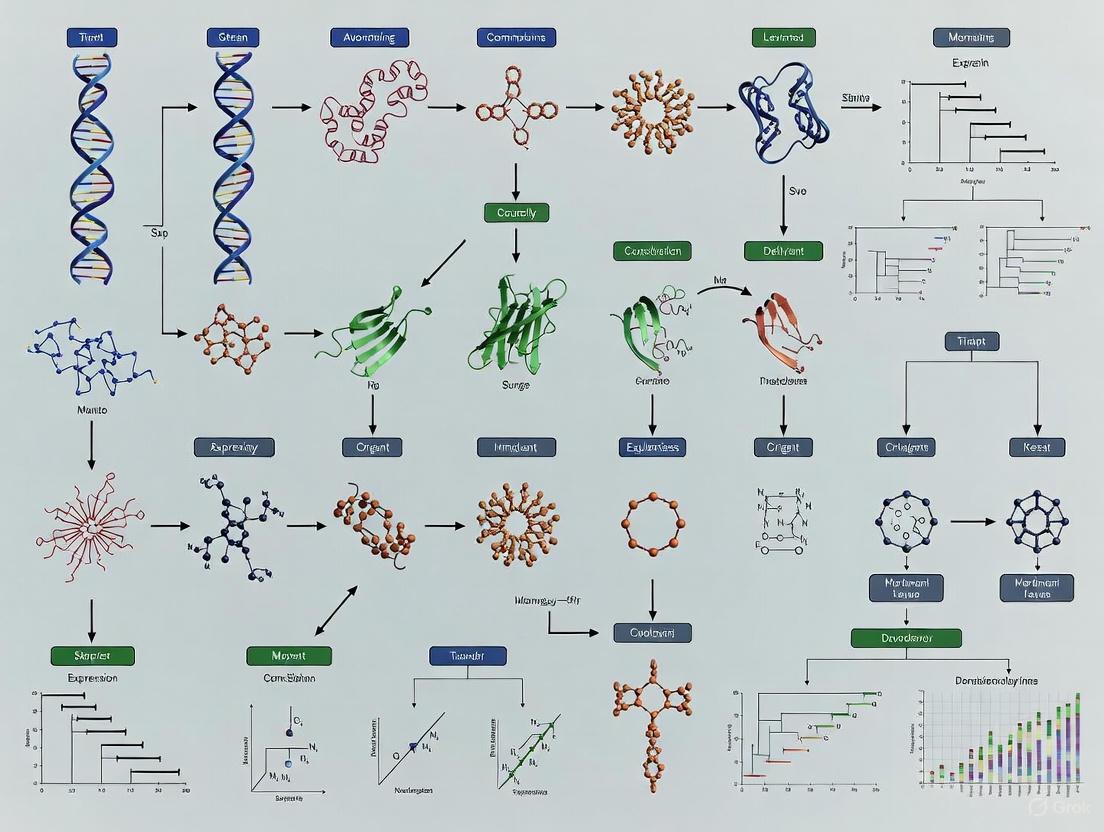
This article provides a comprehensive overview of evolutionary developmental biology (evo-devo) for researchers and drug development professionals.
Evo-Devo 2025: From Genomic Insights to Therapeutic Innovation in Biomedical Research
Abstract
This article provides a comprehensive overview of evolutionary developmental biology (evo-devo) for researchers and drug development professionals. It explores the foundational principles that connect genetic programs to morphological evolution and disease states. The scope spans from core concepts like homology and canalization to cutting-edge methodologies such as single-cell sequencing and CRISPR-Cas9 in non-model organisms. It further addresses challenges in translating evolutionary concepts into therapeutic strategies, including target validation and the application of Evo-Devo principles to neurodegenerative disease research. By synthesizing comparative genomic analyses and mechanistic studies, this review highlights how an evo-devo framework can illuminate disease origins and accelerate the development of novel therapeutics.
Core Principles of Evo-Devo: Decoding the Genetic and Developmental Basis of Evolutionary Innovation
The central challenge in evolutionary developmental biology (evo-devo) lies in deciphering the mechanistic links between genetic information (genotype) and observable characteristics (phenotype) across evolutionary timescales. This paradigm represents a synthesis between comparative anatomy, paleontology, embryology, and systematics that has matured into a distinct discipline investigating how developmental mechanisms evolve [1]. Modern evo-devo leverages powerful genomic technologies and sophisticated modeling approaches to uncover how alterations in developmental processes generate phenotypic diversity, thus bridging the conceptual gap between microevolutionary genetic changes and macroevolutionary phenotypic patterns.
The fundamental pursuit of evo-devo involves tracing the causal pathways from genetic sequences to developmental processes to functional organismal traits. This requires integrating multiple biological scales: from DNA sequence variation through gene regulatory networks, cellular differentiation, tissue morphogenesis, and ultimately the emergence of complex phenotypes that interface with natural selection. Contemporary research in this field has revealed that the relationship between genotype and phenotype is not linear but involves complex interactions across hierarchical levels of biological organization, with implications for understanding evolutionary innovation, constraint, and adaptation.
Methodological Framework: Experimental and Computational Approaches
Table: Core Methodological Approaches in Evo-Devo Research
| Method Category | Specific Techniques | Primary Application | Key Output Metrics |
|---|---|---|---|
| Genomic Comparisons | Whole-genome sequencing, genome-wide association studies, phylogenetic footprinting | Identify evolutionary conserved regions, lineage-specific adaptations, and regulatory elements | Sequence conservation scores, phylogenetic divergence metrics, selection coefficients (dN/dS ratios) |
| Developmental Perturbation | CRISPR-Cas9 gene editing, RNA interference, pharmacological inhibition | Functional validation of candidate genes and regulatory elements in model organisms | Phenotypic effect sizes, mortality rates, morphological quantification |
| Gene Expression Mapping | Single-cell RNA sequencing, in situ hybridization, spatial transcriptomics | Characterize spatiotemporal expression patterns and cell type evolution | Expression gradients, cell type phylogenies, differentially expressed genes |
| Mathematical Modeling | Optimal control theory, evo-devo dynamics frameworks, energy allocation models | Quantitative prediction of phenotypic evolution and analysis of evolutionary constraints | Model fitness predictions, energy allocation parameters, evolutionary stability thresholds |
Comprehensive Experimental Protocol: Comparative Genomics Workflow
Objective: Identify genetic elements underlying phenotypic differences across species using comparative genomics.
Step 1: Genome Assembly and Annotation
- Select multiple species representing divergent phenotypes of interest (e.g., varying brain sizes, metabolic traits, or morphological structures)
- Perform deep sequencing using long-read technologies (PacBio, Oxford Nanopore) to achieve chromosome-level assemblies
- Annotate genes using transcriptome evidence (RNA-seq) and homology-based prediction tools
- Identify conserved non-coding elements through phylogenetic footprinting with tools like PhastCons
Step 2: Phenotype Characterization and Quantification
- Establish standardized phenotypic measurements for traits of interest (e.g., brain volume, body mass, metabolic rate)
- Create high-resolution phenotype databases with ontologically consistent descriptors
- Document developmental trajectories through staging series and morphological landmarks
Step 3: Genotype-Phenotype Correlation Analysis
- Perform whole-genome alignments using progressiveCactus or MULTIZ
- Calculate evolutionary rates (dN/dS) for protein-coding genes using PAML
- Identify rapidly evolving elements through branch-specific tests (e.g., BUSTED)
- Detect lineage-specific gains and losses through phylogenetic hidden Markov models (phylo-HMMs)
Step 4: Functional Validation
- Design CRISPR-Cas9 knockouts of candidate regulatory elements in model organisms
- Quantify phenotypic effects using high-resolution imaging and morphometrics
- Assess molecular consequences through RNA-seq and ATAC-seq on edited specimens
- Establish causality through rescue experiments with orthologous elements
Quality Control Measures:
- Implement stringent multiple testing correction for genome-wide analyses (FDR < 0.05)
- Validate assembly completeness using BUSCO scores (>90% recommended)
- Replicate phenotypic measurements across multiple individuals and developmental stages
- Confirm gene edits through Sanger sequencing and off-target effect screening
Key Signaling Pathways and Their Evolutionary Modulation
The evolution of developmental systems frequently involves modifications to core signaling pathways that pattern embryonic tissues. These pathways represent key regulatory nodes where genetic changes translate into phenotypic variation through altered cell communication, differentiation, and morphogenesis.
Diagram: Generalized Signaling Pathway Architecture
Table: Evolutionarily Significant Signaling Pathways in Evo-Devo
| Pathway Name | Core Components | Developmental Role | Evolutionary Significance |
|---|---|---|---|
| Wnt/β-catenin | Wnt ligands, Frizzled receptors, β-catenin, TCF/LEF | Axis patterning, cell fate determination, stem cell maintenance | Modifications linked to body plan evolution; co-option in novel structures |
| Hedgehog | Hedgehog ligands, Patched receptor, Smoothened, Gli TFs | Limb patterning, neural tube patterning, segment polarity | Changes associated with fin-to-limb transition; craniofacial diversity |
| TGF-β/BMP | TGF-β/BMP ligands, Ser/Thr kinase receptors, Smads | Dorsoventral patterning, bone morphogenesis, tissue differentiation | Alterations drive skeletal evolution; BMP gradient shifts in beak morphology |
| FGF | FGF ligands, FGFR receptors, Ras/MAPK cascade | Limb development, neural induction, organogenesis | Modifications associated with limb proportion changes; brain size evolution |
| Notch | Notch receptors, Delta/Jagged ligands, CSL transcription factors | Lateral inhibition, boundary formation, cell fate decisions | Variations linked to neural development; segmentation processes |
Modeling Evo-Devo Dynamics: From Theory to Quantitative Prediction
Mathematical modeling provides a crucial framework for formalizing hypotheses about genotype-phenotype relationships and testing them against empirical data. Recent advances have enabled the integration of evolutionary and developmental dynamics into unified theoretical frameworks.
Diagram: Evo-Devo Dynamics Modeling Framework
Table: Parameters in Evo-Devo Brain Size Modeling
| Parameter Type | Specific Examples | Biological Interpretation | Quantitative Impact |
|---|---|---|---|
| Energy Allocation | Brain tissue production cost, somatic maintenance, reproductive investment | Metabolic constraints on tissue development | Determines trade-offs between brain, body, and reproduction |
| Ecological Challenge | Energy extraction efficiency, skill learning curves, environmental complexity | Selective pressure for cognitive abilities | Modifies fitness landscape favoring increased brain investment |
| Social Dynamics | Cooperation probability, between-group competition, information sharing | Social selective pressures and developmental inputs | Alters energy acquisition opportunities during development |
| Developmental Timing | Childhood length, growth rates, maturation schedules | Life history organization and brain development window | Affects total energy investment possible in neural tissue |
The evo-devo dynamics framework reveals that hominin brain expansion may not have been driven primarily by direct selection for brain size itself, but rather through its genetic correlation with other traits, particularly developmentally late preovulatory ovarian follicles [2]. This correlation emerges when individuals experience challenging ecologies and seemingly cumulative culture, which generate "mechanistically socio-genetic" covariation between these traits. In this model, brain metabolic costs influence evolutionary dynamics not as direct fitness costs but through their effects on mechanistic socio-genetic covariation patterns [2].
Table: Essential Research Reagents for Evo-Devo Investigations
| Reagent Category | Specific Examples | Primary Function | Application Context |
|---|---|---|---|
| Gene Editing Tools | CRISPR-Cas9 systems, Cre-loxP reagents, transposon vectors | Targeted genome modification for functional validation | Testing candidate regulatory elements in model organisms |
| Lineage Tracing | Brainbow reporters, Confetti systems, time-inducible Cre | Cell lineage mapping and fate determination | Tracking developmental origins of evolutionary novel structures |
| Transcriptomics | Single-cell RNA-seq kits, spatial transcriptomics platforms, in situ hybridization probes | Gene expression profiling at cellular resolution | Characterizing developmental gene expression evolution |
| Epigenomics | ATAC-seq kits, ChIP-seq antibodies, DNA methylation arrays | Regulatory element identification and chromatin state mapping | Evolutionary changes in gene regulation |
| Model Organisms | Zebrafish, sticklebacks, Drosophila, mice, organoids | Comparative developmental studies across phylogeny | Functional testing of evolutionary hypotheses |
| Bioinformatics | Genome assembly pipelines (Hi-C, Chicago), phylogenetic software, selection detection tools | Data analysis and hypothesis testing | Comparative genomics and molecular evolution analyses |
Future Directions and Research Challenges
Despite significant advances, several key challenges remain in linking genotype to phenotype through evo-devo approaches. Comprehensive phenotype databases with standardized ontologies are needed to facilitate robust cross-species comparisons [3] [4]. Improved genome annotations for non-model organisms are essential for detecting evolutionary relevant variation. There is also a pressing need for enhanced computational approaches to identify lineage-specific adaptations from genomic data and to model more complex genotype-phenotype maps [3].
Future research directions will likely focus on integrating high-throughput sequencing data, particularly single-cell genomics, with sophisticated in silico modeling to create more predictive frameworks of phenotypic evolution [1]. The "transcriptomic hourglass" model, which suggests maximal conservation of gene expression patterns during mid-embryogenesis, represents one such approach that may need refinement in light of maternal effects on early development [1]. Additionally, there is growing recognition that gene and enhancer losses have been underappreciated as drivers of phenotypic change, highlighting the need for more comprehensive functional assays beyond gene-centric models [3] [4].
As evo-devo continues to mature, it will increasingly provide not only explanations for evolutionary patterns but also predictive frameworks for understanding how developmental systems respond to environmental changes and selection pressures—a crucial capacity for addressing fundamental questions in evolutionary biology and biomedical research.
Evolutionary developmental biology (evo-devo) represents a synthesis of two traditionally distinct biological disciplines: evolutionary biology and developmental biology. This field systematically examines how developmental mechanisms evolve and how these evolutionary changes generate organismal diversity [1]. The historical foundation of evo-devo traces back to 19th-century embryological studies, with Karl Ernst von Baer's seminal work in 1828 establishing fundamental principles that would resonate through centuries of biological thought [5] [6]. These early conceptual frameworks have demonstrated remarkable resilience, undergoing continuous refinement while maintaining relevance in modern research paradigms.
The genomic revolution has transformed evo-devo into a quantitatively rigorous discipline, enabling researchers to interrogate evolutionary questions at molecular resolution across diverse taxa [7]. This technological transition has facilitated the testing and validation of historical concepts through empirical data, creating a robust bridge between classical embryology and contemporary developmental genetics. This whitepaper delineates the intellectual trajectory from von Baer's nineteenth-century observations to current research methodologies, emphasizing how foundational principles inform cutting-edge investigations into the genetic basis of morphological evolution.
Von Baer's Laws: The 19th Century Foundation
In 1828, Karl Ernst von Baer published Über Entwickelungsgeschichte der Thiere (On the Developmental History of Animals), introducing four empirical rules that would fundamentally reshape embryological science [6]. Formulated at the University of Königsberg, these laws emerged as a direct rebuttal to the prevailing recapitulation theory advocated by Johann Friedrich Meckel and Antoine Étienne Reynaud Augustin Serres [5] [6]. Von Baer's work represented a paradigm shift from linear progression models of embryonic development toward a branching, divergent conceptualization.
The Four Laws of Embryology
Von Baer's propositions, translated by Thomas Henry Huxley, establish the core principles of embryonic development [5] [6]:
- The more general characters of a large group appear earlier in the embryo than the more special characters. General taxonomic characteristics (e.g., vertebrate features like a notochord) emerge before lineage-specific traits (e.g., fur or feathers).
- From the most general forms the less general are developed, and so on, until finally the most special arises. Development progresses from general structural plans to increasingly specialized anatomical features.
- Every embryo of a given animal form, instead of passing through the other forms, rather becomes separated from them. Embryos of different species diverge from common embryonic forms rather than transiting through adult forms of other species.
- The embryo of a higher form never resembles any other form, but only its embryo. Complex organisms never resemble adult stages of simpler organisms during development, only their embryonic stages.
Contrasting Embryological Theories
Von Baer's framework explicitly rejected recapitulation theories (later popularized as Ernst Haeckel's biogenetic law that "ontogeny recapitulates phylogeny") by demonstrating that embryonic development follows branching divergence rather than linear progression [6]. This epistemological shift established embryology as a comparative science focused on homologous developmental processes rather than superficial similarities between adult and embryonic forms.
Table 1: Key Historical Embryological Theories Compared
| Theory Aspect | Von Baer's Laws | Meckel-Serres Recapitulation | Haeckel's Biogenetic Law |
|---|---|---|---|
| Proponent(s) | Karl Ernst von Baer (1828) | Johann Friedrich Meckel (1808), Antoine Serres (1821) | Ernst Haeckel (1866) |
| Developmental Pattern | Branching divergence | Linear progression through scala naturae | Linear progression through evolutionary history |
| Embryo-Adult Relationship | Embryos resemble other embryos, not adults | Embryos pass through adult forms of "lower" animals | Ontogeny recapitulates phylogeny |
| Evolutionary Mechanism | Not specified (von Baer rejected common descent) | Pre-Darwinian progressionism | Common descent with natural selection |
| Historical Impact | Foundation for modern comparative embryology | Superseded by von Baer's evidence | Popular but scientifically rejected |
Despite von Baer's personal objections to Darwinian evolution, Charles Darwin recognized the profound support his embryological laws provided for the theory of common descent [5] [6]. Darwin noted in On the Origin of Species that the remarkable similarity of embryos from different vertebrate classes constituted "a better proof of community of ancestry" than any adult anatomical comparisons [5].
The Conceptual Evolution of Von Baer's Principles
Modern Reinterpretations and Validations
Contemporary analyses have refined von Baer's concepts through the lens of molecular genetics and phylogenetics. As noted by Abzhanov (2013), "185 years after von Baer's law was first formulated, its main concepts after proper refurbishing remain surprisingly relevant in revealing the fundamentals of the evolution-development connection" [8] [9]. Modern evidence supports the concept of developmental hourglass model, where mid-embryonic stages (the phylotypic period) exhibit greater conservation across taxa than earlier or later stages, reflecting von Baer's observation of early generalized development [1] [9].
The phylotypic stage represents a modern derivative of von Baer's concepts, describing a conserved developmental period when the basic body plan is established across related taxa [9]. Genomic analyses have revealed that this developmental conservation correlates with increased evolutionary constraint on gene regulatory networks operating during these critical periods.
Contemporary Challenges and Refinements
While von Baer's principles remain conceptually valuable, modern research has identified important exceptions necessitating theoretical refinement. Studies reveal that early development can display significant variation related to ecological adaptations, particularly in characters like egg size, yolk content, and cleavage patterns [9]. Additionally, different organ systems may follow distinct developmental timing patterns, challenging strict interpretations of von Baer's first law.
Table 2: Genomic Evidence Supporting Von Baer's Principles
| Von Baer's Concept | Modern Genomic Evidence | Research Insights |
|---|---|---|
| General before special characters | Phylogenetically broad transcription factor expression precedes tissue-specific effector genes | Conserved genetic toolkit (e.g., Hox genes) establishes body axes before species-specific features [1] |
| Developmental divergence | Transcriptomic analyses reveal increasing differential gene expression across species throughout development | Embryos of different species show minimal transcriptome differences early, with divergence increasing over time [9] |
| Embryonic similarity | Single-cell RNA sequencing demonstrates conserved cell lineage trajectories across vertebrates | Early cell fate specification programs show deep evolutionary conservation despite morphological differences [10] |
| Branching development | Phylogenomic analyses reconstruct evolutionary relationships matching von Baer's embryonic divergence patterns | Molecular phylogenies confirm embryonic divergence patterns predicted by von Baer's third law [9] |
Recent technological advances, including single-cell RNA sequencing and high-throughput genomic analyses, have provided unprecedented resolution for testing von Baer's principles at molecular scale [1] [10]. These approaches continue to reveal the profound depth of conservation in developmental genetic programs, while simultaneously illuminating the evolutionary innovations that generate biodiversity.
Methodologies: From Embryological Observation to Genomic Analysis
Historical Embryological Techniques
Von Baer's original methodologies established standards for comparative embryology that would endure for over a century [6]:
- Comparative Morphological Analysis: Systematic observation of embryonic structures across multiple vertebrate species, focusing on homologous features.
- Developmental Staging: Segmentation of continuous embryonic development into discrete stages based on morphological milestones.
- Germ Layer Theory: Recognition that animals develop through the formation and differentiation of primary germ layers (ectoderm, mesoderm, endoderm).
The establishment of the standard event system by Werneburg (2009) represents a modern extension of von Baer's comparative approach, creating a universal scheme for staging vertebrate embryos that accommodates heterochrony (evolutionary changes in developmental timing) [1].
Contemporary Genomic Protocols
Modern evo-devo research employs sophisticated genomic and molecular techniques to investigate the genetic basis of developmental evolution:
Diagram: Genomic Workflow in Evo-Devo Research
Transcriptome Sequencing and Analysis
- Objective: Characterize gene expression profiles across developmental stages and species
- Protocol: Extract total RNA from embryos at precisely staged timepoints → prepare cDNA libraries → perform high-throughput sequencing → map reads to reference genomes → quantify transcript abundance → identify differentially expressed genes → conduct phylogenetic comparative analyses [10]
- Application: Testing predictions of von Baer's laws through transcriptomic divergence analyses across species
Functional Genetic Validation
- Objective: Establish causal relationships between genetic variation and developmental phenotypes
- Protocol: Identify candidate genes through comparative genomics → design guide RNAs for CRISPR/Cas9 targeting → perform microinjections in model system embryos → analyze resulting phenotypes through morphological and molecular characterization → compare evolutionary outcomes across taxa [10]
- Application: Investigating the developmental genetic basis of evolutionary innovations
Phylogenomic Reconstruction
- Objective: Establish evolutionary relationships to contextualize developmental patterns
- Protocol: Sequence entire genomes or transcriptomes of multiple species → identify orthologous genes → perform multiple sequence alignment → construct phylogenetic trees using model-based methods → map developmental character evolution onto phylogenetic framework [7] [9]
- Application: Discriminating between conserved and derived developmental features
The Genomic Era: Technological Transformation of Evo-Devo
The emergence of genomics as a central biological discipline has fundamentally transformed evo-devo research methodologies and analytical capabilities. Genomics encompasses "the comprehensive study of the complete genetic material of organisms—their entire genomes," including both coding regions and regulatory elements [7]. This holistic approach has enabled researchers to move beyond candidate gene analyses to system-level investigations of developmental evolution.
Key Genomic Technologies and Applications
Table 3: Genomic Technologies Revolutionizing Evo-Devo Research
| Technology | Application | Impact on Evo-Devo |
|---|---|---|
| Next-Generation Sequencing (NGS) | Whole genome sequencing across multiple species | Enabled comparative analyses of developmental gene regulatory networks across diverse taxa [7] |
| Single-Cell RNA Sequencing | Characterization of gene expression in individual cells | Revealed evolutionary conservation and divergence in cell type specification programs [10] |
| Chromatin Accessibility Profiling | Mapping regulatory elements and epigenetic states | Identified conserved and species-specific regulatory sequences controlling development [10] |
| CRISPR/Cas9 Genome Editing | Functional testing of developmental genes | Enabled direct experimentation on evolutionary developmental hypotheses across organisms [10] |
| Spatial Transcriptomics | Mapping gene expression patterns in tissue context | Preserved architectural information while profiling gene expression during development [10] |
The development of single-cell RNA sequencing (scRNA-seq) represents a particularly transformative innovation, allowing researchers to reconstruct developmental trajectories at cellular resolution and compare these patterns across evolutionarily divergent species [10]. This technology has revealed remarkable conservation in the genetic programs underlying cell type specification, while simultaneously identifying evolutionary innovations in developmental timing and regulatory circuit architecture.
Research Reagent Solutions for Evo-Devo
Diagram: Essential Research Tools
| Research Tool | Function | Application Examples |
|---|---|---|
| Illumina Sequencing Platforms | High-throughput DNA and RNA sequencing | Whole genome sequencing, transcriptome profiling across developmental stages [7] |
| CRISPR/Cas9 Systems | Targeted genome editing | Functional validation of candidate genes in emerging model organisms [10] |
| Standard Embryo Staging Systems | Precise developmental timing | Comparative analyses of development across species, accounting for heterochrony [1] |
| Phylogenetic Analysis Software | Evolutionary relationship reconstruction | Contextualizing developmental data within evolutionary frameworks [9] |
| Single-Cell Isolation Platforms | Individual cell separation and analysis | Characterizing evolutionary changes in cell type development and differentiation [10] |
Current Research and Future Directions
Contemporary evo-devo research continues to validate the enduring relevance of von Baer's principles while extending them in novel directions. Recent studies have identified deep homologies in developmental gene regulatory networks across bilaterian animals, supporting von Baer's concept of generalized early development [9]. The discovery of a shared genetic toolkit for development, including the Hox gene family and conserved signaling pathways, provides a molecular basis for von Baer's observation of embryonic similarities preceding taxonomic divergence [1] [11].
Emerging research directions include:
Integrative Analysis of Developmental Constraints: Investigating how physical, genetic, and phylogenetic constraints shape evolutionary possibilities, refining von Baer's concept of developmental trajectory [9].
Ecological Evolutionary Developmental Biology: Examining how environmental factors influence developmental processes and their evolutionary outcomes, adding ecological dimensions to von Baer's fundamentally anatomical principles [10].
Single-Cell Phylogenomics: Combining single-cell transcriptomics with phylogenetic analysis to reconstruct cell type evolution at unprecedented resolution [10].
Functional Genomics of Non-model Organisms: Applying genomic tools to diverse species to test the universal applicability of von Baer's principles across metazoan phylogeny [10] [12].
The recent discovery of novel eukaryotic lineages, such as the Caelestes phylum identified through advanced cultivation techniques, demonstrates how classical approaches combined with genomic methods continue to reshape our understanding of deep evolutionary relationships [12]. These findings underscore the ongoing synthesis of observational biology and genomic technology in evolutionary developmental research.
The intellectual trajectory from von Baer's embryological laws to contemporary genomic analyses demonstrates how foundational biological principles can maintain relevance through successive technological revolutions. Von Baer's emphasis on comparative approach, developmental timing, and embryonic divergence established conceptual frameworks that continue to guide research in evolutionary developmental biology. The genomic era has transformed these classical principles into testable hypotheses, enabling rigorous investigation of their molecular bases and evolutionary consequences.
The continued refinement of von Baer's concepts—particularly through the developmental hourglass model and phylotypic stage theory—exemplifies how scientific ideas evolve while retaining connections to their historical foundations. Modern evo-devo represents a mature integration of comparative embryology, evolutionary theory, and genomic technology, providing increasingly comprehensive explanations for the generation of morphological diversity throughout animal evolution. This synthesis continues to yield insights with broad implications for basic biology, biomedical research, and therapeutic development, demonstrating the enduring value of bridging historical foundations with cutting-edge methodology.
Evolutionary developmental biology (Evo-devo) investigates how developmental processes evolve and how they shape evolutionary trajectories. Within this framework, developmental buffering and canalization represent fundamental mechanisms that ensure phenotypic stability despite genetic and environmental perturbations. First conceptualized by Conrad Hal Waddington in the 1940s, canalization describes "the capacity of a population to produce the same phenotype despite genetic or environmental differences" [13]. This robustness is not a passive absence of variation but an active biological process with profound implications for evolutionary innovation, constraint, and adaptive potential.
These processes influence evolvability—"an organism's capacity to generate heritable phenotypic variation"—by controlling the exposure of phenotypic variation to natural selection [14] [15]. When buffering mechanisms are robust, they suppress phenotypic variation, creating cryptic genetic variation that remains hidden until buffering systems are compromised. This release of variation can provide a substrate for rapid adaptation during periods of environmental stress or genetic disruption, creating an evolutionary trade-off between short-term phenotypic stability and long-term adaptive capacity [15].
Molecular Mechanisms of Developmental Buffering
Genetic and Cellular Buffering Systems
Developmental buffering operates through interconnected molecular mechanisms that stabilize phenotypic outcomes. These systems span from gene regulatory networks to protein homeostasis, creating multiple layers of protection against perturbation.
Table 1: Mechanisms Underlying Developmental Buffering and Canalization
| Mechanism | Key Components | Biological Function | Phenotypic Effect |
|---|---|---|---|
| Chaperone Buffering | HSP90 and other chaperones | Facilitates proper protein folding despite destabilizing mutations | Maintains functionality of marginally stable mutant proteins [15] |
| Gene Regulatory Networks | Transcription factors, cis-regulatory elements | Complex, redundant interactions buffer against single component failure | Stabilizes developmental fate decisions and patterning [13] |
| Genetic Redundancy | Paralogous genes from duplication events | Backup genes compensate for mutations in primary genes | Preserves essential functions despite genetic lesions [16] |
| Exploratory Mechanisms | Cytoskeleton, neural connections | Overproduction followed by selective stabilization | Achieves robust outcomes despite initial variability [14] |
The HSP90 chaperone system represents a paradigmatic example of a molecular buffer. HSP90 interacts with an exceptionally broad subset of client proteins involved in key signaling pathways. By facilitating proper folding of marginally stable mutant proteins, HSP90 masks the phenotypic consequences of underlying genetic variation. When HSP90 function is compromised under stress conditions, this cryptic genetic variation is phenotypically revealed, potentially generating new traits for selection to act upon [15].
Gene regulatory networks (GRNs) provide another crucial buffering mechanism through their inherent properties of degeneracy (different mechanisms accomplishing the same outcome) and modularity (parsing processes into independent units) [14]. In zebrafish, studies of gene duplication events reveal how duplicated genes within GRNs can undergo subfunctionalization or neofunctionalization, creating complex, buffered networks that resist perturbation while providing raw material for evolutionary innovation [16].
Tissue-Level Canalization Processes
Beyond molecular mechanisms, tissues and embryos exhibit remarkable abilities to "fix themselves" through adaptive responses to perturbation. These tissue-level canalization processes represent an emerging frontier in Evo-devo research.
The zebrafish posterior lateral line primordium demonstrates perfect adaptation during collective cell migration. When researchers experimentally disrupted the gradient of the chemokine Cxcl12a—a key guidance cue—the primordium initially responded but then rapidly restored normal migration through a self-generated gradient mechanism. This recovery involved dynamic buffering of extracellular chemokine by a dedicated scavenger pathway, illustrating how tissues actively maintain developmental trajectories despite fluctuating environmental signals [17].
In Drosophila imaginal discs, growth coordination demonstrates another form of developmental robustness. When the development of single discs is experimentally retarded, a systemic response delays the maturation of the entire organism until all organs reach the expected size. This "no organ left behind" strategy ensures proportional growth through inter-tissue communication, highlighting how buffering mechanisms can operate at the organismal level [17].
Experimental Approaches for Investigating Canalization
Perturbation-Based Methodologies
Research into developmental buffering requires experimental strategies that challenge embryonic systems and monitor their responses. Unlike traditional genetic screens that identify essential components through their loss-of-function phenotypes, canalization studies employ inducible, acute perturbations to reveal robustness mechanisms.
Table 2: Experimental Approaches for Studying Developmental Robustness
| Method | Application | Key Advantage | Example System |
|---|---|---|---|
| Inducible Perturbations | Acute disruption of specific developmental processes | Precise temporal control avoids developmental compensation | Optogenetics, chemical genetics [17] |
| Quantitative Live Imaging | Real-time tracking of system responses to perturbation | Captures dynamic adaptation processes | Zebrafish lateral line migration [17] |
| Buffer Gene Identification | Testing candidate genes with broad interaction capacity | Reveals genes that modulate phenotypic variability | HSP90 mutagenesis screens [15] |
| Comparative Evo-devo | Analysis of conserved processes across species | Identifies deeply buffered vs. evolutionarily labile traits | Vertebrate brain specification studies [10] |
Inducible perturbation systems are particularly valuable as they enable "on-demand" canalization studies. Techniques such as optogenetics, chemical genetics, and heat-sensitive alleles allow researchers to apply precisely timed insults to developing systems, then observe how robustness mechanisms restore normal development. For example, using light-controlled protein interactions to acutely disrupt morphogen gradients has revealed how tissues re-establish patterning through self-organizing behaviors [17].
The zebrafish model system offers exceptional advantages for these studies due to its external development, optical clarity, and genetic tractability. Researchers can combine quantitative live imaging of transparent embryos with precise genetic or chemical perturbations to dissect buffering mechanisms in real time. Automated workflows for embryo handling and imaging further enhance reproducibility and throughput, enabling large-scale studies of developmental robustness [16].
The Research Toolkit: Essential Reagents and Models
Table 3: Research Reagent Solutions for Studying Developmental Buffering
| Reagent/Model | Function in Research | Key Application |
|---|---|---|
| Zebrafish (Danio rerio) | Vertebrate model with external development and optical clarity | Real-time imaging of developmental processes and responses to perturbation [16] |
| HSP90 Inhibitors | Chemical compromisers of chaperone buffering capacity | Revealing cryptic genetic variation in populations [15] |
| Optogenetic Tools | Light-controlled protein interactions and gene expression | Acute, spatially precise perturbation of developmental signals [17] |
| Gene Expression Reporters | Fluorescent tags revealing spatiotemporal gene expression patterns | Monitoring transcriptional responses to perturbation in live embryos [17] |
| CRISPR/Cas9 Systems | Precise genome editing for creating targeted mutations | Testing gene function and genetic interactions in buffering networks [18] |
Evolutionary Implications and Research Applications
Canalization as an Evolutionary Force
Canalization shapes evolutionary outcomes through multiple pathways. By buffering developmental processes against genetic variation, canalization allows populations to accumulate cryptic genetic variation that does not immediately affect phenotypic traits. This standing variation can be exposed during periods of environmental stress or when populations encounter new environments, potentially facilitating rapid adaptation without waiting for new mutations to arise [15] [13].
The relationship between canalization and evolutionary innovation represents a fascinating paradox: strong developmental buffering constrains phenotypic variation in the short term but may enhance long-term evolvability by protecting genetic and developmental architectures from disruption. This creates conditions where evolutionary tinkering (bricolage) can repurpose existing developmental modules for new functions without compromising essential functions [14]. Studies of bat wing evolution illustrate how developmental constraints can shape evolutionary trajectories; unlike birds, whose wing and leg proportions evolve independently, bat forelimbs and hindlimbs evolve in unison due to their shared integration within the membranous wing, potentially restricting ecological adaptation [10].
Applications in Biomedical Research and Drug Discovery
Understanding developmental buffering has practical implications for disease modeling and therapeutic development. Many human diseases, including cancer and congenital disorders, represent failures of developmental buffering systems. The principles of canalization provide frameworks for understanding why certain signaling pathways remain robust in normal development but become vulnerable to mutation in disease contexts [17].
In drug discovery, the concept of buffer genes offers promising therapeutic strategies. If specific genes buffer the effects of pathogenic mutations, enhancing their activity could potentially suppress disease phenotypes. Conversely, inhibiting buffer genes that protect diseased cells could sensitize them to treatment. For example, the same signaling pathways that guide development—Wnt, FGF, and Notch—are often dysregulated in cancer and represent important drug targets [16]. Zebrafish models are particularly valuable for studying these effects, as their well-characterized gene regulatory networks enable researchers to trace how pharmaceutical compounds disrupt developmental pathways and cause teratogenic effects [16].
Diagram 1: HSP90 chaperone system buffers cryptic genetic variation under normal conditions. Environmental or genetic stress compromises HSP90 function, revealing previously hidden phenotypic variation that becomes subject to natural selection [15].
Diagram 2: Experimental workflow for investigating canalization mechanisms using inducible perturbations and quantitative imaging to reveal how developmental systems buffer against challenges [17].
Developmental buffering and canalization represent fundamental properties of biological systems that shape both phenotypic stability and evolutionary potential. From molecular mechanisms like the HSP90 chaperone system to tissue-level adaptive processes, these robustness mechanisms ensure reproducible developmental outcomes while simultaneously influencing the capacity for evolutionary change. The emerging experimental approaches—combining inducible perturbations with quantitative imaging in model systems like zebrafish—are revealing the intricate mechanisms through which embryos maintain developmental precision despite genetic and environmental variation.
Understanding these processes has profound implications for evolutionary biology, explaining how developmental systems balance conservation and innovation across deep evolutionary timescales. Furthermore, these insights provide valuable frameworks for biomedical research, offering new perspectives on disease mechanisms and potential therapeutic strategies that target buffering systems. As research in this field advances, it will continue to illuminate the deep connections between developmental processes and evolutionary trajectories.
Modularity, Exploratory Mechanisms, and the Generation of Phenotypic Diversity
This whitepaper examines the central role of modularity and exploratory mechanisms in generating phenotypic diversity, a cornerstone of evolutionary developmental biology (evo-devo). These principles facilitate evolutionary innovation by enabling specific functional units to vary independently and through processes that generate variation which is subsequently pruned by selective processes. We detail the molecular and cellular properties underpinning these phenomena, provide methodologies for their experimental investigation, and visualize core signaling pathways. For researchers and drug development professionals, understanding these principles provides a mechanistic framework for predicting phenotypic outcomes and informs strategies for intervening in developmental and disease processes.
Evolutionary developmental biology (evo-devo) posits that developmental processes are not merely the execution of a genetic program but are fundamental to understanding evolutionary patterns. A core insight is that developmental processes bias the effects of mutations on behavior and its underlying mechanisms, including neural circuits and endocrine systems, thereby shaping behavioral evolution by limiting the behavioral phenotypes subject to selection [14]. This occurs through specific molecular, cellular, and network-level properties that structure the phenotypic variation upon which natural selection acts.
The concepts of modularity and exploratory behavior are not limited to morphology but extend to the nervous system, which plays an essential role in generating behavior [14]. This whitepaper synthesizes core evo-devo principles to provide a mechanistic understanding of how phenotypic diversity is generated, with a focus on their implications for biomedical research.
Core Theoretical Principles
Modularity: Quasi-Autonomous Units of Evolution
In evo-devo, modules are defined as quasi-autonomous units that are connected loosely with each other within a larger system [19] [20]. This organizational structure is critical for evolvability because it allows changes to occur in one module without disruptive consequences for the entire organism.
- Definition and Significance: Modularity parsers a biological process into separate, independent units, each of which can develop or be regulated independently of the others [14]. This independence permits the evolutionary tinkering of specific traits—such as the morphology of a limb or the pattern of a neural circuit—without compromising the functionality of the entire organism.
- Linking Genotypes to Phenotypes: A key research strategy is to relate developmental modules (units of gene expression and cell activity) with morphological modules (anatomical units identified by comparative anatomy) [19] [20]. When these modules remain coupled, evolutionary change involves shape alteration without a fundamental decoupling from the underlying gene network. Evolutionary novelty, in contrast, often involves a heterotopic shift where the relationship between anatomical and developmental modules is reconfigured [20].
- Example in Vertebrate Evolution: The neural crest is a quintessential developmental module that has been repurposed across vertebrates. It acts as a multipotent stem cell population contributing to diverse structures, from the craniofacial skeleton in jawed vertebrates to specialized glands. This highlights how a conserved developmental module underlies macroevolutionary innovation in organogenesis [21] [22].
Exploratory Mechanisms: Generating and Selecting Variation
Exploratory mechanisms are processes that initiate more elements than will finally persist, with the most functional elements surviving while the remainder disappear [14]. This "generate-and-test" strategy at a cellular level is a powerful source of robustness and evolutionary potential.
- Definition and Mechanism: These mechanisms operate by producing a broad range of initial conditions—such as an overproduction of neurons, synapses, or vascular pathways—followed by a selective stabilization based on functional criteria, often mediated by activity or trophic factors [14].
- Functional Consequences: This strategy allows an organism to cope with unpredictable environments and internal noise, as the system can adaptively select the optimal configuration from a pre-generated repertoire. It is a primary source of developmental plasticity [14].
- Canonical Example: The development of the nervous system involves an overproduction of neurons and synapses, with subsequent pruning that retains only those neurons that have made productive synaptic connections [14]. This same logic applies to the formation of the vascular system through angiogenic sprouting.
Supporting Mechanistic Properties
Modularity and exploratory mechanisms are enabled by other core molecular and network-level properties [14].
Table 1: Core Mechanistic Properties Enabling Phenotypic Diversity
| Property | Definition | Biological Example |
|---|---|---|
| Weak Linkage | Processes coupled in a switch-like, not lock-and-key, fashion, allowing easy evolutionary re-wiring [14]. | Signal transduction pathways where one process switches another without direct molecular transmission. |
| Versatility | A molecule or process has flexible requirements or substrates, allowing it to be co-opted for new functions [14]. | Transcription factors like Pax6 that can initiate eye development in different phylogenetic contexts. |
| Degeneracy | The presence of different mechanisms capable of accomplishing the same outcome, providing robustness [14]. | Multiple gene networks or neural pathways that can produce the same behavioral output. |
| Redundancy | The presence of very similar elements that can substitute for one another, a special case of degeneracy [14]. | Paralogous genes resulting from gene duplication that retain overlapping functions. |
| Canalization | The buffering of developmental pathways against genetic or environmental perturbation, leading to robust outcomes [14]. | Circadian clock protein networks that maintain stable behavioral rhythms despite variation. |
These properties interact to create a developmental system that is both robust to perturbation and capable of generating non-lethal, heritable variation—the raw material for evolution.
Experimental Analysis: Methodologies and Protocols
Investigating modularity and exploratory mechanisms requires a combination of comparative, molecular, and experimental embryological techniques.
Mapping Developmental Modules
Objective: To identify the spatial and temporal boundaries of a developmental module and associate it with a morphological structure.
Protocol:
- Comparative Anatomical Analysis: Establish a baseline of morphological homology across related species using traditional comparative anatomy [19].
- Gene Expression Profiling:
- Perform whole-mount in situ hybridization (ISH) or immunohistochemistry (IHC) on embryonic series to visualize the expression patterns of candidate genes.
- Key genes often include transcription factors and signaling molecules (e.g., Hox, Pax, Bmp, Wnt families) [20].
- Lineage Tracing: Use fluorescent dyes or genetic lineage tracing (e.g., Cre-lox systems) to track cells derived from a putative module, such as the neural crest, into their final anatomical destinations [22].
- Module Validation via Perturbation:
- Employ RNA interference (RNAi), CRISPR-Cas9 mutagenesis, or pharmacological inhibitors to disrupt the function of a candidate gene within the putative module.
- A true module will exhibit a quasi-autonomous response: the primary defect will be confined to the associated morphological structure, with minimal pleiotropic effects on unrelated modules [19].
Quantifying Exploratory Dynamics
Objective: To empirically measure the overproduction and selective stabilization phases of an exploratory process.
Protocol (Applied to Neural Development):
- Time-Lapse Imaging:
- Transfert neural progenitor cells in vitro or create transgenic embryos in vivo with fluorescent markers for cytoskeletal components (e.g., GFP-β-actin) to visualize growth cones.
- Culture cells or image embryos under a confocal microscope for extended periods (24-72 hours).
- Data Collection:
- Track the number and branching patterns of neurites and filopodia over time.
- Quantify the rate of synapse formation and elimination using fluorescently tagged postsynaptic density proteins (e.g., PSD-95-GFP).
- Functional Perturbation:
- Apply inhibitors of key trophic factors (e.g., Nerve Growth Factor (NGF), Brain-Derived Neurotrophic Factor (BDNF)) or their receptors (e.g., Trk receptors).
- Alternatively, use optogenetics to manipulate neuronal activity in specific circuits in vivo.
- Analysis:
- Compare the initial density of neurites/synapses to the final, stabilized network.
- A signature of an exploratory mechanism is a significant (e.g., >50%) reduction in initial elements, and a change in the stabilization pattern upon perturbation of the selective signal (e.g., activity or trophic factors) [14].
The following diagram illustrates the core logic and experimental workflow for analyzing an exploratory mechanism.
The Scientist's Toolkit: Key Research Reagents
Table 2: Essential Reagents for Investigating Modularity and Exploratory Mechanisms
| Reagent / Tool | Function in Experimental Design | Specific Application Example |
|---|---|---|
| CRISPR-Cas9 | Targeted gene knockout or knock-in to test gene function within a module. | Disrupting a neural crest specifier gene (e.g., Sox10) to study its role in craniofacial modularity [22]. |
| Cre-lox Lineage Tracing | Fate mapping of cells derived from a specific progenitor population. | Tracing the contribution of a specific embryonic somite to the adult axial skeleton and muscle groups. |
| Morpholinos | Transient knockdown of gene expression via inhibition of mRNA splicing or translation. | Rapidly assessing the function of a candidate gene in early embryonic patterning without generating stable mutants. |
| Small Molecule Inhibitors | Pharmacological blockade of specific signaling pathways. | Using a BMP pathway inhibitor (e.g., Dorsomorphin) to test the role of BMP signaling in modular bone formation. |
| Fluorescent Reporters (GFP, RFP) | Visualizing gene expression, protein localization, and cell lineage in live samples. | Creating a transgenic line with GFP under the control of a module-specific enhancer to visualize its spatial and temporal boundaries. |
| Optogenetics / Chemogenetics | Precise spatiotemporal manipulation of neuronal activity. | Testing the role of specific activity patterns in the selective stabilization of synapses during circuit formation [14]. |
Signaling Pathways as Modular and Exploratory Systems
Several highly conserved signaling pathways exemplify the properties of weak linkage and versatility, acting as modular units that can be deployed in different contexts.
The Wnt/β-catenin pathway is a prime example of a versatile and weakly linked signaling module used across metazoans for a variety of purposes, from axis specification to cell fate determination and stem cell maintenance. Its core components form a module that can be activated by different ligands in different contexts, with outcomes determined by the cellular and tissue context.
Discussion and Research Implications
The Evo-Devo Perspective on Novelty
An evo-devo approach to phenotypic novelty is inherently mechanistic and treats the phenotype as an agent with generative potential [23]. It prompts a distinction between continuous, adaptational change and discontinuous change resulting from higher-level processes like the emergence of new modules or the exploratory behavior of systems. These novelties represent unrefined variational additions upon which selection can subsequently act, rather than features that can be explained purely by the accumulation of small, adaptive mutations [23]. This perspective is crucial for explaining macroevolutionary trends, such as how the neural crest module facilitated rapid diversification in vertebrate morphology [22].
Relevance for Drug Development and Biomedical Research
For professionals in drug development, the principles of modularity and exploratory mechanisms offer a powerful lens.
- Target Identification: Understanding that certain signaling pathways (e.g., Wnt, Hedgehog, Notch) are versatile modules reused across development and homeostasis can reveal potential off-target effects when designing inhibitors. Conversely, it can identify robust, degenerate systems that may require multi-target therapeutic strategies.
- Neurodevelopmental and Neurodegenerative Diseases: The processes of exploratory axon guidance and activity-dependent synaptic pruning are critical for building a healthy brain. Dysregulation of these mechanisms is implicated in conditions like autism spectrum disorders and schizophrenia. Therapies aimed at modulating trophic factors or neural activity could help guide wayward developmental processes.
- Cancer Biology: Tumors often hijack developmental modules and exploratory processes. For instance, the epithelial-to-mesenchymal transition (EMT), a modular program from embryogenesis, is co-opted by carcinoma cells to facilitate metastasis. Similarly, tumor angiogenesis is an exploratory process where blood vessels are recruited to support tumor growth. Targeting the specific components of these re-activated modules presents a promising therapeutic strategy.
Modularity and exploratory mechanisms are not abstract concepts but are fundamental, empirically tractable properties of biological systems that powerfully explain the generation of phenotypic diversity. They provide a mechanistic basis for understanding how developmental processes bias evolutionary outcomes, facilitating the emergence of evolutionary novelties while ensuring overall robustness. The experimental frameworks and tools outlined herein provide a roadmap for researchers to dissect these principles further. For the biomedical community, integrating this evo-devo perspective is essential for developing a deeper, more predictive understanding of disease mechanisms and for designing innovative therapeutic interventions that work with, rather than against, the logic of biological organization.
The foundational discovery in evolutionary developmental biology (Evo-Devo) that a conserved set of master regulatory genes governs morphological development across diverse species has revolutionized our understanding of phenotypic evolution [24]. These "toolkit genes," including transcription factors and signal transduction molecules such as the Pax and Hox gene families, are highly conserved in sequence and function across bilaterally symmetric animal phyla despite immense diversity in morphological form [24]. This surprising conservation raises fundamental questions about evolutionary mechanisms at the molecular level and the origins of phenotypic diversity. Over the past decade, this toolkit concept has successfully expanded beyond morphology to encompass complex behavioral phenotypes, revealing that conserved genes are reused over evolutionary time to generate convergent behavioral adaptations [24]. This whitepaper examines the conservation and co-option of gene regulatory networks (GRNs) as fundamental evolutionary mechanisms, providing technical guidance and methodological frameworks for researchers investigating the molecular basis of development and evolution.
The extension of the toolkit concept to behavior is particularly remarkable given that behavioral phenotypes are highly complex traits regulated by numerous genes operating in diverse tissues [24]. Key examples include the foraging gene, associated with foraging behavior across Drosophila melanogaster, honey bees, ants, and Caenorhabditis elegans, and the FoxP2 gene, repeatedly linked to speech, song, and vocalizations in vertebrates including humans [24]. These findings demonstrate that the reuse of conserved genetic elements is a pervasive evolutionary strategy that transcends phenotypic complexity.
Theoretical Framework: Conservation and Co-option in GRNs
GRNs as Evolutionary Characters
Gene regulatory networks can be interpreted as highly dynamic spatiotemporal patterns that themselves constitute evolutionary characters capable of being homologized [25]. When interpreting GRNs as patterns, the genes or gene products and their interactions become the components of the pattern [25]. These components interact dynamically through activation and repression relationships across developmental time and space. Similarities in GRN architecture between species may indicate that the pattern has been maintained along both lineages from a common evolutionary origin. However, to distinguish between conservation versus convergence, it is essential to demonstrate that the investigated elements represent truly complex patterns with independent components [25]. The more complex the correspondences between two or more components, and the more independent these components are, the more plausible a hypothesis of common evolutionary origin becomes.
Co-option as an Evolutionary Mechanism
Co-option represents a fundamental evolutionary process wherein existing genes, gene circuits, or entire GRNs are recruited for new functions during evolution without necessarily changing their core regulatory logic [24]. This mechanism allows for the rapid evolution of novel phenotypes by repurposing existing genetic infrastructure. A documented example includes the co-option of an ancestral Hox-regulated network underlying a recently evolved morphological novelty [24]. Co-option events can be identified through comparative network analysis that reveals similar network modules deployed in different developmental contexts or phenotypic outcomes across species.
Hierarchical Organization of GRNs
Gene regulatory networks exhibit a hierarchical structure with clear beginning and terminal states, providing directionality to developmental processes [26]. Each regulatory state depends on the previous state, with networks comprising genetic circuits or modules each dedicated to specific developmental tasks [26]. This modular organization facilitates evolutionary tinkering, as individual sub-circuits can be deployed repeatedly in different contexts, and the assembly of new modules enables cell diversification and evolutionary innovation [26]. The hierarchical organization extends from the initial specification of broad territories to the final differentiation of specialized cell types.
Quantitative Patterns in Behavioral Genetic Toolkits
Table 1: Documented Behavioral Genetic Toolkits and Their Conservation Patterns
| Toolkit Gene/Network | Behavioral Phenotype | Taxonomic Range | Level of Conservation | Key References |
|---|---|---|---|---|
| foraging (for) | Larval foraging behavior, feeding-related behaviors | Insects, nematodes, other arthropods | High across protostomes | [24] |
| FoxP2 | Speech, song, vocal learning | Vertebrates including humans | High across vertebrates | [24] |
| Pax6 | Eye development and visually-guided behaviors | Bilaterian animals | Very high across bilaterians | [24] |
| Hox genes | Multiple behavioral and morphological traits | Bilaterian animals | Very high across bilaterians | [24] |
Table 2: Properties of Conserved Genetic Toolkits
| Property | Morphological Toolkits | Behavioral Toolkits | Experimental Challenges |
|---|---|---|---|
| Conservation level | Very high across bilaterians | Moderate to high | Defining behavioral homology across species |
| Pleiotropy | Often limited to developmental patterning | Typically high | Connecting genes to emergent phenotypes |
| Network position | Often upstream in hierarchy | Multiple levels | Localizing behavior to specific tissues |
| Identification methods | Comparative developmental genetics | Behavioral genomics, perturbation studies | Quantifying complex behaviors |
| Co-option frequency | Common (e.g., limb patterning) | Emerging evidence (e.g., foraging) | Establishing functional equivalency |
Methodological Framework: Experimental Approaches for GRN Analysis
Defining the Biological Process and Regulatory State
The essential prerequisite for GRN construction is a detailed understanding of the biological process under investigation [26]. This requires comprehensive knowledge of fate maps at different developmental stages, cell lineage relationships, and the inductive interactions that promote or repress specific cell fates [26]. Once the biology is thoroughly characterized, the next task involves defining the regulatory state for each step in the process through extensive literature review and unbiased transcriptome analysis using microarrays or RNA sequencing [26]. The chick embryo represents an ideal model system for this purpose due to its fully sequenced genome, accessibility for experimental manipulation, well-described embryology similar to human development, and relatively slow development that enables precise resolution of specific cell states [26].
Establishing Epistatic Relationships and cis-Regulatory Analysis
Accurate GRN construction requires experimental evidence for both genetic hierarchy and the edges connecting network nodes [26]. This necessitates:
- Comprehensive expression profiling of all transcription factors in specific cell populations
- Functional perturbation experiments to establish epistatic relationships
- cis-regulatory analysis to verify direct interactions between transcription factors and their target genes [26]
Perturbation experiments are particularly crucial for establishing causal relationships rather than mere correlations. As demonstrated in benchmark studies, inference methods that incorporate knowledge of the perturbation design consistently and significantly outperform those that do not, with only perturbation-based methods achieving near-perfect inference accuracy [27]. This highlights the critical importance of targeted genetic perturbations combined with methods that utilize the perturbation design matrix for accurate GRN inference.
Figure 1: Experimental workflow for gene regulatory network construction, illustrating the sequential steps from initial biological characterization to final network validation.
Scale Integration in GRN Analysis
A major challenge in GRN analysis involves the problem of scale, which can be addressed through scale integration – combining data sets from multiple analytical levels [25]. This approach involves three key strategies:
- Temporal modeling that captures the highly dynamic nature of biological regulation across timescales from milliseconds (phosphorylation cascades) to hours (gene regulation) and beyond [25]
- Balancing complementary prospective analyses to manage sensitivity (reduced false negatives) and specificity (low false positives) across assays and developmental phases [25]
- Qualitative modeling techniques that capture biological phenomena without requiring precise kinetic parameters, enabling the integration of heterogeneous datasets through mathematical frameworks that incorporate inequalities [25]
The scale integration procedure progresses from large-scale surveys to define the factors comprising the control system (observational phase), to focused analyses resolving network topology (hypothesis generation), to targeted cis-regulatory analysis and fine-scale kinetic modeling (hypothesis testing) [25].
Advanced Network Modeling and Inference
TopNet and Cancer GRN Modeling
Advanced network modeling methodologies like TopNet demonstrate how GRN analysis can reveal functional architectures in complex systems [28]. TopNet incorporates uncertainty in underlying gene perturbation data and can identify non-linear gene interactions, revealing sparse topological network architectures within dense gene connectivity spaces [28]. This approach has proven particularly valuable for identifying networks of non-mutated genes critical to malignant states in cancer, revealing that diverse tumor-critical mediator genes function within networks of strong genetic interdependencies [28]. Such methodologies have important applications for identifying non-mutant therapeutic targets in cancer and other complex diseases.
The Critical Importance of Perturbation Design
Accurate GRN inference depends critically on knowledge of the experimental perturbation design [27]. Benchmark studies demonstrate that methods utilizing the perturbation design matrix (P-based methods) consistently and significantly outperform those that do not (non P-based methods) across all noise levels [27]. When provided with correct perturbation design information, P-based methods can achieve near-perfect inference accuracy, while non P-based methods remain limited to AUPR (Area Under Precision-Recall) levels below 0.6 even at low noise levels [27]. Furthermore, when perturbation design information is incorrect, P-based methods perform no better than random, highlighting the essential relationship between accurate experimental design and reliable network inference [27].
Table 3: Comparison of GRN Inference Method Performance
| Method Type | Uses Perturbation Design | High Noise AUPR | Medium Noise AUPR | Low Noise AUPR | Causal Inference |
|---|---|---|---|---|---|
| P-based methods | Yes (as system model, prior information, or data filter) | 0.65-0.85 | 0.80-0.95 | 0.90-1.00 | Directly enabled through perturbation mapping |
| Non P-based methods | No (use observed expression changes only) | 0.10-0.30 | 0.20-0.45 | 0.30-0.60 | Limited to associations |
| Key examples | Z-score, GENIE3 | CLR, BC3NET, PLSNET |
Table 4: Essential Research Reagents and Resources for GRN Analysis
| Reagent/Resource | Function/Application | Technical Considerations | Example Uses |
|---|---|---|---|
| Chick embryo model system | Accessible vertebrate model for manipulation and live imaging | Compact genome; slow development enables high temporal resolution; ideal for cross-species comparison | Neural crest induction, neural tube patterning, somitogenesis studies [26] |
| Perturbation design matrices | Provides causal information for GRN inference | Essential for P-based methods; must accurately reflect actual perturbations | Knockdown experiments using RNAi, overexpression using plasmids [27] |
| Microarrays and RNAseq | Unbiased transcriptome analysis | Chicken 70-mer oligo arrays (ARK genomics); Affymetrix GeneChip | Defining regulatory states of cell populations [26] |
| cis-regulatory element libraries | Verification of direct transcription factor-target interactions | Requires phylogenetic conservation analysis; cross-species sequence comparison | Identifying conserved genomic regions controlling gene expression [26] |
| TopNet algorithm | Network modeling incorporating uncertainty | Identifies non-linear gene interactions; reveals sparse network topology | Analyzing genetic interdependencies in cancer-critical genes [28] |
| Z-score inference method | P-based GRN inference | Most accurate method at high noise levels; requires correct perturbation design | High-accuracy network inference from noisy biological data [27] |
Signaling Pathways and Network Architectures
Figure 2: The highly conserved Hedgehog signaling pathway, an example of a network component that functions as an integrated unit across eumetazoans [25].
Future Directions and Applications
The expanding research on genetic toolkits and GRN evolution continues to provide surprising insights into the origins of phenotypic diversity [24]. Emerging areas include the study of how environmental inputs shape GRN architecture and function, the application of comparative network analysis to understand evolutionary transitions, and the development of more sophisticated modeling approaches that incorporate both quantitative and qualitative data [24] [25]. The integration of GRN analysis with disease mechanisms, particularly in cancer, offers promising avenues for identifying novel therapeutic targets, especially among non-mutant genes that occupy critical positions in tumor-critical networks [28].
For drug development professionals, understanding the architecture of GRNs and the principles of their conservation and co-option provides powerful insights for identifying strategic intervention points. The recognition that diverse phenotypes often arise from conserved genetic toolkits suggests that therapeutic strategies developed in model systems may have broader applicability across species and conditions. Furthermore, the network perspective emphasizes the importance of targeting critical nodes rather than individual genes, potentially leading to more effective and robust therapeutic approaches.
The study of genetic toolkits and their roles in the evolution of gene regulatory networks represents a vibrant research area with profound implications for evolutionary biology, developmental genetics, and biomedical science. The conservation of toolkit genes across vast evolutionary distances, combined with their co-option for novel functions, reveals fundamental principles about how evolution builds diversity from conserved components. The experimental and computational methodologies outlined in this technical guide provide researchers with powerful approaches for deciphering these complex regulatory systems. As these methods continue to evolve and integrate across scales, they promise to yield increasingly sophisticated understanding of the molecular mechanisms underlying development, evolution, and disease.
Modern Evo-Devo Methodologies: From Single-Cell Atlases to Disease Modeling
Comparative Genomics and Gene Expression Profiling Across Species
Evolutionary developmental biology (evo-devo) investigates how changes in developmental processes drive evolutionary change, bridging the gap between genotype and phenotype [29] [30]. A core principle of evo-devo is that morphological evolution arises less from changes in protein-coding sequences themselves and more from alterations in the timing, spatial location, and intensity of gene expression that guide embryonic development [29] [31]. This is governed by a deeply conserved genetic toolkit—ancient, highly conserved genes like the homeotic genes—that are reused in different contexts to build vastly different body plans [29] [32].
Comparative genomics and gene expression profiling provide the technological foundation to decipher this toolkit. By comparing the genomes and transcriptomes of diverse species, researchers can infer how developmental processes evolved, identifying the genetic basis for both profound conservation and striking novelty [30] [31] [10]. These approaches are fundamental for understanding the origins of biological structures, from the transformation of fish fins into vertebrate limbs to the evolution of novel traits like venom [30] [32]. The following sections provide a technical guide to the methodologies powering these discoveries, detailing experimental designs, analytical frameworks, and their application to pressing evolutionary questions.
Core Methodologies for Data Generation
A critical first step in any comparative study is the generation of robust, comparable genomic and transcriptomic data. The choice of technology depends heavily on the research question, whether it is discovery-driven or focused on validating specific hypotheses.
Sequencing-Based Profiling Technologies
The table below compares the two primary approaches for gene expression profiling at single-cell resolution.
Table 1: Comparison of Single-Cell RNA Sequencing Methodologies
| Feature | Whole Transcriptome Sequencing | Targeted Gene Expression Profiling |
|---|---|---|
| Objective | Unbiased, discovery-oriented capture of all RNA transcripts [33] | Focused, quantitative assessment of a pre-defined gene panel [33] |
| Key Applications | De novo cell type identification; constructing comprehensive cell atlases; uncovering novel disease pathways [33] | Validating discoveries across large cohorts; interrogating specific biological pathways; high-throughput drug screens [33] |
| Advantages | Comprehensive; requires no prior knowledge of gene targets [33] | Superior sensitivity for low-abundance transcripts; cost-effective; scalable; streamlined bioinformatics [33] |
| Limitations | High cost per cell; computationally complex; suffers from "gene dropout" where lowly expressed genes are missed [33] | Blind to any gene not included in the panel; requires prior knowledge for panel design [33] |
Experimental Workflow for Cross-Species Expression Comparison
The following diagram illustrates a generalized workflow for a comparative gene expression study, integrating the technologies described above.
Diagram 1: Workflow for cross-species gene expression analysis.
Computational and Analytical Frameworks
Once data is generated, the primary challenge is creating a shared analytical framework for comparing genes across different species with distinct genomes.
Defining a Shared Feature Space
A "shared feature space" allows gene expression from different species to be compared directly by grouping related genes. The two primary strategies are compared below.
Table 2: Methods for Creating a Shared Feature Space for Cross-Species Comparison
| Method | Basis | Procedure | Advantages & Limitations |
|---|---|---|---|
| Sequence Orthology (e.g., OrthoFinder) | Evolutionary ancestry and sequence similarity [34] | - Run software (e.g., OrthoFinder) on peptide files from all species.- Outputs orthogroups (groups of genes descended from a single gene in the last common ancestor) [34]. | - Advantage: Well-established, reflects evolutionary history.- Limitation: Can fail to detect remote homology; often relies on single-copy orthologs, which is restrictive for gene families [34]. |
| Protein Structural Similarity | 3D protein structure and predicted function [34] | - Download predicted structures (e.g., from AlphaFold Database).- Perform all-vs-all structural comparison (e.g., using FoldSeek).- Cluster proteins based on structural similarity (e.g., TM-score) [34]. | - Advantage: May better capture functional conservation over long evolutionary distances where sequence similarity is low [34].- Limitation: Initial explorations suggest it may not merge cell types better than sequence-based methods; an area of active development [34]. |
Normalization and Differential Expression Analysis
After creating a shared feature matrix, expression data must be normalized to remove technical artifacts before biological comparisons can be made. Different technologies require specific normalization approaches.
Table 3: Gene Expression Normalization Methods
| Data Type | Common Normalization Method | Description | Purpose |
|---|---|---|---|
| RNA-seq (Bulk) | RPKM/FPKM or TPM [35] | Reads (or Fragments) Per Kilobase per Million mapped reads. | Accounts for gene length and total sequencing depth to enable cross-gene and cross-sample comparison [35]. |
| Single-Cell RNA-seq | Library Size Normalization | Counts are divided by the total reads per cell and scaled by a factor (e.g., 10,000). | Mitigates differences in capture efficiency and sequencing depth between individual cells. |
| Microarray | Total Intensity Normalization [35] | Assumes the total quantity of gene expression for two experimental datasets is the same. | Balances fluorescent dye performance and other technical variations across experiments [35]. |
Forecasting Gene Expression Responses
A frontier in computational biology is forecasting how genetic perturbations affect transcriptome-wide expression. The GGRN (Grammar of Gene Regulatory Networks) is a modular software framework designed for this task. It uses supervised machine learning to predict the expression of each gene based on the expression of candidate regulators (like transcription factors), and can be trained on real perturbation data to forecast outcomes of novel interventions [36].
Diagram 2: A simplified workflow for expression forecasting using the GGRN framework.
The Scientist's Toolkit: Essential Research Reagents and Materials
Successful comparative studies rely on a suite of biological and computational resources.
Table 4: Key Research Reagent Solutions for Evo-Devo Studies
| Item / Resource | Function / Description | Example Use in Evo-Devo |
|---|---|---|
| CRISPR-Cas9 | A genome editing technology that allows for precise knockout or modification of specific genes [32]. | Used to test gene function in non-traditional model organisms (e.g., knocking out a gene in cichlid fish to confirm its role in mating behavior) [32]. |
| Single-Cell RNA-seq Kits | Commercial reagents for isolating single cells, reverse-transcribing RNA, and preparing sequencing libraries. | Profiling embryonic tissues cell-by-cell to trace the evolutionary origin of cell types across species [30] [33]. |
| AlphaFold Protein Structure Database | A database of predicted protein structures for nearly all catalogued proteins across many species. | Used for cross-species gene clustering based on structural similarity as an alternative to sequence-based orthology [34]. |
| Phylogenetic Models | A range of organisms chosen to represent key evolutionary branches and morphological diversity. | Little skate, cichlid fishes, Mexican tetra, and diverse primates are used to infer ancestral vertebrate states and mechanisms of trait loss or gain [30] [31] [32]. |
| Reference Genome Assemblies | High-quality, annotated genome sequences for a target species. | Serves as the essential reference for mapping sequencing reads and calling genetic variants. Critical for accurate gene expression quantification [34] [35]. |
Case Studies in Evo-Devo Research
The integration of these methodologies is illuminating long-standing questions in evolutionary biology.
The Evolution of the Jaw from Gill Arches
Research on the little skate (Leucoraja erinacea) and zebrafish has provided compelling evidence that the jaw evolved from the skeletal structures that support gills. By comparing gene expression patterns in the developing pharyngeal arches of skates, zebrafish, and other vertebrates, researchers discovered a small, gill-like structure in the skate jaw called the pseudobranch [30]. Single-cell transcriptomics revealed that the pseudobranch shares key cell types and gene expression features with gills, including the dependence on a specific gene essential for gill development. This finding strongly supports the theory that jaws evolved through the modification of an ancestral gill arch [30].
Convergence and Constraint in Primate Gene Regulation
Comparative studies of gene expression in primates (humans, chimpanzees, and rhesus macaques) have revealed two key evolutionary principles. First, there is evidence of widespread stabilizing selection, where the expression levels of many genes, especially those involved in fundamental cellular processes, are highly conserved and show less variation between species than expected under a neutral model [31]. Second, studies of the brain have identified human-specific shifts in both the level and timing of gene expression during development, which may underlie differences in cognitive function and developmental timing between humans and other primates [31]. This highlights how changes in gene regulation can contribute to the evolution of lineage-specific traits.
Comparative genomics and gene expression profiling have transformed evo-devo from a speculative discipline into a rigorous, mechanistic science. The technical guide outlined here—from selecting the appropriate profiling technology and creating a shared analytical space to applying cutting-edge computational forecasting—provides a roadmap for researchers to investigate the genetic underpinnings of evolutionary change. As single-cell technologies, protein structure prediction, and perturbation forecasting models continue to advance [34] [36] [10], our capacity to link genetic variation to developmental processes and ultimately to the origin of novel morphological structures will only deepen, providing a more complete picture of life's evolutionary history.
The field of evolutionary developmental biology (evo-devo) seeks to understand how changes in developmental processes drive evolutionary diversity. A significant challenge in this field has been the functional validation of genetic elements in emerging, non-traditional model organisms. The advent of CRISPR-Cas9 genome editing has revolutionized this pursuit by providing a precise, programmable tool for gene knockout that can be adapted across diverse species. Unlike traditional model systems, emerging models often lack established genetic toolsets, but CRISPR-Cas9's RNA-programmable nature enables researchers to bypass complex protein engineering required by previous methods like ZFNs and TALENs [37]. This technical guide outlines optimized strategies for implementing CRISPR-Cas9 for functional gene validation in emerging model systems within evo-devo research, providing both theoretical frameworks and practical methodologies.
The core advantage of CRISPR-Cas9 in evo-devo lies in its ability to directly link genotype to phenotype by creating targeted gene knockouts. This allows researchers to test hypotheses about the functional evolution of developmental genes in organisms with key evolutionary positions. By systematically disrupting candidate genes and observing resulting phenotypic changes during development, scientists can decipher the genetic underpinnings of morphological innovation and adaptation [38]. The protocols presented herein are designed to maximize efficiency and specificity, even in systems with limited genomic resources.
CRISPR-Cas9 Mechanism and Platform Comparisons
Molecular Mechanism of CRISPR-Cas9
The CRISPR-Cas9 system functions as a bacterial adaptive immune system repurposed for precise genome editing. The mechanism involves a Cas9 endonuclease complexed with a synthetic guide RNA (gRNA) that directs the enzyme to a specific DNA sequence complementary to the gRNA's 20-nucleotide guide sequence [38] [37]. Successful target recognition and binding require the presence of a protospacer adjacent motif (PAM) immediately downstream of the target site; for the most commonly used Streptococcus pyogenes Cas9 (SpCas9), this PAM sequence is 5'-NGG-3' [39].
Upon binding to the target DNA, Cas9 undergoes a conformational change that activates its two nuclease domains: the HNH domain cleaves the DNA strand complementary to the gRNA, while the RuvC-like domain cleaves the opposite strand [38]. This creates a precise double-strand break (DSB) 3-4 nucleotides upstream of the PAM sequence [39]. The cellular repair mechanisms then process this DSB primarily through two pathways:
- Non-Homologous End Joining (NHEJ): An error-prone repair pathway that often results in small insertions or deletions (indels) at the cleavage site. When these indels occur in coding sequences and disrupt the reading frame, they effectively create gene knockouts [39] [37].
- Homology-Directed Repair (HDR): A precise repair pathway that uses a template DNA molecule to repair the break, enabling specific gene corrections or insertions [37].
Comparison of Gene Editing Platforms
While several genome editing platforms exist, CRISPR-Cas9 offers distinct advantages for evo-devo research in emerging model systems, particularly in its ease of design and implementation. The table below compares key features of major editing platforms:
Table 1: Comparison of Major Gene Editing Platforms
| Feature | CRISPR-Cas9 | TALENs | ZFNs |
|---|---|---|---|
| Targeting Mechanism | RNA-guided (gRNA) | Protein-DNA binding (TALE domains) | Protein-DNA binding (Zinc fingers) |
| Target Design | Simple (3-5 days); requires only gRNA design | Complex (weeks); protein engineering for each target | Highly complex (months); specialized expertise needed |
| Cost | Low | High | Very high |
| Multiplexing Capacity | High (multiple gRNAs simultaneously) | Limited | Very limited |
| Efficiency | Moderate to high | Moderate | Variable |
| Specificity | Moderate (subject to off-target effects) | High | High |
| Best Applications in Evo-Devo | Rapid gene knockout, screening, emerging systems | Precision editing in established systems | Targeted integration where CRISPR fails |
CRISPR-Cas9 significantly outperforms traditional methods in ease of design and multiplexing capability, making it particularly suitable for emerging model organisms where multiple genes might need testing simultaneously [37]. The simple modification of gRNA sequences—rather than engineering new proteins—enables rapid testing of multiple targets, a crucial advantage when working with genes of unknown function in non-traditional systems.
Experimental Design and Optimization
gRNA Design and Selection
Effective gRNA design is paramount for successful gene knockout. The gRNA should target exonic regions early in the coding sequence to maximize the probability of generating frameshift mutations that disrupt the entire protein. Several webtools are specifically designed for gRNA selection across various organisms:
Table 2: gRNA Design and Analysis Tools
| Tool Name | Primary Function | Supported Organisms | Reference |
|---|---|---|---|
| CCTop | sgRNA selection and designing | Broad range, including plants | [40] |
| CRISPOR | sgRNA designing, efficiency prediction, off-target analysis | Broad range across kingdoms | [39] |
| Cas-Designer | gRNA selection and off-target analysis | Rice, maize, wheat, sorghum, barley | [39] |
| CHOPCHOP | sgRNA scanning for on-target and off-target sites | Broad range across kingdoms | [39] |
| CRISPR-Cereal | sgRNA scanning optimized for cereal crops | Rice, maize, wheat | [39] |
When designing gRNAs for emerging model systems, the following parameters should be prioritized:
- Target sequence uniqueness: Verify through alignment tools to minimize off-target effects
- GC content: Ideal range of 40-60% for optimal stability and specificity
- PAM proximity: Position the cut site near the functional domain of interest
- Off-target potential: Scan the genome for similar sequences with 1-3 nucleotide mismatches
In a recent optimization study, chemically synthesized and modified (CSM) sgRNAs containing 2'-O-methyl-3'-thiophosphonoacetate modifications at both ends demonstrated enhanced stability within cells and improved editing efficiency compared to in vitro transcribed sgRNAs [40].
Delivery Methods and Efficiency Optimization
Effective delivery of CRISPR components is crucial for successful gene editing. The choice of delivery method depends on the target organism, cell type, and experimental goals:
- Ribonucleoprotein (RNP) Complexes: Direct delivery of preassembled Cas9-gRNA complexes offers rapid editing with reduced off-target effects and minimal cytotoxicity [39].
- Plasmid Vectors: Encoding both Cas9 and gRNA sequences; suitable for stable cell line generation but may have lower efficiency and higher off-target rates.
- Viral Vectors: Lentivirus or adenovirus for efficient delivery in hard-to-transfect cells; limited by packaging size constraints.
- mRNA and Synthetic gRNA: In vitro transcribed Cas9 mRNA with synthetic gRNA offers high efficiency with transient expression.
Optimization experiments in human pluripotent stem cells (hPSCs) have demonstrated that editing efficiency can be dramatically improved by:
- Using doxycycline-inducible Cas9 systems to control timing of expression [40]
- Optimizing cell-to-sgRNA ratios during nucleofection [40]
- Implementing double nucleofection strategies (repeating transfection after 3 days) [40]
These optimized approaches achieved remarkable efficiencies of 82-93% for single-gene knockouts and over 80% for double-gene knockouts in hPSCs [40].
Advanced CRISPR Systems for Precision Editing
Prime Editing and Base Editing
While traditional CRISPR-Cas9 creates double-strand breaks that lead to indels, newer precision editing systems enable more subtle genetic modifications highly relevant to evo-devo studies:
Prime Editing is a "search-and-replace" technology that enables precise nucleotide substitutions, small insertions, and deletions without requiring double-strand breaks or donor DNA templates [41]. The system consists of a Cas9 nickase (H840A) fused to an engineered reverse transcriptase (RT) and programmed with a specialized prime editing guide RNA (pegRNA) [41]. The pegRNA both specifies the target site and encodes the desired edit. Prime editing efficiency can be enhanced 3-4 fold through engineered pegRNAs (epegRNAs) that incorporate structured RNA motifs (evopreQ1 and mpknot) at the 3' end to prevent degradation [41].
Base Editing enables direct conversion of one DNA base to another without breaking the DNA backbone. Cytosine base editors (CBEs) convert C•G to T•A, while adenine base editors (ABEs) convert A•T to G•C [41]. These systems are particularly valuable for introducing specific single-nucleotide changes that may underlie evolutionary adaptations, such as creating or abolishing regulatory elements or introducing missense mutations to test functional hypotheses.
AI-Designed CRISPR Systems
Recent advances have integrated artificial intelligence with CRISPR design, enabling the generation of novel editing systems beyond natural diversity. Using large language models trained on 1.2 million CRISPR operons, researchers have designed OpenCRISPR-1, a Cas9-like protein with comparable activity and specificity to SpCas9 despite being 400 mutations away in sequence space [42]. These AI-generated editors demonstrate the potential for creating customized CRISPR systems optimized for specific applications or organisms in evo-devo research.
Validation and Analysis of Editing Outcomes
Genotyping and Efficiency Assessment
Rigorous validation of editing outcomes is essential for reliable functional interpretation. The following methods provide complementary approaches:
- T7 Endonuclease I Assay or Surveyor Assay: Detects heteroduplex formation caused by indels; semi-quantitative but accessible.
- Sanger Sequencing with Decomposition Analysis: PCR amplification followed by sequencing and analysis with algorithms like ICE (Inference of CRISPR Edits) or TIDE (Tracking of Indels by Decomposition) provides quantitative assessment of editing efficiency and reveals the spectrum of indels [40].
- Next-Generation Sequencing (NGS): The gold standard for comprehensive characterization of editing outcomes, including off-target analysis.
A critical validation step often overlooked is confirming protein-level knockout rather than just genomic editing. Western blotting should be employed to verify loss of target protein, as some sgRNAs may generate indels that do not effectively disrupt protein expression. In one study, a sgRNA targeting exon 2 of ACE2 showed 80% INDELs efficiency but retained ACE2 protein expression, highlighting the importance of functional validation [40].
Quantitative Performance of Optimized Systems
Comprehensive optimization of CRISPR parameters can yield exceptionally high editing efficiencies:
Table 3: Optimized Editing Efficiencies in Human Pluripotent Stem Cells
| Editing Type | Efficiency Range | Key Optimization Parameters |
|---|---|---|
| Single-gene knockout | 82-93% INDELs | Doxycycline-inducible Cas9, optimized cell-sgRNA ratio, CSM-sgRNA |
| Double-gene knockout | >80% | Co-delivery of two sgRNAs, repeated nucleofection |
| Large fragment deletion | Up to 37.5% homozygous deletion | Dual sgRNAs targeting flanking regions |
| HDR-mediated knock-in | Variable (typically lower) | ssODN donors with symmetric homology arms |
These efficiencies demonstrate that with systematic optimization, CRISPR-Cas9 can achieve highly effective gene knockout even in challenging cell types like pluripotent stem cells, which is highly relevant for developmental studies [40].
The Scientist's Toolkit: Essential Research Reagents
Table 4: Essential Reagents for CRISPR-Cas9 Functional Validation
| Reagent/Category | Specific Examples | Function and Application |
|---|---|---|
| Cas9 Expression Systems | SpCas9, SaCas9, CjCas9, OpenCRISPR-1 | Catalyzes DNA cleavage; different variants offer PAM flexibility and size options |
| gRNA Synthesis Systems | EnGen sgRNA Synthesis Kit, chemically modified sgRNAs | Target recognition; modified sgRNAs enhance stability and editing efficiency |
| Delivery Tools | 4D-Nucleofector System, lipid nanoparticles, viral vectors | Introduces editing components into cells; optimal choice depends on cell type |
| HDR Enhancement | Alt-R HDR Enhancer Protein, ssODN templates | Boosts precise editing efficiency 2-fold in hard-to-edit cells |
| Validation Tools | ICE analysis software, TIDE, Next-generation sequencing | Quantifies editing efficiency and characterizes mutation spectra |
| Selection Systems | Puromycin resistance, fluorescent markers | Enriches for successfully transfected cells |
CRISPR-Cas9 has emerged as an indispensable tool for functional validation in emerging model systems within evolutionary developmental biology. The optimized protocols and systems described herein enable researchers to directly test gene function in development across diverse organisms, breaking through previous limitations imposed by traditional model systems. As the technology continues to advance, several emerging trends promise to further enhance its utility in evo-devo research:
The integration of prime editing and base editing systems enables more precise genetic manipulations that can test specific evolutionary hypotheses about nucleotide changes [41]. AI-designed CRISPR systems like OpenCRISPR-1 demonstrate the potential for generating custom editors optimized for particular applications [42]. Additionally, the convergence of CRISPR screening with single-cell omics allows for high-throughput functional characterization of developmental genes across cell lineages.
For evolutionary developmental biologists, these advancements mean that functional validation in emerging model systems is no longer a technical barrier but a methodological opportunity. By implementing the optimized strategies outlined in this technical guide, researchers can confidently explore the genetic basis of developmental evolution across the tree of life, from the simplest metazoans to the most complex vertebrate systems.
The construction of morphological cell atlases represents a paradigm shift in evolutionary developmental biology (EvoDevo), enabling unprecedented resolution in tracing the origins of animal cell types, tissues, and regional body plans. These atlases provide empirical, data-driven representations of cellular phenotypes that bridge the conceptual and temporal gap between non-bilaterian and bilaterian animals. Sponges (Porifera), as one of the earliest diverging animal phyla, offer a critical window into understanding the evolutionary transitions that culminated in complex metazoan forms. Despite lacking conventional muscle, nervous systems, mouths, and guts, sponges perform the same essential functions as more complex animals, including feeding, excretion, skeleton construction, and active behavior through coordinated cellular activities [43]. The morphological cell atlas of the freshwater sponge Ephydatia muelleri demonstrates that sponges possess tissues whose morphology and cell diversity are functionally complex, enabling them to sense and respond to environmental stimuli like other metazoans [43] [44]. Concurrently, technological advancements have enabled the creation of genome-scale perturbation atlases in human cells, mapping the morphological consequences of knocking out >20,000 genes in >30 million cells [45]. This technical guide synthesizes methodologies and insights from these complementary approaches, providing a comprehensive framework for building morphological cell atlases across evolutionary timescales.
Core Principles of Morphological Cell Atlas Construction
Defining the Atlas Concept in Evolutionary Biology
A morphological cell atlas is fundamentally a collection of maps that systematically catalog cellular archetypes through quantitative morphological profiling across multiple experiments, tissue donors, or developmental stages. In EvoDevo research, atlases serve as reference resources that capture characteristic cellular features—including morphology, spatial location, gene expression, and abundance—within an evolutionary framework [46]. The hierarchical organization of atlas data (cell → region → sample → donor) enables comparative analyses across species, facilitating investigations into the conservation and divergence of cell types throughout animal evolution. The power of atlas data lies in its ability to move beyond simple cataloging toward understanding the functional relationships between genotype, phenotype, and evolutionary history.
Quantitative Morphological Phenotyping (QMP) Fundamentals
Quantitative morphological phenotyping (QMP) is an image-based methodology that captures morphological features at cellular and population levels through high-content imaging and computational analysis [47]. QMP leverages subtle cellular morphological changes to generate high-dimensional phenotypic profiles that serve as fingerprints of cellular states. The analytical specificity of QMP comes from sophisticated computational approaches that quantify myriad morphological parameters, from subcellular organelle distribution to whole-cell shape characteristics. This methodology is particularly powerful in EvoDevo research because it captures phenotypic information that transcends transcriptomic classifications alone, potentially revealing evolutionary relationships between cell types that are not apparent from gene expression data alone.
Table 1: Core Components of Morphological Cell Atlases
| Atlas Component | Evolutionary Significance | Measurement Approaches |
|---|---|---|
| Cellular Morphology | Reveals functional adaptations and evolutionary constraints | High-content imaging, shape analysis |
| Spatial Organization | Conserved tissue architecture and body plan elements | Spatial transcriptomics, in situ hybridization |
| Gene Expression Profiles | Developmental gene regulatory networks | scRNA-seq, transcriptome sequencing |
| Behavioral Characteristics | Cellular motility and coordination mechanisms | Live imaging, tracking algorithms |
| Response to Perturbation | Evolvability and phenotypic plasticity | Genetic manipulation, environmental challenges |
Atlas Construction Methodologies Across Evolutionary Models
Sponge Model System:Ephydatia muelleriProtocol
The freshwater sponge Ephydatia muelleri serves as an ideal model for investigating early animal cell evolution due to its phylogenetic position, accessibility, and well-characterized biology. The morphological atlas construction for this system involves integrated approaches:
Sample Preparation and Culturing: Gemmules (dormant reproductive structures) are collected from natural habitats and mechanically separated from the maternal spicule skeleton. After cleaning with 1% hydrogen peroxide, gemmules are plated in defined media (either Strekal's medium or M-medium) and allowed to develop into fully functional sponges ("Stage 5") with all adult characteristics [43].
Fluorescence and Electron Microscopy: For high-resolution morphological analysis, live sponges on coverslips are fixed in a mixture of 3.7% paraformaldehyde and 0.3% glutaraldehyde in phosphate-buffered saline for 24 hours at 4°C. Actin cytoskeleton is labeled with phalloidin conjugates (Bodipy 591 Phalloidin, Alexa 594 Phalloidin, or Bodipy 505 FL Phalloidin) to visualize cellular structures and tissue organization [43].
Targeted Single-Cell Transcriptomics: Individual cells are captured live based on distinct morphological characteristics, with subsequent transcriptome sequencing revealing gene expression profiles. This approach directly couples cellular morphology with molecular signatures, enabling identification of evolutionarily significant cell types [43] [44].
Vertebrate System: Human Cell Atlas Protocol
The human morphological cell atlas employs cutting-edge CRISPR-based perturbation screening combined with high-dimensional phenotyping:
PERISCOPE Platform (Perturbation Effect Readout In Situ with Single-Cell Optical Phenotyping): This scalable platform combines destainable high-dimensional phenotyping with optical sequencing of molecular barcodes to enable massively parallel screening of pooled perturbation libraries [45].
Optimized Cell Painting Panel: A five-color fluorescence microscopy assay profiles key cellular compartments: phalloidin (actin cytoskeleton), anti-TOMM20 antibody (mitochondria), wheat germ agglutinin (Golgi apparatus and cell membrane), concanavalin A (endoplasmic reticulum), and DAPI (nucleus) [45].
In Situ Sequencing (ISS): Following morphological imaging, fluorescent phenotyping markers are cleaved using tris(2-carboxyethyl)phosphine (TCEP) treatment, freeing fluorescent channels for four-color in situ sequencing of sgRNA barcodes over 12 sequencing cycles. This enables direct linking of morphological phenotypes to specific genetic perturbations [45].
Computational Analysis Pipeline: Customized workflows within CellProfiler and Pycytominer software process single-cell morphological profiles, extracting thousands of quantitative features that capture subtle phenotypic changes resulting from genetic perturbations [45].
Diagram 1: Generalized workflow for morphological cell atlas construction, applicable across model systems from sponges to vertebrates.
Key Insights from Sponge Morphological Atlases
Novel Cell Type Discoveries in Sponges
The morphological atlas of Ephydatia muelleri has revealed previously unrecognized cellular complexity, challenging the historical perception of sponges as simple colonial organisms:
Polarized External Epithelium: Documentation of a functional, sealing epithelium with high transepithelial resistance demonstrates that sponges possess true epithelia, a fundamental metazoan tissue type [43].
Contractile Sieve Cells: Discovery of a novel cell type that forms the entry to incurrent canals, regulating water flow through contractile activity [43] [44].
Ciliated Apopyle Cells: Identification of motile cilia on apopyle cells at the exit of choanocyte chambers and non-motile cilia on cells in excurrent canals and oscula, revealing sophisticated mechanisms for water current regulation [44].
Distinct Mesohyl Cell Behaviors: In vivo imaging demonstrates unique behavioral characteristics of motile cells within the mesohyl (the sponge extracellular matrix), suggesting specialized functions in immune response and tissue maintenance [43].
Transcriptomic Correlates of Sponge Cell Types
Targeted single-cell transcriptomics of live-captured cells reveals fundamental principles of cell type evolution:
Archaeocyte Heterogeneity: Individual archaeocytes (multipotent stem cells) show a range of transcriptomic phenotypes, with distinct gene expression in subsets of this cell population, indicating functional specialization within a nominal cell type [43] [44].
Choanocyte Uniformity: All sampled choanocytes revealed highly uniform transcriptomes with significantly fewer genes expressed than other cell types, consistent with their specialized filter-feeding function [44].
Cell-Type Specific Signatures: Transcriptomic phenotypes of three major cell types (cystencytes, choanocytes, and archaeocytes) are distinct, supporting the morphological classification of sponge cell types with molecular evidence [43].
Table 2: Quantitative Comparison of Atlas Studies Across Evolutionary Models
| Parameter | Sponge Atlas (E. muelleri) | Human Atlas (PERISCOPE) |
|---|---|---|
| Cell Count | Targeted analysis of key cell types | >30 million individual cells [45] |
| Gene Coverage | Transcriptomes of specific cell types | 20,393 genes knocked out [45] |
| Spatial Resolution | Tissue-level context with cellular detail | Subcellular compartment profiling |
| Phenotypic Features | Behavioral and structural morphology | 1,930 morphological hit genes (DMEM) [45] |
| Evolutionary Insight | Early animal cell type origins | Gene-phenotype relationships in human cells |
Vertebrate Atlas Technologies and Applications
Genome-Scale Morphological Profiling
The human morphological cell atlas represents the current state-of-the-art in scale and resolution:
Whole-Genome Coverage: CRISPR-Cas9-based knockout of >20,000 genes with morphological profiling in multiple human cell lines (HeLa and A549) under different culture conditions [45].
Hit Gene Identification: Using a false discovery rate of 1%, the human atlas identified 1,930 hit genes in traditional culture medium (DMEM) and 1,553 hit genes in physiologic medium (HPLM) whose perturbation produces significant morphological phenotypes [45].
Compartment-Specific Phenotypes: The platform distinguishes "whole-cell" hit genes (based on aggregate cellular signals) from "compartment" hit genes (identified through measurements from specific subcellular compartments), enabling precise localization of gene function [45].
Gene-Environment Interactions: Comparative screening in different culture media reveals how environmental conditions influence morphological responses to genetic perturbation, highlighting context-dependent gene functions [45].
Functional Validation and Network Analysis
The human morphological atlas enables systematic functional annotation of genes through phenotypic profiling:
Pathway Reconstruction: Phenotypic profile correlation serves as a proxy for functional similarity, enabling reconstruction of known biological pathways and protein-protein interaction networks based solely on morphological signatures [45].
Complex-Specific Phenotypes: Perturbation of genes encoding members of protein complexes produces strong morphological phenotypes enriched in the expected cellular compartments (e.g., mitochondrial genes affecting mitochondrial morphology) [45].
Gene Discovery: The atlas identified TMEM251/LYSET as a Golgi-resident transmembrane protein essential for mannose-6-phosphate-dependent trafficking of lysosomal enzymes, demonstrating the power of unbiased morphological screening for gene characterization [45].
Diagram 2: PERISCOPE workflow for genome-scale morphological profiling in human cells, enabling high-dimensional genotype-phenotype mapping.
The Scientist's Toolkit: Essential Research Reagents
Table 3: Core Research Reagents for Morphological Cell Atlas Construction
| Reagent/Category | Function in Atlas Construction | Specific Examples |
|---|---|---|
| Cell Culture Media | Supports growth of model organisms under defined conditions | Strekal's medium (sponges) [43], HPLM (human cells) [45] |
| Fixation Reagents | Preserves cellular morphology for imaging | 3.7% PFA + 0.3% glutaraldehyde in PBS [43] |
| Fluorescent Probes | Labels subcellular compartments for phenotypic profiling | Phalloidin (actin), TOMM20 Ab (mitochondria), WGA (Golgi) [45] |
| CRISPR Libraries | Enables genome-scale genetic perturbation | Whole-genome sgRNA library (80,408 sgRNAs) [45] |
| Sequencing Reagents | Identifies genetic perturbations in situ | 4-color ISS reagents (12 cycles) [45] |
| Image Analysis Software | Extracts quantitative morphological features | CellProfiler, Pycytominer [45] |
Integration of Evolutionary and Biomedical Perspectives
The construction of morphological cell atlases across the evolutionary spectrum—from sponges to vertebrates—provides a powerful framework for addressing fundamental questions in EvoDevo while generating resources with direct biomedical applications. Sponge atlases reveal the deep evolutionary origins of metazoan cell types and tissues, demonstrating that functional complexity can be achieved through different combinations of cellular features than those found in bilaterians. Vertebrate atlases provide systematic maps connecting human genes to cellular functions, enabling drug development professionals to identify novel therapeutic targets and understand the morphological consequences of genetic variations. The integration of these approaches—combining evolutionary perspectives with high-throughput technologies—will continue to transform our understanding of how animal cell types arose and how their dysfunction leads to disease. As atlas technologies become more accessible and comprehensive, they will undoubtedly yield new insights into the fundamental principles governing the emergence of biological complexity at cellular resolution.
Applying Evo-Devo Logic to Neural Circuit Evolution and Behavior
The integration of evolutionary developmental biology (evo-devo) with systems neuroscience has given rise to the powerful framework of evolutionary systems neuroscience [48]. This perspective allows researchers to investigate how natural circuit modifications, shaped by evolutionary pressures, preserve essential neural functions while simultaneously enabling the emergence of innovative behaviors. Modern research technologies now enable unprecedented precision in tracing causal connections from genetic alterations to circuit modifications and ultimately to behavioral outputs [48]. This evolutionary lens addresses not only how neural circuits function but why they have evolved their specific architectures and operational principles, potentially revealing "deep homologies" in neural mechanisms similar to the conserved genetic toolkits identified in morphological development [48].
The evo-devo approach to neuroscience emphasizes that evolution often acts through targeted changes to existing circuit components rather than complete redesigns, creating natural experiments that reveal both computational principles and their biological implementations. By studying both convergent evolution (similar solutions to similar problems) and divergent evolution (different solutions to similar problems or similar structures adapted to different problems), researchers can distinguish broad computational principles from specific implementation mechanisms [48]. This framework is particularly valuable for understanding how novel behaviors emerge without disrupting core neural functions that remain essential for survival.
Core Evo-Devo Concepts in Neural Systems
Heterochrony and Neural Plasticity
A fundamental concept from evolutionary developmental biology that has profound implications for neural circuit evolution is heterochrony—evolutionary changes in the timing or rate of developmental processes. Recent research has identified heterochrony as a key mechanism in human brain evolution, particularly through extended timing of neurodevelopmental processes that enable longer and deeper interactions with the environment [49]. This expanded developmental timeline facilitates increased neural plasticity, which represents the brain's lifelong capacity to adapt its structure and function in response to experiences and environmental challenges [49].
At the cellular and molecular levels, neural plasticity emerges from the coordinated action of a set of basic neuronal processes (denoted as set Φτ) that unfold across spatial and temporal dimensions throughout an organism's lifespan [49]. These processes include:
- Synaptic plasticity and modification
- Dendritic and axonal arborization
- Neurogenesis and gliogenesis
- Myelination patterns
- Apoptotic pruning
Comparative analyses between human and nonhuman primates have revealed distinguishing heterochronic phenomena in gene regulation and expression that affect these basic neuronal processes, ultimately influencing the degree and extent of neural plasticity, the structure and function of neural circuit architecture, and consequently, behavior [49].
Evo-Devo Dynamics of Brain Size Expansion
The application of evo-devo dynamics to hominin brain evolution provides a compelling example of how mathematical modeling can reveal unexpected evolutionary mechanisms. Recent modeling has demonstrated that the tripling of hominin brain size over four million years may not have been caused primarily by direct selection for larger brains, but rather by genetic correlations with other traits, particularly developmentally late preovulatory ovarian follicles [2]. This modeling recovered the evolution of brain and body sizes across seven hominin species and identified that brain expansion occurs when individuals experience challenging ecologies and seemingly cumulative culture, which generates mechanistic socio-genetic correlations between brain size and follicle count [2].
Table 1: Key Factors in Evo-Devo Dynamics of Hominin Brain Expansion
| Factor | Role in Brain Expansion | Modeling Outcome |
|---|---|---|
| Challenging ecology | Increases need for brain-supported skills to obtain energy | Promotes brain expansion when combined with other factors |
| Seemingly cumulative culture | Creates weakly diminishing returns for learning | Enables evolution of human-sized brains and bodies |
| Cooperative energy extraction | Allows reliance on social partners' brains | Can disfavor brain size evolution in some contexts |
| Between-individual competition | Creates evolutionary arms races in brain size | Fails to yield stable human-sized brains due to metabolic costs |
This evo-devo dynamics approach demonstrates that brain metabolic costs primarily affect mechanistic socio-genetic covariation rather than acting as direct fitness costs, highlighting the importance of developmental constraints in directing evolutionary trajectories [2].
Experimental Methodologies and Analytical Approaches
Comparative Transcriptomic Analysis
A primary methodology for investigating evo-devo mechanisms in neural circuit evolution involves comparative transcriptomic analysis across species and developmental timepoints. This approach has revealed heterochronic shifts in gene expression that correlate with brain expansion and increased plasticity in humans compared to nonhuman primates [49].
Protocol: Cross-Species Transcriptomic Timing Analysis
Tissue Collection and Preparation: Collect postmortem brain tissue samples from multiple cortical and subcortical regions across developmental timepoints from humans and closely related primate species. Preserve tissues in RNAlater or similar stabilization reagents immediately upon collection.
RNA Sequencing and Quantification: Extract total RNA using column-based purification methods. Prepare stranded mRNA-seq libraries and sequence on high-throughput platforms (minimum 30 million reads per sample). Align reads to respective reference genomes and quantify transcript abundances using alignment-free methods such as Salmon or kallisto.
Developmental Alignment and Heterochrony Detection: Normalize developmental stages using mathematical frameworks that account for species-specific growth curves. Identify heterochronic genes using statistical methods that compare expression trajectories across species, such as the Tardis algorithm or similar implementations that model temporal shifts.
Validation and Functional Testing: Validate key findings using in situ hybridization across developmental timepoints. Perform functional experiments in model systems using CRISPR-based gene editing to introduce or remove putative regulatory elements identified through comparative genomics.
Table 2: Essential Research Reagents for Transcriptomic Heterochrony Studies
| Research Reagent | Function/Application |
|---|---|
| RNAlater Stabilization Solution | Preserves RNA integrity in postmortem tissues |
| TruSeq Stranded mRNA Library Prep Kit | Prepares sequencing libraries for transcriptome analysis |
| Species-Specific Reference Genomes | Essential for accurate read alignment and quantification |
| CRISPR-Cas9 Gene Editing System | Validates functional role of identified regulatory elements |
| Custom Oligonucleotide Probes | Enables in situ hybridization validation of expression patterns |
Neural Circuit Manipulation and Behavioral Assay
To establish causal relationships between evolutionary genetic changes and behavioral innovations, researchers combine precise circuit manipulation with quantitative behavioral analysis.
Protocol: Cross-Species Circuit Manipulation
Circuit Identification and Characterization: Identify putative homologous circuits across species using a combination of tract tracing, transcriptional profiling, and connectional anatomy. Map inputs and outputs using retrograde and anterograde tracers.
Genetic Access to Circuits: Develop species-specific viral vectors (AAV, lentivirus) carrying Cre-dependent effectors for circuit manipulation. Use cell-type-specific promoters or enhancer elements identified through comparative genomics to target evolutionarily relevant neuronal populations.
Functional Manipulation and Monitoring: Employ optogenetic or chemogenetic tools to manipulate circuit activity during behavioral tasks. Simultaneously monitor neuronal activity using miniaturized microscopes (for calcium imaging) or electrophysiological recording systems.
Behavioral Quantification: Design behavioral paradigms that test both conserved and species-specific behaviors. Use automated tracking and machine learning-based classification to quantify behavioral features without observer bias.
Molecular Mechanisms of Evolutionary Neural Change
Genetic Toolkits and Regulatory Evolution
Evolutionary changes in neural circuits frequently occur through modifications to regulatory elements rather than protein-coding sequences themselves, echoing principles established in evolutionary developmental biology. The evolutionary systems neuroscience framework predicts the existence of conserved genetic toolkits that are repurposed across different circuits and species [48]. Key mechanisms include:
Cis-Regulatory Evolution: Changes in enhancers and promoters alter the spatial, temporal, and cell-type-specific expression of conserved neural genes without disrupting their protein functions. For example, comparative studies have identified human-accelerated regulatory elements (HAREs) that show unexpected divergence in humans and are enriched near genes involved in neural development and function.
Trans-Regulatory Changes: Modifications to transcription factors and chromatin regulators can produce coordinated changes across multiple neural circuits. Research has revealed heterochronic shifts in the expression of transcriptional regulators during human brain development compared to nonhuman primates, potentially underlying extended plastic periods for learning and adaptation [49].
Epigenetic Mechanisms: DNA methylation, histone modifications, and non-coding RNAs mediate interactions between environmental experiences and neural gene expression. Studies of human language acquisition have demonstrated that epigenetic regulation modifies the expression of key genes involved in synaptic plasticity, neural connectivity, and cognitive functions [49].
Signaling Pathways and Developmental Timing
Several key signaling pathways exhibit evolutionary modifications that influence neural circuit development and function:
Table 3: Key Signaling Pathways in Evolutionary Neural Development
| Signaling Pathway | Evolutionary Role | Experimental Manipulation Approaches |
|---|---|---|
| BDNF-TrkB Signaling | Regulates activity-dependent plasticity and synaptic strengthening | Conditional knockout models, pathway-specific pharmacological agents |
- Wnt/β-catenin Pathway
- Patterns neural circuit formation and cortical arealization
- Transgenic reporters of pathway activity, CRISPR-mediated enhancer editing
- Notch-Delta Signaling
- Controls neural stem cell maintenance versus differentiation
- Gamma-secretase inhibitors, conditional expression of activated receptors
- FGF Signaling
- Influences cortical expansion and gyrification
- Electroporation of expression constructs in developing neocortex
Applications in Therapeutic Development
The evo-devo approach to neural circuits provides valuable insights for developing novel therapeutic strategies for neurological and psychiatric disorders. By understanding how evolutionary changes have modified circuit function without disrupting essential processes, researchers can identify potential intervention points that may achieve therapeutic benefits with reduced side effects.
Targeting Evolutionary Novelty in Brain Disorders
Many neuropsychiatric disorders exhibit human-specific features or heightened vulnerability in humans, potentially reflecting evolutionary trade-offs. For example, the extended period of synaptic plasticity in humans, enabled by heterochronic shifts in neurodevelopment, may confer advantages for learning while increasing vulnerability to disorders such as schizophrenia and autism spectrum disorders [49]. Therapeutic approaches informed by evo-devo principles include:
Timing-Based Interventions: Treatments that target specific developmental windows when evolutionary novel circuits are most plastic or vulnerable. This approach recognizes that the same molecular pathways may have different functions across developmental timelines that have been extended in humans.
Circuit-Specific Modulation: Rather than broadly targeting neurotransmitter systems, evo-devo informed therapies aim to modulate specific circuits that have undergone recent evolutionary modifications, potentially using intersectional genetic strategies to target these circuits precisely.
Plasticity Enhancement: Therapeutic strategies that harness the mechanisms underlying extended human plasticity to restore function in injury or disease, potentially by reactivating developmental programs in controlled ways.
The integration of evolutionary developmental biology with systems neuroscience has established a powerful framework for understanding both the "how" and "why" of neural circuit organization and function. This evolutionary systems neuroscience approach [48] reveals that many seemingly complex neural innovations arise through targeted modifications to existing developmental programs, particularly through heterochronic changes that alter the timing of neurodevelopmental processes [49]. The mathematical modeling of evo-devo dynamics [2] further demonstrates that brain expansion and complexity can emerge indirectly through developmental constraints and correlations rather than solely through direct selection.
Future research in this field will likely focus on several key areas: First, the comprehensive mapping of gene regulatory networks across neural development in multiple species will identify key nodes where evolutionary changes produce functional consequences. Second, the development of more sophisticated experimental model systems that recapitulate human-specific aspects of neural development will enable direct testing of evolutionary hypotheses. Finally, the integration of evo-devo principles with therapeutic development may yield novel approaches to treating neurological and psychiatric disorders that specifically address the evolutionary novelties of human brain organization.
By understanding the evolutionary developmental logic underlying neural circuit organization and behavioral evolution, researchers can not only decipher the fundamental principles of brain function but also develop more effective strategies for addressing disorders when these evolutionary solutions prove vulnerable.
The application of evolutionary developmental biology (evo-devo) principles to neurodegenerative diseases represents a transformative approach for understanding the fundamental mechanisms underlying conditions like amyotrophic lateral sclerosis (ALS) and frontotemporal dementia (FTD). Neurodegenerative diseases are characterized by the progressive loss of specific neuronal populations, with clinical manifestations directly correlating to the brain regions affected [50]. From an evolutionary perspective, these age-associated disorders present a paradox: why would natural selection allow disease-causing genes to persist in the human gene pool? The answer may lie in understanding how evolutionary forces have shaped the genetic architecture of neural development and aging [50].
Evo-devo investigates how developmental processes evolve and generate evolutionary change, focusing on the genetic toolkit that regulates development. When applied to neurodegeneration, this framework reveals that the same genes and pathways crucial for neural development may become vulnerability factors in aging. This perspective is particularly relevant for ALS and FTD, which share genetic risk factors and pathophysiological mechanisms despite different clinical presentations. The study of genetic forms of FTD provides exceptional opportunities to investigate presymptomatic stages, with approximately one-third of cases showing autosomal-dominant inheritance patterns, primarily through mutations in C9orf72, GRN, and MAPT genes [51]. Understanding these diseases through an evo-devo lens provides not only insights into their pathological mechanisms but also reveals novel therapeutic targets based on neuronal protection, repair, and regeneration, independent of etiology or site of disease pathology [52].
Evolutionary Genetics of Neurodegenerative Disease Susceptibility
Evolutionary Forces Shaping Disease Risk
The persistence of genetic variants that increase susceptibility to neurodegenerative diseases can be understood through several evolutionary mechanisms. Natural selection operates most powerfully on genes affecting reproductive fitness, potentially creating a "selection shadow" for variants that only manifest detrimental effects in post-reproductive years [50]. This evolutionary mismatch may explain why genes with crucial developmental functions become vulnerability factors in aging. For instance, the MAPT gene encoding microtubule-associated protein tau is essential for neuronal stability and axonal transport during development, yet mutations in this gene cause familial FTD with tau pathology [51]. The same molecular functions that make tau indispensable for neural circuit formation render it dangerous when dysregulated in later life.
Additional evolutionary mechanisms include:
- Antagonistic pleiotropy: Genes that enhance early-life fitness may have detrimental effects later in life. The inflammatory responses crucial for developmental synaptic pruning and neural circuit refinement can become chronically activated, driving neurodegeneration in ALS and FTD [52].
- Balancing selection: Heterozygote advantages may maintain genetic variants in populations. While no clear examples have been established for ALS/FTD genes, this mechanism maintains other disease-associated variants like the sickle-cell trait.
- Recent evolutionary changes: Human-specific evolutionary innovations in brain size, connectivity, and longevity may have created novel vulnerabilities. The dramatic expansion of the human frontal cortex, particularly vulnerable in FTD, represents a recent evolutionary development that may lack robust protective mechanisms.
Evo-Devo Insights from Protein Aggregation Pathways
The characteristic protein aggregations in neurodegenerative diseases—TDP-43 in ALS/FTD, tau in FTD, and α-synuclein in Parkinson's disease—represent a fascinating intersection of evolution and pathology [50] [52]. These proteins have been conserved throughout evolution and play essential roles in neural development. For example, α-synuclein normally functions as a lipid-binding protein involved in synaptic vesicle trafficking, yet point mutations (Ala53Thr, A30P, E46K) or gene multiplications can cause dominantly inherited Parkinson's disease [50]. Similarly, TDP-43 is essential for RNA processing during neural development, yet becomes mislocalized and aggregated in approximately 97% of ALS cases and a substantial proportion of FTD patients [51] [52].
The pathobiology of these proteins reveals an evo-devo perspective: their normal developmental functions involve precise regulation of folding and assembly, but when these control mechanisms fail in aging, the same proteins undergo pathogenic aggregation. Recent research suggests that the toxic species may not be the fully aggregated fibrils but rather intermediate oligomeric assemblies that disrupt crucial cellular functions including protein turnover systems and mitochondrial energy generation [50]. This perspective reframes protein aggregation not as a purely pathological phenomenon but as the dysregulation of evolutionarily ancient protein assembly mechanisms.
Table 1: Evolutionary Conservation of Neurodegeneration-Associated Proteins
| Protein | Normal Developmental Function | Pathological Role | Evolutionary Conservation |
|---|---|---|---|
| TDP-43 | RNA processing, synaptic development | Cytoplasmic aggregation in ALS/FTD | High (from invertebrates to humans) |
| Tau (MAPT) | Microtubule stabilization, axonal transport | Neurofibrillary tangles in FTD | High (particularly in microtubule-binding domains) |
| C9orf72 | Immune regulation, endosomal trafficking | Dipeptide repeat proteins in ALS/FTD | Recent evolutionary changes in humans |
| α-synuclein | Synaptic vesicle trafficking, lipid binding | Lewy bodies in Parkinson's disease | Conservation limited to vertebrates |
Evo-Devo Mechanisms in ALS and FTD Pathogenesis
Developmental Pathways Reactivated in Neurodegeneration
Research increasingly indicates that neurodegenerative processes reactivate developmental pathways in pathological contexts. The vulnerability of specific neuronal populations in ALS and FTD may reflect the unique developmental origins and connectivity patterns of these cells. For instance, the corticospinal motor neurons preferentially affected in ALS undergo exceptionally prolonged developmental maturation and maintain certain immature features into adulthood, potentially increasing their susceptibility to proteostatic stress [52].
In FTD, the frontal and temporal cortical regions most affected show evolutionary recent expansion and specialization in humans. The default mode network, particularly vulnerable in FTD, comprises brain regions that undergo prolonged developmental maturation and exhibit high metabolic activity, potentially explaining their sensitivity to age-related stressors. Cortical microstructure studies using diffusion-weighted MRI have revealed that microstructural alterations measured by cortical mean diffusivity (cMD) can be detected earlier than macrostructural changes like cortical thinning in genetic FTD carriers [51]. These findings suggest that the initial pathological events reactivate developmental cellular responses before culminating in irreversible atrophy.
The LRRK2 gene, associated with Parkinson's disease but relevant to FTD spectrum disorders, illustrates how proteins with developmental functions become neurodegeneration risk factors. LRRK2 contains ROC (ras of complex proteins) and COR (C-terminal of ROC) domains that regulate GTP hydrolysis, and kinase domains that phosphorylate substrates involved in membrane trafficking [50]. During development, LRRK2 regulates neurite outgrowth and synaptic formation, while in neurodegeneration, hyperactive mutations disrupt vesicular trafficking and protein clearance mechanisms. This pattern exemplifies the evo-devo principle of "ontogenetic depth"—the reuse of developmental programs in later life with potentially detrimental consequences.
Neuroimmune Interactions Across the Lifespan
Evo-devo perspectives reveal that neuroimmune interactions crucial for brain development become dysregulated in neurodegeneration. Microglia, the brain's resident immune cells, play essential roles in developmental synaptic pruning and neural circuit refinement [52]. In ALS and FTD, these same cells become chronically activated, driving neuroinflammation that accelerates disease progression. Genetic studies have identified mutations in immune-related genes including C9orf72 as primary causes of familial ALS/FTD, providing direct molecular links between immune function and neurodegeneration.
The C9orf72 protein normally regulates endosomal trafficking and immune responses, with haploinsufficiency contributing to neuroinflammation in mutation carriers [52]. Reduced C9orf72 function leads to enhanced stimulator of interferon genes (STING) pathway activity, increasing production of proinflammatory cytokines. From an evo-devo perspective, this pathway illustrates how evolutionary changes in immune regulation—potentially beneficial for combating infections—may have unintended consequences for brain aging. The recently described role of C9orf72 in regulating lipid metabolism and membrane trafficking in developing neurons further connects its developmental and neurodegenerative functions.
Experimental Approaches and Biomarker Development
Advanced Neuroimaging for Early Detection
The application of evo-devo principles to biomarker development has generated promising approaches for detecting presymptomatic neurodegeneration. The GENetic Frontotemporal Dementia Initiative (GENFI) consortium has implemented multimodal neuroimaging protocols to identify the earliest changes in genetic FTD carriers [51]. These studies directly compare cortical microstructure (measured by cortical mean diffusivity - cMD) with macrostructure (measured by cortical thickness - CTh) across disease stages.
In a 2025 study comprising 710 individuals from 24 international sites, researchers demonstrated that cMD is more sensitive than CTh for tracking early cortical injury [51]. Elevated cMD was first observed at the Clinical Dementia Rating (CDR) = 0 stage in C9orf72 carriers, followed by MAPT carriers (from CDR = 0.5 stage), and by GRN carriers (beginning at CDR ≥ 1). At all stages, cortical microstructural injury had stronger effect size and was more widespread than cortical thinning. This finding has profound implications for evo-devo informed therapeutic trials, as interventions targeting developmental resilience pathways might be most effective in this presymptomatic period when microstructural changes are detectable but significant atrophy has not yet occurred.
Table 2: Cortical Mean Diffusivity Changes by Genetic Mutation and Disease Stage
| Mutation Type | Earliest cMD Change (CDR Stage) | Primary Cortical Regions Affected | Strength of Association with Clinical Progression |
|---|---|---|---|
| C9orf72 | CDR = 0 | Frontotemporal, insular, cingulate | Strongest predictor (r = 0.72, p < 0.001) |
| MAPT | CDR = 0.5 | Anterior temporal, medial temporal, orbitofrontal | Strong association (r = 0.68, p < 0.001) |
| GRN | CDR ≥ 1 | Dorsolateral prefrontal, parietal | Moderate association (r = 0.54, p < 0.01) |
Molecular Biomarkers and Experimental Models
Complementing neuroimaging advances, molecular biomarkers reflecting developmental pathway reactivation provide additional windows into neurodegenerative processes. Biofluid-based biomarkers including plasma neurofilament light chain (NfL) and glial fibrillary acidic protein (GFAP) can track disease progression and treatment response [53]. The 2025 FTD Research Roundtable highlighted ongoing efforts to refine both PET imaging ligands and biofluid-based assays, with particular focus on tauopathies and TDP-43 proteinopathies [53].
Experimental models that incorporate evolutionary perspectives include:
- Human induced pluripotent stem cell (iPSC) models: These allow investigation of patient-specific mutations in developing human neurons, revealing how FTD-associated mutations in MAPT alter tau splicing during neuronal differentiation.
- Evolutionarily informed animal models: Studying neurodegeneration-associated genes in diverse species with varying lifespans and brain structures can reveal protective adaptations. For instance, bowhead whales with exceptionally long lifespans show unique adaptations in DNA repair mechanisms that might inform therapeutic development.
- Organoid and assembloid systems: These 3D culture models recapitulate developmental cellular interactions and circuit formation, enabling study of network-level vulnerabilities in ALS and FTD.
Evo-Devo Framework of Neurodegeneration
Experimental Protocols and Methodologies
Cortical Microstructure Imaging Protocol
The GENFI study protocol for detecting presymptomatic changes in genetic FTD represents cutting-edge methodology for evo-devo informed biomarker development [51]:
Participants: n = 710 individuals (47.8 ± 13.5 years, 56.6% female, 14.1 ± 3.3 years of education), including 118 symptomatic carriers and 305 presymptomatic carriers with mutations in C9orf72, GRN, or MAPT genes, and 287 non-carriers.
Image Acquisition:
- 3-Tesla MRI scanners across 24 sites
- T1-weighted magnetization-prepared rapid acquisition gradient echo (MPRAGE) sequence for cortical thickness analysis
- Diffusion-weighted imaging using echo-planar imaging sequence with at least 30 diffusion directions
- B-value of 1000 s/mm² standard across sites
Image Processing:
- Cortical thickness measured using FreeSurfer version 7.1.1
- Diffusion data processed with FSL FDT toolbox for eddy current correction and motion artifact removal
- Cortical mean diffusivity computed by projecting mean diffusivity maps from white matter surface to pial surface
- Registration to common surface template (fsaverage)
Statistical Analysis:
- Linear mixed-effects models with age, sex, and education as covariates
- Site and individual nested within site as random intercepts
- False discovery rate correction for multiple comparisons (q < 0.05)
- Longitudinal clinical outcomes assessed with Cambridge Behavioural Inventory-Revised (CBI-R) and CDR Sum-of-Boxes (CDR-SOB)
Molecular Profiling of Developmental Pathways
Transcriptomic analyses of postmortem brain tissue from ALS and FTD patients reveal reactivation of developmental signaling pathways:
Tissue Processing:
- Rapid autopsy protocols (postmortem interval < 12 hours)
- Laser capture microdissection of vulnerable neuronal populations
- RNA extraction with RIN > 7.0 quality threshold
- RNA sequencing (Illumina HiSeq 4000, 50 million reads/sample)
Bioinformatic Analysis:
- Alignment to reference genome (GRCh38) using STAR aligner
- Differential expression analysis with DESeq2 package
- Gene set enrichment analysis for developmental pathways (Wnt, Notch, BMP signaling)
- Single-nucleus RNA sequencing to resolve cell-type-specific changes
Validation:
- RNAscope in situ hybridization for top differentially expressed genes
- Immunohistochemistry for protein-level validation
- Cross-reference with human brain development transcriptome datasets
The Scientist's Toolkit: Research Reagent Solutions
Table 3: Essential Research Reagents for Evo-Devo Neurodegeneration Studies
| Reagent/Category | Specific Examples | Research Application | Evo-Devo Relevance |
|---|---|---|---|
| Genetic Models | C9orf72 BAC transgenic mice, MAPT P301L knockin, patient-derived iPSCs | Modeling disease mutations in developmental context | Preserves evolutionary genetic context while enabling mechanistic studies |
| Antibodies | Phospho-TDP-43 (pS409/410), Tau (AT8, PHF1), C9orf72 dipeptide repeats | Detecting protein pathology and aggregation | Many epitopes reflect developmental phosphorylation states gone awry |
| Live-Cell Imaging | pH-sensitive fluorescent tags, photoconvertible proteins, calcium indicators | Tracking protein trafficking, synaptic function | Reveals how developmental processes become dysregulated over lifespan |
| Multi-Omics Platforms | Single-cell RNAseq, ATAC-seq, spatial transcriptomics | Comprehensive molecular profiling | Identifies reactivated developmental programs in neurodegeneration |
| Cortical Microstructure | Diffusion-weighted MRI sequences, cortical mean diffusivity analysis | Early detection of microstructural changes | More sensitive than macrostructural measures for presymptomatic detection |
Therapeutic Implications and Future Directions
Evo-Devo Informed Treatment Strategies
The evo-devo perspective on neurodegeneration suggests several innovative therapeutic approaches currently under investigation:
Developmental Pathway Modulation: Targeting signaling pathways with dual roles in development and neurodegeneration represents a promising strategy. The Wnt/β-catenin pathway, crucial for axonal guidance and synaptic formation during development, shows altered activity in ALS and FTD. Small molecule Wnt agonists are in preclinical development to enhance neuronal resilience. Similarly, modulating lysosomal function—essential for developmental synaptic pruning—through progranulin supplementation or TMEM106B reduction may correct network hyperexcitability in FTD.
Selective Vulnerability Mapping: Understanding why specific neuronal populations are vulnerable in ALS and FTD enables targeted interventions. Corticospinal motor neurons vulnerable in ALS exhibit unique electrophysiological properties including low persistent sodium currents and high metabolic demands. Therapeutics that enhance mitochondrial function or reduce excitotoxicity specifically in these populations might confer protection while minimizing side effects.
Network-Level Interventions: The recognition that neurodegenerative diseases disrupt brain networks that evolved recently and develop over prolonged periods suggests network-stabilizing approaches. Non-invasive brain stimulation techniques including transcranial magnetic stimulation target vulnerable networks to enhance synaptic resilience. Combined with cognitive training, these approaches aim to reinforce circuit integrity through activity-dependent mechanisms that recapitulate developmental plasticity.
Biomarker-Driven Clinical Trial Design
The FTD Research Roundtable 2025 emphasized developing outcome measures that reflect biologically meaningful changes [53]. Evo-devo insights are informing next-generation clinical trials:
Presymptomatic Intervention Trials: GENFI data showing cortical mean diffusivity changes years before symptom onset enables trials in genetically-defined at-risk individuals [51]. The DIAN-TU and GENERATION trials for Alzheimer's disease provide templates for FTD, testing anti-tau antibodies and progranulin-enhancing compounds in presymptomatic mutation carriers.
Digital Biomarkers: Remote assessment technologies including digital versions of the ALS Functional Rating Scale (ALSFRS) expand participation and enable frequent monitoring [53]. These tools capture functional changes that may reflect breakdown in evolutionarily recent neural circuits.
Multi-Modal Biomarker Integration: Combining fluid biomarkers, neuroimaging, and digital monitoring provides comprehensive assessment of therapeutic effects. The ALLFTD and GENFI studies are developing remote protocols to reduce participation barriers [53]. This approach acknowledges that interventions targeting fundamental biological processes might show effects across multiple systems and timescales.
Therapeutic Development Workflow
The integration of evolutionary developmental biology with neurodegenerative disease research has transformed our understanding of conditions like ALS and FTD. This evo-devo perspective reveals that the same genes, pathways, and cellular processes that guide brain development become vulnerability factors in aging. The selective neuronal loss characterizing different neurodegenerative diseases reflects the unique evolutionary histories and developmental trajectories of specific neural populations. Current research focuses on detecting the earliest presymptomatic changes using sensitive biomarkers like cortical mean diffusivity, developing evolutionarily-informed therapeutic strategies that target fundamental biological processes, and designing clinical trials that intervene before irreversible neurodegeneration occurs. This approach recognizes that solutions to neurodegeneration will likely emerge from understanding not only what goes wrong in disease, but also how evolution and development have shaped the remarkable resilience and vulnerabilities of the human brain.
Navigating Evo-Devo Complexity: Challenges in Modeling and Translation
Overcoming Limitations in Non-Model Organism Functional Genomics
Evolutionary developmental biology (evo-devo) seeks to understand how developmental processes evolve and shape organismal diversity. While traditional model organisms have provided foundational insights, they represent a minute fraction of biological diversity, limiting our understanding of life's full developmental repertoire. Non-model organisms—species lacking extensive genetic tools and resources—often possess unique biological features that can illuminate fundamental evolutionary principles. However, functional genomics in these species faces significant hurdles, including complex genomes, limited molecular tools, and absence of reference sequences [54] [55].
The emerging paradigm of eco-evo-devo further emphasizes the need to study diverse organisms in their ecological contexts to understand how environmental cues, developmental mechanisms, and evolutionary processes interact across scales [21]. This integrative framework requires overcoming technical limitations that have historically restricted functional genomic investigations to a handful of model systems. Recent advances in sequencing technologies, computational tools, and molecular techniques are now making it possible to bridge this gap, unlocking the potential of non-model organisms for addressing core questions in evolutionary developmental biology.
Key Technical Challenges in Non-Model Organism Research
Genomic and Transcriptomic Complexity
Non-model organisms often possess genomic architectures that complicate standard analytical approaches. Many have large, repetitive genomes with sizes and organizations that differ substantially from established models. The absence of high-quality reference genomes presents a fundamental barrier, as even the most sophisticated functional genomics approaches rely on accurate sequence context for interpreting results. Genome size variation, often driven by repeat element expansion, necessitates tailored sequencing strategies [56].
Transcriptome assembly faces parallel challenges, particularly when genetic divergence from reference species exceeds mapping utility. Studies demonstrate that traditional mapping-based assembly methods experience significant performance declines when sequence divergence exceeds 15%, a common scenario for evolutionarily distant non-model organisms [57]. Furthermore, de novo assembly alone often produces fragmented transcripts and may generate artefactual chimeras, especially for complex gene families or highly polymorphic loci [57] [58].
Molecular Tool Development
Genetic manipulation in non-model systems requires developing organism-specific tools, as universal molecular genetic approaches remain elusive. Key challenges include:
- Vector Design: Creating shuttle vectors that replicate stably in both Escherichia coli and the target organism, considering differences in GC-content, restriction-modification systems, and replication origins [54].
- Selection Systems: Establishing robust selection markers, as many non-model organisms show natural resistance to common antibiotics used in model systems [54].
- Expression Control: Implementing precise transcriptional and translational regulation without characterized promoters and regulatory elements [54].
- Transformation Efficiency: Overcoming organism-specific nucleases and other defensive mechanisms that degrade foreign DNA, often requiring understanding of host-specific methylation patterns to avoid restriction digestion [54].
These limitations collectively constrain the systematic engineering of non-model organisms for functional validation, though recent technological advances are rapidly changing this landscape.
Advanced Solutions and Methodologies
Genome Sequencing and Assembly Strategies
Selecting appropriate genome sequencing strategies depends on research objectives, biological material constraints, and available resources. The table below summarizes recommended approaches based on common research scenarios in evolutionary developmental biology:
Table 1: Genome Sequencing Strategies for Non-Model Organisms
| Research Goal | Recommended Approach | Expected Outcome | Limitations |
|---|---|---|---|
| Phylogenomics/ population genomics | Short-read sequencing (30-50x coverage) | Useful for SNP identification, phylogenetic markers | Highly fragmented assembly; poor resolution of repeats |
| Gene family evolution/ genome structure | Long-read sequencing (PacBio/ONT) | Improved contiguity; resolution of repetitive regions | Higher cost; requires high molecular weight DNA |
| Chromosome-scale assembly | Long-read sequencing + Hi-C | Chromosome-level scaffolding; structural variant detection | Complex workflow; computational intensive |
| Telomere-to-telomere (T2T) assembly | Multiple technologies + ultra-long reads | Gap-free sequences; complete resolution of complex regions | Extremely resource-intensive; limited applicability |
Long-read sequencing technologies are now the method of choice for de novo genome assembly, enabling chromosome-scale scaffolds even for complex genomes [56]. However, pure short-read assemblies may still be valuable for taxa with smaller genomes, precious samples (e.g., museum specimens), or projects with limited financial resources, particularly when the research question focuses on protein-coding regions rather than structural variation [56].
Table 2: Assembly Quality Standards for Different Research Applications
| Application | Minimum Standard | Optimal Standard | Key Metrics |
|---|---|---|---|
| Gene discovery | Contig N50 > 50 kb | Scaffold N50 > 1 Mb | Gene completeness (BUSCO) |
| Comparative genomics | Scaffold N50 > 1 Mb | Chromosome-scale | Synteny conservation |
| Regulatory element analysis | Chromosome-scale | T2T assembly | Open chromatin mapping |
| Population genomics | Short-read (30x coverage) | Long-read (20x coverage) | SNP calling accuracy |
Transcriptome Assembly Innovations
Transcriptome inference without a reference genome presents particular challenges for evo-devo studies investigating gene expression across developmental stages. A hybrid approach combining de novo assembly with transcriptome-guided assembly using BLASTN rather than traditional mapping methods outperforms either method alone, especially when divergence from related species is high [57].
This innovative method uses BLASTN for read assignment, which remains effective even at 30% sequence divergence, unlike mapping-based approaches that significantly decline beyond 15% divergence [57]. For simulated datasets, this approach recovers 94.8% of genes at 0% divergence and maintains 92.6% recovery even at 30% divergence, irrespective of read length [57]. The workflow below illustrates this hybrid strategy:
The empirical validation in cyprinid fish (Parachondrostoma toxostoma) and oak (Quercus pubescens) demonstrated this approach's superiority. For the fish species, the guided assembly recovered 20,605 genes compared to 20,032 for de novo alone, with significant improvements in contiguity and completeness metrics [57].
Genetic Engineering and Transformation Systems
Developing genetic manipulation tools requires systematic approaches tailored to organism-specific characteristics. For non-model microorganisms, key components include:
- Shuttle Vectors: Designing vectors with appropriate replication origins, either from the target organism or compatible broad-host-range origins, with consideration of GC-content disparities that can cause instability [54].
- Restriction-Modification Systems: Overcoming host defense mechanisms by matching plasmid methylation patterns (e.g., Dam+/Dcm-) to avoid digestion by endogenous nucleases, potentially improving transformation efficiency by 500-fold as demonstrated in Clostridium thermocellum [54].
- Selection Markers: Identifying effective antibiotics or alternative selection systems through empirical testing of native resistance profiles [54].
- CRISPR Systems: Implementing CRISPR/Cas9 for targeted genome editing, though this requires optimization of delivery methods and repair mechanisms in each new host [54].
For multicellular non-model organisms, microinjection, electroporation, or viral delivery methods may be required, often with extensive optimization of nucleic acid preparation and recipient developmental stages.
Emerging Approaches and Integrative Frameworks
Biophysical Signatures for Genome Annotation
Traditional genome annotation methods face limitations in non-model organisms due to their dependence on existing datasets and reference genomes. An innovative solution leverages the intrinsic biophysical properties of DNA, which carry conserved signals across evolutionary lineages [58]. Through molecular dynamics simulations, researchers have identified characteristic structural and energetic fingerprints associated with functional genomic elements—including coding sequences, promoters, gene boundaries, and enhancers—across diverse eukaryotic kingdoms [58].
This "genomic physical fingerprinting" approach revealed that closely related organisms exhibit similar biophysical patterns at key genomic sites, suggesting these signatures are evolutionarily conserved and can complement sequence-based annotation [58]. For example, the Roll parameter effectively distinguishes exon-intron boundaries across Animalia, Plantae, Fungi, and Protista, while electrostatic potential and stacking energy profiles effectively characterize promoters and coding sequences [58]. This methodology offers particular promise for non-model organisms where reference datasets are limited, providing a physics-informed framework for identifying functional elements without relying exclusively on sequence homology.
Benchmark Datasets and Machine Learning
The development of standardized benchmarks represents another emerging approach to overcome limitations in non-model organism genomics. Inspired by successful initiatives in protein structure prediction (CASP), researchers have created curated datasets for genomic sequence classification, including regulatory elements like promoters, enhancers, and open chromatin regions [59]. These resources facilitate the development and comparison of machine learning models that can predict functional elements in understudied genomes.
The 'genomic-benchmarks' Python package provides unified datasets and interfaces for deep learning applications in genomics, addressing the current fragmentation in training data and evaluation metrics [59]. As these models improve, they will enable more accurate genome annotation for non-model organisms by learning generalizable features of functional elements rather than relying solely on cross-species sequence conservation.
Successful functional genomics in non-model organisms requires carefully selected reagents and resources. The following table catalogues essential materials and their applications in evo-devo research:
Table 3: Research Reagent Solutions for Non-Model Organism Functional Genomics
| Reagent/Resource | Function | Application Examples | Considerations for Non-Model Organisms |
|---|---|---|---|
| High molecular weight DNA | Foundation for long-read sequencing | PacBio, Oxford Nanopore assemblies | Extraction challenging from small organisms; quality critical |
| Shuttle vectors | Heterologous gene expression; genome editing | Delivery of CRISPR components | Must replicate in target host; consider restriction sites |
| Antibiotic resistance markers | Selection of transformed organisms | Stable line generation | Test native resistance; alternative markers often needed |
| Cross-species transcriptomes | Reference for guided assembly | BLASTN-based read assignment | Effectiveness declines with divergence >30% [57] |
| Genome benchmarking datasets | Training machine learning models | Regulatory element prediction | Human/mouse focused; limited taxonomic diversity |
| DNA methylation enzymes | Protection from restriction systems | Improving transformation efficiency | Match methylation pattern to host restriction system [54] |
| Chromatin conformation capture reagents | Scaffolding genome assemblies | Hi-C for chromosome-scale assembly | Protocol optimization needed for different tissue types |
Experimental Protocols for Critical Applications
Protocol 1: BLASTN-Based Transcriptome Assembly
This protocol enables transcriptome reconstruction when genetic divergence from reference species exceeds 15%, where traditional mapping methods fail [57].
- Sequence Acquisition: Obtain RNA-Seq reads from target organism and reference transcriptome from most closely related species with well-annotated transcripts.
- BLASTN Database: Format reference transcriptome as a BLASTN database using
makeblastdb. - Read Assignment: Run BLASTN of RNA-Seq reads against reference database with E-value threshold ≤1e-5, retaining only top hits.
- Categorization: Separate reads into "assigned" (significant hit) and "unassigned" categories.
- Dual Assembly: Perform de novo assembly on all reads using Trinity or similar software. Simultaneously, perform separate de novo assembly on assigned reads only.
- Contig Integration: Combine contigs from both assemblies using cd-hit-est to remove redundancies (90% identity threshold).
- Validation: Assess completeness using BUSCO with appropriate lineage dataset.
Protocol 2: Shuttle Vector Development for Genetic Transformation
This protocol outlines steps for creating functional shuttle vectors in non-model microorganisms [54].
- Replication Origin Identification: Isolate potential replication origins from native plasmids or chromosomal origins through fragment cloning or prediction algorithms.
- Vector Backbone Construction: Clone candidate origins into standard E. coli vectors alongside selection markers functional in both organisms.
- Restriction-Modification Profiling: Test vector survival when prepared from Dam+/Dcm+, Dam+/Dcm-, and methylation-deficient E. coli strains to identify optimal methylation pattern.
- Promoter Selection: Incorporate constitutive promoters from related species or synthetic universal promoters driving reporter gene expression.
- Transformation Optimization: Test electroporation, conjugation, and chemical transformation methods with varying growth phases and recovery conditions.
- Validation: Confirm vector replication stability through plasmid rescue and sequencing after multiple generations without selection.
Overcoming limitations in non-model organism functional genomics requires multidisciplinary approaches that combine cutting-edge sequencing, computational innovation, and molecular tool development. The solutions outlined here—from hybrid transcriptome assembly methods to biophysical profiling and machine learning applications—collectively empower researchers to explore evolutionary developmental questions across diverse species.
As these methodologies mature, they will further dissolve the distinction between model and non-model organisms, enabling true comparative functional genomics across the tree of life. This expansion is essential for the eco-evo-devo framework, which seeks to understand developmental processes in ecological context and evolutionary scale [21]. By leveraging these advancing technologies, evolutionary developmental biologists can finally access the tremendous functional diversity present in nature, moving beyond traditional model systems to develop a comprehensive understanding of how development evolves.
The concept of homology represents one of the most fundamental and enduring ideas in comparative biology, serving as the foundational principle for reconstructing evolutionary history and relationships. In its modern interpretation, homology describes character states shared between species that are inherited from their common ancestor, forming the basis for phylogenetic systematics and our understanding of evolutionary processes [60] [61]. This classical definition, however, has been continually refined and challenged with advances in biological disciplines, particularly with the emergence of evolutionary developmental biology (evo-devo), which investigates how developmental processes evolve and how developmental changes generate evolutionary novelty [10].
The evo-devo perspective has introduced crucial nuances to homology discourse, particularly through the lens of "deep homology" – where similar developmental genetic mechanisms underlie the formation of non-homologous structures in distantly related taxa [62]. This concept reveals that homologous genetic pathways can be co-opted to build phylogenetically independent structures, blurring the traditional boundaries between homology and analogy. Meanwhile, the practical application of homology concepts has expanded into biomedical research, where homology modeling leverages evolutionary relationships to predict protein structures for drug discovery, creating an essential bridge between evolutionary theory and therapeutic development [63] [64].
This technical guide examines homology from multiple analytical perspectives, addressing the needs of researchers navigating the complex interplay between historical homology and biological function. We integrate phylogenetic, developmental, and computational approaches to provide a comprehensive framework for homology assessment in evolutionary developmental biology research and its applications in drug development.
Theoretical Foundations: Homology in Evolutionary and Developmental Contexts
The Phylogenetic Framework and Its Challenges
Within phylogenetic systematics, homology is operationalized through the concept of synapomorphy – shared derived character states that provide evidence of common ancestry and define clades [60]. This historical, phylogenetic homology (H-P homology) establishes a rigorous comparative framework for testing hypotheses of evolutionary relationship through character analysis. However, this approach faces several conceptual challenges when applied to developmental and genetic data:
- Character continuity: Unlike genes, morphological traits are not continuously present across generations but must develop anew in each organism, creating discontinuity in their historical manifestation [61].
- Serial homology: The phylogenetic approach struggles to account for homologous structures within the same organism (e.g., repeated limb or segment structures), as these cannot be traced through non-overlapping species lineages in the same manner as historical homologues [61].
- Character individuation: Phylogenetics lacks an independent method for picking out characters whose homology it tests, traditionally relying on comparative morphology which may not always align with molecular evidence [61].
Developmental Genetics and the Biological Homology Concept
In response to these limitations, developmental biologists have proposed process-oriented definitions of homology that focus on Character Identity Mechanisms (ChIMs) – the gene regulatory networks that control character development and determine its identity [62] [61]. This "biological homology" concept emphasizes:
- The hierarchical organization of developmental systems, where homology can exist at different biological levels (genetic, cellular, tissue, organ)
- The modularity of developmental processes, allowing for dissociation of homologous mechanisms and structures
- The shared genetic toolkits and regulatory circuits that underlie morphological similarity
The distinction between homology (true common ancestry) and homoplasy (independent evolution of similar features) exists along a continuum, with parallelism occupying an intermediate position where similar developmental mechanisms are recruited independently in related lineages [65]. This continuum reflects the hierarchical nature of biological organization, where structures may be non-homologous while their component parts or developmental mechanisms demonstrate homology at different levels.
Table 1: Conceptual Frameworks for Understanding Homology
| Framework | Definition of Homology | Primary Evidence | Limitations |
|---|---|---|---|
| Phylogenetic | Shared character states inherited from common ancestor | Morphological similarity, phylogenetic distribution | Cannot explain serial homology; relies on pre-defined characters |
| Biological | Shared character identity mechanisms | Developmental genetics, gene regulatory networks | May decouple developmental from evolutionary history |
| Integrative | Combined phylogenetic history and developmental mechanisms | Multiple lines of evidence from different biological levels | Complex implementation; requires interdisciplinary expertise |
The Evo-Devo Synthesis: Deep Homology and Evolutionary Novelty
Developmental Mechanisms Underlying Homology Continuum
Evolutionary developmental biology has revealed that the distinction between homology and homoplasy is not always clear-cut but exists along a developmental continuum [65]. At one extreme lies classical homology, where both the structure and its underlying developmental genetic mechanisms share common ancestry. At the other extreme lies convergence, where similar structures arise through different developmental means. Between these extremes exists parallelism, where similar developmental mechanisms are independently recruited to produce similar structures in related lineages [65].
Deep homology represents a particularly significant concept from evo-devo, referring to the conservation of genetic toolkits and regulatory circuits across vast evolutionary distances, where they are deployed in the development of non-homologous structures [62]. Examples include:
- The Pax6/eyeless gene controlling eye development across phyla as diverse as vertebrates, arthropods, and cephalopods, despite the independent evolutionary origin of their eye types
- The Hox gene cluster patterning the anterior-posterior body axis in both vertebrates and invertebrates
- The Distal-less gene regulating appendage outgrowth in phylogenetically disparate taxa
These deep homologies reveal that while morphological structures themselves may be analogous, their underlying genetic regulatory architecture often shares common evolutionary origins, blurring the traditional distinction between homology and analogy.
Evolutionary Novelty and Character Identity Networks
A central challenge in homology discourse concerns evolutionary novelties – novel structures without precise counterparts in ancestral taxa. Evo-devo research suggests that novelties often arise through the co-option of existing gene regulatory networks to new developmental contexts [62]. For example:
- Insect wings may have evolved from ancestral dorsal limb branches (exites) through the redeployment of appendage-patterning networks
- Vertebrate jaws originated through modification of the ancestral gill arch skeleton, utilizing conserved pharyngeal patterning systems
- The turtle carapace developed through rearrangement of rib development programs
The Character Identity Network model proposes that character identity is determined by "core" genetic networks that are conserved even when characters undergo evolutionary modification [61]. These networks exhibit plug-and-play modularity, allowing for evolutionary tinkering through network co-option and rewiring while maintaining character identity.
Figure 1: Gene network co-option in evolutionary novelty and homoplasy. Conservation of ancestral genetic circuits with deployment in novel contexts generates evolutionary patterns ranging from deep homology to parallelism.
Methodological Approaches: Experimental Framework for Homology Assessment
Integrative Assessment Framework
Determining homology requires integrating multiple lines of evidence across biological disciplines. The integrative approach proposes evaluating hypotheses of morphological homology through a three-criteria framework that assesses evidence based on [61]:
- Effectiveness: The ability of a method to correctly identify homologous characters
- Admissibility: The methodological rigor and appropriateness of evidence
- Informativity: The explanatory power of the evidence for understanding character evolution
This framework judges the epistemic value of different types of evidence (morphological, developmental, genetic) in each particular case, providing guidelines for how these can be scientifically operationalized.
Table 2: Experimental Methods for Homology Assessment Across Biological Disciplines
| Method Category | Specific Techniques | Data Output | Homology Application |
|---|---|---|---|
| Comparative Morphology | Anatomical dissection, microscopy, 3D morphometrics | Structural similarity, topological correspondence | Primary assessment of phenotypic homology |
| Developmental Genetics | Gene expression analysis, CRISPR/Cas9 mutagenesis, transgenic models | Spatiotemporal expression patterns, functional requirements | Identification of character identity mechanisms |
| Phylogenetics | Character mapping, ancestral state reconstruction | Evolutionary relationships, character state transitions | Historical testing of homology hypotheses |
| Genomics/Transcriptomics | RNA-seq, in situ hybridization, comparative genomics | Gene regulatory networks, sequence conservation | Deep homology identification |
Experimental Workflow for Character Analysis
A robust experimental workflow for testing homology hypotheses integrates phylogenetic and developmental approaches:
Figure 2: Experimental workflow for homology assessment. This iterative process integrates morphological, phylogenetic, and developmental evidence to test homology hypotheses.
Research Reagent Solutions for Evo-Devo Studies
Table 3: Essential Research Reagents for Evolutionary Developmental Biology Studies
| Reagent Category | Specific Examples | Research Application | Homology Relevance |
|---|---|---|---|
| Gene Expression Analysis | RNA in situ hybridization probes, RNAscope assays, lacZ reporters | Spatial localization of gene transcripts | Comparison of expression domains across species |
| Genome Editing | CRISPR/Cas9 systems, TALENs, transposon-mediated transgenesis | Functional testing of gene requirements | Assessing conservation of gene function |
| Transgenic Models | Cre/loxP systems, GAL4/UAS, fluorescent reporter lines | Lineage tracing, genetic mosaics, fate mapping | Determining homologous cell populations |
| Phylogenomic Tools | Single-cell RNA-seq, ATAC-seq, ChIP-seq, whole-mount imaging | Profiling gene regulatory networks | Identifying deep homologies across taxa |
Practical Applications: Homology Modeling in Biomedical Research
Principles and Methodologies of Homology Modeling
Homology modeling represents one of the most practical applications of homology concepts in biomedical research, referring to computational methods that predict a protein's three-dimensional structure from its amino acid sequence based on similarity to experimentally determined templates [63]. This approach is particularly valuable in drug discovery, where protein structure informs rational drug design but experimental structure determination remains challenging for many targets.
The homology modeling process involves several key steps [63] [64]:
- Template identification through sequence database searches
- Target-template alignment using sequence and structure-based methods
- Model building by transferring spatial coordinates from template to target
- Loop modeling and side-chain optimization for regions with low similarity
- Model validation using geometric and energetic criteria
Recent methodological advances have significantly improved modeling accuracy, particularly for challenging targets like G-protein coupled receptors (GPCRs), where templates may share as little as 20% sequence identity [64]. Key improvements include:
- Blended sequence-structure alignments that account for structural conservation in loop regions
- Multiple template comparative modeling that merges optimal template regions into one model
- Hybrid approaches that combine template-based modeling with fragment-based assembly
Case Study: GPCR Homology Modeling for Drug Discovery
GPCRs represent a particularly compelling application of homology modeling in pharmaceutical research. As the largest family of membrane proteins in the human body and targets for approximately 30% of approved drugs, GPCRs present both a pressing need for structural information and significant challenges for experimental structure determination [64]. The RosettaGPCR database exemplifies how homology modeling can address this gap, providing models for all non-odorant GPCRs using optimized protocols that maintain accuracy even with low-sequence-identity templates [64].
The methodology involves:
- Template selection from diverse GPCR classes (A, B, C, F)
- Hybrid template utilization through Monte Carlo sampling of optimal template regions
- Fragment library supplementation to enhance conformational sampling
- Membrane environment optimization to ensure proper folding
This approach has enabled structure-based drug discovery for GPCR targets lacking experimental structures, demonstrating the direct translational impact of homology concepts in biomedical research.
Table 4: Performance Metrics for Homology Modeling at Different Sequence Identities
| Sequence Identity | Typical RMSD | Model Reliability | Suggested Applications |
|---|---|---|---|
| >50% | <1.5 Å | High | Detailed mechanistic studies, docking |
| 30-50% | 1.5-2.5 Å | Moderate | Virtual screening, binding site analysis |
| 20-30% | 2.5-3.5 Å | Low-medium | Binding site identification, qualitative analysis |
| <20% | >3.5 Å | Low | Tertiary structure prediction only |
The evolving understanding of homology reflects broader transformations in biological thought, moving from essentialist typology to historical phylogenetics to mechanistic developmental genetics. For contemporary researchers, navigating deep homology and analogous structures requires integrative approaches that combine phylogenetic, developmental, and computational perspectives. This synthesis enables both a deeper understanding of evolutionary processes and practical applications in biomedical science.
The concept of Character Identity Mechanisms provides a promising framework for such integration, linking the historical definition of homology with mechanistic insights from developmental genetics [61]. This approach acknowledges that while homology fundamentally reflects common ancestry, the mechanistic basis of character identity offers crucial evidence for testing homology hypotheses and understanding the evolutionary constraints and opportunities that shape biological diversity.
For drug development professionals, homology modeling demonstrates how evolutionary concepts directly enable practical advances, creating an essential bridge between evolutionary theory and therapeutic innovation. As structural genomics advances, these integrative approaches will continue to illuminate the complex interplay between historical homology and biological function across different scales of biological organization.
Integrating Paleontological Data with Developmental Genetics
The integration of paleontological data with developmental genetics represents an emerging interdisciplinary frontier, often termed Paleo-Evo-Devo [66]. This field leverages our only direct window into extinct organisms—the fossil record—and combines it with modern developmental and molecular techniques to address fundamental questions in evolutionary biology [66] [67]. This synthesis allows researchers to reconstruct developmental trajectories and morphological innovations that have shaped life on Earth over deep time, moving beyond the limitations of studying extant organisms alone [66] [29]. The core premise is that fossils provide irreplaceable data on extinct taxa, morphological disparity, and evolutionary sequences that are essential for contextualizing and correctly interpreting developmental genetic findings [67].
This technical guide outlines the conceptual frameworks, methodological approaches, and analytical tools for effectively integrating these complementary data sources. The synergy between these disciplines is bidirectional: developmental genetics provides mechanistic explanations for morphological transformations observed in the fossil record, while paleontology provides temporal, ecological, and phylogenetic context for interpreting developmental processes and their evolutionary consequences [67] [29].
Theoretical and Conceptual Foundations
Historical Context and Core Principles
Evolutionary developmental biology (evo-devo) has 19th-century roots, with early embryologists recognizing that shared embryonic structures implied common ancestry, though the molecular mechanisms remained mysterious until recent decades [29]. Charles Darwin himself noted the significance of embryonic similarities, citing examples like the shrimp-like larva of barnacles that revealed their true arthropod affinities despite their sessile adult forms that resembled mollusks [29]. The modern synthesis of the early 20th century largely neglected embryology in favor of population genetics, creating a persistent gap in understanding how developmental processes evolve [29].
The contemporary field of Paleo-Evo-Devo is built upon several foundational concepts:
Deep Homology: The finding that dissimilar organs such as eyes of insects, vertebrates, and cephalopod mollusks, long thought to have evolved separately, are controlled by similar genes such as pax-6 from an ancient genetic toolkit [29]. These genes are highly conserved across phyla and are reused in different contexts during development.
Heterochrony and Heterotopy: Changes in the timing (heterochrony) and positioning (heterotopy) of developmental processes can drive evolutionary changes in morphology, as recognized by Haeckel in the 1870s and later demonstrated by Gavin de Beer [29].
Gene Toolkit Conservation: Species differ less in their structural genes than in how gene expression is regulated. Toolkit genes are pleiotropic, reused multiple times in different embryonic contexts, and highly conserved because changes would have multiple adverse consequences [29].
The Critical Role of Fossils
Fossils provide essential data that cannot be derived from extant organisms alone, offering critical insights for evolutionary developmental biology [67]:
Establishing Evolutionary Sequences: Fossils provide morphological series that reveal the actual sequence of character acquisition and transformation, such as the evolution of tetrapod limbs from fish fins [67].
Calibrating Molecular Clocks: Molecular dating approaches require calibration against the fossil record to avoid erroneous evolutionary timelines. Fossils provide minimum age estimates for clades and evolutionary innovations [67].
Documenting Extinct Morphospace: The full range of historical morphological diversity, including extinct body plans and developmental strategies, is only accessible through the fossil record [67].
Contextualizing Developmental Evolution: Fossil evidence can constrain hypotheses about developmental evolution based solely on living forms, as exemplified by debates about the identities of bones in bird wings [67].
Table 1: Types of Data from Fossil and Extant Organisms Integrated in Paleo-Evo-Devo
| Data from Fossil Record | Data from Developmental Genetics | Integrated Insights |
|---|---|---|
| Morphological series (e.g., tetrapod limb evolution) [67] | Hox gene expression patterns in fin/limb development [67] | Genetic basis for morphological transitions |
| Embryonic and juvenile stages in fossil taxa [67] | Ontogenetic gene expression trajectories in model organisms | Evolution of developmental timing (heterochrony) |
| Temporal patterns of morphological innovation and disparity [66] | Gene regulatory network evolution and toolkit gene duplication | Relationship between genetic innovation and morphological diversification |
| Phylogenetic relationships and divergence times [67] | Molecular phylogenies and comparative genomics | Calibrated evolutionary timescales and ancestral state reconstructions |
Methodological Approaches and Workflows
Data Acquisition and Characterization
Paleontological Data Collection
The foundation of paleontological data integration begins with rigorous specimen-based research:
Comparative Anatomy: Detailed morphological analysis of fossil specimens using comparative anatomical approaches, focusing on characters relevant to developmental processes [66].
High-Resolution Imaging: Advanced imaging techniques including computed tomography (CT scanning), synchrotron imaging, and surface scanning to document external and internal morphology without destructive sampling [66].
Ontogenetic Series: Reconstruction of growth series from embryonic, juvenile, to adult stages where preservation permits, allowing direct study of developmental patterns in extinct taxa [67].
Taphonomic Assessment: Critical evaluation of preservation quality and potential biases introduced during fossilization, particularly for interpreting fine anatomical details [67].
Developmental Genetic Techniques
Key molecular and genetic approaches for extracting developmental information:
Gene Expression Analysis: Spatial and temporal mapping of gene expression patterns during development using in situ hybridization, immunohistochemistry, and transgenic reporter constructs [32] [29].
Functional Genetic Manipulation: Experimental perturbation of gene function using CRISPR-Cas9 gene editing, RNA interference, and pharmacological inhibitors to establish causal relationships between genes and phenotypes [32].
Comparative Genomics: Genomic sequencing and comparison across taxa to identify conserved and diverged regulatory elements, gene duplications, and molecular evolutionary patterns [29].
Regulatory Network Mapping: Identification of transcriptional targets and upstream regulators to reconstruct gene regulatory networks controlling developmental processes [29].
Analytical and Integrative Frameworks
The core challenge in Paleo-Evo-Devo lies in developing analytical frameworks that accommodate fundamentally different types of data. The following workflow diagram illustrates the major stages in integrating paleontological and developmental genetic data:
Diagram 1: Paleo-Evo-Devo Research Workflow
Phylogenetic Comparative Methods
Total Evidence Phylogeny: Construction of phylogenetic trees combining morphological data from fossil and extant taxa with molecular data from extant species, providing comprehensive evolutionary frameworks [67].
Ancestral State Reconstruction: Inference of developmental and morphological characteristics of ancestral nodes based on phylogenetic relationships and character distributions [67].
Divergence Time Estimation: Calibration of molecular clocks using robust fossil calibrations to establish evolutionary timescales for developmental innovations [67].
Morphometric and Quantitative Approaches
Quantitative analysis of morphological data requires careful consideration of data structure and analytical methods. The following table summarizes appropriate graphical representations for different types of quantitative data in Paleo-Evo-Devo research:
Table 2: Graphical Representation of Quantitative Data in Paleo-Evo-Devo
| Data Type | Recommended Visualization | Application Examples | Key Considerations |
|---|---|---|---|
| Frequency distribution of continuous morphological measurements [68] [69] | Histogram | Distribution of limb bone lengths across fossil specimens [69] | Use equal class intervals; optimal number between 5-16 intervals [68] |
| Comparison of multiple distributions [68] [69] | Frequency polygon | Comparison of tooth size distributions in related fossil species [69] | Points placed at midpoint of intervals, connected with straight lines [68] |
| Time series data [68] | Line diagram | Trends in morphological disparity through geological time | X-axis represents time intervals; shows overall patterns and trends [68] |
| Relationship between two continuous variables [68] | Scatter diagram | Correlation between body size and appendage length across taxa | Dots show concentration and direction of relationship [68] |
Case Studies and Experimental Paradigms
Evolution of Tetrapod Limbs
The origin of tetrapod limbs from fish fins represents a classic example of Paleo-Evo-Devo integration, with fossil evidence providing the historical transformation series and developmental genetics revealing the underlying mechanisms [67].
Fossil Evidence: Exquisitely preserved transitional fossils like Tiktaalik and early tetrapods document the sequential acquisition of limb characteristics, including the appearance of digits and the reorganization of the limb skeleton [67].
Genetic Insights: Comparative studies of Hox gene expression in fish fins and tetrapod limbs reveal deep conservation of patterning mechanisms, with modifications in expression domains correlating with morphological changes [67]. Studies in basal ray-finned fishes like Polyodon (paddlefish) show an autopodial-like pattern of Hox expression, suggesting latent digital patterning potential in fish fins [67].
Experimental Approaches: CRISPR-Cas9 mediated manipulation of Hox genes in fish models to test hypotheses about their role in fin-to-limb transition, recapitulating aspects of the fossil transformation series through genetic perturbation [32].
Cave Adaptation and Trait Loss
The blind cavefish Astyanax mexicanus provides a powerful model for studying the developmental genetic basis of evolutionary trait loss, with direct relevance to patterns observed in the fossil record [32].
Natural Experiment: Surface-dwelling and cave-adapted populations of A. mexicanus represent independent evolutionary experiments in regressive evolution, with cave forms exhibiting eye loss, pigment reduction, and sensory enhancements [32].
Developmental Mechanisms: Cross-breeding experiments between cave and surface populations have identified multiple genetic loci controlling eye development and pigmentation, revealing both structural gene mutations and regulatory changes [32].
Paleontological Correlates: The mechanistic understanding gained from cavefish studies informs interpretation of trait loss in fossil lineages, suggesting developmental constraints and evolutionary pathways for regressive evolution [32].
The following diagram illustrates the experimental workflow for studying evolutionary trait loss using the cavefish model system:
Diagram 2: Cavefish Trait Loss Research Workflow
Evolutionary Novelties: Venom Systems
The repeated evolution of venom systems across different animal lineages provides insights into the origins of evolutionary novelties through gene co-option and regulatory evolution [32].
Genetic Origins: Research on rattlesnake venom demonstrates that venom genes originated from ancestral genes with normal physiological functions, which were co-opted and diversified through gene duplication and specialization [32].
Regulatory Evolution: The evolution of novelty often involves changes in gene regulation rather than entirely new genes, with existing genes being deployed in new contexts, at different times, or in novel combinations [32] [29].
Paleontological Context: Fossil evidence of venom delivery systems in extinct reptiles and other animals provides temporal and phylogenetic context for understanding the sequence of changes leading to complex venom apparatus [32].
Research Toolkit and Reagent Solutions
Successful integration of paleontological and developmental genetic approaches requires specialized research tools and reagents. The following table outlines essential resources for Paleo-Evo-Devo research:
Table 3: Essential Research Reagents and Tools for Paleo-Evo-Devo
| Research Reagent/Tool | Function/Application | Examples/Considerations |
|---|---|---|
| CRISPR-Cas9 gene editing [32] | Targeted manipulation of developmental genes in model organisms | Used in cichlid fishes [32] and other evo-devo models to test gene function |
| Transcriptomics and RNA-seq | Comprehensive profiling of gene expression patterns | Identification of differentially expressed genes between morphotypes or developmental stages |
| High-resolution CT scanning [66] | Non-destructive 3D visualization of fossil and extant specimens | Enables detailed morphological comparison and quantitative analysis |
| In situ hybridization | Spatial localization of gene expression in embryos and tissues | Critical for comparing expression patterns across species and morphotypes |
| Cross-breeding experiments [32] | Genetic mapping of morphological traits | Used in cavefish to identify loci controlling eye development and pigmentation [32] |
| Graphic protocol software [70] | Standardization and visualization of experimental methods | Tools like BioRender help create reproducible visual protocols for complex methodologies |
| Phylogenetic analysis software | Reconstruction of evolutionary relationships | Integration of morphological and molecular data for total evidence approaches |
Future Directions and Emerging Technologies
The field of Paleo-Evo-Devo continues to evolve with technological advancements that enable deeper integration of paleontological and developmental genetic data:
Molecular Paleobiology: Emerging techniques for extracting molecular information from fossils, including the study of preserved proteins and other biomolecules, offer potential direct evidence of developmental processes in extinct organisms [67].
Single-Cell Transcriptomics: High-resolution gene expression profiling at cellular resolution enables finer comparison of developmental processes across species and more precise homology assessments [32].
Computational Modeling: Quantitative simulation of developmental processes and their evolution, incorporating physical parameters of tissue mechanics and signaling dynamics to predict morphological outcomes [66].
Enhanced Imaging and Visualization: Improvements in imaging technology allow non-destructive analysis of internal structures in rare fossil specimens, including embryonic stages, providing unprecedented windows into development in extinct taxa [66] [67].
The ongoing integration of paleontological data with developmental genetics represents a powerful synthesis that enriches both disciplines. By combining the historical narrative provided by fossils with the mechanistic understanding derived from developmental genetics, researchers can address fundamental questions about the origin and evolution of biological form that neither approach could resolve in isolation [66] [67] [29].
Addressing the Challenge of Cryptic Genetic Variation
Cryptic genetic variation (CGV) represents a reservoir of hidden phenotypic potential that is not ordinarily visible in a population's standard phenotypic variation. Within the framework of evolutionary developmental biology (evo-devo), CGV is understood as standing genetic variation that does not contribute to the normal range of phenotypes in a population but can be revealed as new, heritable phenotypic variation after environmental changes, genetic crosses, or mutations in regulatory pathways [71] [72]. This phenomenon is a direct consequence of the robustness of developmental systems, which are buffered against perturbations, thereby canalizing developmental processes to produce consistent phenotypes despite genetic and environmental fluctuations [71].
The revelation of CGV provides a plausible explanation for the rapid emergence of complex evolutionary novelties and the capacity for populations to adapt swiftly to novel or stressful environments. This positions CGV as a crucial concept for understanding the intersection of development and evolution, particularly in explaining how developmental systems can be both robust and evolvable [71] [72]. For researchers and drug development professionals, understanding CGV is essential as it can underlie variable drug responses, influence disease susceptibility, and affect the expressivity of genetic disorders.
The Quantitative Landscape of Cryptic Genetic Variation
The impact and prevalence of CGV can be quantified through various experimental evolution and genomic studies. The following tables summarize key quantitative findings and genetic architectures associated with CGV from representative research.
Table 1: Quantitative Outcomes from Directed Evolution of Orthologous Metallo-β-lactamases Revealing CGV
| Ortholog | Initial PMH Fitness | Final PMH Fitness | Fold Improvement | Key Adaptive Mutations |
|---|---|---|---|---|
| NDM1 | Low | Very High | ~3600x | W93G, N116T, K211R |
| VIM2 | High | Medium | ~35x | V72A, F67L |
| VIM7 | Medium | Not Evolved | ~310x (by R2) | Parallels VIM2 path |
| EBL1 | Low | Not Evolved | ~210x (by R2) | Parallels NDM1 path |
Source: Adapted from [73]. PMH: Phosphonate Monoester Hydrolase activity.
Table 2: Contrasting Standard Models with CGV-Informed Evolutionary Models
| Aspect | Standard Genetic Model | CGV / Infinitesimal Model |
|---|---|---|
| Primary Variation | Visible standing variation & new mutations | Vast pools of cryptic standing variation |
| Role of Robustness | Often unaccounted for | Central, as it hides conditional variation |
| Evolutionary Pace | Gradual, mutation-limited | Rapid, saltatory potential |
| Genetic Architecture | Few loci of large effect | Infinitesimal (1000s of loci of small effect) |
| Mechanism for Novelty | De novo mutations | Release and selection of pre-existing variants |
Source: Synthesized from [71] [72].
Core Methodologies for Studying Cryptic Genetic Variation
Comparative Directed Evolution of Orthologs
This protocol leverages natural genetic variation among orthologous genes to investigate how different starting genotypes influence evolutionary potential and outcomes [73].
Experimental Workflow:
Key Reagents and Applications:
Table 3: Key Research Reagents for Directed Evolution of CGV
| Reagent / Tool | Function / Application | Example from Literature |
|---|---|---|
| Orthologous Gene Set | Provides diverse starting genotypes with cryptic variation | NDM1, VIM2, VIM7, EBL1 metallo-β-lactamases [73] |
| Random Mutagenesis Kit | Creates genetic diversity in libraries | Error-prone PCR reagents |
| Purifying Selection Medium | Enriches for functional variants, removes non-functional | Agar plates with low ampicillin (4 µg/ml) [73] |
| High-Throughput Assay | Screens for revealed promiscuous activity | Cell lysate PMH activity assay in 96-well plates [73] |
| Crystallography/Structure Analysis | Reveals molecular basis of cryptic variation and adaptation | Solved protein structures for mapping mutations [73] |
Evolutionary Repair Experiments
This approach investigates CGV by evolving organisms with a genetically perturbed system (e.g., a defective allele or gene deletion) and observing the compensatory pathways that restore function, revealing hidden genetic potential [74].
Protocol Details:
- Genetic Perturbation: Introduce a specific defect, such as a defective beta-tubulin allele (TUB2) in yeast that impairs microtubule polymerization, or delete a core metabolic gene in E. coli [74].
- Experimental Evolution: Propagate the perturbed lineage under a defined selective pressure for hundreds to thousands of generations.
- Cell Biological Characterization: At multiple time points, use microscopy, omics technologies (e.g., single-cell RNA sequencing), and functional assays to track phenotypic restoration and underlying molecular changes [74].
- Genetic Analysis: Sequence evolved lineages to identify compensatory mutations. Map these mutations onto protein structures or regulatory networks to understand the mechanisms of suppression and the reveal of CGV.
Molecular Mechanisms and Evolutionary Significance
Conceptual Workflow: From Genetic Variation to Evolutionary Novelty
The role of CGV in evolution can be conceptualized as a multi-stage process where hidden variation is released and subsequently acted upon by natural selection.
This conceptual model shows how robustness creates CGV, which serves as a substrate for evolution when released by perturbations. The subsequent evolutionary fate of the revealed variation depends on its fitness consequences in the new context [71] [72].
Integration with the Infinitesimal Model
Genome-wide association studies (GWAS) have reinforced the infinitesimal model for complex traits, where thousands of loci, each with a small effect, collectively influence phenotypic variation [71]. CGV is a natural component of this architecture. Much of the standing variation is conditionally neutral, sheltered from selection by canalized developmental processes. This vast pool of variants, while invisible under standard conditions, provides a rich substrate for rapid adaptation when environments change or when developmental buffering mechanisms are disrupted [71]. This perspective helps resolve the apparent paradox of how developmental systems can be both robust (stable) and labile (evolvable).
Cryptic genetic variation represents a fundamental, yet historically under-appreciated, component of evolutionary potential. Its study provides a mechanistic bridge between microevolutionary processes (changes in allele frequencies) and macroevolutionary patterns (the origin of novelties and adaptive radiations) [71]. For applied researchers, understanding CGV is critical for predicting adaptive pathways in pathogens, cancer cells, and for comprehending the complex genetics of multifactorial diseases in human populations.
Future research in evo-devo will benefit from further integrating comparative phylogenetics with detailed cell biological characterization and experimental evolution [74]. This integrated approach, often termed eco-evo-devo, aims to provide a causal, mechanistic understanding of how reaction norms arise during development and evolve over time, with CGV playing a central role [21]. Elucidating the precise molecular basis of CGV—how specific genetic variants interact within regulatory networks and how their effects are buffered or released—remains a primary challenge and opportunity for the field.
Optimizing the Translation of Evolutionary Scenarios into Testable Hypotheses
In evolutionary developmental biology (evo-devo), the formulation of a robust, testable hypothesis is the indispensable compass that guides research from observation to mechanistic understanding [75]. This process transforms broad evolutionary scenarios—narratives about how developmental processes might have evolved—into specific, falsifiable propositions that can be rigorously evaluated through experimentation [75]. A scientific hypothesis is far more than a simple guess; it is a proposed explanation for a phenomenon, formulated to allow for empirical testing and potential falsification [75]. Within the context of evo-devo, this often involves proposing a causal relationship between genetic or environmental variables and a resulting phenotypic outcome, thereby creating a bridge between evolutionary theory and developmental mechanism. The iterative process of scientific discovery in evolution follows a defined path: observation of a pattern (e.g., a conserved signaling pathway), formulation of a testable explanation, prediction of expected outcomes under that explanation, and finally, experimentation or further observation to gather validating or refuting data [75].
The modern landscape of evo-devo research is increasingly characterized by an integration of classical hypothesis-driven approaches with powerful new computational tools. A notable analogy exists between evolutionary processes and machine learning, where both are seen as processes of discovering better-fitting solutions through iterative trial and error [76]. This parallel suggests that evolutionary biology and machine learning can mutually benefit from each other; methodologies from interpretable machine learning can be leveraged to discover common laws for predicting evolutionary outcomes, thereby enriching the theoretical framework of evo-devo [76].
Foundational Concepts: From Scenario to Hypothesis
The Conceptual Workflow
Translating a broad evolutionary scenario into a testable hypothesis is a multi-stage process. It begins with a descriptive narrative about an evolutionary event (e.g., "the evolution of limb morphology was influenced by changes in gene regulatory networks"). This narrative must be deconstructed into its core components—actors, processes, and proposed relationships. The critical step is to isolate a specific, measurable relationship from this narrative and express it as a causal statement that can be supported or refuted by data. The final, optimized hypothesis must be specific, measurable, and directly tied to an empirical testing strategy.
The following diagram outlines this conceptual workflow:
Analogies from Machine Learning
The conceptual parallel between evolution and machine learning (ML) provides a powerful framework for generating and refining hypotheses in evo-devo. Key analogies can inform our understanding of evolutionary constraints and processes [76].
- Genetic Algorithms and Darwinian Evolution: Genetic algorithms (GAs) and other evolutionary algorithms (EAs) are computational methods directly inspired by Darwinian evolution [76]. They iteratively introduce mutations into a population of possible solutions and select for better-performing variants, using a defined objective function analogous to biological fitness. This analogy can be reversed to model evolutionary trajectories and generate hypotheses about the paths toward complex traits [76].
- Overfitting and Evolutionary Trade-Offs: In machine learning, overfitting occurs when a model becomes overly specialized to its training data and fails to generalize to new inputs [76]. The biological analogy is evolutionary specialization and trade-offs, where an organism develops traits perfectly suited to a specific environment but loses adaptability to new or changing conditions [76]. This can generate testable hypotheses about the genetic and developmental constraints that limit phenotypic plasticity.
- GANs and Coevolutionary Dynamics: Generative Adversarial Networks (GANs) consist of a generator that creates data and a discriminator that evaluates it, engaging in a competitive learning process [76]. This dynamic mirrors antagonistic coevolution, such as between predators and prey or hosts and pathogens [76]. This analogy can fuel hypotheses about the pace and molecular signatures of coevolutionary arms races.
Table 1: Key Analogies Between Machine Learning and Evolutionary Processes
| Machine Learning Concept | Evolutionary Biology Concept | Utility for Evo-Devo Hypothesis Generation |
|---|---|---|
| Genetic Algorithm (GA) [76] | Darwinian evolution via natural selection [76] | Modeling the evolution of developmental trajectories; hypothesis testing in silico. |
| Overfitting [76] | Evolutionary specialization & trade-offs [76] | Formulating hypotheses on constraints, vulnerability to environmental change, and limits of plasticity. |
| Generative Adversarial Network (GAN) [76] | Antagonistic coevolution (e.g., predator-prey) [76] | Generating hypotheses on the dynamics of molecular arms races and Red Queen dynamics. |
| Stochastic Gradient Descent (SGD) [76] | Population moving across a fitness landscape [76] | Hypothesizing about evolutionary paths and the nature of local fitness optima. |
Computational and Experimental Methodologies
A Framework for Hypothesis Optimization
The following workflow provides a detailed methodology for applying the translation process, incorporating both computational and experimental validation phases. This integrated approach is crucial for moving from correlation to causation in evo-devo research.
Detailed Experimental Protocols
Protocol 1: CRISPR/Cas9-Mediated cis-Regulatory Element (CRE) Editing to Test Gene Regulatory Hypotheses
- Hypothesis Example: "A specific suite of morphological differences between two related species is caused by sequence divergence in a cis-regulatory element (CRE) of a key developmental transcription factor."
- Objective: To test the sufficiency of a candidate CRE sequence to alter a developmental outcome by replacing the endogenous CRE in a model organism with the orthologous sequence from a different species.
- Materials: See 'Research Reagent Solutions' (Table 2).
- Method:
- gRNA Design: Design two guide RNAs (gRNAs) flanking the endogenous CRE to be replaced.
- Donor Template Construction: Synthesize a single-stranded DNA (ssODN) donor template containing the orthologous CRE sequence from the comparator species, flanked by ~800 bp homology arms corresponding to the sequences immediately upstream and downstream of the target site in the host genome.
- Microinjection: Co-inject Cas9 protein, the two gRNAs, and the ssODN donor template into single-cell embryos of the model organism.
- Screening: Raise injected embryos (F0 generation) and screen for precise insertion via PCR genotyping and Sanger sequencing of the target locus.
- Phenotypic Analysis: Conduct detailed morphological analysis (e.g., geometric morphometrics, micro-CT scanning) on adult F0 mosaic individuals or stable heterozygous F1 offspring. Compare phenotypes to wild-type controls and the donor species.
- Molecular Validation: Perform RNA in situ hybridization or immunohistochemistry for the target gene and downstream effectors to confirm expected changes in gene expression patterns.
Protocol 2: Pharmacological Perturbation of a Signaling Pathway to Test Evolutionary Scenarios of Adaptation
- Hypothesis Example: "The reported difference in skeletal morphology in an adapted population is caused by altered sensitivity of a key developmental pathway (e.g., BMP, FGF) to environmental stressors."
- Objective: To test the necessity of a specific signaling pathway in generating a phenotypic difference by chemically inhibiting or activating the pathway during development in adapted versus non-adapted lineages.
- Materials: See 'Research Reagent Solutions' (Table 2); specific pathway agonist/antagonist (e.g., LDN-193189 for BMP, SU5402 for FGF).
- Method:
- Dose Calibration: Establish a dose-response curve for the pharmacological agent in a wild-type model to determine a sub-maximal concentration that perturbs but does not completely abrogate development.
- Treatment Groups: Set up breeding pairs for both adapted and non-adapted lineages (e.g., different populations or closely related species). At the relevant developmental window, administer the agent to experimental groups and a vehicle control to control groups.
- Phenotyping: Quantify the resulting skeletal morphology using high-resolution imaging and morphometric analysis.
- Statistical Analysis: Use a factorial ANOVA to test for a significant interaction effect between 'lineage' (adapted vs. non-adapted) and 'treatment' (drug vs. control). A significant interaction would support the hypothesis that the lineages respond differently to the same perturbation, indicating an evolved difference in pathway sensitivity.
Table 2: Research Reagent Solutions for Evo-Devo Experiments
| Reagent / Tool | Function / Application | Example Use in Evo-Devo |
|---|---|---|
| SLiM-Gym [77] | A Python package connecting the Gymnasium RL framework with the SLiM forward-time population genetics simulator. | Allows researchers to apply reinforcement learning to study evolutionary processes, e.g., having an agent learn to maintain genetic diversity by adjusting mutation rates in response to demographic changes [77]. |
| CRISPR/Cas9 System | Targeted genome editing via a programmable RNA-guided DNA endonuclease. | Testing the functional significance of non-coding genetic variation by editing putative regulatory elements (CREs) hypothesized to underlie phenotypic differences [75]. |
| Morphometrics Software (e.g., MorphoJ) | Quantitative analysis of biological shape and form. | Quantifying subtle phenotypic differences between species or genotypes in hypothesis-testing frameworks related to morphology [75]. |
| Specific Pathway Agonists/Antagonists | Pharmacological activation or inhibition of specific developmental signaling pathways. | Experimentally testing hypotheses about the evolved role of pathways like BMP, Wnt, or FGF in creating morphological diversity by perturbing them during development. |
| RNA In Situ Hybridization | Spatial localization of specific mRNA transcripts within tissues. | Comparing gene expression patterns between species to test hypotheses about the role of heterotopy (change in spatial patterning) in evolution. |
Data Presentation and Quantitative Analysis
Effective translation of evolutionary scenarios requires rigorous quantification. The following table summarizes key types of quantitative data and their interpretation in the context of testing evo-devo hypotheses.
Table 3: Quantitative Metrics for Evaluating Evo-Devo Hypotheses
| Data Type | Measurement Method | Interpretation in Hypothesis Testing |
|---|---|---|
| Site Frequency Spectrum (SFS) [77] | Derived from population-level genome sequencing data; represented as a vector of allele frequency buckets. | Deviation from expected SFS can be used as a reward signal in RL frameworks to test if an agent can learn to infer and compensate for unobserved demographic changes, informing hypotheses about diversity maintenance [77]. |
| Kullback-Leibler (KL) Divergence [77] | A statistical measure of how one probability distribution diverges from a second, expected distribution. | Used to calculate the reward function in computational experiments (e.g., in SLiM-Gym), quantifying how well an agent maintains an expected site frequency distribution, thus evaluating the hypothesis [77]. |
| Gene Expression Divergence (e.g., FST) | Calculated from RNA-seq data across populations or species. | Significant divergence in expression of candidate developmental genes supports hypotheses about their role in phenotypic evolution. Can be a feature in ML predictions [76]. |
| Selection Strength (ω or dN/dS) | Calculated from comparative genomic analysis of coding sequences. | ω > 1 suggests positive selection; ω < 1 suggests purifying selection. Used to test hypotheses about the mode of selection acting on a gene of interest. |
| Morphological Disparity | Geometric morphometrics (Principal Component Analysis, Procrustes distance). | Quantifying phenotypic change. A significant shift in morphospace after a genetic or pharmacological perturbation provides support for the hypothesis that the targeted element controls the morphological trait. |
Validation and Cross-Species Comparison: Informing Disease Mechanisms
Benchmarking Evo-Devo Insights Against Clinical and Model Organism Data
Evolutionary developmental biology (evo-devo) investigates the deep biological connections between embryonic development and evolutionary transformations, seeking to understand how changes in developmental processes generate evolutionary novelty. Historically reliant on a few key model organisms, the field is now undergoing a radical transformation driven by technological advances in single-cell biology. The emergence of large-scale cell atlases—extensive collections of curated single-cell datasets—provides an unprecedented opportunity to place evo-devo hypotheses within a broader phylogenetic context and validate findings against human clinical data [78]. These atlases, which include resources from the Chan Zuckerberg Initiative's CELLxGENE, the Human BioMolecular Atlas Program (HuBMAP), and the Broad Institute's Single Cell Portal, provide coherent pipelines for data ingestion and processing, ensuring datasets can be combined and leveraged for novel biological insights [78].
This whitepaper provides a technical framework for benchmarking evo-devo insights against clinical and model organism data. We detail specific methodologies for cross-species comparative analysis, summarize quantitative data available in current atlases, visualize core analytical workflows, and catalog essential research reagents. This approach enables researchers to contextualize findings from established model systems like the corn snake (Pantherophis guttatus) for axial evolution studies or the starlet sea anemone (Nematostella vectensis) for investigating the origins of bilateral symmetry within a computationally rigorous, clinically relevant framework [79]. By synthesizing information across species and biological scales, researchers can extract more robust conclusions about the developmental basis of evolutionary change.
The foundation of any comparative analysis is access to high-quality, standardized data. Large cell atlases make data more findable, accessible, interoperable, and reusable (FAIR), though the scale and complexity of these resources present significant challenges in data pre-processing, batch effect correction, and metadata annotation [78]. The following tables provide a quantitative overview of available resources and the model organisms that are central to evo-devo research.
Table 1: Major Single-Cell Atlas Resources for Cross-Species Comparison. The number of cells corresponds to the approximate number of cells with a transcriptomics readout at the time of writing [78].
| Atlas Name | Organization | # Cells | # Species | # Donors | Primary Focus & Utility for Evo-Devo |
|---|---|---|---|---|---|
| CZ CELLxGENE Discover | Chan Zuckerberg Initiative | 112.8 M | 7 | 5,000 | General-purpose; cross-species tissue and organ comparison |
| Single Cell Portal | Broad Institute | 57.6 M | 18 | Not Reported | Diverse species; tool for discovering evolutionary divergence |
| Single Cell Expression Atlas | EMBL-EBI | 13.5 M | 21 | Not Reported | Extensive species coverage; broad phylogenetic analysis |
| Human BioMolecular Atlas Program (HuBMAP) | NIH | Not Reported | 1 | 214 | High-resolution human tissue mapping; clinical benchmark |
| Human Cell Atlas (HCA) | HCA | 65.4 M | 1 | 9,600 | Comprehensive human reference; baseline for human biology |
| DISCO | Singapore Immunology Network | 125.6 M | 1 | Not Reported | Deeply integrated omics; detailed human cell states |
| Allen Brain Cell Atlas | Allen Institute | 4.0 M | 1 | Not Reported | Specialized neuroscience reference |
Table 2: Key Model Organisms in Evolutionary Developmental Biology. This table catalogs species that have provided fundamental insights into the evolution of development, highlighting the unique biological questions each system addresses [79].
| Organism | Taxonomic Group | Key Evo-Devo Insights | Representative Research Applications |
|---|---|---|---|
| Starlet Sea Anemone (Nematostella vectensis) | Cnidaria | Origins of bilateral symmetry; evolution of the Hox code | Hox and Dpp expression in a sea anemone [79] |
| Corn Snake (Pantherophis guttatus) | Reptilia | Evolution of axial elongation and limb loss | Hox gene regulatory landscape reorganisation [79] |
| Mayfly (Cloeon dipterum) | Insecta | Basal insect development and evolution | Establishment as a new model system for insect evolution [79] |
| Veiled Chameleon (Chamaeleo calyptratus) | Reptilia | Body plan development and evolution | Model for studying reptile body plan development [79] |
| Burmese Python (Python bivittatus) | Reptilia | Molecular basis for extreme physiological adaptation | Genome reveals basis for extreme adaptation [79] |
| Tardigrade (Hypsibius exemplaris) | Ecdysozoa | Extreme stress resistance and body plan | Emergence as a model system [79] |
Experimental Protocols for Cross-Species Validation
Integrating evo-devo findings with clinical relevance requires a structured methodological pipeline. The following protocols outline a workflow for generating evo-devo insights from model organisms and validating them against human single-cell atlas data.
Protocol 1: Identifying Evolutionary Novelty in a Model Organism
This protocol uses the corn snake to investigate the evolutionary loss of limbs, a major morphological transition [79].
- Step 1: Lineage Tracing and Fate Mapping: Use vital dye injection (e.g., DiI) or transgenic approaches in snake embryos to track the fate of lateral plate mesoderm cells, the embryonic precursors of limbs. This determines whether these cells contribute to other structures.
- Step 2: Gene Expression Analysis via In Situ Hybridization: Perform whole-mount RNA in situ hybridization on embryonic tissue sections to spatially localize transcripts of key limb development genes (e.g., Pitx1, Tbx4, Sonic hedgehog). Compare expression patterns to those in limbed model organisms (e.g., mouse, chicken).
- Step 3: Epigenomic Profiling to Map Regulatory Landscapes: Conduct Assay for Transposase-Accessible Chromatin with sequencing (ATAC-seq) or Chromatin Immunoprecipitation sequencing (ChIP-seq) for histone marks (e.g., H3K27ac) from embryonic tissue. This identifies active enhancers and promoters, revealing modifications to the genomic architecture controlling limb bud genes [79].
- Step 4: Functional Validation using CRISPR-Cas9: Design single-guide RNAs (sgRNAs) to target candidate snake-specific regulatory elements identified in Step 3. Perform micro-injections of CRISPR-Cas9 ribonucleoprotein complexes into single-cell snake embryos and analyze the resulting phenotypes for any ectopic limb bud initiation or other axial patterning defects.
Protocol 2: Benchmarking Against Human Clinical & Single-Cell Data
This protocol validates the potential clinical relevance of conserved developmental mechanisms discovered in model organisms.
- Step 1: Ortholog Mapping and Conservation Scoring: Identify human orthologs of the key developmental genes and regulatory elements studied in the model organism using tools like BLAST and the UCSC Genome Browser. Calculate evolutionary conservation scores (e.g., PhyloP, GERP++) to pinpoint deeply conserved elements.
- Step 2: Interrogation of Human Single-Cell Atlases: Query resources like CELLxGENE or HuBMAP using the platform's API or web portal. Filter for relevant human tissues (e.g., limb bud datasets if studying limb development) and examine the expression patterns of the target genes across cell types, developmental time points, and donor demographics [78].
- Step 3: Analysis of Human Genetic Variation: Overlap the coordinates of conserved regulatory elements with datasets of human genetic variation (e.g., gnomAD, UK Biobank). Test for enrichment of rare or common variants within these elements in individuals with relevant congenital conditions.
- Step 4: In Vitro Validation in Human Model Systems: If a conserved pathway is identified, model its function in a human context. For limb development, this could involve differentiating human induced pluripotent stem cells (iPSCs) into limb bud mesoderm and manipulating the pathway of interest (e.g., with small molecule inhibitors) to observe the effect on the differentiation trajectory.
The following diagram illustrates the logical workflow integrating these two protocols, from discovery in a model organism to clinical benchmarking.
Diagram 1: Evo-devo discovery and clinical benchmarking workflow.
The Scientist's Toolkit: Essential Research Reagent Solutions
Successful execution of the proposed experimental protocols depends on high-quality, specific research reagents. The following table details essential materials and their functions for key experiments in cross-species benchmarking.
Table 3: Research Reagent Solutions for Evo-Devo and Cross-Species Analysis
| Reagent Category | Specific Product/Kit Examples | Function in Experimental Protocol |
|---|---|---|
| Lineage Tracing | CellTracker dyes (e.g., CM-DiI), Cre-lox transgenic systems | Fate mapping of specific cell populations in model organism embryos (Protocol 1.1). |
| Spatial Transcriptomics | 10x Genomics Visium, RNAscope Multiplex Fluorescent Kit | Spatially resolved gene expression analysis, bridging in situ hybridization and single-cell RNA-seq (Protocol 1.2). |
| Epigenomic Profiling | Illumina Nextera DNA Library Prep Kit, ATAC-seq Kit (e.g., from 10x Genomics) | Mapping of accessible chromatin regions and regulatory elements (Protocol 1.3). |
| Genome Engineering | Alt-R CRISPR-Cas9 System (IDT), Cas9 protein, sgRNA scaffolds | Functional knockout of genes and regulatory elements in model organisms (Protocol 1.4). |
| Single-Cell RNA Sequencing | 10x Genomics Chromium Single Cell Gene Expression Solution, Parse Biosciences Evercode | Generation of gene expression profiles for thousands of individual cells from complex tissues (Protocol 2.2). |
| Cell Culture & Differentiation | mTeSR Plus (for iPSC culture), STEMdiff Trilineage Differentiation Kit | Maintenance and directed differentiation of human induced pluripotent stem cells (iPSCs) for in vitro modeling (Protocol 2.4). |
| Bioinformatics Analysis | Cell Ranger (10x Genomics), Seurat, Scanpy, BLAST, UCSC Genome Browser tools | Processing, analysis, and visualization of sequencing data and genomic information across all protocols. |
Visualization of Core Signaling Pathways in Evolution
A hallmark of evo-devo is the discovery of deeply conserved genetic pathways that are redeployed or modified to create new structures. The Hox gene network, which controls anterior-posterior patterning, is a prime example. Its role has been studied in contexts as diverse as the axial patterning in snakes and the origins of bilateral symmetry in cnidarians [79]. The following diagram visualizes a simplified, conserved Hox-mediated signaling pathway and its potential evolutionary modifications.
Diagram 2: Conserved Hox gene pathway and evolutionary modulation.
The morphological transformation of limbs represents one of the most dramatic adaptations in vertebrate evolutionary history. Cetaceans (whales, dolphins, and porpoises) underwent a remarkable journey from terrestrial ancestors to fully aquatic species, developing flipper-like forelimbs and experiencing significant hindlimb reduction. This whitepaper synthesizes recent advances in evolutionary developmental biology that illuminate the genetic and regulatory mechanisms underlying these limb modifications. Through comparative genomics, molecular evolutionary analyses, and functional experiments, researchers have identified key genetic signatures—including accelerated coding sequence evolution, cetacean-specific changes in conserved non-coding elements, and convergent degeneration of regulatory regions—that have driven these adaptive morphological changes. The findings provide not only fundamental insights into evolutionary processes but also potential applications for understanding human congenital limb disorders and developing regenerative medicine approaches.
Limb development is a conserved process across tetrapods, governed by a core set of signaling pathways and transcription factors. The apical ectodermal ridge (AER) and the zone of polarizing activity (ZPA) serve as critical signaling centers that direct limb outgrowth and patterning through the secretion of fibroblast growth factors (FGFs) and Sonic hedgehog (SHH), respectively [80] [81]. The evolutionary trajectory of cetaceans provides a particularly compelling case study of how modifications to these developmental programs can produce radically different morphological outcomes suited to specific environmental niches.
Following their transition from terrestrial to fully aquatic environments, cetaceans underwent significant limb modifications: their forelimbs transformed into streamlined flippers characterized by webbed digits and hyperphalangy (increased number of phalanges), while their hindlimbs experienced substantial regression [80]. These adaptations enable sophisticated maneuverability in aquatic environments but render the limbs useless for terrestrial locomotion. Similar limb reduction or modification has occurred independently in other lineages including snakes, limbless lizards, and caecilians, providing opportunities to study convergent evolutionary mechanisms [81].
This technical review examines the molecular mechanisms underlying these transformations, focusing on three primary levels of genetic regulation: protein-coding sequence evolution, changes in cis-regulatory elements, and the role of transposable elements in developmental malformations. We present structured experimental data and methodologies to facilitate application of these findings in biomedical research and therapeutic development.
Molecular Mechanisms of Limb Modification
Accelerated Evolution of Limb-Related Genes
Comparative genomic analyses of cetaceans have revealed distinctive evolutionary patterns in genes controlling limb development. Research examining 16 limb-related genes from multiple families (FGFs, BMPs, SHH signaling pathway members, and transcription factors) demonstrated strong functional constraints during mammalian evolution, with ω (dN/dS) values ranging from 0.0051 to 0.0864 across all mammals [80]. However, specific lineages showed evidence of accelerated evolution.
Table 1: Limb Development Genes Under Accelerated Evolution in Cetaceans
| Gene | Function in Limb Development | Evolutionary Pattern | Potential Morphological Impact |
|---|---|---|---|
| TBX5 | Forelimb-specific transcription factor | Accelerated evolution in cetacean ancestor lineages [80] | Flipper forelimb formation |
| LMBR1 | Encodes membrane receptor; contains ZRS enhancer | Positive selection in LCA of Cetruminatia and Delphinidae [80] | Altered SHH signaling regulation |
| PTCH1 | SHH pathway receptor | Positive selection in LCA of marsupialia and eutheria/metatheria [80] | Modified SHH signal transduction |
| BMP2 | Regulates interdigital cell apoptosis | Better fit with free-ratio model vs. one-ratio model [80] | Webbed digits in flippers |
| BMP7 | Necessary for interdigital programmed cell death | Better fit with free-ratio model vs. one-ratio model [80] | Syndactyly (webbed digits) |
Thirty-two cetacean-specific amino acid changes were identified in the SHH signaling network (including SHH, PTCH1, TBX5, BMPs, and SMO), with mutations known to cause webbed digits or additional phalanges in model organisms [80]. This suggests that modifications to this network played a crucial role in flipper formation. The parallel/convergent site D42G in FGF10 and rapidly evolving CNE in GREM1—both identified in marine mammals—provide molecular evidence explaining the convergent evolution of flipper-like forelimbs and hindlimb reduction across marine mammal lineages [80].
Regulatory Element Divergence in Limb Development
Beyond protein-coding sequences, conserved non-coding elements (CNEs) have emerged as crucial players in the evolutionary modification of limb morphology. These regulatory elements, including enhancers and silencers, orchestrate precise spatiotemporal gene expression patterns during development. Recent studies have identified numerous CNEs with cetacean-specific sequence divergence (nucleotide mutations and indels) that potentially contribute to limb modifications [82] [83].
Table 2: Cetacean-Specific CNEs Associated with Limb Development
| CNE ID | Associated Gene | Type of Sequence Divergence | Predicted Functional Impact |
|---|---|---|---|
| CNE90 | PITX1 (hindlimb specification) | Accelerated evolution | Loss of transcription factor binding motifs |
| CNE227 | BMP2 (bone morphogenesis) | Accelerated evolution | Altered regulation of cartilage development |
| CNE622 (hs1262) | SHOX2 (limb growth) | Fragment deletion | Loss of TF binding sites (PITX1, TWIST2) |
| CNE682 | HOXA13 (digit formation) | Fragment deletion | Disrupted anterior/posterior patterning |
| CNE497 | PAX9 (skeletal development) | Fragment deletion | Modified pharyngeal arch and limb development |
| CNE531 | WNT5A (limb bud patterning) | Fragment deletion | Altered limb bud outgrowth regulation |
Genome-wide screening identified 333,341 CNEs across 38 mammalian species (26 marine, 12 terrestrial), of which 6,268 exhibited cetacean-specific sequence divergence [82] [83]. Overlap analysis with ChIP-seq data for histone modifications associated with active enhancers (H3K27ac and H3K4me1) revealed that 745 CNEs were enriched for H3K27ac modification during limb development stages, with the highest abundance during limb bud initiation (E10.5) [82]. Functional annotation showed these CNEs were significantly associated with Gene Ontology terms including embryonic limb morphogenesis, digit morphogenesis, and anterior/posterior pattern specification [82] [83].
A key finding was that cetacean-specific CNEs showed loss of transcription factor binding motifs critical for limb development. For example, predictive analysis based on the JASPAR database revealed that key transcription factors (including PITX1, TWIST2, MYOD1, and SOX10) lost their binding sites due to fragment deletions in cetacean homologous CNEs [82]. This loss of regulatory capacity potentially disrupts normal limb patterning and contributes to the unique limb morphology observed in cetaceans.
Experimental Approaches and Methodologies
Genomic Screening for Limb-Related CNEs
Objective: To identify conserved non-coding elements with cetacean-specific sequence divergence that may contribute to limb development modifications.
Methodology:
- Species Selection: 38 representative mammals (26 marine, 12 terrestrial) were selected to ensure phylogenetic diversity and appropriate comparisons [82].
- CNE Identification: CNEs (≥50 bp) were identified through whole-genome alignment using human (H. sapiens), mouse (M. musculus), and vaquita (P. sinus) genomes, leveraging their high collinearity [82] [83].
- Sequence Divergence Analysis: Accelerated evolution was detected using branch-specific likelihood ratio tests, while cetacean-specific indels were identified through multiple sequence alignment [82].
- Epigenomic Integration: Cetacean-specific CNEs were overlapped with ChIP-seq data for H3K27ac and H3K4me1 histone modifications from the ENCODE database, focusing on limb development stages [82] [83].
- Functional Annotation: Gene Ontology and mammalian phenotype enrichment analyses were performed using GREAT to identify associations with limb development processes and abnormalities [82].
Transgenic Mouse Model for Cetacean Enhancer Function
Objective: To functionally validate the impact of cetacean-specific enhancer sequence divergence on limb development.
Methodology:
- Enhancer Selection: The cetacean-specific enhancer hs1586 was selected based on its sequence divergence and association with limb development genes [82] [83].
- Vector Construction: The cetacean enhancer sequence was cloned into a reporter vector containing a minimal promoter and LacZ reporter gene [82].
- Pronuclear Injection: The constructed vector was introduced into fertilized mouse oocytes via pronuclear injection [82].
- Embryo Analysis: Transgenic embryos were collected at stages E10.5, E11.5, and E12.5 for phenotypic analysis [82] [83].
- Transcriptomic Profiling: Limb buds from transgenic and wild-type embryos were subjected to RNA-seq to identify differentially expressed genes [82].
Key Finding: The transgenic mouse model carrying the cetacean-specific enhancer hs1586 exhibited significant phenotypic differences in forelimb buds at E10.5, supported by transcriptomic and epigenomic evidence. However, phenotypic recovery was observed after E11.5, suggesting that enhancer redundancy in the mouse genome may have compensated for the effects of the cetacean enhancer [82] [83]. This indicates that complex limb phenotypic changes in cetaceans likely involve multiple CNEs and/or genes rather than single regulatory elements.
Convergent Analysis Across Limbless Tetrapods
Objective: To identify convergent genetic mechanisms underlying limb loss in independent vertebrate lineages.
Methodology:
- Genome Assembly: Chromosome-level assembly of the Banna caecilian (Ichthyophis bannanicus) was generated using PacBio long-read sequencing and Hi-C scaffolding, resulting in a 12 Gb genome [81].
- Comparative Genomics: Limb development genes and CNEs were compared across caecilians, snakes, limbless lizards, and limbed tetrapods [81].
- CNE Degradation Analysis: Conserved non-coding elements that showed convergent degeneration in independent limbless lineages were identified [81].
- Functional Validation: Mouse transgenic assays were used to test the limb enhancer activity of conserved and degenerated CNEs [81].
Key Finding: Caecilians and snakes, which have longer independent evolutionary histories of limb loss (~190 and ~170 Mya, respectively), shared a significantly larger number of convergent degenerated CNEs compared to limbless lizards with more recent limb loss (~40 Mya) [81]. These convergent degenerated CNEs significantly overlapped with active genomic regions during mouse limb development and were conserved in limbed species, suggesting their essential role in limb patterning in the tetrapod common ancestor.
Visualization of Limb Development Pathways and Regulatory Networks
Limb Development Signaling Network: This diagram illustrates the core signaling pathways governing limb development and their modifications in cetaceans. The apical ectodermal ridge (AER) and zone of polarizing activity (ZPA) serve as key signaling centers, secreting FGFs and SHH respectively. Cetacean-specific modifications to this network include reduced SHH activity leading to hindlimb degeneration, altered BMP signaling resulting in webbed digits, and FGF10 changes associated with hyperphalangy [80].
Experimental Workflow for CNE Analysis: This workflow outlines the comprehensive approach for identifying and validating cetacean-specific conserved non-coding elements associated with limb development. The process begins with comparative genomics across 38 mammalian species, proceeds through multiple bioinformatic analyses, and culminates in functional validation using transgenic mouse models [82] [83].
Table 3: Key Research Reagents and Resources for Limb Development Studies
| Reagent/Resource | Specifications | Application in Limb Development Research |
|---|---|---|
| PacBio Sequel II | Long-read sequencing platform | De novo genome assembly for non-model organisms [81] |
| Hi-C Sequencing | Chromatin conformation capture | Chromosome-level genome scaffolding [81] |
| ChIP-seq | H3K27ac, H3K4me1 antibodies | Active enhancer identification during limb development [82] [83] |
| MGISEQ-2000 | Short-read sequencing platform | Transcriptome analysis and genome polishing [81] |
| Transgenic Mouse Model | Cetacean enhancer incorporation | Functional validation of regulatory element activity [82] [83] |
| JASPAR Database | Transcription factor binding profiles | Prediction of TF binding site losses in cetacean CNEs [82] |
| ANIMALTFDB 4.0 | Transcription factor database | Comprehensive TF binding prediction [82] |
| GREAT Tool | Genomic regions enrichment analysis | Functional annotation of non-coding elements [82] [83] |
Discussion and Research Implications
Complex Regulatory Landscape of Limb Evolution
The evidence from cetaceans and other limb-reduced vertebrates indicates that limb modification involves complex changes at both coding and non-coding levels. While initial research focused on protein-coding genes, recent studies highlight the crucial role of regulatory elements in morphological evolution. The identification of 163 cetacean-specific CNEs potentially related to limb changes underscores the combinatorial nature of regulatory evolution [82] [83]. The phenotypic recovery observed in transgenic mice after E11.5 suggests robust compensatory mechanisms in mammalian limb development, indicating that cetacean limb modifications likely required cumulative changes across multiple regulatory elements.
The convergent degeneration of CNEs in independently evolved limbless taxa (caecilians and snakes) provides compelling evidence for the importance of these regulatory elements in limb development. The significant overlap between these convergent degenerated CNEs and active genomic regions during mouse limb development further supports their functional importance [81]. This pattern of convergent regulatory degeneration represents a striking example of parallel evolution at the molecular level.
Implications for Human Medicine and Therapeutics
Understanding the genetic mechanisms of limb evolution in cetaceans has direct relevance to human congenital limb disorders. For example:
- Mutations in the SHH enhancer ZRS cause preaxial polydactyly in humans [80]
- Alterations in BMP signaling lead to syndactyly (webbed digits) [80]
- TBX5 mutations cause Holt-Oram syndrome with upper limb abnormalities [80]
The identification of cetacean-specific changes in these pathways provides natural insights into how limb development can be modified without catastrophic consequences. Furthermore, the discovery that transposable elements can produce viral-like particles that cause limb malformations in mice reveals a novel disease mechanism that may underlie some human congenital limb disorders [84]. This understanding could lead to new diagnostic approaches and potential therapeutic interventions.
The comparative analysis of limb development and degeneration across cetaceans, humans, and other vertebrates reveals a complex interplay of coding sequence evolution, regulatory element divergence, and structural genomic changes. The cetacean transition to aquatic life involved accelerated evolution of key limb development genes like TBX5, coupled with widespread modifications to conserved non-coding elements that fine-tune the spatial and temporal expression of developmental genes. These findings underscore the power of evolutionary comparative approaches to reveal fundamental mechanisms of development and the potential for translating these insights into biomedical applications.
Future research directions should include functional characterization of additional cetacean-specific CNEs, investigation of the epigenetic landscape during cetacean limb development, and exploration of the potential role of transposable elements in evolutionary innovation. Such studies will continue to enhance our understanding of the developmental basis of evolutionary change and its relevance to human health and disease.
The field of evolutionary developmental biology (evo-devo) was fundamentally reshaped by the discovery that a conserved genetic toolkit governs embryonic development across metazoans. This whitepaper delineates the experimental validation of three cornerstone pathways—Hox genes, Pax6, and Notch signaling—from basal cnidarians to complex mammals. We synthesize pivotal findings from foundational and contemporary research, providing detailed methodologies, quantitative data comparisons, and standardized visualization to illustrate profound evolutionary conservation. This resource offers developmental biologists and biomedical researchers a comprehensive technical framework for investigating these universal regulatory systems, with direct implications for understanding evolutionary mechanisms and developing therapeutic interventions for developmental disorders.
The seminal discovery of the homeobox in the 1980s revealed that developmental genes are remarkably conserved across animal phyla [85] [86]. This finding launched the field of evolutionary developmental biology (evo-devo), replacing the prior paradigm that genes controlling complex animal-specific structures would be lineage-specific. Instead, researchers established that a shared genetic toolkit including Hox genes, Pax6, and Notch signaling pathways operate in organisms ranging from simple cnidarians to complex mammals [85] [87] [88].
These conserved pathways represent foundational regulatory systems that have been co-opted and specialized throughout evolution. This technical guide provides researchers with experimental frameworks for validating these pathways across species, detailing methodological approaches, key reagents, and data interpretation guidelines essential for evolutionary developmental biology research.
Hox Genes: Conserved Regulators of Anterior-Posterior Patterning
Historical Discovery and Evolutionary Significance
The initial identification of the homeobox domain demonstrated that homeotic genes from Drosophila melanogaster contained sequences that could cross-hybridize with genomes across Metazoa [85] [86]. Groundbreaking "zoo blot" experiments revealed that homeobox probes from Drosophila hybridized with genomic DNA from diverse species including earthworms, crickets, chickens, mice, and humans [86]. This suggested an unprecedented level of evolutionary conservation for genes controlling segment identity.
Concurrently, researchers isolated the first vertebrate homeobox-containing gene (AC1, later renamed HoxC6) from Xenopus laevis and demonstrated its expression during embryonic development [85]. This established that developmentally expressed Drosophila genes could be utilized to isolate homologous regulators of vertebrate embryogenesis. These parallel discoveries revealed that Hox genes—arranged in clusters and expressed in colinear patterns along the anterior-posterior axis—represent a fundamental, conserved system for axial patterning throughout bilaterian animals [86].
Experimental Protocols for Hox Gene Validation
Low-Stringency Southern Blotting for Hox Gene Identification
The foundational method for initial Hox gene discovery utilized low-stringency Southern blotting to identify cross-hybridizing sequences [85] [86].
Procedure:
- Isolate genomic DNA from target species and related controls
- Digest DNA with restriction enzymes (e.g., EcoRI, HindIII)
- Separate fragments via agarose gel electrophoresis and transfer to membrane
- Prepare radioactive probe from Drosophila homeobox sequence (e.g., Antennapedia)
- Hybridize at low stringency (e.g., 35-42°C in 25% formamide)
- Wash membranes at reduced stringency (e.g., 2×SSC at 50°C)
- Expose to X-ray film for 1-14 days
Key Controls:
- Include positive control (Drosophila DNA)
- Include negative control (non-metazoan DNA)
- Vary stringency conditions to optimize signal-to-noise
In Situ Hybridization for Hox Expression Analysis
Spatial expression patterns validate the functional conservation of Hox genes.
Procedure:
- Clone identified homeobox-containing fragments
- Generate digoxigenin- or fluorescein-labeled RNA probes
- Collect embryos at multiple developmental stages
- Fix embryos in 4% paraformaldehyde
- Perform whole-mount hybridization with colorimetric or fluorescent detection
- Analyze colinear expression patterns along anterior-posterior axis
Quantitative Analysis of Hox Conservation
Table 1: Evolutionary Conservation of Hox Genes Across Metazoans
| Taxonomic Group | Species Example | Hox Cluster Organization | Expression Domain | Functional Role |
|---|---|---|---|---|
| Insecta | Drosophila melanogaster | Single HOM-C cluster (Antp, Ubx, etc.) | Segmental identity along A-P axis | Specification of thoracic segments [86] |
| Vertebrates | Xenopus laevis | Four clusters (A-D) with 13 paralog groups | Colinear expression in neural tube and mesoderm | Axial patterning (e.g., HoxC6) [85] |
| Mammals | Mus musculus | Four clusters with spatial collinearity | Developing hindbrain and somites | Segmentation and organogenesis [86] |
| Cnidarians | Nematostella vectensis | Dispersed Hox genes | During oral-aboral axis formation | Possible role in axial patterning [86] |
Case Study: Hox Gene Co-option in Novel Traits
Butterflies demonstrate the evolutionary flexibility of Hox genes through their recruitment for novel traits. In Bicyclus anynana, Antennapedia (Antp) shows discrete, reiterated expression domains in larval wing discs that precisely correspond to future eyespot organizers [89]. This represents a dramatic departure from typical continuous Hox expression patterns and illustrates how conserved genes can be co-opted for lineage-specific innovations.
Pax6: A Master Regulator of Eye Development
Evolutionary Conservation of Pax6 Function
Pax6 contains both a paired domain and a homeodomain, and functions as a master regulator of visual system development across metazoans [87]. Remarkable functional conservation exists from Drosophila (where it is called eyeless) to mammals, with mutual rescue experiments demonstrating that mouse Pax6 can induce ectopic eyes in flies [87] [90]. This conservation extends to the cnidarian Hydra, where Pax6-related genes contribute to neurosensory cell differentiation.
Experimental Framework for Analyzing Pax6 Function
Chromatin Immunoprecipitation (ChIP) for Pax6 Target Identification
Procedure:
- Culture neural progenitor cells from wild-type and Pax6 mutant (Sey) mice [91]
- Cross-link proteins to DNA with 1% formaldehyde for 10 minutes
- Sonicate chromatin to 200-500 bp fragments
- Immunoprecipitate with anti-Pax6 antibody
- Reverse cross-links and purify DNA
- Analyze via ChIP-chip or ChIP-seq
- Validate targets with quantitative PCR
Key Findings:
- Pax6 binds 5,086 promoters in neural progenitors [91]
- Targets show strong enrichment for H3K4me2 active chromatin mark
- 90% of differentially expressed genes in Pax6 mutants show direct Pax6 binding
Transcriptional Profiling of Pax6 Mutants
Procedure:
- Generate Pax6-deficient neural progenitors from Sey mutant ES cells [91]
- Isplicate RNA at multiple differentiation timepoints
- Perform RNA-seq or microarray analysis
- Identify differentially expressed genes (≥2-fold change, FDR <0.05)
- Integrate with ChIP data to distinguish direct vs. indirect targets
Quantitative Analysis of Pax6 Regulatory Networks
Table 2: Pax6 Target Genes and Functional Categories in Neural Development
| Target Gene Category | Example Genes | Expression Change in Mutant | Functional Role in Neurogenesis |
|---|---|---|---|
| Neurogenic Transcription Factors | Neurog2, Ascl1 | Downregulated | Neuronal differentiation commitment |
| Notch Signaling Components | Hes1, Hes5, Notch1 | Downregulated | Stem cell maintenance and fate decisions [91] |
| Mesodermal/Endodermal Genes | Gata4, Foxa2 | Upregulated (derepressed) | Prevent lineage infidelity [91] |
| Novel Neural Progenitor Genes | Ift74, Tacc1 | Downregulated | Neuronal polarity and migration [91] |
Pax6 and Notch Signaling Interconnection
Pax6 directly regulates components of the Notch signaling pathway (including Hes1 and Notch1), creating a functional linkage between these conserved systems [91]. This Pax6-Notch axis maintains neural progenitor pools while suppressing non-neuronal lineage genes, ensuring unidirectional commitment to neuronal fates.
Notch Signaling: Conserved Cell-Cell Communication System
Notch Pathway Conservation from Cnidarians to Mammals
The Notch signaling pathway represents one of the oldest intercellular communication systems in metazoans. Core pathway components are functionally conserved in cnidarians including Hydra and Nematostella vectensis [88] [92] [93], where Notch regulates stem cell differentiation and neurogenesis. In vertebrates, Notch signaling operates within neuromesodermal progenitors (NMPs) to balance neural versus mesodermal fate decisions and control Hox gene activation [94].
Experimental Approaches for Notch Functional Analysis
Pharmacological Inhibition with γ-Secretase Inhibitors
Procedure:
- Prepare culture conditions for target cells (e.g., hESC-derived NMPs, Hydra polyps)
- Treat with DAPT (N-[N-(3,5-difluorophenacetyl)-L-alanyl]-S-phenylglycine t-butyl ester) at 5-100 μM
- Culture for 24-96 hours with appropriate vehicle controls
- Assess differentiation phenotypes (e.g., cnidocyte formation in Hydra)
- Analyze molecular readouts via qRT-PCR or immunostaining
Applications:
- Hydra: Inhibits nematocyte differentiation and female germ cell development [88] [92]
- Nematostella: Reduces cnidocyte formation, increases neural markers [93]
- Human NMPs: Alters HOX gene expression and mesodermal differentiation [94]
Molecular Analysis of Notch Signaling
Procedure:
- Detect Notch intracellular domain (NID) nuclear translocation via immunostaining
- Measure expression of Notch target genes (e.g., Hes family)
- Utilize dominant-negative Suppressor of Hairless (Su(H)) constructs
- Perform morpholino-mediated knockdown in model systems
- Assess receptor cleavage and activation via western blot
Notch Signaling in Axial Progenitor Patterning
In human NMPs, Notch signaling directly influences HOX gene expression and cell fate decisions through crosstalk with Wnt and FGF pathways [94]. Notch attenuation biases differentiation toward neural lineages at the expense of mesodermal fates, demonstrating its crucial role in balancing derivative populations during body axis elongation.
Table 3: Notch Signaling Functions Across Metazoans
| Organism | Notch Pathway Components | Biological Function | Experimental Evidence |
|---|---|---|---|
| Hydra | HvNotch receptor, γ-secretase | Stem cell differentiation, nematocyte and germ cell development | DAPT inhibition blocks differentiation [88] [92] |
| Nematostella vectensis | NvNotch, Su(H) | Cnidogenesis, neurogenesis | Morpholino knockdown reduces cnidocytes; DAPT increases neural markers [93] |
| Drosophila | Notch, Delta | Eye specification upstream of Pax6 | Genetic mutants show defective eye development [90] |
| Human NMPs | NOTCH1-4, DLL1, JAG1 | Mesodermal fate specification, HOX gene activation, FGF feedback | DAPT treatment reduces mesodermal genes and HOX expression [94] |
Integrated Experimental Toolkit
Research Reagent Solutions
Table 4: Essential Research Reagents for Conserved Pathway Analysis
| Reagent Category | Specific Examples | Application | Technical Considerations |
|---|---|---|---|
| Pharmacological Inhibitors | DAPT (γ-secretase inhibitor) | Notch pathway inhibition | Dose-dependent effects; vehicle controls critical |
| Antibodies | Anti-Pax6, Anti-Antp, Anti-Ubx, Anti-NICD | Immunostaining, Western blot, ChIP | Species cross-reactivity must be validated |
| Molecular Probes | Homeobox sequences, Pax6 CDS | Southern blot, in situ hybridization | Low stringency conditions for cross-species work |
| Cell Lines | Sey mutant ES cells, hESC-derived NMPs | Functional analysis of gene requirements | Proper differentiation protocols essential |
| Model Organisms | Drosophila, Xenopus, Hydra, Nematostella | Evolutionary comparisons | Species-specific technical expertise required |
Integrated Pathway Visualization
Diagram 1: Conserved Genetic Pathway Interactions. This network illustrates the functional relationships and evolutionary conservation between Hox genes, Pax6, and Notch signaling across metazoans.
Diagram 2: Experimental Workflow for Pathway Validation. This chart outlines key methodological approaches and their relationships for investigating conserved developmental pathways.
The experimental validation of Hox genes, Pax6, and Notch signaling across metazoans reveals fundamental principles of evolutionary developmental biology. These pathways exemplify how deep homology shapes animal development through conservation of core genetic circuitry. The integrated experimental frameworks presented here provide researchers with standardized approaches for investigating these systems in emerging model organisms and novel contexts.
For biomedical applications, understanding these conserved pathways offers crucial insights into developmental disorders and potential regenerative strategies. The molecular conservation enables translational approaches where findings in invertebrate models can inform therapeutic development for human conditions. Continuing to elucidate the precise mechanisms, interactions, and modifications of these ancient developmental systems remains a rich frontier at the intersection of evolution, development, and medicine.
The Role of Cross-Species Genomics in Identifying Druggable Pathways
The integration of evolutionary developmental biology (EvoDevo) principles with cross-species genomic analysis has revolutionized our approach to identifying druggable pathways. This synergy leverages the deep conservation of genetic programs across evolutionary lineages to pinpoint functionally significant pathways with high therapeutic potential. By analyzing genomic data across diverse species—from zebrafish and mice to non-human primates—researchers can distinguish evolutionarily constrained, biologically essential pathways from species-specific variations, thereby creating a powerful filter for target prioritization in drug development [16] [95]. This approach addresses a critical challenge in pharmaceutical research: the high failure rate of candidate drugs, which often stems from targeting genetically non-conserved or functionally peripheral pathways that lack robust clinical translatability [96].
The foundational premise is that genes and pathways conserved across vast evolutionary timescales typically perform fundamental biological functions, and their dysregulation often underlies human disease pathologies. Cross-species comparative genomics enables the systematic identification of these conserved elements, providing a biological "validation" that precedes laboratory experimentation. Furthermore, evolutionary insights help explain why certain targets successfully yield multiple drugs while others prove less tractable. Studies have revealed that successful drug targets frequently share common evolutionary hallmarks, such as origin in specific evolutionary stages or preservation as ohnologs—genes retained after whole-genome duplication events [95]. This evolutionary perspective is transforming drug discovery from a predominantly human-centric endeavor to a comparative science that leverages the entire tree of life for therapeutic insights.
Fundamental Mechanisms: Evolutionary Conservation and Pathway Analysis
Core Concepts in Comparative Genomics
Comparative genomics operates on the principle that molecular components with essential functions remain conserved through natural selection across species. The degree of conservation provides insights into functional importance: genes and regulatory elements that have persisted with minimal change across distant species likely perform crucial biological roles. This conservation manifests at multiple levels, including:
- Sequence conservation: Preservation of nucleotide or amino acid sequences in coding regions [97]
- Synteny conservation: Maintenance of gene order and organization across chromosomal regions [97]
- Pathway conservation: Preservation of functional relationships and interactions between genes in biological pathways [98]
- Network conservation: Maintenance of connectivity patterns within gene regulatory networks (GRNs) and protein-protein interaction networks [16]
The phylogenetic distance between compared species determines the type of information gained. Comparisons between closely related species (e.g., human and chimpanzee) help identify recent evolutionary changes responsible for species-specific traits and disease susceptibilities. In contrast, analyses across distantly related species (e.g., human and zebrafish) reveal deeply conserved genetic elements that likely control fundamental developmental and physiological processes [97].
EvoDevo Insights into Gene Regulatory Networks
Evolutionary Developmental Biology provides the critical framework for understanding how developmental pathways evolve and how these evolutionary processes inform disease mechanisms. A key insight from EvoDevo is that small changes in gene regulatory networks (GRNs)—the systems that coordinate spatiotemporal gene expression during development—can produce significant phenotypic diversity while preserving core physiological processes [16]. This evolutionary "rewiring" of networks has profound implications for disease and therapy:
- Developmental pathways frequently reused in regeneration and tissue homeostasis represent promising therapeutic targets
- Network flexibility explains why orthologous genes may have divergent functions across species, complicating translational efforts
- Pathway conservation often exceeds individual gene conservation, making pathways more reliable therapeutic targets than single genes
Zebrafish have emerged as a particularly valuable EvoDevo model due to their optical transparency, external development, and genetic tractability. Their position within the teleost fish lineage, which experienced a specific whole-genome duplication event, provides unique insights into how gene duplication and subsequent functional specialization have shaped vertebrate biology [16]. Studies in zebrafish have revealed that overlapping GRNs guide both developmental processes and injury-induced regeneration, highlighting how evolutionary insights can inform regenerative medicine strategies [16].
Table 1: Evolutionary Hallmarks of Successful Drug Targets
| Evolutionary Feature | Description | Implication for Druggability |
|---|---|---|
| Ohnologs | Genes retained after whole-genome duplication events | High dosage sensitivity; linked to human diseases; account for ~30% of human protein-coding genes [95] |
| Evolutionary Stage Origin | Timepoint in evolutionary history when gene first appeared | Targets originating in Eumetazoa significantly associated with neurological therapies; cancer drivers enriched in ancient evolutionary stages [95] |
| Cross-Species Conservation | Degree of sequence preservation across phylogeny | Highly conserved genes often involved in core biological processes; may have higher translational potential [97] |
| Network Hub Position | Central position in protein-protein interaction networks | Hub proteins influence multiple pathways; potential for broader therapeutic effects but also side effects [98] |
Methodological Approaches: Cross-Species Genomic Analysis in Practice
Cross-Species Signaling Pathway Analysis
A methodology termed "cross-species signaling pathway analysis" has been developed to systematically compare pathway conservation and expression patterns across multiple species. This approach integrates diverse genomic datasets to identify consistent versus species-specific pathway behaviors, with direct applications to animal model selection for drug screening. The protocol involves:
Data Integration: Combine single-cell and bulk RNA-sequencing data from humans and relevant model organisms (e.g., rats, monkeys) [96]
Conservation Mapping: Identify genes and pathways with consistent expression patterns and regulatory relationships across species
Divergence Detection: Flag pathways showing significant species-specific expression or regulation that might limit translational potential
Model Selection: Match specific research questions to appropriate animal models based on pathway conservation patterns
The power of this approach was validated through retrospective analysis of known anti-vascular aging drugs. Researchers found that drugs exhibited consistent efficacy between models and clinics when they targeted pathways with conserved expression patterns, while drugs targeting divergently regulated pathways often showed adverse effects or reduced efficacy in translation [96].
Evolution-Strengthened Knowledge Graphs
The integration of evolutionary principles with computational approaches has led to the development of evolution-strengthened knowledge graphs (ESKGs), which represent a powerful methodology for systematic target prioritization. These multidimensional frameworks integrate diverse biological data with evolutionary genetic information to predict targetability and druggability [95].
The ESKG construction and implementation workflow involves:
Data Integration: Assemble heterogeneous data types including gene-disease associations, protein-protein interactions, drug-target interactions, and evolutionary features (ohnolog status, evolutionary origin) [95]
Graph Embedding: Apply machine learning models (e.g., TransE) to learn low-dimensional vector representations of biological entities and their relationships
Feature Extraction: Use these embeddings as features for predictive models of targetability and druggability
Predictive Modeling: Develop models (e.g., GraphEvo) that leverage evolutionary hallmarks to prioritize targets with higher likelihood of clinical success
This approach has demonstrated that targets with evolutionary support have approximately double the success rate in clinical development compared to those without such validation [95].
Diagram 1: Evolution-Strengthened Knowledge Graph (ESKG) Framework. This architecture integrates diverse biological and evolutionary data to predict druggable targets.
Cross-Species Chemogenomic Profiling
Chemogenomic approaches leverage high-throughput compound screening across multiple species to identify conserved drug-target interactions. This methodology is particularly valuable for natural product discovery and drug repurposing, as it captures conserved physiological responses across evolutionary boundaries [99]. The key steps include:
Cross-Species Drug-Likeness Evaluation: Screen compound libraries against multiple model organisms to identify leads with conserved bioactivity [99]
Target Prediction Modeling: Develop species-specific models to infer drug-target interactions based on structural and omics data
Network-Based Analysis: Construct and analyze heterogeneous networks connecting compounds, targets, and diseases across species
Pathway Mapping: Integrate conserved targets into disease-relevant pathways to elucidate mechanisms of action
This approach has been successfully applied to veterinary herbal medicine discovery, identifying lead compounds with efficacy against bovine pneumonia by leveraging cross-species conservation of targeted pathways [99].
Table 2: Experimental Protocols for Cross-Species Genomic Analysis
| Method Category | Key Procedures | Data Outputs | Applications in Drug Discovery |
|---|---|---|---|
| Cross-Species Pathway Profiling | 1. Bulk and single-cell RNA-seq across species2. Ortholog mapping3. Pathway enrichment analysis4. Expression conservation scoring | Conserved pathway signaturesSpecies-specific divergencesOptimal model organism recommendations | Animal model selectionTarget prioritizationTranslational risk assessment [96] |
| Evolution-Strengthened Knowledge Graphs | 1. Multimodal data integration2. Graph embedding learning3. Network-based feature extraction4. Machine learning prediction | Targetability scoresDruggability predictionsEvolutionary hallmarks of targets | Clinical success predictionDrug target identificationDrug repurposing [95] |
| Cross-Species Chemogenomics | 1. Multi-species compound screening2. Drug-likeness evaluation3. Target deconvolution4. Network pharmacology | Conserved compound-target interactionsMechanism of action elucidationPolypharmacology profiles | Natural product discoveryVeterinary drug developmentHerbal medicine validation [99] |
Applications and Case Studies: From Evolutionary Insights to Clinical Candidates
Nutrient-Sensing Pathways in Longevity and Aging
Cross-species genomic analyses have consistently identified nutrient-sensing pathways as central regulators of aging and longevity, revealing them as promising targets for age-related diseases. A comprehensive study analyzing protein-protein interaction networks across humans, mice, fruit flies, and worms found three key signaling pathways significantly conserved: FoxO signaling, mTOR signaling, and autophagy [98]. These pathways exhibited adjusted p-values ≤ 0.001 across all four species, indicating deep evolutionary conservation.
The therapeutic relevance of these findings was confirmed through analysis of tissue-specific networks in 43 human tissues, which revealed mTOR signaling as a shared biological process across liver, heart, skeletal muscle, and adipose tissue. This conservation extends to drug responses: the target proteins of rapamycin (an mTOR inhibitor) were conserved across all species studied, while other longevity-extending compounds like melatonin and metformin showed shared targets with rapamycin in human protein networks [98]. This evolutionary perspective explains why mTOR inhibitors have demonstrated efficacy across multiple model organisms and suggests that targeting these deeply conserved pathways may yield more translatable results for age-related diseases.
Soy Phytochemicals and Prostate Cancer Pathways
A compelling example of how cross-species genomic profiling illuminates complex pharmacological interactions comes from prostate cancer research. Researchers treated both rat and human prostate cancer cell lines with either soy protein isolates or purified genistein (a major soy phytochemical), then correlated in vitro cell growth with genomic expression profiles using cDNA arrays [100].
Bioinformatic analysis within and across species revealed that while biological pathways showed similar regulation profiles between genistein and whole soy treatment, specific genes were differentially expressed when cells were exposed to the complete soy protein isolate [100]. This suggests that genistein is likely the primary contributor to soy's effects on cellular pathways, but the complexity of whole soy produces a distinct genomic signature that may contribute to its broader physiological benefits. This case study illustrates how cross-species genomic approaches can disentangle complex mixture pharmacology, identifying both primary active components and potential synergistic elements in natural product therapies.
Vascular Aging and Animal Model Selection
The translational power of cross-species pathway analysis is particularly evident in vascular aging research, where researchers developed a specific methodology to address the high failure rate of drugs in clinical trials (approximately 90%) due to disparities between animal models and human physiology [96].
By integrating single-cell and bulk RNA-sequencing data from rats, monkeys, and humans, the research team identified genes and pathways with consistent versus divergent expression patterns across these species. They then used this "cross-species signaling pathway analysis" to select optimal animal models for specific drug screening applications. Retrospective validation using four known anti-vascular aging drugs confirmed that drugs targeting pathways with conserved expression patterns showed consistent efficacy between models and humans, while those targeting divergently regulated pathways often exhibited adverse effects or reduced clinical efficacy [96]. This approach demonstrates how evolutionary-informed genomic analysis can directly address one of the most significant challenges in drug development: appropriate model selection.
Diagram 2: Cross-Species Pathway Validation Workflow. This process identifies pathways with high translational potential based on evolutionary conservation.
Table 3: Research Reagent Solutions for Cross-Species Genomic Studies
| Resource Category | Specific Tools/Reagents | Function in Research | Representative Examples |
|---|---|---|---|
| Model Organisms | Zebrafish (Danio rerio) | EvoDevo studies; developmental pathway analysis; high-throughput screening [16] | Transparent embryos for real-time observation; external development; genetic tractability |
| Bioinformatics Databases | OrthoDB; Ensembl; g:Profiler | Ortholog mapping across species; evolutionary relationship analysis [98] | Gene-to-ortholog group mapping; phylogenetic context; functional enrichment analysis |
| Interaction Databases | BioGRID; IntAct; I2D; MINT | Protein-protein interaction data for network analysis [98] | Experimentally determined physical and genetic interactions; cross-species network comparisons |
| Pathway Resources | KEGG; DisGeNET; Harmonizome | Pathway annotation; gene-disease association data [98] | Curated pathway information; disease association scores; data set integration |
| Computational Frameworks | Evolution-Strengthened Knowledge Graphs (ESKG) | Integrative target prioritization [95] | GraphEvo model; embedding learning; targetability prediction |
| Compound Screening Platforms | Cross-species chemogenomic platforms | Multi-species drug discovery [99] | Drug-likeness evaluation; target prediction; network pharmacology |
Cross-species genomics, guided by EvoDevo principles, has transformed our approach to identifying druggable pathways by leveraging billions of years of evolutionary experimentation. The methodologies outlined—from cross-species pathway profiling to evolution-strengthened knowledge graphs—provide powerful systematic frameworks for target identification and validation. These approaches successfully address key challenges in drug development by prioritizing targets with evolutionary constraint, thereby increasing the probability of clinical success.
Future developments in this field will likely focus on several key areas:
- Integration of additional evolutionary dimensions, including regulatory element conservation and non-coding RNA phylogenetics
- Advanced machine learning approaches that can more effectively predict pathway druggability from evolutionary features
- Single-cell cross-species atlas projects that provide unprecedented resolution of conserved and divergent cellular processes
- Automated high-content screening platforms that combine phenotypic profiling with evolutionary analysis [101]
As these technologies mature, the evolutionary perspective will become increasingly embedded throughout the drug discovery pipeline, from target identification to clinical trial design. This paradigm shift toward evolution-informed therapeutic development promises to enhance the efficiency and success rate of drug discovery, ultimately delivering more effective treatments for human diseases by learning from the deep biological wisdom encoded in diverse genomes.
Synthesizing Data from Diverse Clades to Build Predictive Models of Trait Evolution
The burgeoning field of evolutionary developmental biology (evo-devo) provides a powerful framework for understanding the origins of biodiversity by connecting genetic variation during development to the emergence of diverse adult forms [102]. A central challenge in this endeavor is moving beyond descriptive accounts to build predictive models that can reconstruct the evolutionary history of traits and even forecast their future states. Historically, this has been achieved through Phylogenetic Comparative Methods (PCMs), which use statistical models to define the probability distribution of trait changes along the branches of a phylogeny [103]. These models are designed to capture key processes, such as neutral drift, adaptive peaks, or evolutionary bursts, that influence how traits evolve over millions of years.
However, the increasing complexity and volume of data—spanning gene expression, cellular phenotypes, and whole-organism morphology across diverse clades—demand increasingly sophisticated analytical approaches. Traditional model selection methods, while foundational, can struggle with noisy empirical data or high-dimensional traits [103]. This technical guide explores the synthesis of data from diverse clades to build robust predictive models, framing these methodologies within the broader context of evo-devo. We will detail established and novel computational strategies, provide explicit experimental protocols, and outline essential resources for researchers aiming to decipher the patterns and processes of trait evolution.
Core Concepts in Trait Evolution Modeling
Foundational Models of Trait Evolution
At the heart of phylogenetic comparative analysis lies a set of core mathematical models that represent different hypotheses about evolutionary processes. Understanding these models is a prerequisite for any predictive study.
Table 1: Foundational Models of Trait Evolution
| Model Name | Key Parameters | Biological Interpretation | Typical Use Case |
|---|---|---|---|
| Brownian Motion (BM) | Rate of evolution (σ²) | Neutral evolution, genetic drift; traits evolve as a random walk. | Neutral benchmark model. |
| Ornstein-Uhlenbeck (OU) | Rate (σ²), Optimum (θ), Strength of Selection (α) | Stabilizing selection toward a specific optimum trait value. | Modeling adaptation to a stable environment or niche. |
| Early Burst (EB) | Rate (σ²), Deceleration Parameter (a) | Rapid diversification early in a clade's history, slowing down as niches fill. | Modeling adaptive radiation. |
| Pagel's Lambda (λ) | Rate (σ²), Scaling Parameter (λ) | Tests whether trait evolution fits the expected pattern under a Brownian motion process given the phylogeny. | Quantifying phylogenetic signal. |
The Brownian Motion (BM) model is often the simplest starting point, portraying trait evolution as a random walk where variance between lineages increases proportionally with time since divergence [103]. Extensions of BM include the Ornstein-Uhlenbeck (OU) model, which incorporates stabilizing selection by pulling a trait toward a specific optimum, and the Early-Burst (EB) model, which describes rapid trait divergence followed by a slowdown [103]. Selecting the model that best explains the variation in a given trait is a critical, though often challenging, first step in comparative analysis [103].
The Evo-Devo Framework and the Challenge of Prediction
Evo-devo enriches the study of trait evolution by focusing on the developmental origins of phenotypic variation. Key concepts include:
- Heterochrony: Changes in the timing of developmental events, which can alter the form and function of cells and organs [102]. For instance, a delay in cytokinesis in amoebas can create a competitive multinucleate phenotype, demonstrating how heterochrony at a cellular level can generate novel ecological strategies [102].
- Homeosis: The transformation of one body part or cell type into another, often through changes in the regulation of gene modules [102].
- Modularity and Co-option: The shuffling of existing gene regulatory modules into new spatial or temporal contexts can give rise to novel cell types and traits without requiring new genes [102].
The predictive challenge lies in linking these mechanistic, developmental processes to macroevolutionary patterns observed across phylogenies. The advent of single-cell 'omics technologies (e.g., scRNA-Seq, scATAC-Seq) provides the high-resolution data necessary to map these connections, generating vast datasets from diverse clades that can be integrated into phylogenetic models [102].
Methodological Approaches: From Conventional Statistics to Machine Learning
Conventional Model Selection with Information Criteria
The conventional approach to model selection relies on fitting candidate models (e.g., BM, OU, EB) to trait data and comparing them using information criteria that balance goodness-of-fit with model complexity.
- Akaike Information Criterion (AIC): Calculated as
AIC = 2k - 2ln(L), wherekis the number of parameters andLis the model's likelihood. The model with the lowest AIC is preferred [103]. - Corrected AIC (AICc): A version corrected for small sample sizes [103].
- Bayesian Information Criterion (BIC): Introduces a stronger penalty for the number of parameters than AIC [103].
While these criteria are standard in the field, their performance can be compromised by measurement error—imperfections in trait data that are ubiquitous in empirical datasets [103]. When traits are measured imprecisely, conventional model selection can become unreliable.
Evolutionary Discriminant Analysis (EvoDA): A Supervised Learning Framework
A novel alternative is Evolutionary Discriminant Analysis (EvoDA), which applies supervised learning to predict evolutionary models directly [103]. Instead of fitting and comparing models for each new trait, EvoDA uses a pre-trained classifier to assign a trait to the most probable evolutionary model.
Table 2: Evolutionary Discriminant Analysis (EvoDA) Algorithms
| Algorithm | Key Characteristics | Best Suited For |
|---|---|---|
| Linear Discriminant Analysis (LDA) | Assumes classes have identical covariance structures; finds linear decision boundaries. | Smaller datasets, simpler model distinctions. |
| Quadratic Discriminant Analysis (QDA) | Allows for different class covariances; finds quadratic decision boundaries. | Data with heterogeneous distributions across classes. |
| Regularized Discriminant Analysis (RDA) | Introduces regularization to combat overfitting; a compromise between LDA and QDA. | High-dimensional data or when the number of traits exceeds the number of species. |
| Mixture Discriminant Analysis (MDA) | Models each class as a mixture of Gaussian distributions. | Complex, non-normal distributions within a model class. |
| Flexible Discriminant Analysis (FDA) | Uses non-parametric regression methods for more flexible decision boundaries. | Highly non-linear separation problems. |
EvoDA's workflow involves:
- Simulation Training Set: Simulating thousands of traits under known evolutionary models (e.g., BM, OU) across a phylogeny.
- Feature Extraction: Calculating summary statistics (e.g., mean, variance, phylogenetic signal) from the simulated trait data.
- Classifier Training: Using the labeled simulated data (features + known model) to train a discriminant analysis algorithm.
- Prediction: Applying the trained classifier to empirical trait data to predict its underlying evolutionary model.
Benchmarking studies have shown that EvoDA can offer substantial improvements over conventional AIC-based strategies, particularly when analyzing traits subject to measurement error [103]. This makes it a powerful tool for realistic empirical conditions.
Diagram 1: EvoDA workflow for predicting trait evolution models.
Experimental and Computational Protocols
Protocol: Fitting and Comparing Conventional Models
This protocol outlines the steps for a standard phylogenetic comparative analysis using maximum likelihood and information criteria.
1. Data Curation and Phylogeny Preparation
- Trait Data: Compile a matrix of trait values for each species in the study. Ensure data are continuous and approximately normally distributed (log-transform if necessary). Account for and, if possible, quantify measurement error.
- Phylogeny: Obtain a time-calibrated molecular phylogeny for the species in your dataset. Ensure branch lengths are proportional to time.
2. Model Fitting
- Using a software package like
geiger(R),phytools(R), orbayou(R), fit the candidate set of models (BM, OU, EB, etc.) to your trait data. - For each model, the software will perform numerical optimization to find the parameter values (e.g.,
σ²,α,θ) that maximize the likelihood of observing the trait data given the phylogeny.
3. Model Selection
- Extract the log-likelihood and number of parameters (k) for each fitted model.
- Calculate AICc for each model:
AICc = 2k - 2ln(L) + (2k(k+1))/(n - k - 1), wherenis the number of species. - Compute Akaike weights to quantify the relative support for each model. The model with the lowest AICc score and highest Akaike weight is the best-supported.
4. Inference and Interpretation
- Based on the best-fitting model, draw biological conclusions. For example, an OU model with a high
αsuggests strong stabilizing selection, while a best-fit EB model supports a history of adaptive radiation.
Protocol: Implementing Evolutionary Discriminant Analysis (EvoDA)
This protocol details the steps for implementing a supervised learning approach to model selection.
1. Simulate Training Data
- Use the
simulatefunction in packages likegeigerorphytoolsto generate a large number (e.g., N = 10,000) of trait datasets on your phylogeny. - Simulate traits under each model in your candidate set (e.g., 5,000 under BM, 5,000 under OU), drawing model parameters from biologically realistic prior distributions.
2. Feature Engineering
- For each simulated trait dataset, calculate a suite of summary statistics. These features may include:
- Descriptive statistics: mean, variance, skewness, kurtosis of trait values.
- Phylogenetic statistics: Pagel's λ, Blomberg's K, the phylogenetic signal.
- Model-specific statistics: estimates of parameters from quick model fits.
3. Classifier Training and Validation
- Combine the features and the known generating model labels into a single training data frame.
- Use R packages such as
MASS(for LDA/QDA) ormda(for MDA/FDA) to train the discriminant analysis classifiers. - Split the simulated data into training and test sets (e.g., 80/20) to validate the classifier's accuracy and avoid overfitting.
4. Empirical Analysis
- Calculate the same suite of summary statistics from your empirical trait data.
- Feed these empirical features into the trained EvoDA classifier.
- The classifier output (the predicted model) is the one with the highest posterior probability.
The Scientist's Toolkit: Research Reagent Solutions
Success in building predictive models of trait evolution relies on a suite of computational tools and data resources.
Table 3: Essential Research Reagents for Trait Evolution Modeling
| Tool/Resource | Function | Example Use Case |
|---|---|---|
| Time-Calibrated Phylogeny | Provides the evolutionary scaffold for all analyses; branch lengths represent time or molecular divergence. | Essential for fitting any PCM and for simulating trait data under evolutionary models. |
| Single-cell RNA Sequencing (scRNA-Seq) | Discriminates cell types based on unique gene expression profiles across species and developmental stages [102]. | Providing high-resolution trait data (gene expression) for comparing cell identity evolution. |
| CRISPR-Cas9 Genome Editing | Enables precise manipulation of gene modules hypothesized to control traits of interest [102]. | Functional validation of predictions from comparative models by altering developmental pathways. |
| R Statistical Environment | The primary platform for phylogenetic comparative analysis. | Data manipulation, model fitting, simulation, and visualization. |
Phylogenetic R Packages (e.g., ape, geiger, phytools) |
Provide core functions for reading, manipulating, and analyzing phylogenetic trees and trait data. | Fitting BM, OU, and EB models; simulating data; estimating phylogenetic signal. |
| Measurement Error Estimates | Quantifies the uncertainty associated with trait measurements for each species. | Incorporating measurement error into model fitting to produce more reliable parameter estimates and model selections. |
Data Presentation and Visualization
Effective communication of results is critical. Tables should be designed to aid comparisons, reduce visual clutter, and increase readability [104]. For numeric data in tables, use right-flush alignment and a monospaced font to facilitate vertical comparison of decimal points [104]. Clearly identify statistical significance, and use concise, descriptive titles and captions.
The following diagram summarizes the logical decision process a researcher might use to choose a modeling approach.
Diagram 2: A decision framework for selecting a trait modeling strategy.
Conclusion
Evolutionary developmental biology provides an indispensable framework for understanding the origins of morphological diversity, revealing that developmental processes profoundly bias the phenotypic variation upon which selection acts. The synthesis of foundational principles, modern genomic methodologies, and rigorous comparative validation positions evo-devo to make significant contributions to biomedical research. Future directions will involve deeper integration with AI and multi-omics data to model complex gene regulatory networks, with the direct goal of identifying novel therapeutic targets for conditions ranging from neurodegenerative diseases to cancer. By viewing disease states through an evolutionary lens, researchers can uncover the deep-seated developmental pathways that, when dysregulated, lead to pathology, thereby opening new frontiers for first-in-class therapies.
References
- 1. Theories, laws, and models in evo‐devo - PMC [https://pmc.ncbi.nlm.nih.gov/articles/PMC9292786/]
- 2. Evolutionary–developmental (evo-devo) dynamics of ... [https://www.nature.com/articles/s41562-024-01887-8]
- 3. Linking phenotype to genotype using comprehensive ... [https://www.sciencedirect.com/science/article/pii/S0959437X25000760]
- 4. Linking phenotype to genotype using comprehensive ... [https://pubmed.ncbi.nlm.nih.gov/40712504/]
- 5. von Baer's laws (embryology) [https://en.wikipedia.org/wiki/Von_Baer%27s_laws_(embryology)]
- 6. Karl Ernst von Baer's Laws of Embryology [https://embryo.asu.edu/pages/karl-ernst-von-baers-laws-embryology]
- 7. Significance of the Genomic Era – Molecular Ecology ... [https://openpress.wheatoncollege.edu/molecularecologyv1/chapter/significance-of-the-genomic-era/]
- 8. von Baer's law for the ages: lost and found principles of ... [https://pubmed.ncbi.nlm.nih.gov/24120296/]
- 9. von Baer's law for the ages: lost and found principles of ... [https://www.sciencedirect.com/science/article/pii/S0168952513001649]
- 10. Evolutionary developmental biology - Latest research and ... [https://www.nature.com/subjects/evolutionary-developmental-biology]
- 11. The evolution of evo-devo biology - PMC [https://pmc.ncbi.nlm.nih.gov/articles/PMC18255/]
- 12. New clues to origins of complex life revealed by MSU ... [https://www.msstate.edu/newsroom/article/2025/11/new-clues-origins-complex-life-revealed-msu-biologist-nature-journal]
- 13. in Evolutionary Biology Canalization [https://www.numberanalytics.com/blog/canalization-evolutionary-biology-ultimate-guide]
- 14. Co-opting evo-devo concepts for new insights into ... [https://pmc.ncbi.nlm.nih.gov/articles/PMC6503947/]
- 15. Mutational robustness the role of and genes in evolvability - PMC buffer [https://pmc.ncbi.nlm.nih.gov/articles/PMC11183146/]
- 16. EvoDevo in Zebrafish: Bridging Evolution, Development ... [https://bionomous.ch/evodevo-in-zebrafish-bridging-evolution-development-and-drug-discovery/?utm_source=linkedin&utm_medium=LinkedIn&utm_campaign=EvoDevo_article]
- 17. Getting back on track: exploiting canalization to uncover ... [https://www.sciencedirect.com/science/article/abs/pii/S0959437X20300381]
- 18. Guide for authors - Developmental Biology - ISSN 0012-1606 [https://www.sciencedirect.com/journal/developmental-biology/publish/guide-for-authors]
- 19. Modularity, comparative embryology and evo-devo [https://pubmed.ncbi.nlm.nih.gov/19467227/]
- 20. Modularity, comparative embryology and evo-devo [https://www.sciencedirect.com/science/article/pii/S0012160609008823]
- 21. Eco-Evo-Devo: An Integrative Framework for ... [https://www.frontiersin.org/journals/cell-and-developmental-biology/articles/10.3389/fcell.2025.1681036/abstract]
- 22. Editorial: Eco-evo-devo: an emergent integrative discipline of ... [https://pmc.ncbi.nlm.nih.gov/articles/PMC12488695/]
- 23. Phenotypic Novelty in EvoDevo: The Distinction Between ... [https://pmc.ncbi.nlm.nih.gov/articles/PMC4960286/]
- 24. Behavioral Genetic Toolkits: Toward the Evolutionary ... [https://www.sciencedirect.com/science/chapter/bookseries/abs/pii/S0070215316300989]
- 25. Evo–Devo in the Era of Gene Regulatory Networks - PMC [https://pmc.ncbi.nlm.nih.gov/articles/PMC3501101/]
- 26. Experimental approaches for gene regulatory network ... [https://pmc.ncbi.nlm.nih.gov/articles/PMC3626748/]
- 27. Knowledge of the perturbation design is essential for ... [https://www.nature.com/articles/s41598-022-19005-x]
- 28. Gene network modeling via TopNet reveals functional ... [https://www.sciencedirect.com/science/article/pii/S2211124721016326]
- 29. Evolutionary developmental biology [https://en.wikipedia.org/wiki/Evolutionary_developmental_biology]
- 30. The Evolution of Evo-Devo [https://www.mbl.edu/news/evolution-evo-devo]
- 31. Comparative studies of gene expression and the evolution ... [https://pmc.ncbi.nlm.nih.gov/articles/PMC4034676/]
- 32. Evolutionary Developmental Biology (Evo Devo) [https://biology.umd.edu/research/evolutionary-developmental-biology]
- 33. Whole Transcriptome vs. Targeted Gene Expression Profiling [https://missionbio.com/company/blog/comparison-whole-transcriptome-vs-targeted-gene-expression-profiling/]
- 34. Comparing gene expression across species based on ... [https://research.arcadiascience.com/pub/idea-structure-based-expression-comparison/release/2/]
- 35. Gene expression rate comparison for multiple high ... [https://pmc.ncbi.nlm.nih.gov/articles/PMC8687397/]
- 36. A comparison of computational methods for expression ... [https://genomebiology.biomedcentral.com/articles/10.1186/s13059-025-03840-y]
- 37. Comparing Gene Editing Platforms: CRISPR vs. Traditional ... [https://blog.crownbio.com/comparing-gene-editing-platforms-crispr-vs-traditional-methods]
- 38. Emerging applications of gene editing technologies for the ... [https://www.frontiersin.org/journals/genome-editing/articles/10.3389/fgeed.2025.1524767/full]
- 39. CRISPR/Cas9‐Mediated Gene Knockout in Cereal Crops - PMC [https://pmc.ncbi.nlm.nih.gov/articles/PMC12461677/]
- 40. Optimization of gene knockout approaches and sgRNA ... [https://www.nature.com/articles/s41598-025-24184-4]
- 41. Emerging trends in prime editing for precision genome ... [https://www.nature.com/articles/s12276-025-01463-8]
- 42. Design of highly functional genome editors by modelling ... [https://www.nature.com/articles/s41586-025-09298-z]
- 43. A morphological cell atlas of the freshwater sponge Ephydatia ... [https://evodevojournal.biomedcentral.com/articles/10.1186/s13227-025-00237-7]
- 44. A morphological cell atlas of the freshwater sponge ... [https://pubmed.ncbi.nlm.nih.gov/39953556]
- 45. A genome-wide atlas of human cell morphology [https://www.nature.com/articles/s41592-024-02537-7]
- 46. The State of Single-Cell Atlas Data Visualization in the ... [https://pmc.ncbi.nlm.nih.gov/articles/PMC12580505/]
- 47. Systematic data analysis pipeline for quantitative ... [https://www.sciencedirect.com/science/article/pii/S2001037024002460]
- 48. The Unusual Effectiveness of Evolution in Systems ... [https://pubmed.ncbi.nlm.nih.gov/40983518/]
- 49. Neural plasticity, heterochrony, and the onto-phylogeny of ... [https://www.sciencedirect.com/science/article/abs/pii/S0303264725002710]
- 50. The evolution of neurodegeneration - PMC - PubMed Central [https://pmc.ncbi.nlm.nih.gov/articles/PMC4662249/]
- 51. Cortical microstructure is associated with disease severity ... [https://www.nature.com/articles/s41380-025-03280-x]
- 52. common mechanisms and strategies for new treatments [https://molecularneurodegeneration.biomedcentral.com/articles/10.1186/s13024-022-00524-0]
- 53. FTD Research Roundtable 2025 [https://www.ftdtalk.org/2025/10/ftd-research-roundtable-2025/]
- 54. Challenges and Advances for Genetic Engineering of Non ... [https://pmc.ncbi.nlm.nih.gov/articles/PMC5662904/]
- 55. Non-model Plants: Challenges and Solutions [https://botany.org/home/publications/apps/non-model-plants-challenges-and-solutions.html]
- 56. Establishing genome sequencing and assembly for non- ... [https://pmc.ncbi.nlm.nih.gov/articles/PMC12004614/]
- 57. Challenges and advances for transcriptome assembly in non ... [https://journals.plos.org/plosone/article?id=10.1371/journal.pone.0185020]
- 58. Structure and dynamics dictate the functional destiny of ... [https://www.sciencedirect.com/science/article/abs/pii/S0141813025080456]
- 59. a collection of datasets for genomic sequence classification [https://bmcgenomdata.biomedcentral.com/articles/10.1186/s12863-023-01123-8]
- 60. Phylogeny and evo-devo: Characters, homology, and the ... [https://www.sciencedirect.com/science/article/abs/pii/S0944200605000516]
- 61. The integrative approach to inferring homology [https://link.springer.com/article/10.1007/s10539-022-09846-1]
- 62. A developmental perspective of homology and ... [https://www.sciencedirect.com/science/article/abs/pii/S0070215320301344]
- 63. modeling in Homology discovery: Overview, current applications... drug [https://pubmed.ncbi.nlm.nih.gov/30187647/]
- 64. Improving homology modeling from low-sequence identity templates in... [https://journals.plos.org/ploscompbiol/article?id=10.1371/journal.pcbi.1007597]
- 65. Evo-devo mechanisms underlying the continuum between ... [https://pubmed.ncbi.nlm.nih.gov/25676017/]
- 66. Paleo- Evo - Devo : A Dialogue Between the Past and... | SpringerLink [https://link.springer.com/collections/acdggaghhi]
- 67. (PDF) Written in stone: fossils, genes and evo – devo [https://www.academia.edu/1759298/Written_in_stone_fossils_genes_and_evo_devo]
- 68. Presentation of Quantitative Data [https://ihatepsm.com/blog/presentation-quantitative-data]
- 69. Presenting Quantitative Data Graphically [https://courses.lumenlearning.com/waymakermath4libarts/chapter/presenting-quantitative-data-graphically/]
- 70. Graphic Protocols [https://www.biorender.com/features/graphic-protocols]
- 71. Cryptic Genetic Variation in Evolutionary Developmental ... [https://pmc.ncbi.nlm.nih.gov/articles/PMC4929542/]
- 72. Evolutionary consequences of cryptic genetic variation [https://www.sciencedirect.com/science/article/abs/pii/S0169534709000858]
- 73. Cryptic genetic variation shapes the adaptive evolutionary ... [https://elifesciences.org/articles/40789]
- 74. Experimental evolution for cell biology - PMC [https://pmc.ncbi.nlm.nih.gov/articles/PMC10592577/]
- 75. The Role of Hypothesis in Evolution and Role [https://www.planksip.org/the-role-of-hypothesis-in-evolution-and-role-1763493415049/]
- 76. Implications From the Analogous Relationship Between ... [https://pmc.ncbi.nlm.nih.gov/articles/PMC12278808/]
- 77. SLiM-Gym: Reinforcement Learning for Population Genetics [https://arxiv.org/html/2504.16301v1]
- 78. Insights, opportunities, and challenges provided by large cell ... [https://pmc.ncbi.nlm.nih.gov/articles/PMC12536537/]
- 79. Reflections on Model Species in Evolutionary ... [https://link.springer.com/chapter/10.1007/978-3-032-06766-1_1]
- 80. Evolutionary genetics of flipper forelimb and hindlimb loss ... [https://pmc.ncbi.nlm.nih.gov/articles/PMC9719152/]
- 81. Convergent Degenerated Regulatory Elements Associated ... [https://pmc.ncbi.nlm.nih.gov/articles/PMC11600591/]
- 82. Evolution of cetacean-specific conserved non-coding ... [https://bmcbiol.biomedcentral.com/articles/10.1186/s12915-025-02300-0]
- 83. Evolution of cetacean-specific conserved non-coding ... [https://pmc.ncbi.nlm.nih.gov/articles/PMC12269289/]
- 84. How ancient viral sequences hijack limb development - mpimg [https://www.molgen.mpg.de/news-2025-ancient-viral-sequences]
- 85. A conserved sequence that sparked the field of evo-devo [https://www.sciencedirect.com/science/article/pii/S0012160624002574]
- 86. Hox genes, evo-devo, and the case of the ftz gene - PMC [https://pmc.ncbi.nlm.nih.gov/articles/PMC4877300/]
- 87. PAX-6 in development and evolution [https://pubmed.ncbi.nlm.nih.gov/9056723/]
- 88. The Notch signaling pathway in the cnidarian Hydra [https://pubmed.ncbi.nlm.nih.gov/17184766/]
- 89. Involvement of the conserved Hox gene Antennapedia in the ... [https://evodevojournal.biomedcentral.com/articles/10.1186/2041-9139-2-9]
- 90. EGF Receptor and Notch Signaling Act Upstream of ... [https://www.sciencedirect.com/science/article/pii/S0092867401002653]
- 91. Mapping gene regulatory circuitry of Pax6 during ... [https://www.nature.com/articles/celldisc201545]
- 92. The Notch signaling pathway in the cnidarian Hydra [https://www.sciencedirect.com/science/article/pii/S0012160606013777]
- 93. Functional roles of Notch signaling in the cnidarian ... - PubMed [https://pubmed.ncbi.nlm.nih.gov/22155407/]
- 94. Notch signalling influences cell fate decisions and HOX gene ... [https://pmc.ncbi.nlm.nih.gov/articles/PMC10911136/]
- 95. Evolution-strengthened knowledge graph enables predicting ... [https://pmc.ncbi.nlm.nih.gov/articles/PMC10178923/]
- 96. Cross-species signaling pathways analysis inspire animal ... [https://pubmed.ncbi.nlm.nih.gov/38863828/]
- 97. Comparative Genomics | Learn Science at Scitable [https://www.nature.com/scitable/knowledge/library/comparative-genomics-13239404/]
- 98. Frontiers | Cross - Species and Human Inter-Tissue Network Analysis... [https://www.frontiersin.org/journals/genetics/articles/10.3389/fgene.2021.719713/full]
- 99. Large-scale cross-species chemogenomic platform proposes ... [https://journals.plos.org/plosone/article?id=10.1371/journal.pone.0184880]
- 100. Use of cross profiling identifies species and... genomic pathways [https://pubmed.ncbi.nlm.nih.gov/20551244/]
- 101. High-content phenotypic and pathway profiling to advance ... [https://www.sciencedirect.com/science/article/pii/S2451945621001008]
- 102. On the evolutionary developmental biology of the cell - PMC [https://pmc.ncbi.nlm.nih.gov/articles/PMC11619940/]
- 103. Discriminating models of trait evolution - PMC - PubMed Central [https://pmc.ncbi.nlm.nih.gov/articles/PMC12259184/]
- 104. Design of tables for the presentation and ... [https://pubmed.ncbi.nlm.nih.gov/37456067/]